VI
VI




Photographer Cao Ky Nhan.
Cao Ky Nhan, born in Phu Yen, currently lives in Ho Chi Minh City. He previously worked for a foreign architectural firm with an impressive salary, but he didn't feel it was the life he desired. Since picking up a camera, he realized it was his true passion. Traveling, capturing the beautiful scenery of his homeland, and learning about the culture of different regions have been fascinating experiences for him.
After traveling extensively, he realized just how picturesque his hometown of Phu Yen was. This inspired him to create a photo series capturing the beauty of his homeland to share with friends across the country.
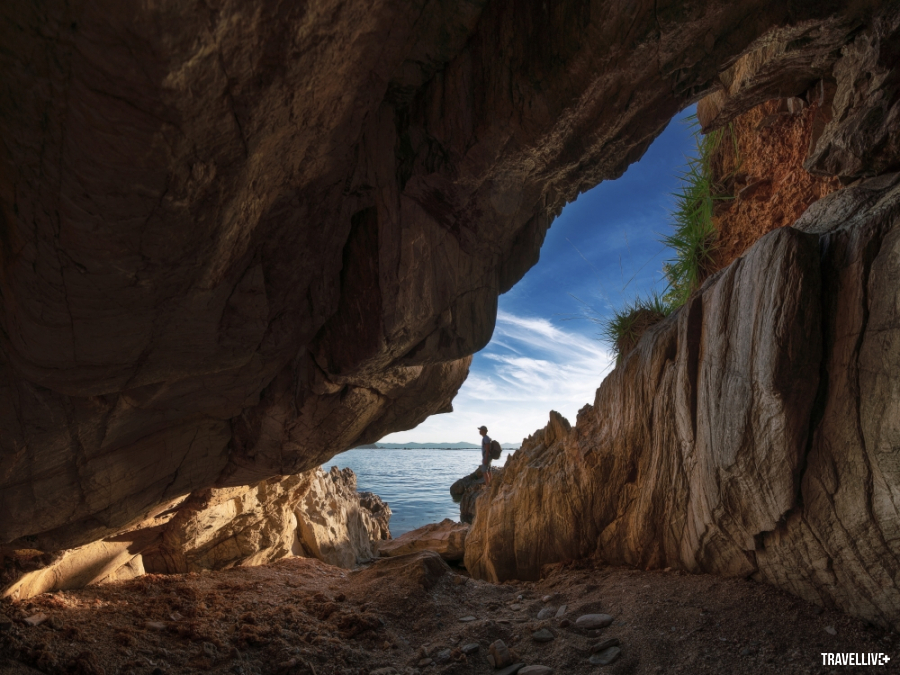
Xuan Dai Bay is formed by a mountain range that extends into the sea.
As a coastal province, Phu Yen boasts two bays at its northern and southern ends, along with breathtaking rocky cliffs.
Xuan Dai Bay is a small bay located at the foot of Gang Pass in Song Cau town. The bay is formed by a mountain range extending about 15 km into the sea, resembling the head of a unicorn. Few bays possess such diverse topography as Xuan Dai Bay – rocky outcrops followed by coves, coves followed by beaches, and beaches followed by undulating mountains.
From Xuan Dai Bay, traveling along National Highway 1A will lead you to Tuy An District. This area boasts most of Phu Yen's famous scenic spots, such as: Ganh Da Dia (Disk Rock Beach), Ganh Den (Lantern Cliff), Bai Bang Beach, Phu Hanh ancient stone village, Ong Cop Bridge, Mang Lang Church, O Loan Lagoon, Hon Yen Island, Vuc Hom Gorge, etc.
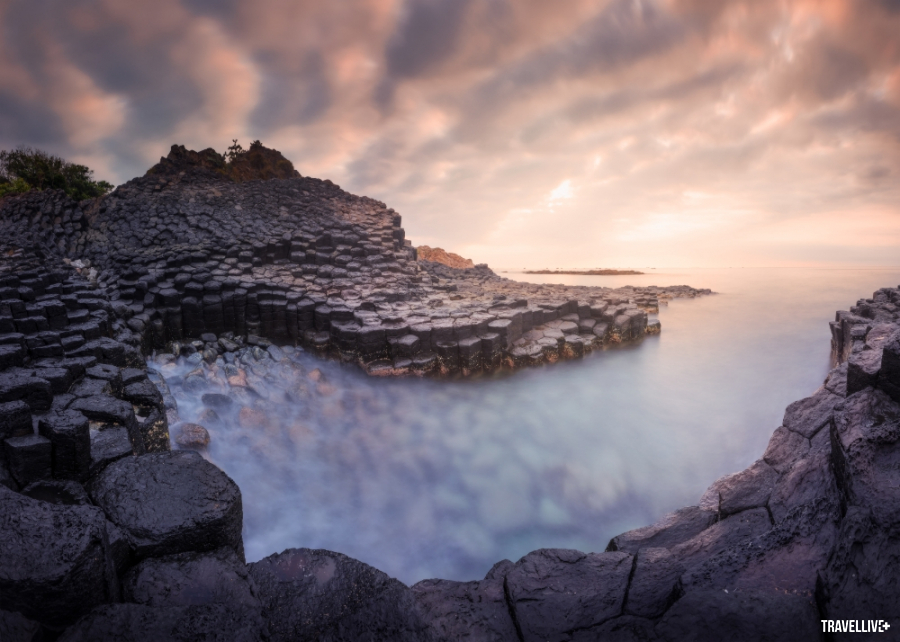
Ganh Da Dia is a famous landmark in Phu Yen province.
The Tuy An area is currently undergoing in-depth research into its rock culture. It would be a mistake to think that Ganh Da Dia is the only place with honeycomb-shaped rock formations. Hon Yen and Vuc Hom also have honeycomb rock formations similar to Ganh Da Dia, and many more similar rock formations are hidden deep underground.

About 1 km north of Ganh Da Dia is Ganh Den. The landscape here is still pristine and has not been well developed for tourism.

Ganh Den
About 1 km south of Ganh Da Dia is Bai Bang, a rocky beach located right on the coast. From around February to the end of March, these rocky areas are covered with seaweed and moss, creating a wild and captivating sight.
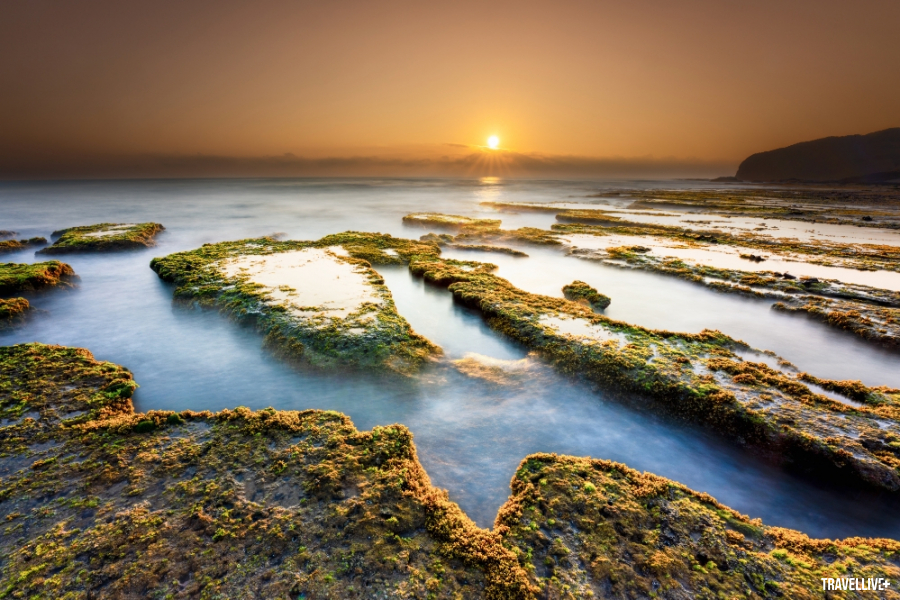
Bài Bàng
Nearby is the ancient stone village of Phu Hanh, a rather old village where houses, cowsheds, wells, and roads are all paved with very large stone blocks.
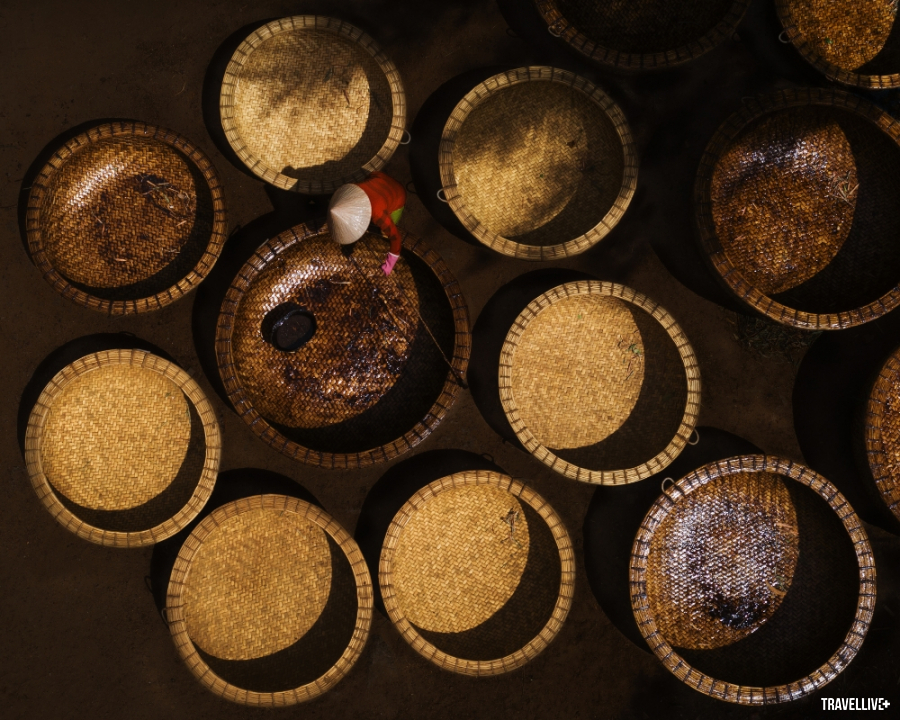
A traditional basket boat making village in Phu Yen.
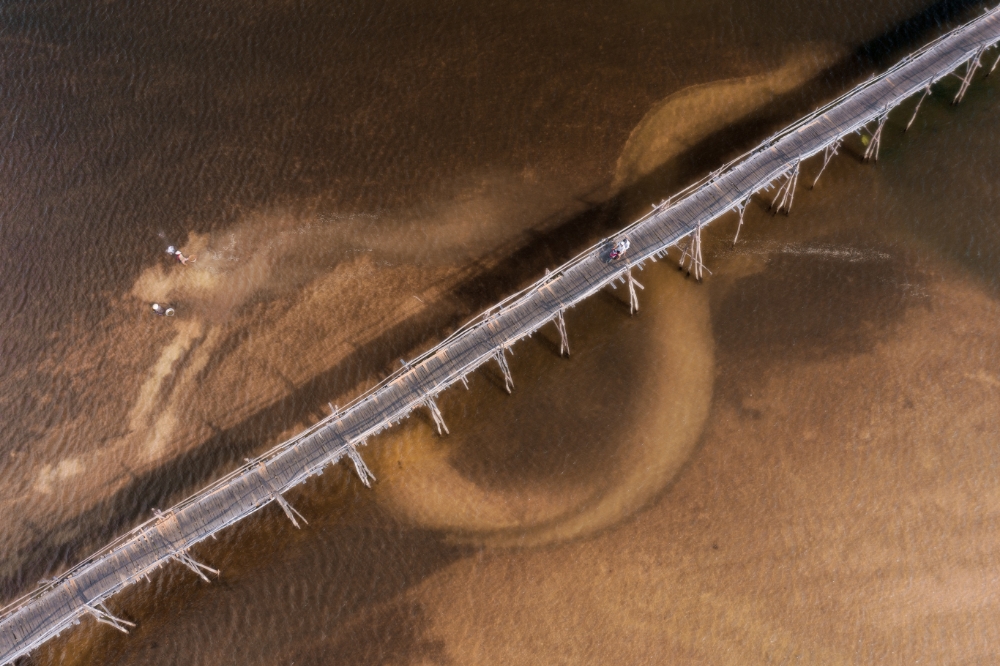
About 10 km from Ganh Da Dia, you can visit and explore Ong Cop Bridge - the longest wooden bridge connecting the sea in Vietnam, Mang Lang Church, and Tam Giang Dam.
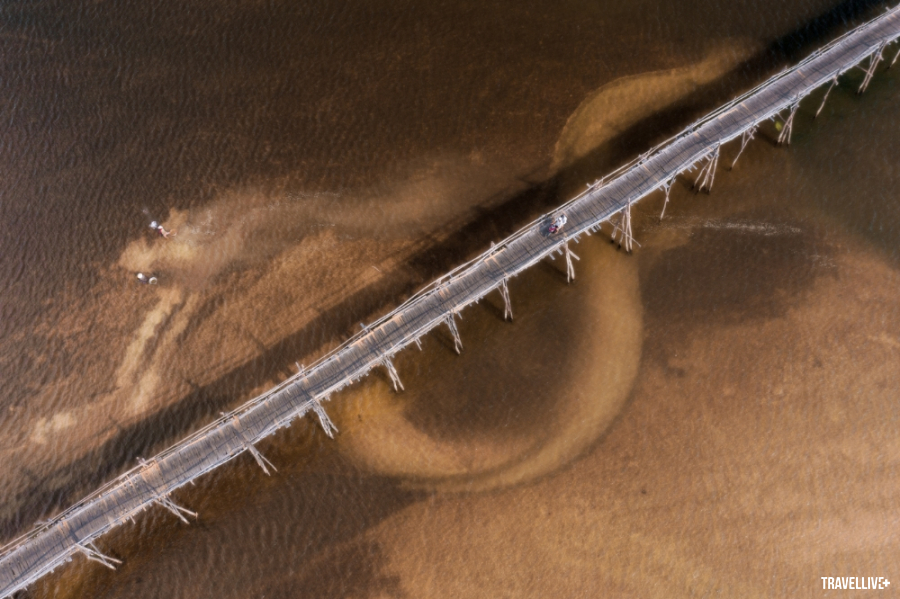
Ong Cop Bridge

O Loan Lagoon, with its tranquil beauty, is home to the famous blood cockles of Phu Yen province.
Hon Yen Island is a very famous natural landscape and has been recognized as a National Monument.

At Hon Yen, there is a fairly large coral reef, which can be seen exposed during the lowest tides of the year when the water recedes.
The city of Tuy Hoa is changing day by day. In addition to old attractions such as Nhan Mountain and the Da River (also known as the Da Rang River or Ba Ha River), the Nghinh Phong Tower in Tuy Hoa has recently emerged as a phenomenon.
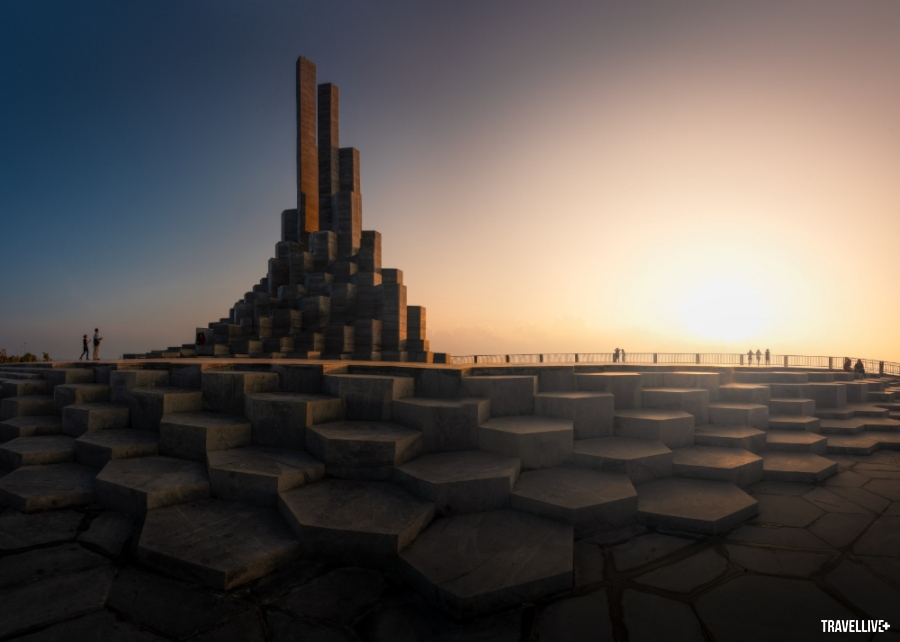
Nghi Phong Tower.
The tower has a beautiful design with a honeycomb rock structure similar to Ganh Da Dia. The tower is divided into two parts, each with 50 hexagonal stone pillars, inspired by the legend of the hundred eggs of Lac Long Quan and Au Co.
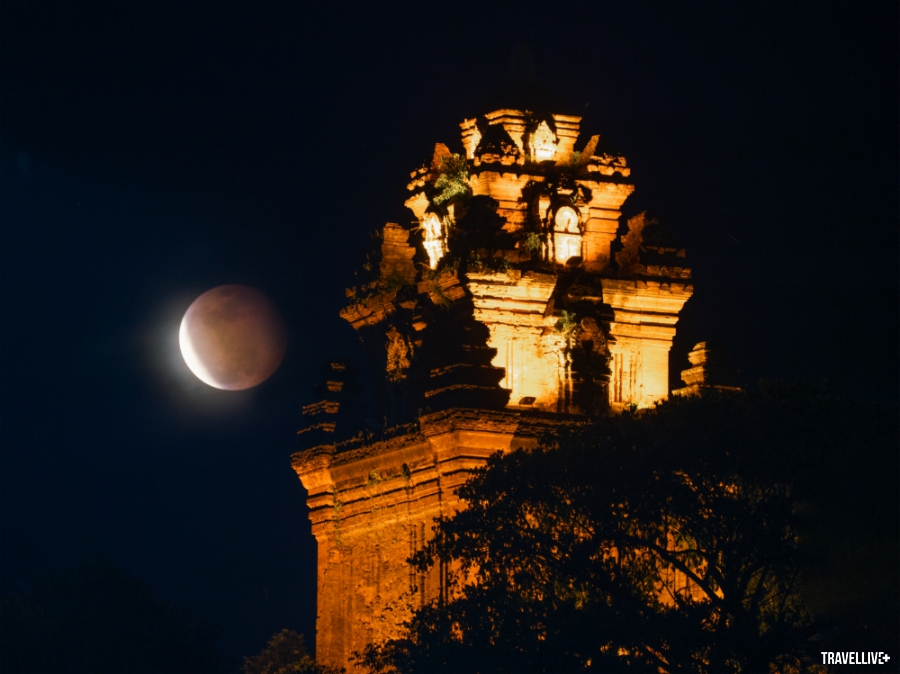
Nhan Waterfall is famous for its Cham architecture.
In the south of Phu Yen, besides Vung Ro Bay, there are also Mui Dien and Bai Mon. Traveling along this route offers a delightful experience with its long stretches of turquoise coastline bordering the cliffs.
Besides the sea, Phu Yen also has mountains. Tourists can go up to Ong Hinh to admire the Song Hinh hydroelectric lake and visit H'Ly waterfall.
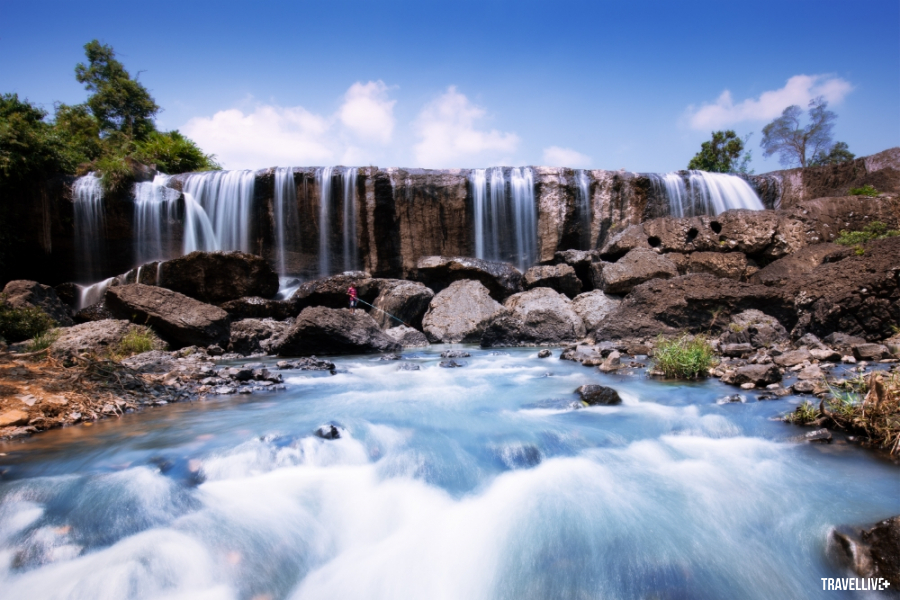
H'Ly Waterfall is also known as the Journey to the West Waterfall.
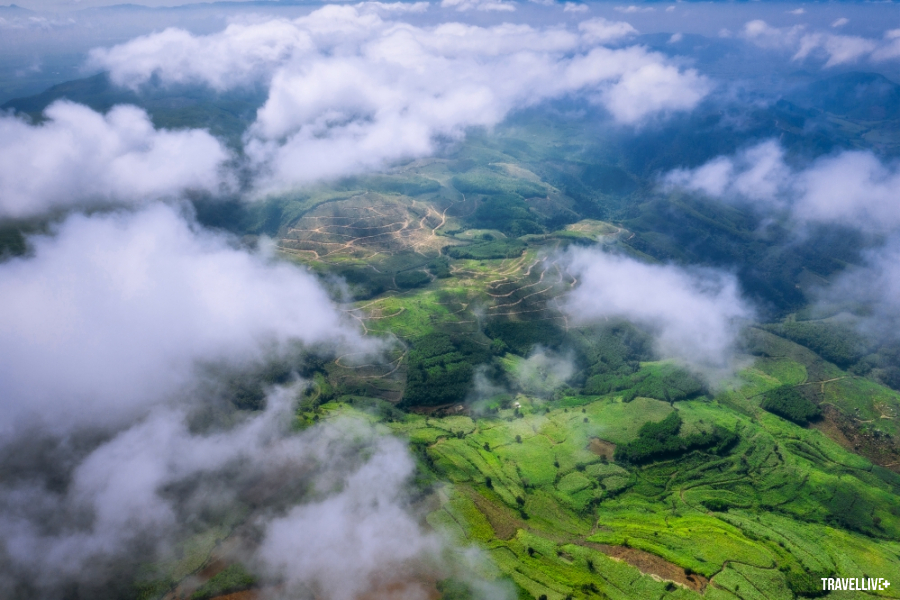
The Van Hoa plateau is often referred to as the second Da Lat.