VI
VI



Kon Tum is a province located in the northern part of the Central Highlands. Along with Gia Lai, Dak Lak, Dak Nong, and Lam Dong, these five provinces make up the fertile red basalt plateau region, rich in natural resources. As the only province bordering both Laos and Cambodia, Kon Tum is known as the "Indochina Crossroads."
In the Ba Na language, Kon Tum means "village in the lake region." In the past, it was a desolate, sparsely populated area, with villages of the Xơ Đăng, Ba Na, Gia Rai, Giẻ Triêng, B'Râu, and R'Mâm ethnic groups scattered across different settlements, not concentrated in one area. The majority of Kon Tum's natural area lies west of the Trường Sơn mountain range, resulting in a terrain that slopes gradually from east to west and lowers from north to south. This region is also the source of several major rivers, such as the Cái River (flowing to Quảng Nam), the Sê San River (flowing to Cambodia), and the Ba River (flowing to Phú Yên).
It can be said that tourism in Kon Tum is closely linked to its wild nature due to its unique natural characteristics and bears the strong imprint of the Central Highlands' gong culture of the indigenous ethnic groups.
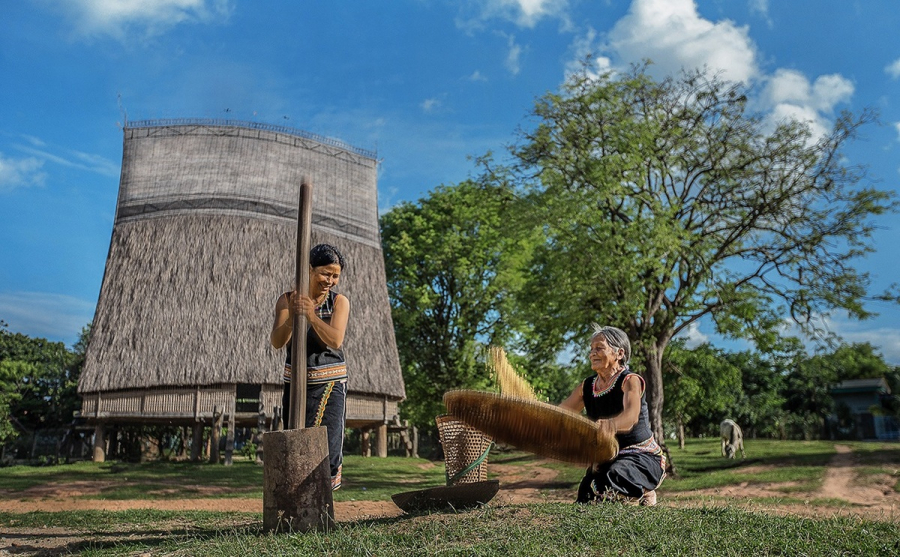
Kon Tum boasts numerous historical sites and beautiful landscapes, alongside major traditional festivals throughout the year, attracting a large number of tourists each year to this still largely unspoiled region. Below are some prominent destinations for visitors wishing to experience the unique features of Kon Tum.
Pau Suh Waterfall (Pa Sy Waterfall)
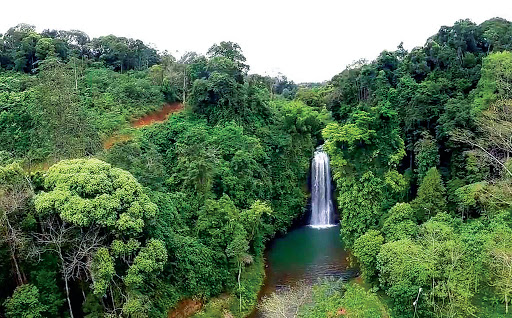
This uniquely named waterfall is a renowned destination in the mountainous region of the Central Highlands. Located about 6 km from the city center, Pa Sy Waterfall is situated in Kon Tu Rang village, Mang Canh commune, Kon Plong district. Surrounded by lush primary forests, the area boasts a fresh and cool climate, providing visitors with a comfortable and refreshing experience.
Pa Sy Waterfall is formed from the three largest streams in Mang Den, located at an altitude of 1,500 meters above sea level. Unlike other famous waterfalls in the vast Central Highlands, Pa Sy Waterfall is not majestic but gentle, with its white, cascading flow.
Ngoc Linh mountain

The Ngoc Linh Lien Son mountain range is a chain of mountains encompassing four provinces: Kon Tum, Quang Nam, Quang Ngai, and Gia Lai, starting from Ngoc Lum Heo peak in the Northwest to Ngoc Ro peak in the Southeast. Ngoc Linh is the highest peak in this range.
Located at an altitude of approximately 2600 meters, Mount Ngoc Linh is incredibly picturesque and majestic. Few dare to conquer this mystical mountain because of the many mysterious stories that have been told about it. This mountain holds significant spiritual value for generations of the local ethnic minorities.
Brave young people who love mountain climbing can choose Ngoc Linh as their destination for their trip.
Dak To hot springs
Dak To hot springs are located in Kon Dao commune, Dak To town, Dak To district, Kon Tum province.
The water of the Dak To hot spring has a temperature of 50-70 degrees Celsius and contains many minerals such as Mg, Na, Ca, Si… It not only helps visitors relax but also has therapeutic effects, making it suitable for those who want to combine tourism with relaxation.

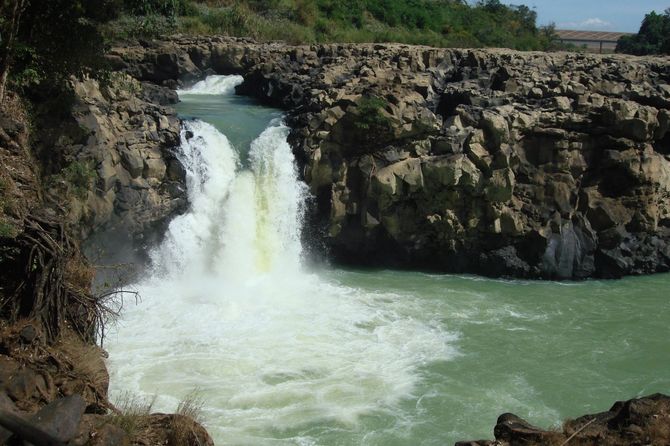
This area has not yet received much attention for tourism development, so it lacks many basic amenities and may not meet many of the expectations of tourists. Come to Dak To hot springs with a mindset of exploration rather than expecting comprehensive tourist services.
Chu Mom Ray National Park
Located about 30 km west of the city center, visitors to Kon Tum cannot miss the Chu Mom Ray National Park.
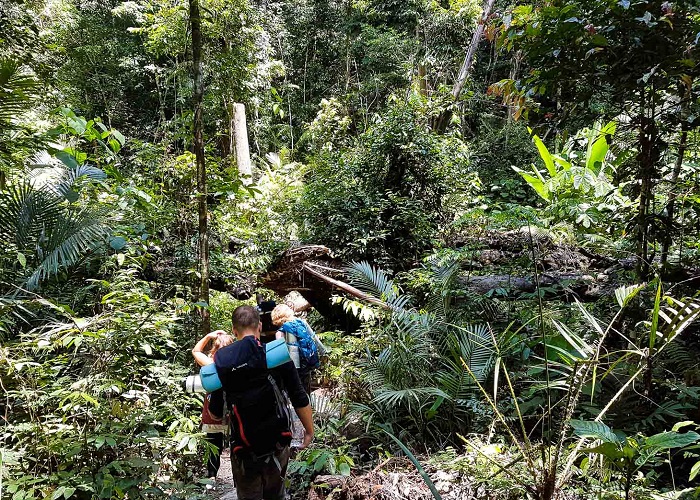
Chu Mom Ray National Park is known as the green lung of the far north of the Central Highlands and is also recognized as the national park with the highest biodiversity in Vietnam. What's remarkable is not only its vast area, bordering Virachey National Park of Cambodia and Southeast Ghong Conservation Area of Laos, but also its status as a habitat for over 114 species listed in the Red Book of Vietnam and the world.
Kon Bring village
Kon Bring Community Tourism Village in Kon Tum is a village of the M'Nâm ethnic group with many distinctive traditional features, typical of the Central Highlands, such as: communal houses (Rong houses), stilt houses, gong and drum dances, etc.
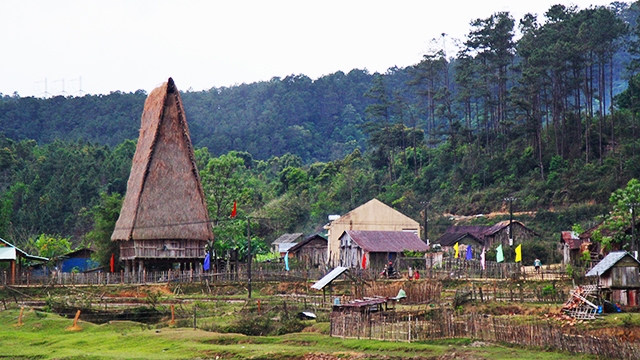
Visiting Kon Bring village, tourists will experience the peaceful and rustic beauty of the wooden stilt houses and gain a better understanding of the customs and daily life of the local people. Most interestingly, visitors may have the opportunity to hear the village elders recount the legends of the M'Nâm people as well as the fascinating legends of the Măng Đen region.
Kon Tum city
The most popular destination in Kon Tum province is the city of the same name. It is the cultural and economic center of the province, embodying modern values while still preserving traditional features.
Tourist attractions in Kon Tum city include: Kon Tum Wooden Church, Kon Tum Bishop's Palace, Kon K'Tu ancient village, Kon K'lor communal house, Kon K'lor suspension bridge, Kon Tum Museum and Bac Ai Pagoda.
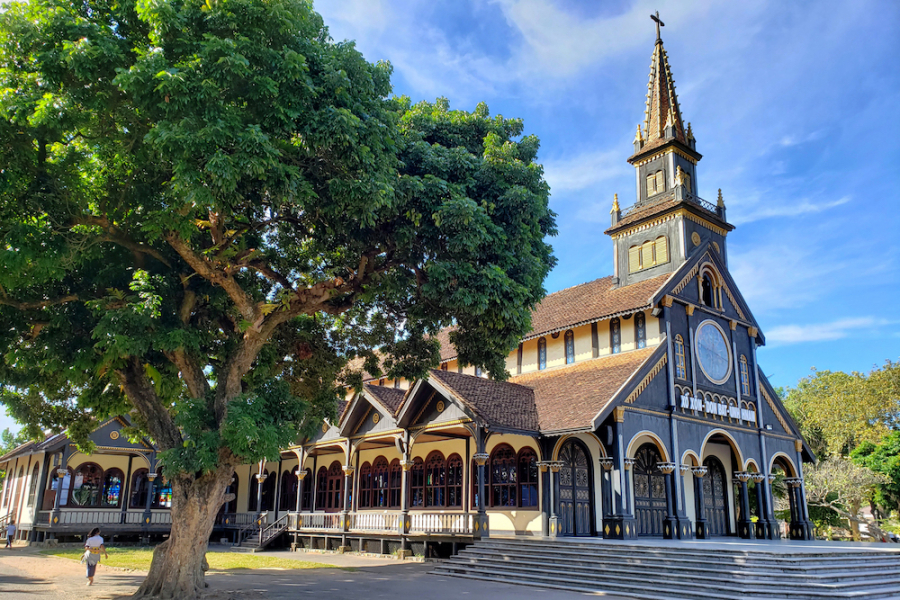
Kon Tum Wooden Church
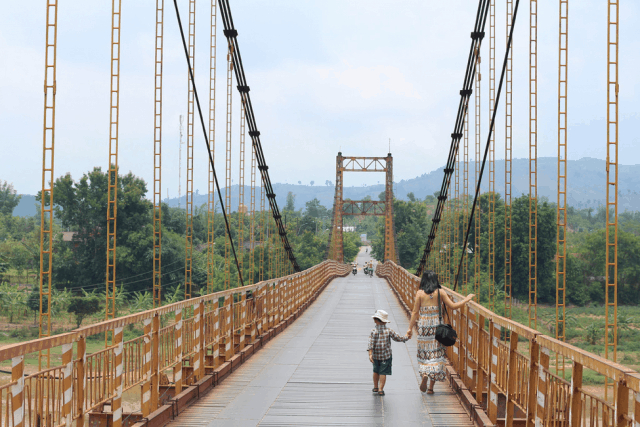
Kon K'lor Suspension Bridge
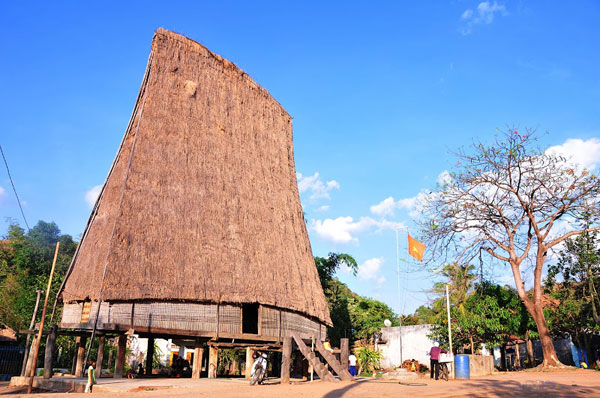
Kon K'Tu Ancient Village
Rich culinary culture
Kon Tum's fertile land means its cuisine is equally diverse. The dishes of the Central Highlands are closely linked to the natural mountain forests, offering a unique experience for visitors.
Must-try dishes when visiting the Central Highlands include: sticky rice with bamboo shoots, jellyfish noodle soup, wrapped cakes, leaf salad, sour ant salad, etc.
Sticky rice with bamboo shoots
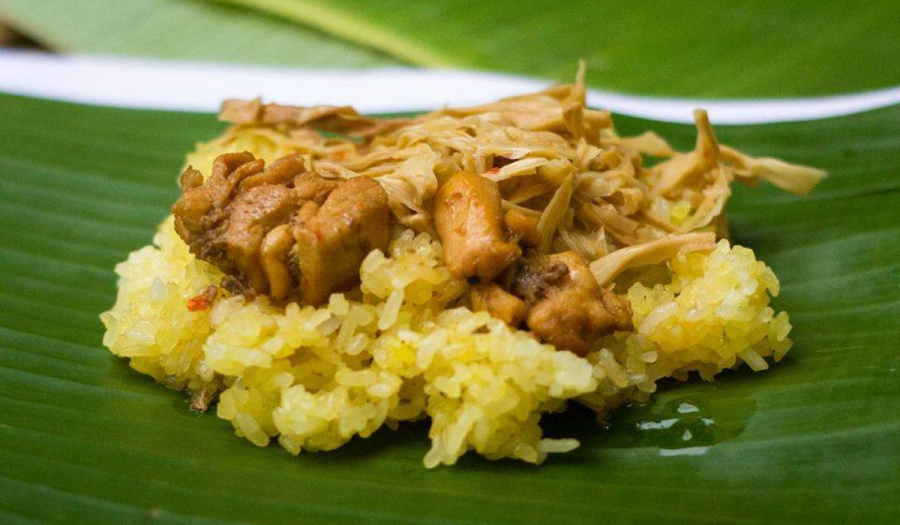
A famous specialty of Kon Tum, sticky rice with bamboo shoots sounds unusual, and its preparation is unique. This rustic dish may not look fancy, but only by tasting it can you truly appreciate the essence of the sun-drenched, windswept Central Highlands. Sticky rice with bamboo shoots is always a popular choice for diners because it's delicious, affordable, and readily available.
Jellyfish noodle soup
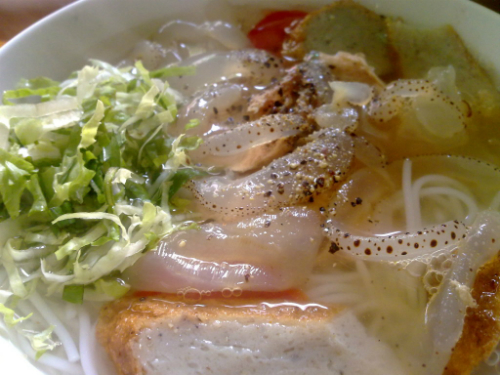
Although Kon Tum is not a coastal province, this jellyfish noodle soup is always readily available to tourists from near and far. The chewy texture of the jellyfish, the rich and flavorful broth, a touch of spicy chili, and the perfectly round, white noodles always leave an unforgettable impression on those seeking a taste of home.
Kon Tum Leaf Salad
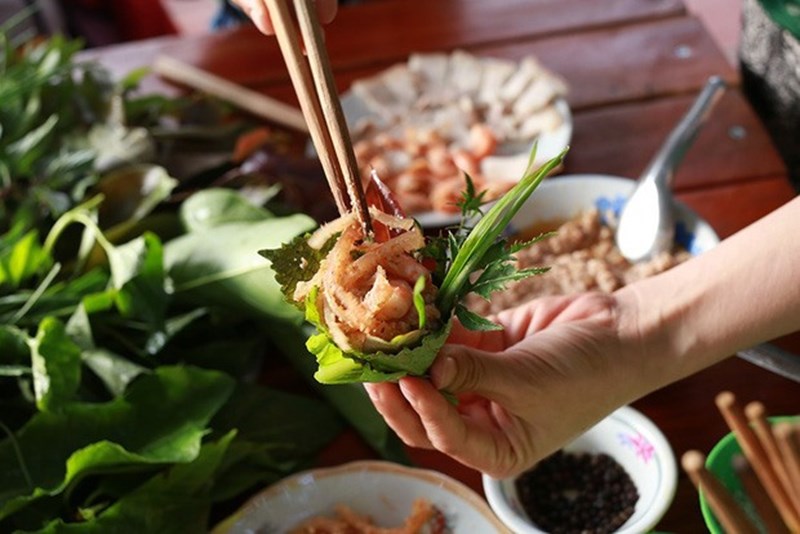
As the name suggests, this dish contains 40-50 different types of leaves, including guava, fig, mango, tamarind, Centella asiatica, Acanthopanax, sour leaves, star fruit, perilla, mugwort, and ruby leaves… This leaf salad is served with thinly sliced boiled pork belly, boiled freshwater shrimp, and pork skin. What makes this dish unique is the accompanying dipping sauce, which gives it a very distinctive flavor.
Sour ant salad
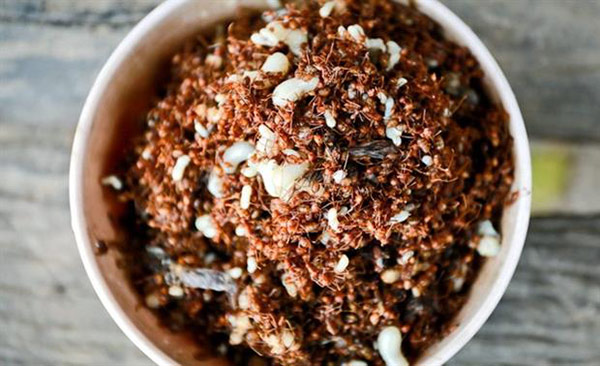
Preparing this dish is very elaborate, the most difficult part being going into the forest to collect the yellow ant nests, as they are usually found high up in trees. After bringing the nests home, they must be pre-processed by boiling them in warm water to remove dirt, then draining them. Mixing the yellow ants, ant eggs, a little fresh herbs, salt, and chili peppers results in a delicious dish. The more ant eggs in the nest, the tastier it is.
Noble rat meat
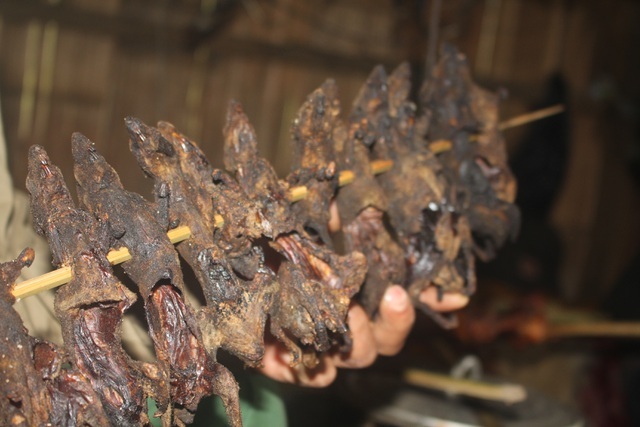
This is the name given by the locals in Tu Mo Rong region, who cultivate Ngoc Linh ginseng, to a species of rat that preys on the rare Ngoc Linh ginseng plants. This dish is considered a specialty of the people in Mang Ri, because these rats have eaten Ngoc Linh ginseng – a rare medicinal herb of the Tu Mo Rong region. It is only served on major holidays or to very esteemed guests.
Fish
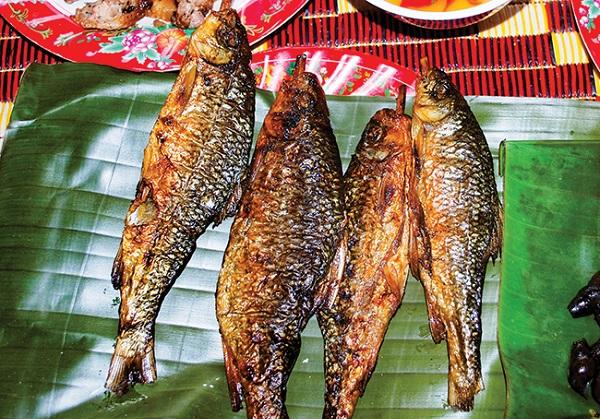
In Kon Plông, the "ca nien" fish is a local specialty. This type of fish is only found in clean, fast-flowing streams and rocky areas, making it difficult to catch. It is most abundant during the dry season or spring. The fish's flesh is white, not only odorless but also very fragrant and delicious, and considered highly nutritious. There are many ways to prepare "ca nien" fish. For grilling, simply wash the whole fish, skewer it onto a bamboo stick, and place it over charcoal. When the fish is golden brown, remove it and dip it in chili salt.