VI
VI


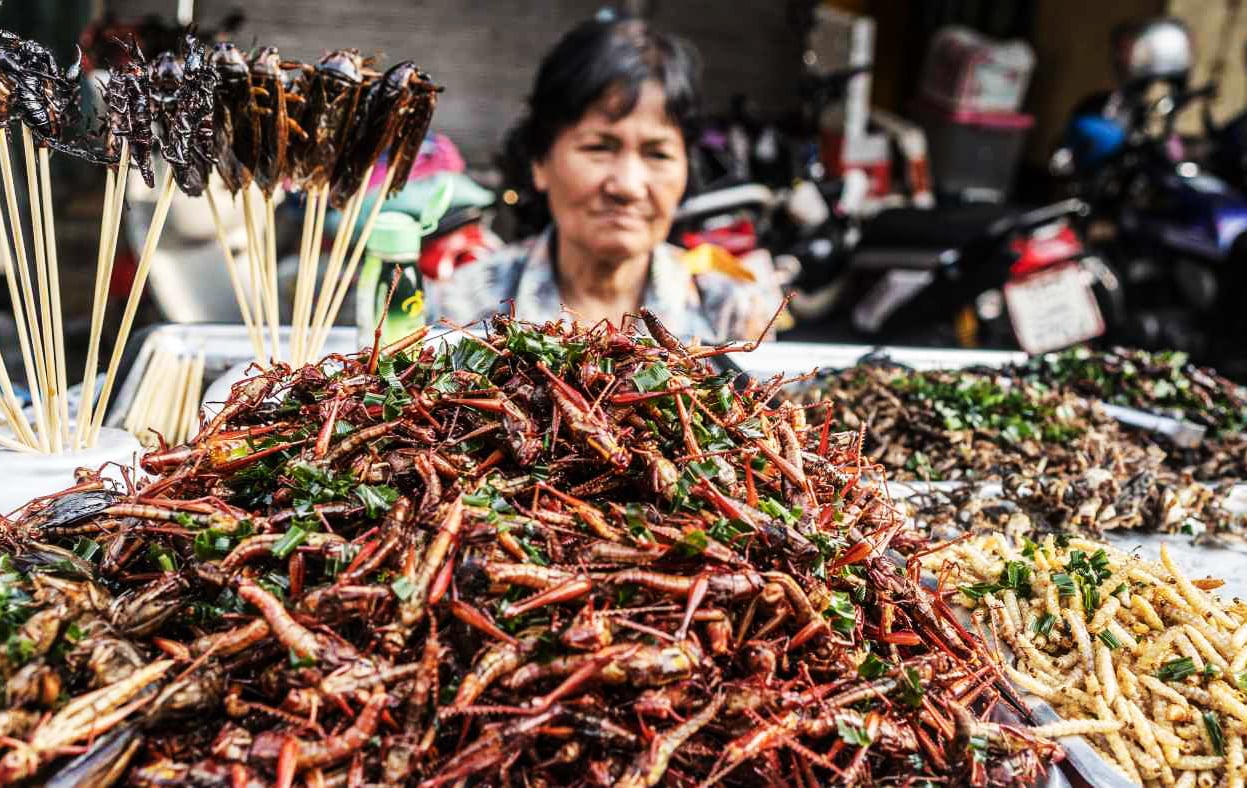
Singapore is opening its doors to the insect food industry with the official approval of 16 insect species for consumption. This historic decision by the Singapore Food Authority (SFA) marks a significant step toward a sustainable food system.


The use of insects as food and in cuisine has been well-received by consumers in countries such as Japan, Canada, and some European nations. In the context of increasing global food demand, especially as agricultural production is heavily impacted by extreme weather conditions caused by climate change, food derived from insects, with their good nutritional value and minimal environmental impact, has garnered significant attention.
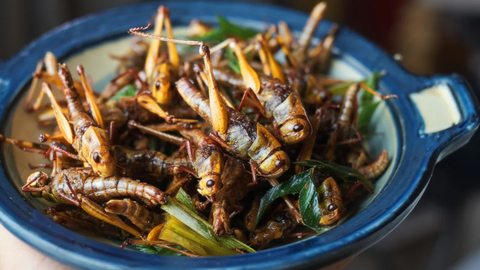
Before approval, some restaurants and bars in Singapore had already begun preparing a range of dishes featuring insects as ingredients.
According to Singapore's Business Times, the Singapore Food Authority (SFA) has approved the use of approximately 16 types of insects as food for consumption, including many species of crickets, grasshoppers, and pupae.
SFA conducted a thorough assessment of the safety and nutritional value of these insects before making its decision. According to SFA, insects are a rich source of protein, vitamins, and minerals, and emit fewer greenhouse gases than traditional meats such as beef and pork.

Approved insect species include crickets, grasshoppers, pupae, as well as beetle larvae, moth larvae, honeybees, silkworms, black soldier flies, dried black soldier fly larvae, black soldier fly larva powder, dried yellow mealworms, yellow mealworm powder, dried silkworms, silkworm powder, dried crickets, cricket powder, dried grasshoppers, and grasshopper powder. Crickets are considered a rich source of protein and are also high in vitamin B12, iron, and zinc. Silkworm pupae provide essential vitamins and minerals while being low in fat.
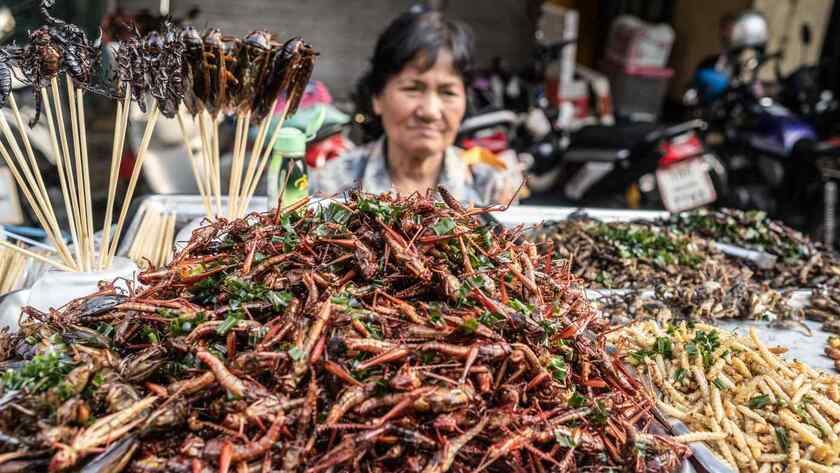
Singapore's food regulatory authority recently granted permits for the sale and consumption of 16 edible insect species within the country.
Singapore's acceptance of insects as a food product is seen as a significant step towards a more sustainable food system. Insects can serve as an alternative to traditional meats, helping to minimize negative environmental impacts. Some restaurants have already begun including insect dishes on their menus, and consumers are becoming increasingly open to the idea.
The SFA made this decision after a delay in licensing the use of insects as food. In 2022, the SFA began conducting a survey to gather public opinion on regulations allowing the use of 16 types of insects as food.
By April 2023, the agency announced it would approve the use of 16 insect species as food by the second half of 2023. At the end of January 2024, the SFA stated it would introduce a legal framework related to this issue in the first half of 2024.
In 2023, the European Union also added two more insect species to its list of acceptable food sources for humans. In Japan, some restaurants also offer dishes made from insects to their customers.