VI
VI


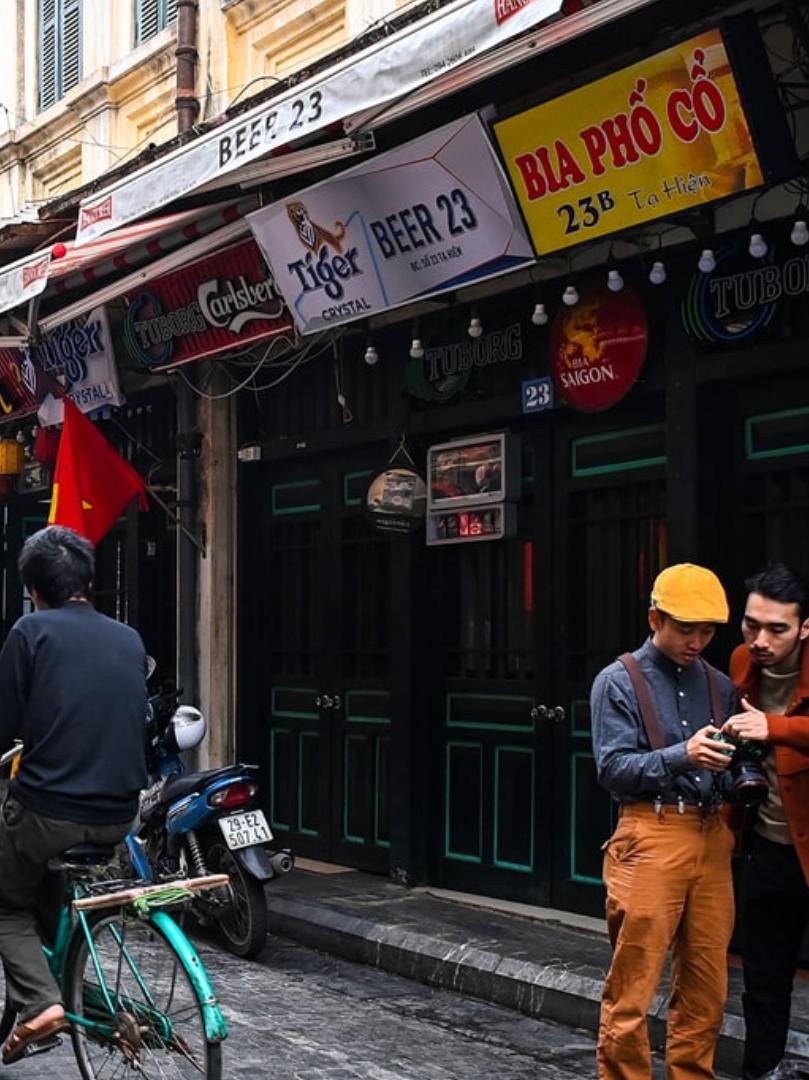
When people think of Hanoi, they often picture the romantic Ho Guom Lake, the glorious historical sites, or the bustling, modern streets. However, hidden within the narrow alleys of the Old Quarter lies a world of incredibly rich and captivating cuisine, enchanting anyone who sets foot there.
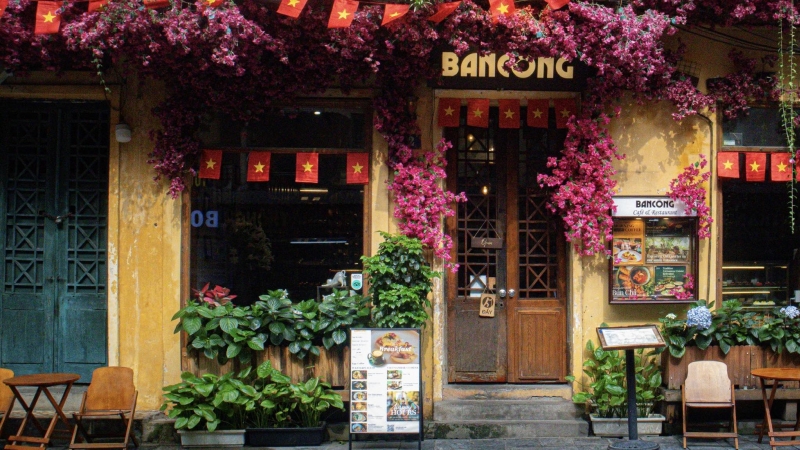
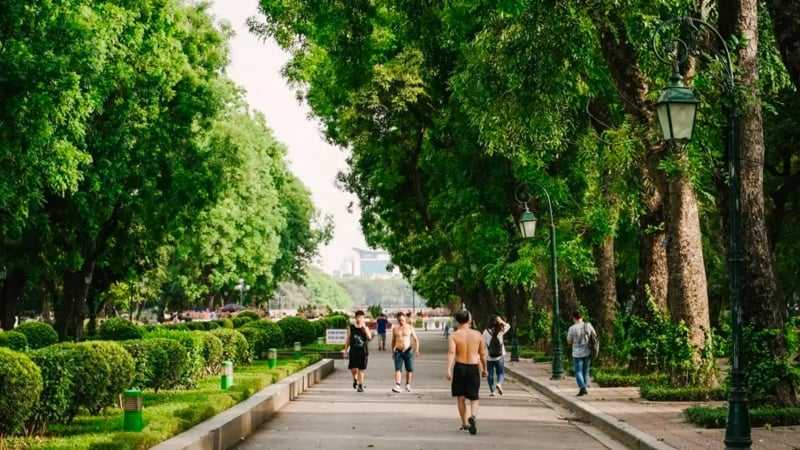
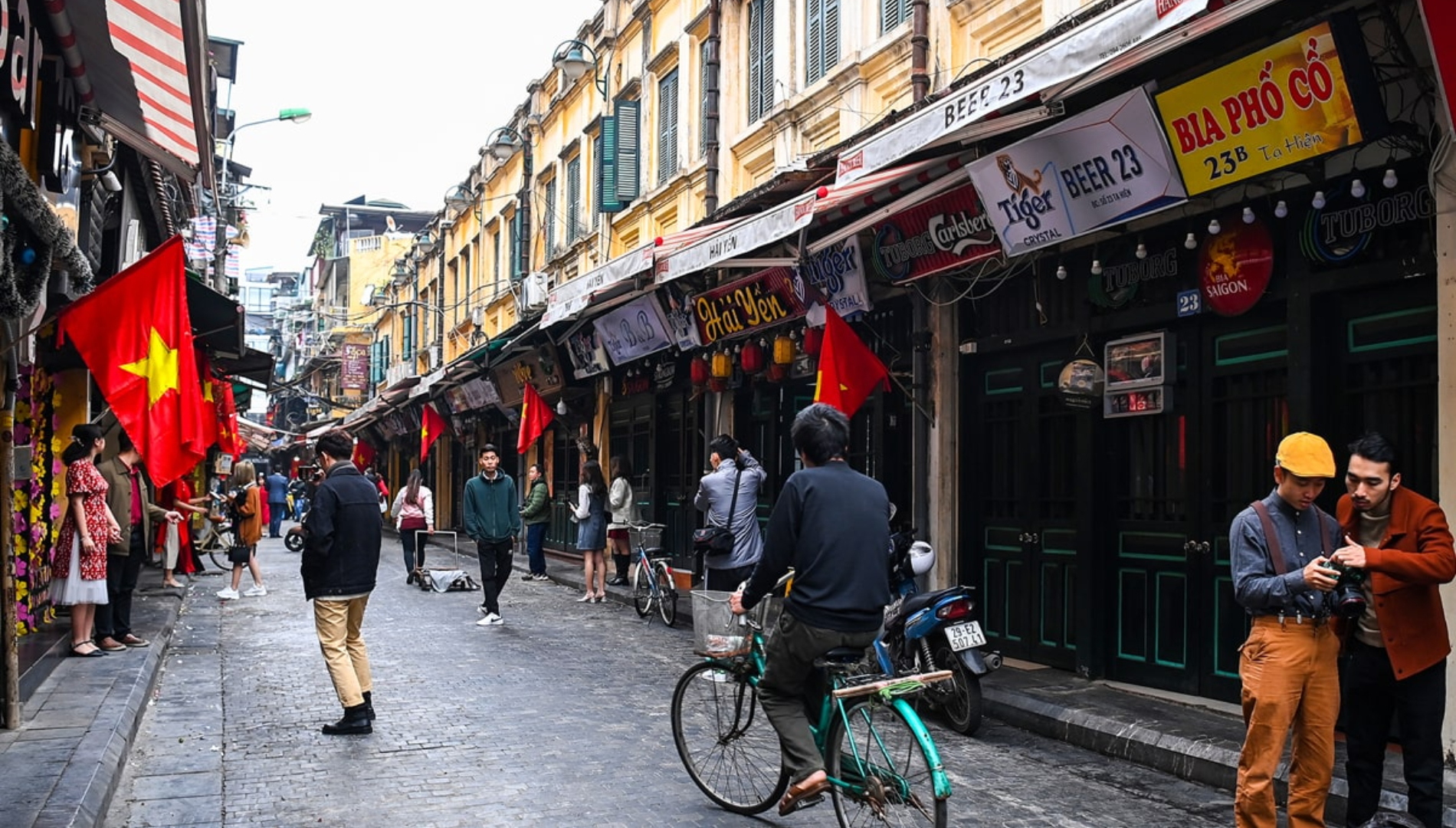
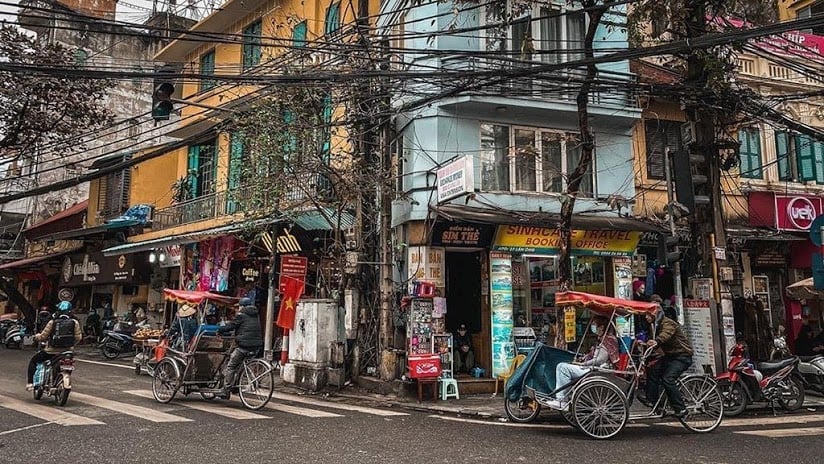
The narrow alleys in Hanoi's Old Quarter are often only about 1 meter wide, stretching deep into the distance, lined with closely packed houses bearing the distinct mark of time. Despite the limited space, this very characteristic creates a unique charm for the eateries here. Visitors can easily encounter familiar sights such as glowing charcoal stoves, simmering broth pots, fresh green vegetables, and the warm smiles of the owners.
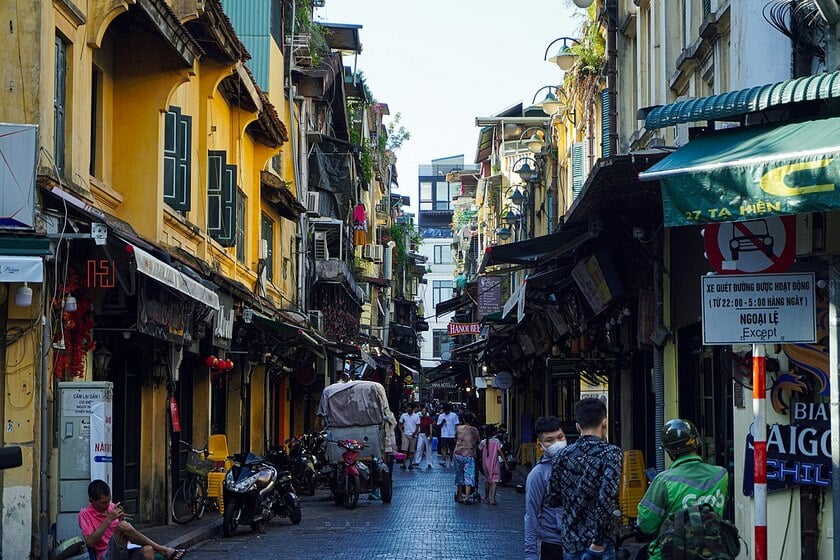
The narrow alleyways of Hanoi's Old Quarter bear the distinct mark of time.
The street food of Hanoi's Old Quarter is a delicate blend of traditional and modern flavors. The dishes here are prepared with fresh ingredients, following family recipes, and embody the distinctive taste of Hanoi. From simple dishes like pho, bun cha, bun thang, and cha ca La Vong, to more elaborate ones like spring rolls, fried dishes, and stir-fries, everything is meticulously and skillfully prepared, leaving a lasting impression on diners.
Bun cha Hang Quat - The soul of Hanoi's Old Quarter cuisine.
When mentioning Hanoi, it's impossible not to mention bun cha – a renowned specialty that has captivated countless diners. And among the many famous bun cha restaurants in Hanoi, Bun Cha Hang Quat remains a favorite destination for those who want to enjoy the most authentic bun cha flavor.
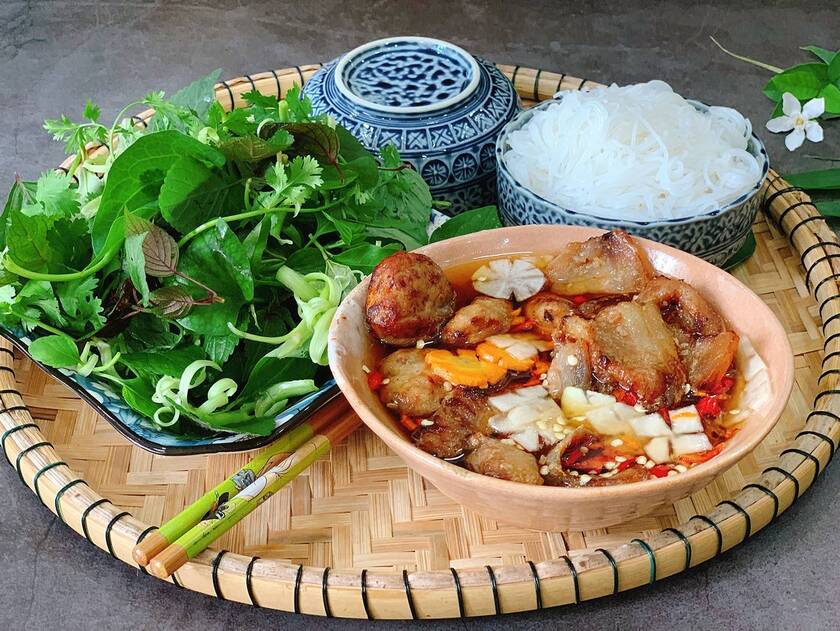
Hanoi's bun cha is a famous and delicious specialty dish of Hanoi.
Nestled deep within the small alley at 74 Hang Quat Street, Bun Cha Hang Quat has existed for over 20 years, an indispensable part of the culinary landscape of the Old Quarter. Though small and unassuming, the restaurant is always bustling with customers, thanks to its irresistible delicious flavor and simple, friendly service.
What makes Bun Cha Hang Quat special is its unique flavor and time-honored recipe. The grilled pork patties are cooked over charcoal, creating an irresistible aroma and a natural sweetness. The patties are perfectly seasoned and combined with fresh rice noodles, a rich sweet and sour fish sauce, and a touch of fresh herbs – all blending together to create a perfect dish.
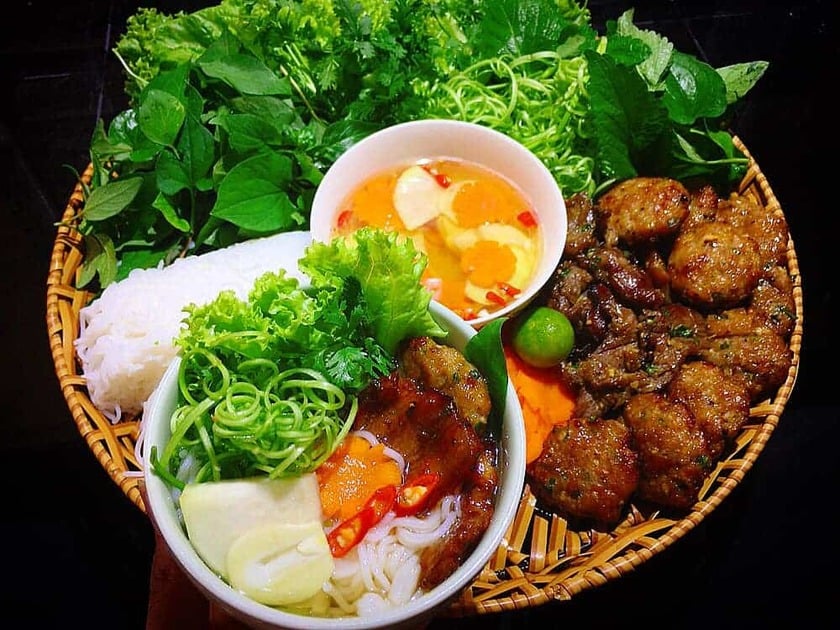
Bun cha has the honor of being selected by National Geographic as one of the 10 best street foods in the world.
Not only does it offer delicious food, but the restaurant's atmosphere also gives diners a warm and familiar feeling. Despite being located deep within a narrow alley, these bun cha restaurants are always brightly lit and bustling with customers. The simple wooden tables and chairs, along with the friendly service of the owners, all create a cozy atmosphere, making anyone who comes here feel like they are eating in their own home.

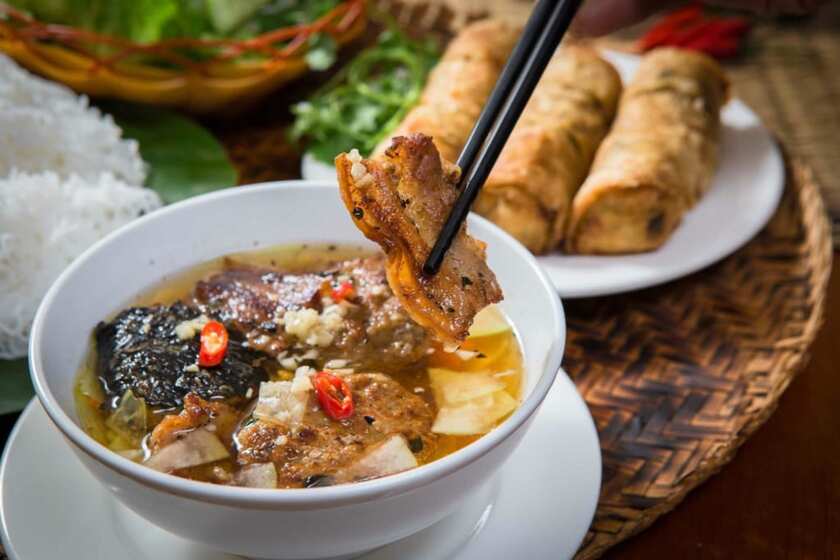
Hanoi's Bun Cha - the "unique child" of the capital city.
Bun cha Hang Quat is not just a dish, but an indispensable part of Hanoi's culinary culture. It's a place where Hanoi residents and tourists from all over come to experience the traditional bun cha, to feel the slow pace of life and the friendliness of the people of Hanoi. Through the years, the restaurant has maintained its simple, rustic yet captivating charm, making it an unmissable destination on any culinary exploration of Hanoi's Old Quarter.
Bun thang - A delicious dish from the Old Quarter every night.
When visiting Hanoi's Old Quarter, you can't miss bun thang – a refined and appealing dish, a long-standing and famous specialty of the capital city. Unlike pho, bun ngan, or bun oc, which are widely available, bun thang is so elaborate that not every restaurant can prepare it authentically.
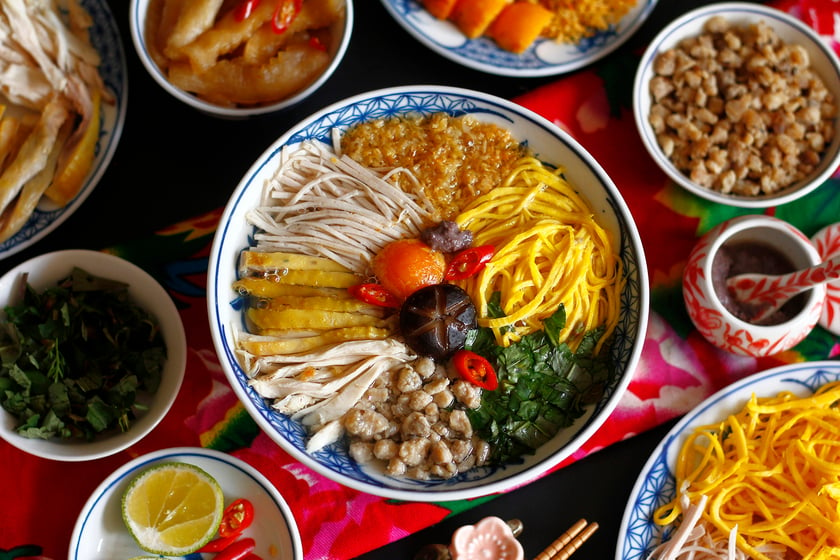
Hanoi Bun Thang – The Quintessence of Hanoi Cuisine
Bun thang is a signature dish of Hanoi, a harmonious combination of many ingredients and an elaborate preparation method. This dish consists of rice noodles, pork sausage, thinly fried egg, shredded chicken, finely ground dried shrimp, and, of course, a touch of shrimp paste to enhance its distinctive flavor. All these ingredients are neatly and attractively arranged in a bowl, creating a dish that is both delicious and visually appealing.
What makes bun thang so special is its broth. The broth is simmered from chicken bones, dried shrimp, and shiitake mushrooms, creating an unforgettable sweet, rich, and savory flavor. The broth is clear, perfectly seasoned, and combines beautifully with the fresh ingredients, making each bowl of bun thang a culinary work of art.
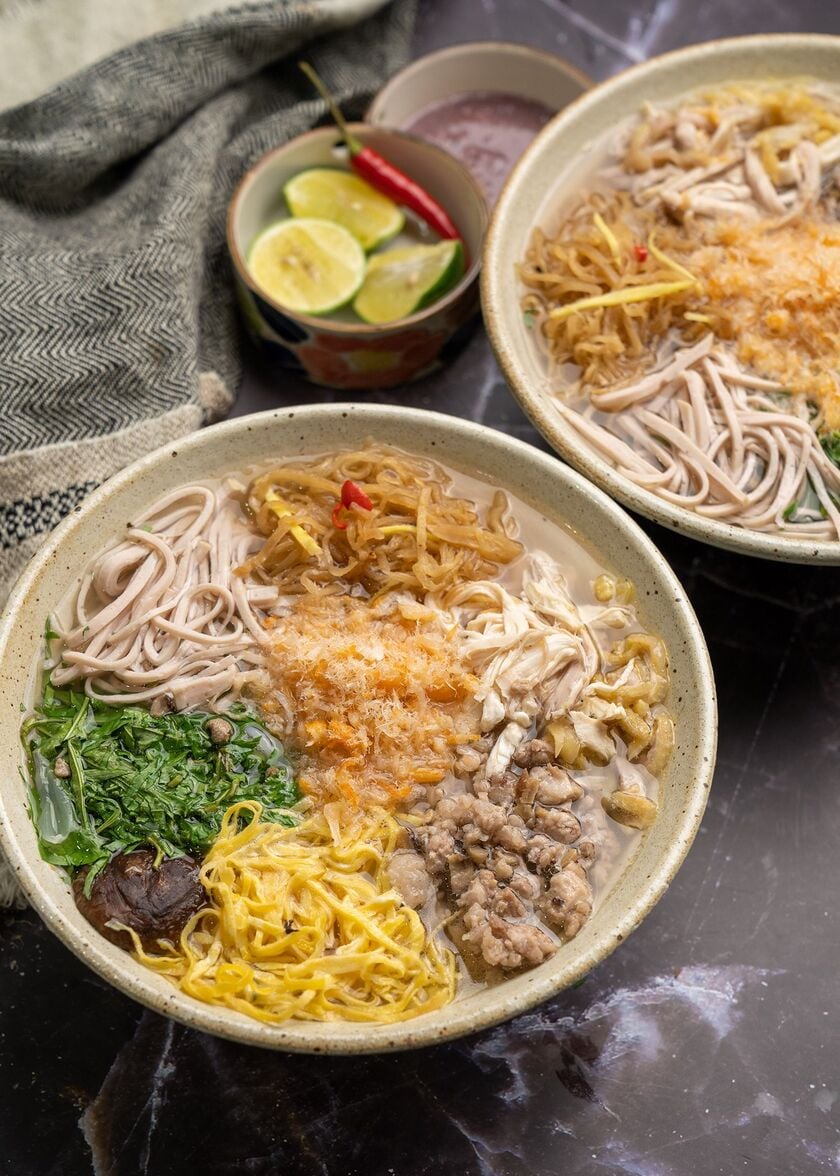
This dish is prepared in a very elaborate and refined way, showcasing the elegance and style of Hanoi cuisine.
Not only delicious, bun thang also embodies the unique culinary culture of Hanoi. This dish is often enjoyed in the evening, when the Old Quarter lights up, creating a cozy and romantic atmosphere. Bun thang is not just a dish, but also a part of memories, of family gatherings, of stories told over a bowl of fragrant noodles.
Although not as widely available as other dishes, bun thang (a type of noodle soup) still holds a special appeal for those who have tasted it. The sophistication in its preparation, the perfect blend of ingredients, and its unforgettable distinctive flavor have made bun thang famous among Hanoi residents and tourists alike. Therefore, whenever you visit Hanoi's Old Quarter, don't forget to take the time to enjoy a delicious bowl of bun thang to fully experience the flavors of the capital city.
Hanoi steamed rice rolls - A simple yet delicious dish that keeps diners coming back.
When mentioning Hanoi, people often think of street vendors bearing the mark of time, moss-covered ancient streets, and simple yet unforgettable dishes. Among them, banh cuon (steamed rice rolls) is a specialty dish that no one visiting Hanoi can miss.
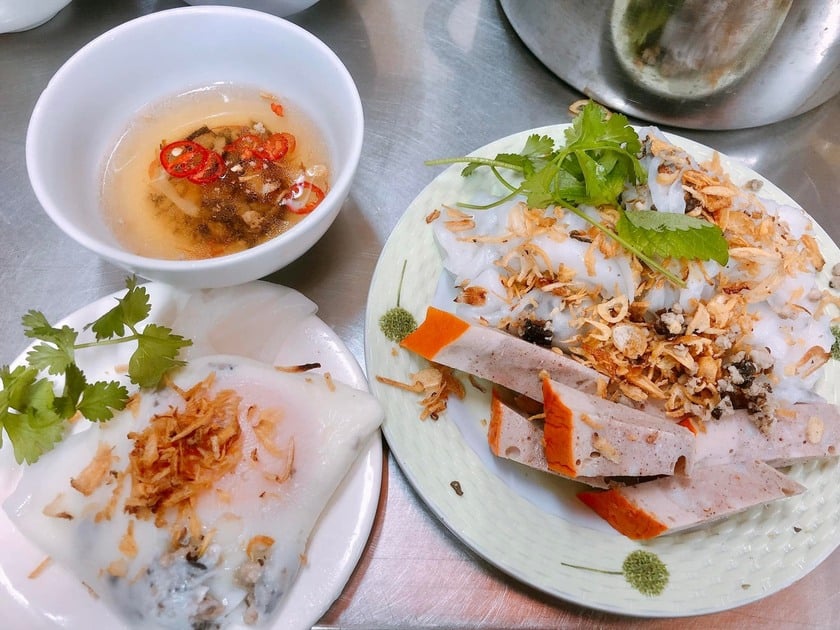
Hanoi's steamed rice rolls have a unique and delicious flavor that leaves a lasting impression on visitors after just one bite.
Rice rolls (Bánh cuốn) are a traditional dish that has existed for a very long time and has become an indispensable part of Hanoi's culinary life. Each serving of rice rolls here costs only 20,000 to 25,000 VND, but it's enough to fill you up and allow you to fully appreciate the distinctive flavor of this dish.
Authentic Hanoi-style rice rolls are made from high-quality rice, finely ground and mixed with water to create a thin batter. When steaming the rolls, skilled cooks sprinkle with fried shallots, wood ear mushrooms, and minced meat for the filling. Once cooked, the rolls are rolled up and cut into bite-sized pieces. The most important element of this dish is the dipping sauce – it must be perfectly seasoned, rich and thick, with a balanced sweet and sour flavor.
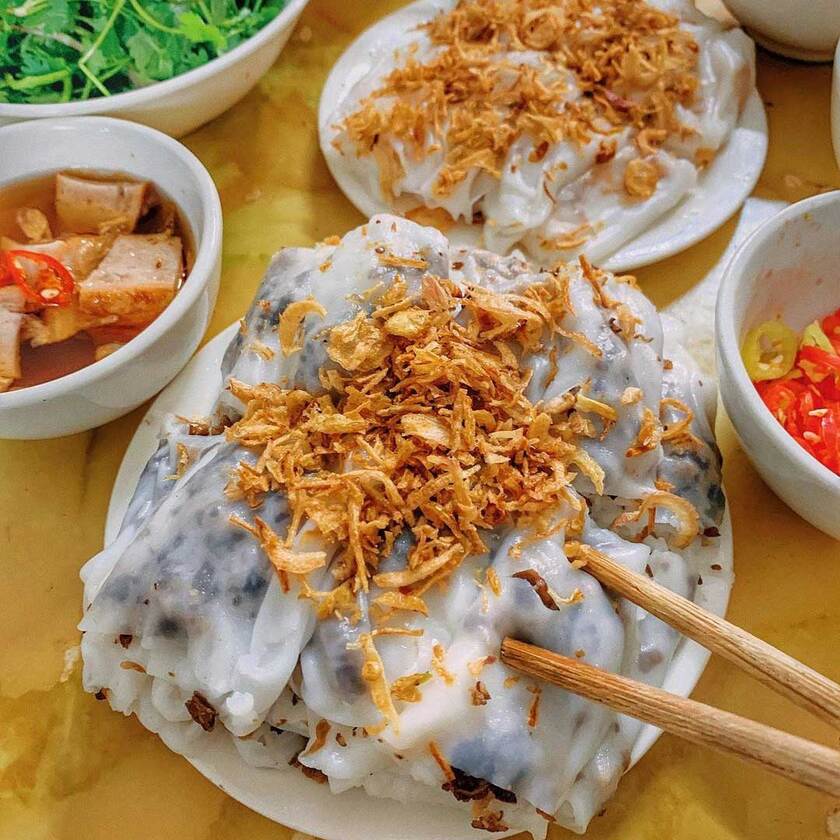
Thin rice paper wrappers are served with fragrant stir-fried minced meat and wood ear mushrooms, or with added eggs depending on the diner's preference, then rolled up and sprinkled with fried shallots.
Hanoi-style rice rolls are often served with cinnamon pork sausage, Vietnamese pork sausage, or Chinese sausage. In particular, a soft-boiled egg mixed into a bowl of fish sauce adds richness and depth to the flavor. This combination creates a perfect meal, satisfying both taste and sight.
More than just a simple dish, rice rolls (bánh cuốn) embody traditional flavors and are an indispensable part of Hanoi's cuisine. Every morning, small roadside stalls selling rice rolls, with smoke rising from the steaming pots, are always bustling with customers. From laborers to students and tourists, everyone wants to enjoy a hot, fragrant serving of rice rolls to start their day.
Hanoi's steamed rice rolls are not just a dish, but also a culinary cultural icon, offering a warm and familiar feeling. If you have the chance to visit Hanoi's Old Quarter, don't forget to try these rolls – to experience the sophistication and uniqueness of the local cuisine.
These narrow alleyways not only preserve the charm of Hanoi but also hold the distinctive culinary traditions of the capital city. Within the Old Quarter, each alley is like a food treasure trove, where one can find traditional dishes that have become iconic symbols of Hanoi.