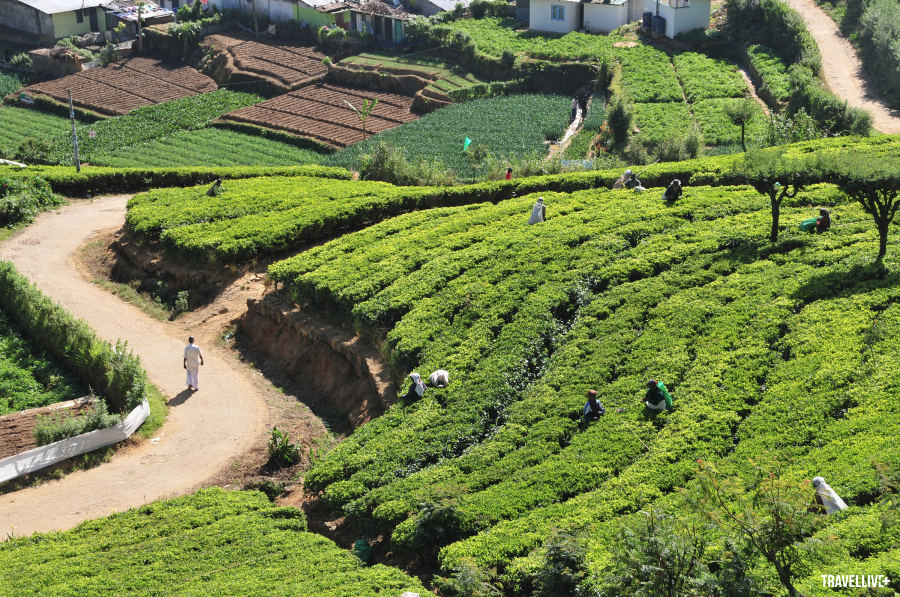
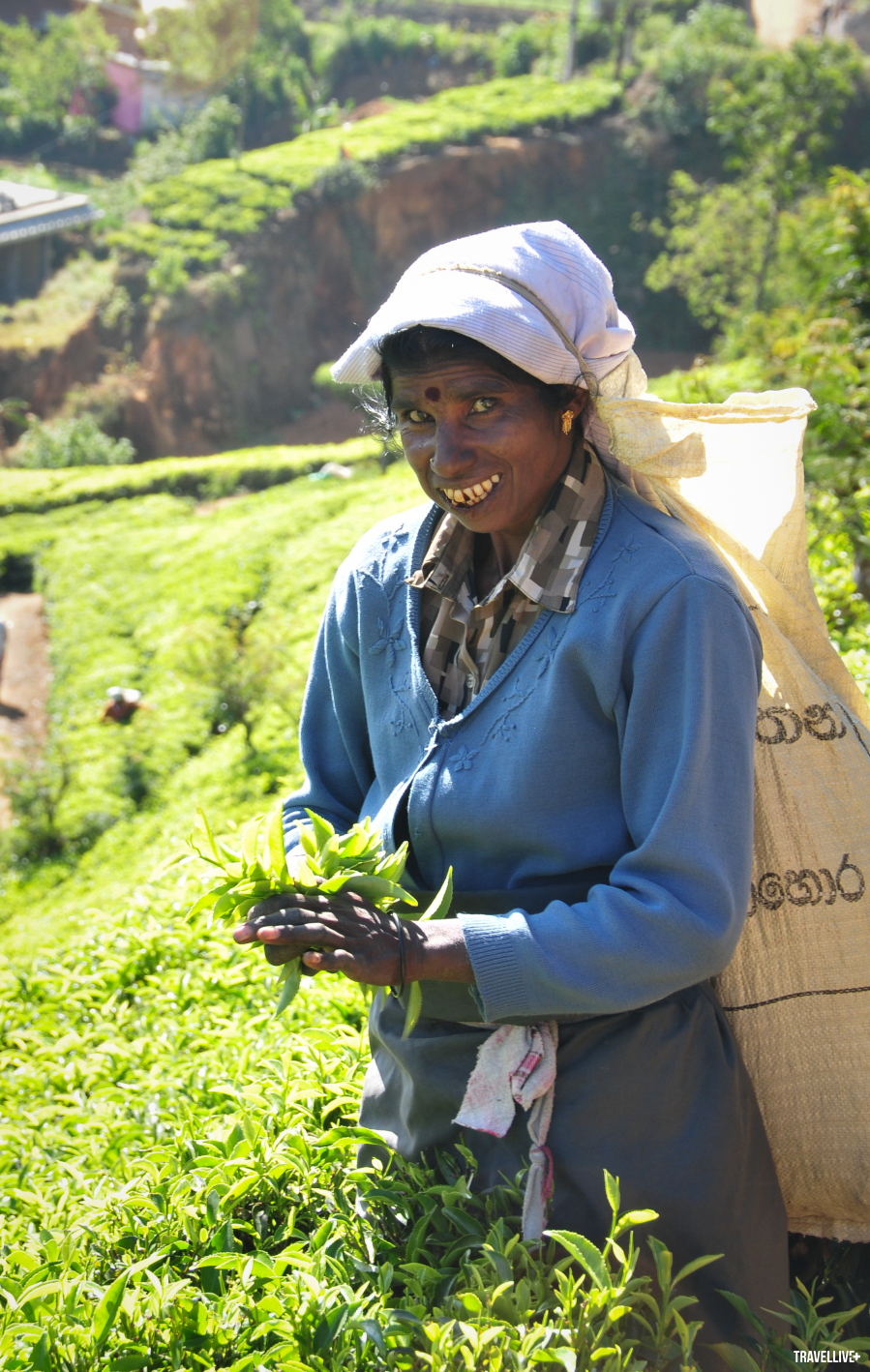
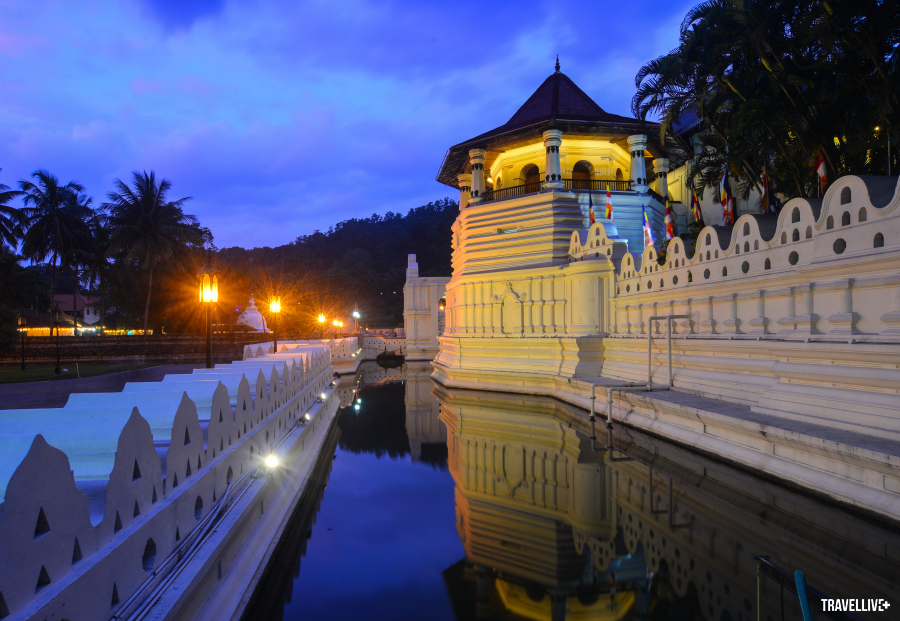
Have you ever heard of Sri Lanka, the island nation in the Indian Ocean, a land of vast, lush green tea plantations, stunningly beautiful, dense forests, dreamy stretches of sand bathed in the early morning tropical sun, and simple, kind-hearted people?
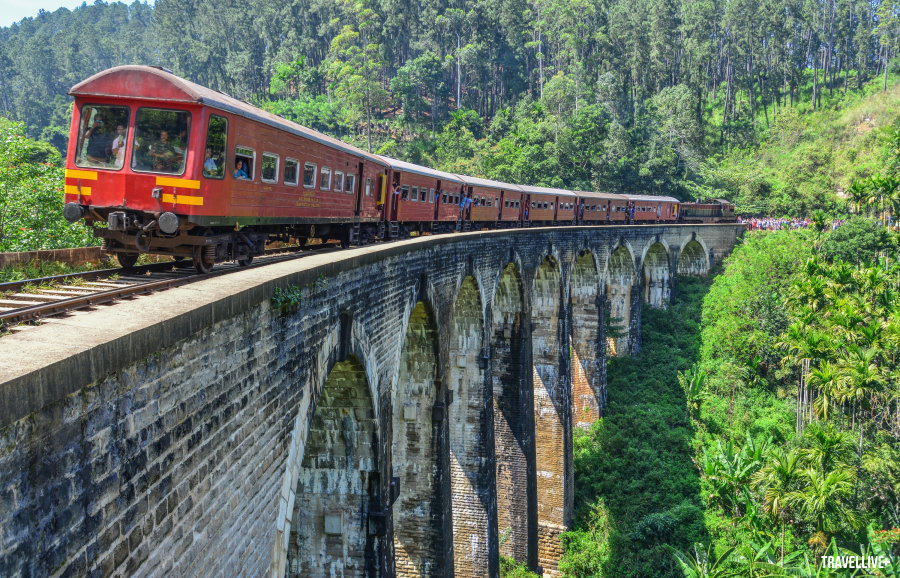
Take a train ride through the stunning tea plateau.
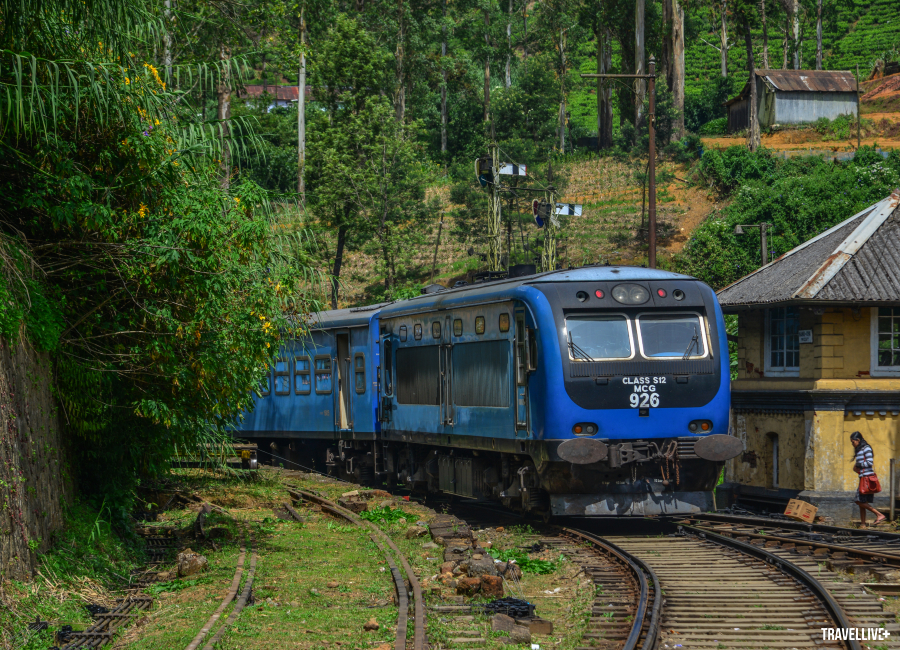
The tea processing industry in Sri Lanka's Central Highlands has a long history. Along with India, the British introduced tea to Sri Lanka and developed a large-scale production system during the colonial period, from the early 17th century until the country gained independence almost simultaneously with India in 1948. Today, the rolling hills remain a renowned producer of black tea, not only for domestic consumption but also home to a large processing plant for Lipton tea. Therefore, when thinking of Sri Lanka, travelers immediately picture a spectacular train journey through the Central Highlands. This was also my first goal when embarking on a "slow-paced" trip around this South Asian country.
The entire country of Sri Lanka currently has only one operational international airport, Katunayake Airport, located in Negombo, about 30 km north of the capital Colombo. Otherwise, public transportation throughout the country mainly relies on two modes: buses and trains. Both modes of transport have a somewhat old-fashioned feel, seemingly dating back to the British colonial era. However, from an economic standpoint, they seem very suitable for the living standards of the majority of Sri Lankans. For me personally, Sri Lanka is probably the cheapest country to travel to, although the level of amenities is only below average. But, once you immerse yourself in the slow pace of life with the locals, the standards of tourism become less important. Experiencing real life is what truly matters.
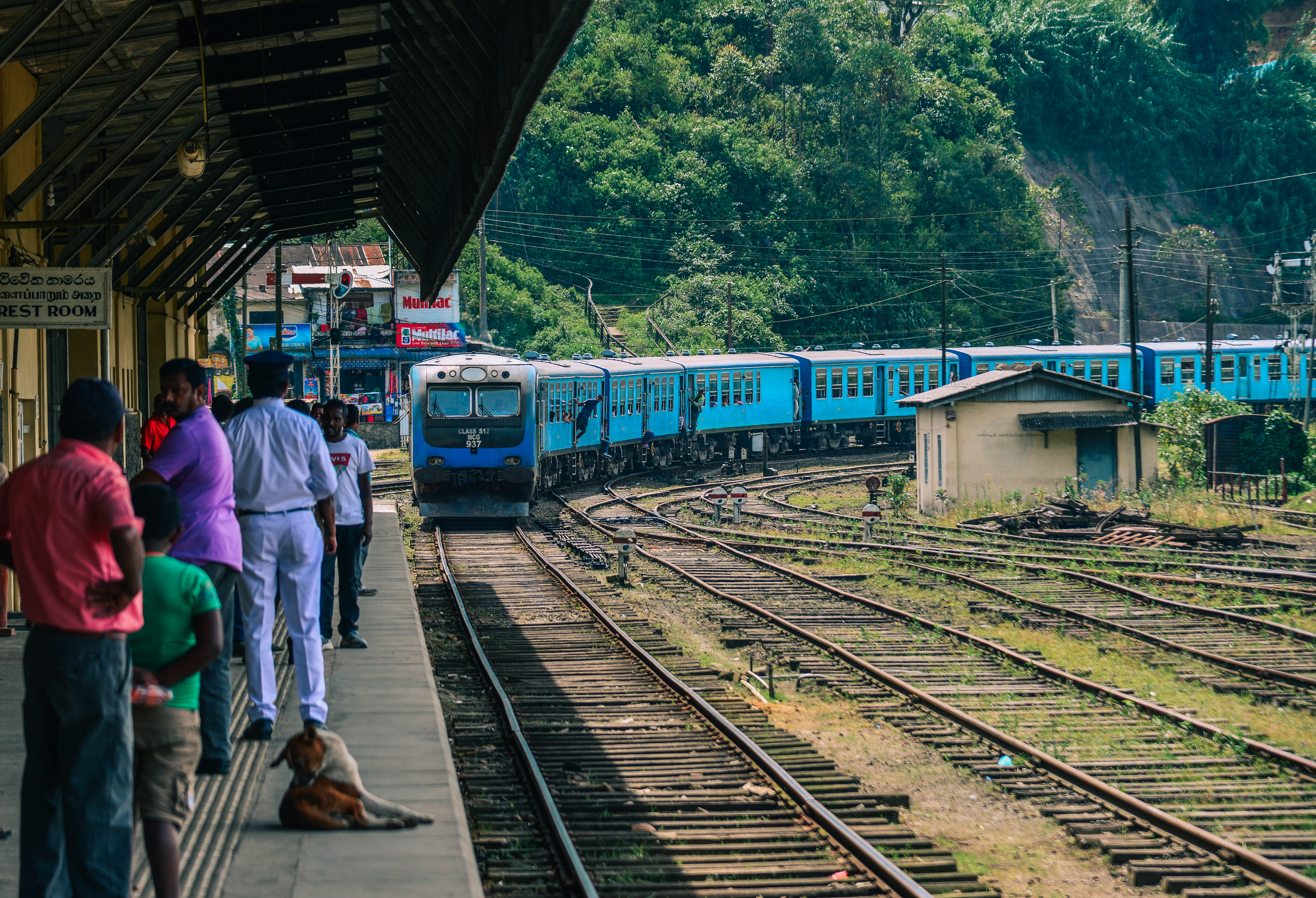
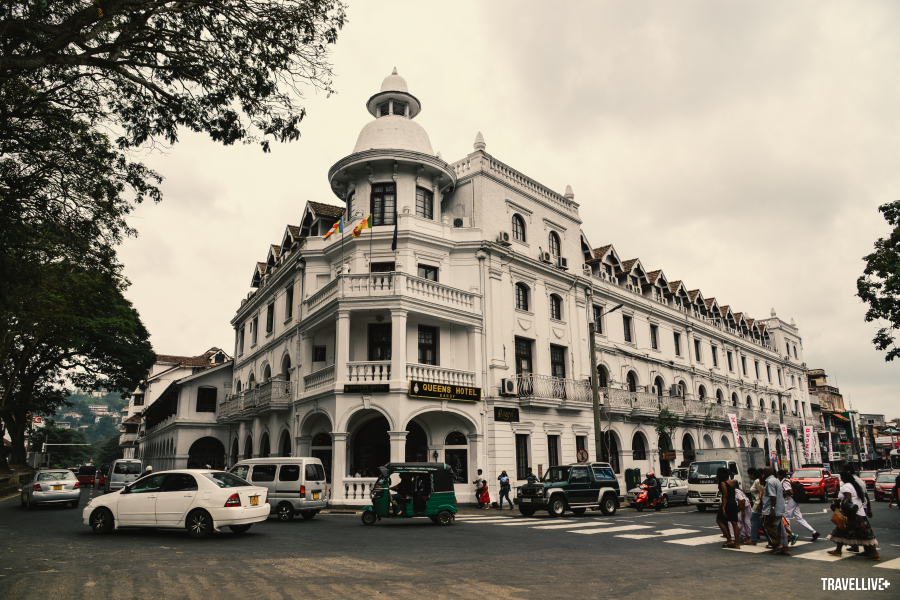
I embarked on one of the most beautiful train journeys of my life from Kandy City Railway Station, the highland capital of Sri Lanka, in a very excited mood. The train rumbled slowly across lush green tea hills bathed in sunlight.
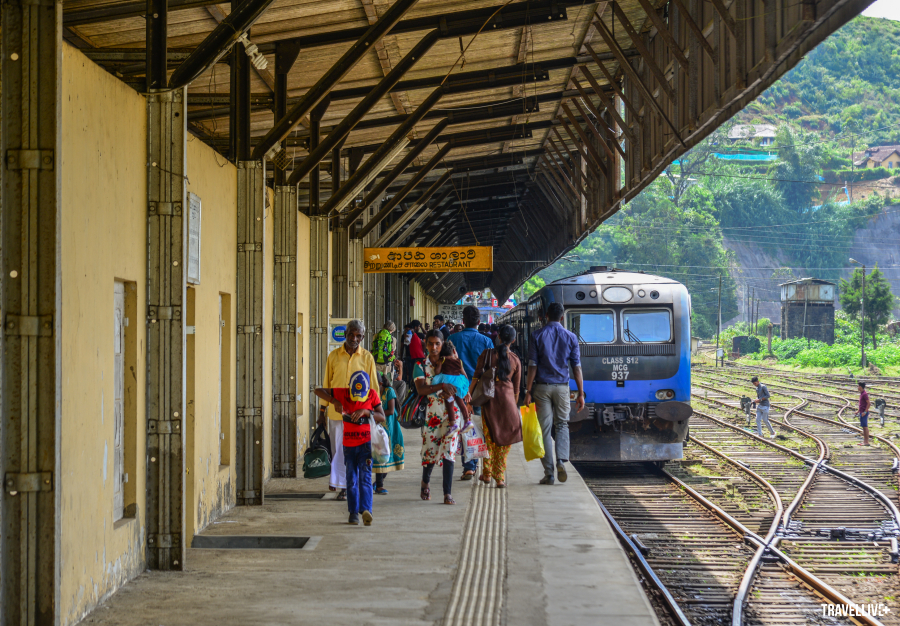
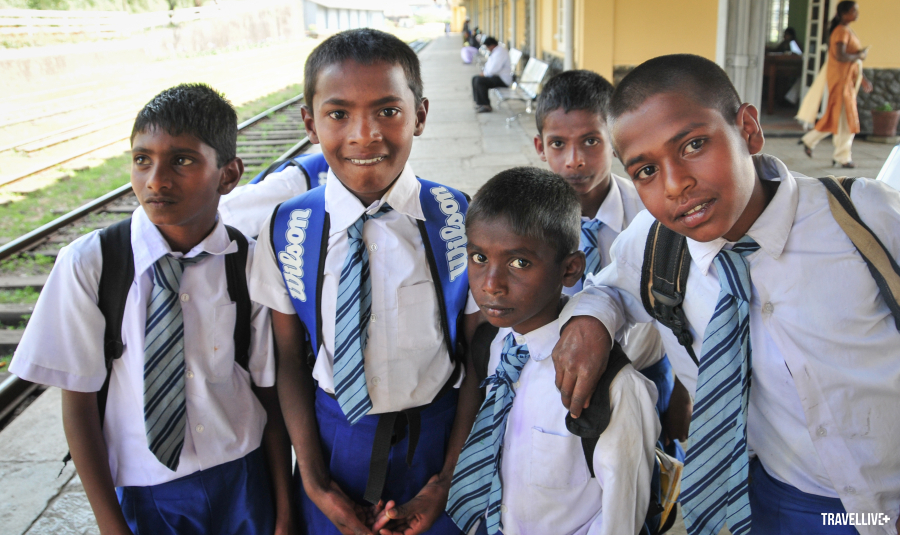
Moreover, the terrain constantly changes; the train passes through deep valleys, dark primeval forests, and then descends steeply, passing charming villages nestled along the gentle mountain slopes. Occasionally, the train stops at a small platform, and I sit by the window, watching the continuous activity on the platform, sometimes catching the curious, dark eyes of people on trains going in the opposite direction. The pristine nature, blending into the gentle scenery of these small platforms, truly softens the heart. Sometimes, just a few exchanged glances, or witnessing a gentle handshake on the platform, in the afternoon sunlight filtering through the glass, reflecting dappled light onto the pavement and the rails, suddenly reveals how much meaning there is in life.
Slowly drifting towards the sea...
I stopped for a night in a small, feminine-sounding mountain town called Ella, then took a cheerful bus ride south to the Indian Ocean coast. The further south I went, the more villages I encountered, the more densely populated the area, and the more bustling the atmosphere. Gone was the delightful coolness of the highlands; instead, I found myself immersed in the chaotic societies typical of developing countries.
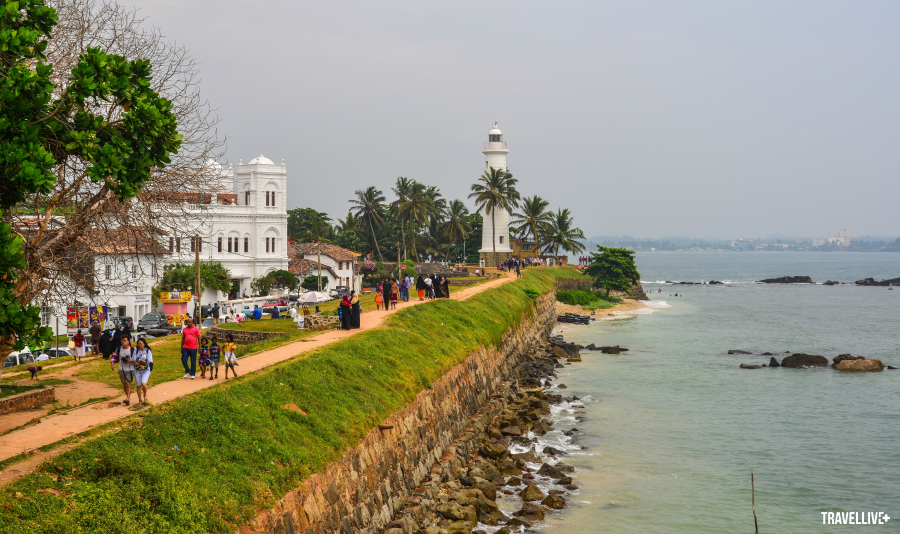
While the central highlands are an agricultural region famous for its black tea processing, the southern part of Sri Lanka is home to important port cities. Even before the British colonial era, Western empires eyed Sri Lanka as a crucial transit point for goods needed for their expansion into the Far East. Therefore, a series of ancient fortresses interspersed with port cities are spread throughout the island from southeast to southwest, one of which is the charming and historic town of Galle with its famous lighthouse.
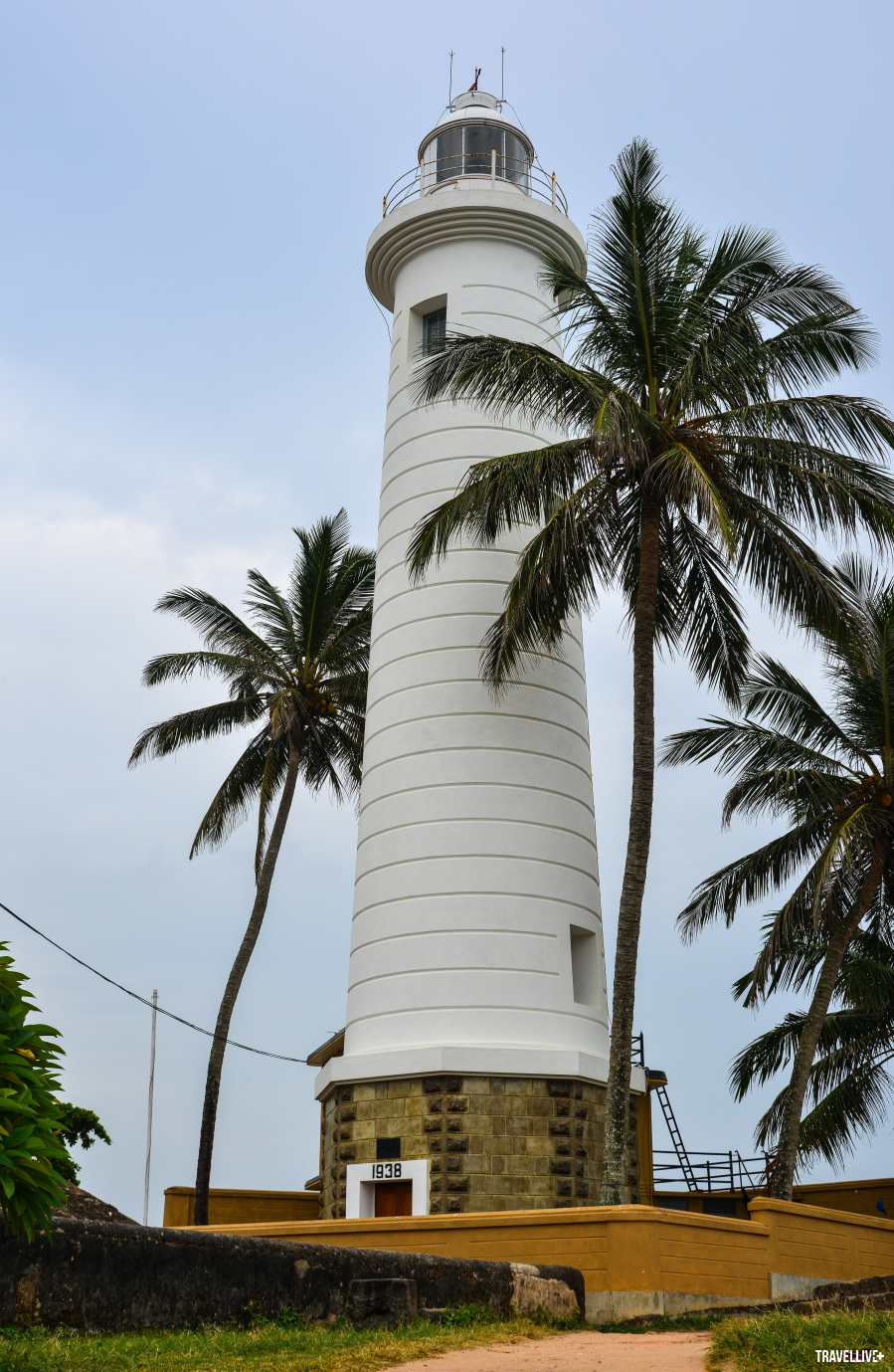
Galle began to be known as an important port city since the time the island was ruled by Portugal (16th century). During the Dutch colonial period in the 18th century, Galle became a thriving city, home to the largest seaport in Sri Lanka at the time. Therefore, today, Galle is a collection of distinctive colonial architecture, combined with a large fort and a magnificent white lighthouse situated on the shores of the vast Indian Ocean, constantly battered by waves.
Visitors to Galle will experience a truly delightful atmosphere. Like many other similar ancient port cities in Asia such as Malacca and Penang (Malaysia) or Surabaya and Makassar (Indonesia), the atmosphere in Galle exudes a pleasantly slow pace.
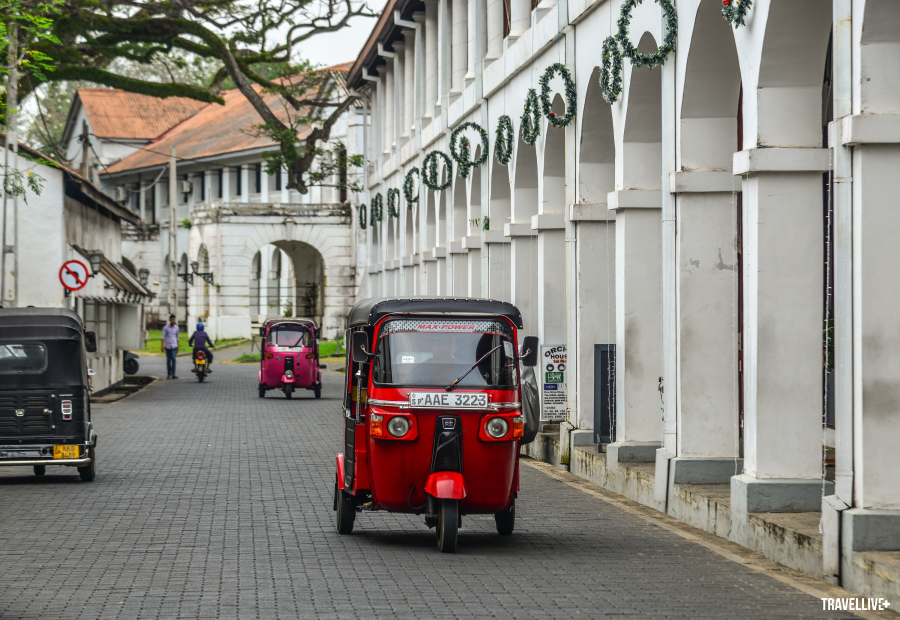
The small, meticulously paved, and spotlessly clean streets stretch from the surrounding fort down to the Indian Ocean coastline, where the famous white lighthouse stands. Along either side are shops selling gemstones, souvenirs, and charming little restaurants that delight visitors. Alternatively, leisurely travelers can linger in old bars or cafes with elegantly decorated, classic interiors.
But the full charm of Galle seems to be concentrated in its beautiful architectural complex, including the white lighthouse on the coast, the National Maritime Museum, and St. Mary's Church, built by Jesuit priests. All of these blend together to create a beautiful and tranquil space that makes visitors want to linger, living life at a slow pace, just like the long history of this ancient seaside town.
A land of kind-hearted people
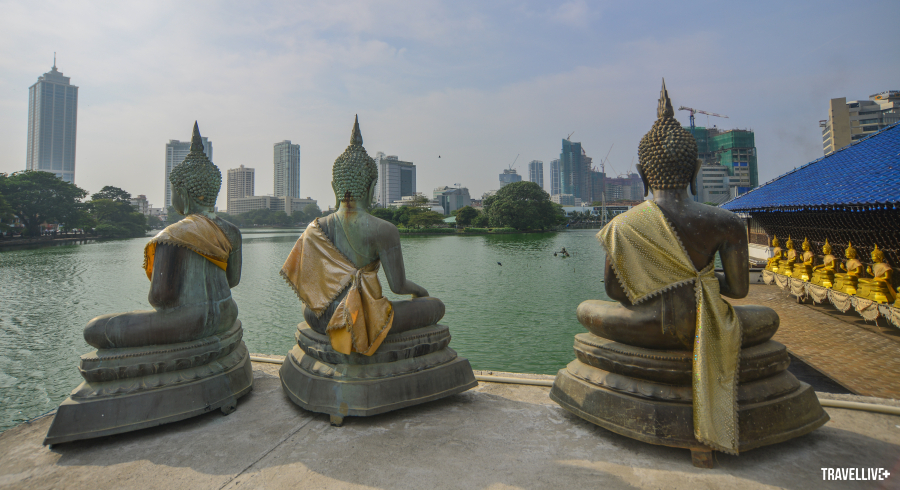
Despite being situated right next to India, with a natural border being a very narrow and shallow strait, the cultural life and religious communities in Sri Lanka are completely different from the rest of the Indian subcontinent. Sri Lanka is a Buddhist country, with up to 70% of the population practicing Buddhism, specifically Theravada Buddhism.
Perhaps due to their religious background, Sri Lankans are generally gentle and kind. Throughout my journey across the length of the island nation, from the capital Colombo to the Highlands, and then down to the town of Galle in the southwest, I witnessed a very peaceful and safe society. Although historically there were separatist groups, the Tamil Tigers, operating in the far north of the island, that seems to be a thing of the past.
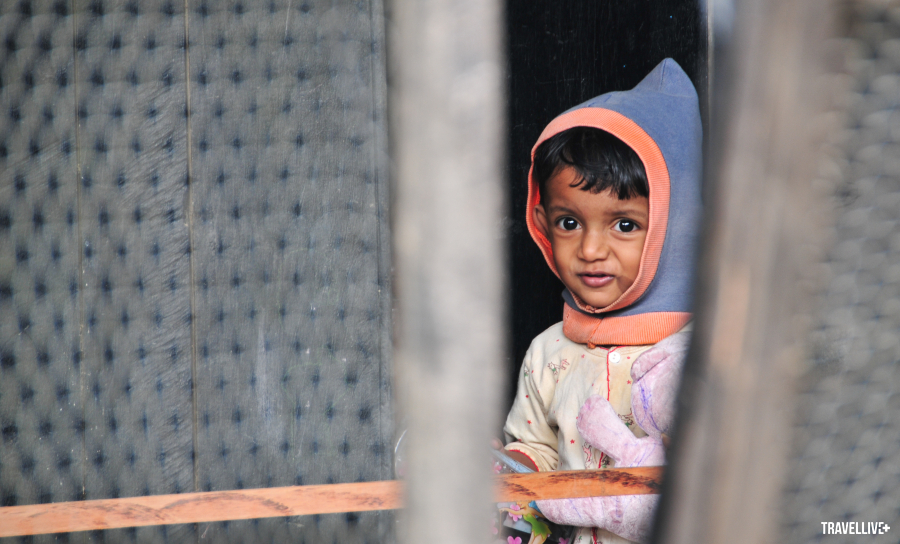
Sri Lankans today may have a below-average standard of living, but their gentle nature and hospitality are a precious gift to foreign visitors. The local hospitality is a major motivator for tourists to return to Sri Lanka again and again. This island nation is a wonderful place to experience a slow-paced journey, to immerse yourself in lush nature, and to blend into a vibrant yet safe society...
ADDITIONAL INFORMATION
Visa:Vietnamese tourists can apply for a visa sticker at the Sri Lankan Embassy or apply online via the website:www.eta.gov.lk.If you apply for a visa online, you can receive your visa and pay directly at the airport.
Trip:The entire island nation of Sri Lanka currently has only one international airport, located in Negombo, about 30 km north of the capital Colombo. Vietnamese tourists wishing to visit Sri Lanka must take two short flights, with mandatory layovers in Bangkok, Kuala Lumpur, or Singapore.
Time:Sri Lanka has a fairly hot climate with average temperatures ranging from 28-30 degrees Celsius.oC, the coldest temperature in winter is 16°C.oC. Therefore, you can travel in any season of the year.
Mean of transportation:The bus system runs throughout Sri Lanka, and although somewhat old, it still meets the needs of easy transportation. The railway system crossing the central highlands of Sri Lanka is a very beautiful route for tourists to enjoy the scenery and experience. For short distances under 20 km, you can travel by tuk-tuk, which are ubiquitous, inexpensive, and easy to find.
Accommodation:Popular tourist destinations all have a network of guesthouses and hotels with many options. Visitors can also experience luxurious resorts nestled deep within nature reserves, or along the southern coast of the island.
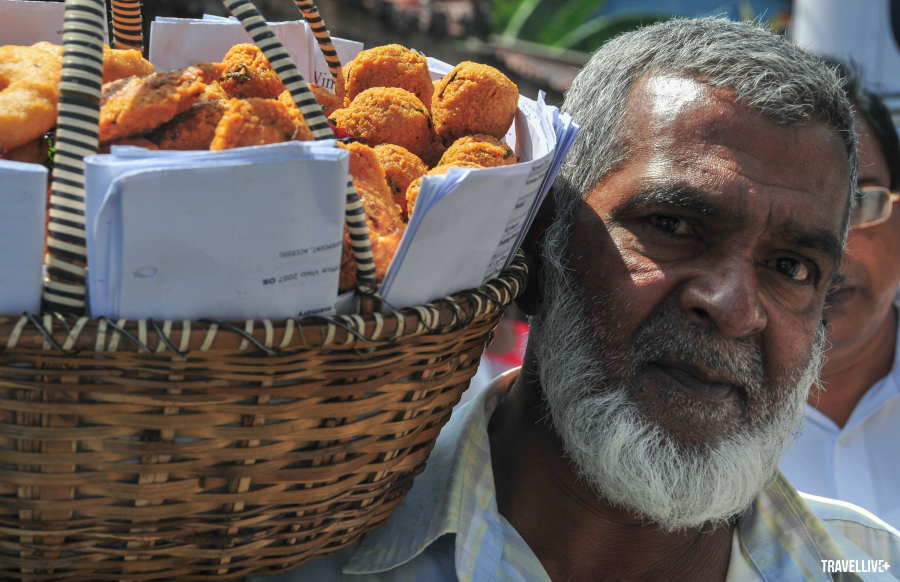
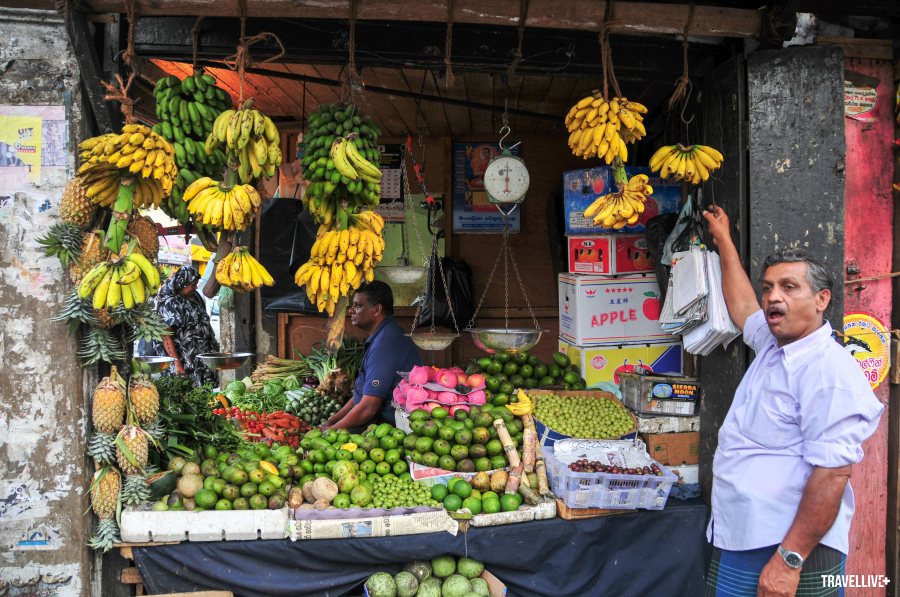
Cuisine:Sri Lanka is part of the Indian subcontinent, so its cuisine is heavily influenced by it. Similar to Indian food, Sri Lankan cuisine uses a lot of spices, particularly curry, masala, and black pepper, which are quite spicy. Street food is also very diverse, but caution is advised as hygiene standards in Sri Lanka are generally not considered to be of the highest safety standard.
Money:Sri Lanka uses the rupee, with an exchange rate of approximately 1 rupee to 129 Vietnamese dong.
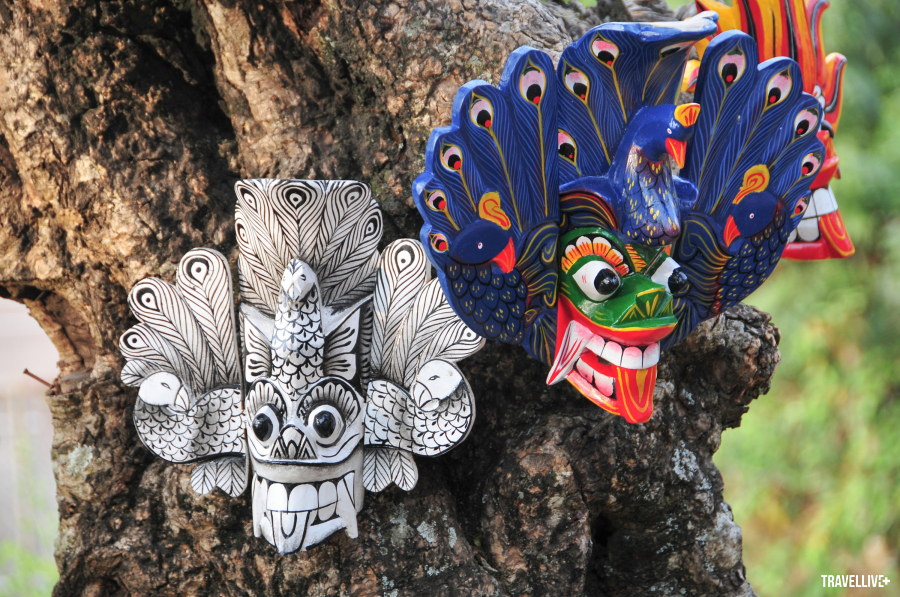
Souvenirs:Sri Lanka is renowned for its traditional wooden masks, rough gemstones, and distinctive spices such as vanilla. The woodcraft (statues, household items, decorations) is also quite exquisite.
Suggested route:Starting from the capital Colombo, travelers can take a bus to Kandy, the capital of the Highlands; then take another bus to Nuwara Eliya, a beautiful and elegant mountain town reminiscent of Da Lat in Vietnam. From Nuwara Eliya, you can buy a train ticket to the south to Ella, then continue by bus to the southern beaches of Sri Lanka, stopping at the port city of Galle, before heading back north to Colombo.

 VI
VI