VI
VI


"Flygskam" or the embarrassment of… using an airplane.
The concept of "flygskam," or "flight shame" in English, refers to the humiliation of using an airplane and originated from Olympic athlete Björn Ferry. However, "flygskam" only truly became a trend when opera singer Malena Ernman (mother of the youngest current Swedish environmental activist, Greta Thunberg) and many other Swedish artists publicly declared that they would never use airplanes for travel. This action aimed to contribute to reducing greenhouse gas emissions from the civil aviation industry, which currently contributes 2.5% to total global CO2 emissions.

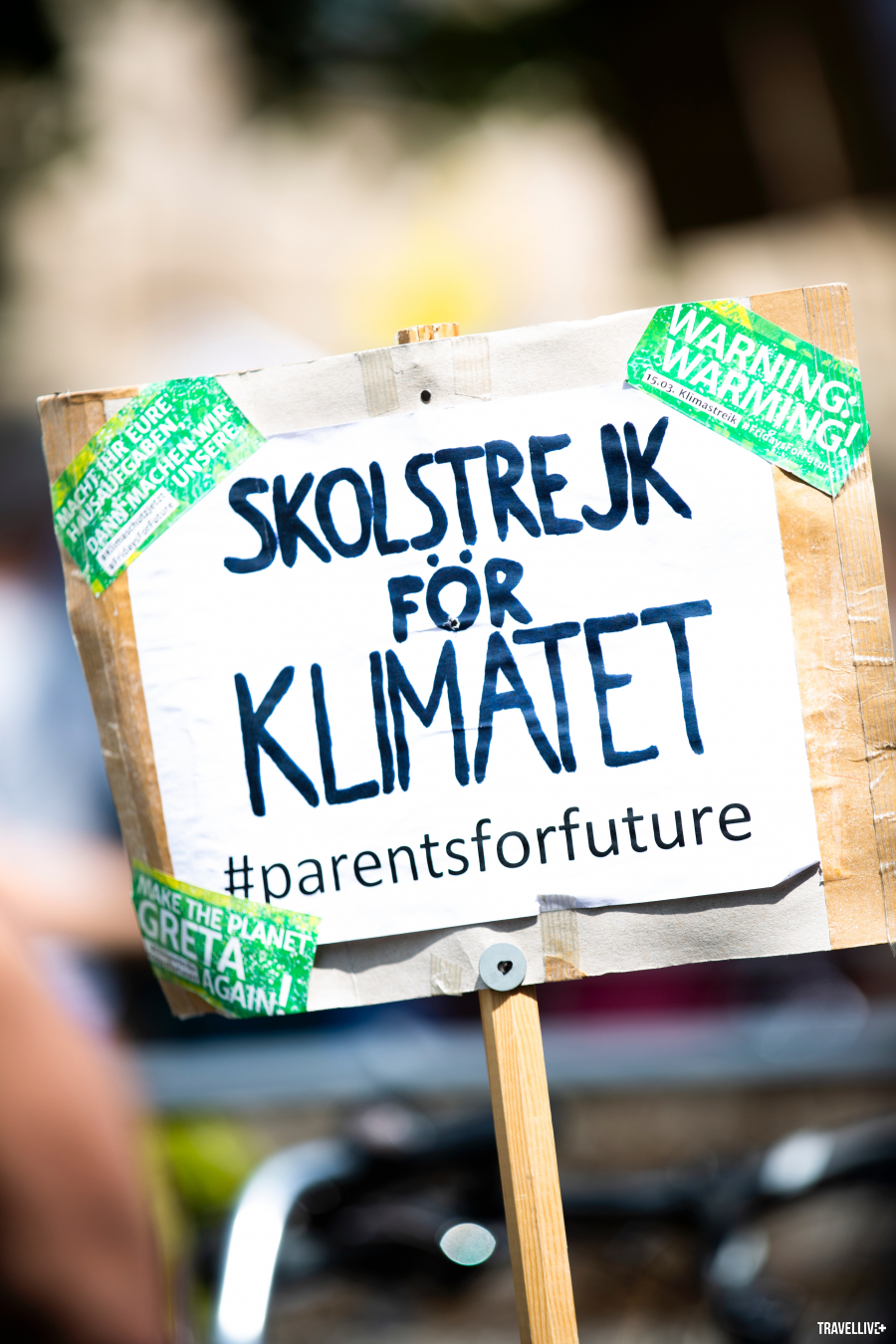
Malena's statement, along with speeches, mass protests like "Skolstrejk för Klimatet" (School strike for the environment), and marches initiated by Greta Thunberg across Sweden over the past year, has transformed "flygskam" from a mere fad or trendy hashtag across social media platforms. Greta last used an airplane in 2015. Since then, she has consistently used trains or other alternative means of transportation, even traveling extensively throughout Europe. The number of supporters of this movement has steadily increased, leading major airlines in Europe and North America to publicly commit to CO2 emissions reductions for each flight, and to repeatedly pledge their environmental responsibility to "compensate" for the damage inflicted on Mother Nature.
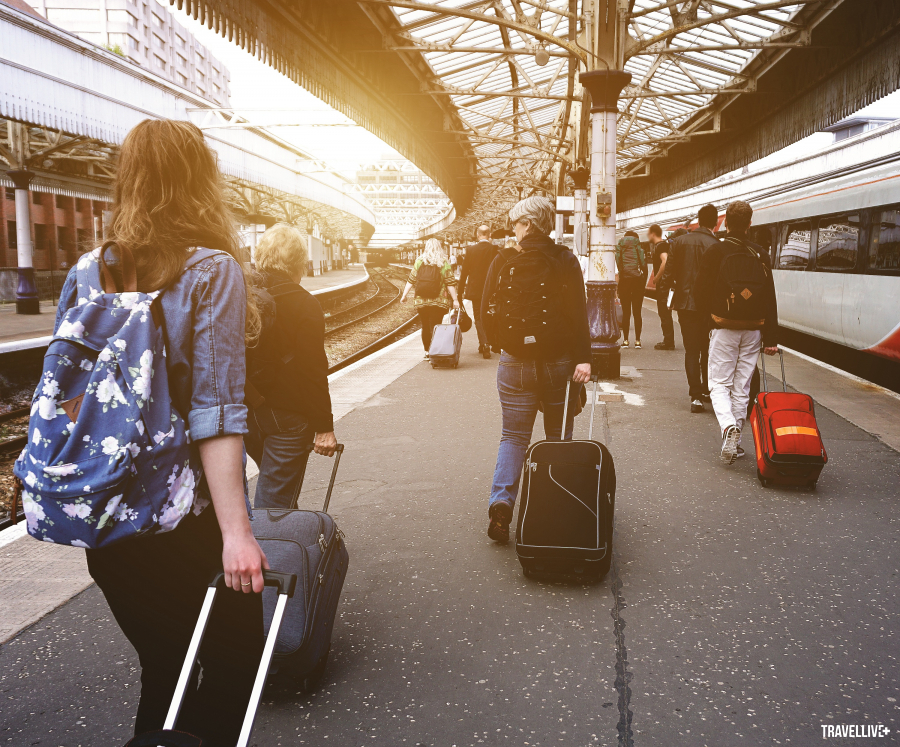
According to Forbes statistics, the number of passengers at Sweden's 10 largest airports has decreased by 5% compared to last summer. Another statistic suggests that this trend has convinced approximately 15,000 Swedes to abandon their habit of using airplanes for travel and tourism. Swedes have even coined the term "smygflyga," meaning "flying in secret," to refer to those who stubbornly continue to use airplanes, despite the general public's desire to switch to trains or other alternative modes of transport. Occasionally, news reports feature inspiring stories of Swedish families with young children who choose to travel by train for several hours instead of flying, a journey that takes less than an hour, in order to contribute to environmental protection. However, while the whole world is going crazy over "flygskam," right next door to Sweden, its neighbor Norway thinks completely differently.
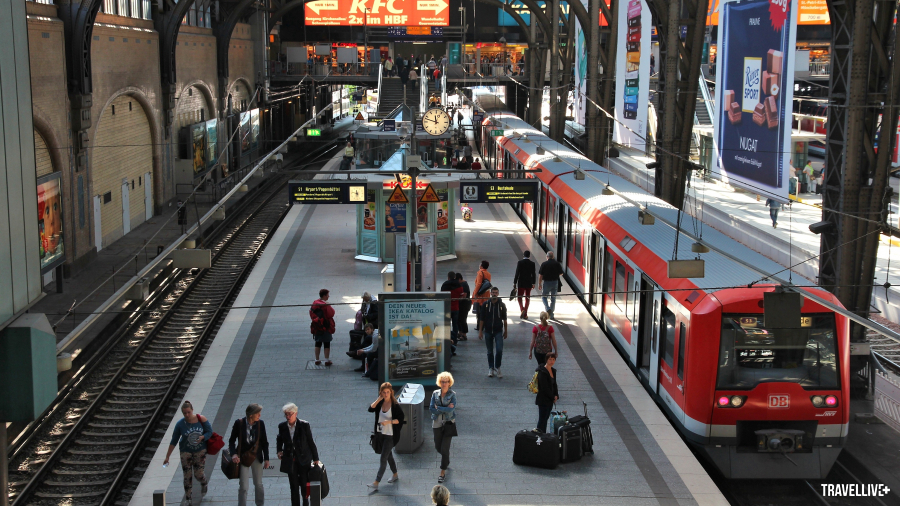
Due to the extremely unique terrain, with the entire western coastline jagged by over 1,000 fjords extending deep inland, and the northwestern coast experiencing year-round strong winds and heavy rains, public transport in northwestern Norway relies almost entirely on air travel. A 75-minute flight from the capital Oslo to the Bodø Islands is transformed into a 16-hour train journey with at least one transfer along the way. Even in the far north of Norway, where the climate becomes extremely harsh in winter, there are likely no other ways for locals to reach areas beyond the reach of cars or buses besides air travel. Therefore, Norway's domestic airline Widerøe, which operates these flights, remains unfazed amidst the "flygskam" storm – which is causing many airlines to experience a dramatic drop in sales.
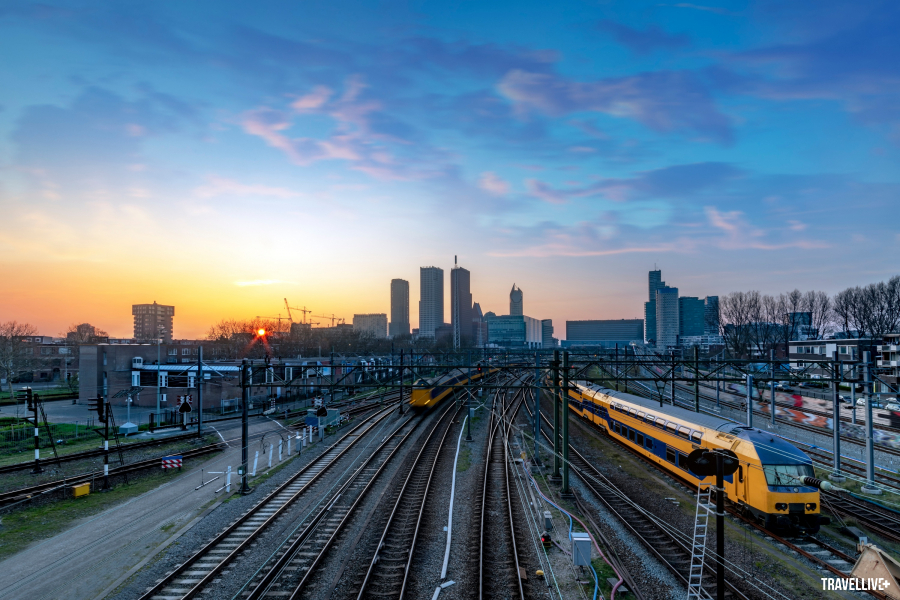
Norwegians, influenced by the climate and geographical isolation, possess a highly individualistic nature—in my subjective opinion, on par with that of neighboring Finland, and significantly more so than that of right next door Sweden. Perhaps this is why, in the ongoing local elections in this fjord region, the Centre Party is one of the few political parties in Norway suggesting ways to make flights cheaper and more frequent. Mr. Trygve Slagsvold, the party leader, believes the best way to reduce emissions is to invest in modern aircraft and environmentally friendly fuels, rather than cutting back on air travel. Furthermore, a new airport is soon to open near the Norwegian-Swedish border to provide easier access for tourists to Trysil, one of Norway's most famous ski resorts.
Show off if you travel by train!
If not traveling by plane, what means of transportation will Swedes, and other European countries participating in the "flygskam" movement, use? The answer is probably already clear: trains.

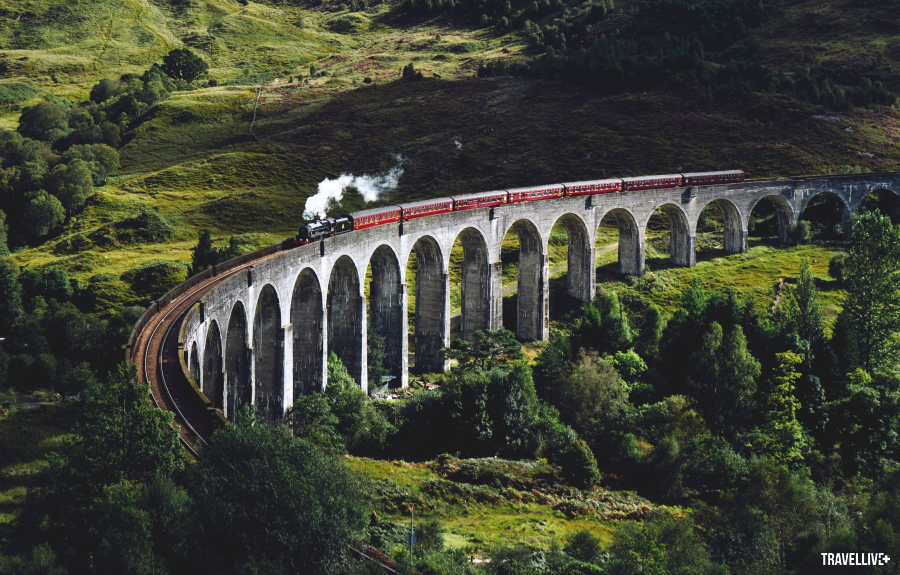
In just one year since Greta launched "flygskam," the Swedish Railways (SJ) reported that ticket sales in the country in 2018 increased by more than 1.5 million tickets compared to the previous year. Similarly, InterRail – a website selling train tickets across Europe – also recorded a 150% increase in ticket sales compared to 2017, suddenly becoming a European travel phenomenon. Even a small Swedish train company operating the Malmö-Berlin route, which had been operating at a minimal profit for five years (2012-2017), saw its sales skyrocket by 20% in the first half of 2019. The company even plans to open more routes to meet passenger demand. People are gradually shifting towards traveling and commuting using this less environmentally polluting mode of transport. And a new wave of hashtags has emerged on social media: “Tågskryt” – which roughly translates to… showing off when you travel by train.

Instagram is flooded with stunning photos of people in train carriages. Short tweets announce (in a rather ostentatious way) that the account owner is on a train journey. Those traveling can show off, while those at home are both envious and wholeheartedly supportive! Even the fan page of the Swedish Train Travel Association (Tågsemester) has seen a record increase in followers, from a mere 3,000 likes and followers at the end of 2017 to over 100,000 in less than a year! So, more than just a simple display of material possessions, the "tågskryt" trend has had a truly powerful impact on the perceptions of the continent's inhabitants.
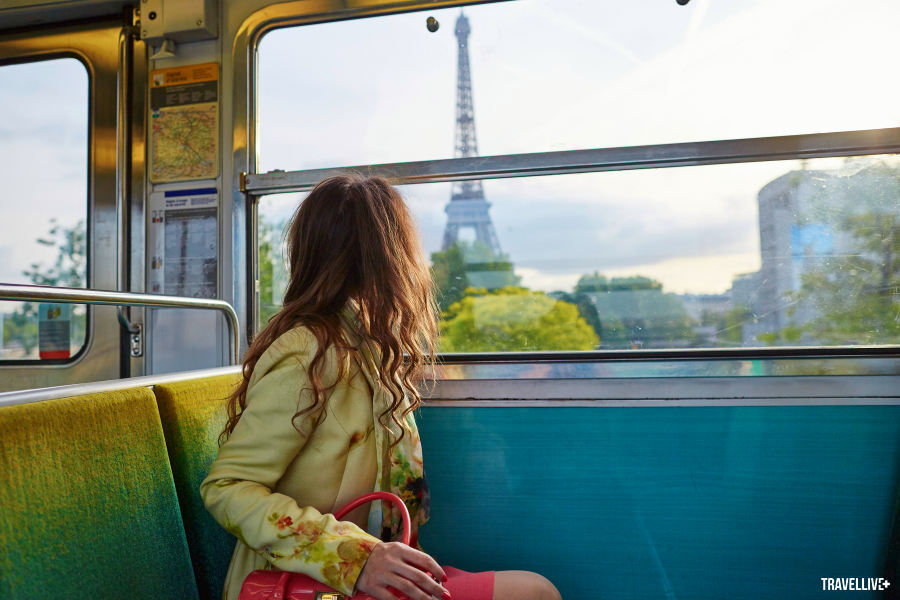
Continental European countries like France, Germany, and Switzerland have benefited greatly from this trend, primarily through selling train tickets to tourists and expanding train routes that pass through some of the most beautiful landmarks and scenic spots in their countries, especially Germany and Switzerland. Railway companies, both state-owned and privately owned, are taking advantage of the situation by offering attractive promotions, including monthly and annual passes, family tickets, and various types of discounted and promotional fares, all aimed at encouraging residents and tourists to prioritize this mode of transportation that is both affordable and convenient (as main train stations are usually located in the city center, compared to airports in the suburbs), while also allowing those staying at home to "tag" (a euphemism for socializing). It's truly a win-win situation!
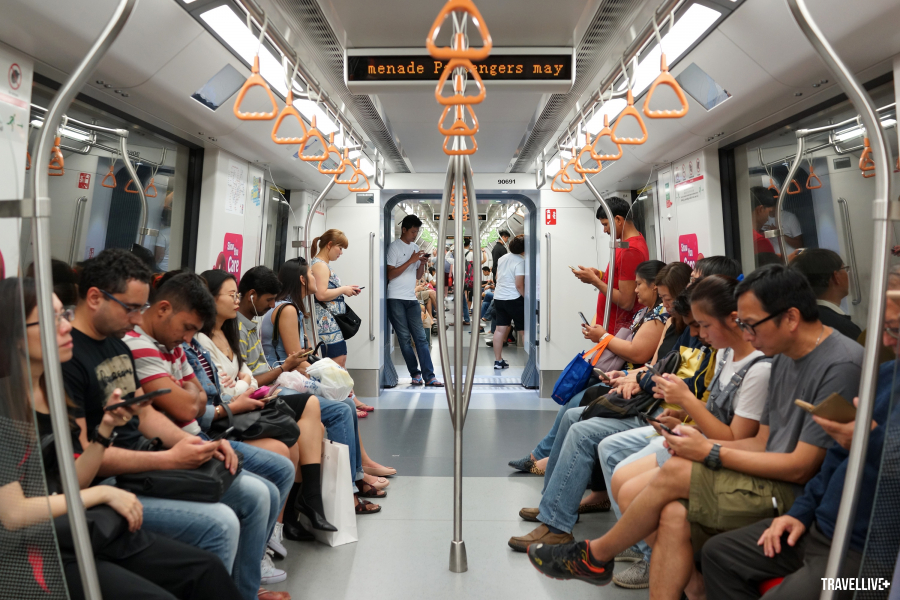
Across the Atlantic, the United States, far less advanced in terms of rail transport, while constantly praising the success of the "tågskryt" (transit railway), also couldn't hide its envy, longing, and admiration for Europe's transboundary rail system. If traveling between states in the US can take people hours, even a dozen hours, driving along straight interstate highways, or simply by taking a connecting flight between the East and West coasts of the country, then in Europe, transboundary trains make travel, and even life for its citizens, much easier.
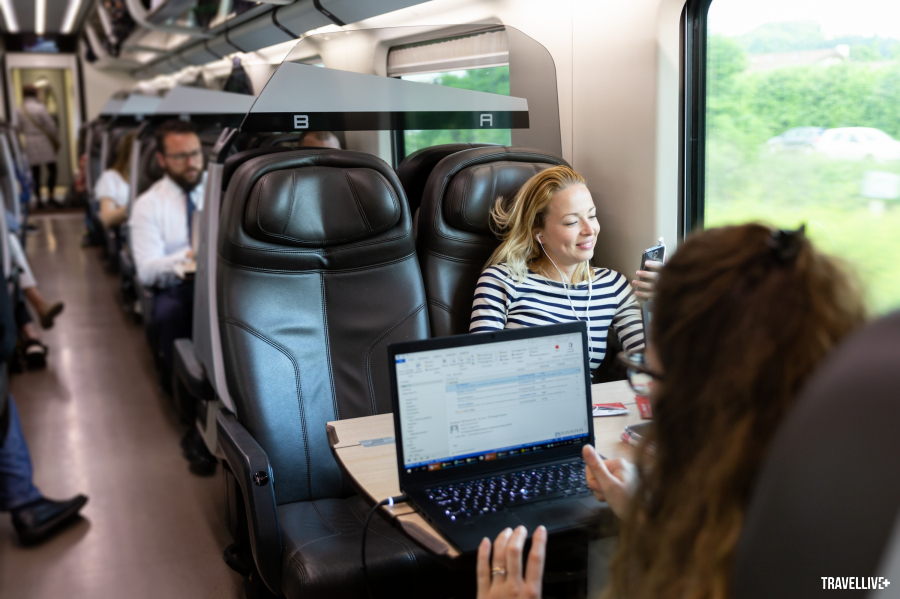
I have a friend who is currently a lawyer and lives in Stockholm. Back when she was a law student in Lund, a city in southern Sweden near Denmark, she spent several months as an intern in Copenhagen with an interesting routine: In the morning, she would take a train from Sweden, crossing the Öresund Bridge to the Danish capital for work; in the afternoon, she would take a train back to Sweden. She did this five days a week, throughout her internship. Some of her Danish colleagues would take advantage of weekends to travel to Sweden by train to socialize and shop, as prices in Sweden were significantly cheaper than in Denmark. Naturally, my friend was no exception, as her daily train journeys connected the two cities and two countries in less than half an hour!
The rise of InterRail, Eurail, and sustainable travel.
In stark contrast to airline ticket sales are the revenues of European train companies, most notably the two giants InterRail and Eurail. Although not passenger transport companies, InterRail and Eurail are two of the most popular train ticket services on the continent, with a total of 31 countries participating in their systems.
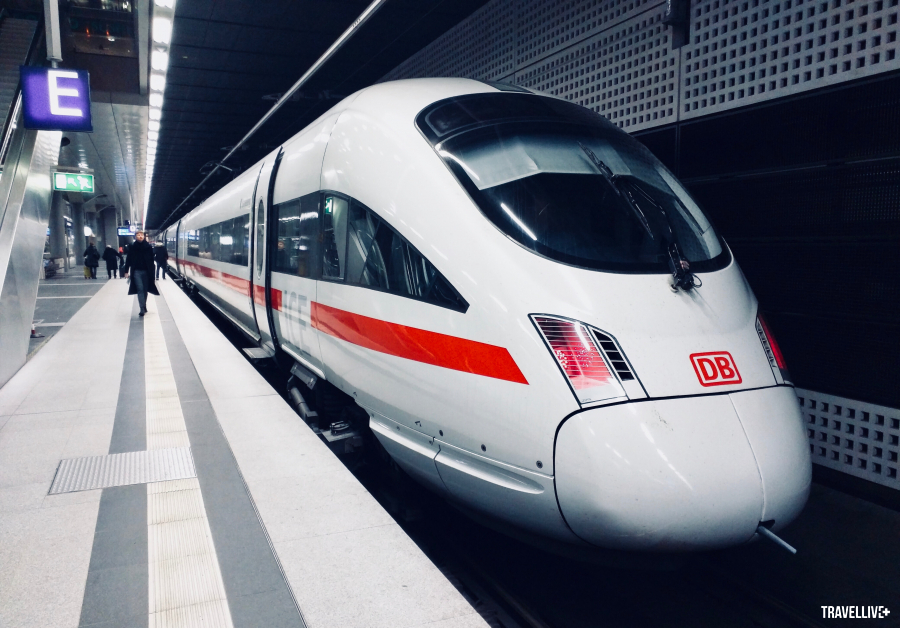
InterRail and Eurail are essentially the same in terms of usage, routes, and even pricing for their different types of passes. However, the biggest difference is that InterRail is exclusively for European citizens or those legally residing in Europe, while Eurail is only for tourists from outside Europe. While this difference doesn't significantly affect the aforementioned factors like price and routes, it's crucial. Buying the wrong type of pass can result in hefty fines. There have been many complaints on forums and the company's website about this confusion, largely due to the names. InterRail easily evokes the word "international," while Eurail can be mistaken for "Europe." As a result, many European passengers have purchased Eurail passes, while American travelers eagerly embark on their trans-European train journeys with InterRail!
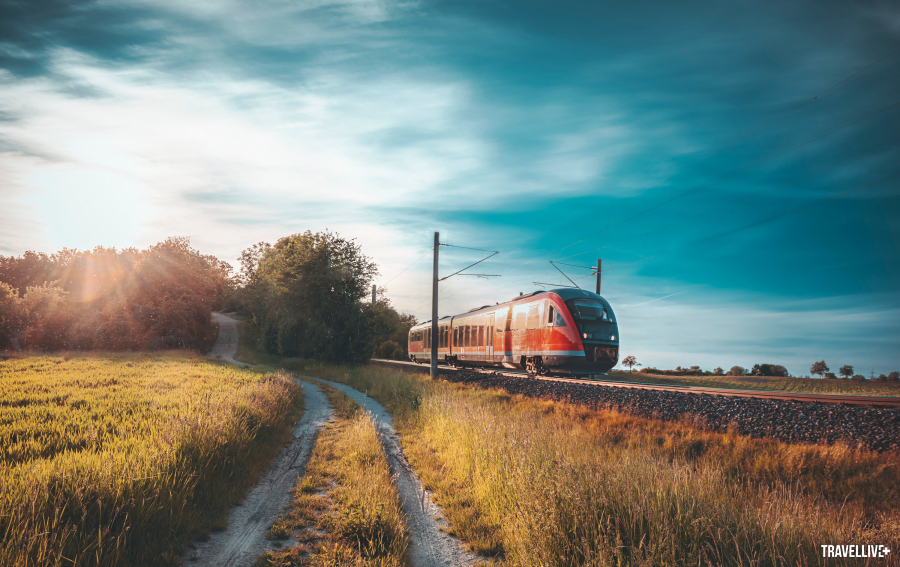
Prior to 2017, these were two popular types of train passes among professional travelers. However, while they offered users significant savings on fares and complete control over their schedules, figuring out how to use them most effectively was quite confusing and complicated. This was enough to make amateur travelers dismiss such a bargain and switch to other, more expensive and time-constrained tickets, which, while less mentally taxing, didn't require as much thought!
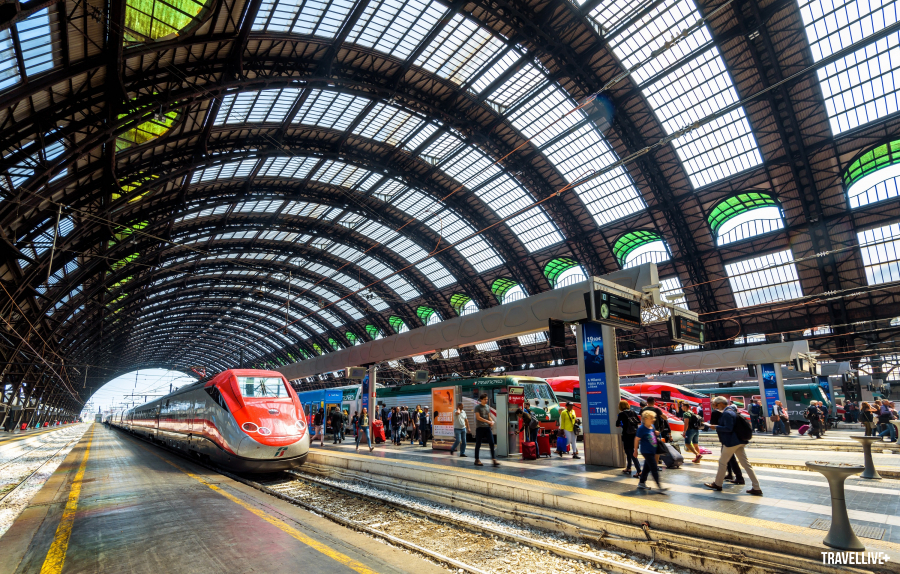
Fortunately, the terms "flygskam" and "tågskryt" likely influenced the organizational structure and operations of InterRail and Eurail. Since 2018, these two types of passes have undergone surprising changes in their usage and instructions, becoming travel "passes" for European trains that save time and money, and are easy to understand and use for everyone. The impressive sales figures, consistently reported in newspapers across the country, further motivate people to gradually switch from air travel to trains or other more environmentally friendly modes of transport.
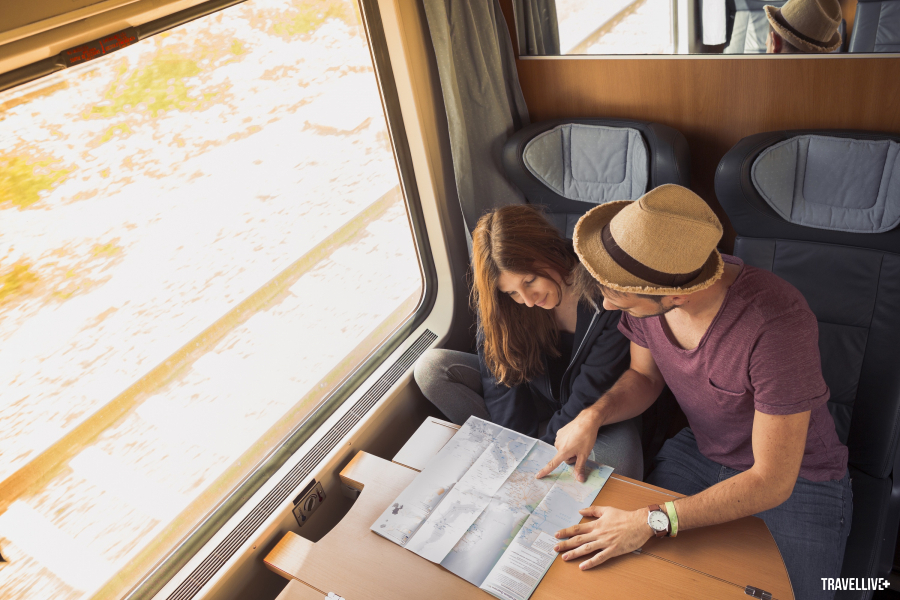
The concept of "sustainable tourism" has existed for quite some time, but it wasn't until the Swedes caused a global stir with their "airplane shame" and "showing off their trains" that it once again became a topic of renewed interest for both travelers and those working in the tourism industry. Now, the concept of "sustainability" in tourism is not simply about not littering, minimizing plastic use, supporting local businesses and services, and experiencing life in your destination. It also encompasses how much CO2 and other harmful emissions you release into the atmosphere to reach your destination! While this might sound grand, you can actually start with very simple things in your daily life: using public transportation, limiting the use of unnecessary electrical appliances, limiting elevator use if you're only going a few floors, and sorting waste. Every journey of a thousand miles begins with small steps.