VI
VI


"In April, we measure out beans to make sweet soup."
"Celebrating the Dragon Boat Festival means returning in May."
The Dragon Boat Festival, also known as the Duanwu Festival, is one of the traditional holidays deeply rooted in Vietnamese culture. Held on the 5th day of the 5th lunar month each year, the Dragon Boat Festival is an occasion for families to gather, remember their ancestors, and pray for good fortune for themselves and their families. One of the most distinctive customs of the Dragon Boat Festival is the tradition of eating glutinous rice cakes (bánh gio).
A unique type of traditional cake, even in its name.
Gio cake is also known by many other names such as ash cake, ash dumpling, lang cake, nang cake, cooc mo cake, peng tau... Depending on the region, gio cake has different names. In Cao Bang and Bac Kan, it is called cooc mo cake, while in Phu Tho and Vinh Phuc it is called nang cake. However, no matter what it is called, gio cake remains a familiar, rustic, and most beloved dish during the Dragon Boat Festival.
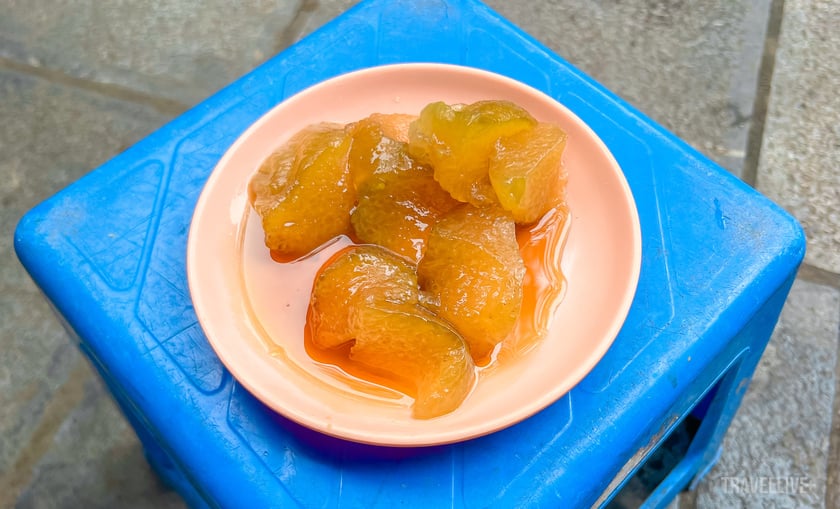
Banh gio is a familiar, rustic, and most beloved dish during the Dragon Boat Festival.
Few people know that this humble cake has deep roots in Guangdong, China. In the famous "Compendium of Materia Medica" by the renowned physician Li Shizhen, the rice cake is called "cheng tong cake." According to records, people in the past used bamboo leaves (the kind we commonly call "chit leaves") to wrap glutinous rice, forming a pointed cone shape, and then cooked it. Because of this distinctive shape, the cake was called "cheng tong."
In China, glutinous rice dumplings hold special significance on the Dragon Boat Festival (the 5th day of the 5th lunar month). On this day, people make glutinous rice dumplings to commemorate Qu Yuan. After boiling them, they float them down the river as an offering to the dragon. This festival is also known as the Dragon Boat Festival.
Although originating from China, gio cake has become an indispensable part of Vietnamese culinary culture with many variations and different meanings. As a result, gio cake has become a specialty of many localities, famous under names such as Trang Market gio cake (Vinh Phuc), Dong Village gio cake (Phu Tho), Dinh To gio cake (Bac Ninh)...

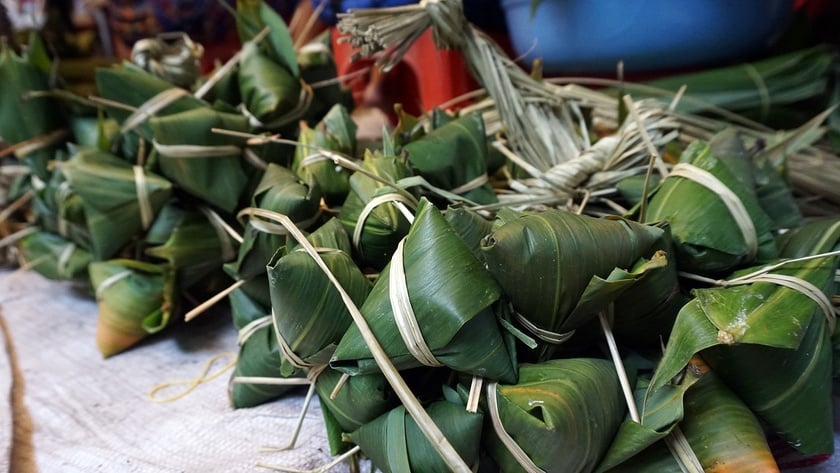
Although originating from China, banh gio (rice cake) has become an indispensable part of Vietnamese culinary culture with many variations and different meanings. (Image: Internet)
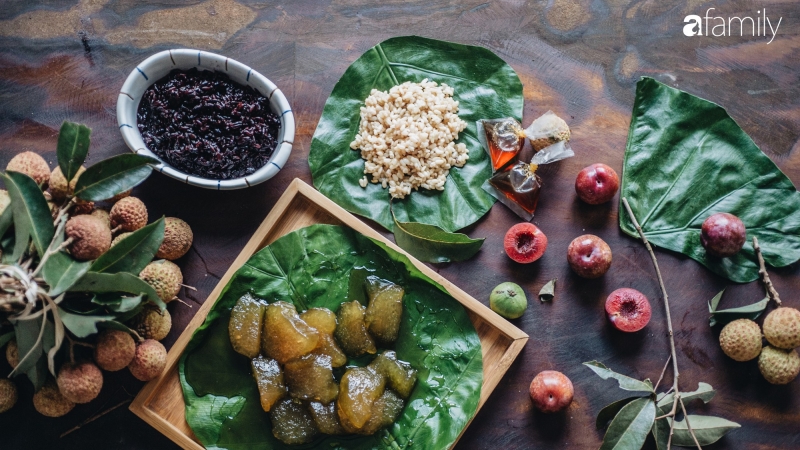
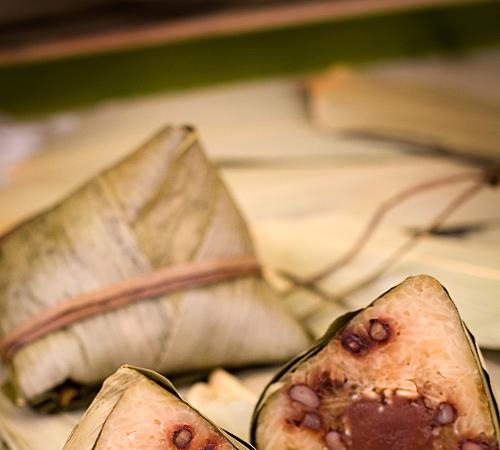
The beauty of Vietnamese cuisine from authentic Vietnamese ingredients.
Gio cake – a rustic treat for the Dragon Boat Festival, embodies a unique, simple, and refined flavor. Unlike other cakes, gio cake has no filling; it's simply glutinous rice carefully soaked in ash water, then wrapped in dong leaves or bamboo leaves and boiled until cooked.
To create the perfect gio cake, not just any type of ash can be used. The ash used for gio cakes must be obtained from special ingredients such as găng leaves, mistletoe leaves, dried sesame plant stems and leaves, ripe xoan seeds, or glutinous rice straw. After harvesting, the ash is dissolved in water, allowed to settle, and then soaked with glutinous rice of the "golden flower" variety, creating a shimmering, amber-like golden-brown color. This distinctive color is what makes gio cakes unique and different from other types of cakes.
However, to achieve a beautiful color and delicious taste in the cake, using ash from only one source is not enough. It's usually necessary to combine ash from various plants, most commonly sesame ash. The ratio of ash used in the mixture directly affects the color and flavor of the cake.
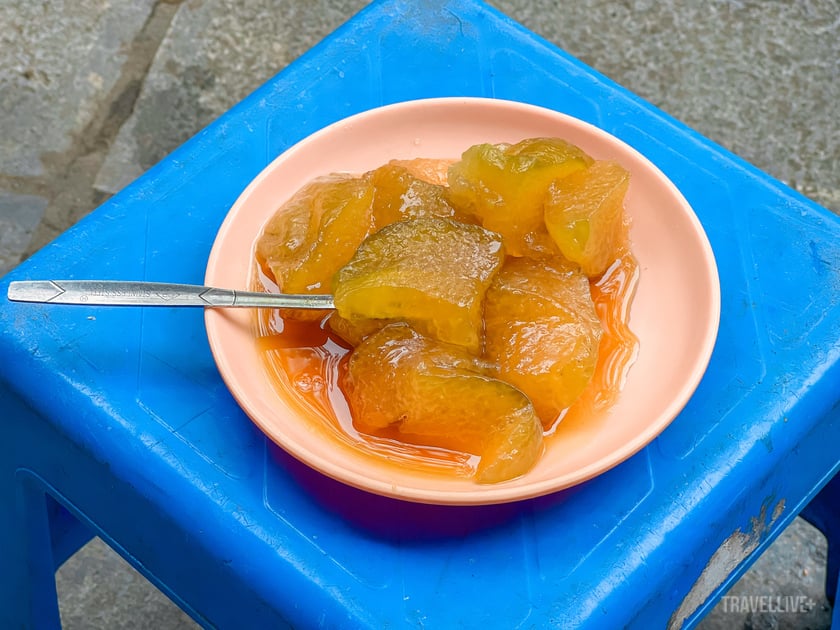
Banh gio - a rustic treat for the Dragon Boat Festival, embodies a unique, simple yet refined flavor.
The secret to making delicious glutinous rice cakes lies not only in the ingredients but also in the cooking technique. Glutinous rice, after being soaked in ash, needs to be carefully wrapped in banana or bamboo leaves and boiled for a long time. The boiling process requires patience and meticulousness to ensure the cakes are evenly cooked, soft, fragrant, and not mushy.
After being boiled, the glutinous rice cake (Bánh gio) has a beautiful golden color, is soft and chewy, and emits a delicate aroma. When enjoyed, it is often dipped in molasses, creating a harmonious blend of sweet and nutty flavors. Bánh gio is not only a delicious dish but also symbolizes good fortune, prosperity, and good health during the Dragon Boat Festival.
“The fifth day of the fifth lunar month, the Dragon Boat Festival, is also the day to ‘kill insects.’ According to traditional customs, on this day, my family usually eats glutinous rice cakes, glutinous rice wine, and sour fruits to cleanse the body, cool down, and prevent diseases. I just bought a dozen glutinous rice cakes at a stall in the market. Buying these cakes also contributes to preserving and promoting the beautiful traditional cultural aspects of our nation,” said Ms. Lien Hoang (Dong Da district, Hanoi).
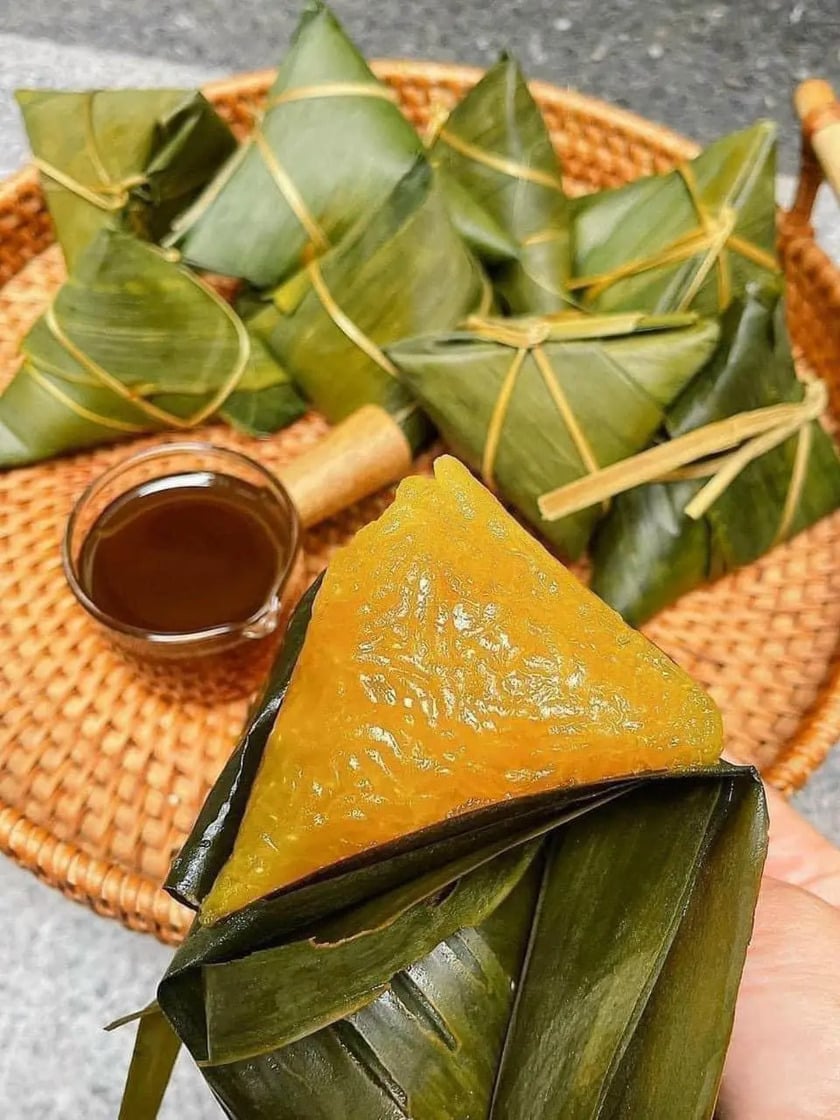
Sticky rice cake (Bánh gio) is not only a delicious dish but also a symbol of good luck, prosperity, and good health on the Dragon Boat Festival. (Image: Internet)
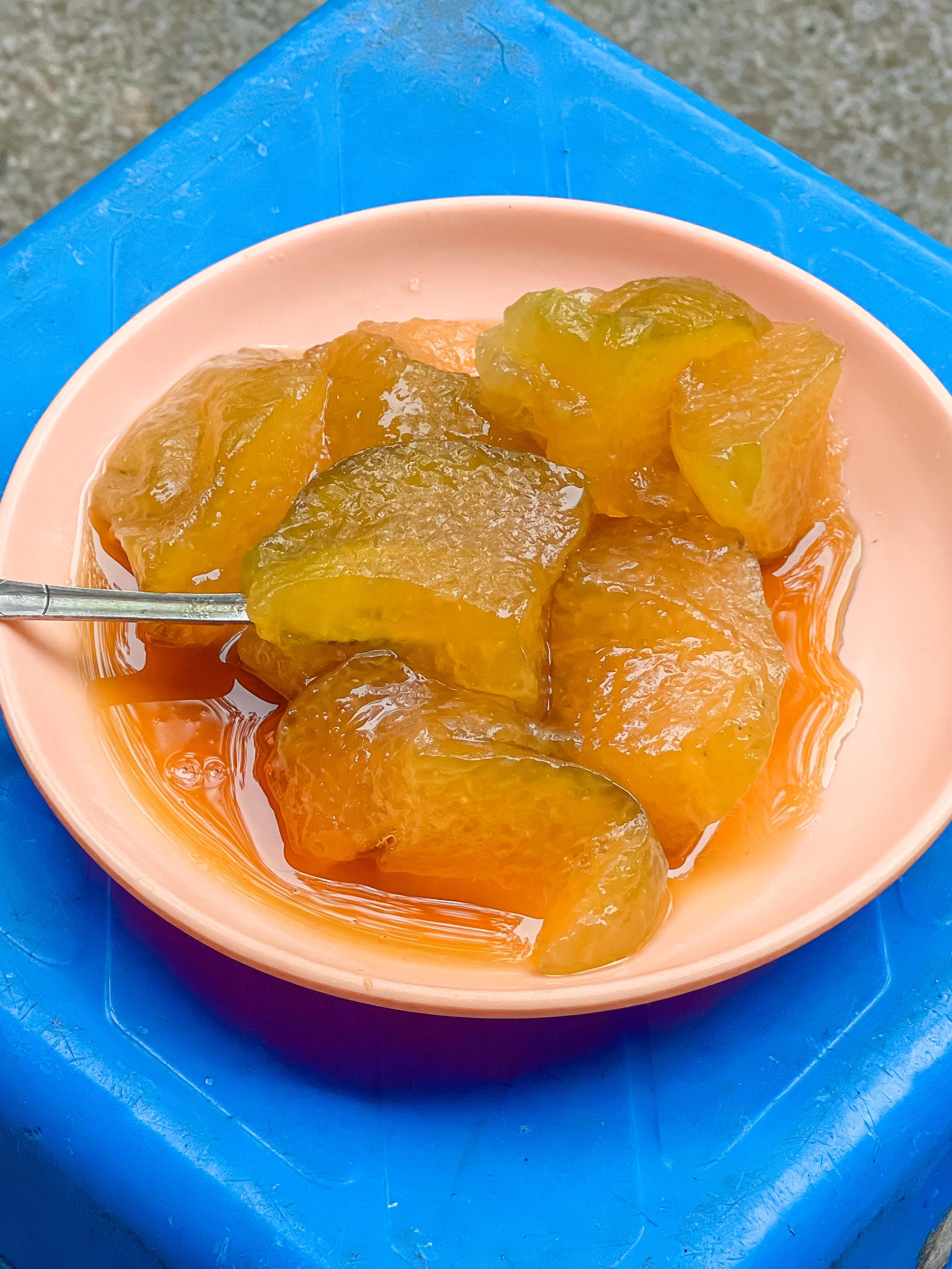
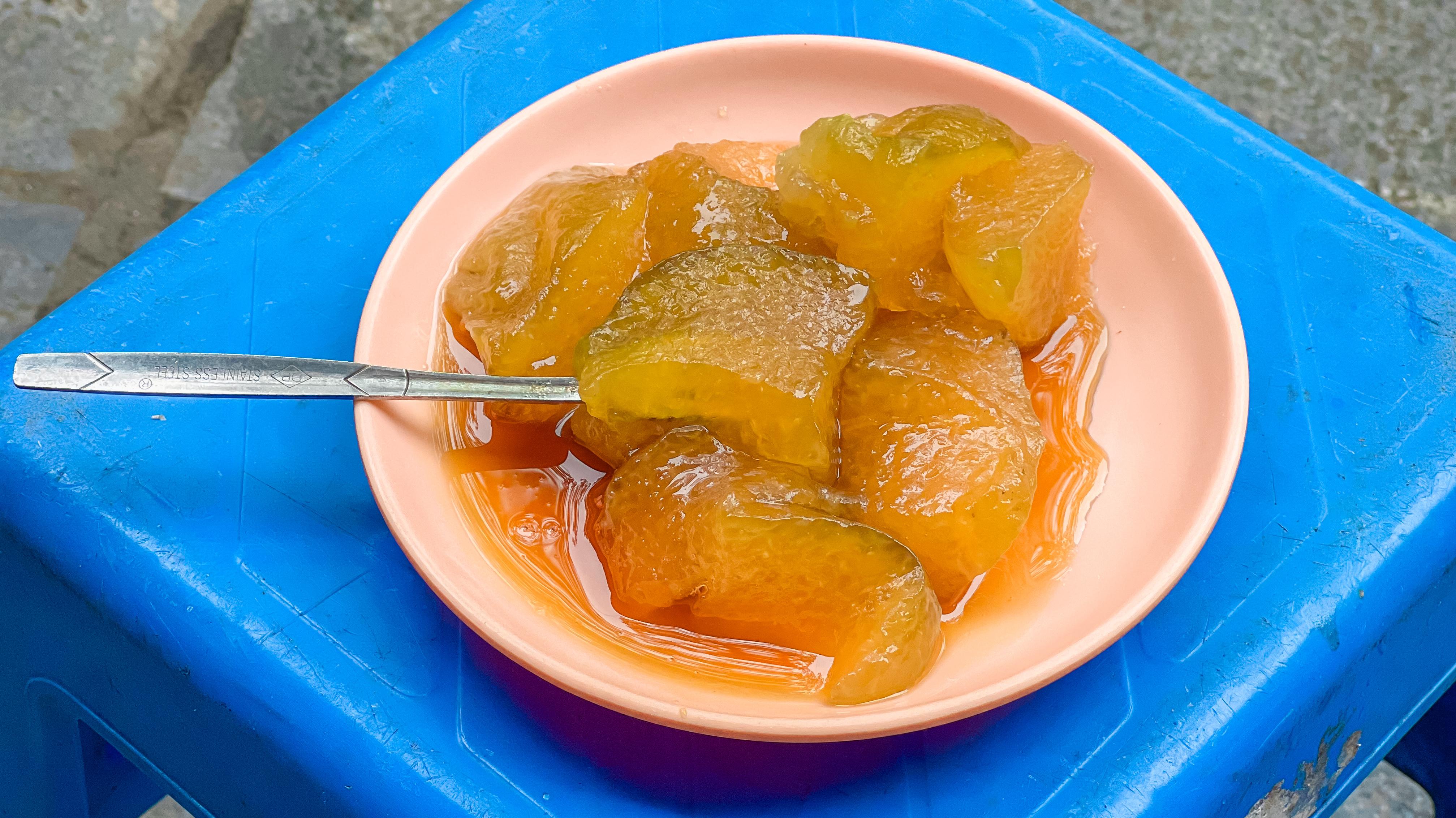
Enjoy the rich, golden rice cake coated in molasses.
In Hanoi, diners who want to enjoy delicious banh gio (rice cake) can find it in front of Hom Market, at the end of Hoe Nhai Market, at traditional cake stalls in the alleys of Dong Xuan Market, or at Hang Be Market…
As soon as the rice cake is unwrapped, a translucent amber-colored gem appears before our eyes, seemingly revealing the very soul of the cake. Each slice is gently cut and dipped into golden, fragrant molasses. Slowly savoring it, we fully appreciate the delicate, rustic flavors encapsulated in this simple, traditional cake.
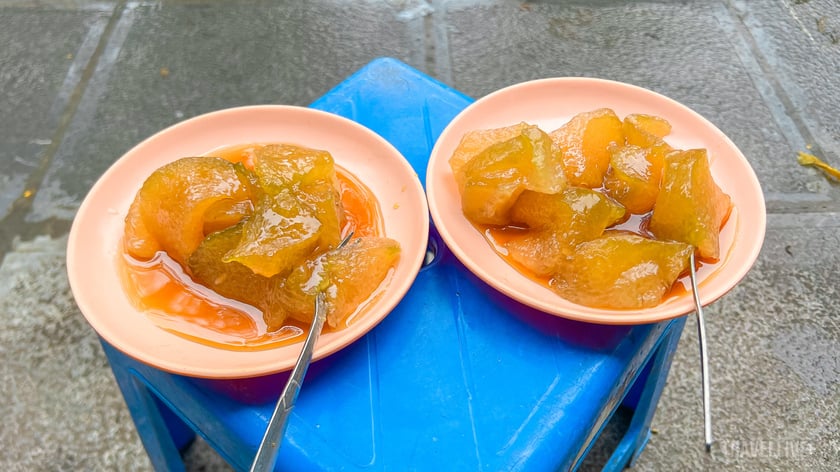
Each slice of glutinous rice cake is gently cut into small pieces and dipped into the golden, fragrant molasses.
First, you feel the cool, melting texture like jelly, carrying the morning mist of the countryside. Next, the delicate sweetness of molasses blends with the chewy texture of glutinous rice, creating a perfect symphony for your taste buds. Each bite transports you back to lush green rice fields, simple thatched houses, and honest, kind-hearted people.
The lingering taste of sticky rice cake stays in the mouth, making you want to keep eating it. It's not just a delicious dish, but also a symbol of the connection between humans and nature, and of the beautiful traditional cultural values of the nation.
“Taking a bite of the sticky rice cake, I felt the perfect blend of the chewy texture and fragrant aroma of glutinous rice and the delicate sweetness of molasses. The sweetness of the molasses wasn't overpowering, just enough to enhance the flavor of the cake. This sticky rice cake with molasses is not only delicious but also very refreshing, perfect for enjoying on hot days,” shared Kien Nguyen (Ha Dong district, Hanoi).
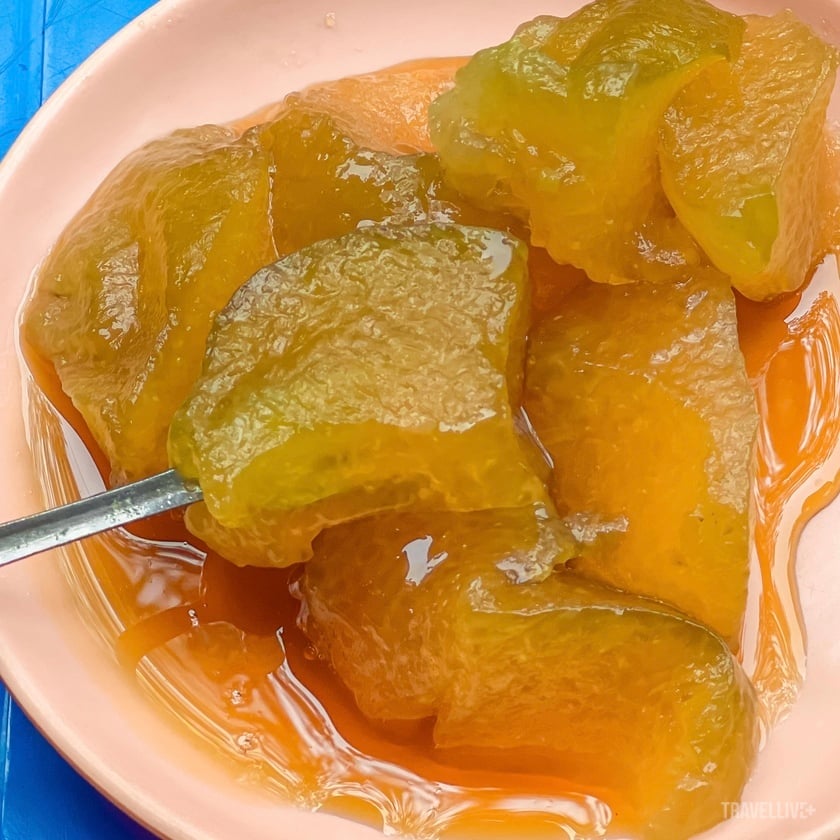
Banh gio is not only a delicious dish but also a symbol of the connection between humans and nature, and of the beautiful traditional cultural values of the nation.