VI
VI


This book explores classic buildings, beloved historical structures. Below are some of the buildings that served as inspiration for the book.
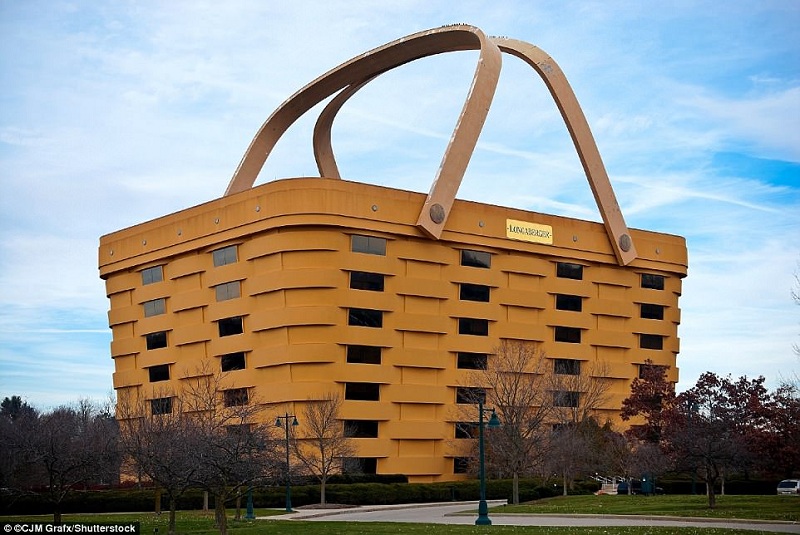
A giant basket in Newark, Ohio, belongs to the wooden basket manufacturer, the Longaberger Company. The building, constructed in 1997 at a cost of approximately $32 million, spans 180,000 square meters and was based on the vision of the company's founder, Dave Longaberger.
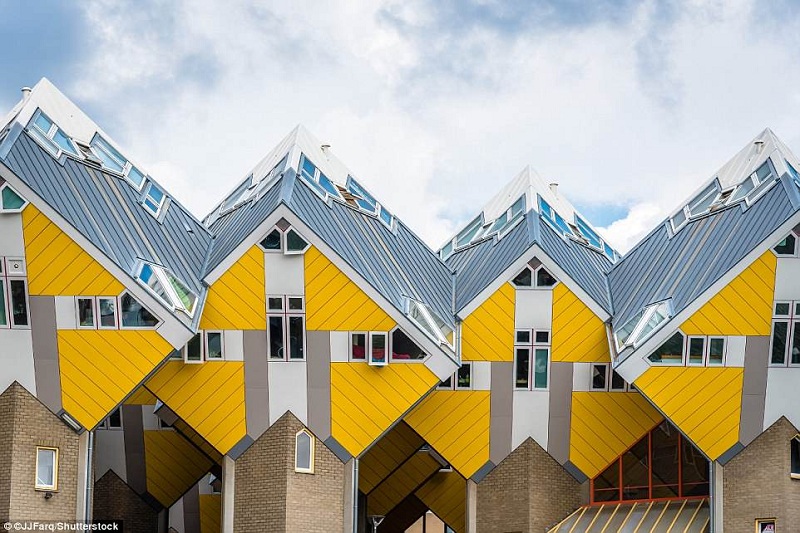
A bizarre cluster of buildings in Rotterdam, Netherlands, was designed by Piet Blom. They are described as a collection of innovative houses.

Krzywy Domek, which literally translates to "winding little houses," is a shopping center located on Monte Cassino main street in Sopot, Poland.
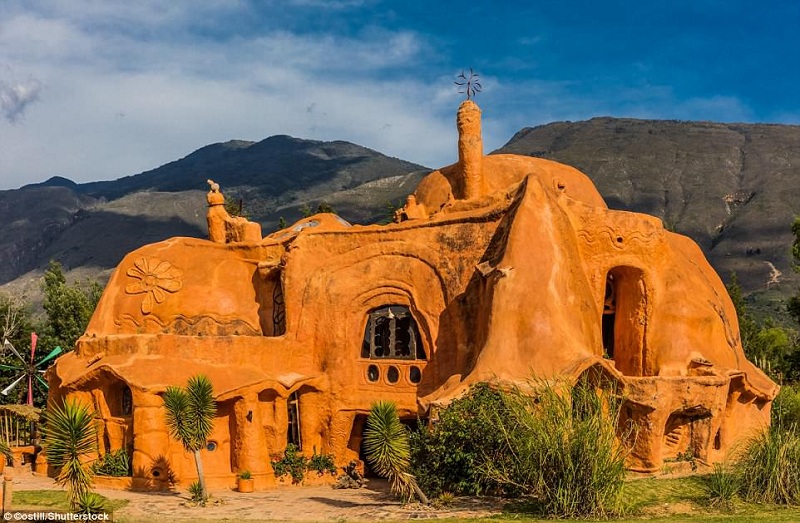
Casa Terracota, located in Villa De Leyva, Mexico, was designed by Octavio Mendoza. It was constructed from clay and fired in the sun.

Jantar Mantar, in Jaipur, India, is an astronomical observatory built in the early 18th century. Now a UNESCO World Heritage site, it is believed to have been built to measure the heavens, and its name is derived from Sanskrit.
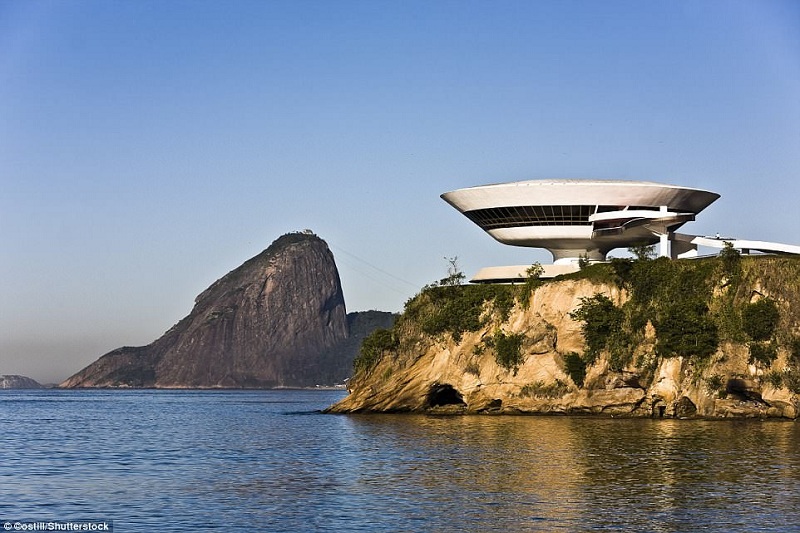
The Museum of Contemporary Art in Niteroi, near Rio de Janeiro, Brazil, was designed by architect Oscar Niemeyer.
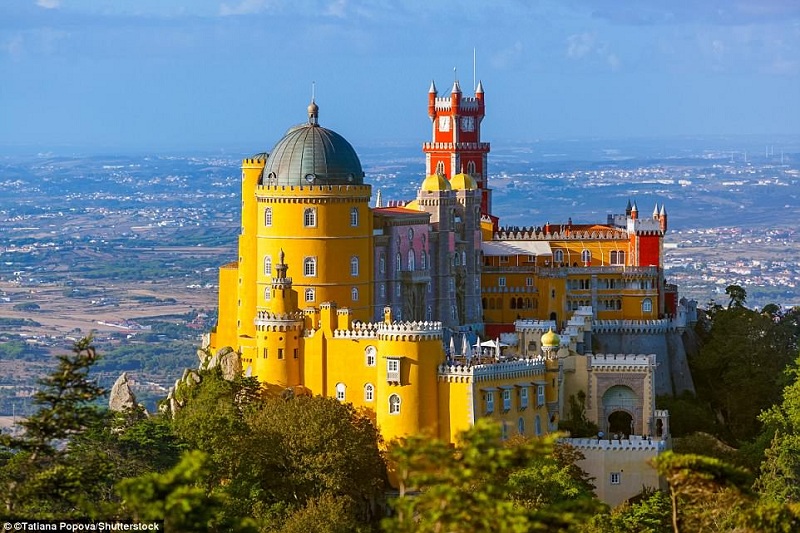
Pena Palace, situated on a hill overlooking the town of Sintra, Portugal, is considered the greatest symbol of 19th-century Romanticism in Portugal.
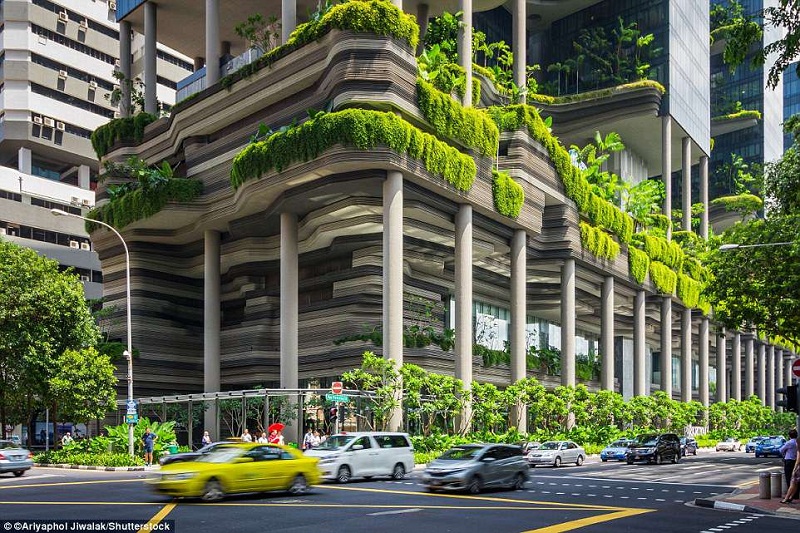

Trees sprout from the modern design of the Park Royal Hotel in Singapore.

The treasury building in the historic and archaeological city of Petra, in southern Jordan, was built in the 5th century BC.

The Pompidou Centre in Paris is a complex located in the Beaubourg area of the 4th arrondissement. It houses the Public Information Library and the Museum of Modern Art.
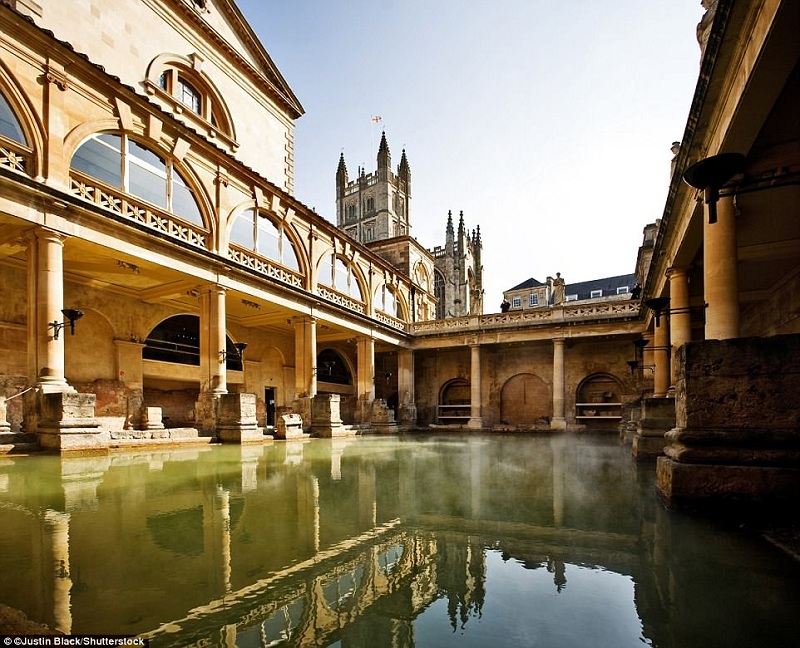
Bath Abbey and its Romanesque baths were built in the ostentatious style often seen there.
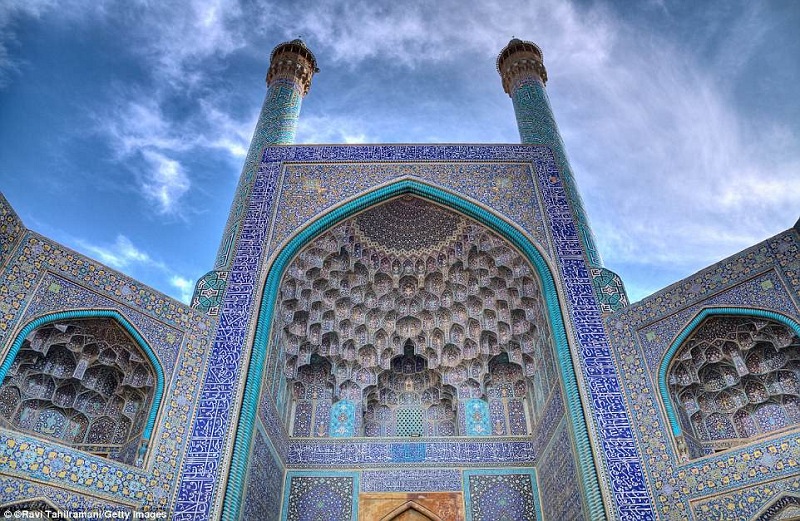
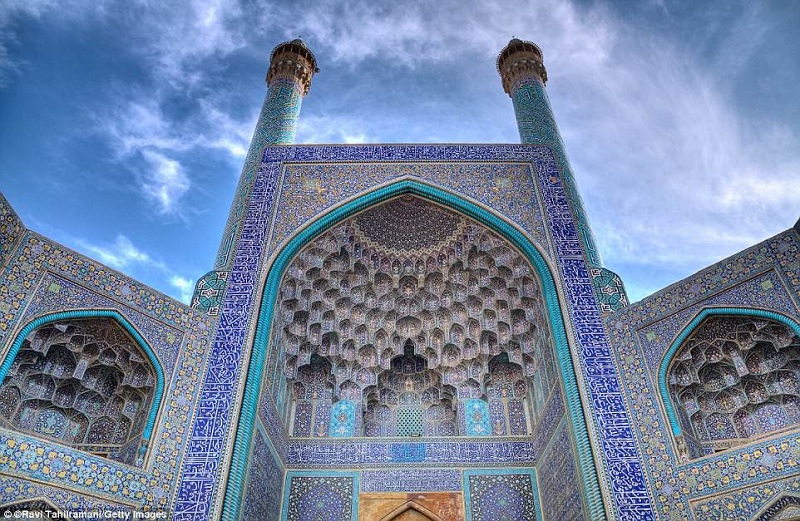
The entrance to Masjid-I Imam, or the Shah Mosque, in Tehran, Iran, is majestic and imposing. Lonely Planet describes it as an elegant mosque, with iconic blue mosaic-tiled walls and perfect proportions.

The colorful and majestic St. Basil's Cathedral in Red Square, Moscow. "A frenzied jumble of colors, patterns, and shapes, and the pinnacle of a unique style for Russian architecture."
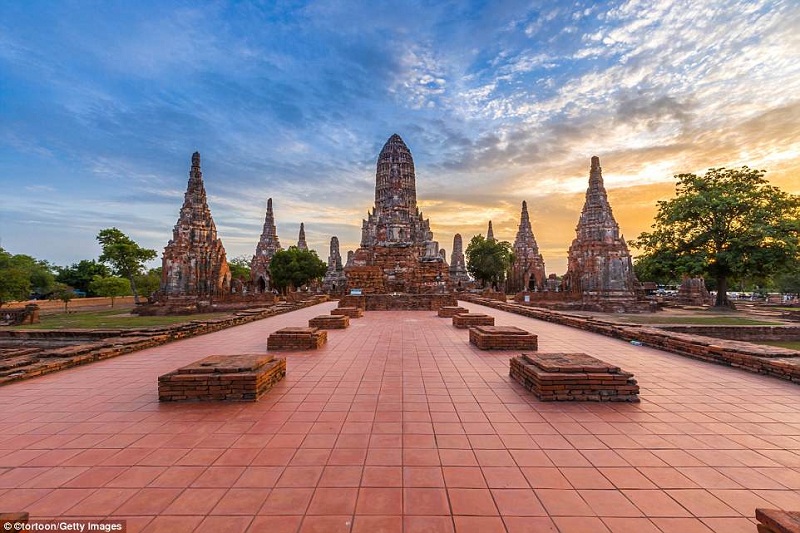
Wat Chaiwatthanaram temple, in Ayutthaya, Thailand. The temple was built by King Prasat Thong to honor his mother and took 20 years to complete.
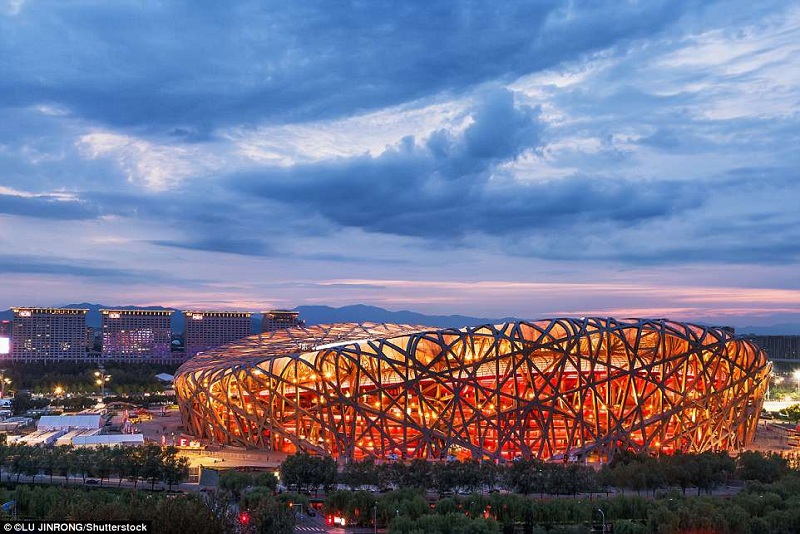
The Olympic Stadium in Beijing, built in 2008 and also known as the Bird's Nest, is now used for sporting events, concerts, and exhibitions.
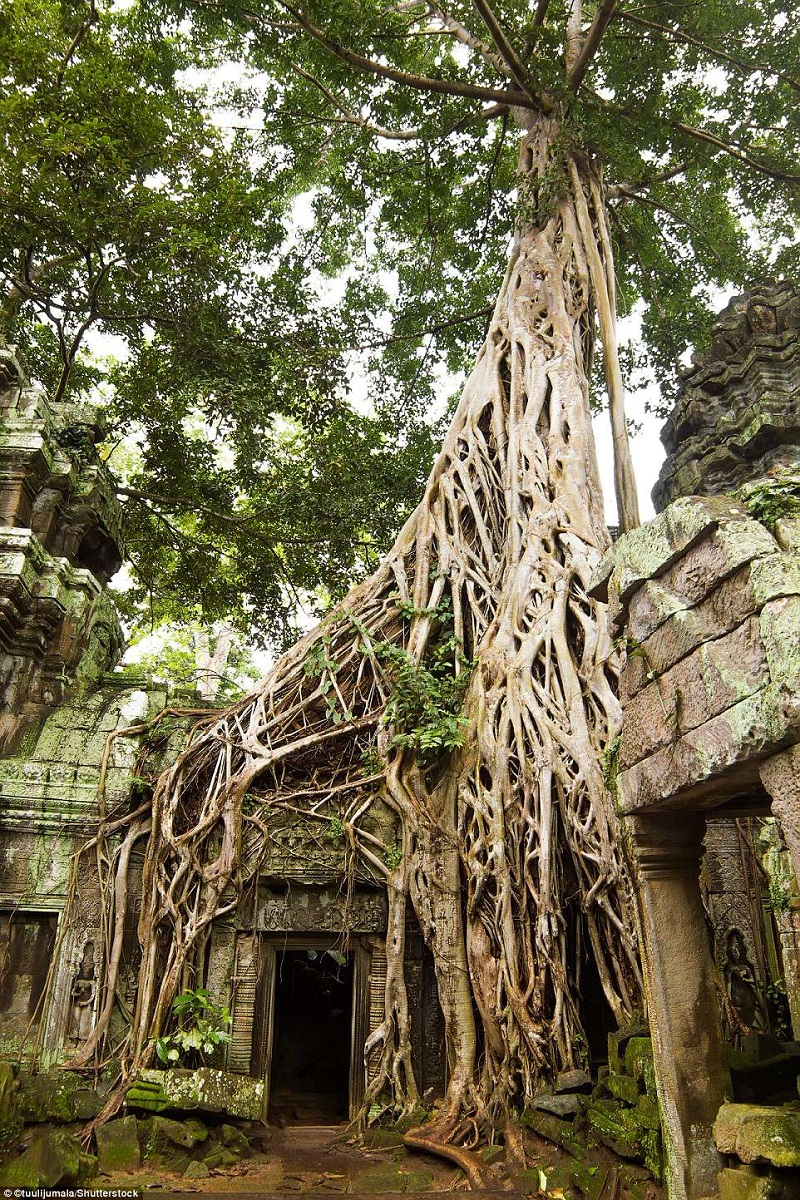
One of the entrances to the enchanting Angkor Wat temple in Siem Reap, Cambodia, stretches for 800 meters and is surrounded by a large moat.

Borobudur is a ninth-century Buddhist temple near the summit of Mount Merapi, Indonesia. It is the largest Buddhist temple in the world and a World Heritage Site.
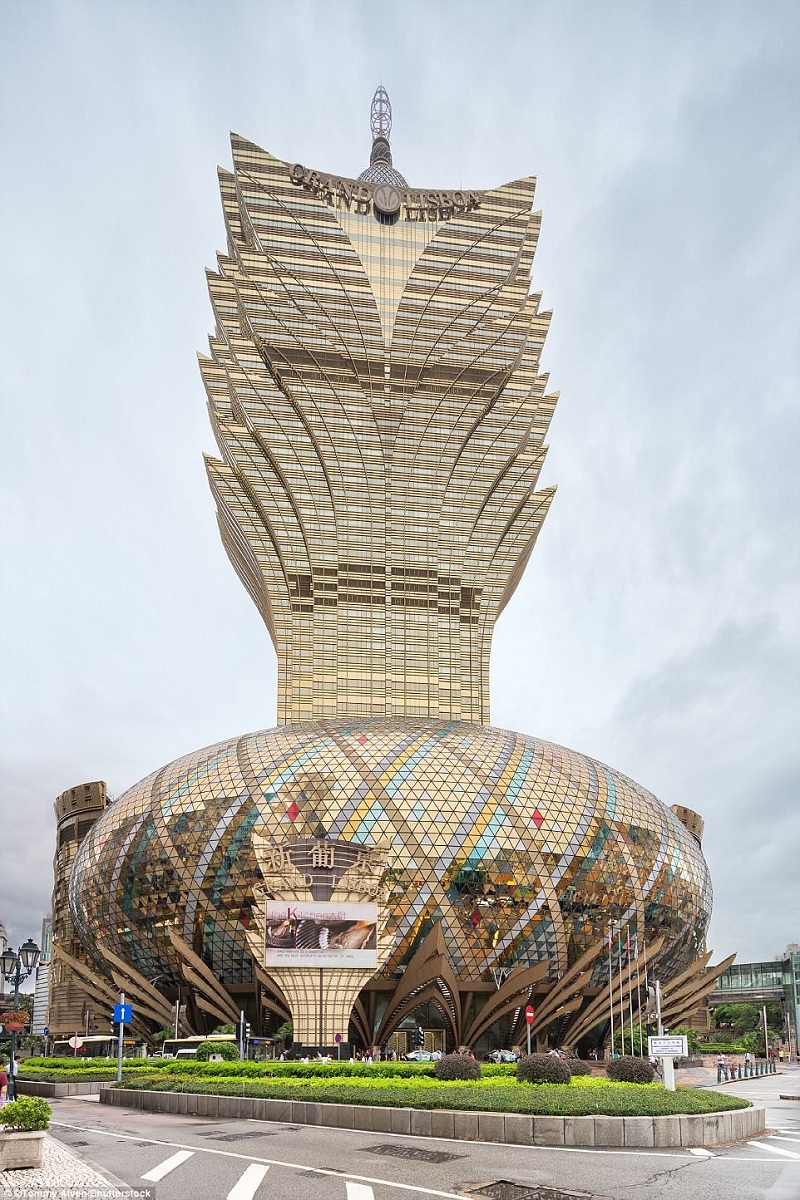
The glittering facade of the Lisboa Casino Grand hotel and casino in Macau, China. This is a major landmark in Macau and the largest resort and casino in Asia.
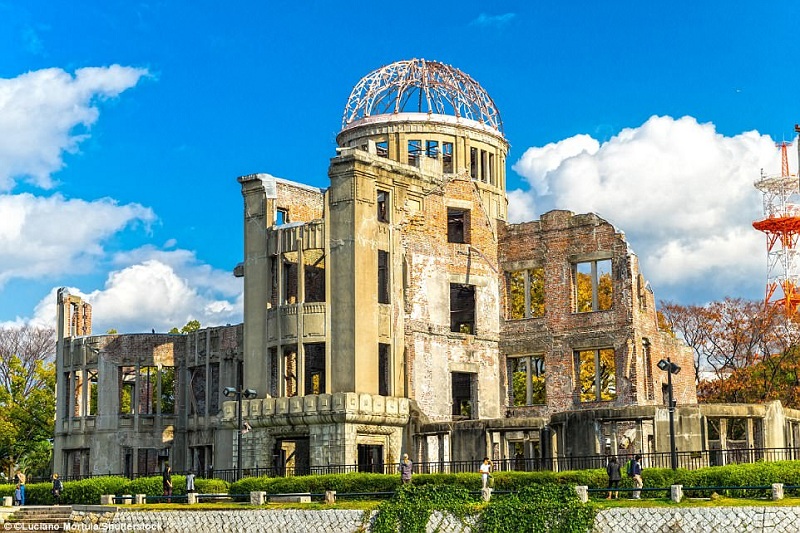
The Hiroshima Peace Memorial in Japan commemorates those who died in the atomic bombing of Hiroshima in 1945.

Jongmyo Shrine is a Confucian temple in Seoul, South Korea, and also a UNESCO World Heritage site. It is a memorial to the deceased kings and queens of the Joseon dynasty.

The nave of Lincoln Cathedral in England resembles a medieval skyscraper. It is the third largest cathedral in England and was built in 1072.

The Shukhov Tower was built in the 1920s in Moscow, Russia.
Ngoc Anh (According to DailyMail)