VI
VI


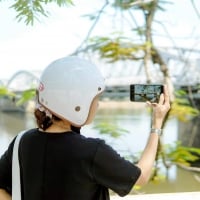
Along both banks of the Perfume River, this year's spring flower festival is organized on a large scale, stretching across numerous parks and riverside promenades. The diverse landscape designs harmoniously combine modern art with traditional cultural values, creating a soft "silk ribbon of flowers" embracing the iconic river of Hue. The spring atmosphere thus gently permeates, subtly enveloping every step of visitors strolling along the river. Beyond beautifying the scenery, these spaces have become familiar meeting points for locals and tourists alike, both domestic and international, to enjoy the spring festivities, take photos, and admire the scenery during the Lunar New Year and spring season.


The diverse landscape designs harmoniously combine modern artistic forms with traditional cultural values, creating a soft "floral silk ribbon" embracing the iconic river of Hue.
At Ly Tu Trong Park, on the southern bank of the Perfume River, the twin-horse mascots quickly became a prominent highlight from the very first days of their display. Placed near the fountain in front of the City People's Committee headquarters, the two horses are symmetrically sculpted, facing each other according to the philosophy of harmonious yin and yang. Their powerful stance and delicate curves create an upward-reaching visual axis, attracting attention from many different directions. Surrounding the mascots are hundreds of colorful flower pots cleverly arranged, contributing to a vibrant spring atmosphere.

According to the design team, the colors of the twin-horse mascot carry multiple layers of symbolic meaning. Red represents good fortune, wealth, and new vitality in the Year of the Horse, while blue suggests peace, perseverance, and inner strength. Traditional gold leaf lacquer techniques are used to honor the value of royal craftsmanship, while also evoking a sense of authority, sacredness, and royal status. This harmonious combination of traditional spirit and modern creative thinking has made the twin-horse mascot a popular check-in spot for locals and tourists alike in the days leading up to Tet (Lunar New Year).


The area surrounding Ly Tu Trong Park is further adorned with many unique spring flower displays. The "Vietnamese Girl" statue is placed amidst a vibrant flower garden, creating a soft, graceful, and harmonious scene blending sculpture and nature. Along the park's walkways, traditional bamboo-woven hanging flower baskets are abundant, both rustic and intimately connected to Hue culture. Many visitors express their delight at leisurely strolling beneath the colorful flowers, enjoying the peaceful spring atmosphere beside the gentle Perfume River.
Another highlight on the southern bank is the spring-themed archway featuring a herd of horses leaping over the gate. Three powerful horses galloping symbolize the three blessings of Fortune, Prosperity, and Longevity, while also conveying the message "May success come with the horses," expressing the hope for a prosperous, smooth, and successful new year. This area quickly became a popular stop for locals and tourists during the spring festival, capturing meaningful moments at the beginning of the year.

On the north bank of the Perfume River, a golden horse mascot in a "flying" pose is placed by the water, inspired by the mythical figures of Giong the Horse and the Dragon Horse in traditional Vietnamese culture. Its soaring posture symbolizes a proud spirit, aspiration for advancement, and the power to break through in the new year. The details of the mane and tail are softly stylized, combined with lotus patterns on the horse's body, creating a beauty that is both powerful and elegant, true to the spirit of the ancient capital's culture. The space surrounding the mascot is decorated with many spring flowers, becoming an ideal stop for leisurely spring strolls for the people.

Besides beautifying the landscape, these spaces have also become familiar meeting points for locals and domestic and international tourists to visit, take photos, and enjoy the scenery during the Lunar New Year season.
Not only confined to the banks of the Perfume River, this year's spring flower displays have spread deep into the grounds within the Imperial Citadel, creating a harmonious connection between the urban landscape and the heritage site. At Ham Nghi Square, in front of the Hue Temple of Literature, more than 55,000 flower pots are meticulously arranged into the shape of a giant lotus flower – a symbol of nobility, purity, and wisdom. Every day, this area attracts a large number of locals and tourists who come to visit, take photos, and experience the spring atmosphere amidst this sacred historical space.
The grounds in front of the palaces and the gardens within the Imperial Citadel are also decorated with many spring flower displays in the style of the royal court. Ancient brick-paved pathways are adorned with pots of yellow chrysanthemums, marigolds, and roses, creating a scene that is both solemn and vibrant. The meticulously maintained ponds and flowerbeds reflect the colors of the flowers and moss-covered roof tiles, giving visitors a sense of peace and tranquility as they stroll through the ancient Imperial Citadel.
The gardens within the Imperial Citadel are also arranged with miniature landscapes that harmoniously combine traditional bonsai trees with modern spring flowers. Pots of yellow apricot blossoms and pink peach blossoms are placed interspersed with orchids and lilies, creating a delicate blend of classic elegance and the fresh breath of contemporary life. These garden areas thus become ideal places for people to enjoy the Tet atmosphere, admiring the scenery while learning about and appreciating the cultural and historical depth of the ancient capital's heritage.
Throughout the spring flower festival, the care and maintenance of the flowers are carried out regularly and systematically. Park staff and the monument management unit daily water, prune, and inspect each area to ensure the flowers remain fresh and vibrant. In particular, in the area along the Perfume River, irrigation water is pumped directly from the river, which is both convenient and helps maintain the freshness and longevity of the spring flower beds.
The weather in the last days of the twelfth lunar month this year was quite favorable, with gentle sunshine and dry conditions, creating ideal conditions for spring outings, sightseeing, and photography. The parks on both banks of the Perfume River and the grounds within the Imperial Citadel transformed into giant "spring flower gardens" in the heart of the city, attracting large numbers of locals and international tourists. Many foreign visitors expressed their delight walking along the riverbank, stopping to take photos amidst the vibrant flowerbeds and miniature landscapes reflecting the unique cultural identity of Hue.

From the banks of the Perfume River to the grounds of the Imperial Citadel, every little corner tells its own story about the harmonious blend of nature, culture, and people.
The Spring Flower Festival of the Year of the Horse 2026 not only contributes to beautifying the urban landscape but also awakens pride in traditional culture within the community. The combination of symbolic mascots with floral displays has created vibrant artistic spaces that are both modern and imbued with the spirit of the ancient capital. People come here not only to admire the flowers and take photos but also to feel the rhythm of spring, and to capture moments of togetherness with family and friends during the first days of the new year.
Amidst the bustling crowds, the lively laughter and chatter mingled with the fragrant scent of flowers carried on the breeze, the city of Hue seems to have entered a complete spring season. From the banks of the Perfume River to the grounds of the Imperial Citadel, every small corner tells its own story of the harmonious blend of nature, culture, and people. These spring flower displays not only beautify the city during Tet but also become symbols of innovation, creativity, and the aspiration for sustainable development in Hue in the new year of the Horse 2026.