
 VI
VI


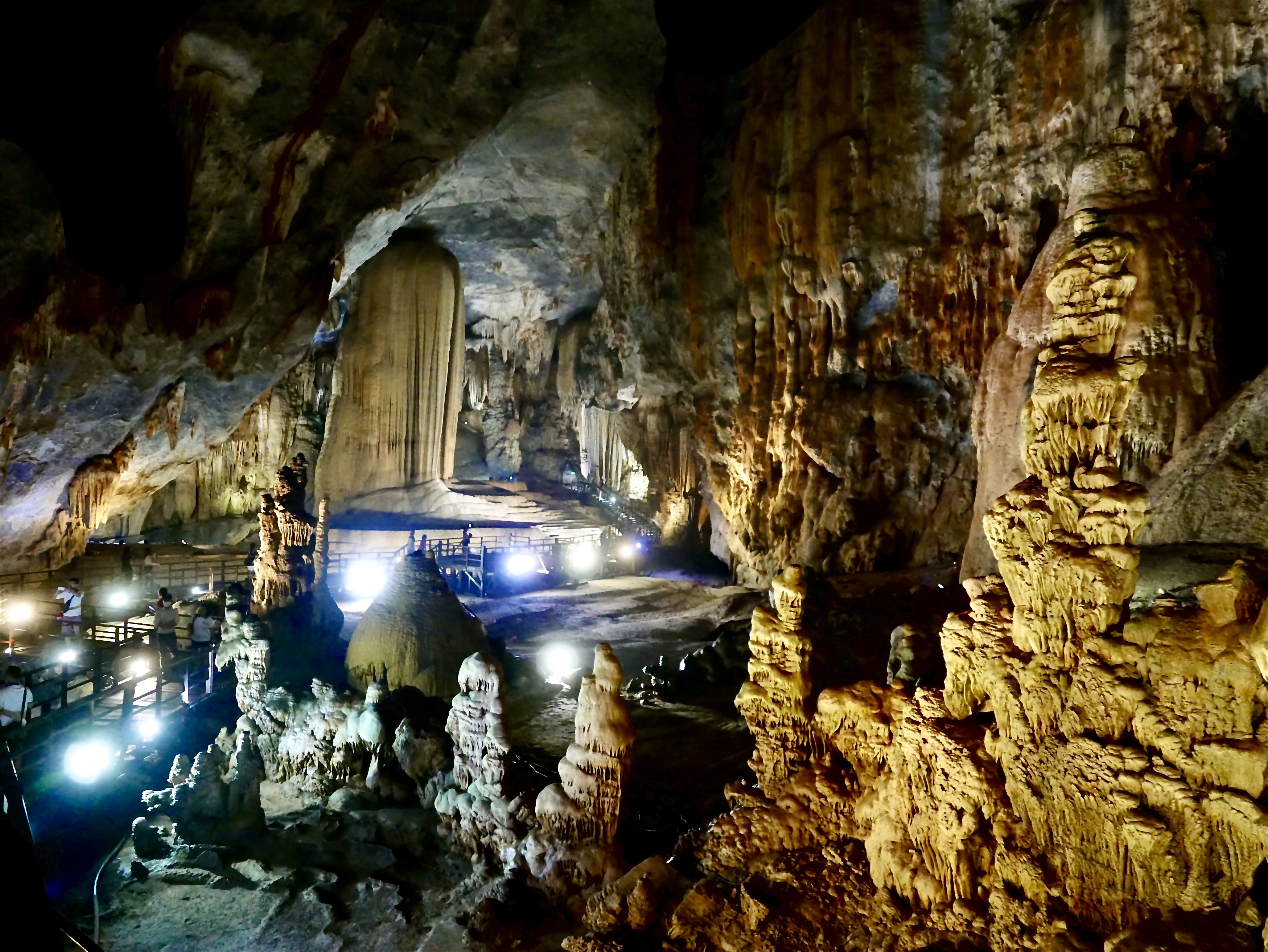
Paradise Cave was one of my stops during a survey trip to several tourist attractions in Quang Binh province organized by the UNESCO Hanoi Travel Club in late May. Before this trip, I had heard about the reputation of Paradise Cave, which was associated with many solemn praises and flowery titles.
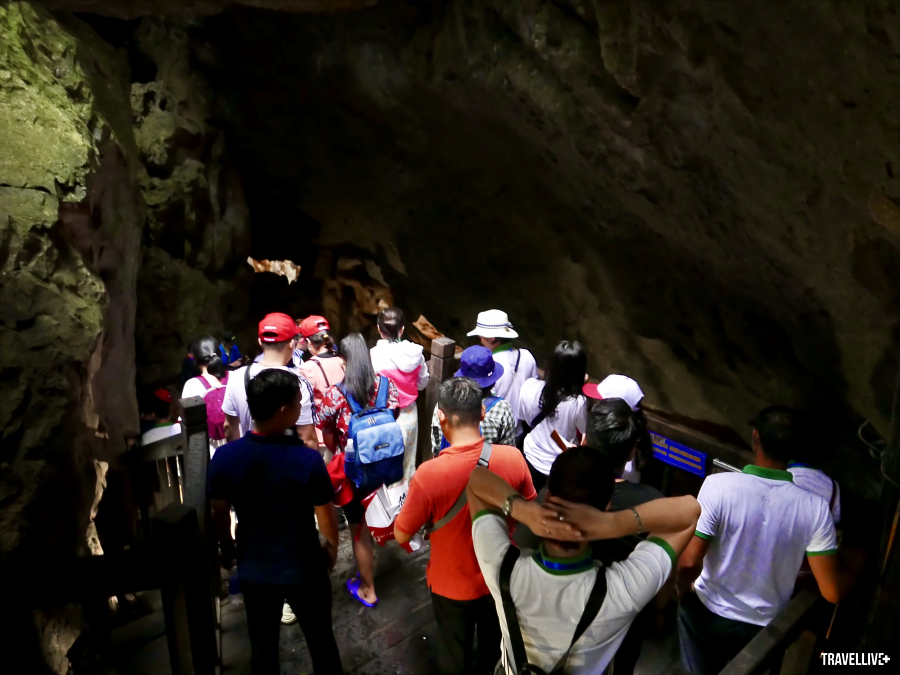
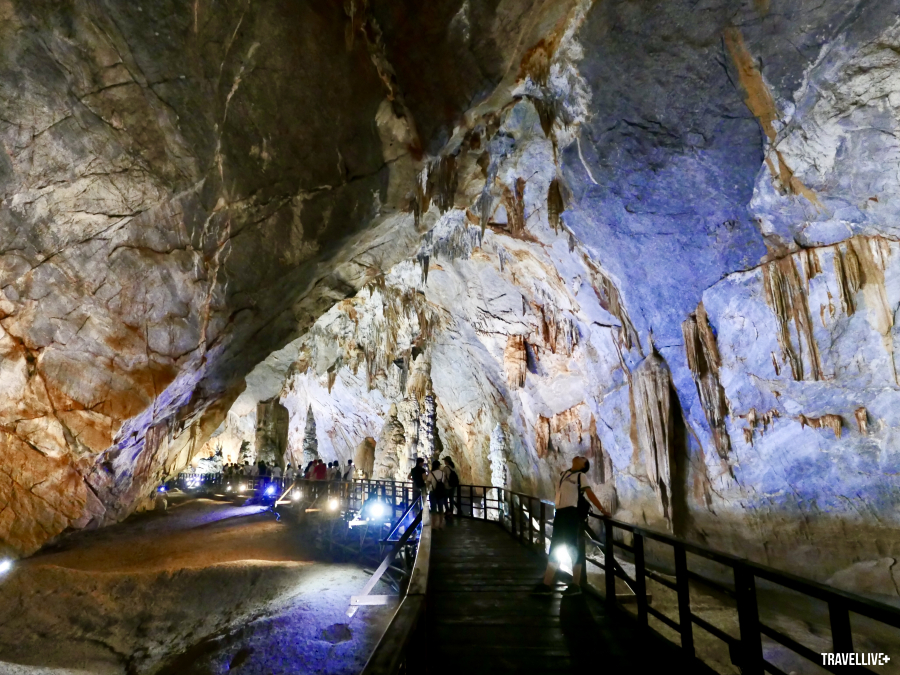
The entrance to Thien Duong Cave is quite small, which only adds to the curiosity of visitors.
To be honest, having experienced many disappointments at famous destinations before, I tend to have little faith in reviews before seeing them in person. But Thien Duong Cave truly lived up to its name, revealing a magical beauty that was both pristine and magnificent – even though I only had the chance to experience a very small part of the cave.
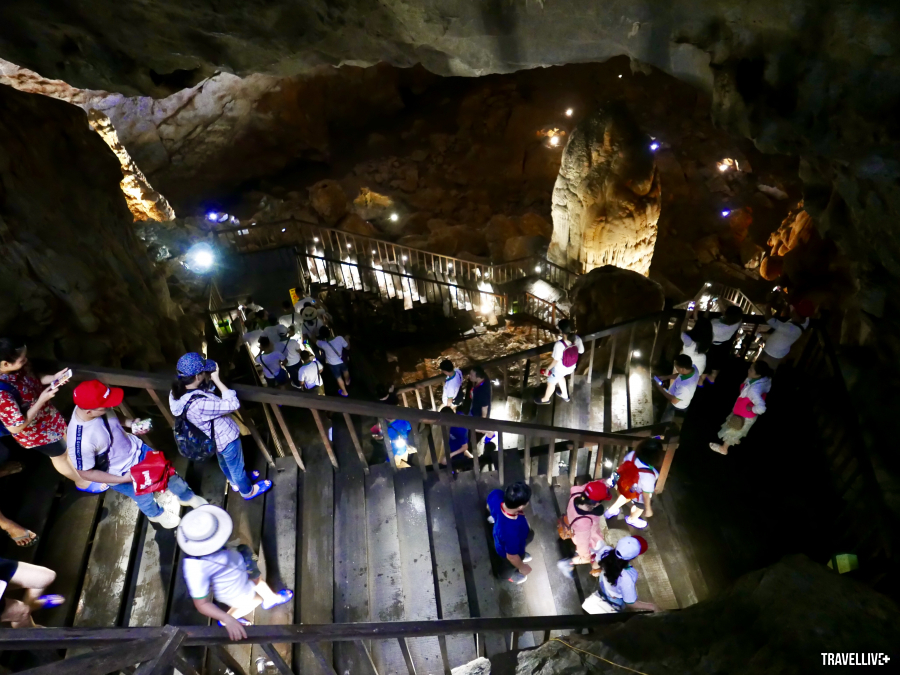
From the moment the first stalactites meet the cave's interior, visitors are so amazed they don't want to leave, wanting to linger to admire and take pictures non-stop.
Paradise Cave, located in the Ecological Restoration zone of Phong Nha - Ke Bang National Park, is 31.4 km long, with a width ranging from 30 to 100 m, and a height from the cave floor to the ceiling of 60 to 80 m. The cave was first discovered in 2005 by Mr. Ho Khanh, a local resident, and subsequently explored by the British Royal Cave Association from 2005 to 2010. It is considered larger and more beautiful than Phong Nha Cave and is also the longest dry cave in Asia.

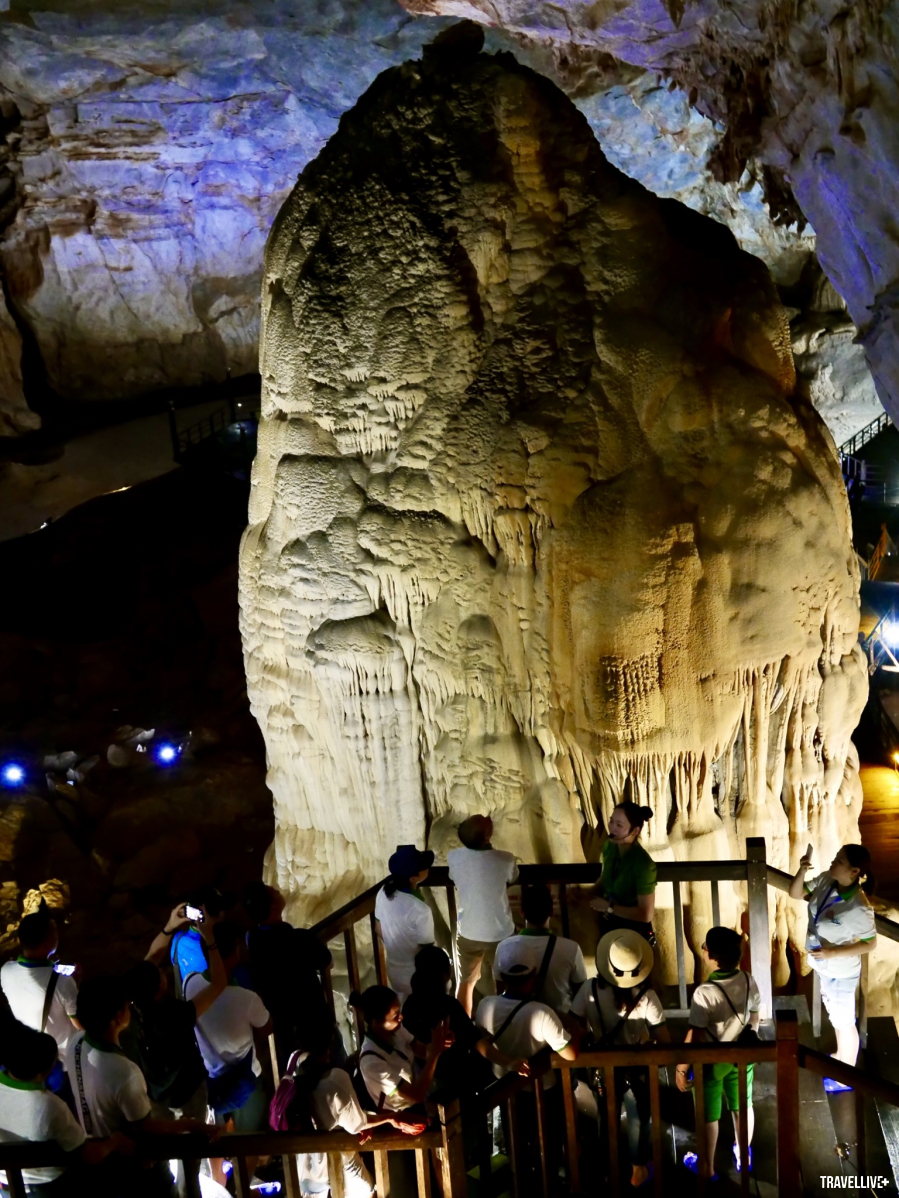
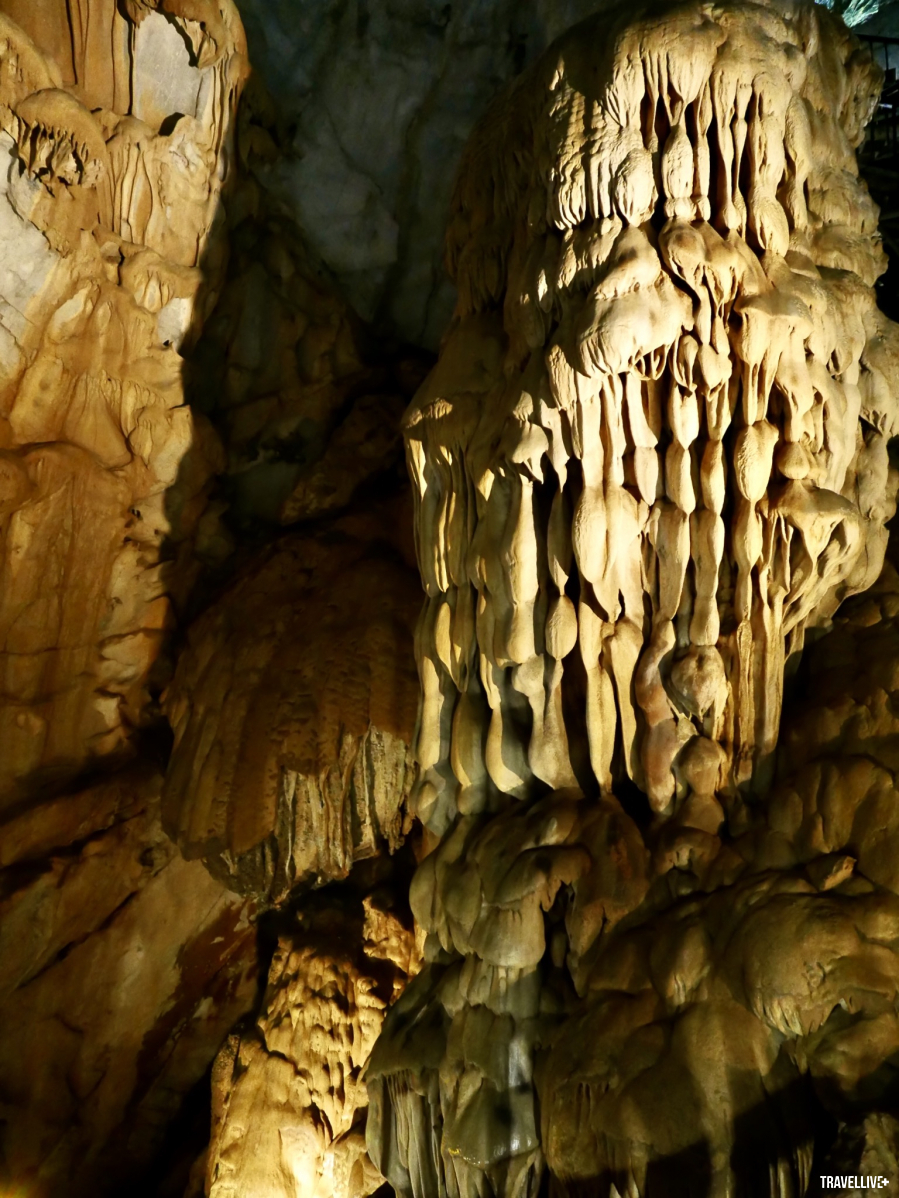
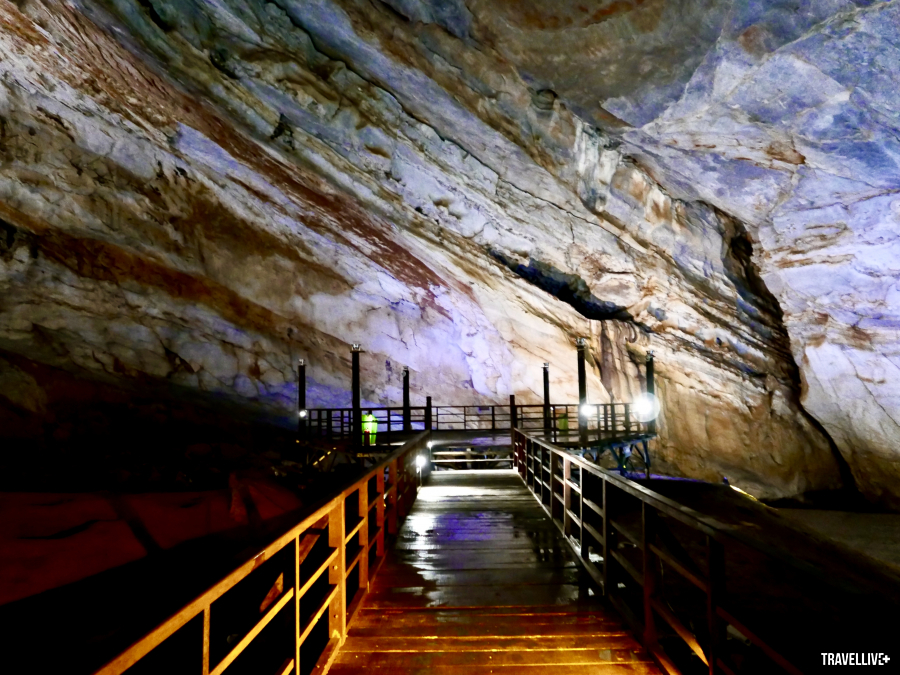
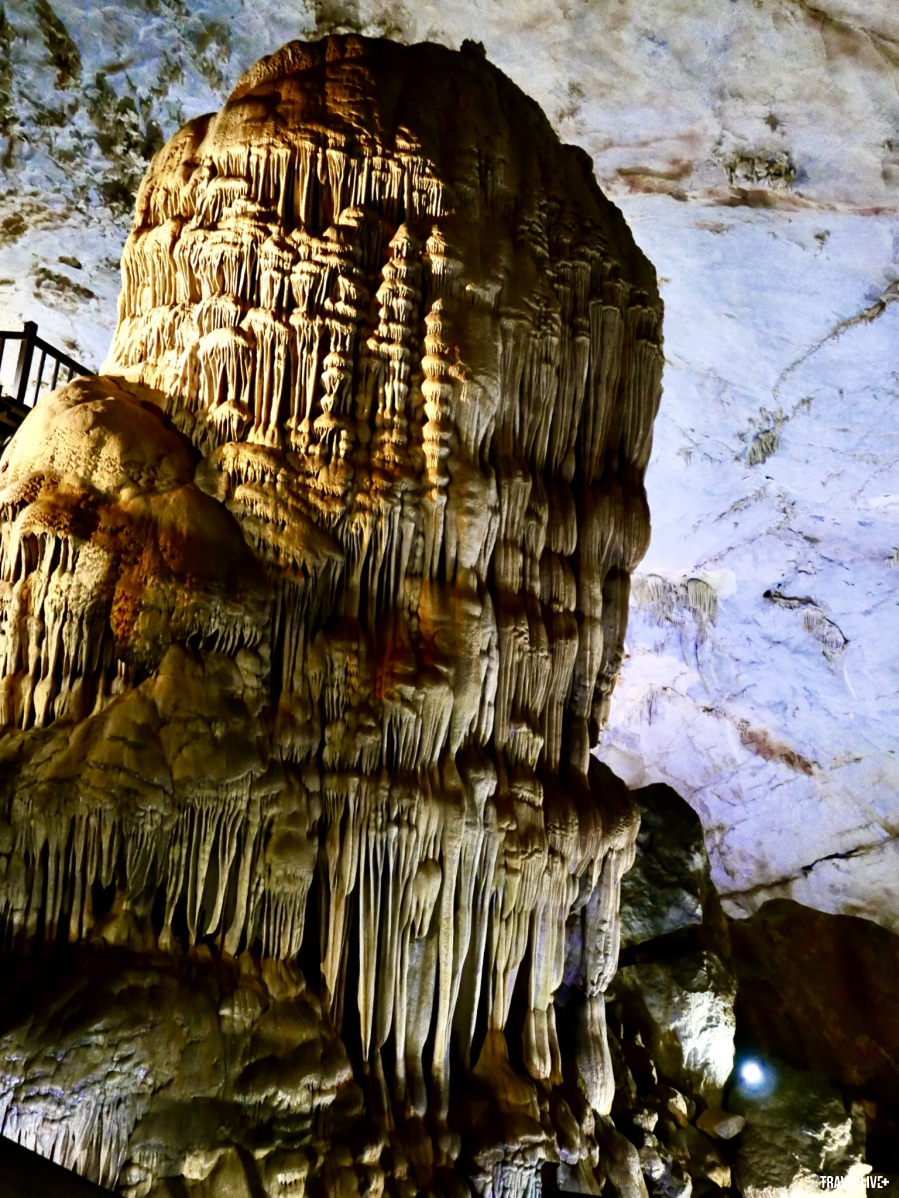
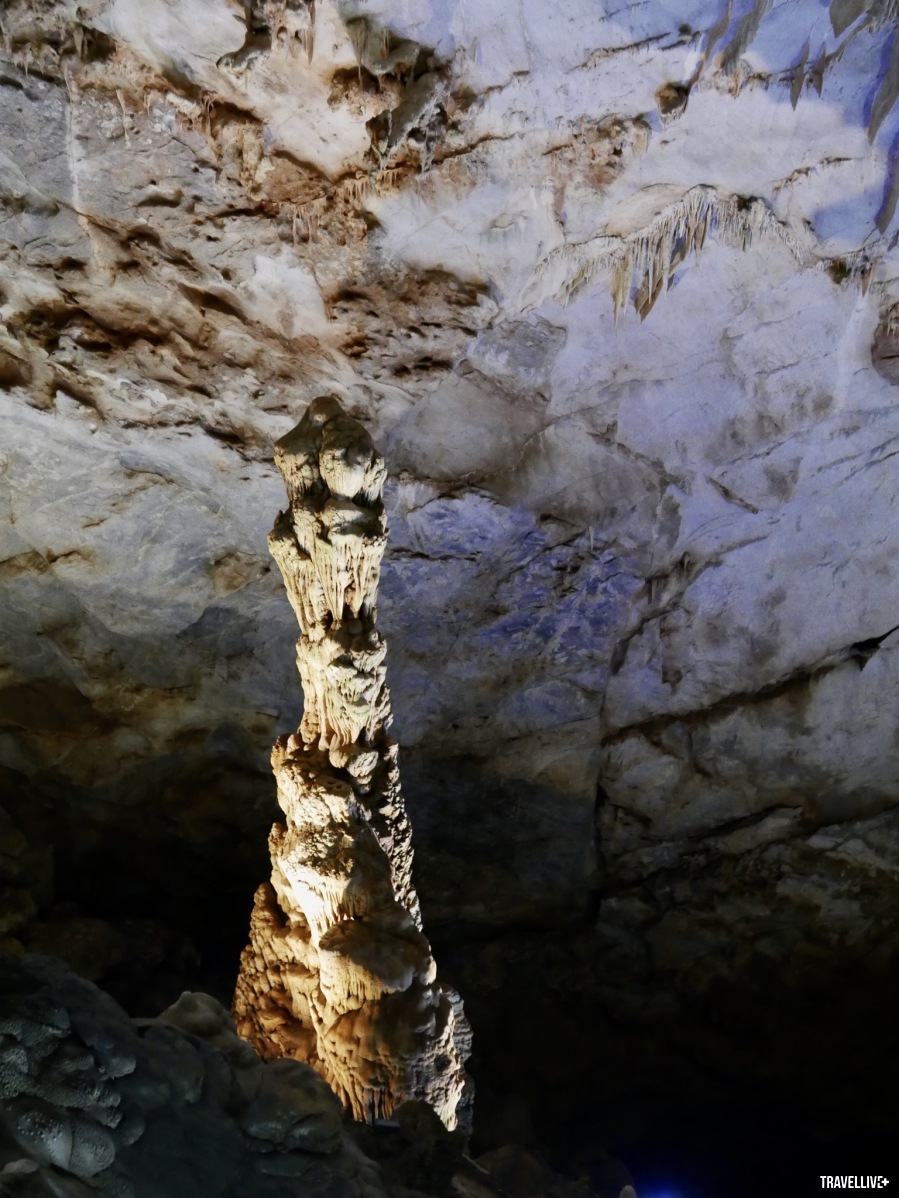
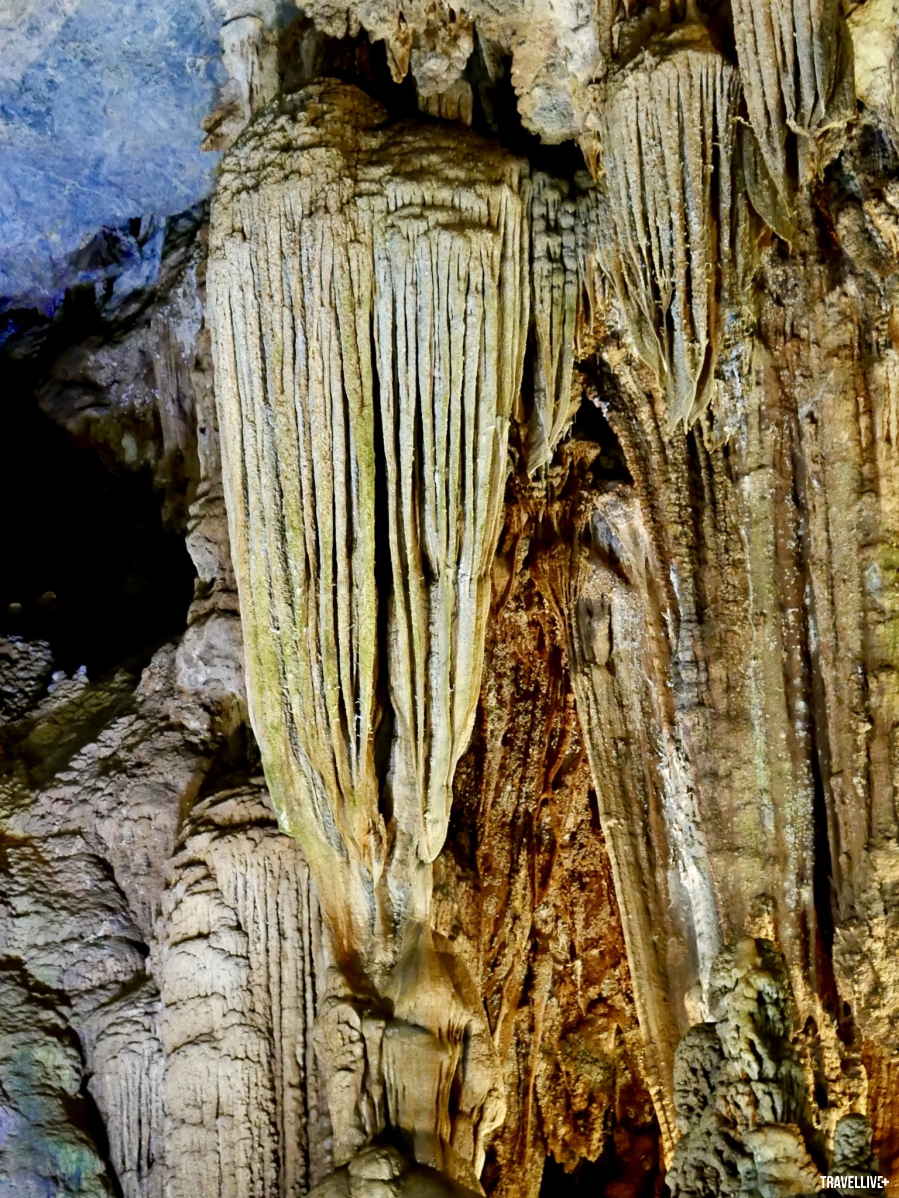
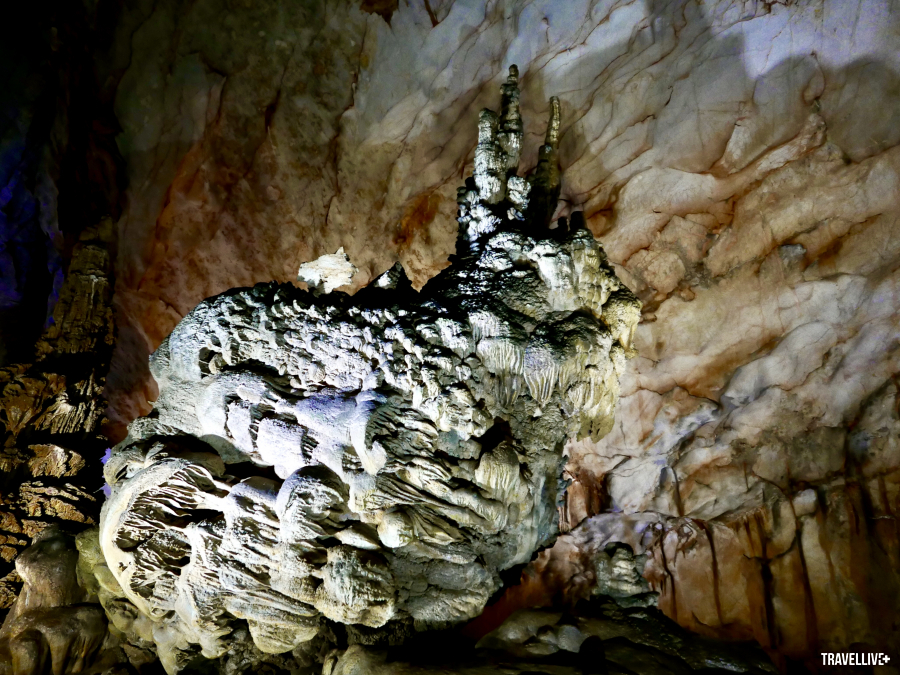
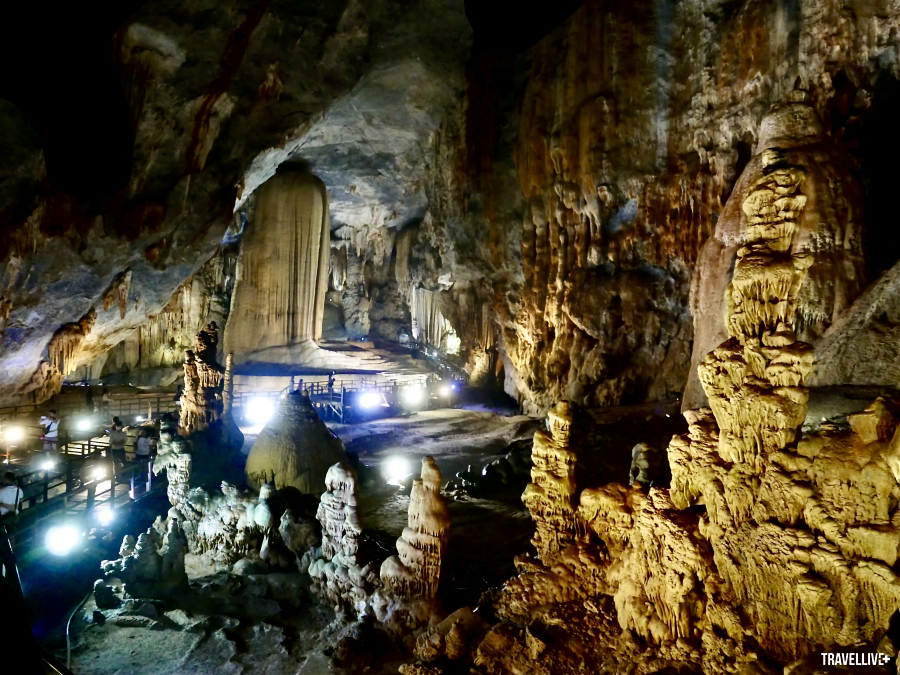
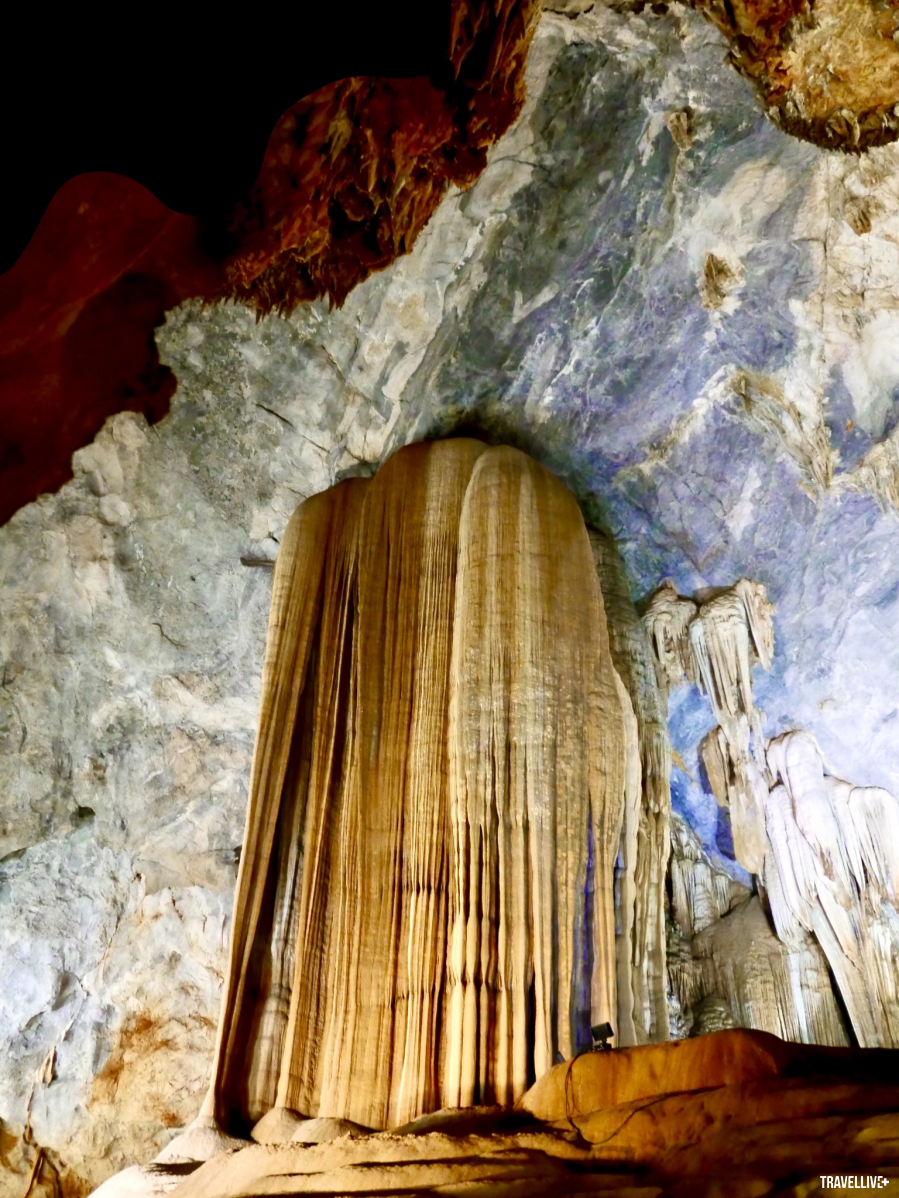
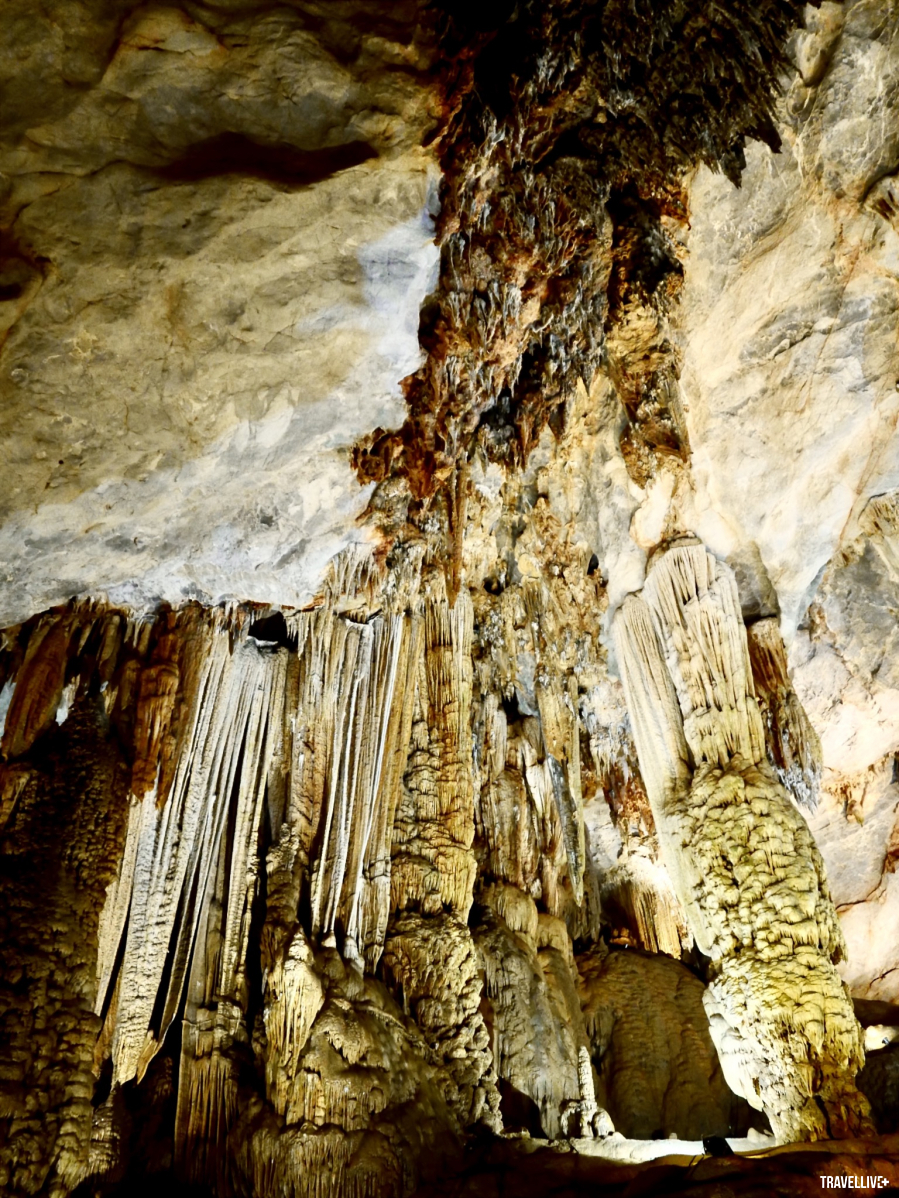
The most amazing feature of Thien Duong Cave is its system of stalactites and stalagmites, created by nature with incredibly diverse and rich shapes. Some stalactites and stalagmites cascade down like colorful curtains.
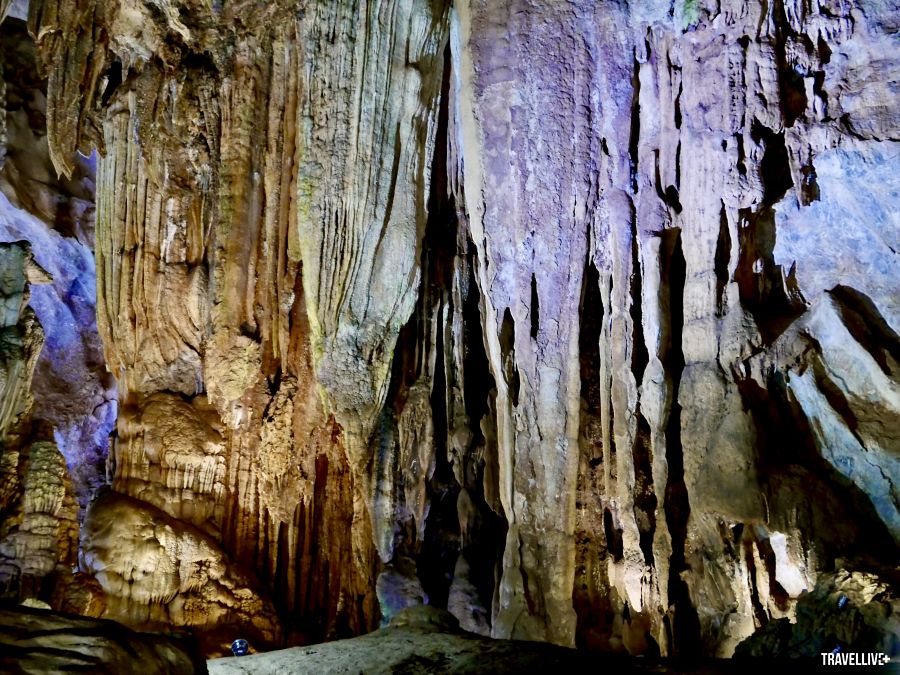
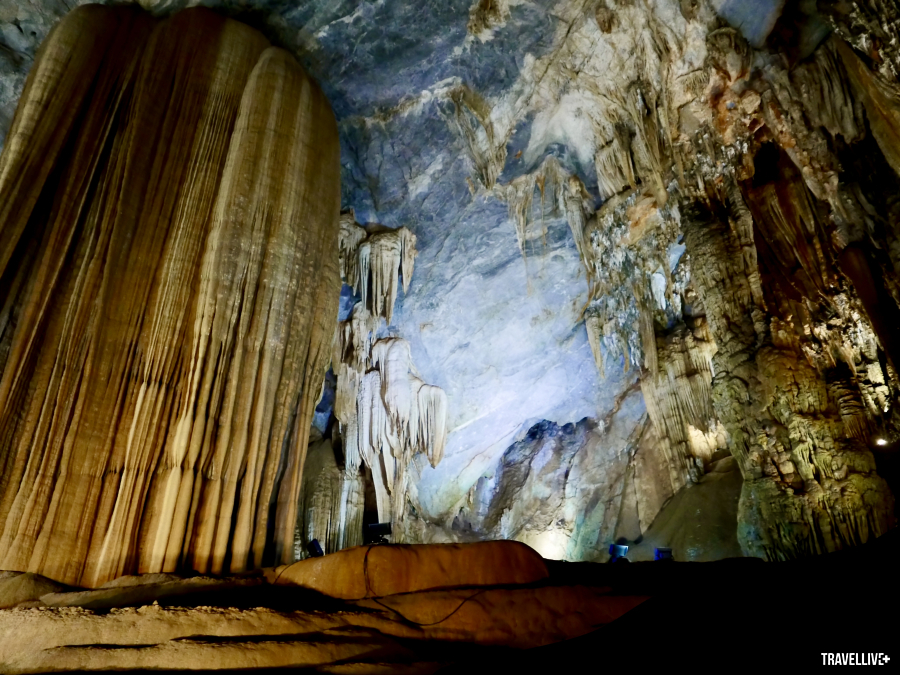
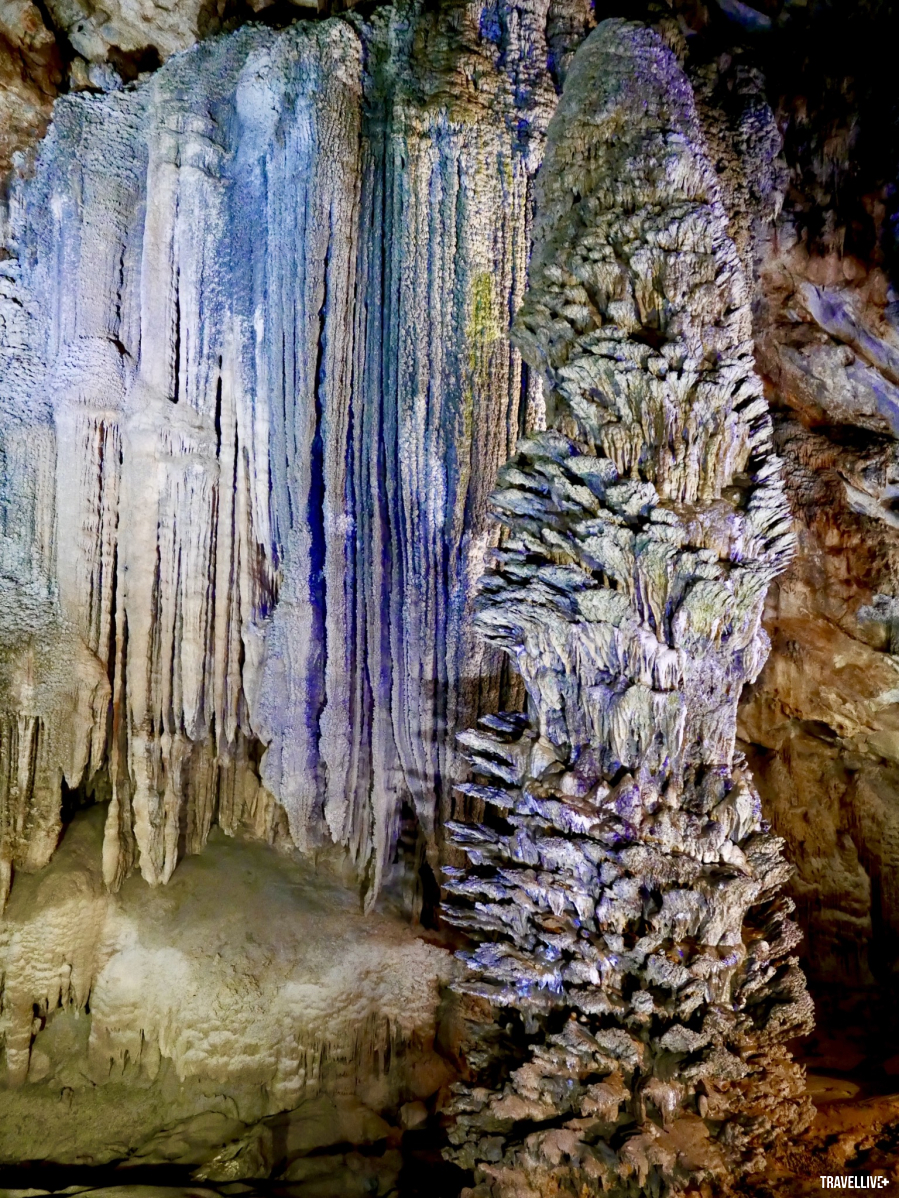
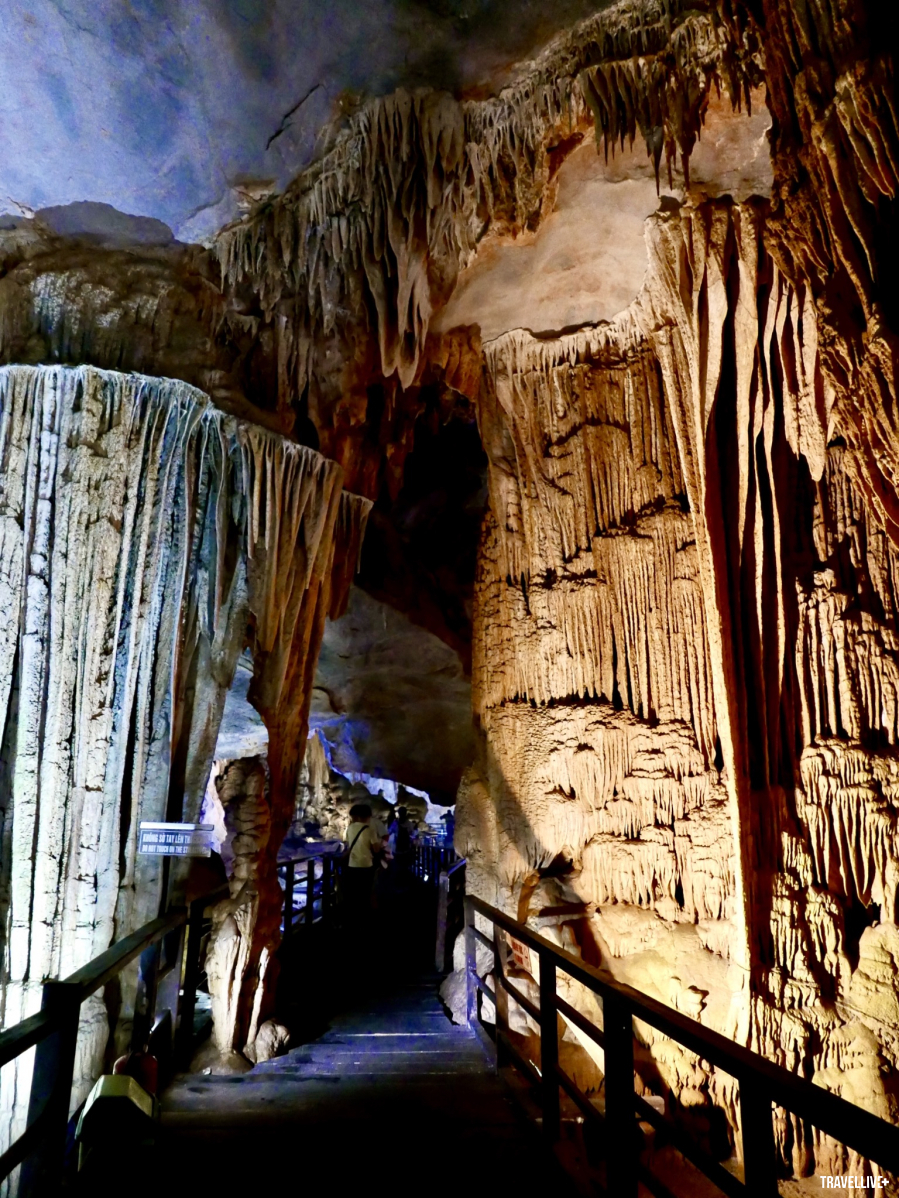
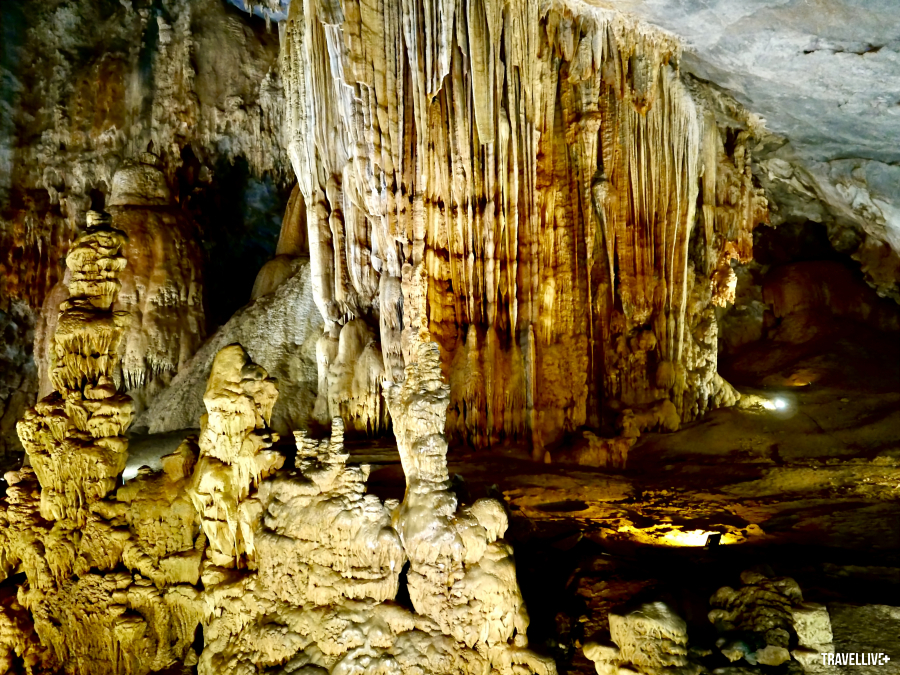
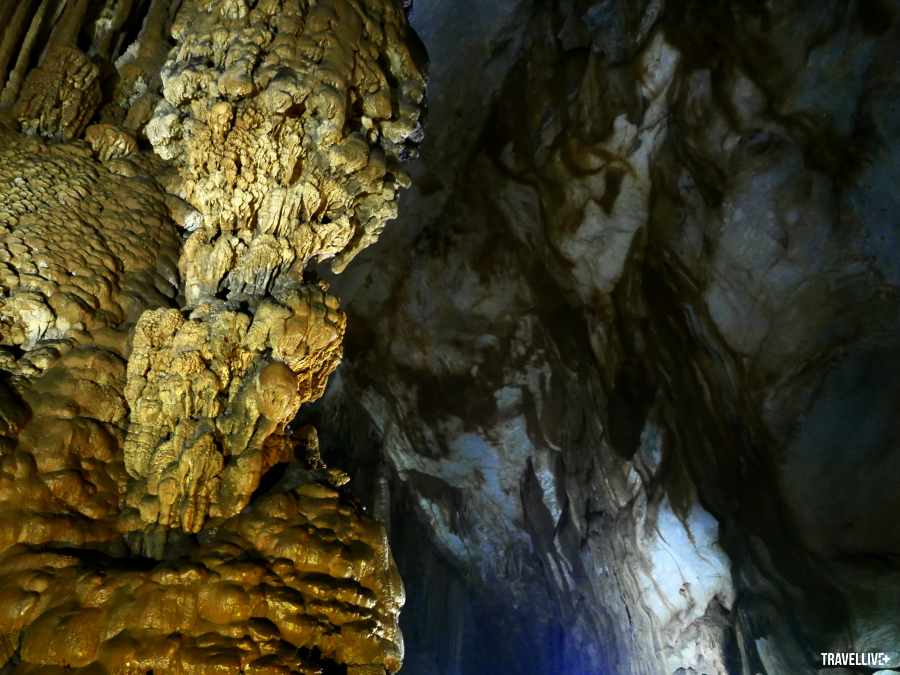
There are also stalactite columns shaped like umbrellas, symbolizing rice-farming civilization, or resembling Cham towers and traditional longhouses, all incredibly unique... Deeper inside the cave, there are many layers of rock that stretch out into steps, resembling graceful ocean waves, long and winding, and tiered like terraced rice fields...
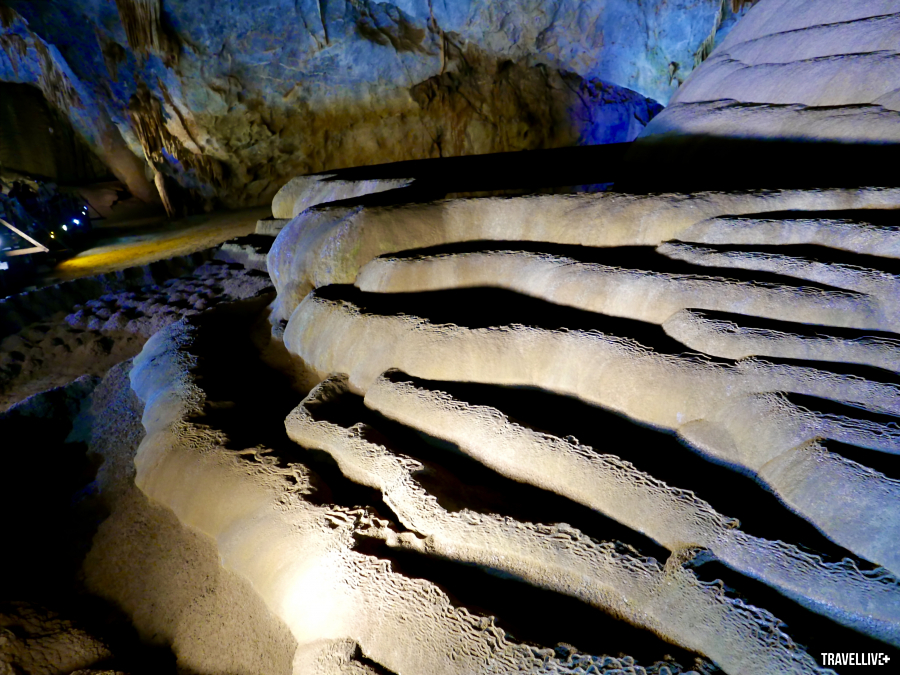
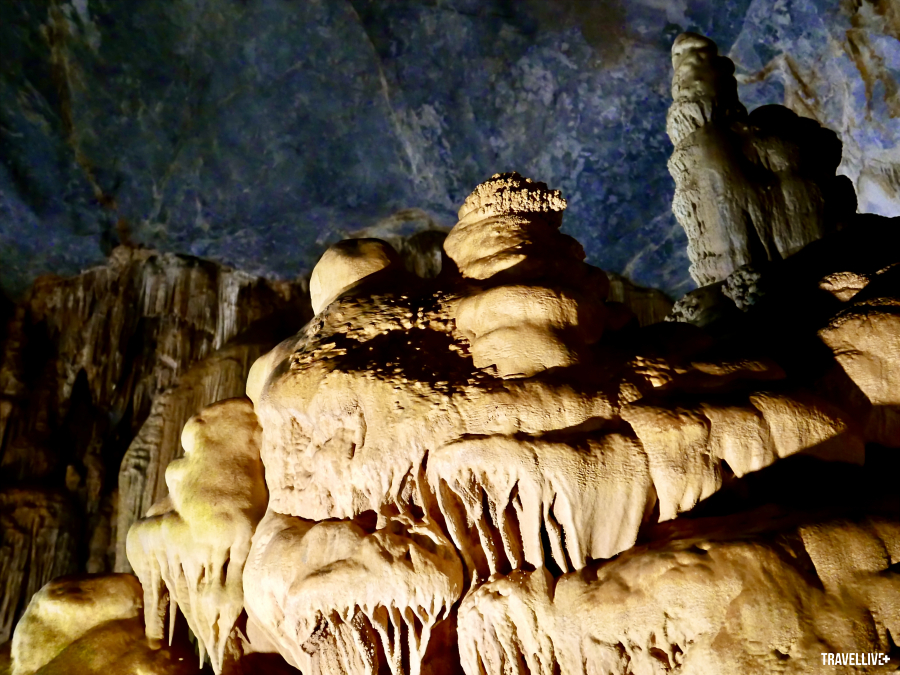
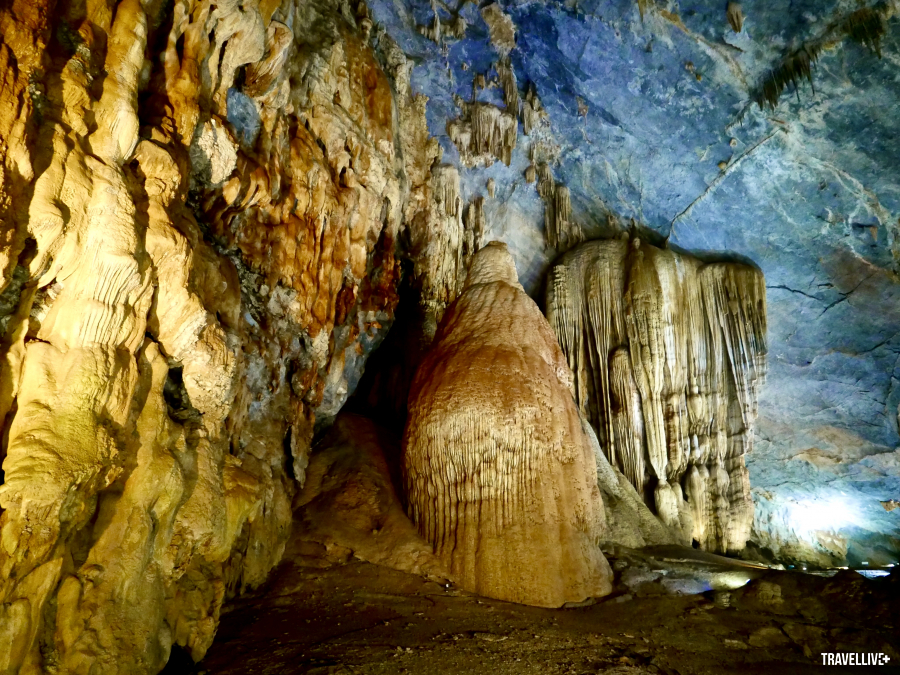
Each stalactite formation is unique, no two are alike, sharing only a mystical beauty that leaves anyone who wanders into this place utterly captivated. This stalactite system continues to develop thanks to the drops of water falling from the cave ceiling.
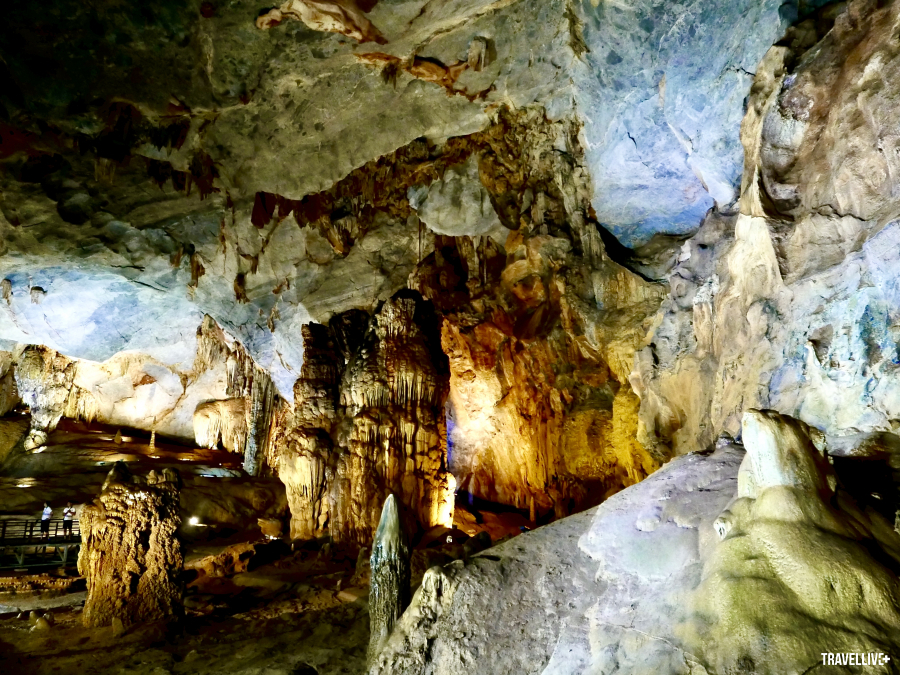
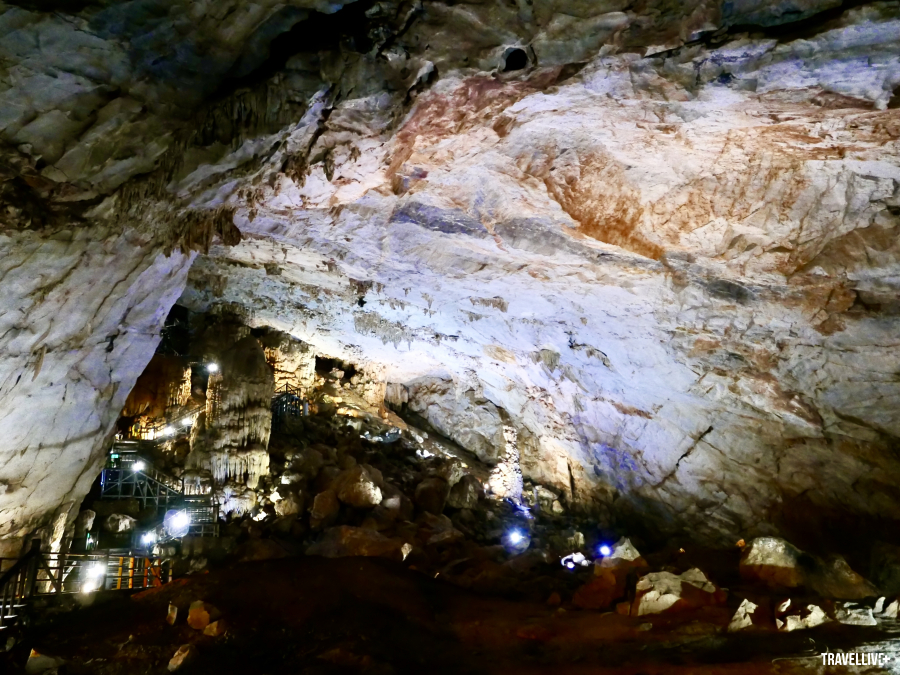
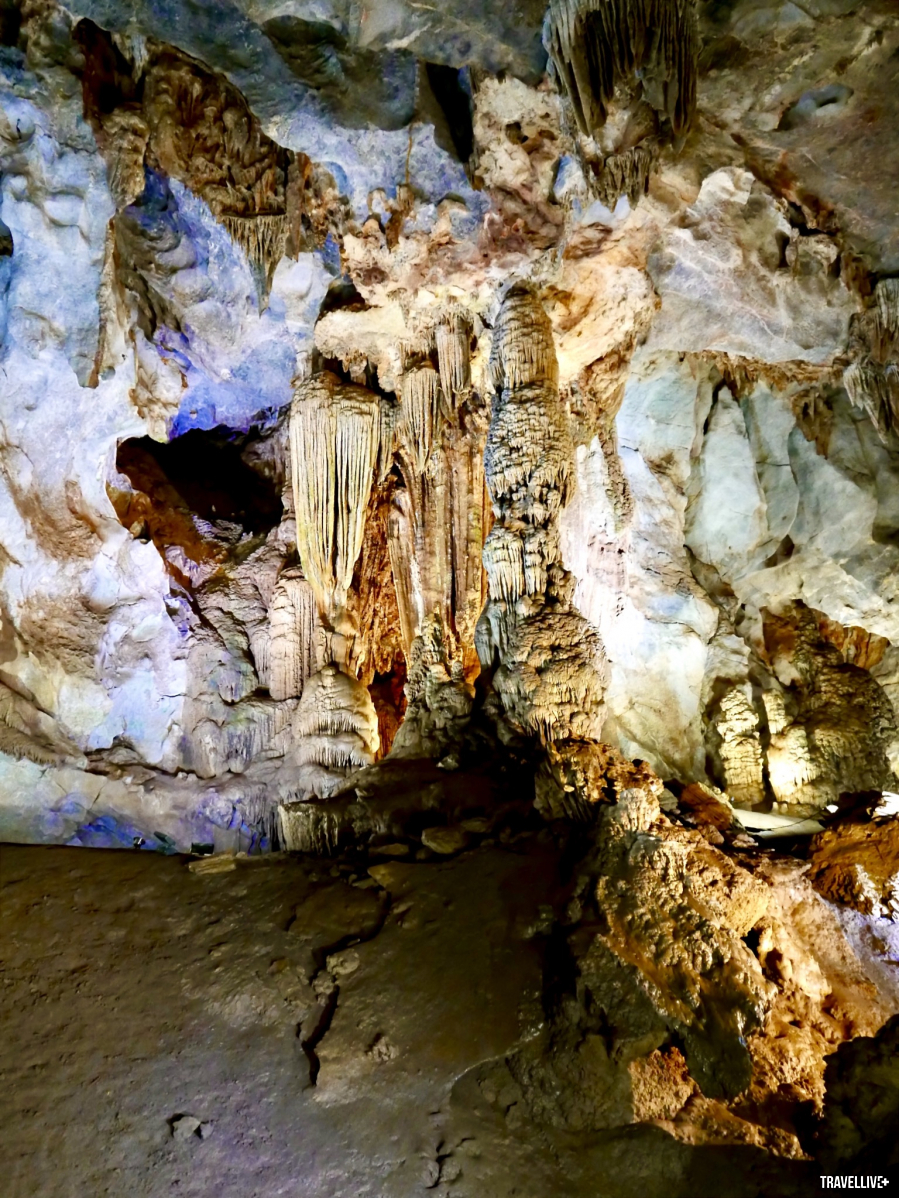
The photos I took during my brief time inside the cave, while not complete or perfect, will partly tell readers about the beauty of Thien Duong Cave. And I believe that words of praise cannot fully capture the beauty of this magical cave, so if you have time for an upcoming trip, put Thien Duong Cave at the top of your list of destinations.
Additional information
- Paradise Cave has been open to tourism since 2010. Truong Thinh One-Member Limited Liability Company invested in building a 1.5 km long wooden staircase leading from the cave entrance deep into the cave, making it easier for visitors to move around and admire the cave's beauty. This staircase is also a highlight that enhances the landscape of Paradise Cave. The end of the wooden staircase marks the end of the visitor's tour. Entrance fee: 250,000 VND/adult; 125,000 VND/child; free for children under 1.1 m tall.
- Adventure-loving tourists can register to participate in a deeper exploration tour of Thien Duong Cave, a 7km journey illuminated only by personal flashlights. On this special journey, visitors can encounter many living creatures in the darkness of Thien Duong Cave, such as fish, spiders, crickets… and hundreds of bats clinging to the cave ceiling in the first 3.5km. Furthermore, visitors can experience kayaking or conquering the skylight… Entrance fee: 2,200,000 VND/adult; 1,100,000 VND/child






.jpg_4.jpg.jpg)


.jpg_4.jpg.jpg)






