VI
VI


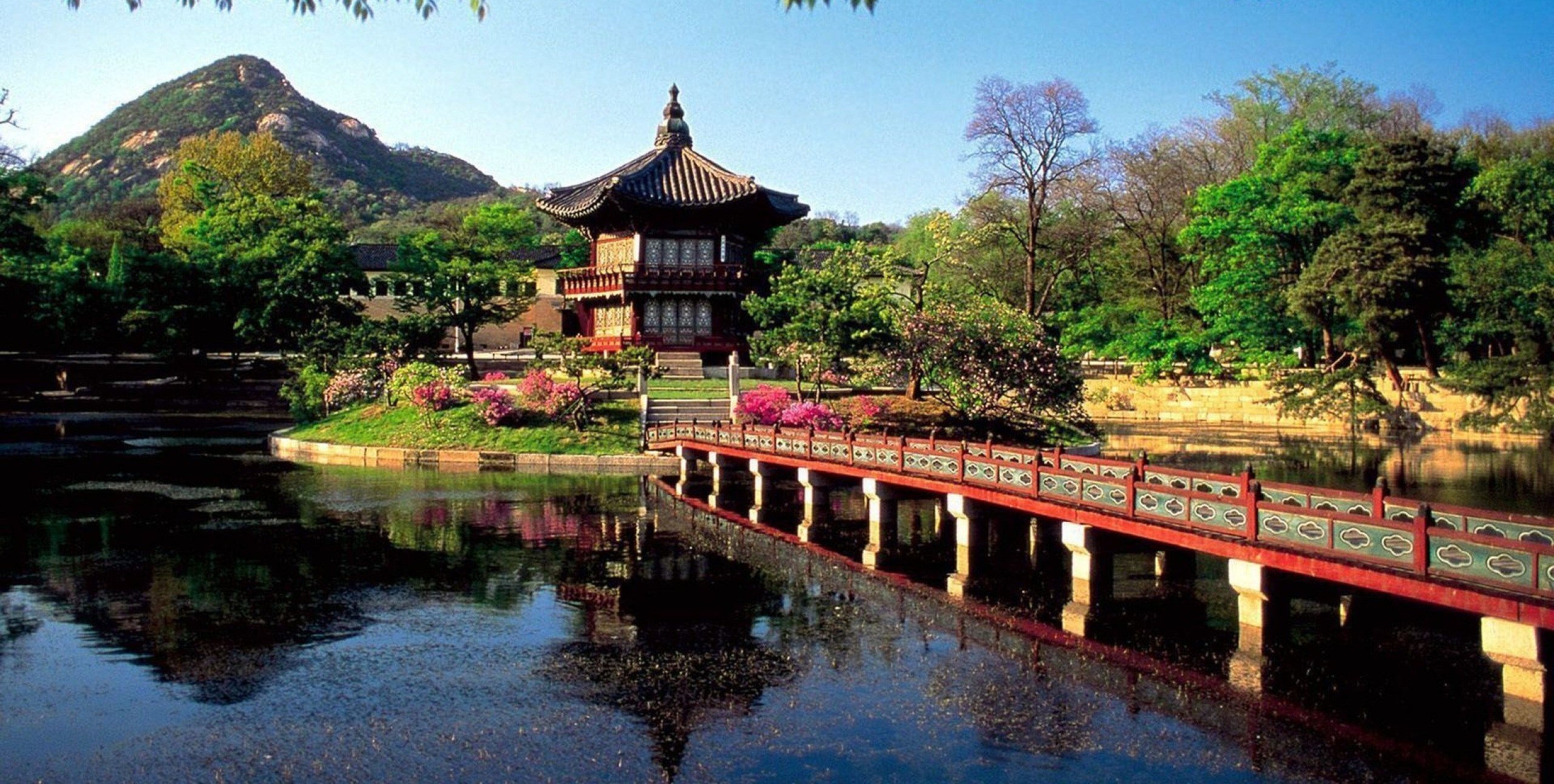
1. Enjoy the food at Gwangjang Market.
If you love Korean street food, you shouldn't miss Gwangjang Market, famous for its many delicious traditional dishes. Of course, because it's a large market, besides food, it also sells common food items such as vegetables, groceries, meat, and seafood.
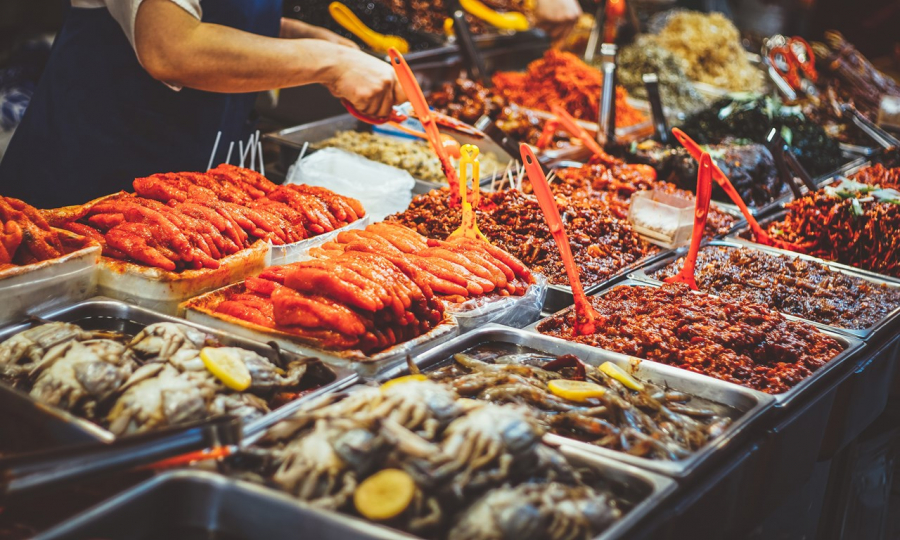
With over 200 stalls, visitors can freely enjoy traditional Korean cuisine, especially dishes such as mandu (Korean dumplings), nokdu bindaetteok (mung bean pancakes), fresh kimchi, fresh Seoul seafood, or a glass of makgeolli (milk rice wine).
2. Visit Jeonju Hanok Village
Visiting this picturesque village with over 800 hanok (traditional wooden houses) will make you feel like you've stepped back in time. Strolling along the village paths, enjoying the pristine morning sun, the tranquil atmosphere, the vibrant blossoms of flowers and fruits, and the ancient charm of the gray roofs... will bring you moments of true peace. And as night falls, the twinkling lights and serene beauty will stir the hearts of travelers.
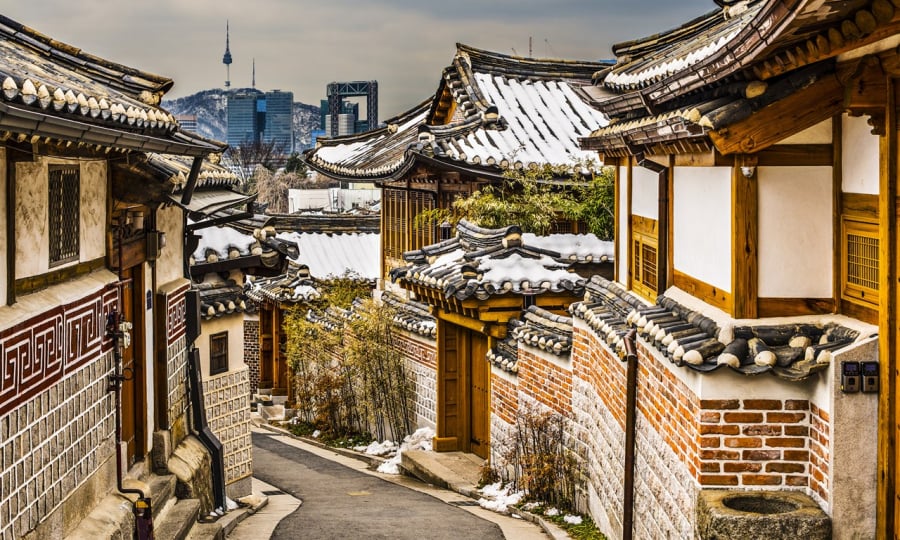
The village also has small bars and restaurants selling traditional dishes such as bibimbap, the most famous dish from the Jeonju region. In addition, you can learn more about the traditional paper-making craft here.
3. Admire the Jinju Lantern Festival
The Jinju Lantern Festival is the largest lantern festival in South Korea. Held annually in October on the Namgang River in Jinju City, Gyeongnam Province, the Jinju Lantern Festival is considered one of the iconic festivals representing the cultural identity of the Korean nation.
At the beginning of the festival, the organizers will hold a small ceremony to commemorate the more than 70,000 men and women who died in the Imjin War. The Jinju Lantern Festival is held on a very large scale, with thousands of lanterns hanging and floating on the Nanjiang River surrounding Jinju Castle.
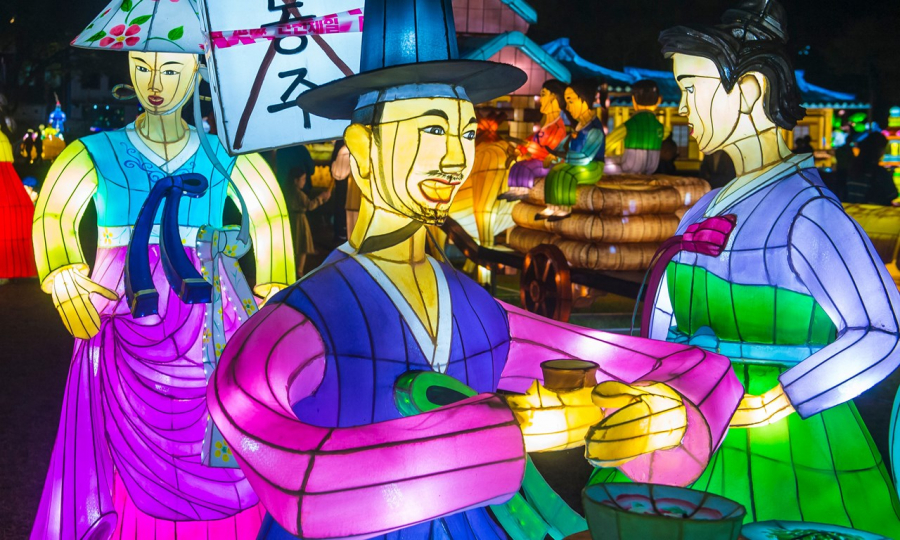
Lanterns of various shapes recreate the content of some ancient stories in a very unique way. Besides admiring the lanterns, visitors can also enjoy local food and drinks sold along the Nam Giang River.
4. Visit Bukhansan Hike National Park
When you're in the middle of Bukhansan National Park, gazing at the majestic granite peaks surrounded by maple forests, it's hard to believe this fascinating location is only about a 45-minute subway ride from central Seoul.
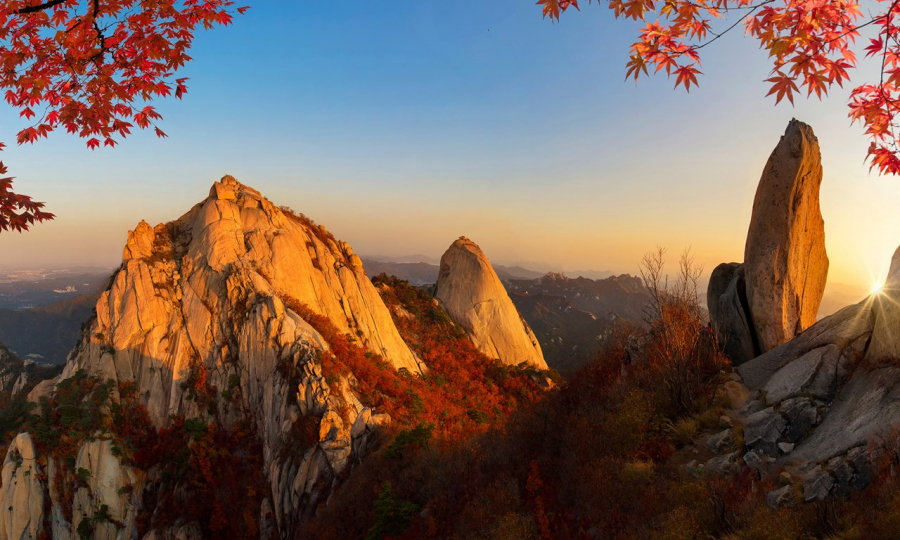
Mountain climbing is a very popular type of tourism here, estimated to attract over 5 million climbers annually. One of the famous trekking routes is the Dobongsan Peak trail (740m), which passes through ancient temples in the Cheonchuksa forest. In the south of the park, you can reach the summit of South Korea's highest mountain, Baegundae, after a hike of about 3.5 hours via the Bukhansanseong trail.
5. Participate in the Boryeong Mud Festival
The Boryeong Mud Festival is held annually in July. At this festival, visitors can immerse themselves in mud pools, mud slides, mud prisons, and mud-sliding competitions. Furthermore, experiences like body painting with colored mud or mud wrestling competitions offer unforgettable moments. Everyone feels refreshed and joyful as they immerse themselves in the vast mud pools, the entire space filled with laughter and cheerful conversation.

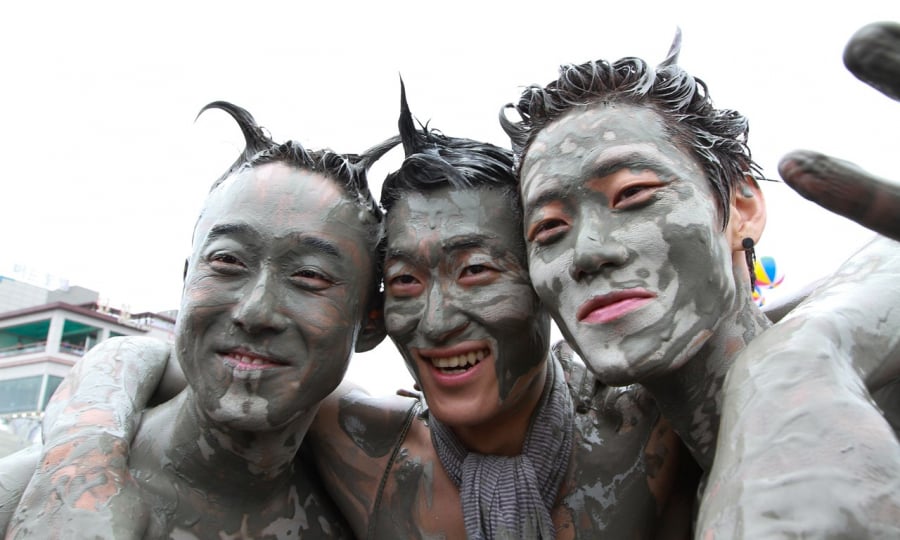
Besides mud games, visitors to this exciting festival can also enjoy concerts, parades, and fireworks displays. There are also exhibitions showcasing products made from mud, local specialties, and more, satisfying the curiosity of inquisitive visitors.
6. Visit the Demilitarized Zone (DMZ) at Panmunjom.
The Demilitarized Zone (DMZ) at Panmunjom stretches for 24 miles along the coast. Located just 62km from Seoul, it's easily accessible for a day trip.
Highlights of the Demilitarized Zone (DMZ) include the Joint Security Area (JSA), where soldiers from both sides—South Korea and North Korea—stand facing each other across barbed wire. Visitors can also explore the conference rooms where both sides meet periodically; the Mount Odu Observatory, also known as Unification Hill, where visitors can use binoculars for a 360-degree panoramic view of the Korean Peninsula; the Peace Palace; and the secret tunnels of North Korea discovered by South Korea.
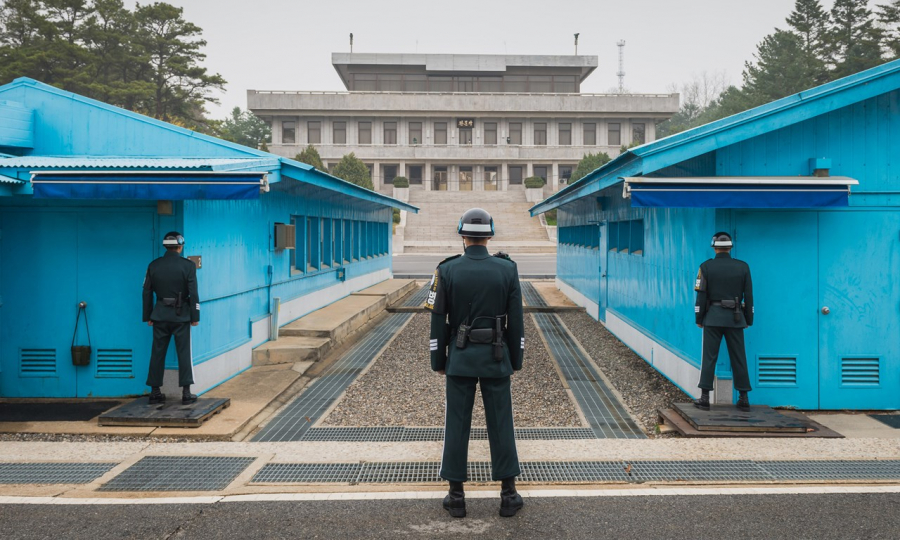
However, please note that visitors must register to visit the Demilitarized Zone (DMZ) at least 3 days in advance and prepare the necessary documents for this exciting trip.
7. Visit Love Island, Jeju-si
Located off the southwestern coast of the Korean Peninsula, the beautiful volcanic island of Jeju-si has long been a popular honeymoon destination for South Korean couples. You can see them lining up to take photos at the island's scenic spots.
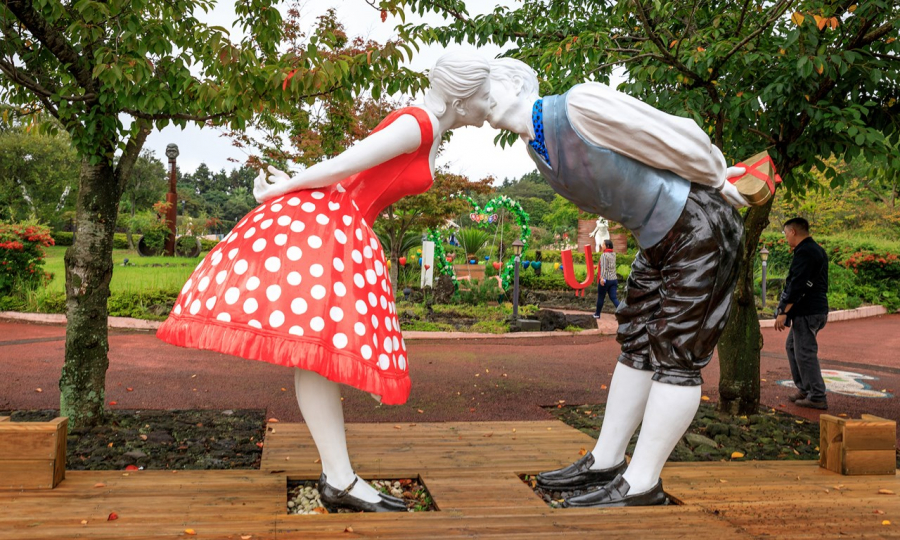
Jeju-si Island has been recognized by UNESCO as a global geopark. The island is also famous for its haenyeo (traditional female divers who dive to depths of 10 to 20 meters without equipment) to search for clams, abalone, and octopus.
8. Wander around and admire the ancient castles and temples in Seoul.
With five ancient royal sites scattered throughout the city, Seoul is a city of palaces. These ancient sites serve as reminders of Korea's colorful past.
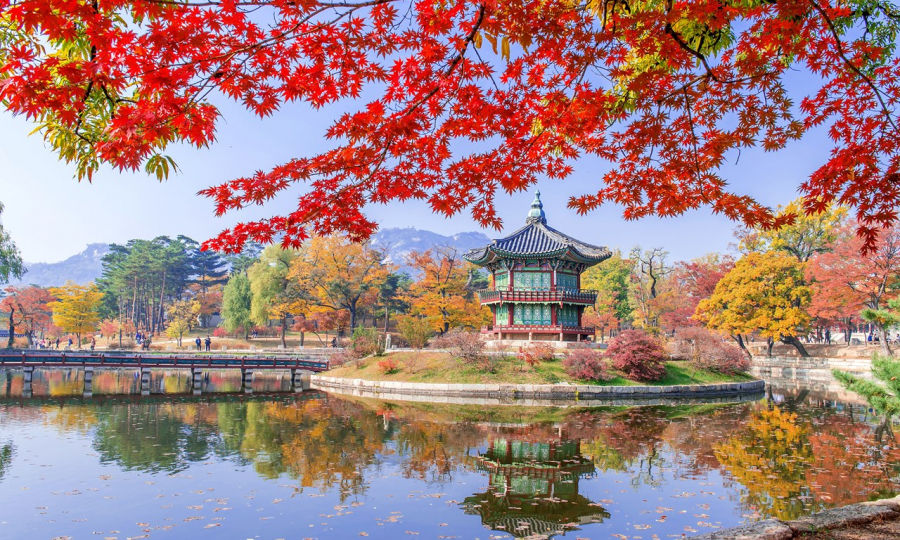
The largest of these is Gyeongbokgung Palace, built during the Joseon dynasty and situated on 40 hectares of beautifully manicured parkland. Known as the "Palace of Heaven," it comprises 14 reconstructed buildings, including the king's main residence.
There are also other palaces such as Changdeokgung, Changgyeonggung, Deoksugung, and Gyeonghuigung. Among these, Changdeokgung is considered the most beautiful. Visitors should also visit the "Secret Garden," which boasts 56,000 acres of trees, and is especially spectacular in autumn.
9. Participate in the Jindo Moses Sea Festival
Every year, a strange phenomenon occurs in the waters between Jindo and Modo. From March to June, the sea surface of Jindo splits in two several times, revealing a land bridge connecting the two islands. This year, Koreans held the Jindo Sea Splitting Festival from March 21st to 24th to celebrate this fascinating natural event.
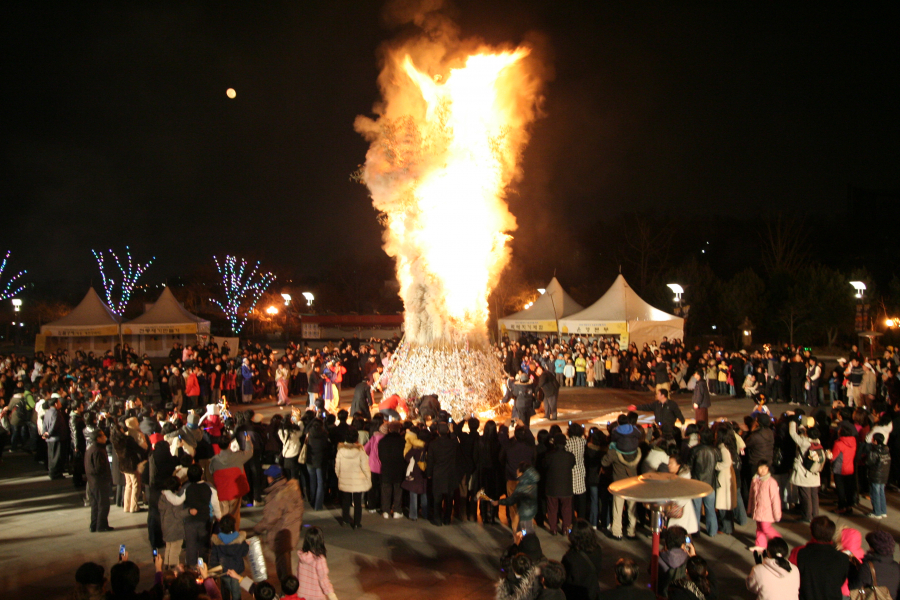
According to locals, the path is approximately 2.9 km long and 40 meters wide. On days when the sea splits in two, revealing the path in the middle of the ocean, hundreds of thousands of tourists visit. They stroll along the magical path, leisurely admiring the scenery, taking souvenir photos, or even collecting shellfish and seaweed... without any fear of the path collapsing or any other mishaps.
10. Experience Korean technology.
South Korea is home to some of the world's most innovative and high-tech companies. Sometimes, walking the streets of Seoul feels like stepping into a futuristic science fiction movie. Indeed, many companies, such as Samsung and DJI, have established "Museums showcasing future technologies."
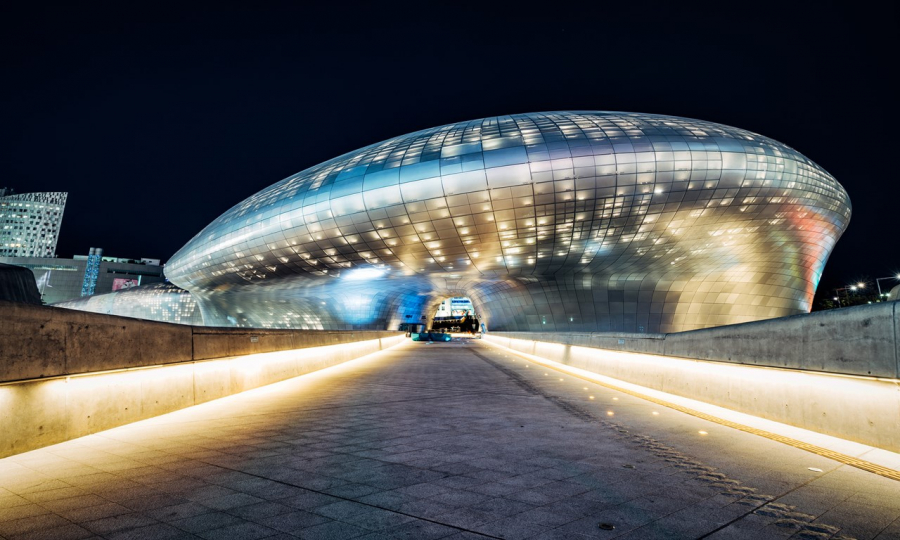
Samsung D'light in Gangnam offers a hands-on experience showcasing how Samsung products will change the future. DJI, the drone company, has an arena in Yongin where you can fly their latest drones through a series of high-tech obstacles.
Additionally, there's the "Robot Museum" in Jongno-gu where you can explore the history and future of robots. And VR Plus, a virtual reality cafe in Gangnam, showcases the latest and greatest VR technology. If you have the chance, visit K-Live – a concert hall in Dongdaemun – where you can attend a 3D concert with your favorite K-Pop stars.
And not far away, right at Incheon International Airport, you can visit a cafe called Beat - where robots will make coffee for you.
11. Visit Oedo, South Korea's botanical island.
Oedo has been transformed into one of South Korea's most exotic botanical gardens by the Lees, a group of people who moved to the island in the 1970s.
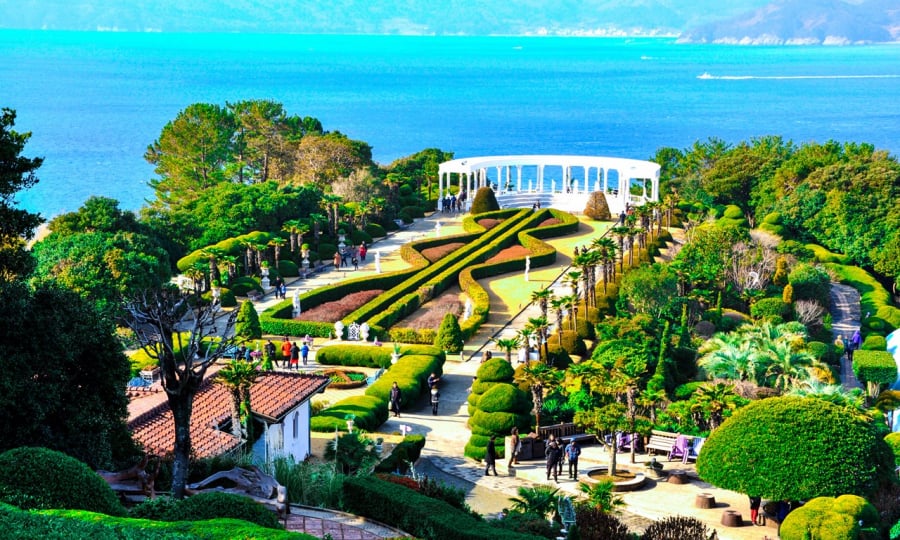
Their initial plan was to grow tangerines and raise pigs, but that proved impossible. Instead, they began cultivating rare plants from around the world. The island's temperate and subtropical climate has created conditions conducive to the growth of over 3,000 plant species.
To reach Oedo, visitors must take a short ferry ride from the port city of Busan, and the best time to visit this Korean botanical garden island is during spring and autumn.