VI
VI


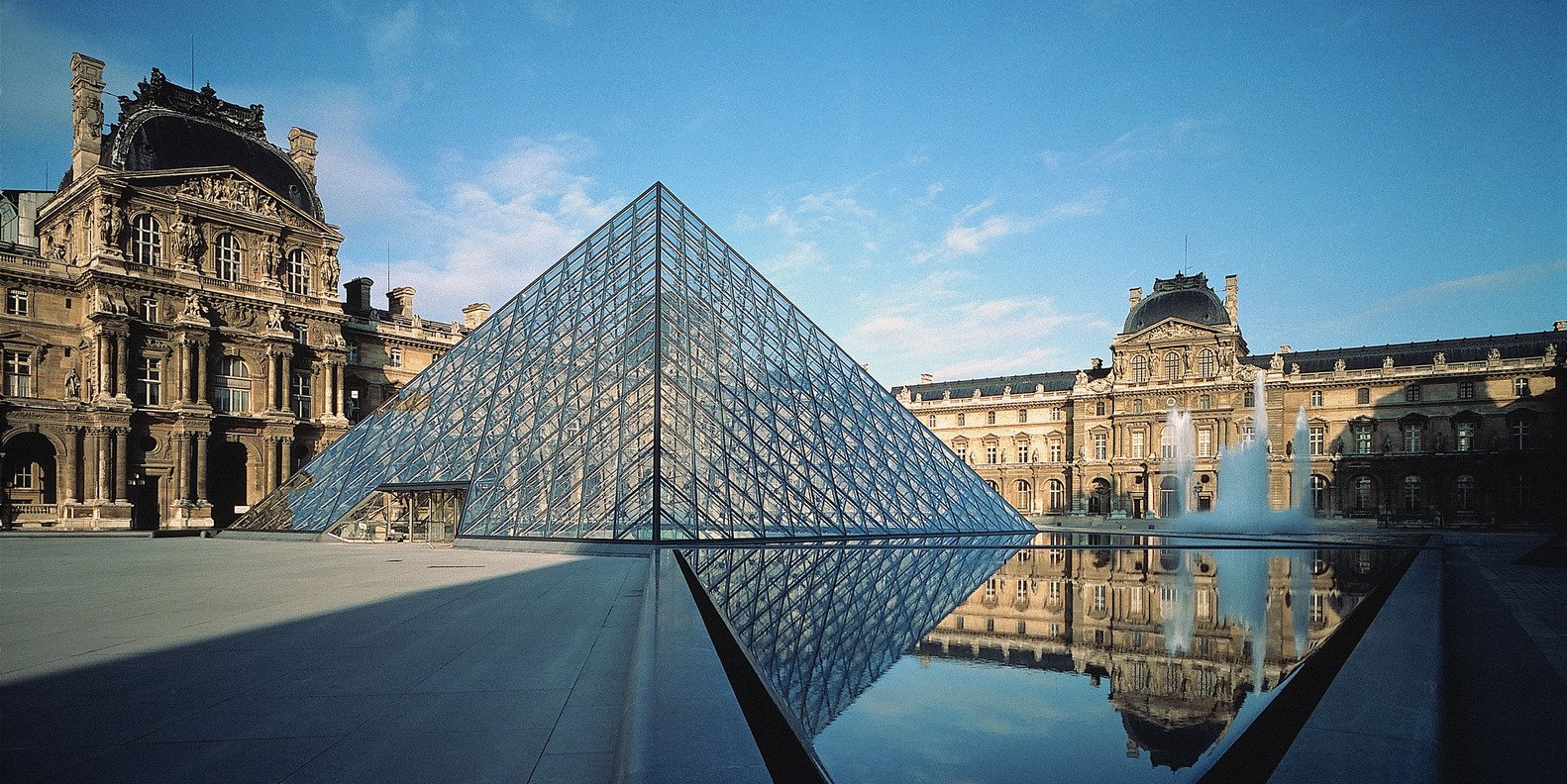
The Louvre Museum, a popular tourist attraction in Paris, France, recently announced that it will offer free admission on Saturday evenings to attract younger and more budget-conscious visitors. The new program, scheduled to begin on January 5th, 2019, will include activities such as a game area and a reading corner to appeal to families, teenagers, and children. Free admission will be available from 6:00 PM to 8:45 PM.
The entrance fee to all exhibits at the Louvre Museum is $19 per ticket, considered quite high compared to previous entrance fees. According to tourism managers and professionals, this is a "breakthrough" move, bringing people – especially young people – closer to the city's cultural heritage and famous tourist attractions.
With exhibition space exceeding 50,000 m²2Visitors will find it difficult to choose which artworks to see to satisfy their passion for art. Below are some of the most exceptional works of art that Christine Kuan, international art curator of Sotheby's, recommends visitors should see and admire if they come to the Louvre.
The Mona Lisa painting
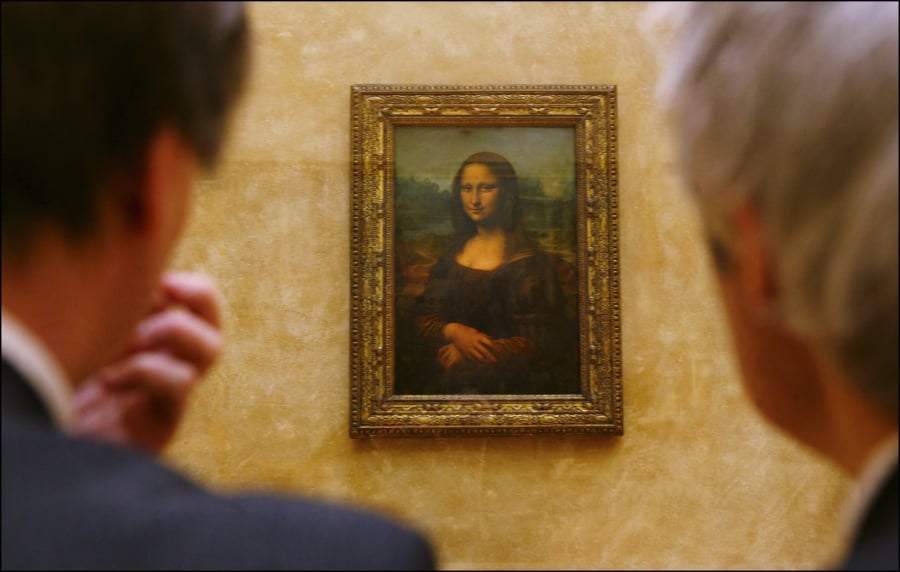
Leonardo da Vinci's Mona Lisa is, of course, a masterpiece not to be missed when visiting the Louvre Museum. It is one of the world's most famous portraits, painted in oil on a poplar wood panel in Florence in the 16th century, during the Italian Renaissance. Mona Lisa has been on display at the Louvre since 1797, and millions of visitors come each year to see this enigmatic painting.
Statue of the “God of Victory of Samothrace”
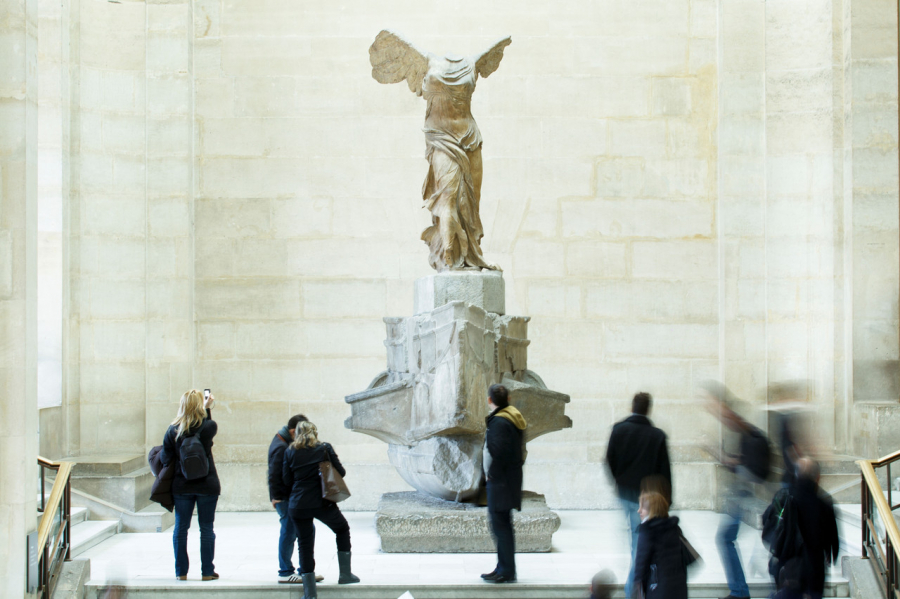
The "Nike of Samothrace" is an ancient Greek marble sculpture depicting Nike, the goddess of victory. Carved around 190 BC, it is considered one of the world's most famous sculptures.
The oil painting "Medusa's Raft"
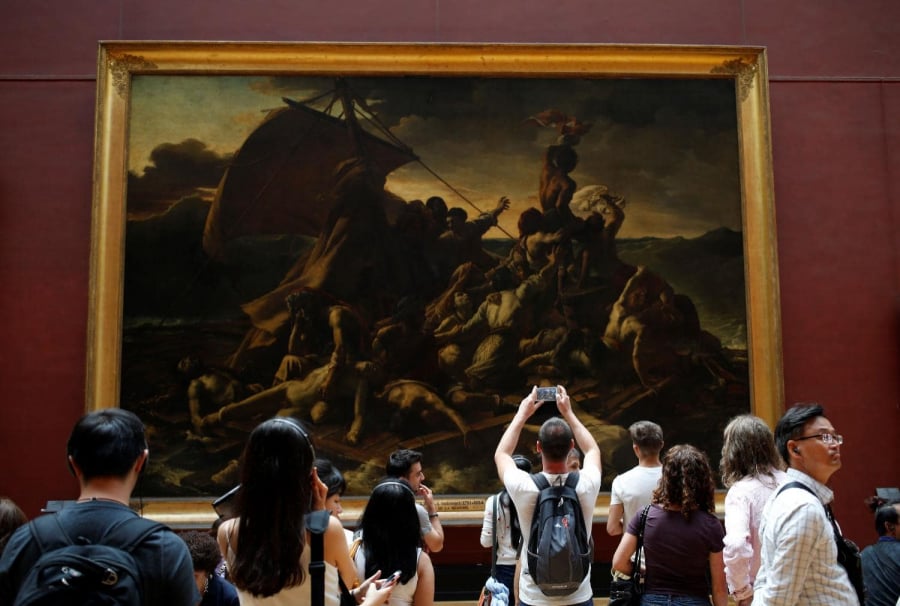
"Raft of the Medusa" is an oil painting by the French Romantic painter Théodore Géricault (1791-1824) painted between 1818 and 1819. Completed when he was only 27 years old, the painting became an icon of French Romanticism.
The statue “Amore-e-Psiche”
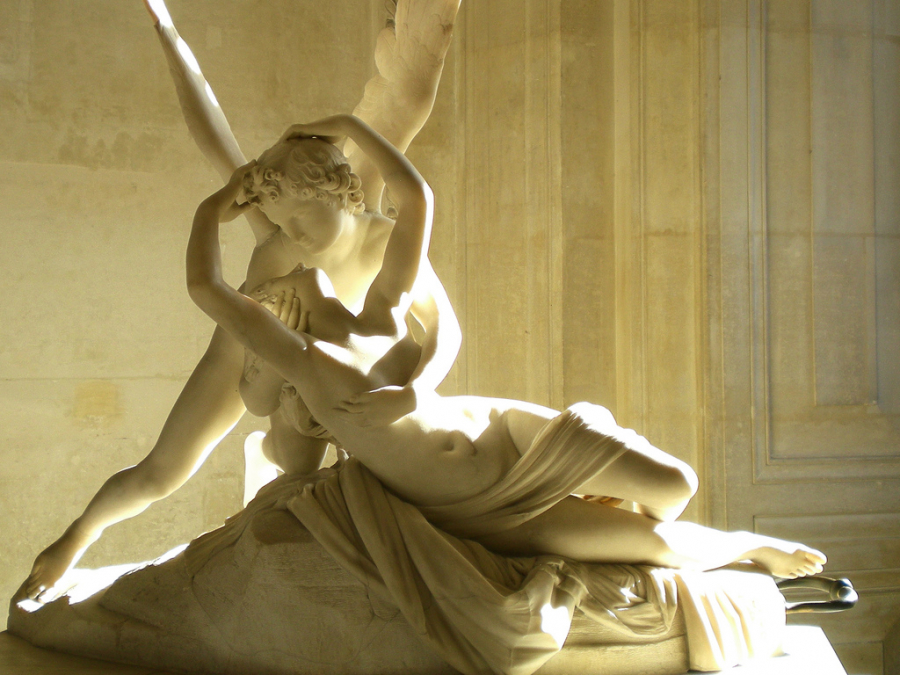
The Amore-e-Psiche statue, created by sculptor Antonio Canova in 1793, depicts two deities from Roman mythology: Cupid, the god of love, and Psyche, the goddess of the soul.

The statue of the "Clerk"
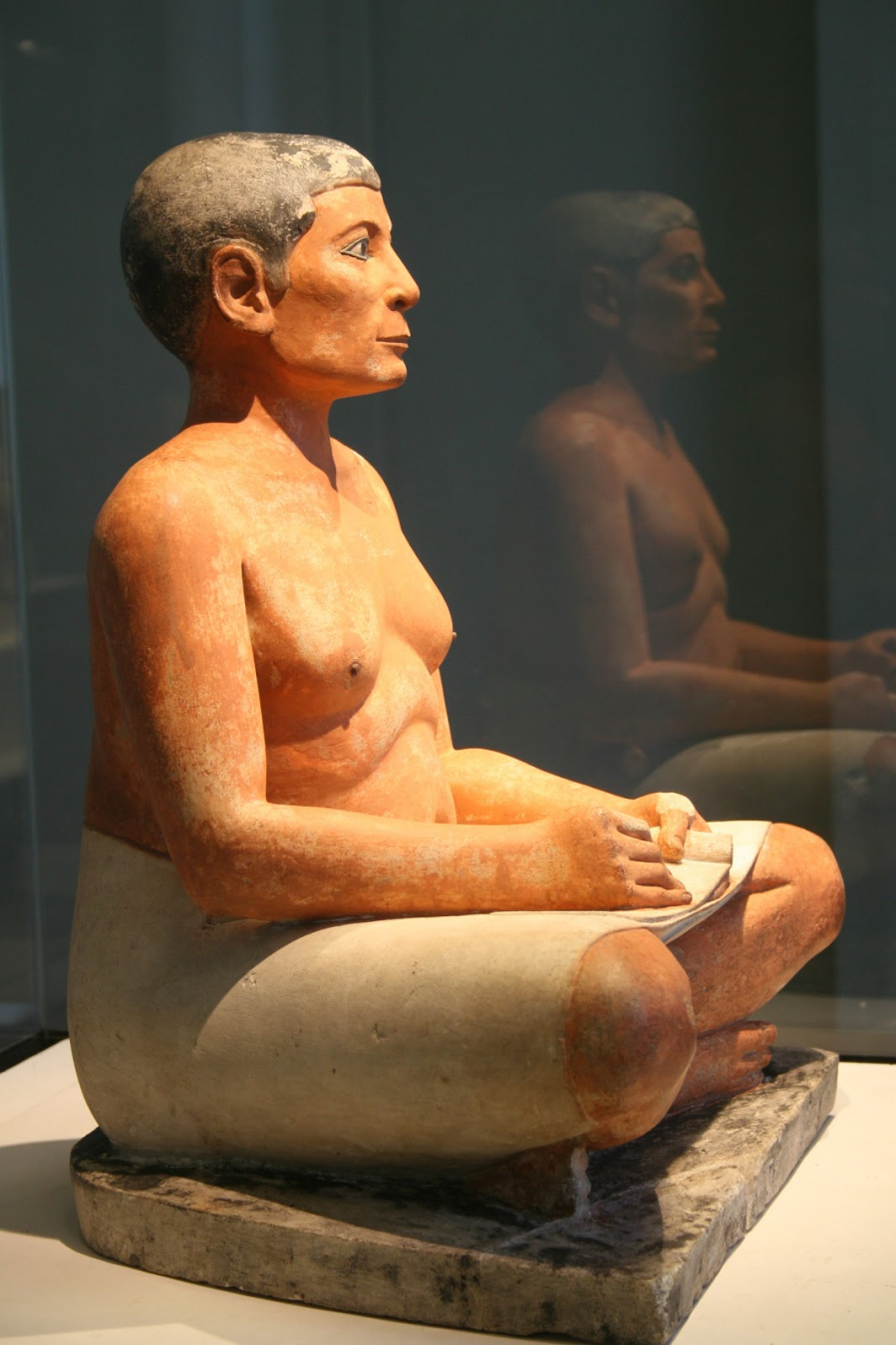
The Seated Scribe is one of the most important works of ancient Egyptian art. The statue depicts a scribe seated at his workplace. Carved between 2620 and 2500 BC, it was discovered in Saqqara in the 1850s. The statue is now part of the Egyptian antiquities collection at the Louvre Museum.
The oil painting "The Death of Sardanapalus"
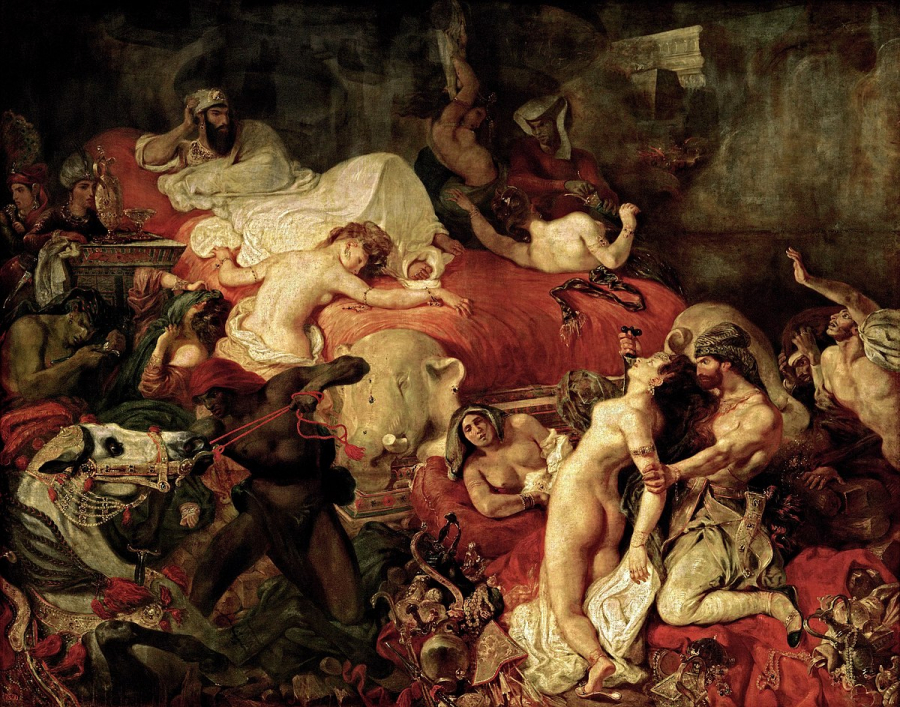
"The Death of Sardanapalus" is an oil painting on canvas completed in 1827 by the artist Eugène Delacroix. The painting is inspired by King Sardanapalus, who ordered the destruction of all his possessions after his army's defeat.
The painting "Liberty Leading the People"
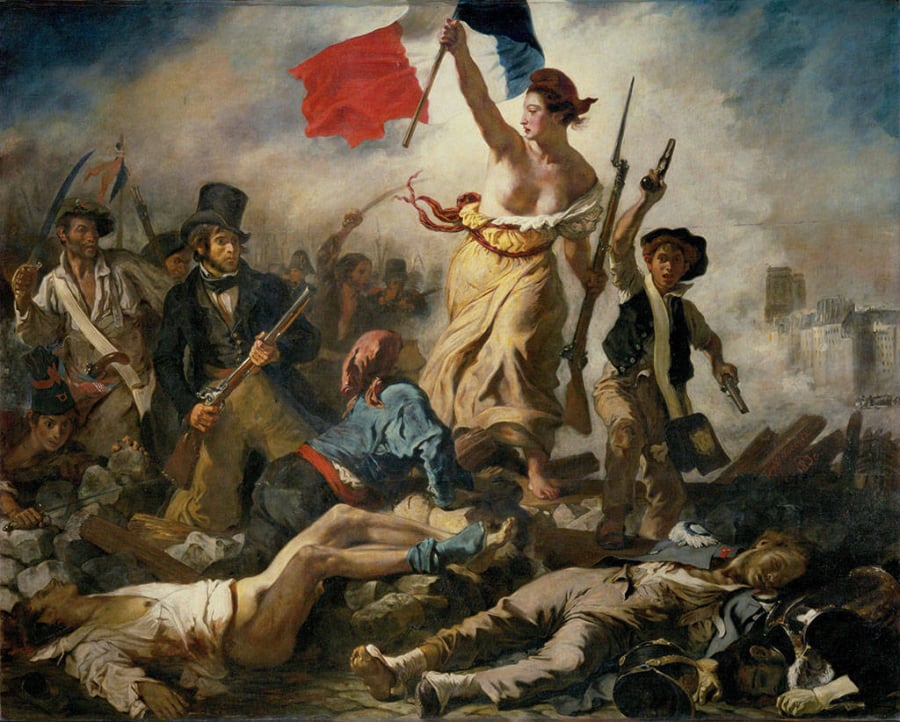
"Liberty Leading the People" is a work by the Romantic painter Eugène Delacroix, painted in 1830, inspired by the July Revolution of 1830 in Paris.
A replica of the statue "Hermaphroditos Sleeping".
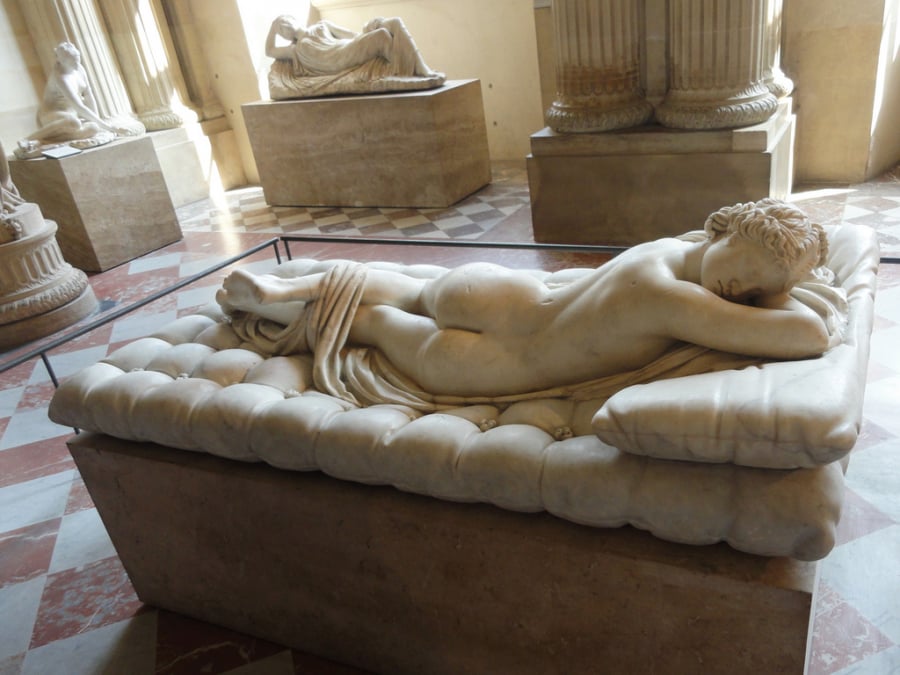
A replica of the "Sleeping Hermaphroditos" statue, dating from the 2nd century, was recreated in 1619 by the sculptor Gianlorenzo Bernini. This is an exact replica of the ancient Greek bronze statue.
The painting "The Moneylender and His Wife"
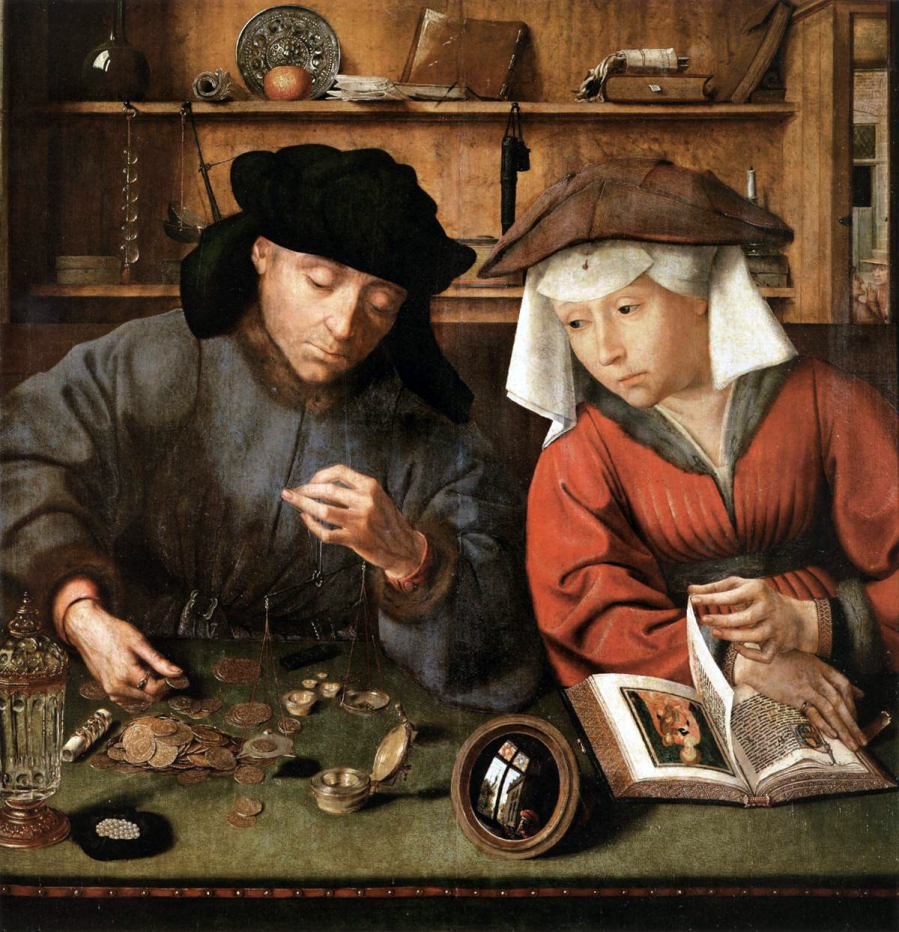
The painting "The Moneylender and His Wife" was painted by Quentin Metsys in 1514. The Dutch artist depicted in detail a greedy couple calculating the cost of items they would lend out at interest.
Statue of the Venus de Milo
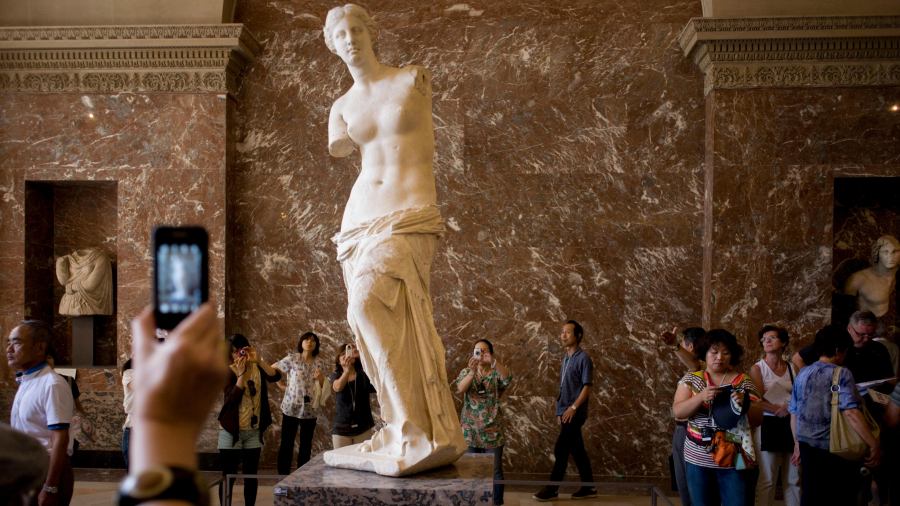
The Venus de Milo statue is one of the most famous ancient Greek sculptures, depicting Aphrodite, the Greek goddess of love and beauty. Carved from marble, the statue is slightly larger than life-size, standing 203 cm tall, but has lost its arms and original pedestal.
The painting "The Coronation of Napoleon"
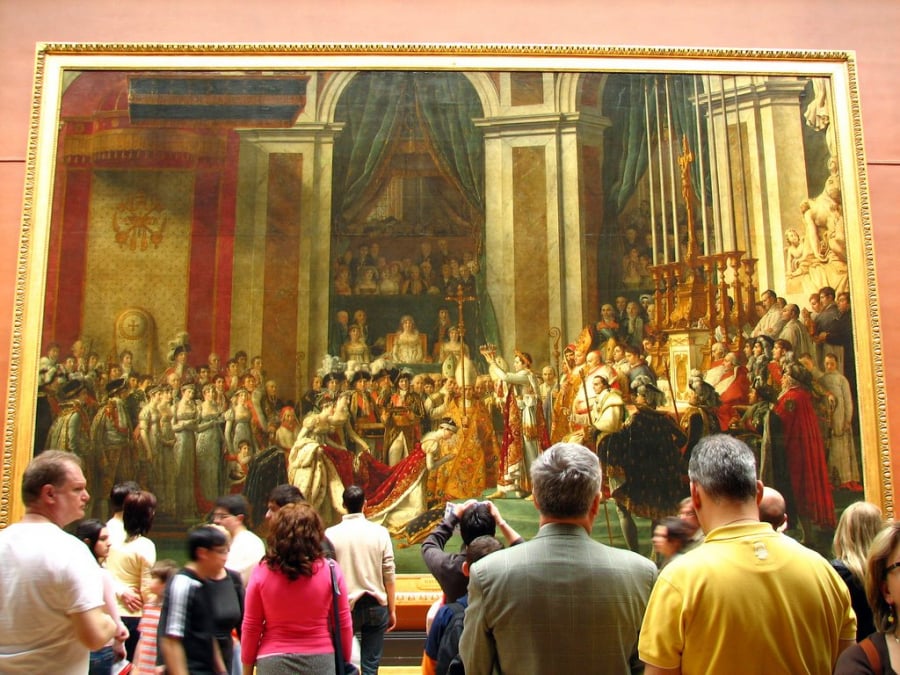
"The Coronation of Napoleon" (Le Sacre de Napoléon) is a painting by Jacques-Louis David, the official painter of Napoleon Bonaparte, completed in 1807. The work is enormous, nearly 10 meters long and over 6 meters high, depicting the coronation of Napoleon Bonaparte as emperor, held at Notre Dame Cathedral in Paris on December 2, 1804.
The statue of the "Rebellious Slaves"
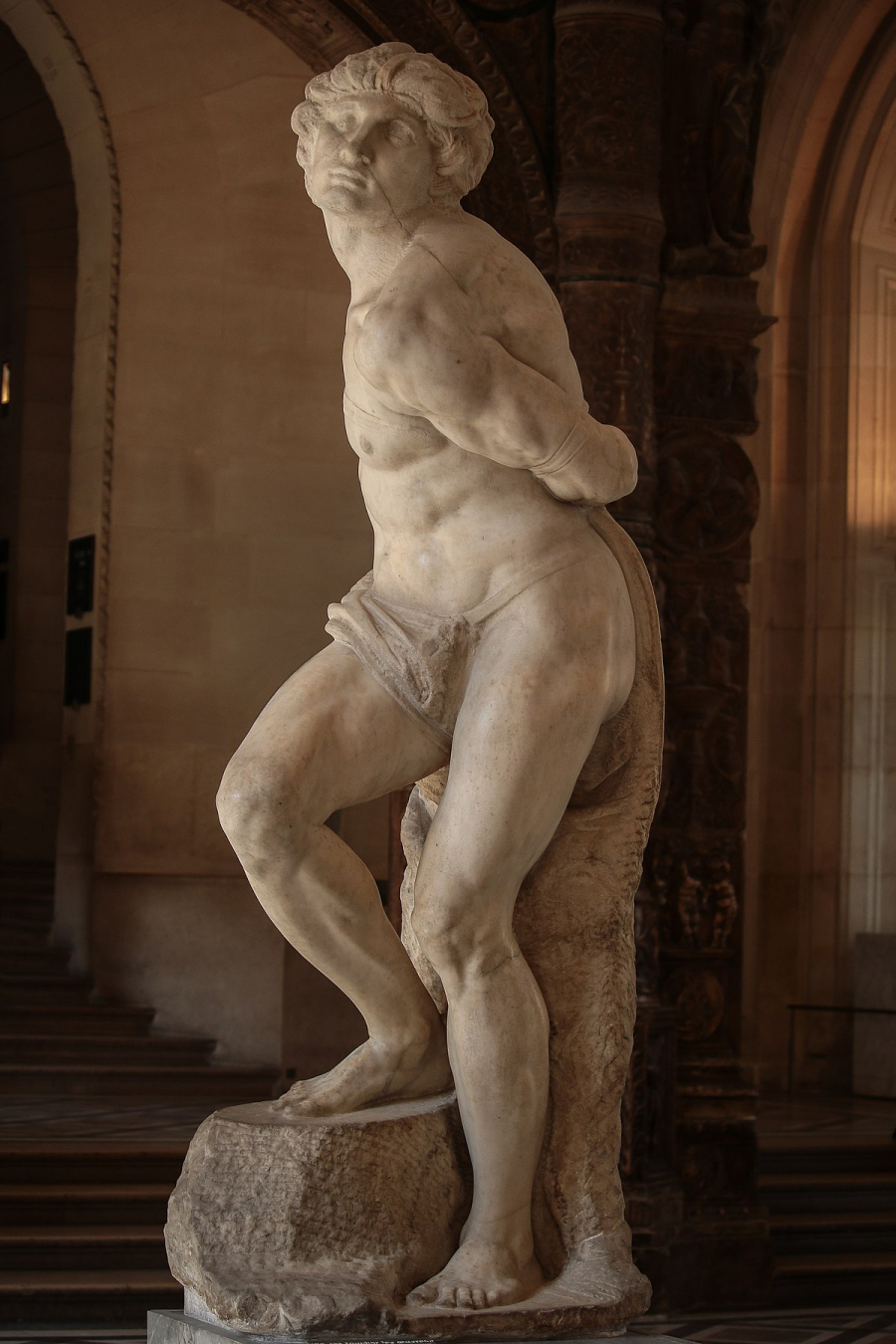
The “Rebellious Slave” is a 2.15-meter-tall marble statue sculpted by Michelangelo between 1513 and 1516. It is one of the unfinished statues of slaves in the mausoleum of Pope Julius II.
The oil painting "La Grande Odalisque"
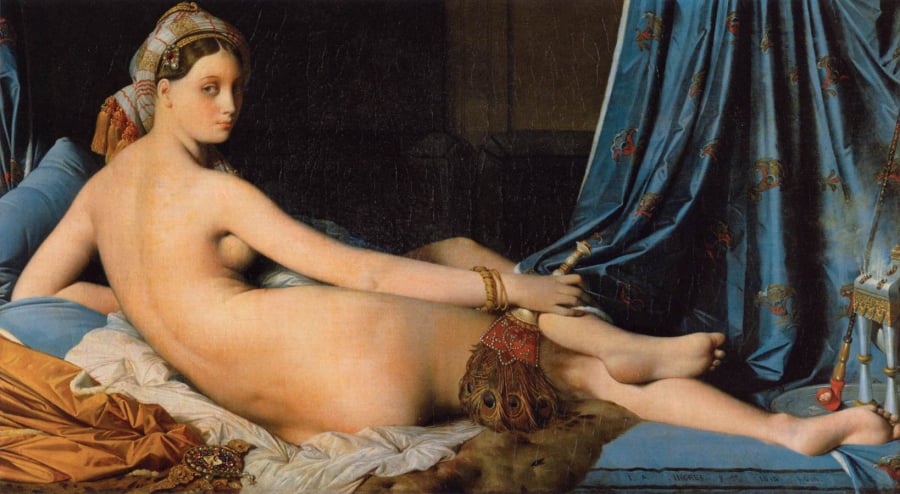
“La Grande Odalisque” is an oil painting by the artist Jean Auguste Dominique Ingres, completed in 1814, depicting an odalisque, or a royal consort. Measuring 88.9 cm × 162.56 cm, the work faced considerable criticism upon its initial unveiling.
The painting "Old Man and Grandson"
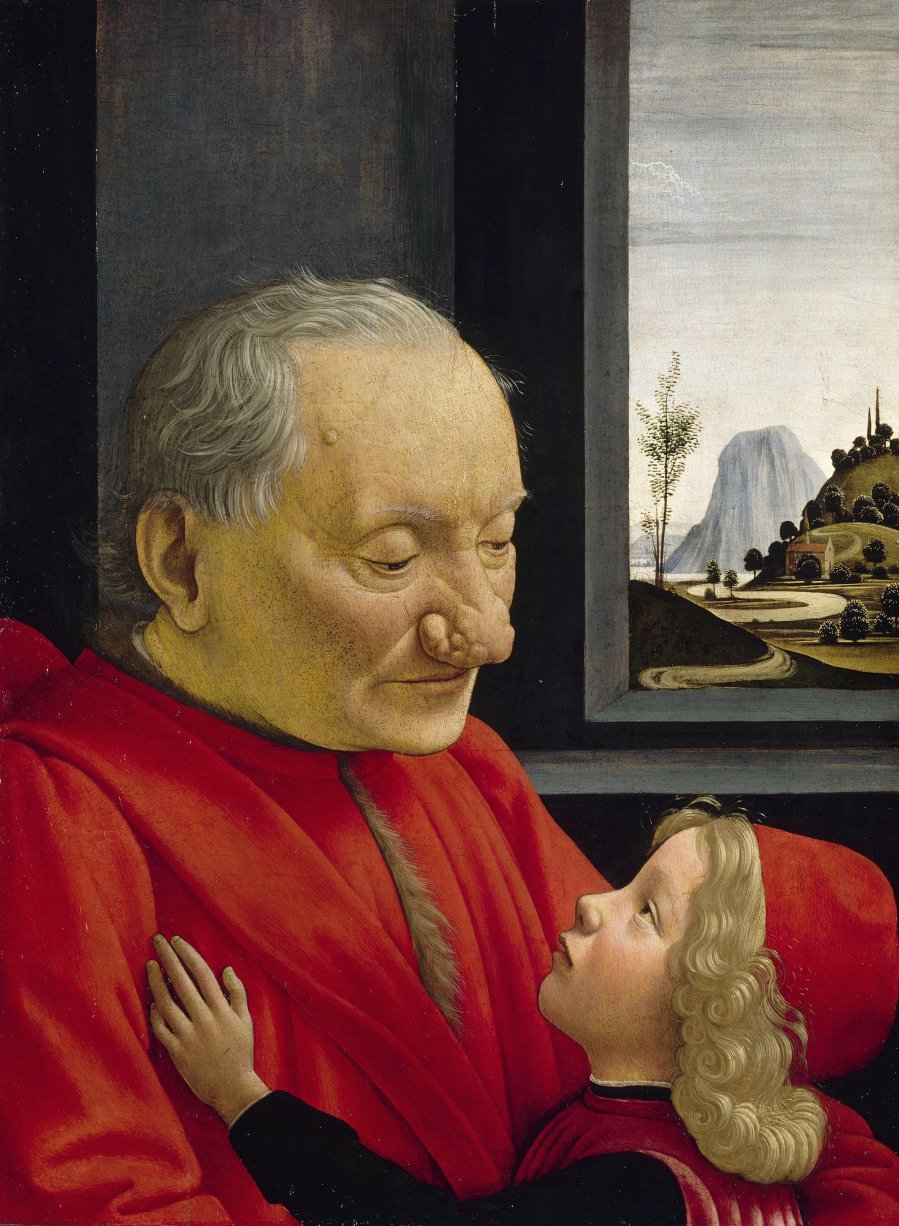
The painting "An Old Man and His Grandson," completed by Domenico Ghirlandaio in 1490 during the Renaissance, is considered one of the finest works by the Italian master. Its realism is regarded as the most unique among 15th-century portraits.
Louvre Glass Pyramid
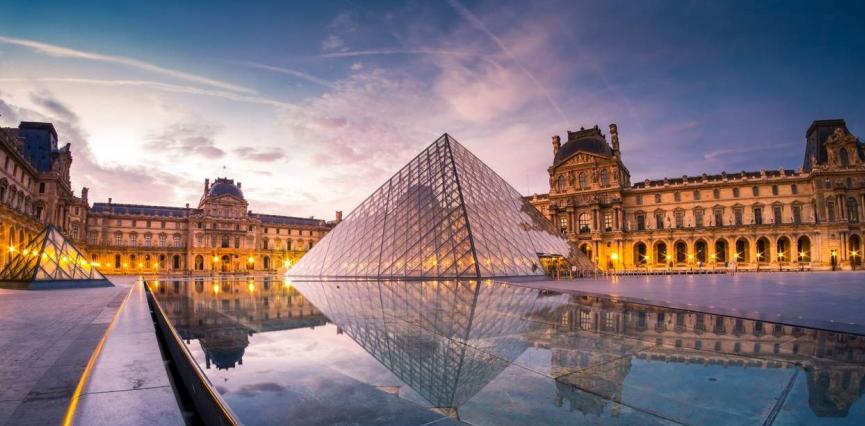
The Louvre Glass Pyramid is a structure made of glass and metal located in the Napoleon Courtyard of the Louvre Museum. Built at the request of French President François Mitterrand in 1983, the structure is the work of the renowned Chinese-American architect Leoh Ming Pei. The entire pyramid is constructed of glass and metal joints, standing 20.6 meters tall with a square base measuring 35 meters on each side. The pyramid comprises a total of 603 rhombus-shaped glass panels and 70 triangular panels.





.jpg.jpg)