VI
VI


Post:Pham Nguyen Thien Thuy
Image:Truong Kha
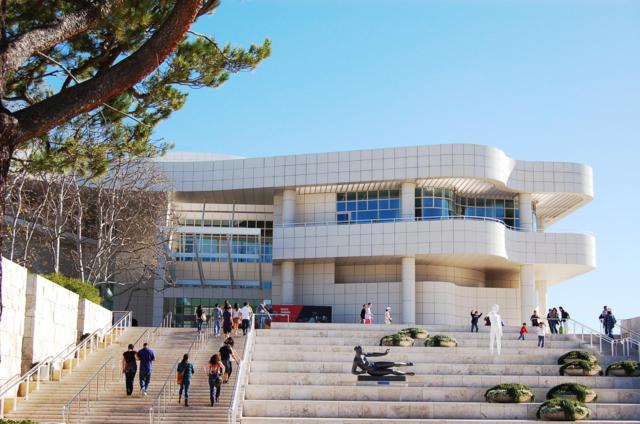
The Getty Center Museum is a private museum located on a hill in Los Angeles. In a city where land is extremely valuable like Los Angeles, the fact that the Getty Center is situated on such a large hillside is surprising to first-time visitors. Because of its vast size, the Getty Center Museum even provides a continuous electric shuttle service to transport visitors from the parking lot to the museum grounds.
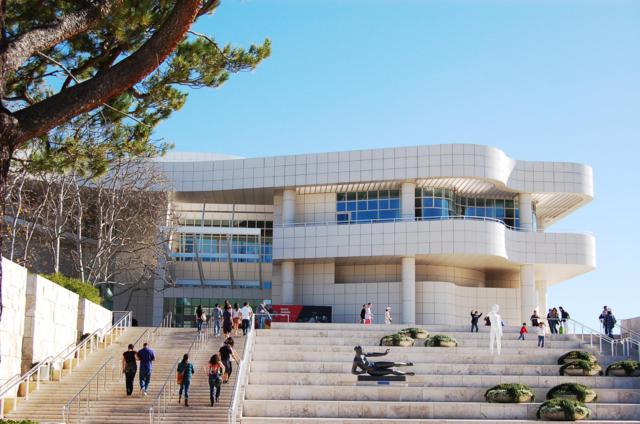
One might assume that private museums would charge visitors to compensate for the efforts and finances of those who built them, but that's not the case. The Getty Center is free to enter; no tickets are sold, and no fees are charged, except for parking. Even more impressively, despite not charging any fees, the Getty Center remains remarkably clean, orderly, and welcoming, receiving tens of thousands of visitors each month.


Getty Museum houses approximately 44,000 works of visual art (paintings, photographs, sculptures, etc.) and many artifacts from Greece, Italy, and Europe. These are cleverly arranged into different themed galleries so that students, visitors, and others can easily learn about various art forms. There you can see numerous sculptures, elaborately carved reliefs, ceramic and glass vases, uniquely shaped stones, paintings, and books faded by time…
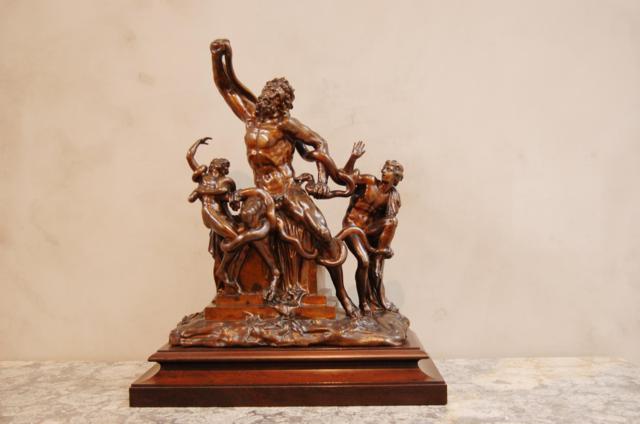
And once you're inside Getty, it feels like you're traveling back in time to visit some remote tribes, villages, or lands in Europe or America. Perhaps the spirit of Getty's founders was friendly and open, wanting to share with everyone through unique works of art and the knowledge of humanity that has been collected, organized, and preserved here.

Once inside Getty, it feels like you're traveling back in time to visit some remote tribes, villages, or lands in Europe or America. Perhaps the spirit of Getty's founders was one of friendliness and openness, wanting to share with everyone through unique works of art and the knowledge of humanity that has been collected, organized, and preserved here.
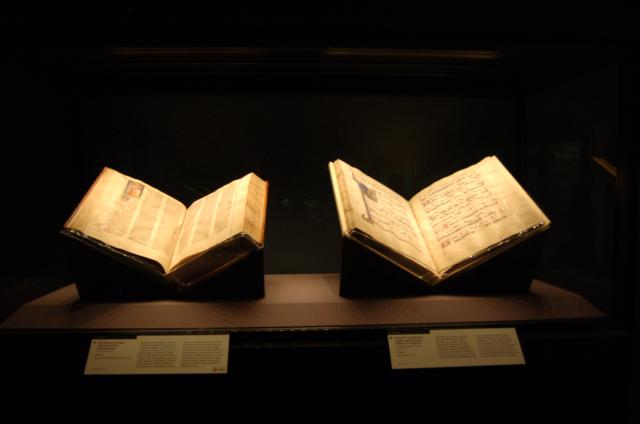
Unlike many other museums, Getty gives visitors the feeling of being closer to the exhibited works. Some rooms are not enclosed by glass, have no barriers, and don't prohibit filming or photography (though flash photography is permitted)... allowing visitors to freely indulge their visual senses. There are also rooms where signs are posted at the entrance prohibiting photography, and almost all visitors voluntarily comply without needing security guards to monitor or remind them.
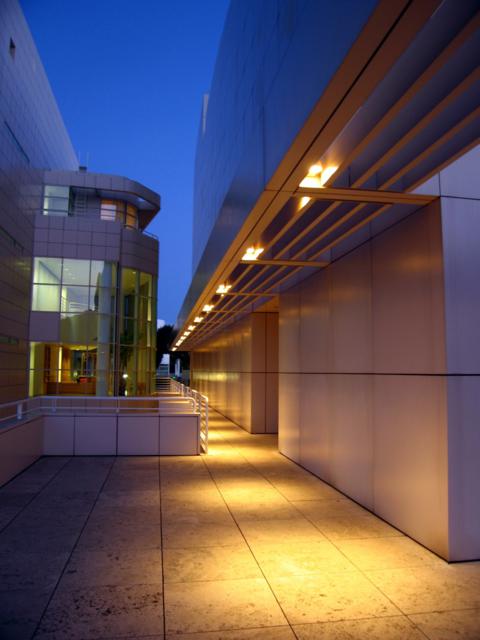
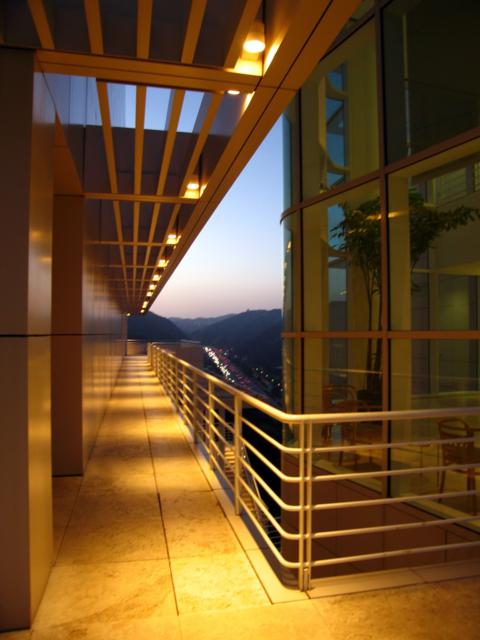
Leaving the exhibition halls, you can also freely stroll around the gardens. What surprises many visitors is that Getty Center has left many areas for visitors to sit and rest without anyone disturbing them. The dining areas are also planned in necessary locations and do not encroach on other resting areas. If this can be seen as the museum's respectful attitude towards visitors, then Getty Center deserves high marks. Perhaps that's why visitors, whether student groups or independent travelers, are very self-disciplined. They always maintain cleanliness and do not make noise that disturbs others. Many visitors even bring their own food and drinks, like going on a picnic, and then voluntarily clean up afterwards, without bothering anyone. Another surprise is that at Getty Center, many security guards and guides are volunteers who work without pay!
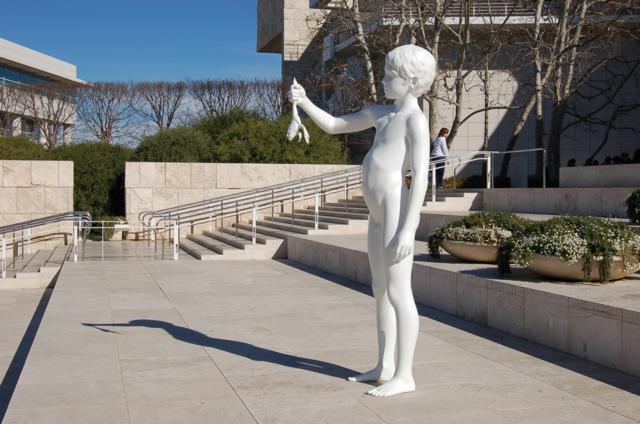
Leaving the Getty Center, an acquaintance told me that there is another Getty Villa museum located in Malibu, California, also part of The J. Paul Getty's Museum. These are two private museums founded by successful businessmen. Instead of keeping their valuable collections to themselves, they chose a more expensive, but more interesting, approach: sharing humanity's treasures with the community; sharing the assets they were fortunate enough to collect to create a museum for everyone to admire, visit, and enrich their knowledge.
It's truly admirable and worthy of our respect for the founders of The L. Paul Getty's Museum! Could it be that Vietnamese entrepreneurs will one day join forces to create a museum like this?