VI
VI



China
When we think of tourism in China, we often think of Beijing, Shanghai, Fenghuang, Wuzhen, and other beautiful cities. However, the beautiful image of these cities changed when the novel coronavirus (COVID-19) outbreak began in Wuhan (Hubei, China) in late December 2019. Wuhan has been completely locked down by the authorities since January 23, 2020, with all public transportation to and from the city suspended. Several neighboring cities were also isolated, affecting a total of approximately 52 million people. As of March 12, 2020, there were over 80,800 confirmed cases and 3,169 deaths from COVID-19 in mainland China.
Given the complex developments of the Covid-19 pandemic worldwide, many countries have quickly issued entry bans to certain countries considered "hotspots" of the disease. Below are the countries with the highest potential for dangerous spread at the present time, according to CDC recommendations and statistics on Covid-19 infections.
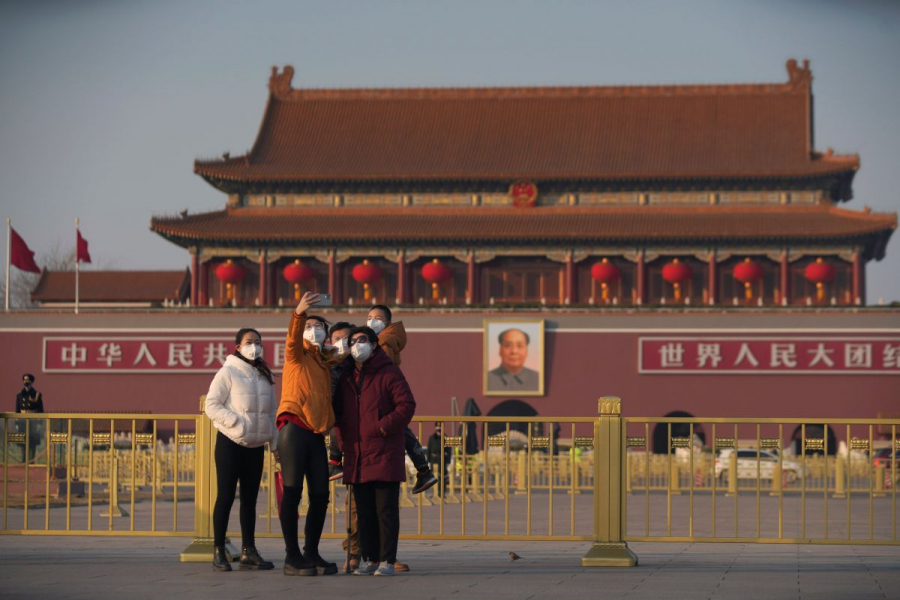
Recently, China has gradually brought the epidemic under control, with the number of new infections and deaths decreasing daily. However, this is still not enough to guarantee safety and comfort for tourists. Many governments advise their citizens against traveling to China; the CDC (US) website still ranks China as the top country to avoid visiting at this time.
Iran
Ancient Persia was also an important destination on the Silk Road, which originated in China, a vital trade route for camel merchants. Today, this Islamic nation remains a popular tourist destination after sanctions were gradually lifted and the political situation became more stable.
Until Iran became the epicenter of the pandemic in the entire Middle East.

The rapid spread of the disease in Iran and the Middle East has made it no longer a safe and desirable destination for tourists. The first cases in Afghanistan, Georgia, Bahrain, Iraq, Kuwait, Lebanon, Oman, and other countries were all people returning from Iran. Pilgrims, migrant workers, businesspeople, soldiers, and clerics constantly cross the borders of Iran and neighboring Middle Eastern countries, often under rather lax and ineffective controls.
Currently, Iran has the third highest number of infections in the world, with 9,000 cases and over 350 deaths as of March 12th. The country has even released more than 54,000 prisoners who tested negative for the coronavirus in order to reduce the risk of further spread of the disease.
Korea
Once considered one of Asia's most romantic destinations, South Korea has now been severely impacted by the Covid-19 pandemic. As of March 12th, South Korea had recorded a total of 7,869 cases, ranking fourth in the world for the number of infections. Currently, 106 countries and territories, including Vietnam, have implemented entry restrictions and tightened quarantine procedures for those arriving from South Korea, particularly from Daegu – the epicenter of the outbreak. All Vietnamese airlines have temporarily suspended flights to and from South Korea since March.

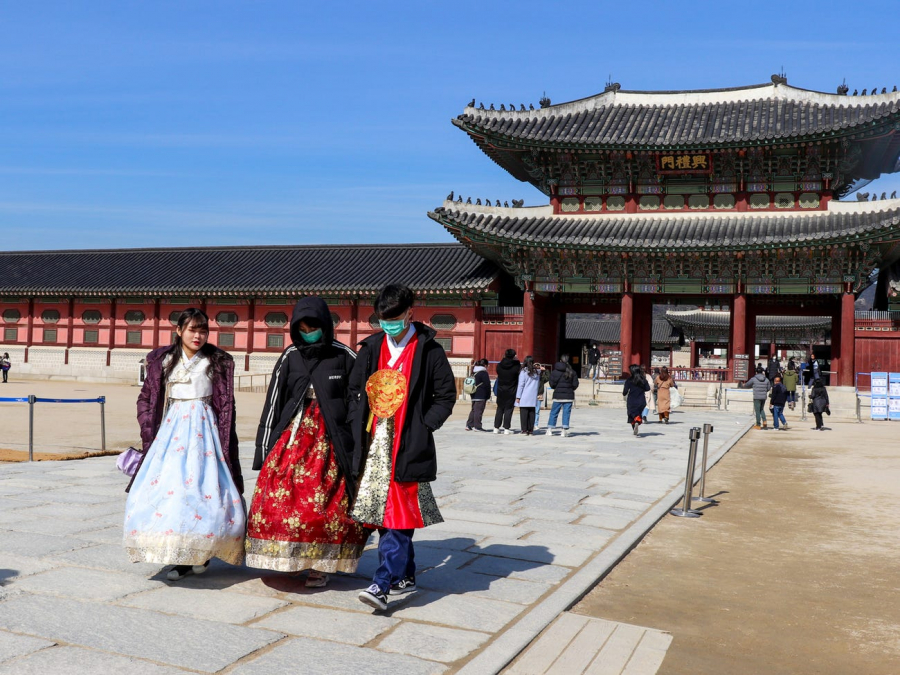
"Many Shincheonji followers who have tested positive for Covid-19 are still refusing hospitalization for treatment. As of March 5th, 1,777 followers have tested positive for the virus, but they are still refusing to quarantine," Daegu Mayor Kwon Young Jin stated on March 6th.
IDEA
Also a destination on the Silk Road, Italy has always been one of the most popular tourist destinations in Europe. However, given the critical situation with Italy becoming the largest epicenter of the pandemic in Europe and the second largest in the world, travelers should reconsider their decision to choose this Mediterranean country as a destination.
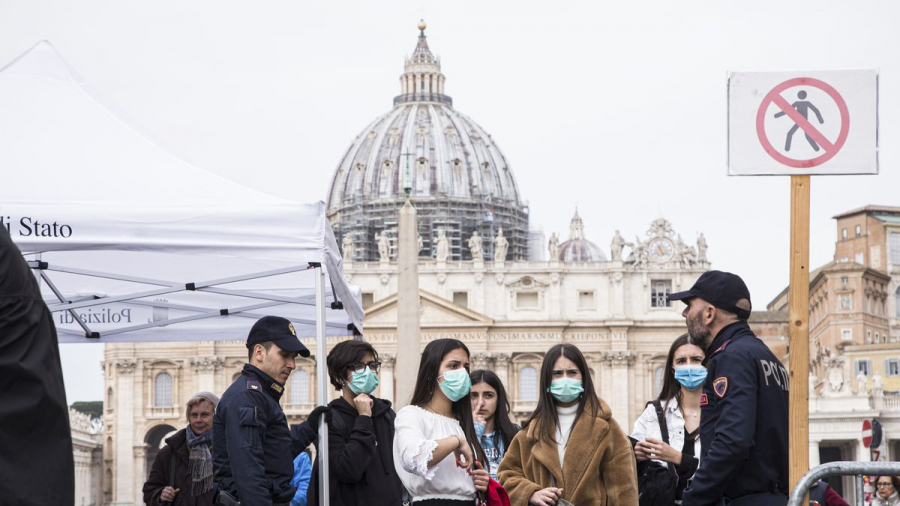
As of March 12th, the number of Covid-19 infections in Italy had exceeded 12,000. The government implemented numerous measures to control the outbreak, including banning public events in at least 10 cities, including the famous Venice Carnival, and locking down the province of Lombardy (believed to be the initial epicenter) and many surrounding towns. On March 9th, Italian Prime Minister Giuseppe Conte announced that the entire country would be placed under lockdown until early April. This was an unprecedented measure to prevent the spread of Covid-19 in the country.
Japan
Spring is the time when nature lovers flock to Japan, home to famous cherry blossom festivals. However, this spring, to minimize the spread of the Covid-19 pandemic, major festivals in Tokyo and across Japan are being considered for postponement or cancellation.

Accordingly, the city of Tokyo has officially confirmed the cancellation of the 34th Nakameguro Cherry Blossom Festival due to the complex developments of the Covid-19 pandemic. Previously, the festival was scheduled to take place from March 21st to April 8th, 2020. Along with the Nakameguro Festival, Okinawa's Azalea Festival in March has also been canceled. The Hirosaki Cherry Blossom Festival will still take place as planned, from April 23rd to May 6th, 2020, provided the Covid-19 situation is more stable by then. Disneyland Tokyo also closed from February 29th to March 15th due to concerns about Covid-19 transmission in Japan.
Despite being the 10th country with the highest number of infections in the world, with 639 cases recorded on March 12th, the country remains on the list of countries to avoid traveling to in order to prevent the spread of the disease, according to the CDC.
Older brother
England is famous for its beautiful, foggy landscapes, with dynamic London and its iconic London Eye Ferris wheel; Birmingham, a harmonious blend of tradition and modernity; and Glastonbury and Reading, vibrant and full of life... However, the likelihood of widespread coronavirus transmission in England is now "very high," making it a potentially "dangerous" destination for tourists, according to Public Health England.
The UK government has indicated that, in the event of a rapid spread of the disease, recently retired doctors and nurses may be asked to return to work. People may also be urged to work from home – and the possibility of closing schools and canceling large public events has not been ruled out.

Of the 11 recent cases of infection among foreigners traveling in Vietnam, the majority were tourists from the UK.
France
Not immune to the Covid-19 "crisis" in Europe, the epidemic is also spreading daily in France. Once considered one of the most romantic and elegant countries in the world, France has now become the fifth country with the highest number of Covid-19 infections globally. According to statistics from March 12th, the country recorded 2,281 cases, including 48 deaths.
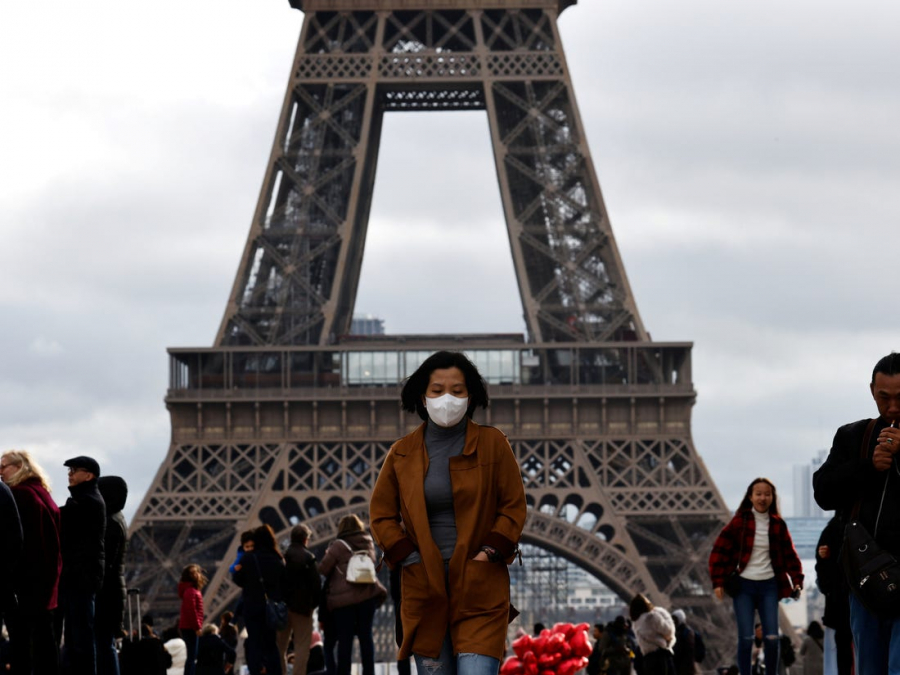
Alarmingly, all 13 regions of France have reported outbreaks, including overseas Guiana. The main epicenters in France remain the Oise, Haute-Savoie, and Morbihan provinces. French authorities have had to acknowledge the "unstoppable" spread of the coronavirus, with the possibility of the epidemic soon entering "phase 3." This makes traveling to France at this time extremely unsafe.
Spain
Located entirely on the Iberian Peninsula in southwestern Europe, Spain is no stranger to travelers worldwide. Not only is it the land of vibrant flamenco dances and thrilling bullfights, but Spain also boasts stunning beaches, magnificent castles, and a rich culinary scene infused with the aroma of fine wines. Therefore, for those seeking to explore history and culture, this country is an ideal choice. However, this is not the case right now, with the SARS-CoV-2 pandemic raging across Europe and Spain in particular.

As of March 13th, Spain had become the second-largest epicenter of the outbreak in Europe, with over 3,100 confirmed cases and 84 deaths from the SARS-CoV-2 virus. In Catalonia alone, with the four towns of Igualada, Vilanova del Cami, Santa Margarida Montbury, and Odena currently under lockdown, the number of infections doubled in a single day, reaching 316 cases. Seven people in the region have died from the virus. European health officials are extremely concerned about the developments in Spain and predict that at the current rate, the country could reach a situation similar to Italy's in less than a week.
Virtue
Tourists often picture Germany as a country with serene natural landscapes, majestic Alps, rolling hills, and picturesque rivers; an ancient Germany with magnificent squares, churches, and castles; or a bustling Germany with the Oktoberfest beer festival and its famous sausages... But given the current pandemic situation, Germany is no longer an ideal tourist destination.

According to statistics from the Morgenpost newspaper, as of 10 PM on March 12th, the number of SARS-CoV-2 infections across Germany had reached 2,745, with 6 deaths. The state of North Rhine-Westphalia alone accounted for over 1,000 infections and 4 deaths. Chancellor Merkel urged all citizens to minimize social contact and called on states to cancel all non-essential events, including those with fewer than 1,000 attendees.





.jpg.jpg)