VI
VI


Nara Park
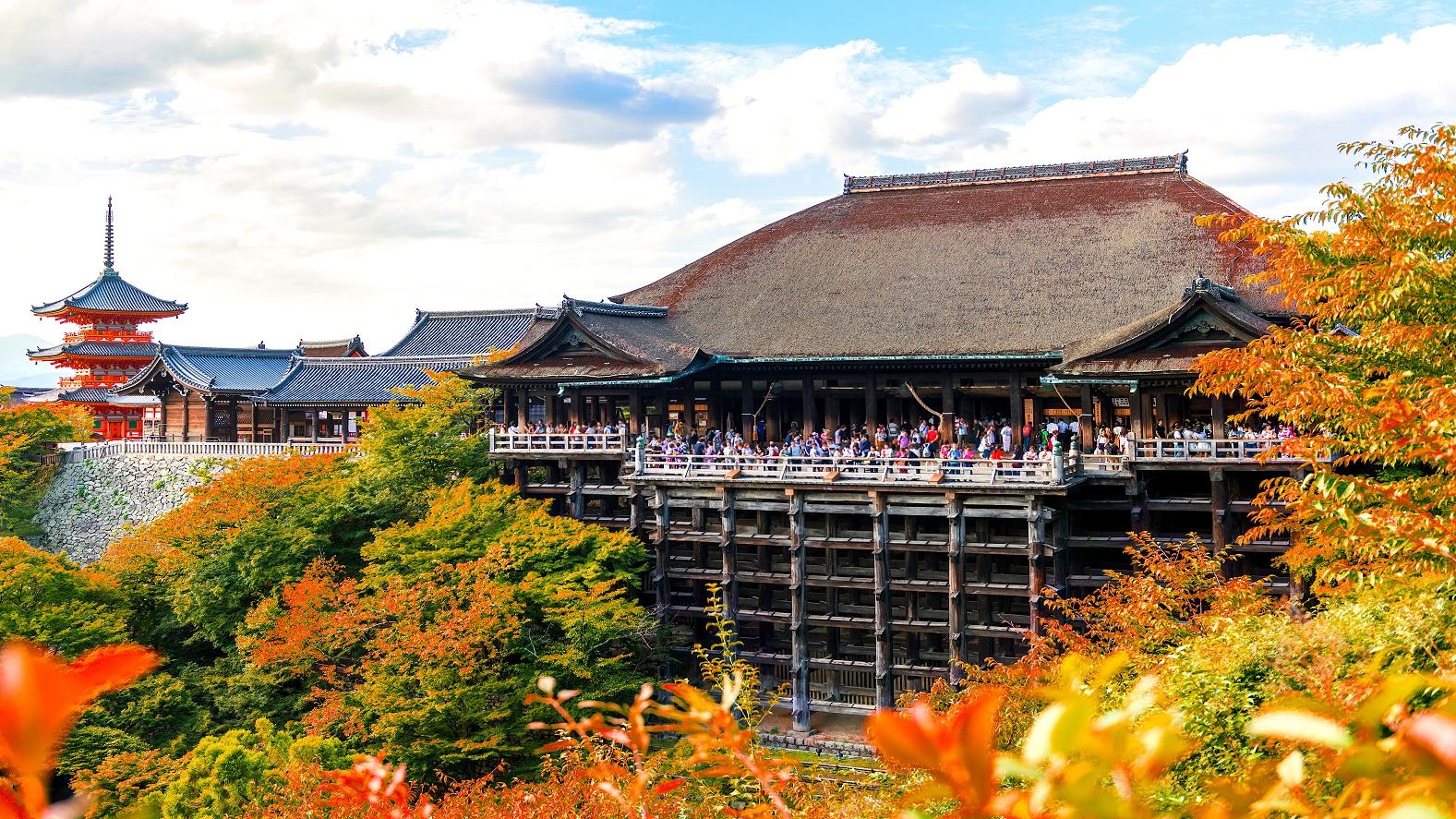
Unlike other typical parks, Nara Park doesn't have a zoo or amusement parks; it's simply filled with trees, greenery, and historical architecture. However, once you step into this park, especially in autumn, you'll be overwhelmed by its beauty: winding paths, tall trees with golden foliage, giant lanterns illuminating the way to Kashuga Shrine… like a scene from a romantic movie.
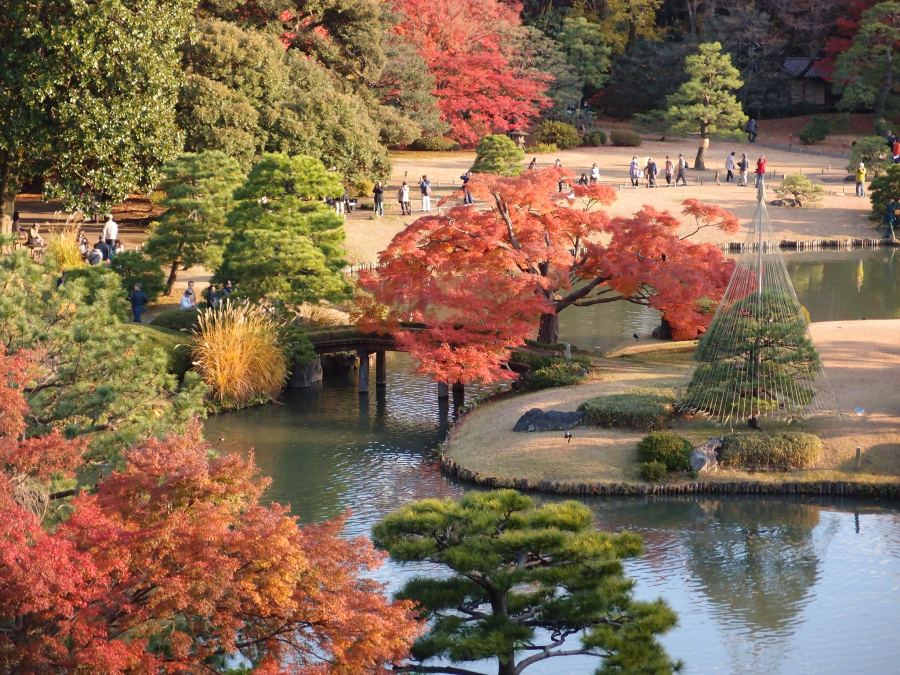
Rikugien Garden, Tokyo
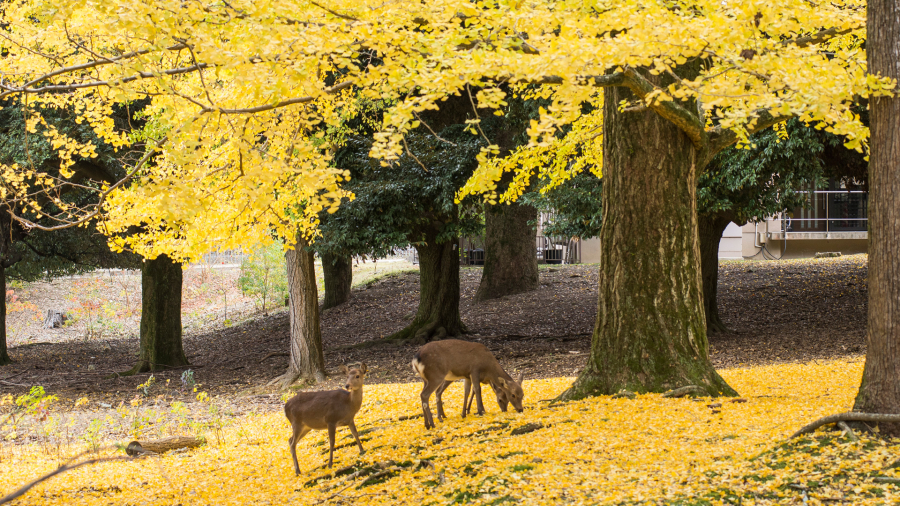
Located in Bunkyo Ward, Rikugien Garden, built during the Edo period (1603-1868) in the Japanese garden style with streams and mountains, offers a changing landscape with every step around the garden's lake area. Over 400 maple trees are planted here, creating a temperate forest right in the heart of the city, allowing you to enjoy the breeze and the atmosphere of autumn foliage. From late November to early December, after 9 PM, thousands of lights illuminate the tree trunks throughout the garden.
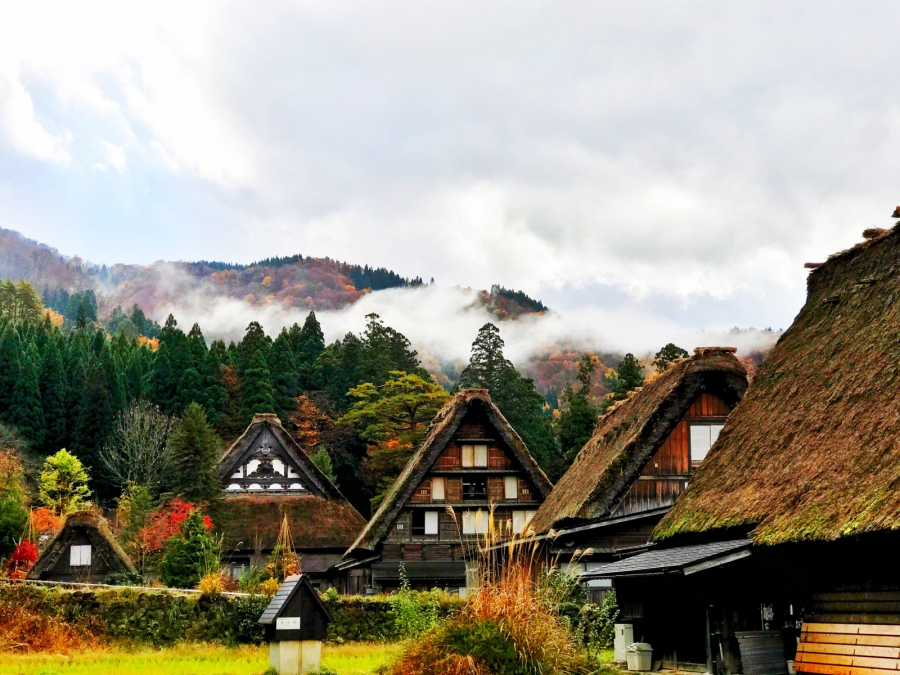
Shirakawago Ancient Village, Nagoya
The ancient village of Shirakawago is a UNESCO World Heritage site, renowned for its unique and ingenious architecture. These ancient houses, over 300 years old, are built using the distinctive "Gassho-zukuri" style, where the roofs are thatched with dried grass and sloped steeply to allow snow to fall easily. The roofs are designed to maximize sunlight, helping snow melt faster, reducing weight, and preventing collapse during heavy snowfalls. The attics, with their windows for ventilation and light, were also used for growing mulberry trees, raising silkworms, and manufacturing gunpowder.
The road to the village passes over a 107-meter-long bridge called Deai basi (Bridge of Harmony), considered one of Shirakawago's symbols, signifying a wish for harmony and reunion. Autumn in Shirakawago is a vibrant tapestry of interwoven colors – the colors of leaves, trees, the sky, the people, and even the snow-capped peaks in the distance.

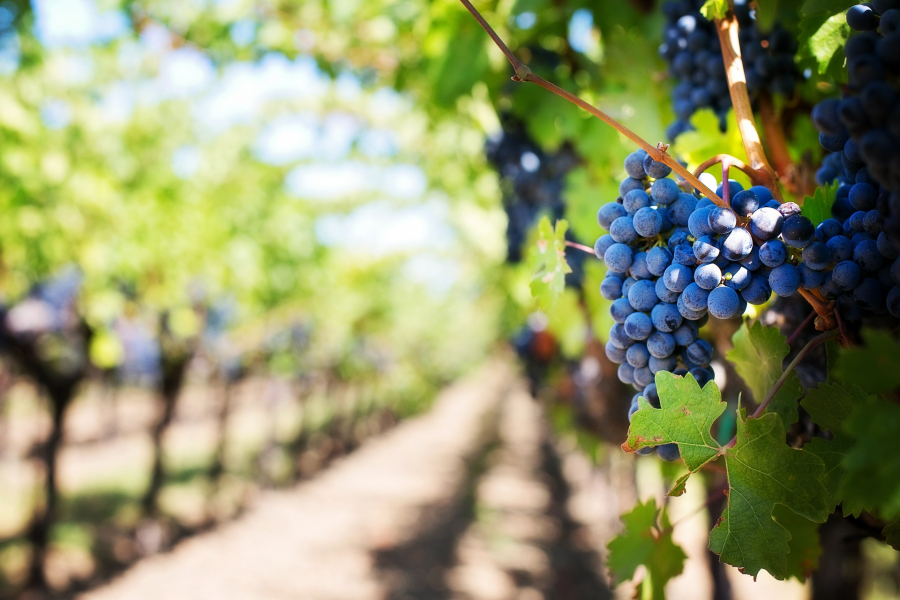
Kyoho and Kofu grape harvest season
With over 1,300 years of experience in grape cultivation and production, the charming Kyoho vineyards begin their harvest in the autumn (July-November). Kyoho grapes are unlike the grapes you usually see in supermarkets; they are incredibly delicious and larger than other varieties. Their unique blend of sweetness and tartness will make you addicted from the first bite.
Colors of the Autumn Festival
Japan is a country of festivals. Not only can you immerse yourself in the breathtaking autumn scenery, but traveling to Japan during these months also gives you the chance to participate in unique Japanese festivals, including: the Takayama Autumn Festival, Kichijoji Aki Matsuri, Sapporo Autumn Festival, Morioka Autumn Festival, Shuki Taisai Autumn Festival, Meguro Sanma Matsuri, and many more.
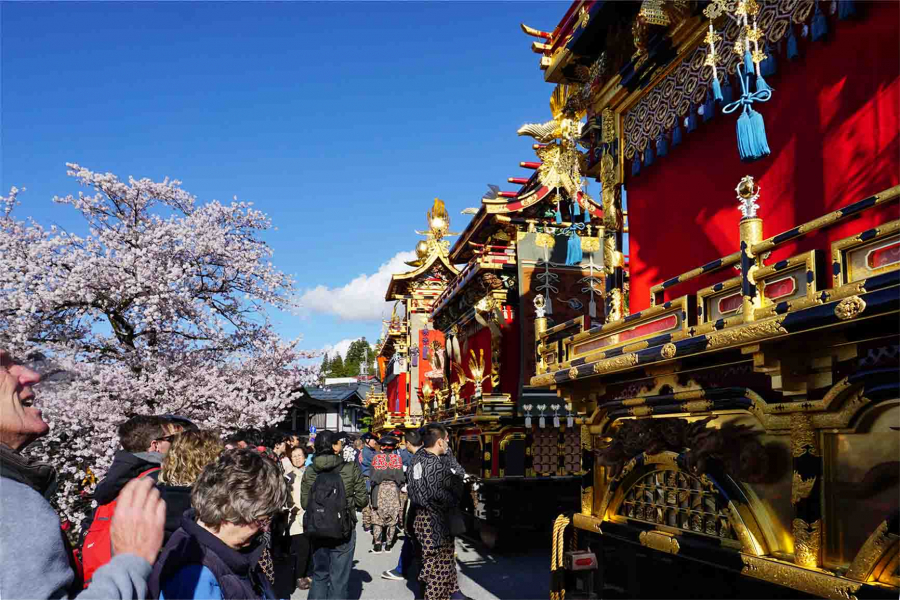
Some typical festivals include:
- The Sumo Festival in Tokyo takes place every September and lasts for 15 days.
- The Kunchi Festival at Suwa Shrine in Nagasaki takes place over three days (7th, 8th, and 9th) of October each year, featuring dragon dances and performances of traditional Japanese dances.
- The Takayama Festival at Hachimangu Shrine is one of Japan's three largest annual festivals and is held twice a year. The autumn Takayama Festival takes place on October 9th and 10th, expressing gratitude to the gods. The highlight of the festival is the magnificent float procession, accompanied by porters in traditional festival costumes, attracting thousands of visitors each year.
- The Nagoya City Festival is held during the third week of October and lasts for only two weekend days. The festival commemorates three samurai heroes: Hideyoshi, Nobunaga, and Ieyasu.