VI
VI


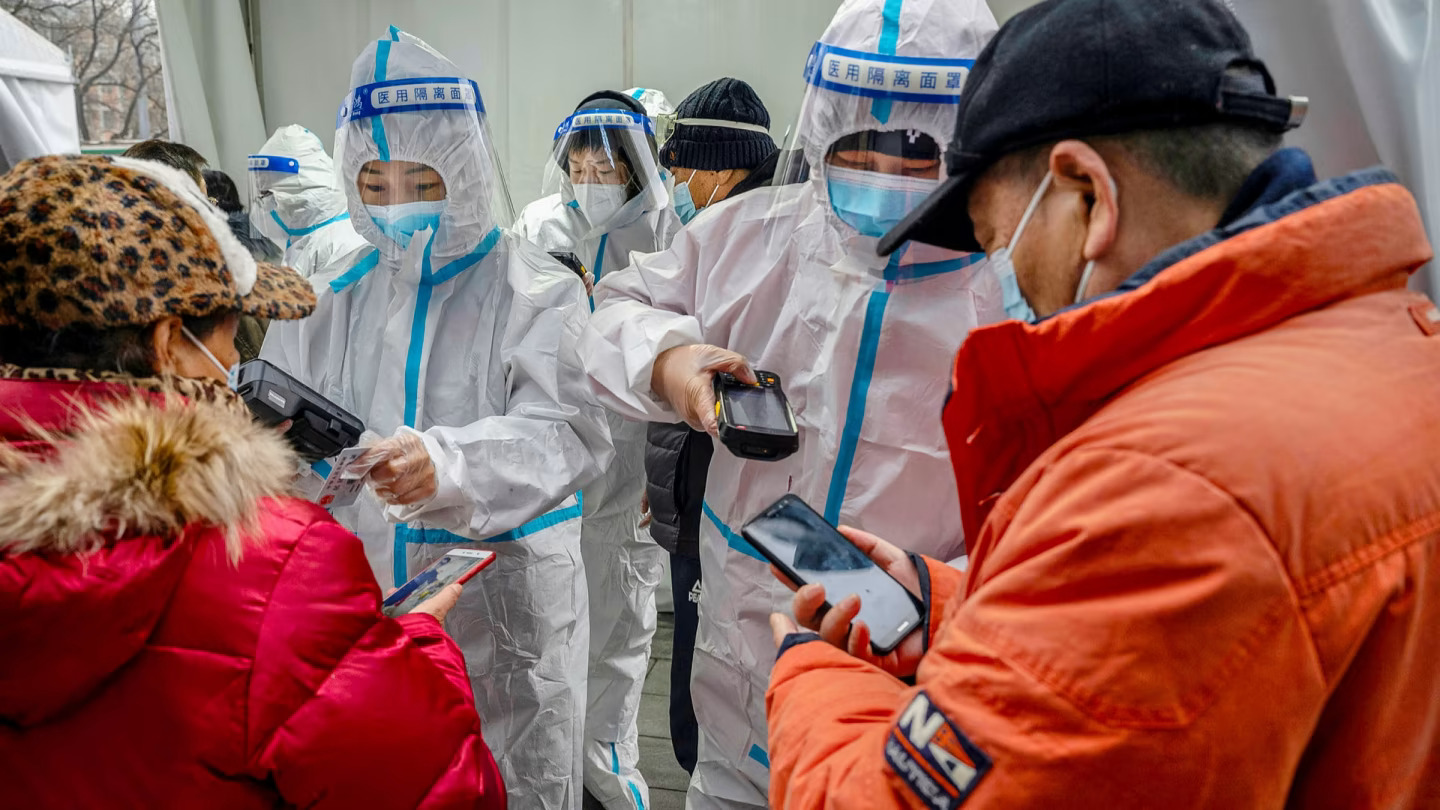
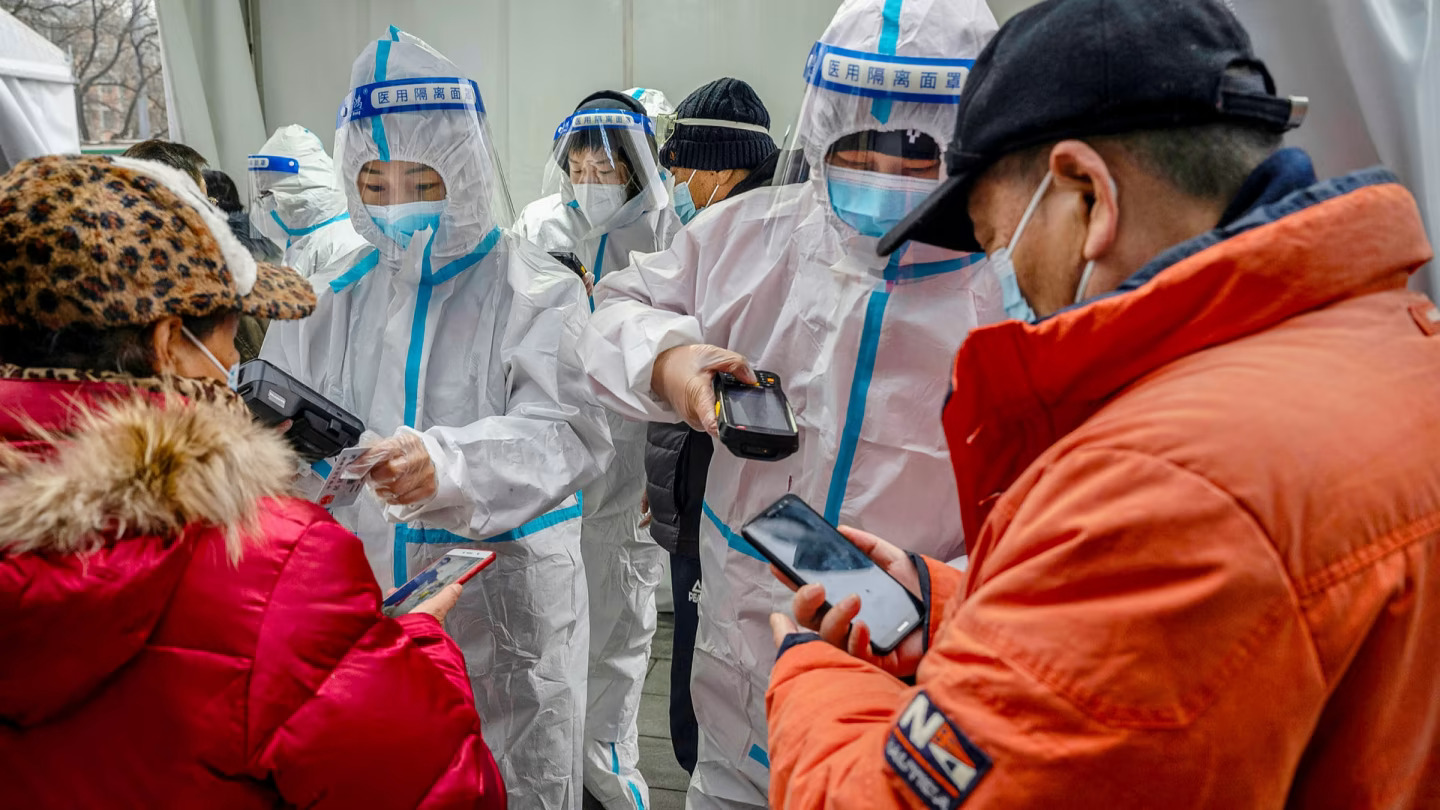
Wang Xiangwei is the former editor-in-chief of the South China Morning Post. He is currently working in Beijing as an editorial consultant for the newspaper. On the last day of July, Wang Xiangwei and his family flew to Hainan – dubbed the Hawaii of China – to begin a week-long vacation. This was their first trip away from Beijing in over two and a half years due to the pandemic.
This tropical island in southern China is chosen by thousands of tourists because of its near-perfect record in combating the Covid-19 pandemic. In 2021, it only recorded two symptomatic positive cases of Covid-19.
"We were encouraged to travel by the government after travel restrictions were eased. Tourists only have to declare their travel history for 7 days instead of 14 days as before," said Wang Xiangwei.
A dream vacation turns into a nightmare.
However, Wang Xiangwei realized he had made a mistake. His dream vacation quickly turned into a nightmare when Sanya announced its first Covid-19 case on August 1st.
Since then, they have been constantly anxious and frustrated. According to Wang Xiangwei, the chaos and confusion of local officials contributed to increasing the fear among tourists. Announcements were constantly changing and often contradictory.
China uses an app that displays health codes for each province and city. Green indicates that travelers are allowed to move around in public spaces, while yellow and red indicate they are not. On August 3rd, Sanya reported 11 cases of Covid-19. The health code app on their phones turned yellow.

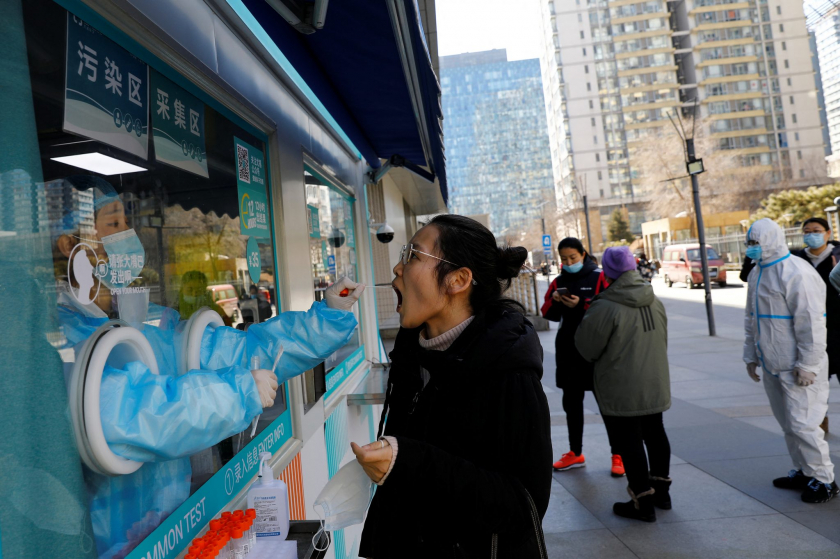
Travel is difficult for tourists due to the Zero Covid policy.
Fearing being stranded in Sanya, they rushed to the airport, trying to find a way to leave the city. However, passengers were required to submit a negative test result within 48 hours before boarding. Wang Xiangwei's family tried three Covid-19 tests, but the negative results did not appear on their health code app. Therefore, they were unable to leave.
On August 6th, the test results for the whole family suddenly appeared on the app. Unfortunately, at that time, the airport had canceled most flights. The city of Sanya quickly went into lockdown.
"Before public transportation in the area was paralyzed, we managed to get to the train station and catch the last train to Haikou at noon. However, the whole family is still stuck in Haikou city now," Wang recounted the terrible experience.
You shouldn't travel.
"In Sanya, around 80,000 tourists are stranded," said the city's deputy mayor, He Shigang.
Somehow, the Wang family was lucky to arrive in Haikou just in time. The city had only 21 confirmed cases, while Sanya had 4,232 cases of Covid-19 – a very large number by Chinese standards.
However, this family's nightmare is far from over. Their unplanned vacation in Haikou may be extended by several days or even weeks as the city's airport has canceled most flights until further notice. To date, each member has been tested for Covid-19 more than 12 times. Despite negative results, they are still banned from returning to Beijing.
"How many more tests do we have to undergo before we're allowed to leave, and when will Beijing allow us to return home? Do the authorities not trust the accuracy of the Covid-19 tests?" Wang Xiangwei questioned.

Tourism in China is proving very difficult to recover.
The lack of uniformity in China's epidemic control system further complicates the traveler experience: "Test results submitted in one province are not recognized by the health code of another province. Each province has its own quarantine policy, making the situation even more chaotic."
Over 99% of Covid-19 cases recorded in Sanya were mild or asymptomatic, suggesting that the Omicron variant did not significantly impact people's health. Nevertheless, Sanya remained under lockdown.
Haikou remains under curfew despite having only 3-4 cases of Covid-19. Urumqi, Xinjiang's largest city, was locked down for five days with only 380 asymptomatic Covid-19 cases.
"So the lesson you need to learn from my family's holiday nightmare is don't try to travel around the country until China abandons its Zero Covid-19 policy. If you're willing to take the risk, be prepared to be stranded thousands of kilometers away from home," said Wang Xiangwei.