VI
VI


The allure of Bali, the "paradise island" of Indonesia, is facing the most severe test in the history of its tourism industry. Despite consistently ranking highly in global tourism rankings for 2025, Bali is facing heavy criticism from high-ranking international figures regarding its serious waste pollution, forcing the government to launch a real battle to protect its national brand.

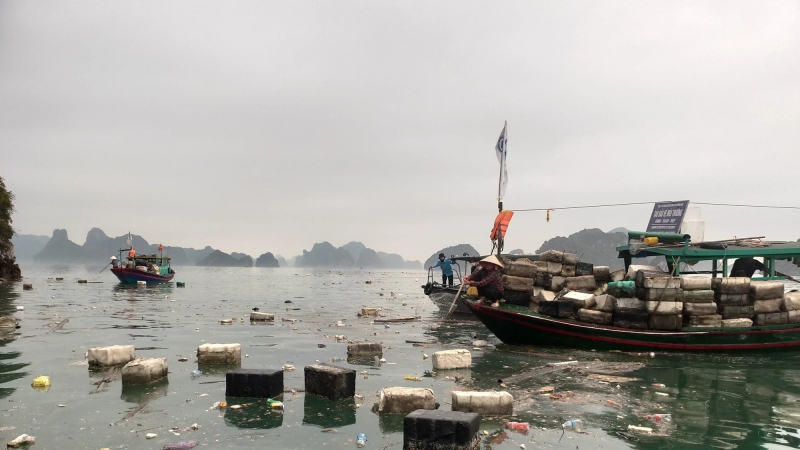
The Bali tourism crisis is no longer just a simple environmental issue but has become a socio-political crisis. Recently, on February 2nd, 2026, Indonesian President Prabowo Subianto publicly reprimanded Governor Wayan Koster and other regional officials for their delays and lack of decisive action in addressing waste. Photographs of iconic beaches like Kuta covered in plastic waste in December 2025 serve as irrefutable evidence of the degradation of a destination once considered the "most relaxing resort island."

The image shows Kuta Beach (Bali) covered in plastic waste and debris after high tides in late 2025.
President Prabowo shared that he had received countless direct complaints from ministers, generals, and international partners about Bali's current filthiness and loss of its former beauty. He frankly criticized Governor Koster for reacting too slowly despite having the full authority to mobilize over 4.5 million islanders to participate in the cleanup. The presence of "slums" and trash-strewn beaches creates a heartbreaking paradox: Indonesia possesses immense potential beauty but is driving tourists away with its squalor.

This severe waste pollution problem has forced President Prabowo Subianto to publicly criticize local officials and demand urgent action to protect Indonesia's tourism image.
In an effort to salvage the situation, President Prabowo declared a "war" against waste. He even warned that he would deploy the military to participate in regular cleanup campaigns if local authorities could not meet minimum sanitation standards. This was seen as the toughest move to date, demonstrating Bali's importance to Indonesia's economy and international prestige. The military intervention was not just a temporary solution but also a message of discipline and determination from Jakarta in reshaping the face of the island.


The head of state warned that he would deploy the military to clean up the island if the provincial government continued to react slowly to the overtourism and environmental pollution.
Overtourism and gaps in the management system.
Although the Bali authorities are rushing to implement beach cleanup campaigns following the President's directive, environmental experts remain concerned about the sustainability of these measures. The waste problem in Bali is actually a complex systemic issue, stemming from tourism overload. In 2025, Bali is expected to welcome 6.9 million international tourists, a 9% increase from 2024. Notably, the number of tourists staying on the island is projected to reach 6.3 million, far exceeding the local population of 4.3 million, creating immense pressure on the already outdated waste management infrastructure.

As a "tourist paradise" welcoming over 6.9 million international visitors, Bali's waste treatment infrastructure is currently severely overloaded.
Furthermore, the lack of strict enforcement against littering and the limited environmental awareness among some residents and tourists have exacerbated the situation. Bali is now not only a popular short-term destination but also a hub for a large number of foreigners living and working remotely. This surge in visitors brings significant economic revenue but also increases the volume of daily household waste. The Indonesian Ministry of Tourism still aims to welcome 6.5 million tourists this year, a challenging ambition if the waste problem is not fundamentally addressed.

The actual number of tourists staying on the island has far exceeded the population of 4.3 million, creating a complex systemic problem of sustainable environmental management.
Strengthen management and promote "quality tourism"
To address the root of the problem, the Bali authorities have begun implementing "tough" policies to screen tourists. In January 2026, a controversial proposal was introduced requiring international tourists to declare their financial situation for the past three months upon entry. This is a strategic move to limit the influx of low-spending tourists – a group often less concerned with environmental protection – and replace them with a high-quality tourism model.
Furthermore, throughout 2025, the island's authorities implemented stringent measures to address violations of local customs and traditions, as well as illegal residency. The tightening of visa controls and regulations on conduct at religious sites demonstrates Bali's efforts to regain its former glory. However, without a modern waste management system, thorough recycling, and extensive community education campaigns, all efforts to attract luxury tourists will be meaningless if the pristine white beaches continue to be submerged in plastic waste.

The Bali authorities have proposed regulations requiring financial checks on international tourists to filter out low-spending visitors and minimize violations of local customs and traditions.
Currently, beaches in Bali are undergoing a major cleanup. Tourists are advised to monitor weather conditions and updates from local authorities before planning trips to southern beach areas. Let's work together to protect the environment by limiting the use of plastic bags and single-use plastic waste when visiting the island.