VI
VI


As Tet (Vietnamese New Year) approaches, it brings with it the distant memories of many past Tets. It seems that each passing Tet leaves behind more and more memories in people's hearts. And so, these memories accumulate, imprinted in our subconscious, and each new Tet season cannot be without the presence of those past Tets.
It's no coincidence that people call it "celebrating Tet" (Lunar New Year).
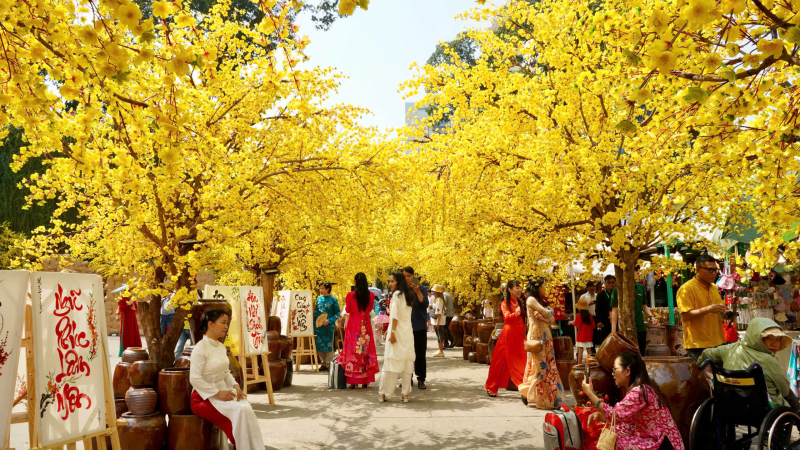
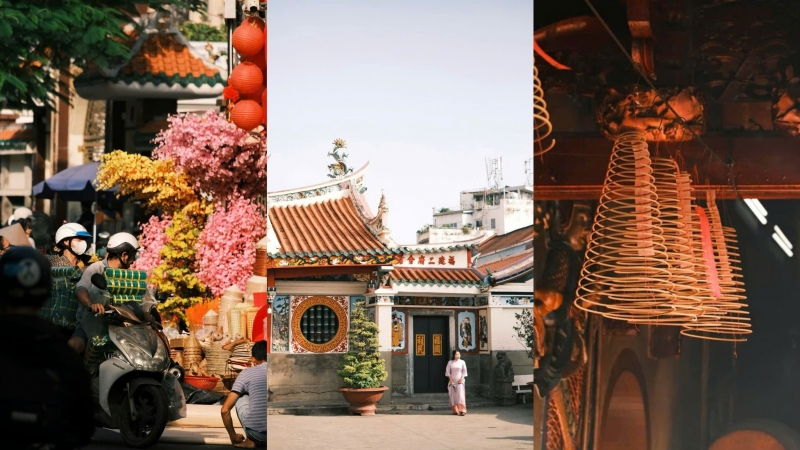
The traditional Vietnamese New Year, with its ancient origins, marks the transition between the old year and the new. Tet brings a new spring, full of faith and beautiful hopes. As Tet approaches, the atmosphere becomes more vibrant and bustling. Mother's hands are busy preparing the feast, father's hands meticulously trim the trees, and children's delicate hands joyfully reach out to receive bright red lucky money envelopes.
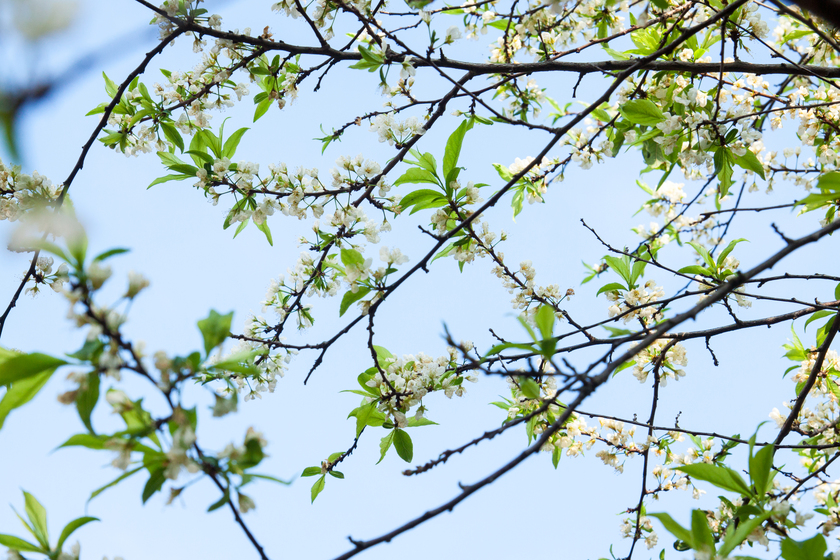
Tet brings a new spring, full of faith and beautiful hopes.
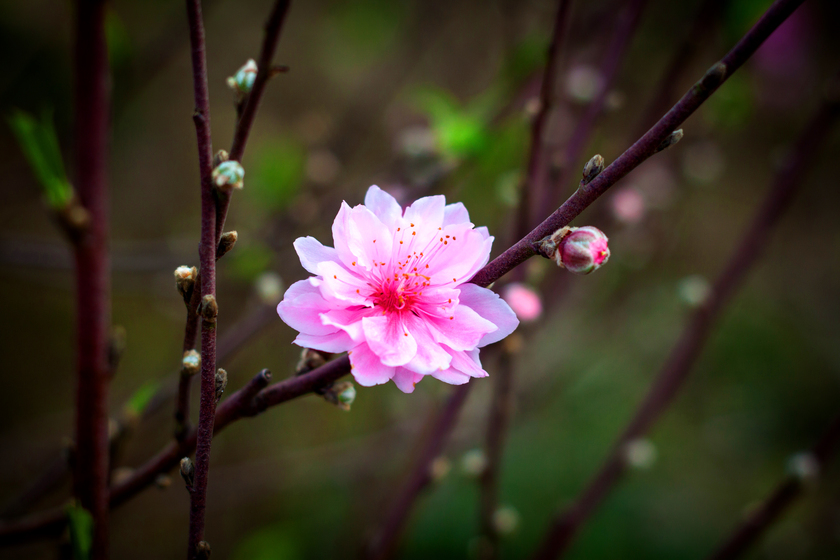
This traditional holiday instills in people a sense of gratitude to nature, regardless of whether life is one of scarcity or abundance. Tet brings with it the biting cold and drizzling rain, the quietude and the poignant atmosphere of families gathering around the pot of sticky rice cakes and the crisp sound of firecrackers. During those three days of Tet, the focus remains on the feasts. That's why the ancients summarized it as "full for three days of Tet."
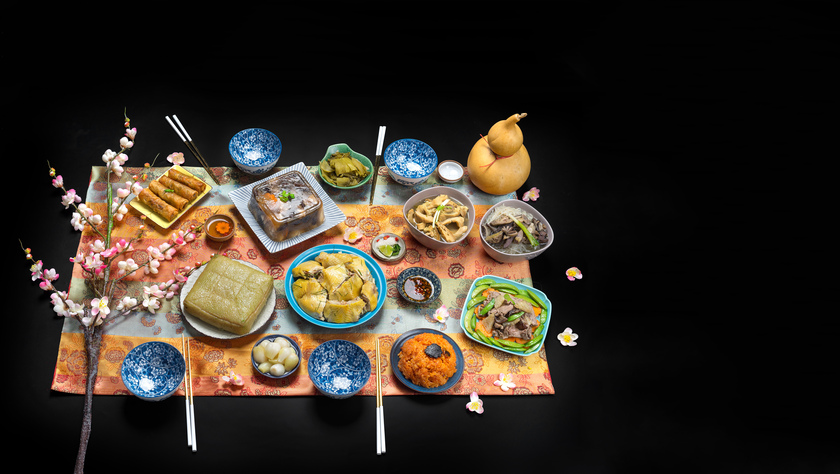
In the old days, when the Vietnamese New Year was celebrated with many rituals and elaborate preparations, the New Year's feast was far from simple. The most fundamental requirement was that the offering to the elders had to consist of four bowls and four plates to show respect. These four bowls typically included a bowl of bamboo shoot and pork knuckle soup with a few strands of vermicelli, a bowl of rice noodle soup with seasonal cauliflower and carrots, a bowl of fragrant chicken offal vermicelli soup, and a bowl of fish maw soup made from fish bladders, intestines, or fins. In the past, fish maw soup was a dish reserved for wealthy families due to its rare and precious ingredients. More modest families often replaced it with a bowl of pigeon stew with lotus seeds or meatball soup.

The four essential dishes include stir-fried almonds for the elderly to enjoy with wine, a dish of cloud-patterned meatballs (a now-lost culinary tradition), a plate of green sticky rice cakes, and a plate of golden-brown boiled chicken. In addition, dishes like pork sausage, stir-fried pork sausage, cinnamon-flavored pork sausage, gac fruit sticky rice, and stir-fried vegetables also contribute to the grandeur of the Tet feast. Though seemingly numerous, nothing is superfluous.
Back then, every family had many children and grandchildren, and every Tet holiday was a time of joyful reunions. The feast would disappear in no time. Adults would toast each other with a few glasses of warm wine, and the children eagerly awaited their meal. And oh, how delicious and heartwarming the Tet meal was! A little fragrant jasmine rice topped with sweet bamboo shoot broth made everyone smile brightly.

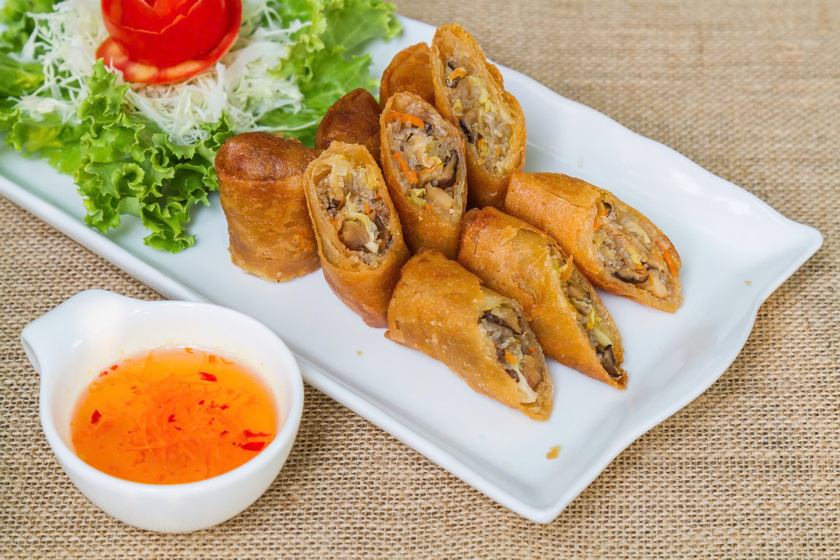
In the old days, on the afternoon of the 30th of Tet (Lunar New Year's Eve), families would prepare their pots of sticky rice cakes (banh chung). The cakes were taken out early and hung up to dry. The peach and kumquat trees in the house were also beautifully displayed, shining brightly. Two firecrackers were hung in front of the house for the sacred and meaningful moment of New Year's Eve. At this time, the kitchen was bustling with activity. Stacks of new dishes were hidden away, waiting to be brought out, washed until sparkling clean, and used for the first few days of the new year.
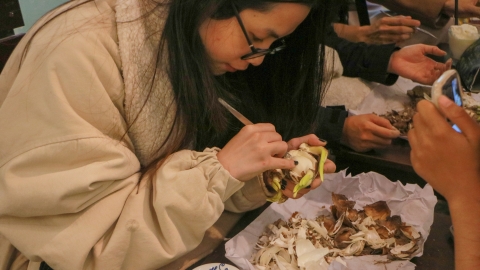
Tet (Vietnamese New Year) in the old days was like this; every preparation was meticulously planned. Everyone had a task: Grandma busily tasted the bamboo shoot soup, Mom sliced the pork sausage, Sister peeled the sticky rice cakes... No one dared to be negligent or rest because the New Year's Eve dinner was approaching. The last meal of the year marked a year of hard work and labor. Everyone gathered to eat, both as a way to rest and to encourage and advise each other before entering the new year.
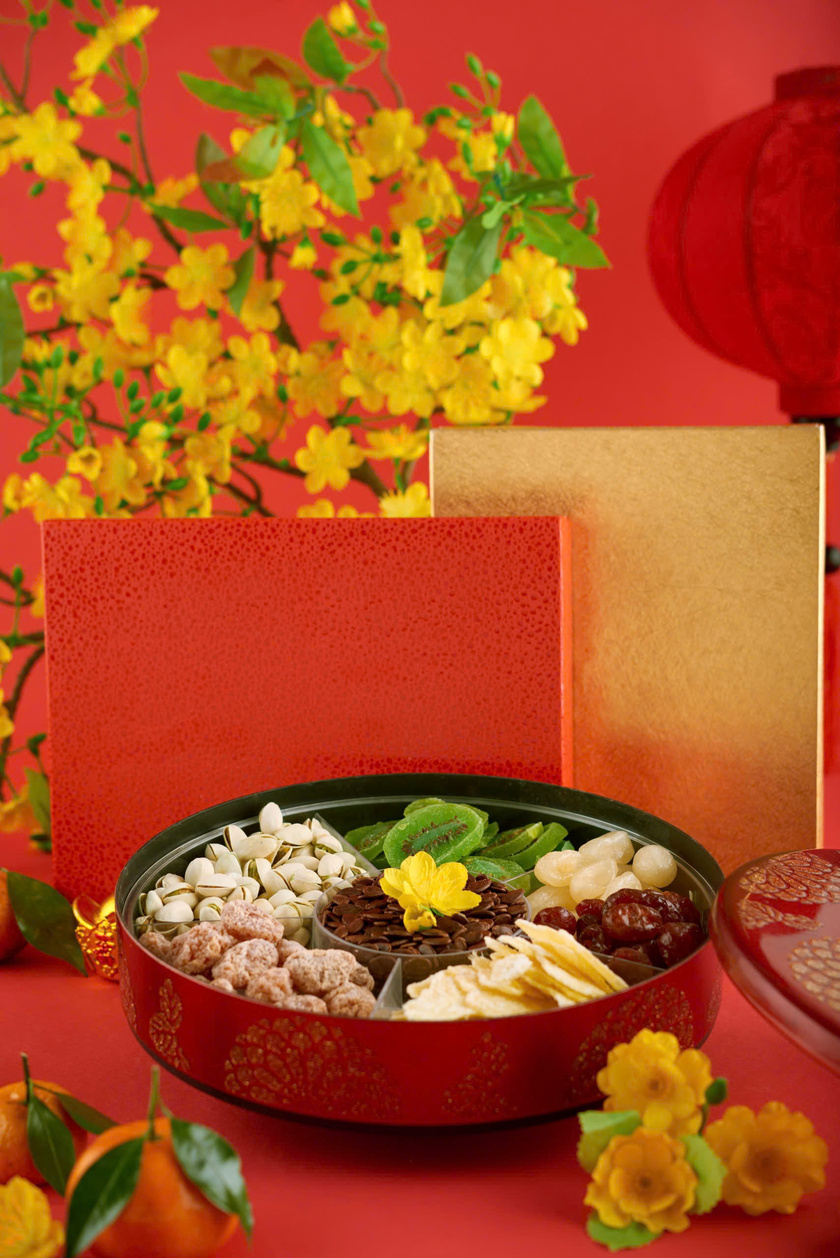
This Tet holiday, thanks to modern life, industrialization, and the rise of consumer habits, the hustle and bustle of the holiday has gradually changed. Nowadays, in the city, we rarely see the frantic scene of wrapping banh chung (traditional rice cakes), making gio (Vietnamese sausage), and preparing the feast from dawn. Everything is readily available at the market, at the supermarket, or even delivered right to your door with just a phone call. Many housewives have the opportunity to truly rest and have abandoned old customs and traditions.
This Tet holiday, people prioritize relaxation and fun over the traditional customs of the past. The new cycle of nature and the hustle and bustle of modern life drag people into more stress. For many, Tet is an opportunity to travel, unwind, and temporarily escape the world. Now, the three meals a day during Tet are no longer just boiled chicken and bamboo shoot soup, but sometimes... a slice of pizza, a plate of Italian pasta, or a luxurious fine dining experience. It's still warm, enjoyable, and timely, even fashionable.
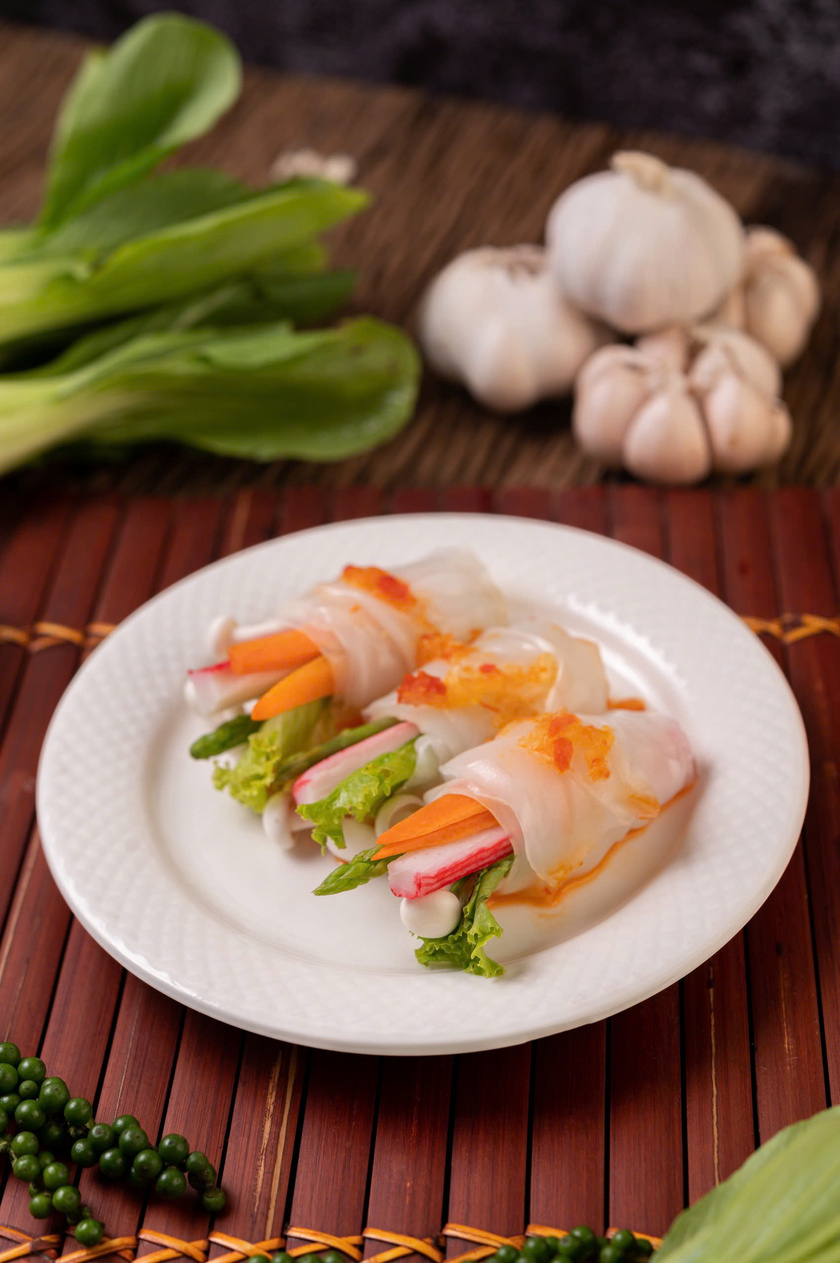
For young people and even modern, inclusive adults, Tet (Vietnamese New Year) is no longer as rigidly traditional.
For young people and even modern, integrated adults, Tet (Vietnamese New Year) is no longer about the elaborate four-bowl, four-plate feast that requires two people to carry constantly. Now, the feast is simpler. A plate of banh chung (sticky rice cake), a plate of boiled chicken, a bowl of bamboo shoot soup, and a bowl of vermicelli noodles are enough for a meal. There's something about it that's still truly Tet, truly traditional, yet so much more relaxed. This subtle shift is inevitable as life increasingly incorporates new things. Tet suddenly feels lighter, less vibrant, and sometimes people forget how much excitement Tet once held for them.
After all, the traditional Lunar New Year has once again come alive with its rich flavor and sacred value. The flavor of Tet of the past is something we cannot imitate or recreate; we can only find ways to relive it through the remaining memories in our minds. Tet, and its highest value, lies in the warm family reunion when the weather is cold outside and the spring buds are sprouting. At that time, how could there be a steaming hot feast with plenty of sweets, fruits, and soft drinks?
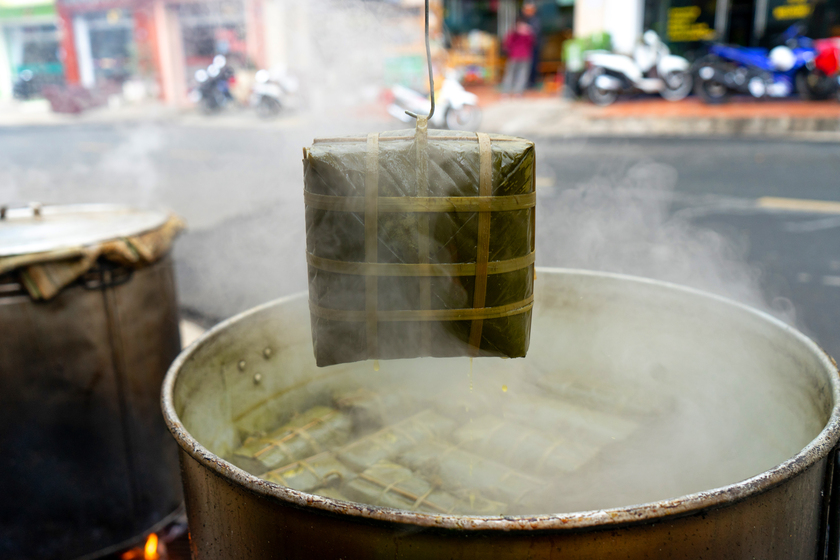
It's no coincidence that the activities during Tet (Lunar New Year) are called "eating Tet." Throughout four thousand years of history, from the oldest Tet celebrations where people offered sticky rice cakes (banh chung and banh day) as a pair to the heavens and earth, to the lavish Tet feasts overflowing with delicious food, the traditional rule of "four bowls and four plates" has sometimes given way to the extravagance, luxury, or unique and unconventional Tet feasts of today. Countless forms, versions, and creative innovations of the human mind exist, but the ultimate core remains "eating Tet." This affirms that humans cannot do without "eating" during this momentous occasion, a celebration of the earth, the calendar, and the beliefs of people living with a rice-farming tradition.
Because the Vietnamese people were closely associated with rice farming in ancient times, they had to find ways to celebrate Tet (Lunar New Year) that suited the local customs, adapting to the seasons and climate. For example, bamboo shoot soup is so perfectly suited to a Tet meal. Bamboo shoots are imbued with the flavors of the earth and time, and are at their best during the winter and spring. At this time, taking crispy, dried bamboo shoots, soaking them in rice water until soft, and then cooking them with pork leg meat – what could be more delicious and fitting?
Eating bamboo shoot soup in the summer is a no-no, because the bamboo shoots are bland then, and the meat quickly becomes tiresome. It can't compare to the bone-chilling cold, where each spoonful of fragrant, rich bamboo shoot soup with meat flavor glides down the throat, leaving an unforgettable impression. Also during Tet, eating a piece of sticky rice cake with fragrant pork fat and creamy mung bean filling is truly authentic. Or a plate of jellied meat and pickled onions makes the Tet meal even more special. Therefore, celebrating Tet shouldn't be done haphazardly or unconventionally; it should still adhere to reasonable practices to harmonize both tradition and modernity.
Every Tet holiday, we feel more acutely the simplicity of cooking and meals. But even if the dishes are fewer and the plates lighter, the sacred role and value of the Tet feast remains something we must preserve. The soul of each person, the joy and happiness of each family in the spring season, cannot be without this spiritual value.