VI
VI


In literature and film, love is a timeless theme. When set against the backdrop of Regency England, this theme becomes even more captivating thanks to the unique culture of an opulent era dominated by the aristocracy.
That's when marriage becomes a fierce and complex race, filled with calculations and strict rules that every upper-class family must be prepared to follow.
When English aristocrats date
In early 19th-century England, dating and courtship were of paramount importance due to their impact on the reputation, status, and finances of the entire family. Therefore, although marriages during this period were not forced or arranged, who one dated and how one married still had to be carefully considered.
A suitable partner is evaluated according to a system of criteria: first, they must have a commensurate social standing and sufficient family wealth; possess good personal qualities; have never been involved in any scandals; and finally, have similar personalities. It's not surprising that finding an individual who satisfies all these factors is no easy task. This turns marriage into a fierce battle, not only for the young men and women of marriageable age but also for their entire families.
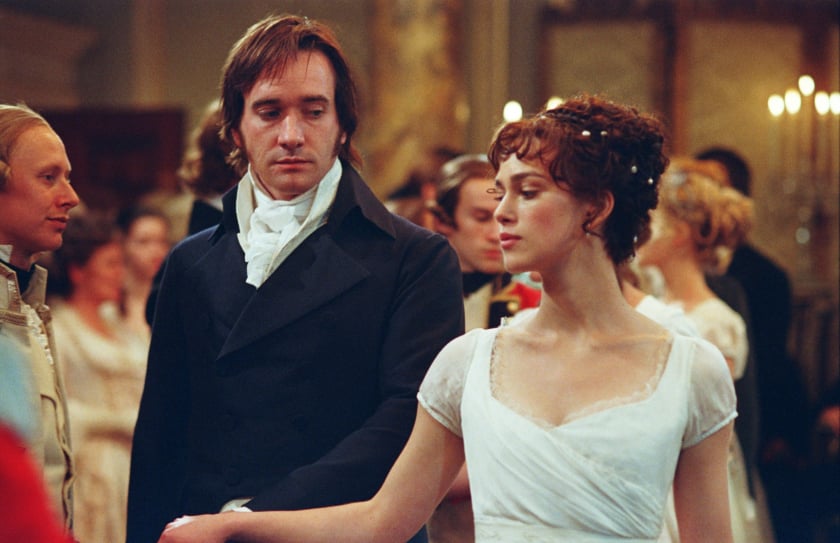
Set against the backdrop of love during the Regent era, the popular seriesBridgertonNetflix's adaptation recreates the image of dukes and ladies in opulent attire, dancing in magnificent castles and exchanging flirtatious glances at seemingly endless parties. In reality, this is also where the "marriage market" is most vibrant.

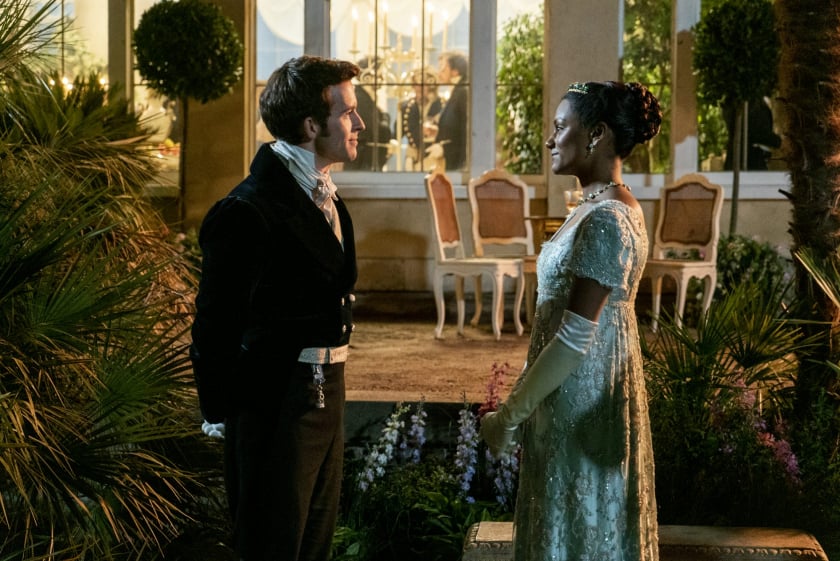
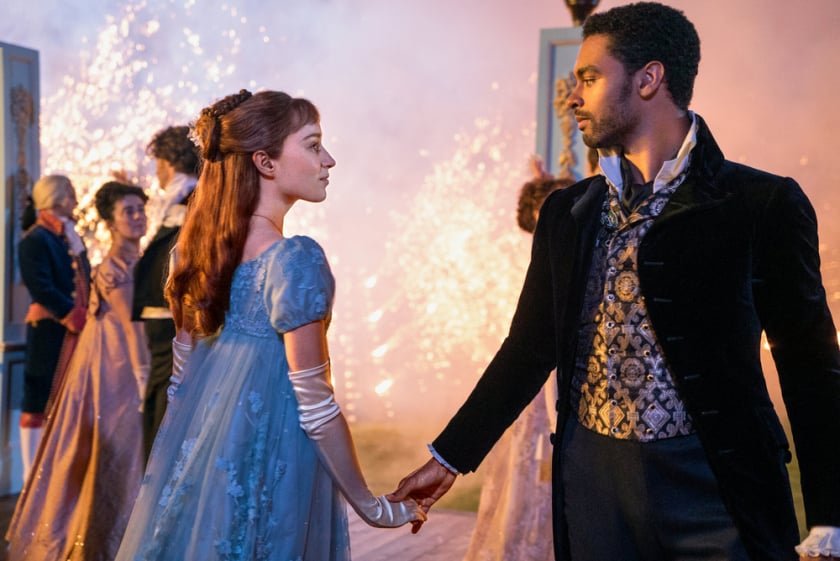
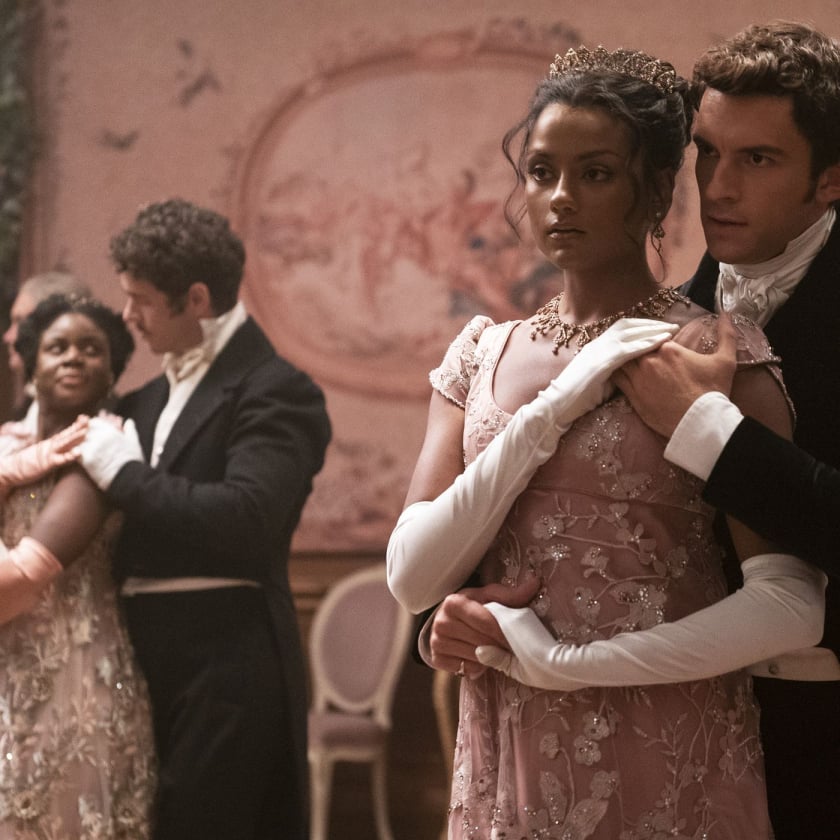
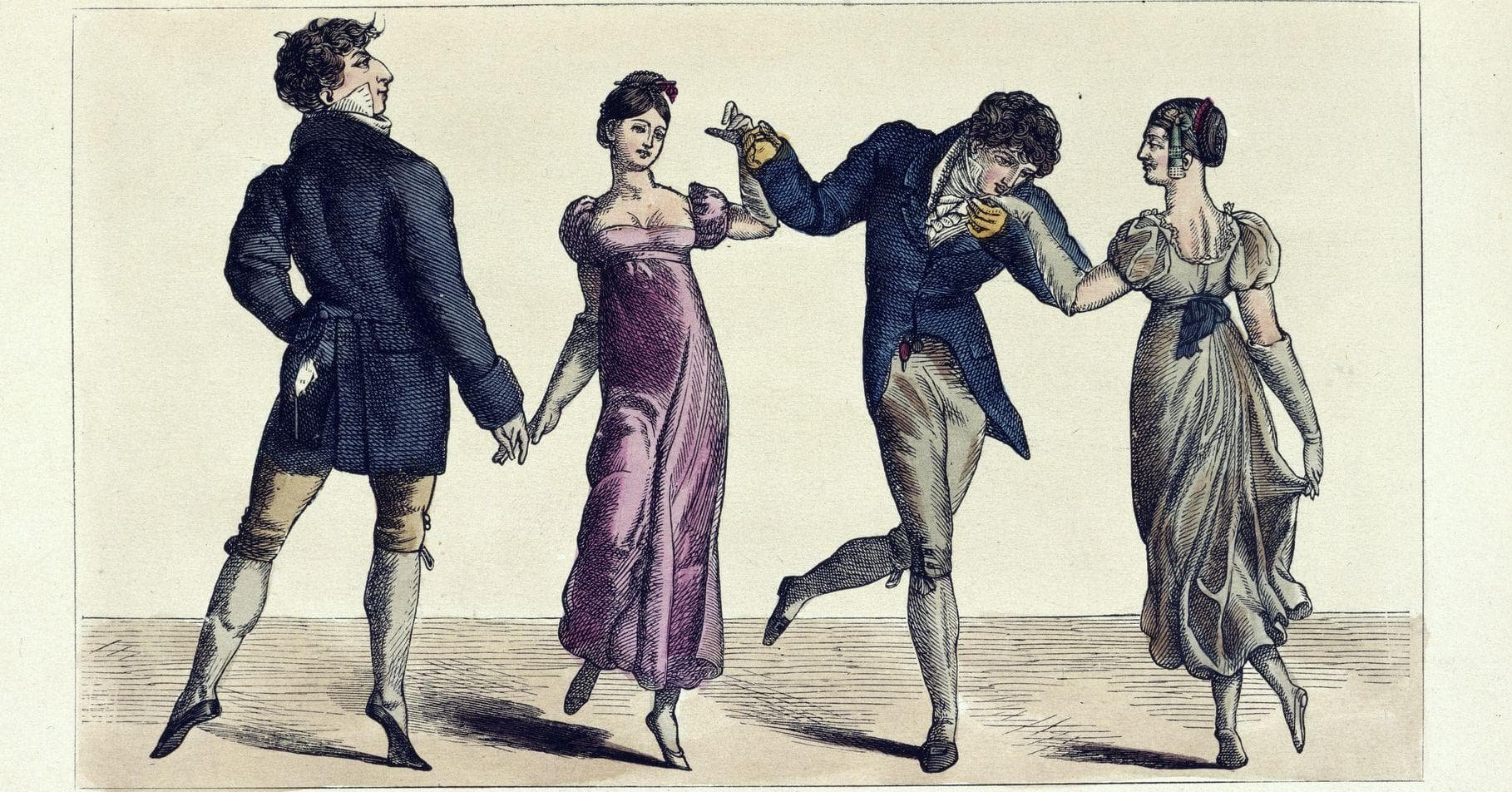
Each year, the most prestigious families in England would leave their opulent estates to gather in London, attending and socializing at the most luxurious balls. Besides forging business connections among the aristocracy, this was also a valuable opportunity for young aristocrats to meet people of the same social standing, potentially leading to marriage. They dressed in their finest attire, were careful in their speech and movements, and constantly observed and scrutinized their potential partners.
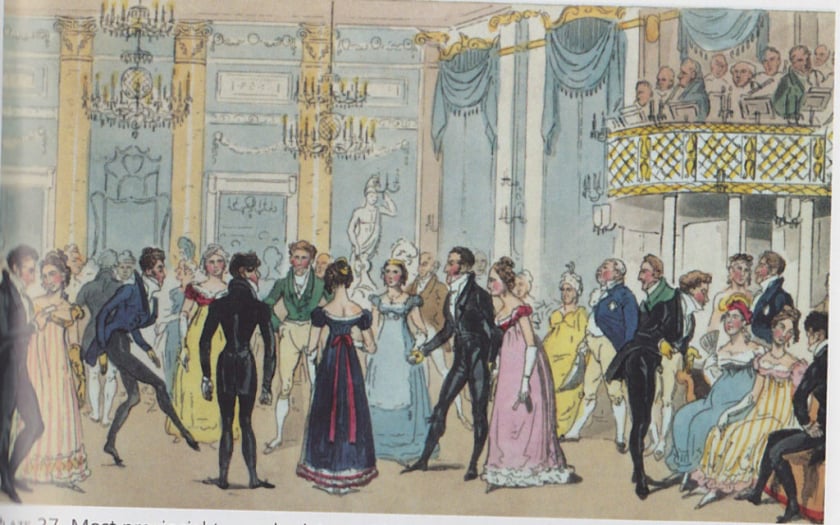
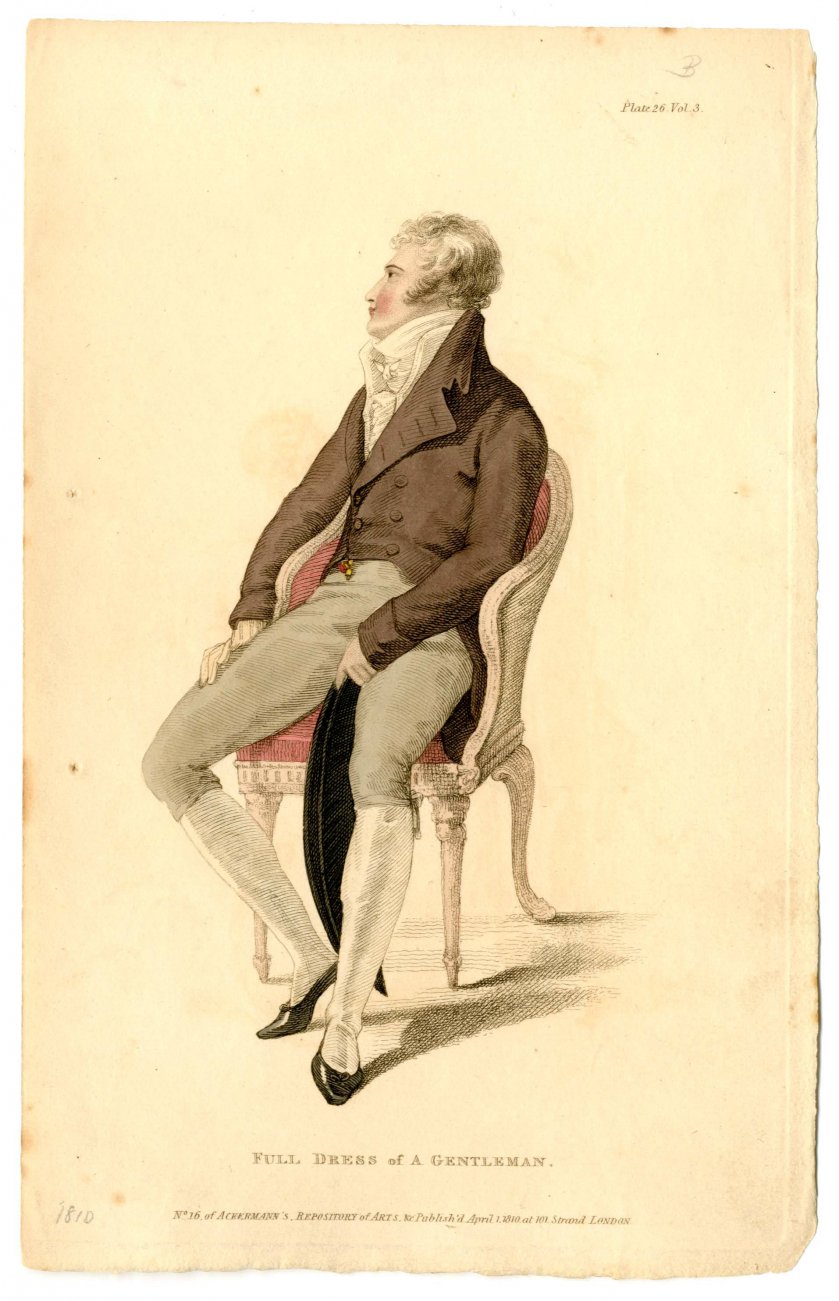

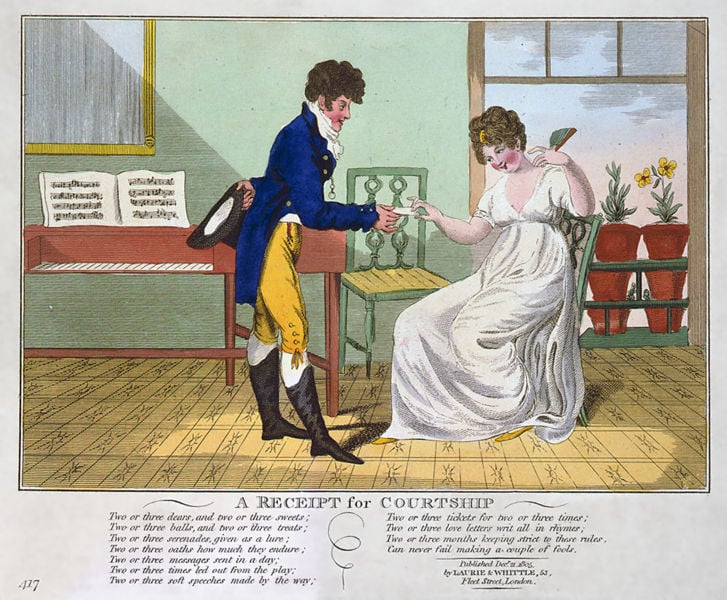
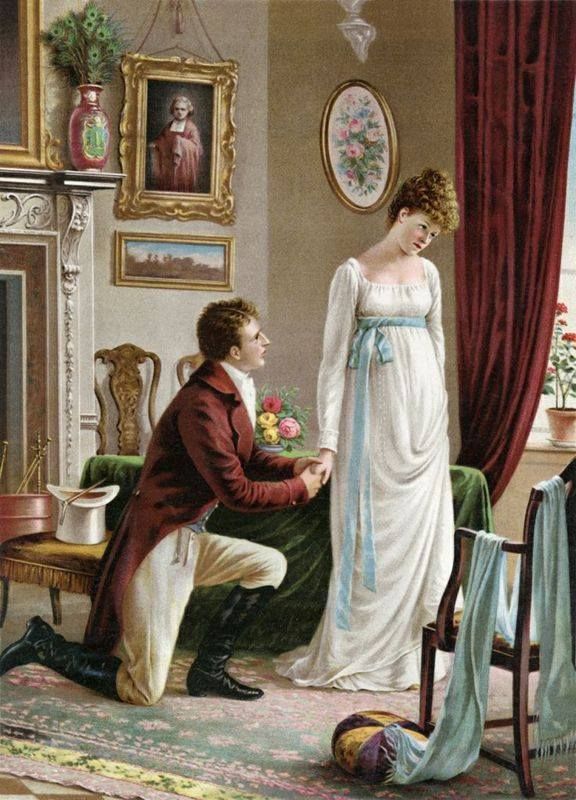
At that time, politeness and tact were the guiding principles of the aristocracy. These qualities governed all their actions, from eating and socializing to even dating. Therefore, the way couples got to know each other was vastly different from today. Once they had identified a suitable partner, men would send flowers to the woman they loved and then formally visit her family. They might go on dates by strolling in the park or riding horses with a chaperone, exchanging daily handwritten letters. If the relationship progressed well, the man would formally propose marriage, discussing necessary financial matters such as dowry, wedding expenses, and alimony with his fiancée's family before officially becoming husband and wife.
The competition comes with extremely stringent standards.
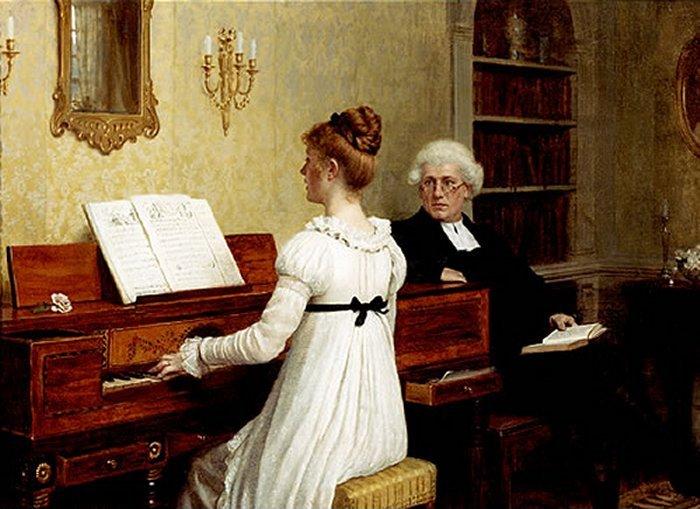
The pressure of finding an ideal partner to bring honor to the family weighed heavily on young nobles, especially women, requiring them to be well-prepared. Beyond beauty, to make the best impression, they had to master singing, dancing, playing musical instruments, and maintain engaging conversations. Cultivating an image of elegance, humility, and gentleness was crucial, as even a single rumor could easily ruin their reputation and cost them the chance of finding their ideal spouse.
Finding the right partner is only the first step in a much more complex process. Typically, during the dating phase, men take the initiative, and women decide who they want to be with. However, they also need to be very tactful to avoid offending suitors while still expressing a particular fondness for someone without damaging their reputation if things don't work out. At a dance, if a girl spends too much time with a guy, public opinion will easily label her as "easy" or implicitly assume they will soon get married. In this situation, if no marriage proposal is made, the reputations of both will be severely damaged.
Before marriage, a couple is not allowed to be together without supervision. Once this happens, they are forced to marry because prejudice and gossip will ruin the future of both of them and their families. The scrutiny of the community therefore becomes a major barrier, forcing couples to be extremely cautious during their courtship.
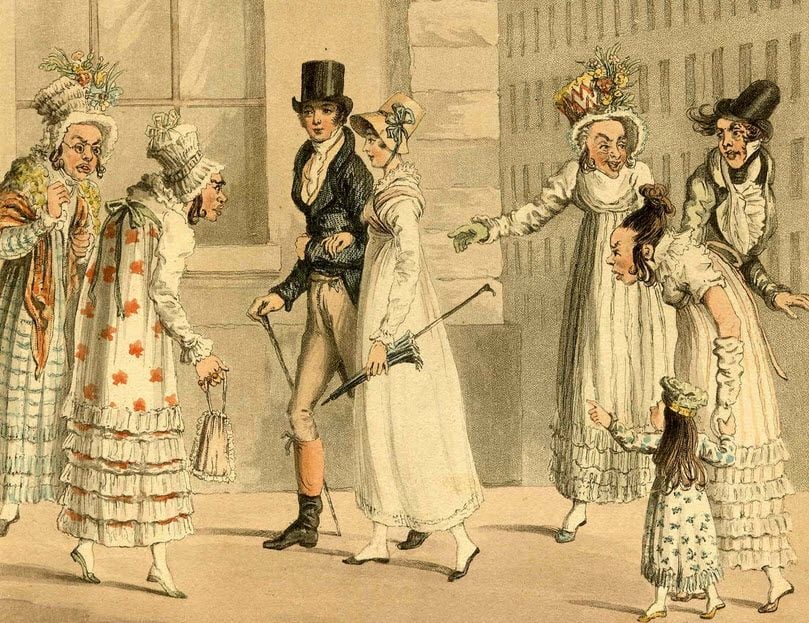
“No young woman is allowed to be alone with another man unless she is related by blood. Chastity and modesty are mandatory qualities for a woman. If she is defiled, her reputation will be completely ruined in the marriage market,” historian Amanda Vickery stated.
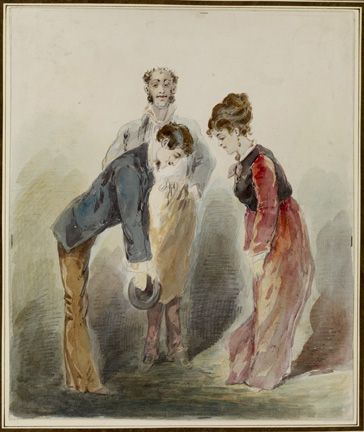
However, material possessions and status did not determine all marriages of this period. Compatibility of personality and love were also encouraged, as they formed the foundation for a lasting relationship. Therefore, couples had a certain degree of freedom in choosing their partners, rather than being bound by family arrangements. The romance and sweetness within this classical, religiously-tinged setting inspired many classic works of art.Pride and Prejudiceby Jane Austen orBridgertonby Julia Quinn.