VI
VI


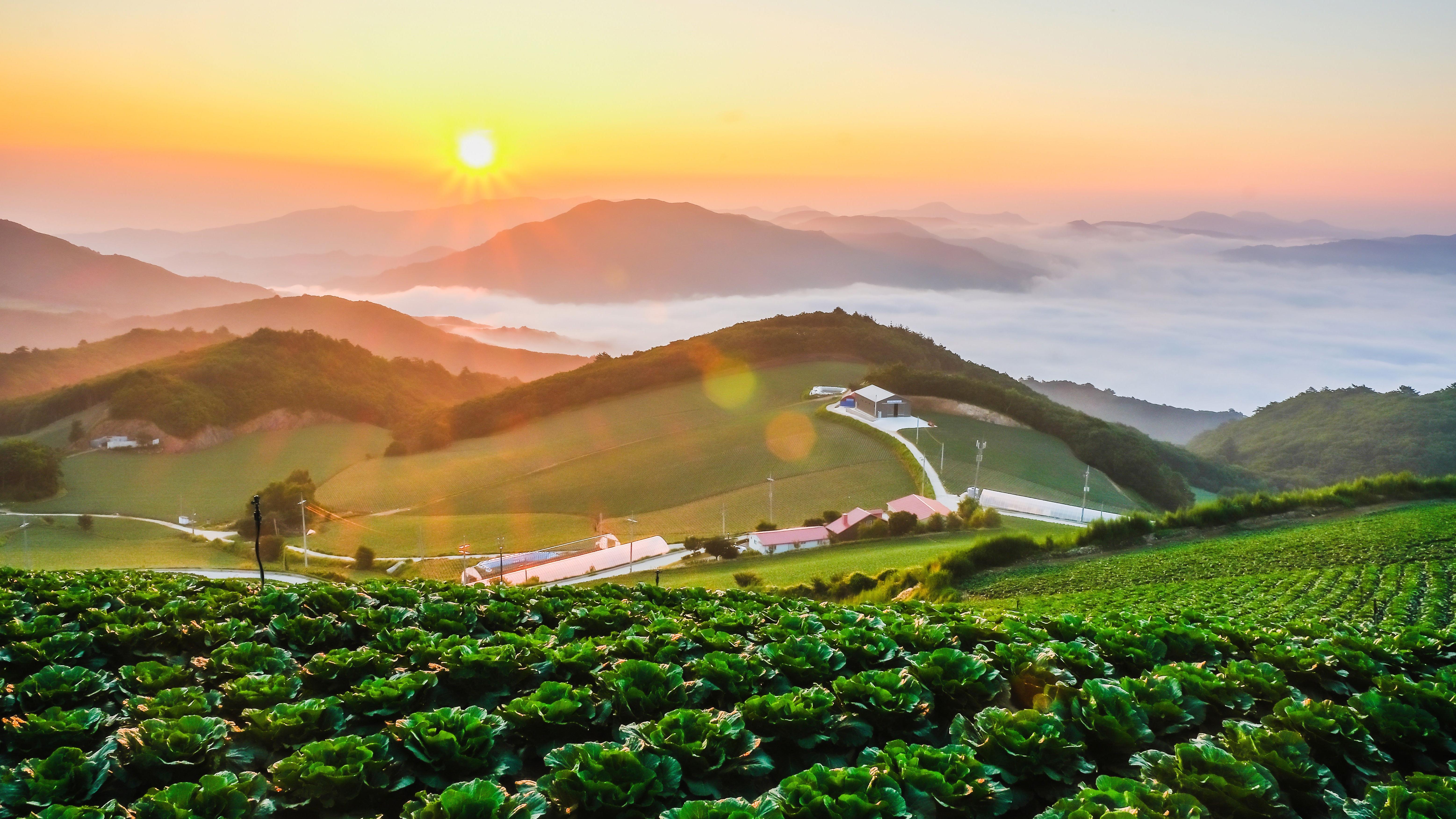
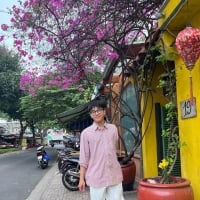
Duc Toan is currently working in the technology field in South Korea. His love for Korean films and music motivated him to come here. In Toan's imagination, this was definitely a "rosy" country. After living there for a while, this "rosy" color faded considerably. It turns out that whether a place is "rosy" or not simply depends on the psychological state of the person experiencing it.
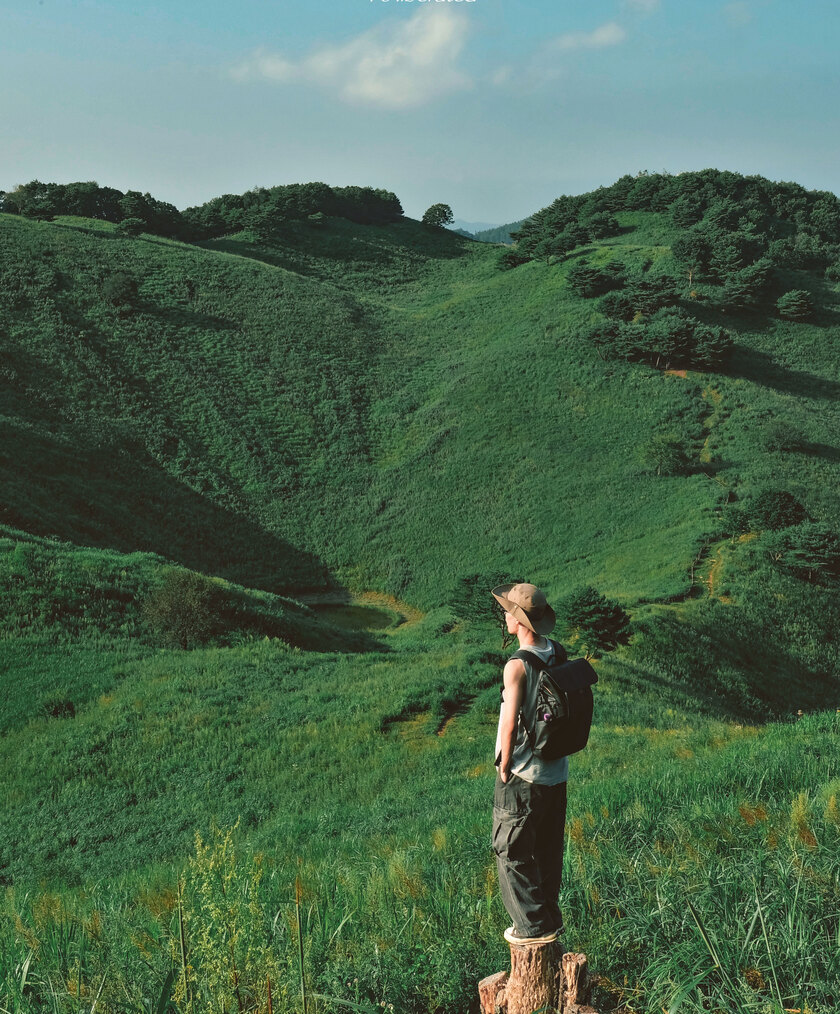
Duc Toan chooses destinations far from the city center to immerse himself in nature and the mountains.
Being an introvert, Duc Toan always sought ways to connect with and find solace in healing shades of green. Only amidst mountains, rivers, and streams, immersed in the blue of the vast ocean and sky, could he find himself and see things from a more objective perspective. Duc Toan decided to temporarily leave the bustling city, bidding farewell to the bright lights of urban life, to seek refuge in the mountains and the sea.
OPEN YOUR HEART TO THE "GREEN" COLOR
"Initially, I tended to travel alone simply because I enjoyed it. But the more I traveled, explored, and talked to the locals, the more extroverted I became," Duc Toan confided. Once he opened his heart, he began to embrace more interesting aspects of the unique characteristics and culture of different regions in South Korea. Not only did this open him to the outside world, but being more open to himself also gave him the opportunity to connect with like-minded souls who shared his passion for exploration.
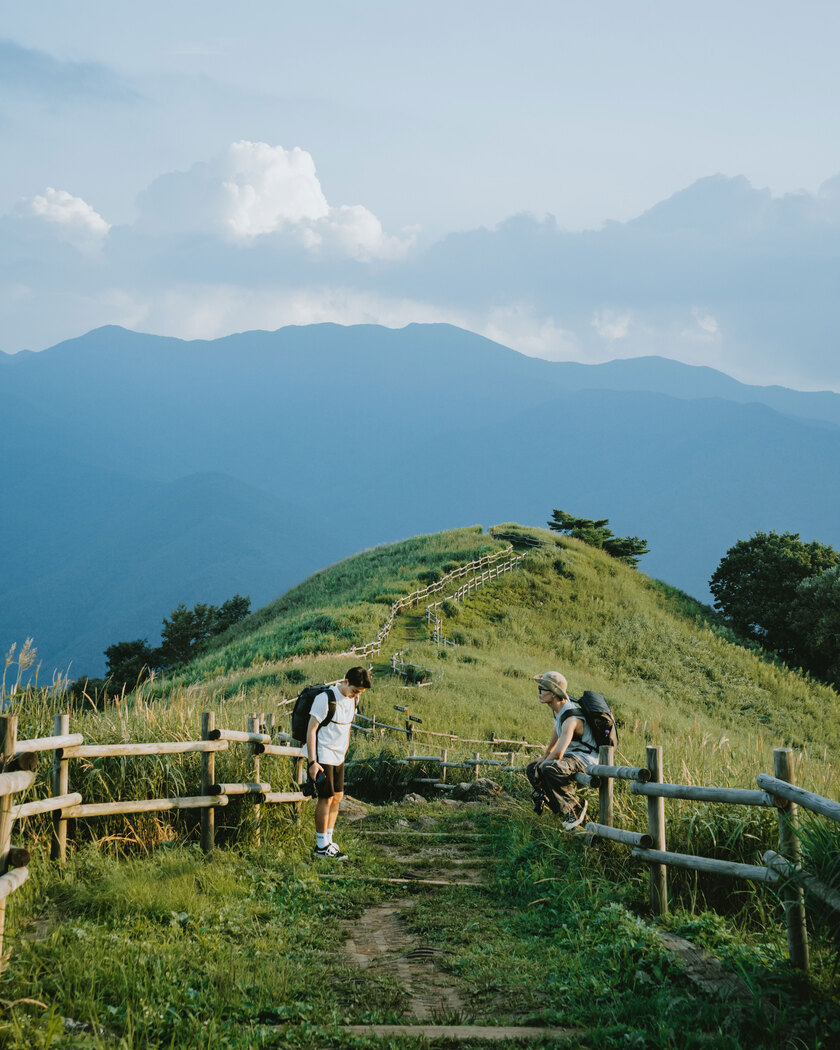
Open up to the people around you.
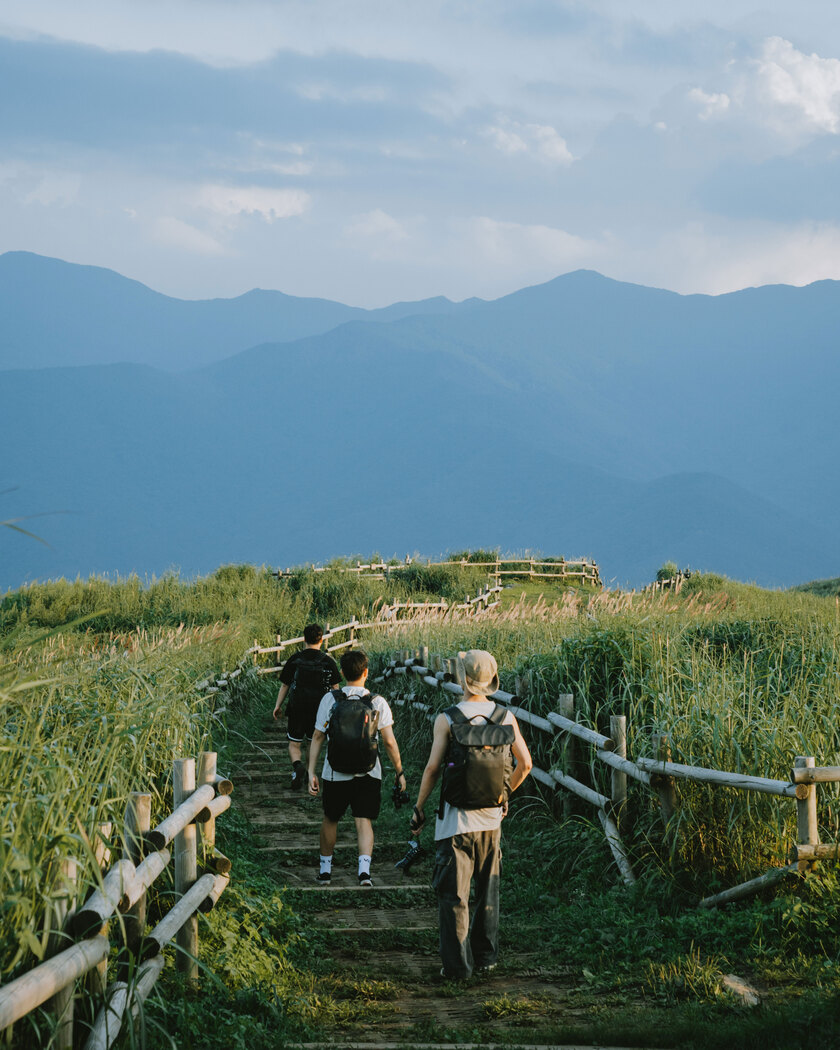
And open yourself up to yourself.
Speaking about healing tourism, Duc Toan believes it's a journey to find places where one's heart truly belongs. For him personally, it's about exploring nature and capturing beautiful moments. Perhaps everywhere, people need a break after tiring days of work and life. His break comes from beautiful memories, and he wants to share those moments with everyone through photography, viewed from the most positive perspective.

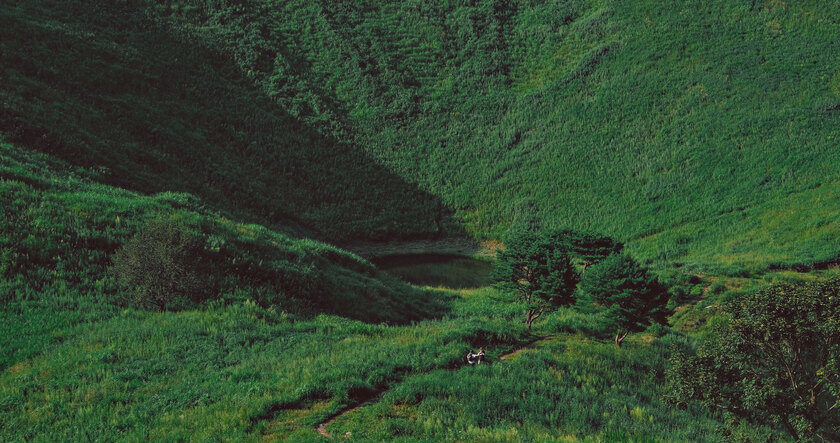
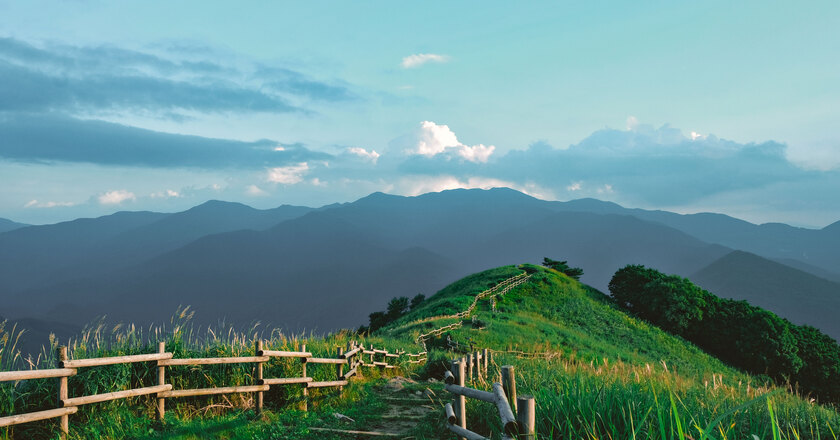
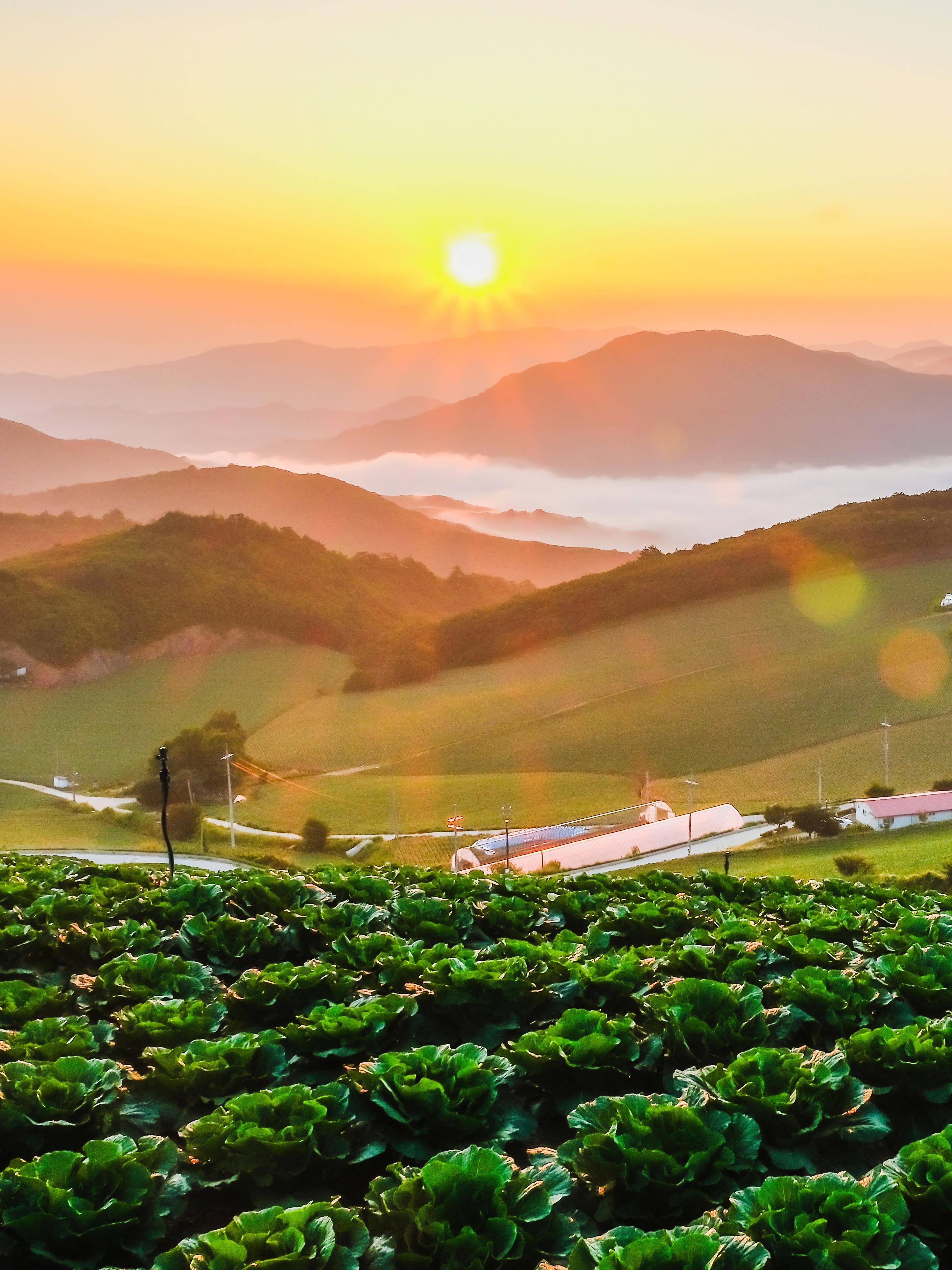
The green color of the mountains, forests, and trees brings a sense of peace and tranquility to the soul.
That green color doesn't just come from the mountains, forests, and vegetation, but also from the freshness and coolness of the people Duc Toan was fortunate enough to meet and accompany throughout his journey. "Thanks to them, I've become a better person, more open-minded, and the photos with gloomy tones have become brighter day by day," he confided.
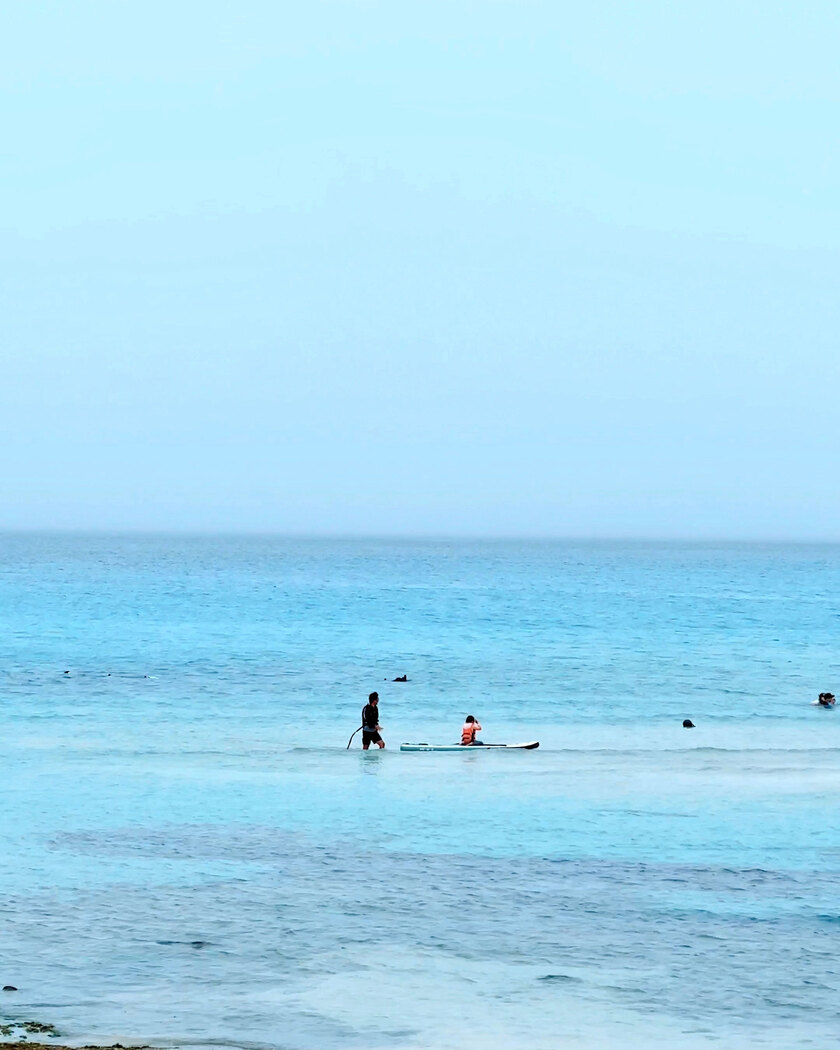
The dominant colors in Toan's films lean towards shades of blue.
For this travel-loving young man, South Korea is now not only "pink" but also "green." This is also reflected in the photos and videos he takes. "I like to seek out peaceful villages and beautiful beaches. That's why the dominant colors in my photos lean towards shades of green. But overall, South Korea has a full spectrum of colors across all four seasons, each season having its own unique charm and appeal," he shared.
COLORFUL SOUTH KOREA
In my opinion, the unique beauty of each season in South Korea lies in the distinctive colors and weather of each time of year.
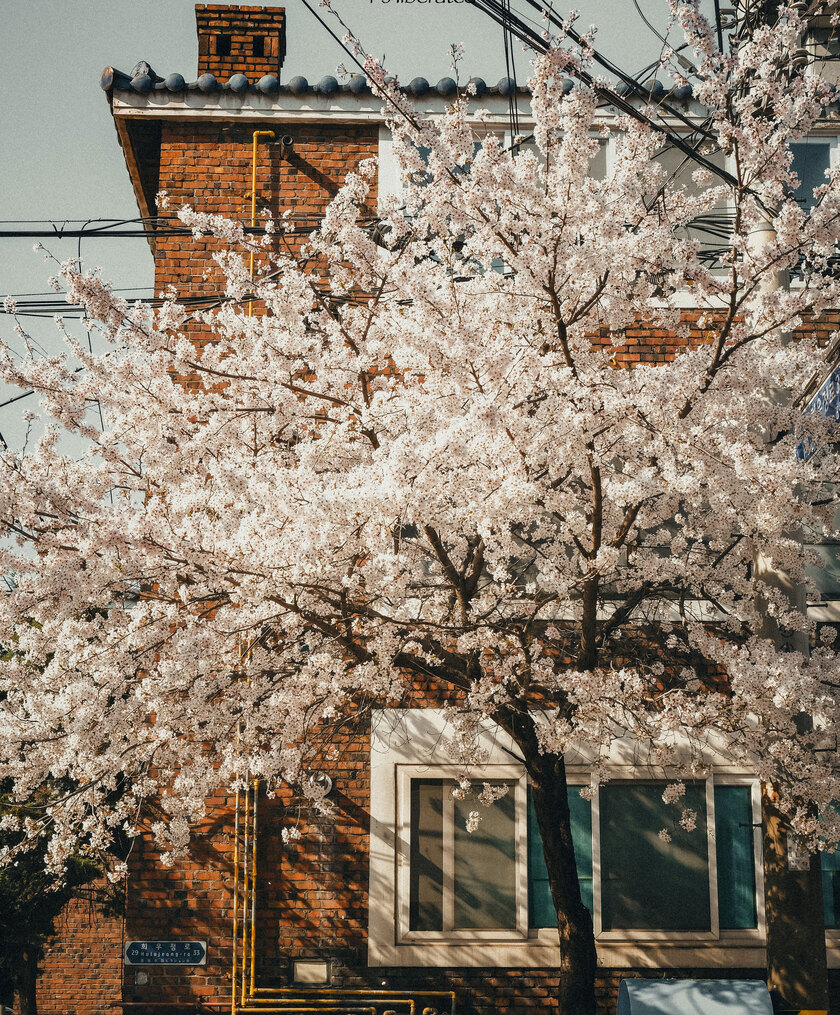
Korean spring.
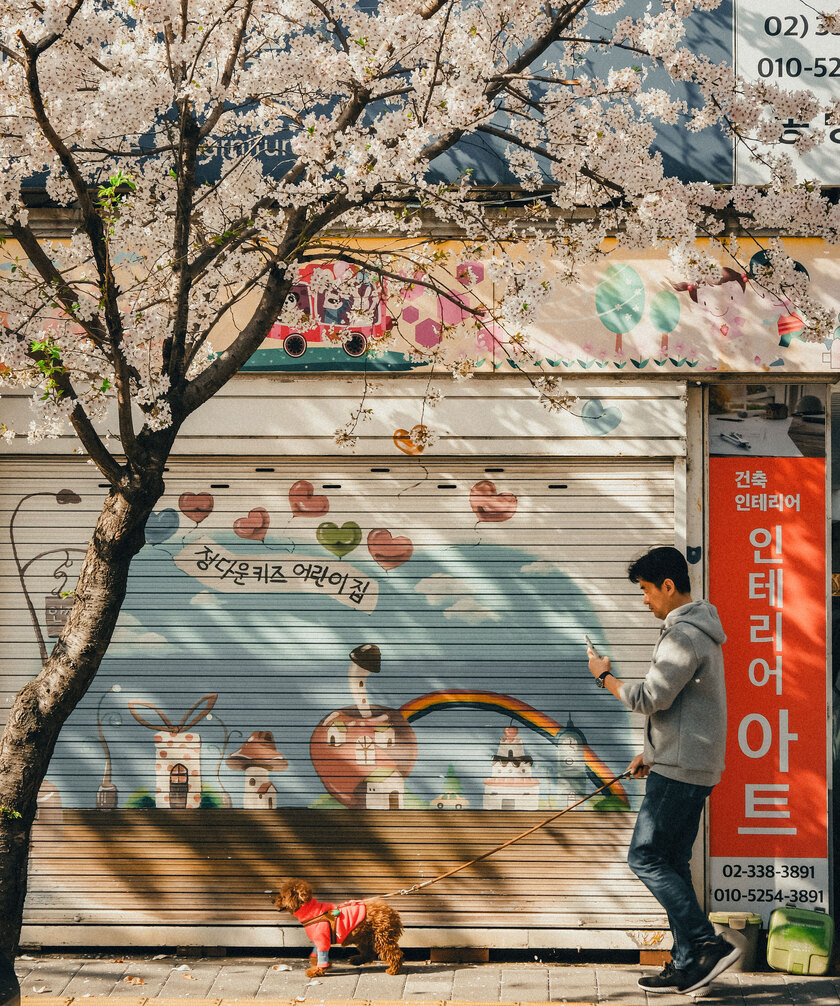
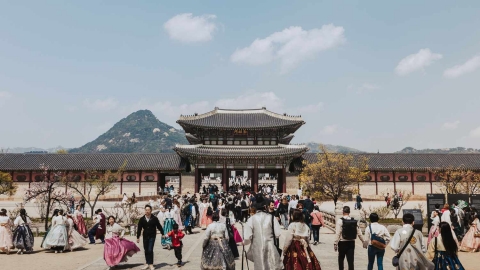
The entire land of cherry blossoms was enveloped.
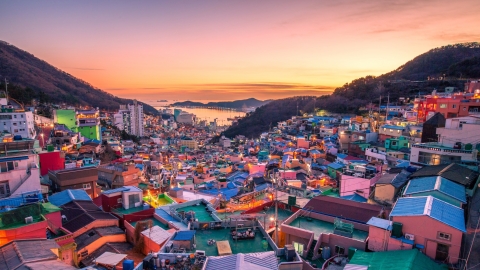
Spring in Korea blankets the landscape in pink and white cherry blossoms, covering every street and corner. Summer arrives, transforming the country into a vibrant green. With warm sunshine and lush greenery, people flock to the sun-drenched, breezy coastal regions. Korea has distinct East and West coasts, each with its own unique characteristics. While the East coast boasts blue seas and white sands, particularly in Gangwon-do and Jeju Island, the West coast offers breathtaking sunsets in places like Incheon and Ansan.
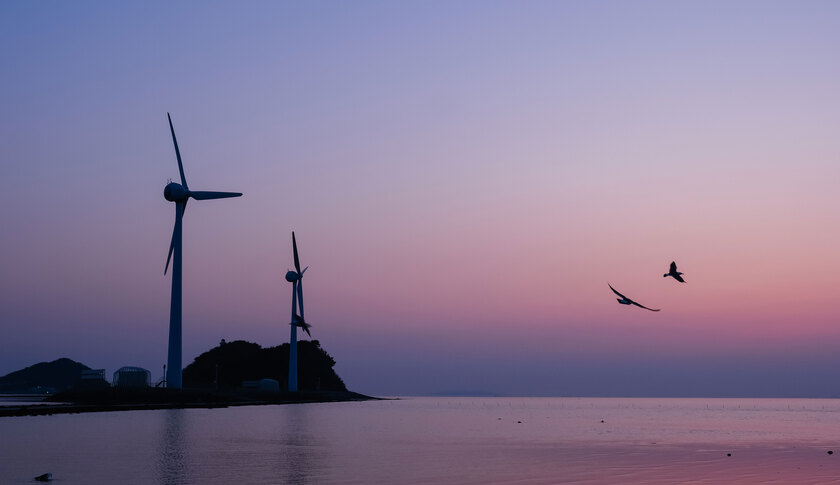
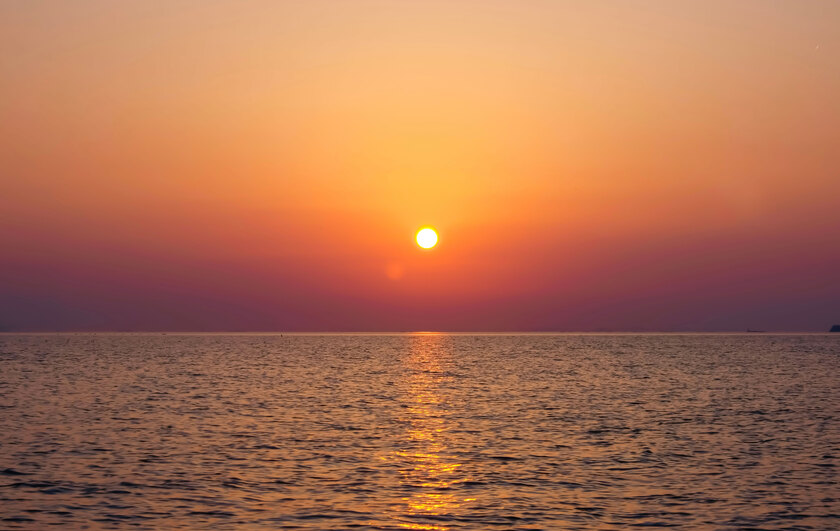
As summer arrives, people flock to coastal cities.
After a scorching summer, when temperatures drop sharply for about a week, causing leaves to change from green to yellow and red, it signals the arrival of autumn. The weather gradually cools, and the entire country is bathed in the golden and red hues of trees, creating a scene as beautiful as something out of a movie. South Korea is currently in the middle of autumn, a time when many tourists choose to visit. Korean autumn lasts only about 2-3 weeks, arriving and departing quickly, bringing breathtakingly beautiful emotions and leaving behind feelings of nostalgia and regret.
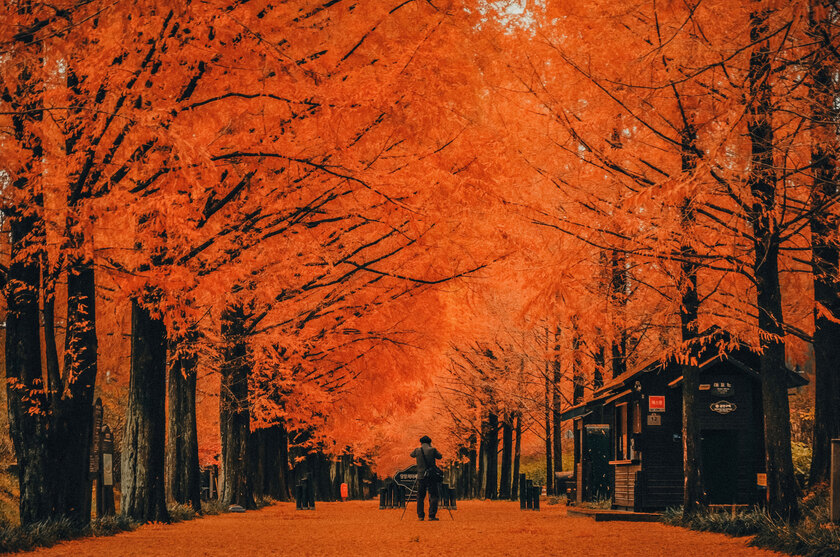
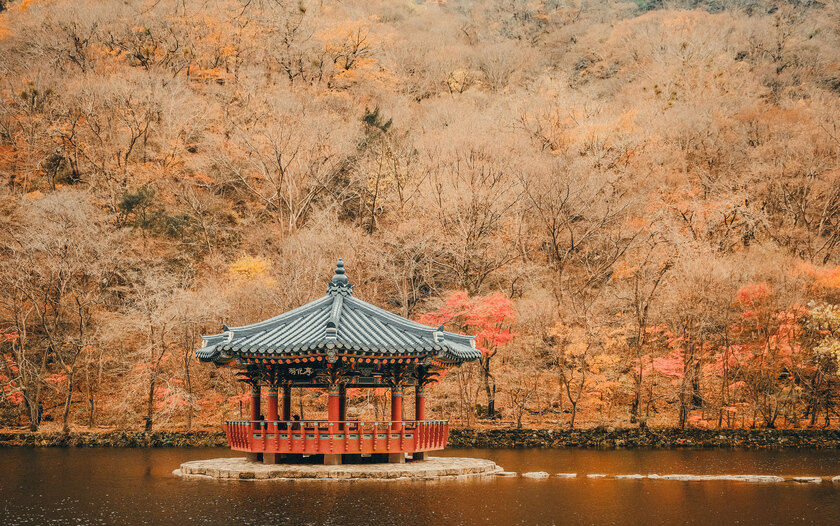
Autumn is considered the ideal time to travel to South Korea.
In winter, South Korea is covered in a gray-white hue with falling snow and a gloomy sky. Through movies, the Korean winter evokes a longing in many who love the cold and snow. However, in reality, if tourists travel during this time, the weather will not be favorable for sightseeing and participating in recreational activities.
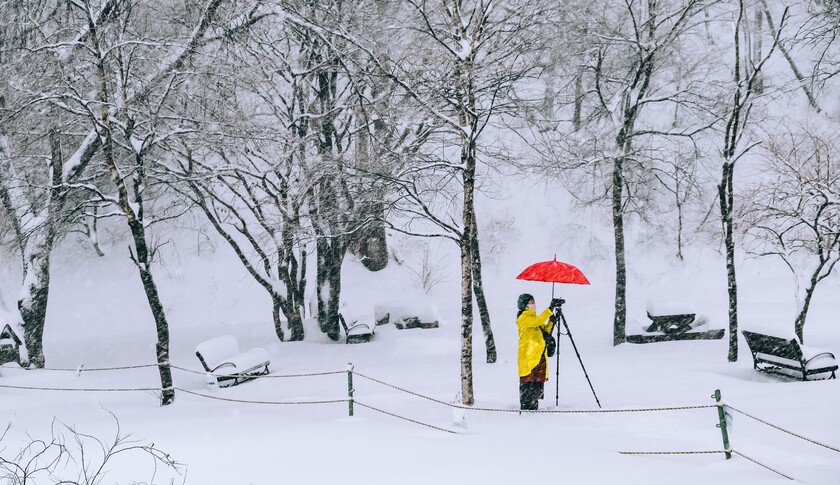
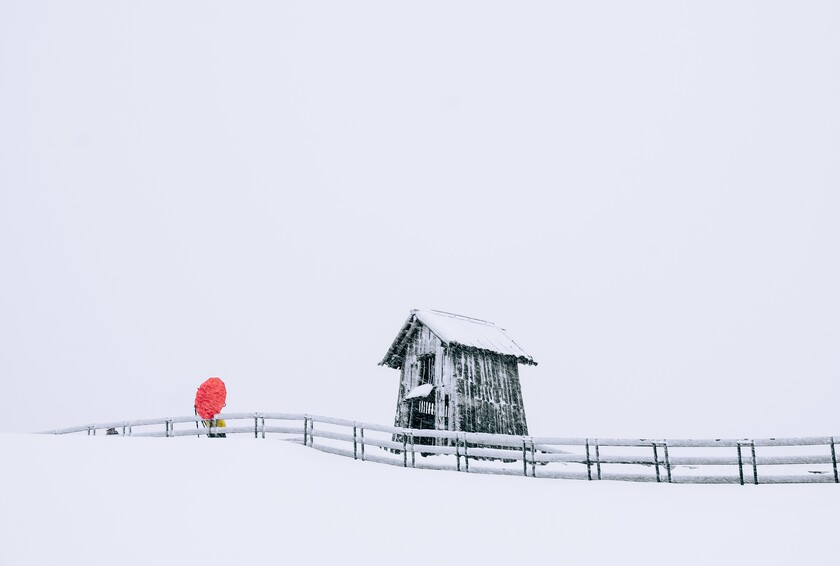
Winter, blanketed in white by snowfall, also has its own unique beauty.