VI
VI


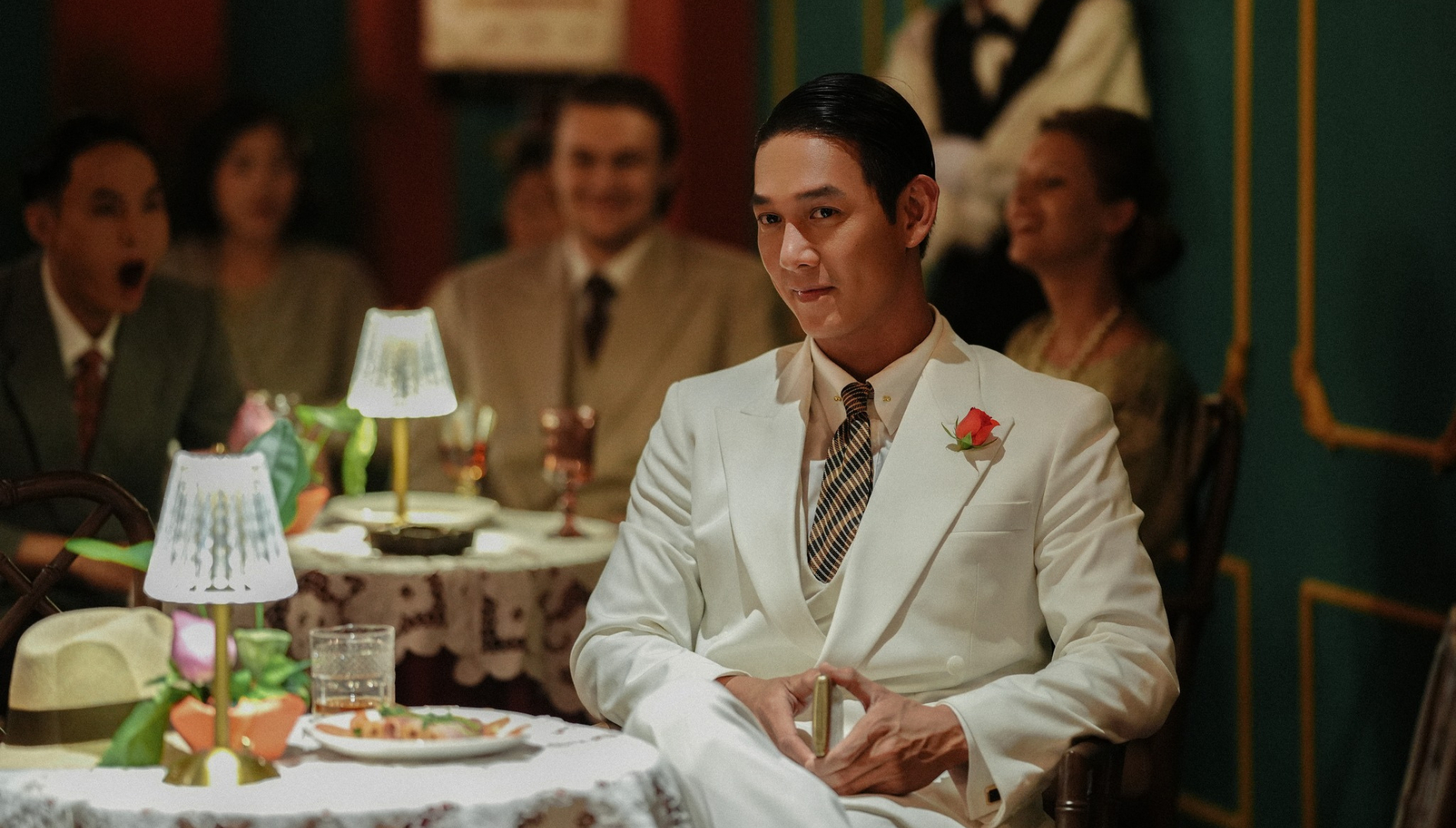
Audiences will be able to admire unique architecture, magnificent costumes, and exquisite artifacts, all meticulously crafted to authentically recreate a turbulent period of history. At the same time, the film showcases artistic creativity through its character development, captivating storytelling, and stunning cinematography, offering a cinematic experience that is both historically rich and artistically significant.
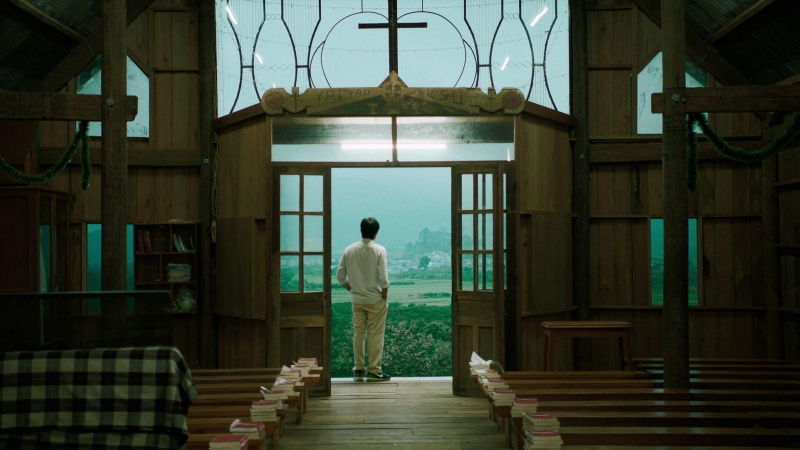

"Beauty is unforgettable; it is only reborn through time."
The story begins when Ba Hon (Song Luan), a spoiled young man, returns to his hometown after years of studying in glamorous France. Carrying the free-spiritedness of Europe, Ba Hon returns to Bac Lieu with a different demeanor. He is the beloved son of Councilman Linh (Meritorious Artist Thanh Loc), one of the most powerful and wealthy figures in the region, and also the owner of the first bank in Vietnam at that time.
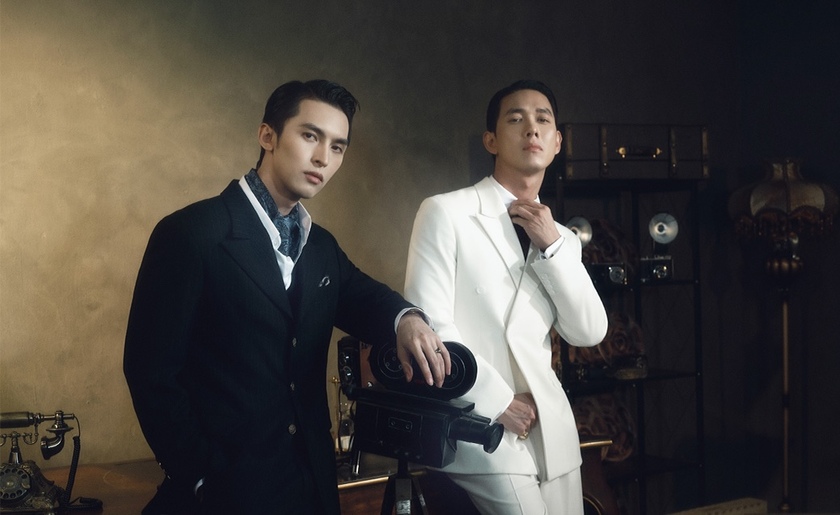
The screenwriter drew inspiration for the script from the life story of "the Prince of Bac Lieu" - whose real name was Tran Trinh Huy (1900-1974), famous in the early 20th century for his extravagant lifestyle.
Born into a life of luxury, Ba Hon spared no expense on extravagant pleasures and debauchery, displaying a lifestyle of unparalleled indulgence. However, life is not always a rosy dream. Excessive extravagance and ambitions beyond control plunged Ba Hon into a spiral of tragedy, even threatening the prosperity of his entire family.
The Prince of Bac Lieu, a name that has become legendary in Vietnamese culture. His fame spread so widely that not only people in the Mekong Delta but also throughout the country knew the anecdotes about his life. Stories such as burning money to make tea, owning a private plane, or organizing extravagant parties painted an image of a wealthy, flamboyant, and reckless man. If American literature has "The Great Gatsby," then Vietnam has the Prince of Bac Lieu, a character with comparable appeal.
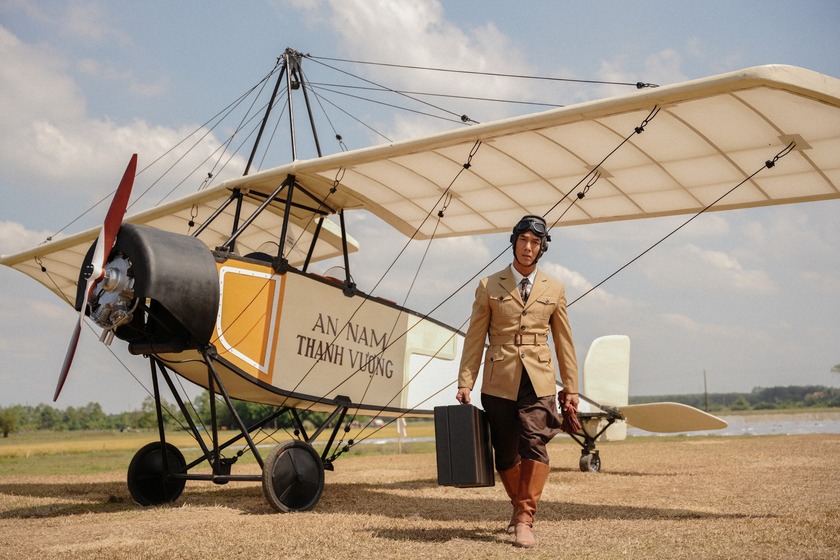
The wealthy young man from Bac Lieu is famous for his nickname "the ultimate flamboyant playboy".
Therefore, adapting his life to the big screen was inevitable and highly anticipated by audiences. What's special is that the film doesn't follow a dry narrative style, focusing solely on historical events. Instead, the team skillfully incorporated creative and humorous elements, breathing new life into the familiar story and transforming "The Prince of Bac Lieu" into a film that is both culturally valuable and highly entertaining, especially targeting a younger audience.

The film scores points for its stunning recreation of early 20th-century Southern Vietnam, with meticulously crafted settings and costumes. To fully immerse the audience in a vibrant and authentic cinematic world, the production team of "The Prince of Bac Lieu" took a bold step: investing over 10 billion VND in the set design. This investment is not just a number, but a testament to the seriousness and professionalism of the entire team. The set design process was implemented systematically and on a large scale, involving five talented design teams and over 200 skilled workers.
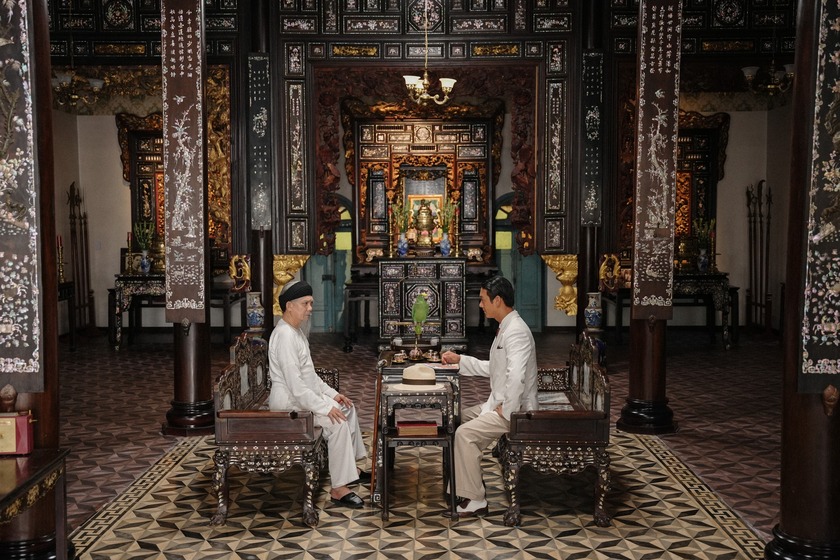
A traditional Southern Vietnamese setting is recreated authentically and vividly.
Over the course of three months, they worked tirelessly to recreate key spaces, from bustling streets to magnificent villas, authentically recreating the old Bac Lieu. A special highlight of the production process was the team's decision to film at the real-life villa of the Bac Lieu Prince's family. This not only ensured the film's visual authenticity but also provided profound historical and cultural value, allowing viewers to better understand the living space and personality of this legendary figure.
Setting is a crucial element contributing to the success of a historical film, and "The Prince of Bac Lieu" brilliantly demonstrates this. The French Consulate, a building steeped in history, was chosen as the location for the tense dialogues between Ba Hon's family and the French authorities. Remarkably, this is not a reconstructed building, but the only remaining intact French-style villa in Vietnam, possessing invaluable historical and architectural value.
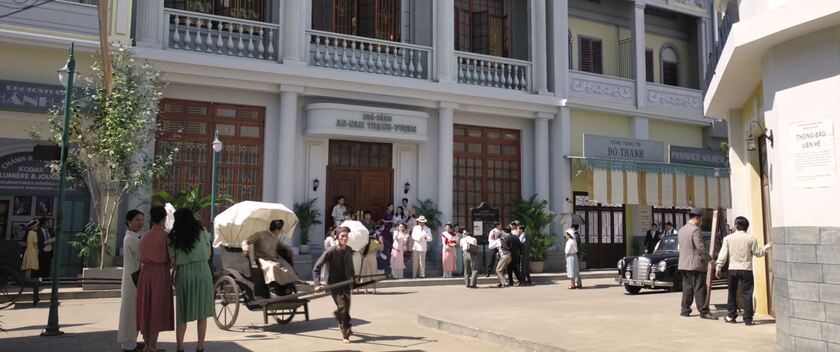
From the characters to the film's color palette, everything was meticulously prepared by the filmmakers.
The exquisite architectural details, from patterns and motifs to interior design, were authentically captured by the camera, creating footage that was both nostalgic and contributed to the climax of the story. In addition, the old house of Mr. Ba in Can Tho was chosen as the setting for the house of Mr. Ba Ho Kim. This ancient and culturally rich Western Vietnam setting not only enhances the overall picture of the film but also plays a crucial role in portraying the complex relationship and intense conflicts between Mr. Ba Ho Kim and Mr. Hoi Dong Linh.
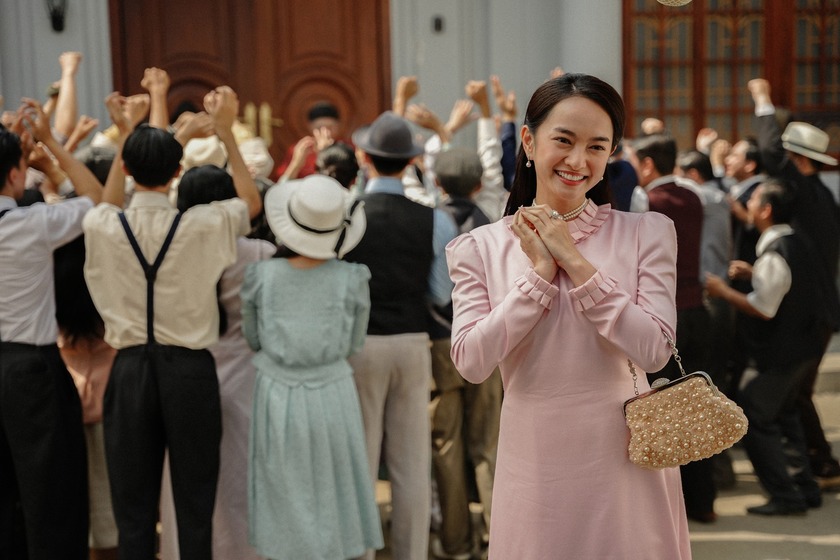
The characters' appearances are strongly influenced by a historical period.
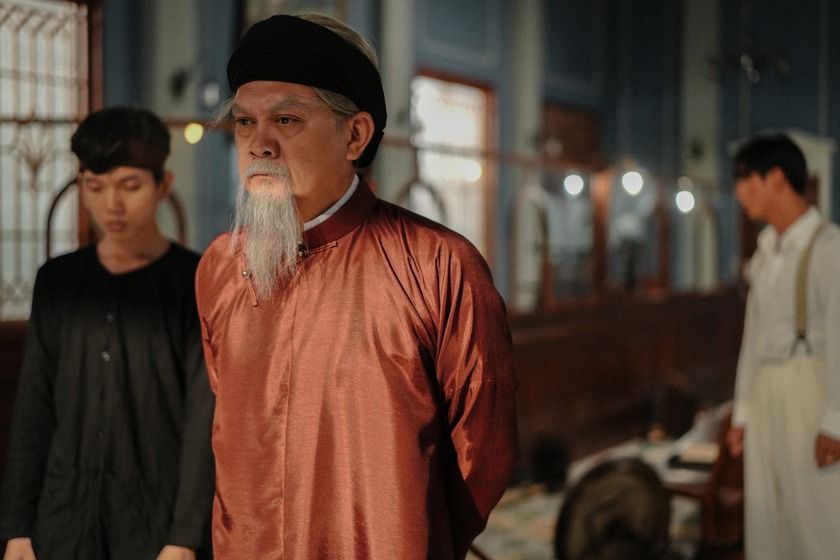
Clearly, the settings recreated in "The Prince of Bac Lieu" are not merely aesthetically pleasing, but a harmonious blend of modern technology and creative spirit based on respect for history. The team skillfully utilized the most advanced film technologies to vividly and authentically recreate the cultural space of Vietnam in the early 20th century. However, what is commendable is that they did not overuse special effects, always prioritizing historical accuracy and ensuring the authenticity of every detail. Therefore, alongside the film's release, Pink Film Studio is organizing an art exhibition titled "The Prince of Bac Lieu" to allow audiences to have a multifaceted perspective.
The exhibition recreates the atmosphere of old Southern Vietnam as seen in the film "The Prince of Bac Lieu".
The film crew specifically introduced to the audience a completely new perspective, an aspect often overlooked but incredibly important in film production: art design. More than just visually appealing images on screen, art design is the soul of the film, contributing to the setting, time, and atmosphere of the story.
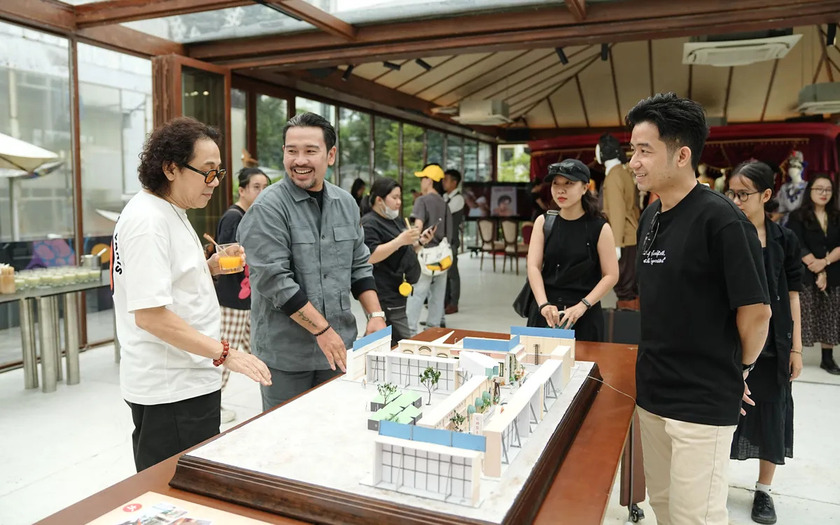
The artistic elements showcased in the films currently showing in theaters will be brought together at the exhibition "Once Upon A Time In Indochine".
It encompasses everything from setting, costumes, props, lighting, color… and plays a crucial role in conveying the film's message and emotions to the audience. This exhibition will open a door, allowing the public to gain a more multifaceted and insightful understanding of the meticulous and creative process of creating the vivid and realistic settings in a nearly two-hour-long film.
The exhibition "Once Upon A Time In Indochine" features exhibits arranged according to historical research, exploration, and comparison, aiming to help viewers understand the artistic essence and the story behind each frame, encompassing all stages: concept, script, imagery, color and lighting, music and sound, character design, makeup and costumes, setting, props, special effects, promotion, and film communication.
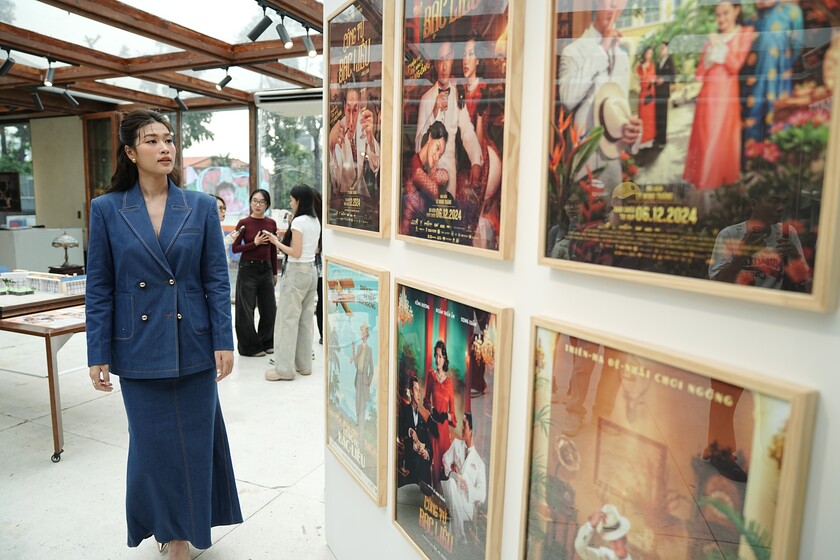
The exhibition will offer the public a more multifaceted and insightful perspective on the process of creating the film's setting.
At the "Once Upon A Time In Indochine" exhibition, visitors will have the opportunity to witness firsthand the meticulous craftsmanship and dedication of the entire team through each exhibit. From the smallest details of the setting, such as a table and a tea set, to the magnificent costumes meticulously designed, everything is vividly and authentically recreated, helping visitors clearly visualize the space and time of the story. The exhibition is not simply a display of artifacts, but also a recreation of wonderful moments from a unique anecdote, taking viewers back in time to a colorful Bac Lieu of the past.