VI
VI


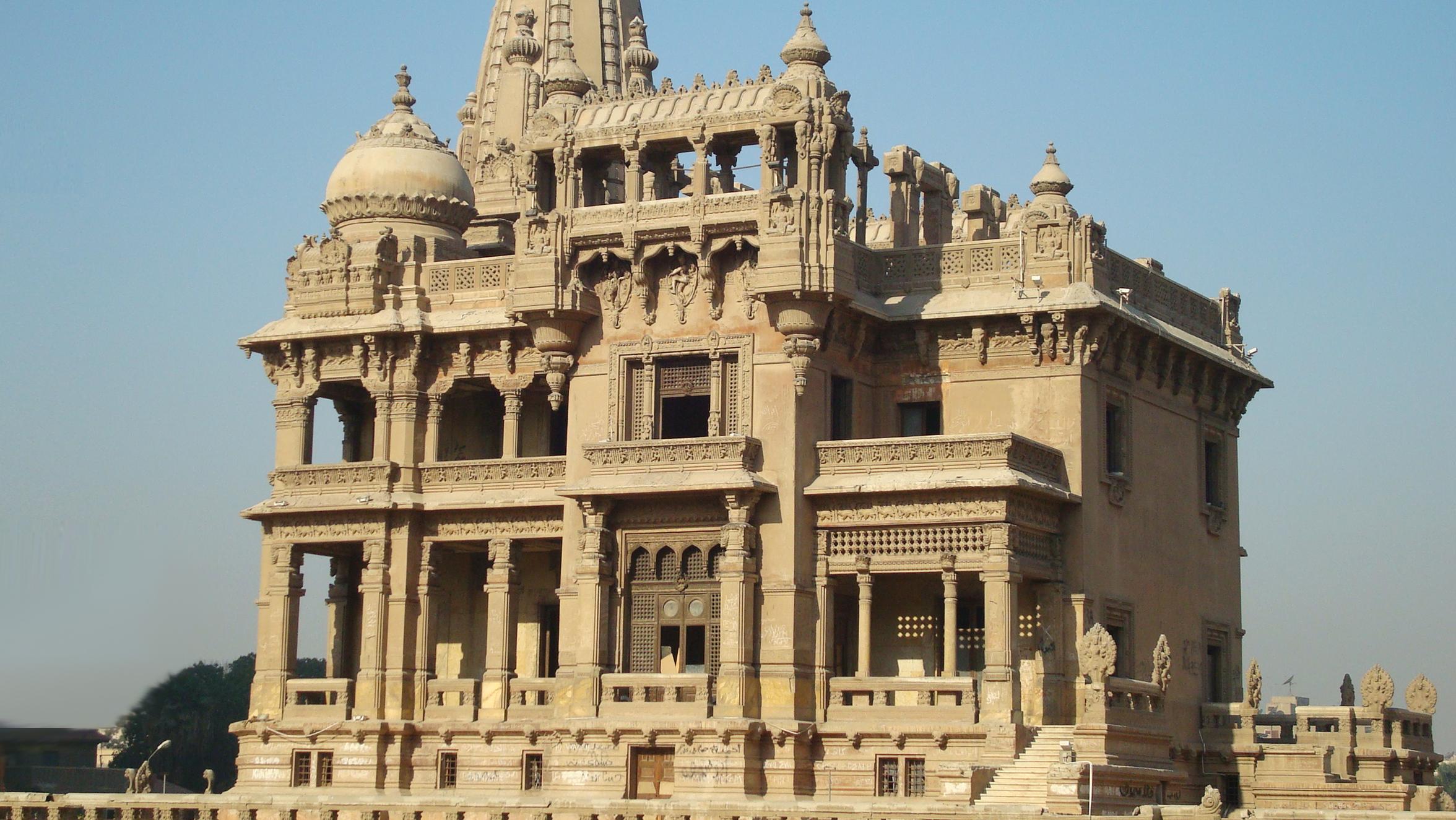
The Baron Empain Palace – also known as "Le Palais Hindou" or the Hindu Palace – was built by the Belgian millionaire, Baron Edward Empain, in 1911, in the Heliopolis district of Egypt.
The magnificent palace subsequently fell into disrepair after Empain's death in 1929, and for many years afterward, amidst protracted disputes over ownership, it was leased for use as a social event or film set, according to Reuters.
Currently, Egypt's Ministry of Antiquities has confirmed that restoration efforts, carried out by the National Armed Forces Engineering Agency, for the monument are 85% complete. The ministry stated that the ceilings, marble columns, doors, ornate windows, and a series of statues have all been fully restored.

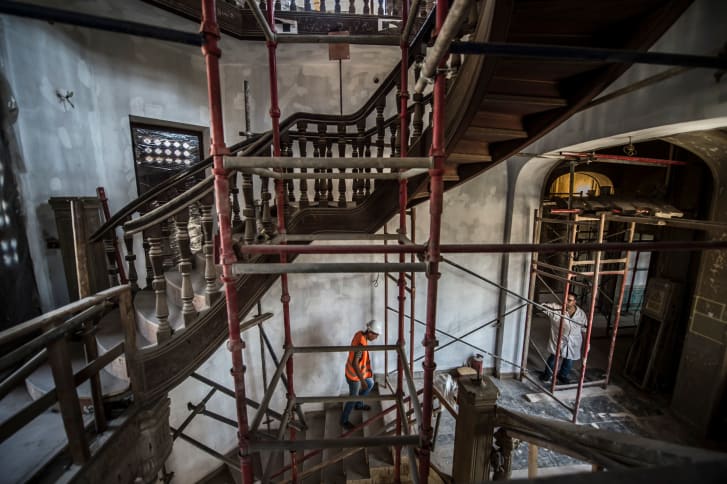
The restoration of the Baron Empain Palace in Heliopolis, Cairo, Egypt, is nearing completion.
The restoration will largely preserve the existing state of the Palace along with new renovations; however, some features, including the iron fence built around the Palace in 2006, will be removed as they are considered incompatible with the current aesthetics of the building.
Following extensive restoration work costing approximately $6 million, the palace will reopen in October of this year, according to the state news agency Al Ahram.
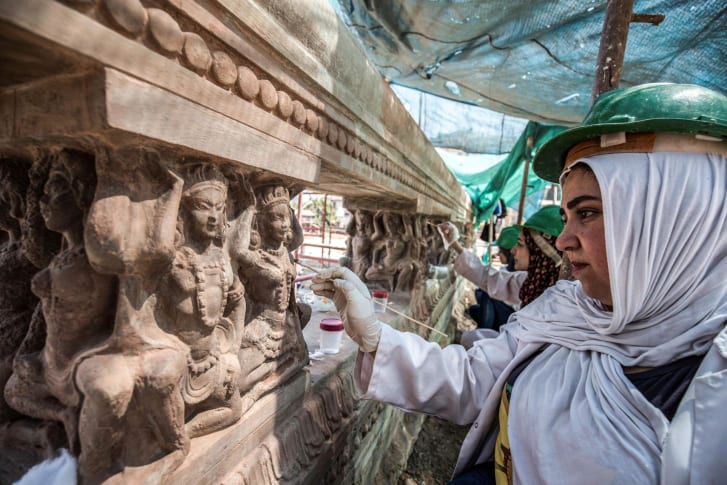
Archaeologists are working to restore the relief sculptures at the historic "Le Palais Hindou".
Nevertheless, the restoration has sparked some controversy. Al Ahram reported that the structure was painted a "scorched red," and several organizations have strongly criticized the new look. For example, a Facebook group called "Egyptian Historians" described it as a "blasphemy." Others, including the government, however, defended the color, arguing that it was historically accurate.
"The colors of the Baron Empain Palace facade are completely identical to the original," said Hisham Samir, technical advisor to the Minister for Antiquities. "The restorers took all necessary steps, from testing, analysis, and research of architectural documents and images of the wear and tear to developing a suitable plan, and working on samples in realistic restoration methods," he added. "Based on this, the restoration work on the facades was carried out correctly and sufficiently according to what was discovered regarding the original colors – which had been adversely affected by the weather over time."