VI
VI


The ban will take effect from January 2020, and local authorities will coordinate with tour companies, airlines, and the Nepal Mountaineering Association to enforce it. “If we start now, we will be able to keep Everest and the surrounding mountains clean,” said local official Ganesh Ghimire.
Mountaineers are a significant source of tourism revenue for Nepal – including both experienced climbers and amateur climbers who rely on guides to lead them to the summit. The Nepalese authorities also require a permit from all climbers, which comes with a substantial fee.
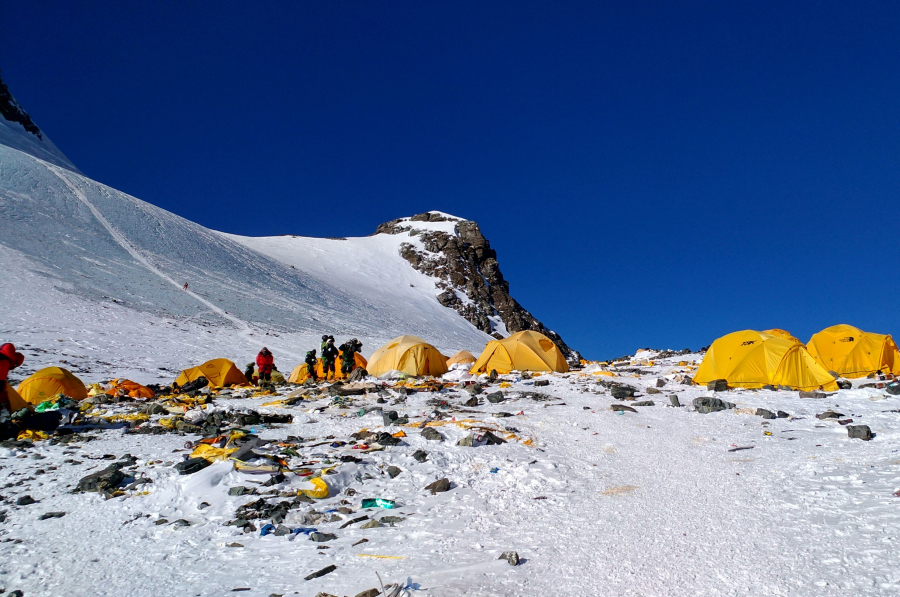
According to AFP, more than 50,000 tourists visit the area each year, including mountaineers and hikers. Six years ago, Nepal implemented a regulation requiring each Everest climbing team to deposit $4,000 (over 93 million VND). This money will be refunded if each team member brings back at least 8 kg of trash.
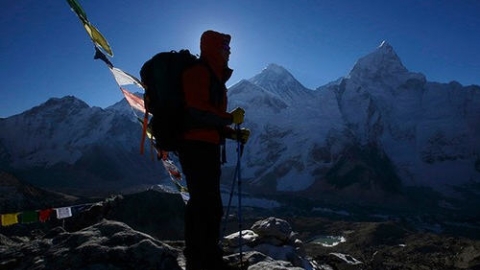
Mount Everest (also known as Chomolungma) is the highest mountain in the world (8,848 meters). The route to the summit of Everest is on the border between Nepal and Tibet (China).







.jpg.jpg)
(Copy).jpg.jpg)
.jpg.jpg)
.jpg.jpg)


.jpg.jpg)