VI
VI


Chau Doc's cuisine continues to inspire visitors with its attractive dishes and specialties when they set foot in An Giang. Below, Travellive introduces readers to the must-try street food dishes when visiting this place, known as the capital of fish sauce in the Western region.
1. Chau Doc Fish Sauce
Famous for its abundance of shrimp and fish, Chau Doc always has a plentiful supply of ingredients for making fish sauce. It is also renowned for its flavor and quality that is unmatched anywhere else. The two most common methods of making fish sauce are drying or fermenting.
Upon arriving at Chau Doc market, you'll immediately be greeted by the distinctive aroma of various types of fermented fish paste and overwhelmed by the hundreds of stalls. Almost every type of fermented fish paste found in the Southwestern region of Vietnam can be found here. Further inside, you'll admire hundreds of famous fermented fish pastes from the Mekong Delta, such as: Thai-style fermented fish paste, Chén fermented fish paste, Chốt fermented fish paste, Linh fish paste, Chốt fish paste, Snakehead fish paste, and fermented cucumber and eggplant paste... In addition, many famous traditional recipes have been passed down through generations, creating unique flavors for each type of fermented fish paste.
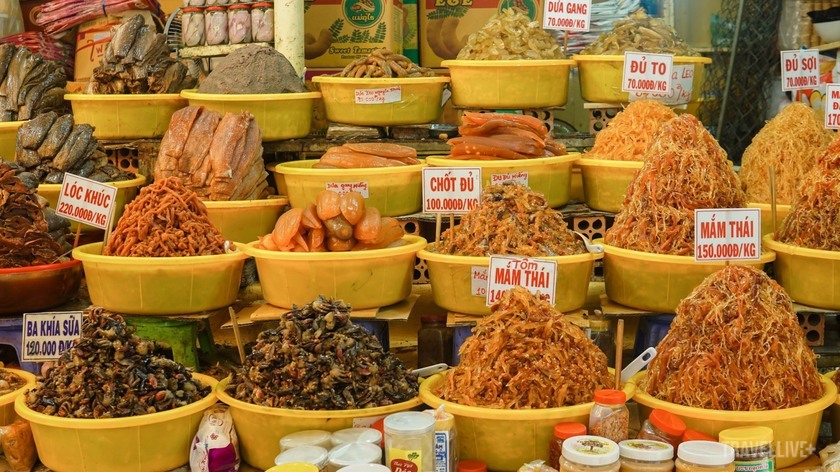
A paradise of various types of fish sauce at Chau Doc market.
It is known that the price of fish sauce here is more affordable than the market price, seemingly only 1/2 or 1/3 of that elsewhere, ranging from 50,000 to 300,000 VND/kg. For those who love fish sauce, this is the ideal place to freely buy many types of fish sauce to enjoy or give as gifts. Besides famous fish sauce products, there are also various types of dried freshwater fish, such as: snakehead fish, catfish, gourami, loach, mudfish, and anchovies…
The owner of the "Ba Giao Tham" shop at An Giang market said: "The busiest time of year is usually January and February. Depending on each person's taste, they will have a different preference, because fish sauce is very diverse and abundant. Thai-style fish sauce is perfect with vermicelli and raw vegetables, while Linh fish sauce is suitable for fish sauce hotpot..."
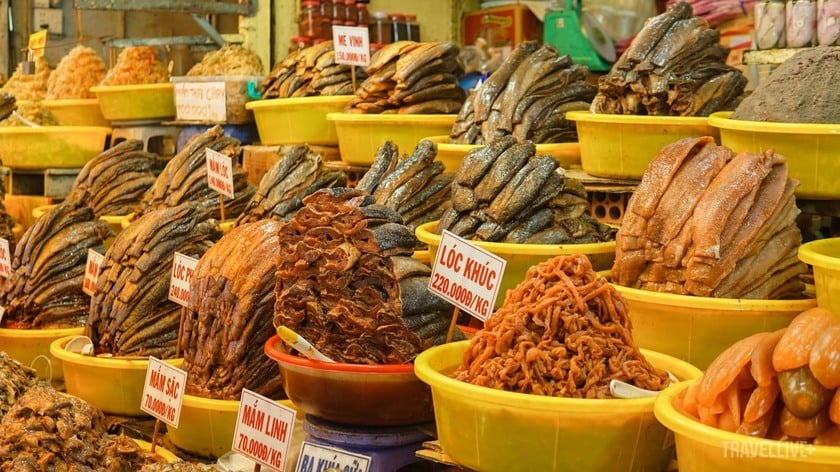
Besides the famous fish sauce products, there are also various types of dried processed freshwater fish...
2. Crushed Canarium fruit
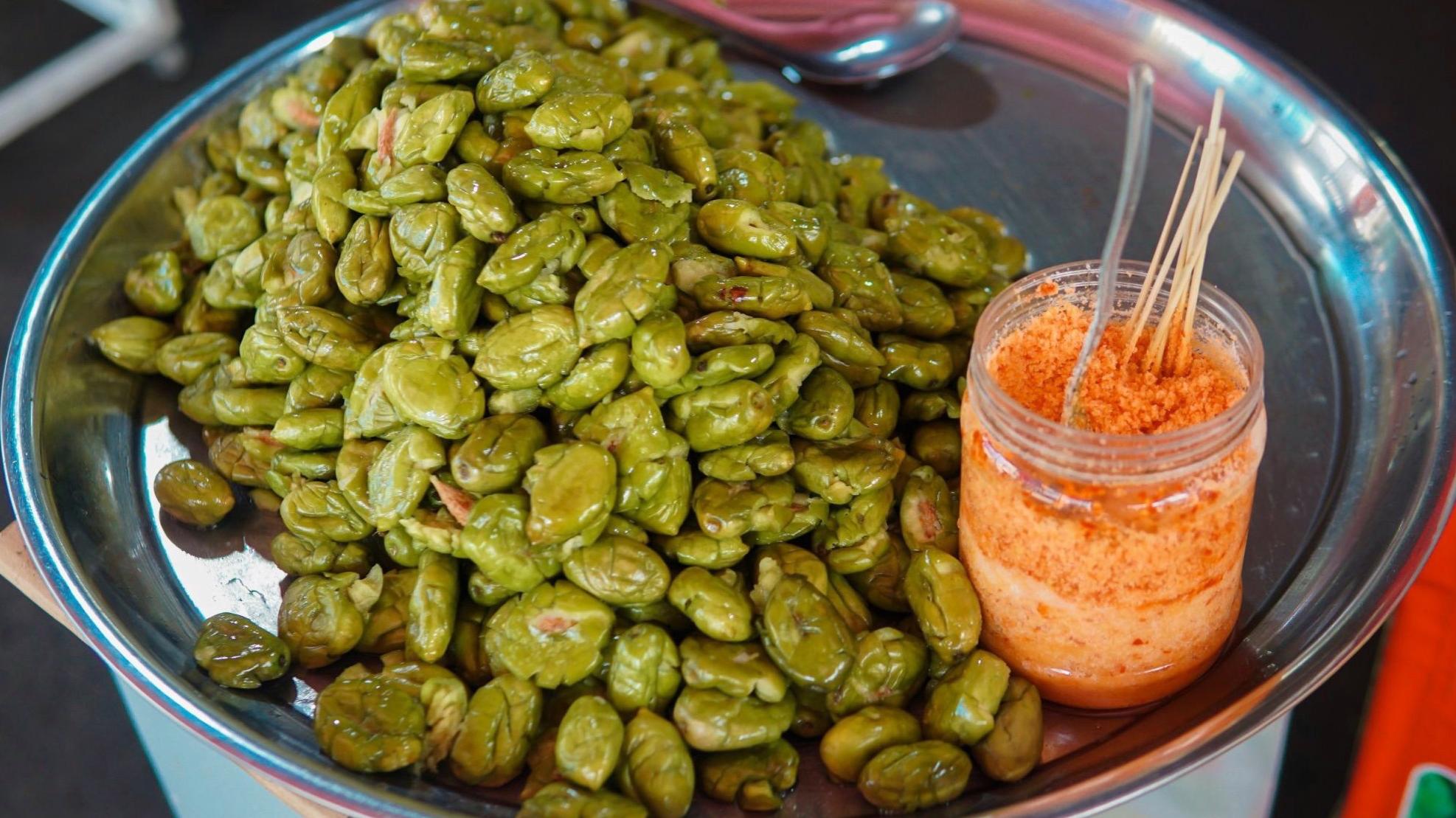
If you have the chance to visit An Giang, it's not difficult to spot this fruit being sold everywhere, from traditional covered markets to street vendors. That's the carambola fruit, a simple, rustic gift from nature, and one that local people utilize to create many irresistible dishes.

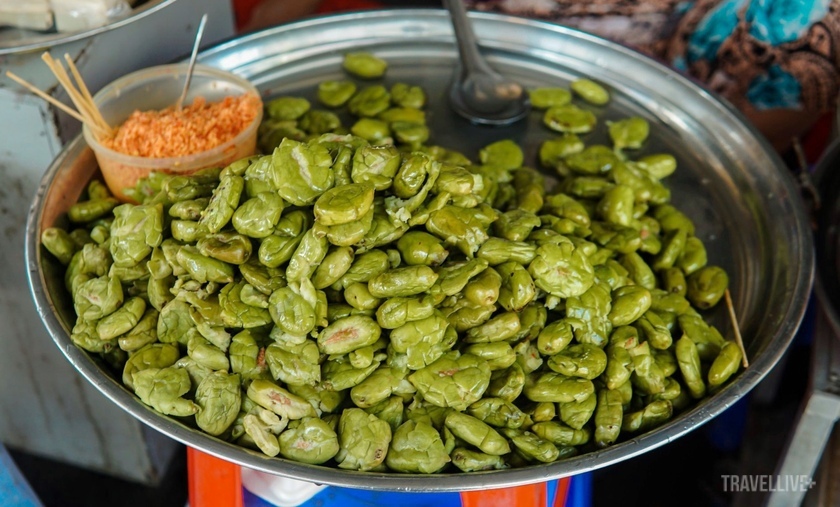
Crushed carambola eaten with salt and chili, the sweet and crunchy combination leaves a captivating aftertaste.
Crushed carambola is made from fresh carambola fruit that has been crushed, squeezed to remove excess water, and rubbed to remove the astringent taste. It is then mixed with sugar and left for a few hours before being ready to use.
Locals at Chau Doc market said: "Preparing carambola requires skill so that the fruit isn't crushed too badly, retains its fresh green color after rubbing and squeezing out the juice, but still has its original flavor and remains crunchy. Crushed carambola eaten with salt and chili is both sweet and crunchy, creating a very appealing flavor."
At Chau Doc market, salted carambola costs around 70,000 VND/kg. Stalls in the market also sell many other types of carambola, such as salted carambola, carambola pickled in fish sauce, and carambola candied in sugar, all incredibly appealing...
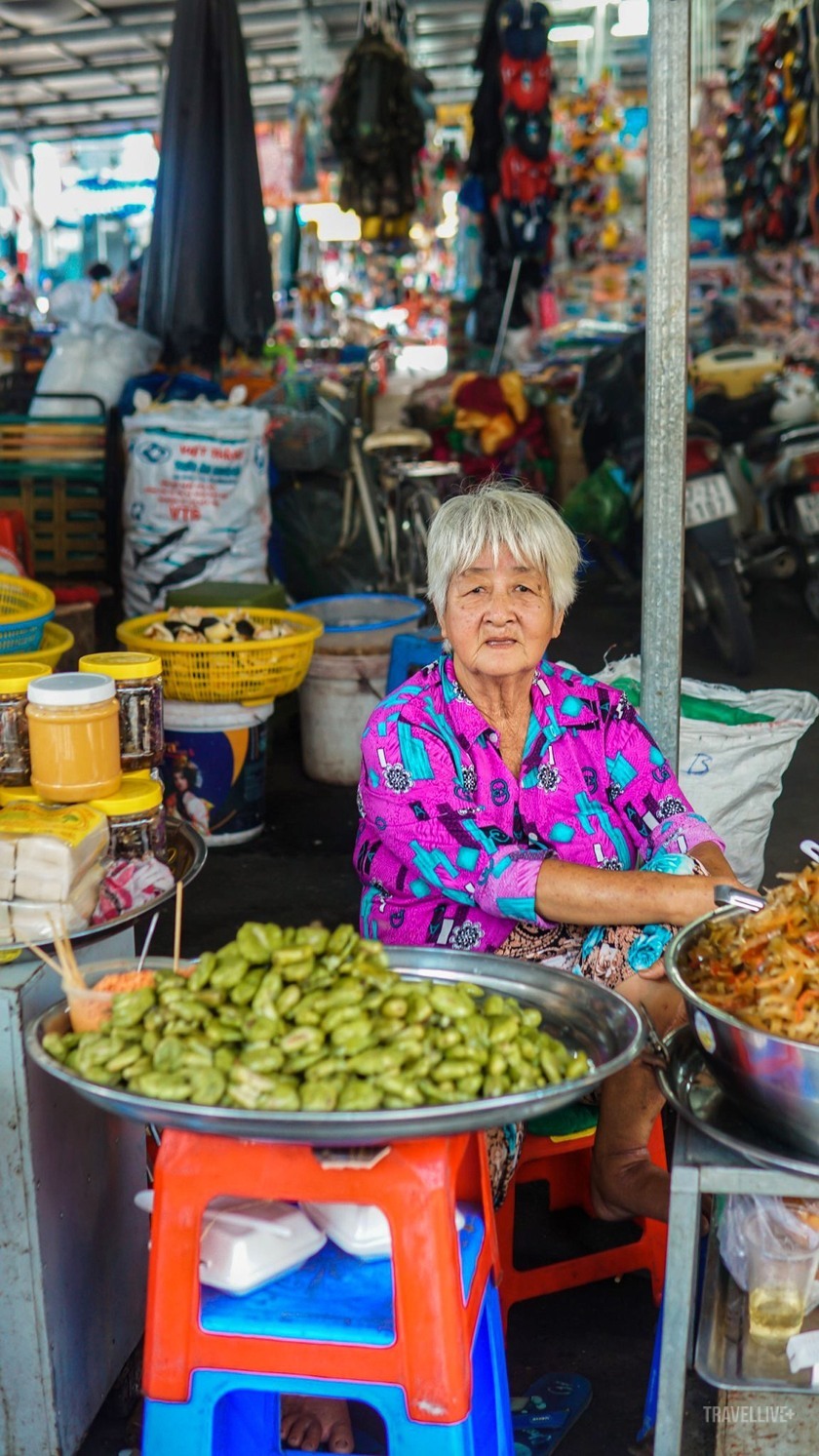
To prevent An Giang's crushed carambola from being sour and bitter, the preparation must be very thorough.
The carambola tree is commonly found in the southwestern provinces of Vietnam, especially in Chau Doc, An Giang. Around July or August of the lunar calendar each year is the flood season and also the carambola harvesting season. The carambola fruit is oval-shaped, about two finger lengths long. Unripe carambola has a dark green skin and a characteristic astringent taste, while ripe fruit is light yellow and sour.
3. Types of pastries
With countless snacks scattered throughout Chau Doc market, sweet treats like palm sugar cakes, pork skin cakes, sponge cakes, and rich, fragrant pandan leaf cakes with coconut milk... all are dishes with flavors that attract countless food lovers of the Mekong Delta. A major advantage of the sweet treats in Chau Doc market is their relatively low price, starting from just 5,000 VND. Customers can easily stop, choose, buy, and eat them in many areas along the small streets of the market.
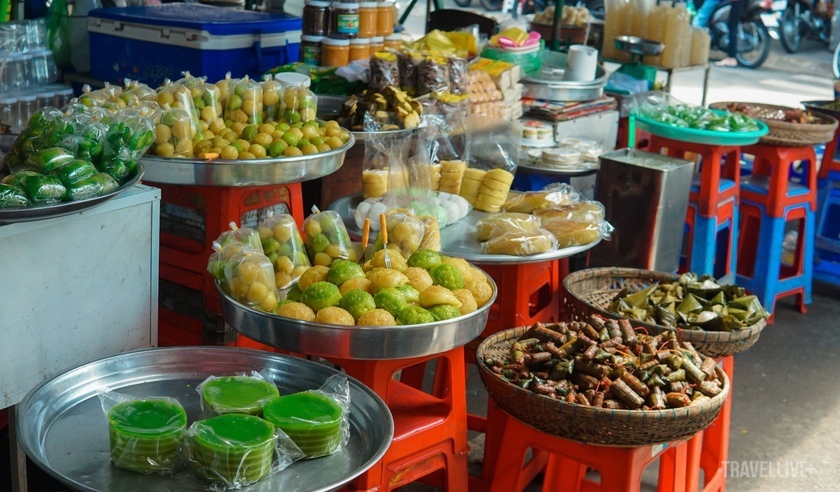
Visitors shouldn't miss the stalls selling a wide variety of pastries, including: steamed rice cakes, pork skin cakes, sponge cakes, and more.
In particular, palm sugar rice cake is a specialty of the Bay Nui region of An Giang province. The cake is handmade with the special ingredient of palm sugar, giving it a rich, delicate flavor and a distinctive sweetness that isn't overly intense.
In addition, among these sweet treats, sponge cake stands out with many varieties such as meat sponge cake, salted egg sponge cake, sausage sponge cake, milk sponge cake, pineapple sponge cake… The sizes are also diverse: large ones to buy and take home to share with friends and family, and smaller ones for you to enjoy while browsing the market.
4. Three-striped crab
Three-striped crab (Ba Khia) is a specialty dish familiar to people in the Southwestern region of Vietnam. Its name comes from the three stripes on its back. Catching and preparing three-striped crabs isn't complicated, but it's a dish deeply rooted in the culinary culture of the Mekong Delta. Late May is the three-striped crab season, and people in Kien Giang, Ca Mau, An Giang, and other areas harvest them. Three-striped crab paste is also produced and consumed year-round. Blessed with abundant natural resources, Chau Doc produces fresh, delicious, and distinctive three-striped crab paste.
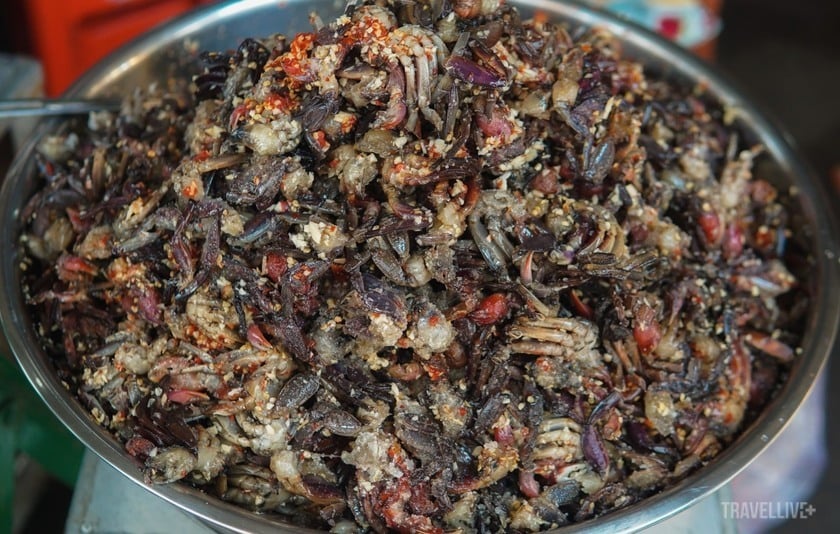
Milk crab
People choose crabs with large claws and roast them, braise them in a salty sauce, or deep-fry them in batter to eat with rice. For a more elaborate dish, three-clawed crabs are transformed into attractive appetizers such as stir-fried with tamarind, steamed with beer, mixed in a salad, or served with fermented crab paste, which can be eaten with rice or noodles... That's why people in the Mekong Delta have a saying, "Don't worry about marrying a woman from the countryside. You can eat three-clawed crabs with leftover rice all year round."
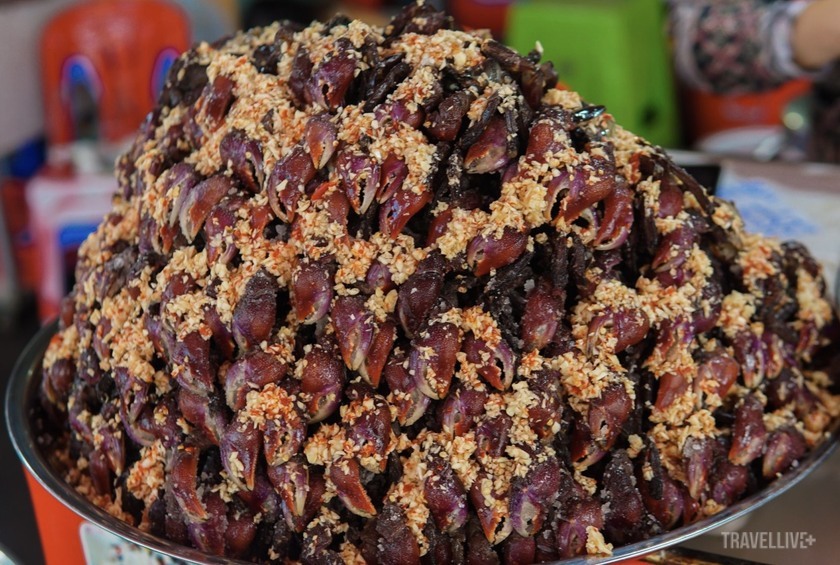
Three-striped crab is a favorite dish that almost every resident of the riverine region knows about.