VI
VI


In late autumn, Northern Vietnam boasts enchanting beauty with vibrant yellow wildflowers, red maple forests, and pristine white seas of clouds resembling a heavenly paradise. The number of visitors flocking to popular trekking routes in Northwest and Northeast Vietnam surges, especially on weekends. From familiar peaks like Fansipan (Lao Cai) and Ta Chi Nhu (Yen Bai) to more unspoiled destinations such as Po Ma Lung (Lai Chau), Sa Mu (Son La), and Ta Lien Son (Lai Chau)... everywhere is bustling with the footsteps of adventurers.


The boom in adventure tourism has breathed new life into highland villages but also raises safety concerns. Congestion on trails and overcrowding at rest stops are inevitable. Therefore, mastering essential skills and understanding the terrain before setting off will not only help you fully enjoy the scenery but also protect you from potential risks.
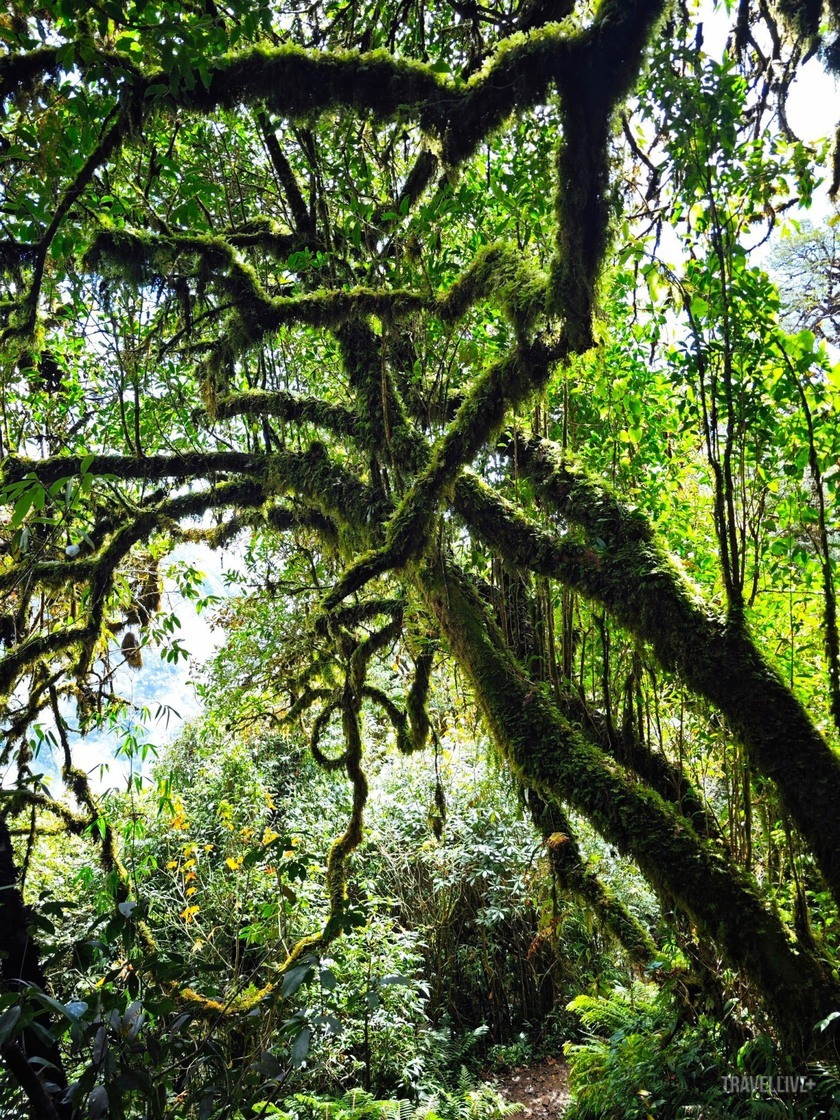
Ta Lien Son Forest (Lai Chau) looks like something out of a fairy tale.
Categorize routes and choose options that suit your health.
For a successful trip, choosing a route that suits your fitness level is crucial. In Northern Vietnam, mountain peaks are often categorized by geographical area with varying levels of difficulty. The Son La - Yen Bai region, with peaks like Lung Cung and Ta Xua, is often the top choice for those who enjoy cloud hunting due to its moderate slope and expansive views.
Meanwhile, the Lao Cai region boasts some of Vietnam's highest and most rugged mountain peaks, such as Bach Moc Luong Tu (Ky Quan San), Nhiu Co San, and Ngu Chi Son. If you're a seasoned trekker looking to challenge your limits, the border region of Lai Chau, with its Pusilung, Putaleng, and Nam Kang Ho Tao, will be a provocative destination with its dense forests, steep slopes, and unpredictable weather.

For a successful trip, choosing a route that suits your fitness level is key.
Choose a suitable mode of transportation.
Currently, tourists can choose from three popular mountain climbing methods: completely self-guided, hiring a porter (local guide), or purchasing a package tour. Self-guided climbing saves costs but requires the group to have extensive experience in navigation and survival. Conversely, a package tour is the optimal option for beginners. Although the cost is higher, you will be guaranteed logistical support, from transportation in Hanoi to food and accommodation at the campsite.


A recently popular trend is hiring local porter teams directly. This method offers flexibility, reasonable costs, and contributes to the economic well-being of the local population. However, regardless of the chosen method, traveling in small groups of 6-12 people is recommended for easier mutual support and optimal safety management.
Prepare thoroughly in terms of physical fitness and equipment.
The biggest mistake first-time mountain climbers make is being overconfident about their health. About two weeks before the trip, you should build endurance by regularly practicing climbing stairs or walking uphill. Active exercise helps your muscles get used to high intensity, preventing cramps or exhaustion along the way.
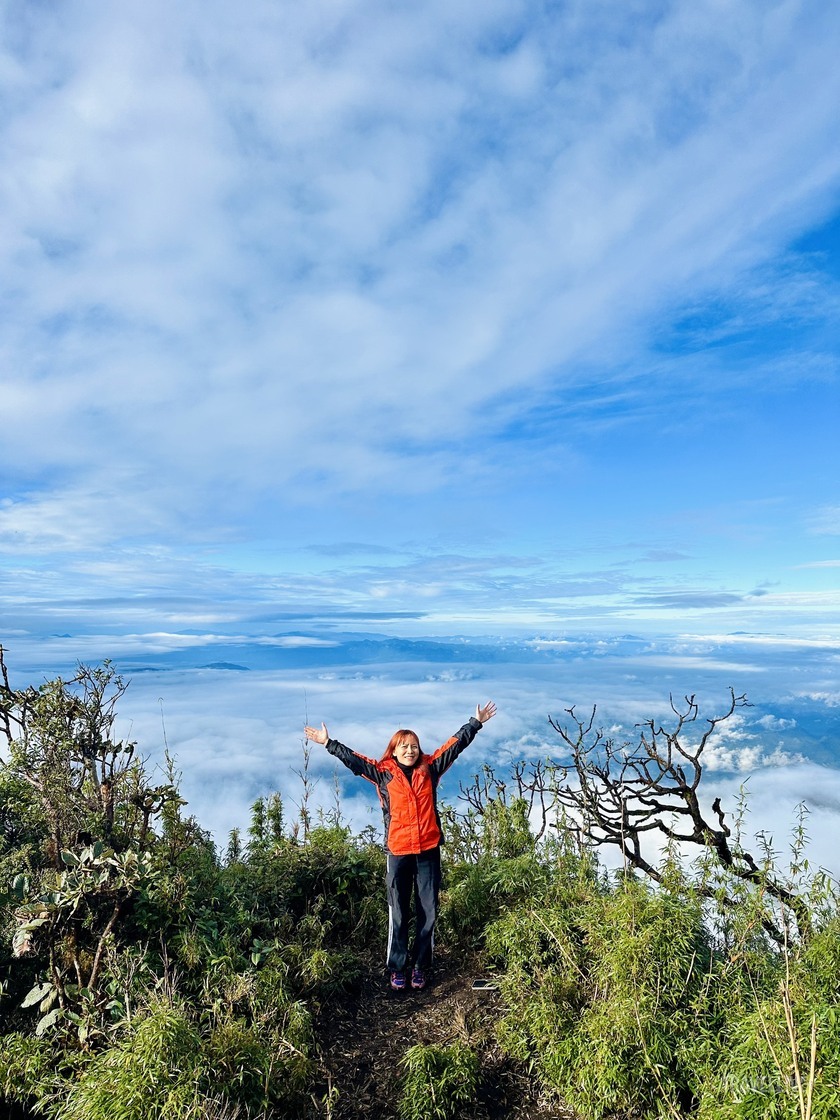
Conquering the summit of a mountain feels like the feeling of having conquered oneself.
In terms of gear, a pair of specialized shoes with good grip is essential for navigating slippery, frosty trails. In winter, the "layering" principle is crucial: a thermal shirt underneath, a fleece jacket in between, and a waterproof windbreaker on top. Don't forget to bring heat patches, spare socks, and a first-aid kit with all the basic medications. Especially since temperatures at the summit are often about 10°C lower than at the base, make sure you keep your neck and head warm.

Throughout your journey, proper energy replenishment is crucial. In addition to main meals, bring along chocolate, nuts, or ginseng candy for instant sugar replenishment. After a strenuous trip, nutritional recovery is equally important. According to experienced sustainable travelers, choosing clean, naturally protein-rich foods is the quickest way to restore muscle mass.
Always prioritize your own safety.
Recently, there have been ongoing safety concerns for women climbing mountains. Therefore, in the cramped shared living spaces of mountain huts, personal safety must always be the top priority.
Due to the mixed-gender sleeping arrangements and communal living, female tourists should minimize their consumption of alcoholic beverages. This is not only to avoid situations involving uncontrolled behavior and personal safety risks, but also directly relates to their health. Drinking alcohol dehydrates the body, seriously affecting physical strength and increasing the risk of exhaustion or even stroke when engaging in strenuous activity on the following day of climbing.

For first-time climbers, mental and physical preparation are two crucial factors.
Mountain climbing is a journey of self-discovery, conquering personal limits, and seeking connection with nature, but it should never be a place to compromise your own safety. With thorough preparation in mountain climbing skills in Northern Vietnam at the end of the year, from choosing routes and modes of transportation to managing your gear and personal safety, you can absolutely turn your Northwest Vietnam trekking trip during peak season into a memorable and fulfilling experience.