VI
VI



Vietnam records 5 patients who have tested positive for COVID-19 again.
On the afternoon of April 24th, the Ministry of Health announced two more cases of COVID-19, both international students returning from Japan who were immediately quarantined upon entry. Thus, from January 23rd, 2020 to the present, Vietnam has recorded a total of 270 cases of COVID-19.
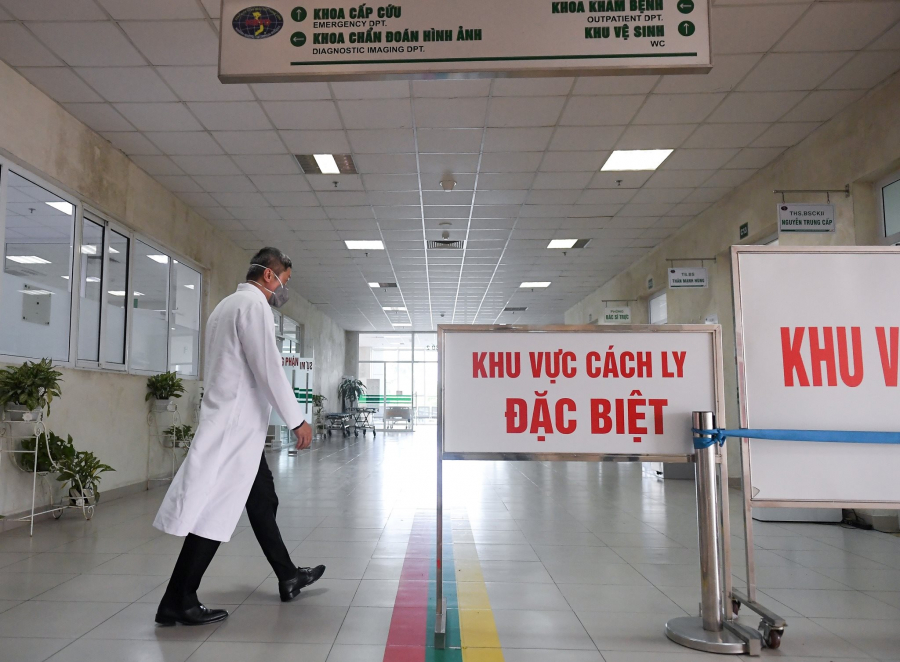
Regarding the treatment situation, according to the report of the Treatment Subcommittee of the National Steering Committee for COVID-19 Prevention and Control, five patients tested positive again after being declared recovered. These patients are still in centralized quarantine and under monitoring at hospitals, so there is no community transmission.
Vietnam safely repatriates 200 citizens from Singapore.
On April 24, Vietnamese authorities, the Vietnamese Embassy in Singapore, and Vietjet Air coordinated with local authorities to safely bring more than 200 Vietnamese citizens from Singapore back to Vietnam. These included children under 18, sick people, those receiving medical treatment in Singapore, and others in particularly difficult circumstances.
Immediately after landing at Can Tho International Airport, the entire crew and passengers underwent medical checks and were placed in centralized quarantine in accordance with regulations.
Vietnam is preparing to welcome nearly 10,000 people returning from abroad.
300 Vietnamese people in the US returned to Ho Chi Minh City on April 27, and more than 9,000 people from other countries are expected to return in the coming days. All of them have been taken directly to centralized quarantine facilities for monitoring.
On the afternoon of April 24, during a meeting on the socio-economic situation in the first quarter, the Chairman of the Ho Chi Minh City People's Committee, Nguyen Thanh Phong, requested relevant departments to prepare plans for quarantining 300 people returning to the city in the first phase.
"It is estimated that around 10,000 Vietnamese people will return. The Department of Health is contacting the Ministry of Health and embassies of various countries to keep track of the number of people returning to Ho Chi Minh City in each time period. We must not be caught off guard when welcoming our children back, and we should minimize the need for quarantine at their residences," Mr. Phong said.
According to Nguyen Huu Hung, Deputy Director of the Ho Chi Minh City Department of Health, preparations have been completed. Currently, the city has more than 11,000 beds in centralized quarantine areas, with the largest number at the Ho Chi Minh City National University dormitory with 8,000 beds. Other quarantine facilities at various military schools in the city have approximately 2,000 beds.
In addition, the Department of Health and the National University have prepared an extra 7,000 beds in dormitories. If students return to school, the city will still have centralized quarantine facilities.
Southeast Asia: Singapore remains the hottest spot in the region.
Singapore's Ministry of Health announced on April 24th that the country had recorded 897 new cases of COVID-19 in the past 24 hours. This brings the total number of COVID-19 cases in the Southeast Asian nation to 12,075, with 12 deaths. Most of the new cases are migrant workers living in dormitories. The island nation of 5.7 million people remains the country with the highest number of COVID-19 cases in Southeast Asia.
In the past 24 hours, Indonesia recorded an additional 436 cases of COVID-19, the highest daily figure since the first case was detected in the country, and 42 deaths. To date, the country has recorded 8,211 cases of COVID-19, including 689 deaths. On the same day, the number of new COVID-19 cases in the Philippines, Malaysia, and Thailand were 221, 88, and 15 respectively.
Philippines extends lockdown
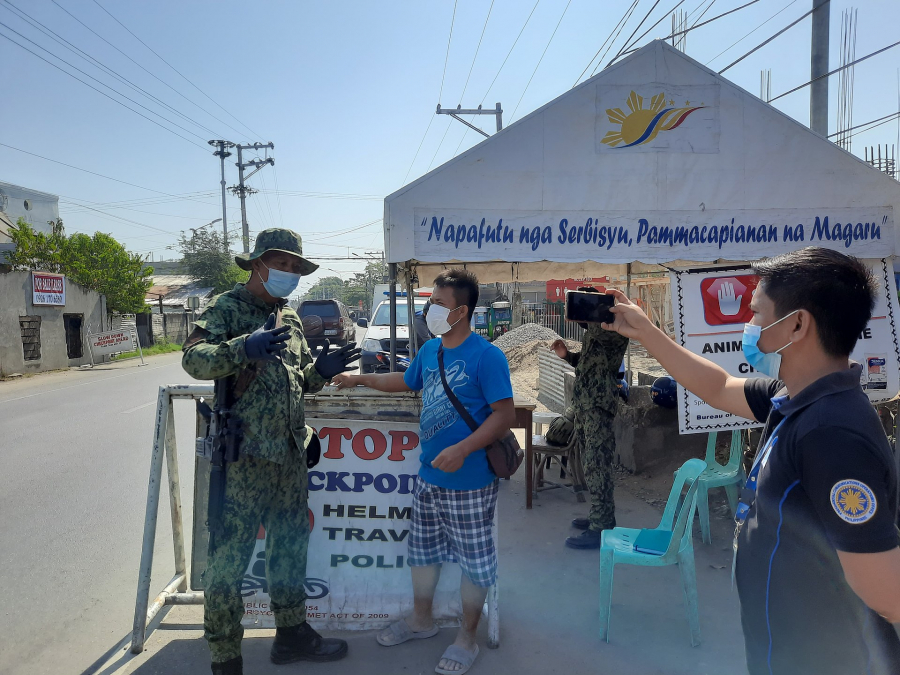
On April 24, Philippine President Rodrigo Duterte extended the lockdown in Manila and high-risk provinces on Luzon for another two weeks, until May 15. Speaking at a press conference, a Philippine government spokesperson clarified that the measure would be extended to areas experiencing severe outbreaks, but would be adjusted for low-risk regions.
China locks down Harbin city.
China has ordered a lockdown of Harbin, the capital of Heilongjiang province, a city of nearly 11 million people, due to concerns about a second wave of COVID-19 outbreaks. Harbin is China's eighth most populous city and a major political, economic, scientific, cultural, and media center in northeastern China. Under the lockdown, all foreigners are prohibited from entering residential areas.
The decision was made after, on April 21, a patient in the city infected 78 other people, 55 of whom were confirmed cases and 23 others tested positive but showed no symptoms.
India allows non-essential shops to reopen from April 25th.
In an announcement on the night of April 24, the Indian Ministry of Home Affairs officially allowed non-essential shops to reopen from April 25.

Accordingly, small shops and vendors in residential markets can reopen at 50% capacity, but must still ensure social distancing and mask-wearing. Supermarkets and shopping malls are not yet allowed to operate. This new policy does not apply to Covid-19 hotspots.
Commercial activities remain prohibited. This unexpected move is seen as preparation for the Indian economy to return to normal after the end of the second nationwide lockdown on May 3rd. In addition, Indian authorities have expressed optimism about the country's ability to curb the surge in Covid-19 cases by May 3rd.
The FDA advises against using antimalarial drugs to treat COVID-19.
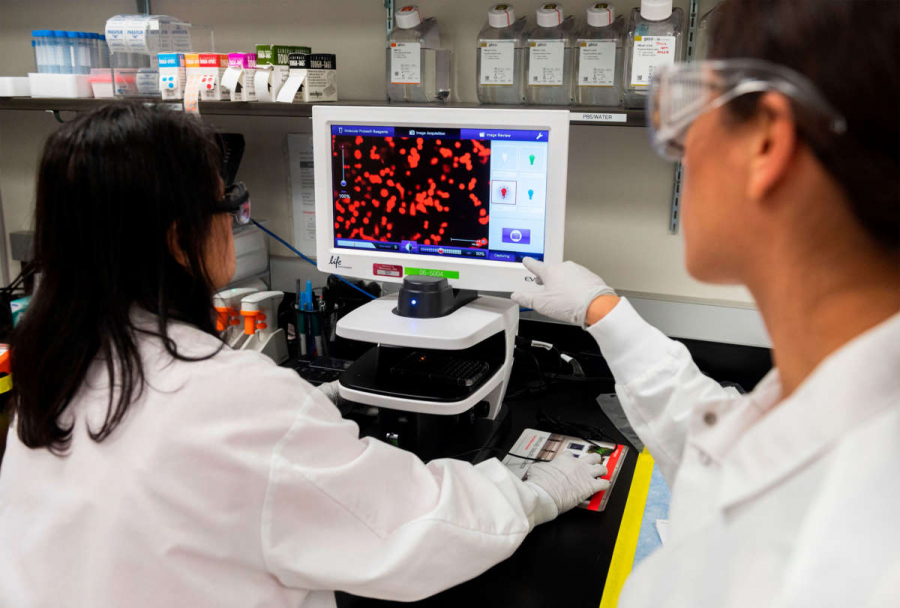
On April 24, the U.S. Food and Drug Administration (FDA) advised against using two antimalarial drugs, hydroxychloroquine and chloroquine, to treat patients infected with the SARS-CoV-2 virus. According to the FDA, these drugs can dangerously cause abnormal heart rhythms. The risk of tachycardia is higher when these two drugs are used in combination with other medications such as the antibiotic azithromycin, as well as in patients with heart and kidney disease.
The recommendation was issued after hydroxychloroquine was once praised by US President Donald Trump as a "weapon" for treating COVID-19.
The IMF and WTO warn of the risks of restricting the export of medical equipment.
On April 24, the International Monetary Fund (IMF) and the World Trade Organization (WTO) urged countries not to impose restrictions on exports and other trade activities as the world grapples with the COVID-19 pandemic.
The statement asserted that supply chain disruptions and diversions of essential products risk "prolonging and exacerbating the current economic and health crisis."
He chaired the global vaccine summit online.
The upcoming global vaccine summit will take place online on June 4th. The UK will host this summit with the aim of ensuring the world works together to secure the necessary resources for research and development of new vaccines, treatments, and diagnostics so that the world can overcome this pandemic.
In addition, the UK will also co-host a global online COVID-19 pandemic response summit with the European Commission on May 4th. The UK is currently one of the world's largest donors to COVID-19 response efforts, with a committed funding of £744 million.
Belgium plans to lift social distancing measures in three phases.
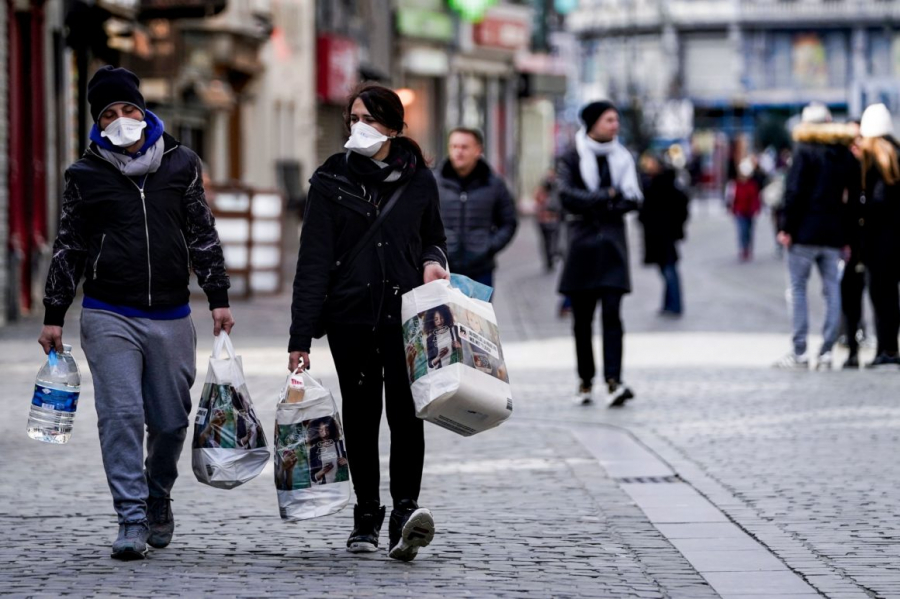
On April 24, Belgian Prime Minister Sophie Wilmès announced that the Belgian National Security Council had decided on measures to lift social distancing in May, including reopening schools, shops, and services, and making mask-wearing mandatory in some public places, based on a proposal from a group of 10 science and economics experts.
According to a government announcement cited by a TTXVN correspondent in Belgium, the lifting of quarantine will be done in stages and based on several conditions, such as keeping the number of people hospitalized due to the virus under control (maximum 200 per day) and ensuring a minimum of 25,000 tests are conducted per day.
Spain: Lowest number of new deaths in over a month.
Although this European country still ranks second in the world in the total number of COVID-19 infections and deaths, Spain received good news on April 24th when the number of new deaths dropped to its lowest level in over a month (367 cases).
Meanwhile, another piece of good news was confirmed when the number of recovered patients exceeded the number of new infections recorded for the first time since the outbreak began in Spain.
In light of the above positive news, Fernando Simón, coordinator of the Emergency Health Center of the Spanish Ministry of Health, stated that Spain's efforts have begun to yield results and bring the epidemic situation in the country under control.
Italy will ease restrictions over the next four weeks.
On April 24, Italy announced it would gradually ease lockdown restrictions over the next four weeks. However, the pace will depend on the rate of infection. If the number of cases does not increase too rapidly, factories producing agricultural and forestry equipment could reopen on April 27, while the garment and fashion industries could resume operations from May 4.
A week later, clothing stores, shoe stores, and many other shops were allowed to reopen, and finally, bars, restaurants, and barbershops were permitted to reopen from May 18th. All reopening establishments had to adhere to strict hygiene measures and continue social distancing.
Czech Republic extends state of emergency.
The Czech government has approved a plan to ask the lower house of parliament to extend the national state of emergency until May 25. Czech Interior Minister Jan Hamacek said the plan will be presented to Parliament on April 28.
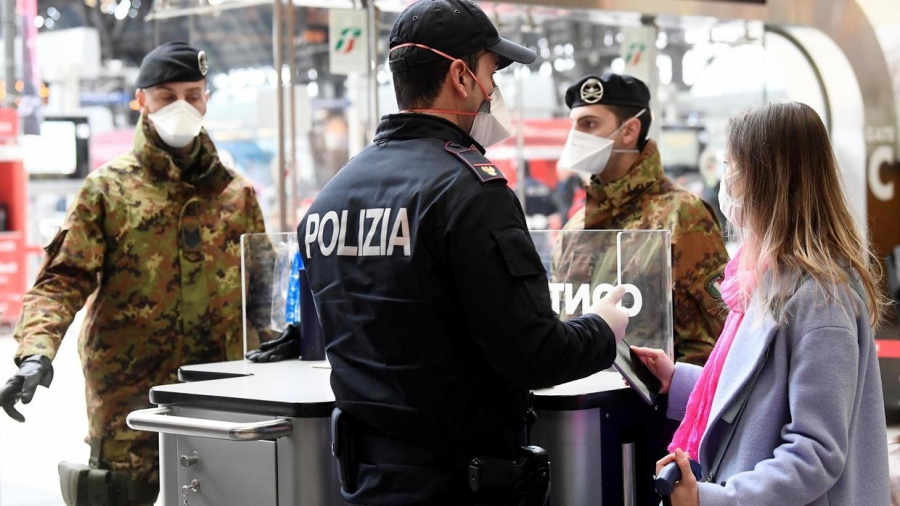
The current state of emergency in the Czech Republic is scheduled to remain in effect until April 30th, allowing the government to impose travel restrictions and close non-essential businesses. To date, the Czech Republic has 7,188 confirmed cases of COVID-19 and 213 deaths.
The COVID-19 pandemic continues to spread rapidly in Russia, Ukraine, and Germany.
Russia reported that as of noon on April 24, it had recorded 5,849 new infections in the past 24 hours across 82 federal entities, bringing the total number of infected people to 68,662. Russia also reported 60 additional deaths, raising the total death toll to 615. Moscow remains the region with the highest number of SARS-CoV-2 infections causing COVID-19. In the past 24 hours alone, Moscow recorded 2,957 new cases.
The Ukrainian Ministry of Health announced that as of 9:00 AM on April 24th, the country had recorded 477 new cases, bringing the total number of infected people to 7,647. On the same day, the Ukrainian Public Health Center received 1,460 reports of suspected cases.
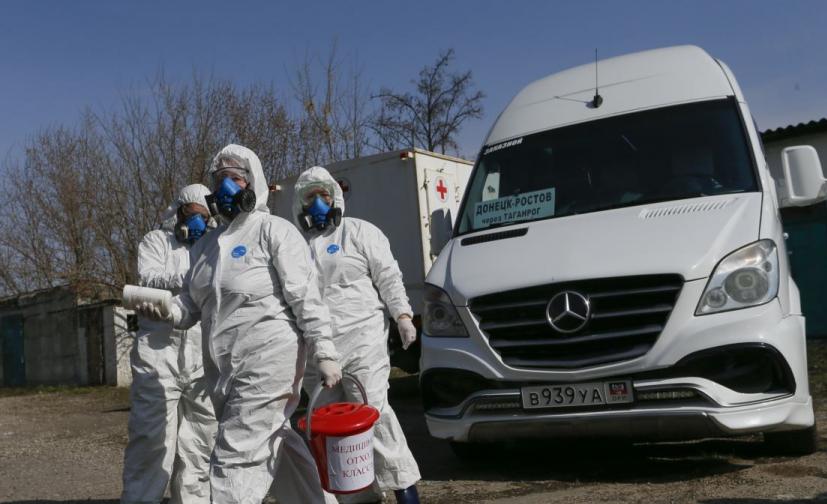
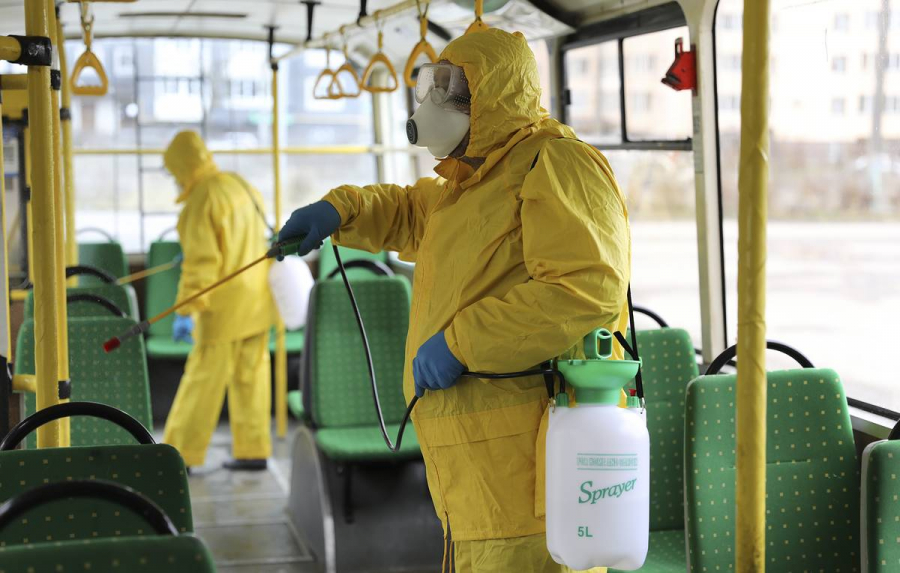
According to the German Center for Disease Control, the country recorded 2,337 new infections in the past 24 hours, bringing the total number of infected people to 150,383, including 5,321 deaths (an increase of 227). Speaking in the German Bundestag on April 23, Chancellor Angela Merkel said these "preliminary results are very fragile" and criticized some localities for being too "hasty" in handling the epidemic, urging all localities to continue to exercise caution and carefully consider their actions to avoid jeopardizing the government's efforts to combat the epidemic.
Russia sets up field hospital.
On April 23, a field hospital with more than 1,000 beds specializing in treating patients with acute respiratory illness COVID-19 in the city of St. Petersburg was announced to begin operations today, April 25.
This field hospital is being built at the Lenexpo Exhibition Center in St. Petersburg and is in its final stages of preparation. It will focus on treating patients with mild COVID-19 and those who cannot receive medical treatment at home.
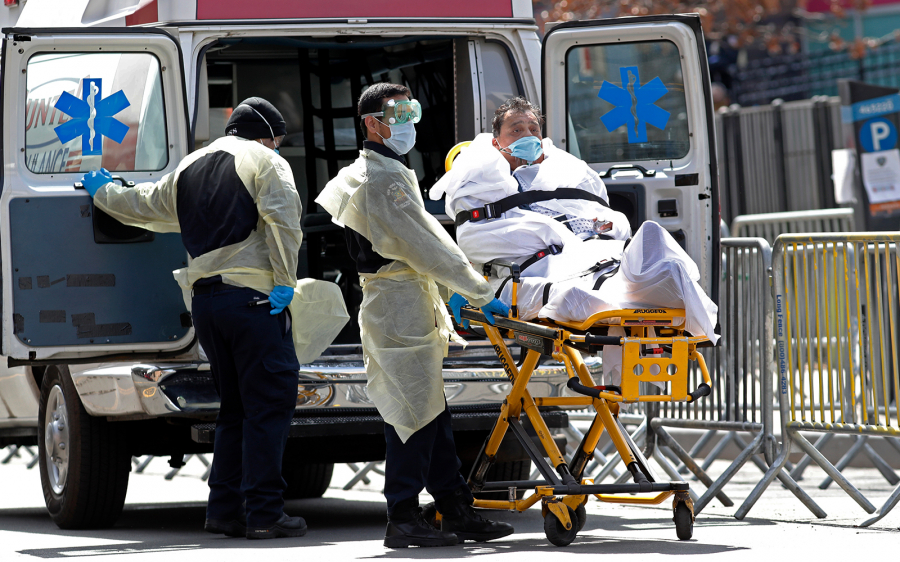
The number of COVID-19 deaths in the US has surpassed 50,000, doubling in just 10 days.
According to information from the worldometer website, the total number of deaths due to COVID-19 in the US as of this morning has reached 52,185, doubling in the past 10 days, and 925,038 cases of COVID-19 have been recorded nationwide.
There are optimistic signs that the peak of the pandemic has passed in New York, San Francisco, and Seattle. But some other places are experiencing a surge in infections, indicating that the fight in America is still long, according to the New York Times. Some areas, such as Goldsboro, North Carolina, are recording a higher rate of new infections per 1,000 people than even New York City.
The US did not participate in the WHO's global COVID-19 response initiative.
On April 24, the World Health Organization (WHO) announced that French President Emmanuel Macron and German Chancellor Angela Merkel would support the launch of a global initiative to combat the COVID-19 respiratory disease.
However, a spokesperson for the U.S. Permanent Mission to the United Nations affirmed that Washington would not participate in the aforementioned WHO initiative. The official stated that the U.S. wanted to learn more about the initiative in order to support international cooperation in a reasonable manner.
Canada is investing $780 million in research on COVID-19 vaccines and treatments.
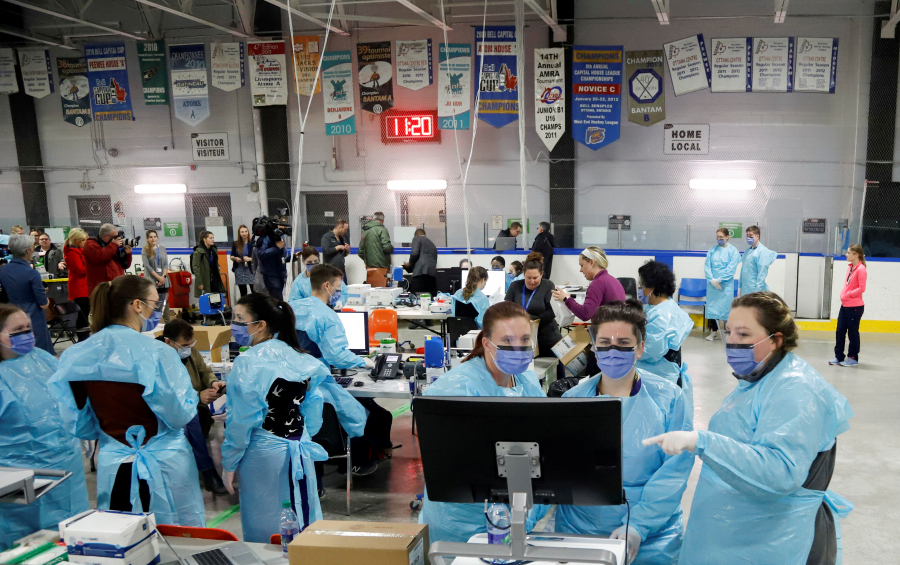
Speaking at a press conference on April 23, Canadian Prime Minister Justin Trudeau announced that the government would allocate CAD 1.1 billion (USD 780 million) to "mobilize" experts to research vaccines and treatments for COVID-19. This money will also be used to support the expansion of COVID-19 testing and clinical trials. The COVID-19 pandemic has claimed the lives of more than 2,000 Canadians. The number of infections has more than doubled in the past 14 days, reaching over 42,000.