VI
VI



80% of COVID-19 patients in Vietnam have recovered.
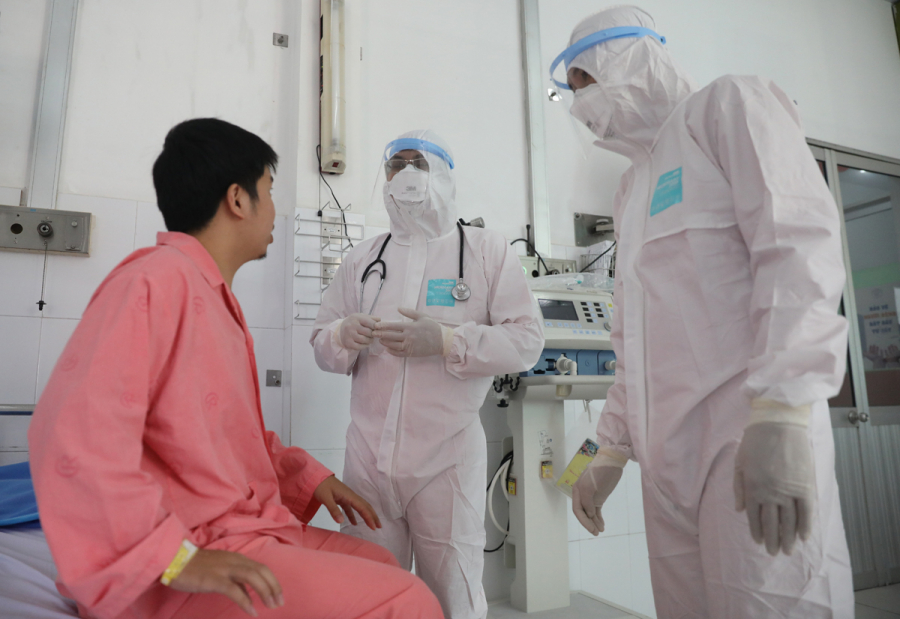
According to the report of the Treatment Subcommittee of the National Steering Committee for COVID-19 Prevention and Control, Vietnam currently has 214 COVID-19 patients who have recovered, accounting for 80%. Currently, only 54 patients remain in isolation and receiving treatment at 9 medical facilities nationwide. 14 cases have tested negative for SARS-CoV-2 once, and 7 cases have tested negative for SARS-CoV-2 twice.
As of 6:00 AM on April 21, 2020, the total number of COVID-19 cases in Vietnam was 268. This marks the fifth consecutive day without any new COVID-19 cases being recorded in Vietnam.
Vietnam has basically met the demand for COVID-19 testing.
The National Steering Committee for COVID-19 Prevention and Control, at a meeting held on the morning of April 20, stated that Vietnam is currently basically meeting the demand for confirmatory COVID-19 testing.
Specifically, there are currently 111 laboratories nationwide with the capacity to test for COVID-19 using Realtime RT-PCR technology. Of these, 39 laboratories have been authorized to conduct confirmatory COVID-19 testing, including: 22 central-level medical facilities and hospitals, 14 centers for disease control, and 3 units outside the health sector, with a maximum capacity of approximately 13,000 samples per day.
Vietnam and Cuba cooperate in preventing and controlling the COVID-19 pandemic.
Ambassador Lianys Torres Rivera of Cuba to Vietnam stated that Cuba is ready to send medical experts to Vietnam to exchange experiences on COVID-19 treatment, initially by establishing a group of experts for online exchange. As agreed, the two sides successfully organized an online conference at the Military Medical Academy, chaired by leaders of the Ministry of National Defence and attended by representatives from the Ministry of Health, to exchange information on the COVID-19 situation in each country.
At the conference, the two sides exchanged views on measures to prevent and control the epidemic; shared experiences on coordination between relevant ministries, agencies, treatment protocols, specific drugs, equipment used, and international cooperation; and discussed the possibility of mutual support in pharmaceuticals, medical equipment, and cooperation in research and vaccine production.
Ca Mau and Thai Binh provinces allow students to return to school.
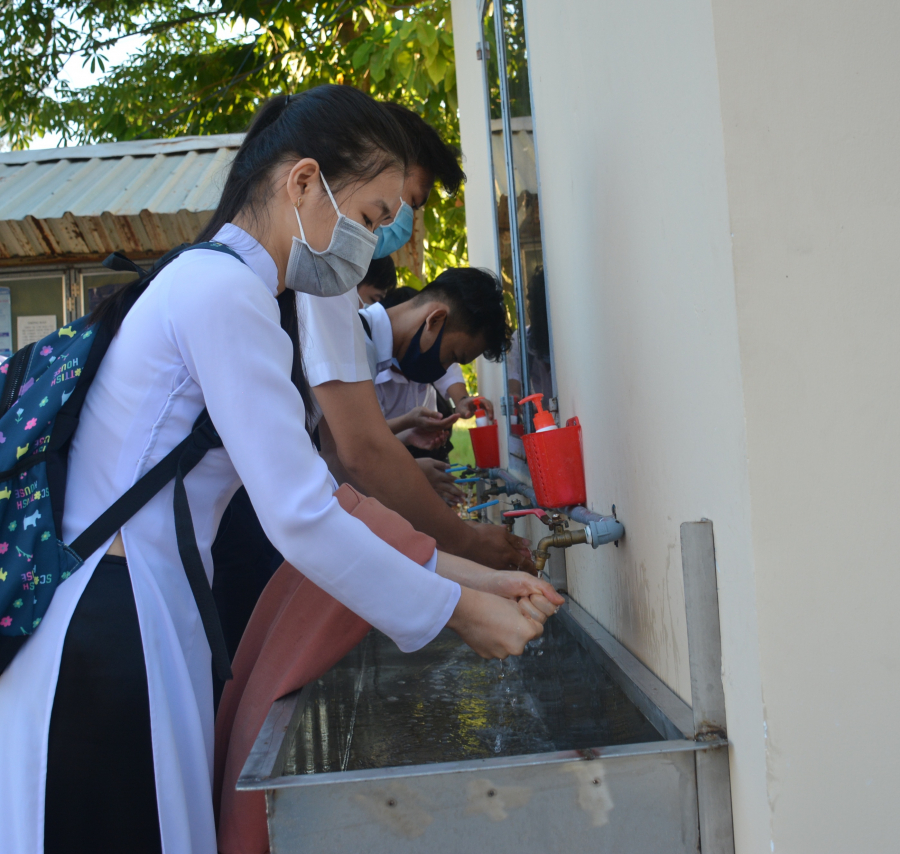
On April 20th, Ca Mau and Thai Binh provinces allowed students to return to school, prioritizing grades 9 and 12. Many other localities also proposed that students return to school in early May. To ensure social distancing, classes must be divided so that the number of students per class does not exceed 20, and a distance of 1.5 meters must be maintained. Before entering the classroom, all students have their temperature checked and wash their hands to enhance prevention of the spread of Covid-19.
Developments in Southeast Asia: Singapore records a record high number of new SARS-CoV-2 infections.
Singapore recorded a record number of SARS-CoV-2 infections in a single day on April 20th with 1,426 new cases, bringing the total number of infections in the island nation to 8,014. This continues Singapore's leading position in Southeast Asia in terms of the number of infections, having surpassed Indonesia and Malaysia on April 19th.
Authorities in Singapore acknowledge that the number of infections will likely increase sharply in the coming days as the country implements widespread testing. Observers predict the number of cases could reach 20,000 by the end of April. Of the newly detected cases, only 16 are Singaporean citizens or long-term residents. Most of the new patients are migrant workers living in dormitories.
In Indonesia, to date, there have been 6,575 cases of COVID-19, including 582 deaths. The disease has spread to all 34 provinces and cities of the country. On April 20, the Indonesian Ministry of Foreign Affairs announced that there are currently 473 Indonesian citizens abroad infected with the SARS-CoV-2 virus, of which 19 have died and 109 have recovered.
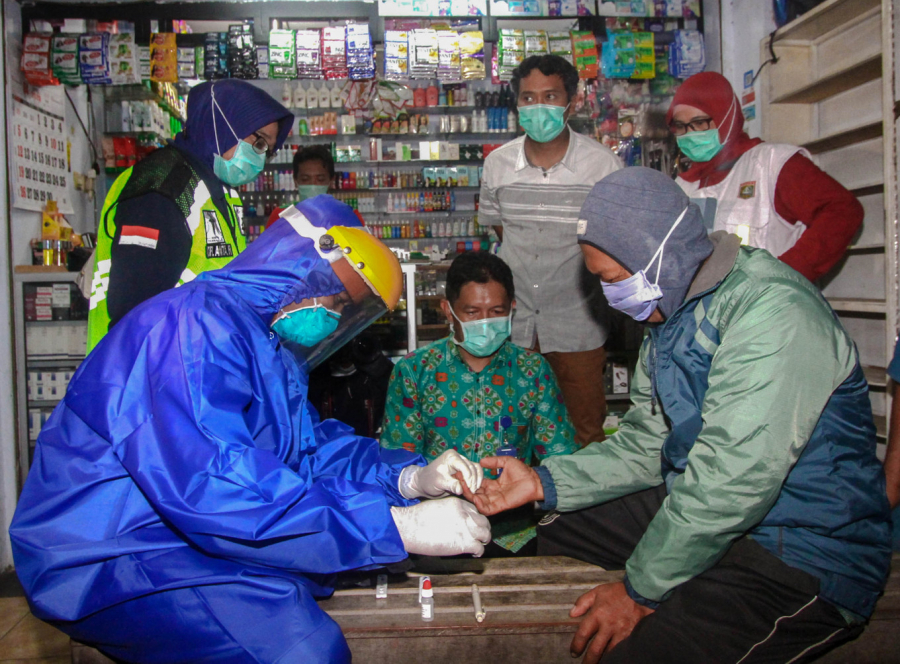
On the same day, the Philippine Department of Health reported an additional 200 cases of the novel coronavirus SARS-CoV-2, which causes the acute respiratory disease COVID-19, and 19 new deaths. The total number of COVID-19 cases in the country has risen to 6,459, with 428 deaths.
In Thailand, on April 20th, the country recorded 27 new cases of the SARS-CoV-2 virus that causes the COVID-19 pandemic, bringing the total number of cases to 2,792, with no new deaths reported. With the pandemic temporarily under control, Thailand has begun gradually easing lockdown measures.

India develops inexpensive, non-electric ventilator to combat COVID-19.
On April 20th, Dynamatic Tech, a technology company based in Karnataka, India, announced the development of a low-cost, non-electric ventilator. This ventilator maintains pressure and controls oxygen levels to regulate breathing. The device is considered crucial in helping New Delhi cope with the increasingly complex COVID-19 pandemic.
The aforementioned ventilator costs only about 2,500 rupees (US$32.68) – the lowest price in the world today. The device doesn't require electricity to operate and doesn't need any imported components. Another advantage is that it's portable, convenient to use, and disposable.
Japan records its highest daily death toll.
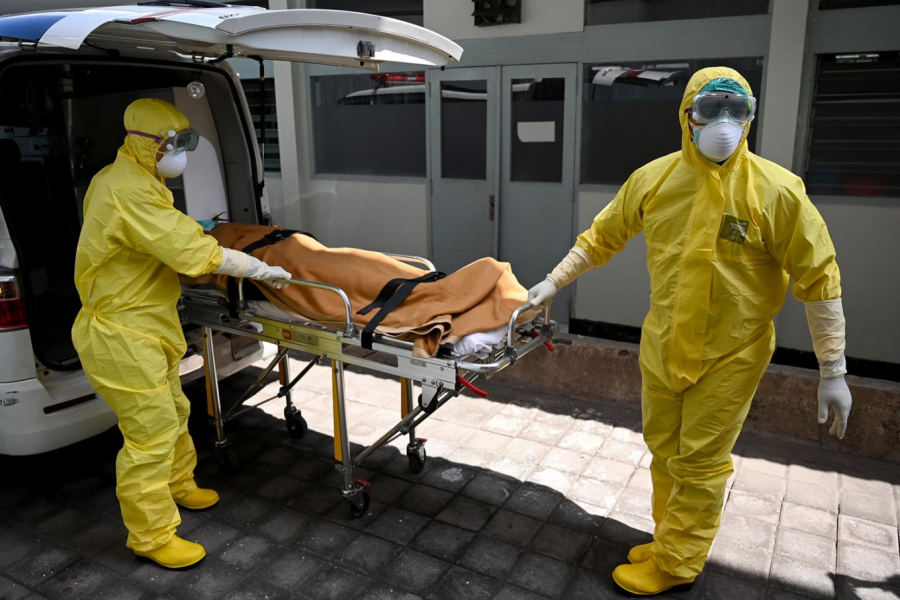
Japan recorded 25 COVID-19 deaths on April 20, its highest single-day death toll to date, while infections continued to rise nearly two weeks after the country declared a state of emergency in Tokyo, Osaka, and several other densely populated areas. The total death toll in Japan now stands at 276, and the total number of infections is 11,137.
Japan widely sells test kits.
In Japan, online tech giant Rakuten announced it has begun selling SARS-CoV-2 virus testing kits to companies in Tokyo and surrounding prefectures to help combat the rapidly spreading pandemic. Each kit, for single use, costs 14,900 yen (approximately $138 USD) including tax. The minimum order quantity is 100 kits per order.
After collecting samples, Genesis Healthcare will send test results within 3 days, excluding holidays and weekends. Individuals who test positive for SARS-CoV-2 using this device should consult a doctor for confirmation and advice.
China conducts clinical trials of two inactivated vaccines against COVID-19.
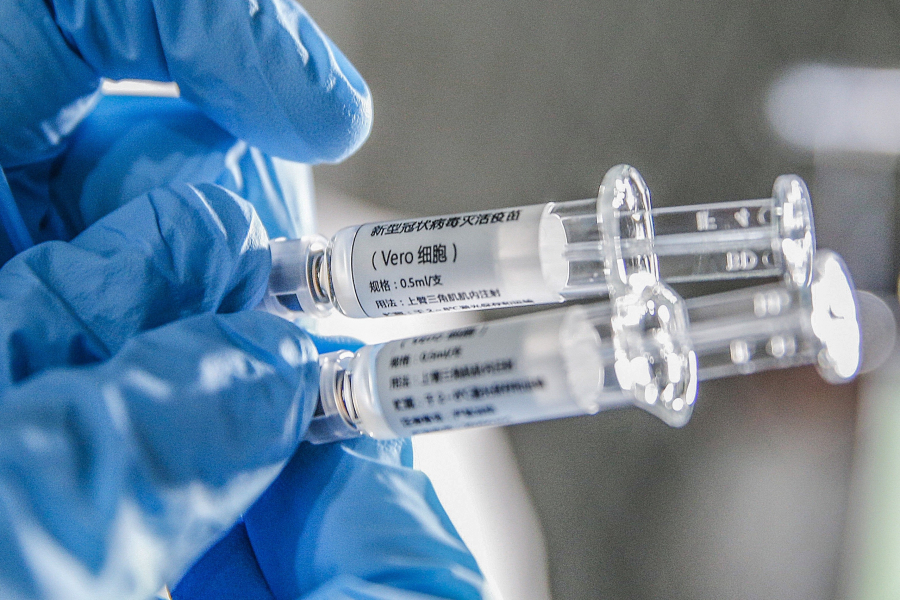
The clinical trial began on April 12th, involving 288 volunteers in the first phase and 1,108 volunteers in the second phase. All of them were healthy, with the youngest being 6 years old. They were divided into four groups: those receiving low-dose, medium-dose, high-dose vaccines, and a placebo.
Biotec, the company that developed one of the two vaccines, said that the physical conditions of those being tested are being closely monitored through immunological analysis, cytokine detection, and neutralizing antibody monitoring. The inactivated vaccine uses a method of implanting dead SARS-CoV-2 viruses into the "memory" of immune cells in the body. This allows the cells to respond promptly when the body is attacked by this dangerous virus.
Two-way developments in Europe
French health officials announced late on April 20th that the number of deaths from SARS-CoV-2 infection in France had officially surpassed 20,000, reaching 20,265, an increase of 547 cases compared to the previous day.
Spain remains the country with the second highest number of infections in the world, at 200,012; while Italy has the second highest number of deaths after the US, at 24,114. However, in the past 24 hours, Spain, Italy, and Belgium recorded the lowest number of deaths in the past month. Spain recorded 399 deaths, Belgium 168, while Italy had 433, the lowest number in the past month.
Meanwhile, the Swiss Ministry of Public Health announced that the number of deaths due to SARS-CoV-2 infection had reached 1,142, an increase of 7 in 24 hours. The declining number of infections has allowed the Swiss government to begin easing restrictions and lockdown measures imposed since April 27th.
Germany covers the treatment costs for COVID-19 patients arriving from EU countries.
On April 20, German Health Minister Jens Spahn announced that Germany would cover all treatment costs for patients infected with the SARS-CoV-2 virus who come from neighboring European Union (EU) countries as a gesture of goodwill.
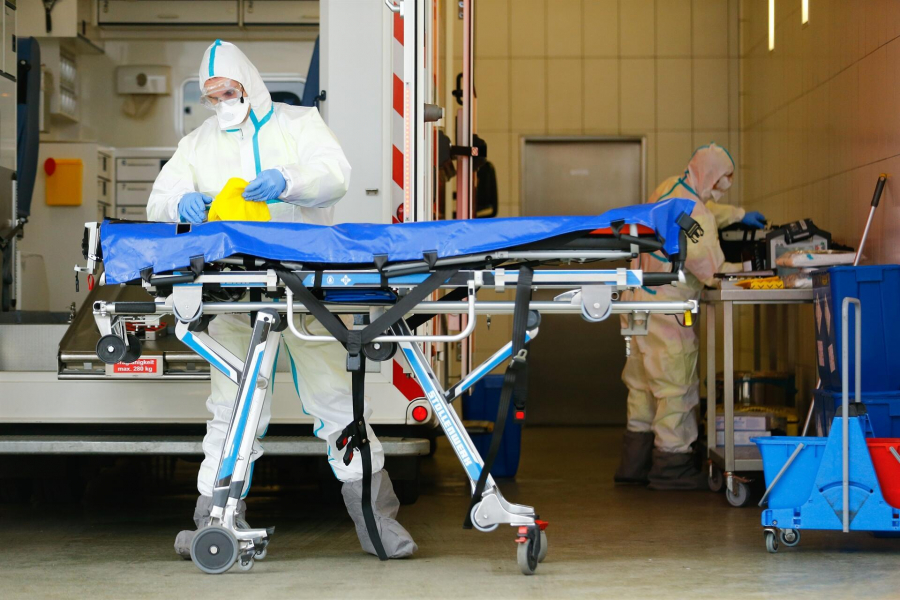
Germany has successfully controlled the spread of COVID-19. However, many neighboring EU countries, including France, Italy, and the Netherlands, are still struggling and have had to send some of their severely ill SARS-CoV-2 patients to Germany for treatment due to the strain on their healthcare systems. According to statistics from the German Foreign Ministry, there are currently 229 foreign patients being treated in Germany, including 130 from France, 44 from Italy, and 55 from the Netherlands, with a total treatment cost of approximately 20 million euros (21.7 million USD).
Italy postpones regional elections due to the COVID-19 pandemic.
The Italian government has decided to postpone the regional elections scheduled for May until at least September due to the ongoing and complex COVID-19 pandemic in the Southern European country.
Earlier, Prime Minister Giuseppe Conte stated that the Italian economy could gradually reopen starting on May 4th, the day after the lockdown extension ends. However, Conte argued that any economic activity would have to include safety measures, and that social distancing would be difficult to maintain while the vote is taking place.
Russia is among the top 10 countries with the most COVID-19 cases in the world.
According to Gazeta.ru on April 20th, Russia has fallen into the top 10 countries with the highest number of COVID-19 cases worldwide, recording a total of 47,121 positive cases of the SARS-CoV-2 virus. Russia ranks last on this top 10 list with 47,121 COVID-19 infections, including 4,268 new cases on April 20th alone across 76 federal entities. Notably, the number of COVID-19 deaths in Russia is quite low (below 1%) compared to the global average.
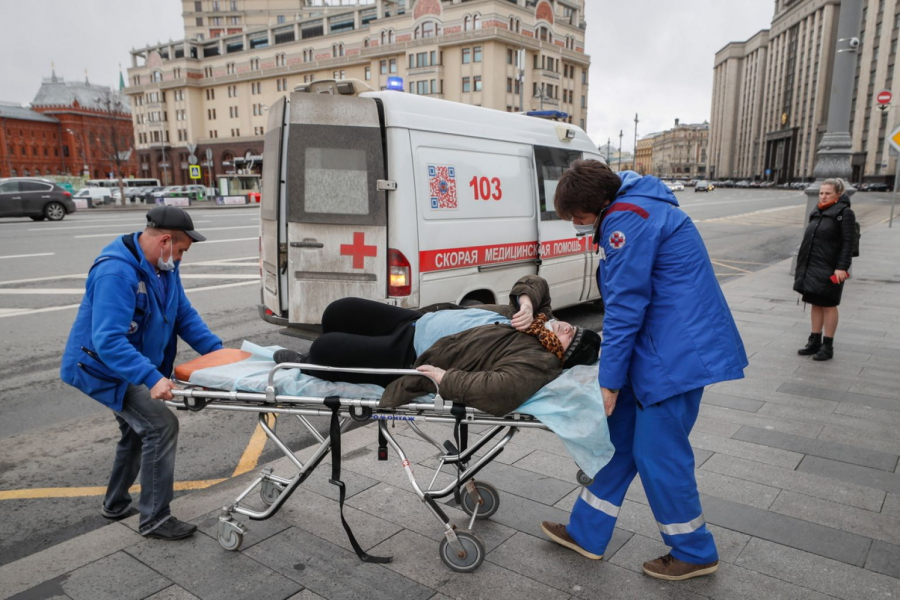
Also on April 20th, a field hospital specializing in treating COVID-19 patients on the outskirts of Moscow will begin admitting patients. The hospital, with a capacity of 800 beds, was constructed starting on March 12th on approximately 80,000 square meters of land.
New York has recorded its lowest number of deaths since the beginning of April.
On April 20, the US state of New York recorded its lowest number of new COVID-19 deaths since the beginning of April, and similar trends were observed in neighboring states New Jersey and Connecticut. Specifically in New York, the number of COVID-19 deaths has decreased for five consecutive days, with 478 cases recorded in the past 24 hours, bringing the total number of deaths to 14,347.
Starting on April 20th, New York State began an ambitious effort: antibody testing for 3,000 randomly selected individuals. These tests, and further tests to come, are expected to give New York a full picture of the epidemic and help inform decisions about easing restrictions.
The number of SARS-CoV-2 infections in Latin America has exceeded 100,000.
Official statistics from Latin American countries indicate that the number of COVID-19 cases in the region exceeded 100,000 on April 19th, with nearly 5,000 deaths. Specifically, the current number of cases is 100,952 with 4,924 deaths.
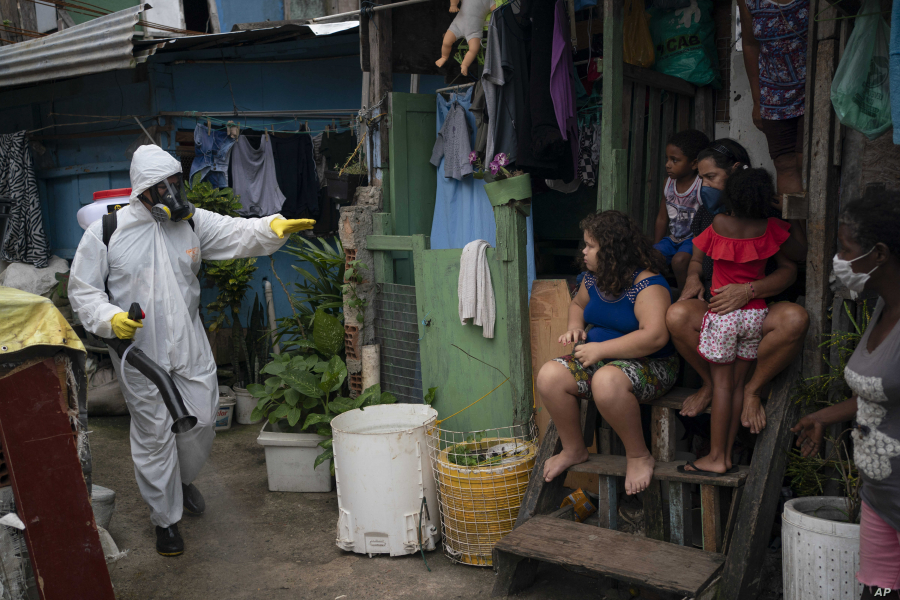
In Brazil, the country with the most COVID-19 cases in the region, the number of infections stands at 38,654 and the death toll is 2,462. Mexico's Ministry of Health reported 764 new cases in the past 24 hours, bringing the total to 8,261, including 686 deaths and 10,139 suspected cases. In Peru, authorities reported over 15,000 infections and approximately 400 deaths as of April 19th, the second highest in the region, amidst a continuing economic downturn.
In particular, on April 20th, Cuba recorded over 1,000 new cases of COVID-19. With 376 confirmed cases, the capital Havana remains the most severely affected area of Cuba by the COVID-19 pandemic.