VI
VI


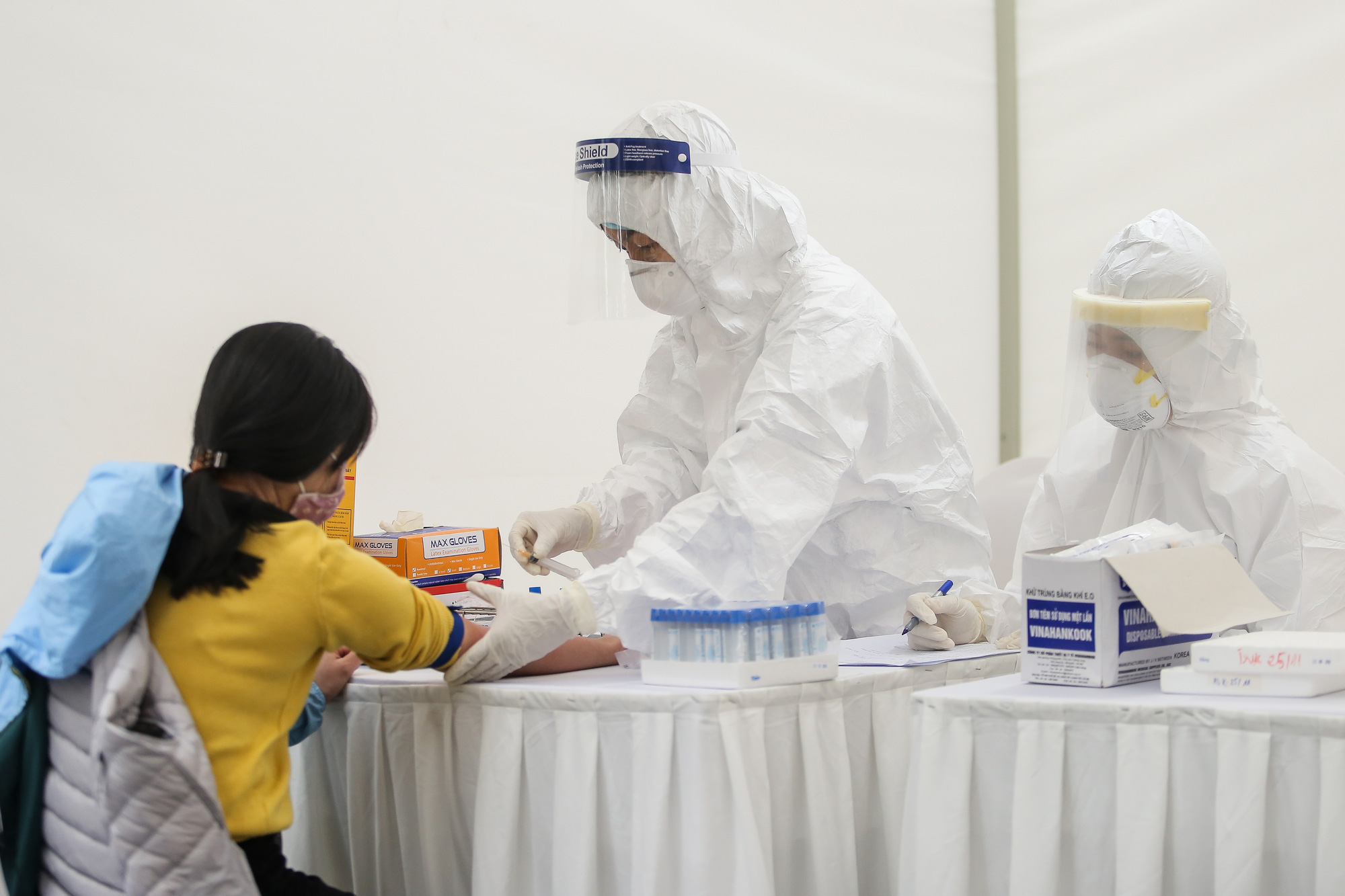
Vietnam has not recorded any new COVID-19 cases in the past 48 hours.
The National Steering Committee for COVID-19 Prevention and Control announced that as of the morning of April 18th, the number of COVID-19 cases in Vietnam remained at 268. This marks the first time since March 7th that 48 hours have passed without any new COVID-19 cases being recorded in Vietnam.
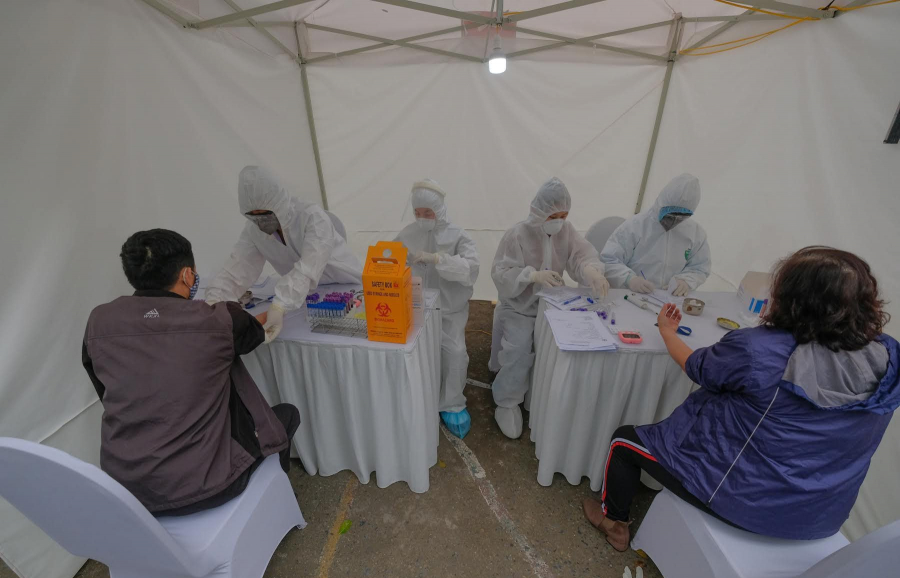
Also on April 17th, 21 patients were declared recovered. Thus, to date, 198 out of 268 COVID-19 patients nationwide have been declared recovered, accounting for 74%.
Vietnam donates COVID-19 medical equipment to Sweden and Cuba.
On the afternoon of April 17, 2020, Deputy Minister of Foreign Affairs To Anh Dung handed over a shipment of COVID-19 prevention and control supplies from the Government and people of Vietnam to the Government and people of Sweden, including 100,000 antibacterial, droplet-resistant fabric face masks manufactured in Vietnam.
Also on the afternoon of April 17th, Minister of Construction Pham Hong Ha, Chairman of the Vietnamese Subcommittee in the Vietnam-Cuba Intergovernmental Committee, handed over a letter from General Secretary and President Nguyen Phu Trong to senior Cuban leaders and symbolically presented 5,000 tons of rice – a gift from the Party, State, and people of Vietnam to the Party, State, and people of Cuba. Furthermore, Vietnam is ready to provide Cuba with some medical equipment to support its epidemic prevention and control efforts in the near future.
The Vietnam Airlines flight bringing Italian citizens back home has landed.
Vietnamese authorities, in coordination with the Italian Embassy in Hanoi and the Italian company ENI, have facilitated the repatriation of Italian citizens stranded in Vietnam due to the COVID-19 pandemic. The Vietnam Airlines flight also transported a shipment of face masks donated by the Vietnamese government and people to the Italian government and people.
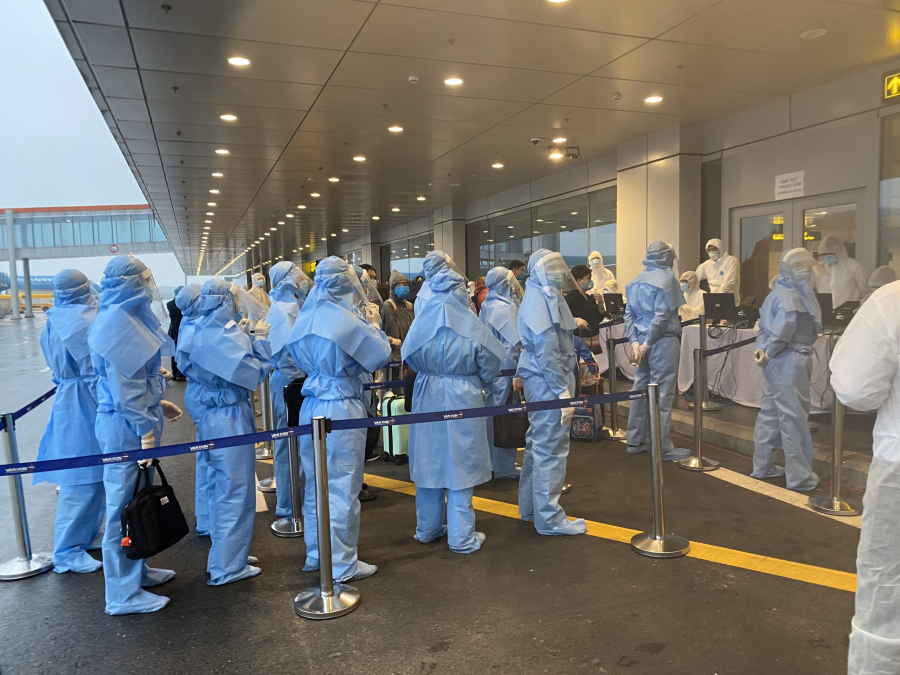
Flight VN9054 from Italy, carrying 60 passengers (57 Vietnamese and 3 Italians), landed at Da Nang International Airport and was strictly quarantined in accordance with regulations. This is an effort by the Vietnamese government to facilitate the work of foreign diplomatic missions in Vietnam in protecting their citizens and supporting the international community in preventing and controlling the COVID-19 pandemic.
Hanoi organizes rapid SARS-CoV-2 testing at wholesale markets.
On the morning of April 17th, at a meeting of the Hanoi City Steering Committee for COVID-19 prevention and control, the Chairman of the Hanoi People's Committee, Nguyen Duc Chung, requested that during the weekend (April 18-19), localities conduct screening and rapid testing at several wholesale markets with large numbers of buyers and sellers to control the spread of COVID-19.
The markets where rapid testing will be implemented include Nga Tu So Market (Thanh Xuan), Long Bien Market (Long Bien), Hoang Mai wholesale fruit market, Ha Vy wholesale poultry market (Thuong Tin), and some seafood markets.
Indonesia has the highest number of SARS-CoV-2 infections in Southeast Asia.
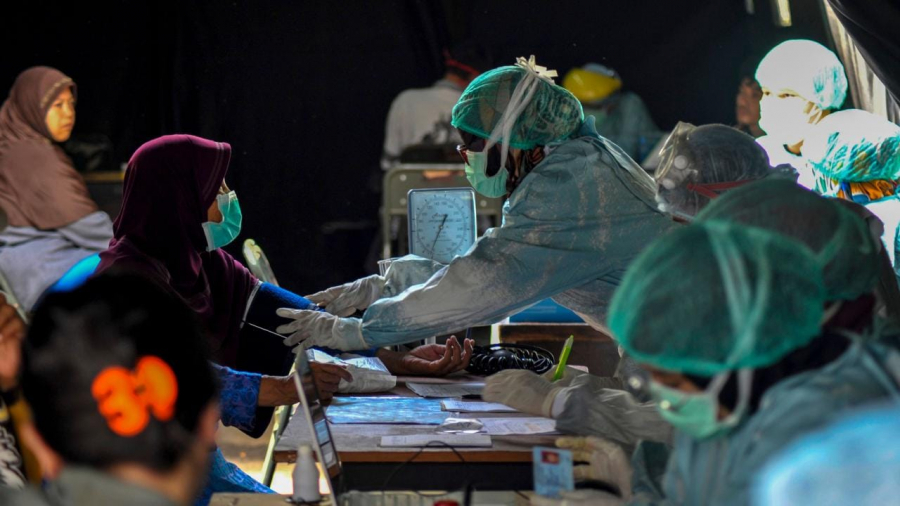
On April 17, Indonesia reported 407 new cases of the SARS-CoV-2 virus, which causes COVID-19, bringing the total number of infections in the country to 5,923, surpassing the Philippines to become the country with the most cases in Southeast Asia. Indonesian Ministry of Health official Achmad Yurianto also announced 24 additional COVID-19 deaths, raising the total number of fatalities in the archipelago nation to 420.
The number of cases testing positive again for the SARS-CoV-2 virus in South Korea continues to rise.
The number of people who have tested positive again for the SARS-CoV-2 virus after a full recovery has reached 163 since the first case was confirmed on April 8. According to the Korea Centers for Disease Control and Prevention (KCDC), the number of re-positive cases accounts for 2.1% of the total number of people who have recovered and returned home.
To date, South Korea has discharged 7,829 patients after they were declared cured. Of the 163 relapse cases, 109 were women. By age group, 38 relapse cases were in their 20s, followed by those in their 50s – with 32 cases. The KCDC said that of the 137 relapse cases, 61 experienced symptoms, and no cross-infections have been recorded from relapse cases.
Wuhan city revises COVID-19 data.
On April 17, officials in Wuhan (the capital of Hubei province, China) announced changes to the COVID-19 data. Accordingly, the number of deaths due to COVID-19 in the city is now 3,869, an increase of 1,290 cases compared to the previous figure. The number of infected people also increased by 325 cases to 50,333.

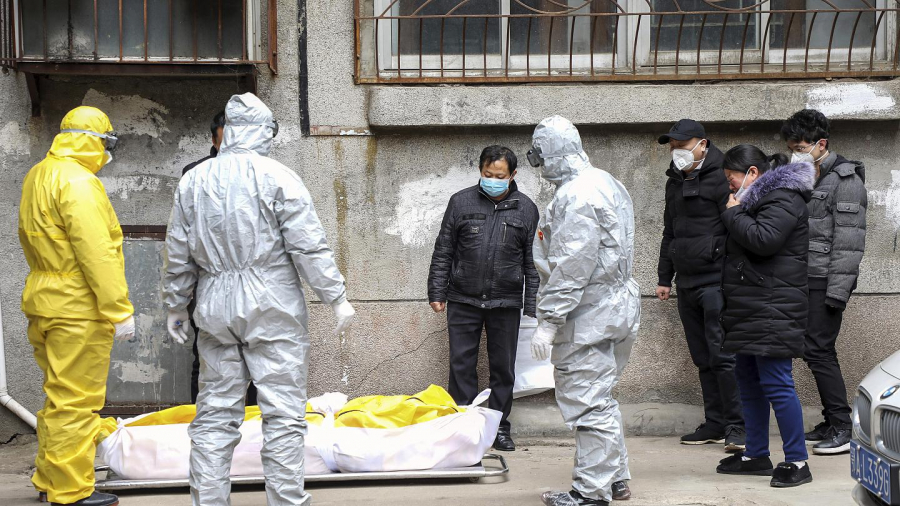
Thus, after adjustment, the mortality rate in the city is now 7.68%, 2.53% higher than the previously published figure of 5.15%. The Wuhan authorities later explained that the rapid outbreak in Wuhan caused a sudden surge in the number of patients in a short period of time. This severely overwhelmed the healthcare system, preventing many people from receiving treatment at hospitals and leading to their deaths at home.
The number of deaths from COVID-19 worldwide has surpassed 150,000.
According to the latest figures as of April 17th, the number of people infected with COVID-19 worldwide is 2,239,082, including 153,913 deaths and 569,953 recoveries.
In particular, COVID-19 continues to develop complicatedly in the US, with the country recording an additional 4,591 deaths in the past 24 hours, the highest number to date. This death toll is significantly higher than the 2,569 cases recorded the day before. Meanwhile, the number of new infections over the past two days has remained the same at 31,451 cases on April 16th. To date, the number of positive cases of SARS-CoV-2 in the US is 678,210, of which 34,641 have died.
COVID-19 continues to rise in many European countries.
On April 17, Dutch health officials confirmed that in the past 24 hours, the number of COVID-19 cases in the country had increased by 1,235 to 30,449, and the number of deaths had increased by 144 to 3,459.
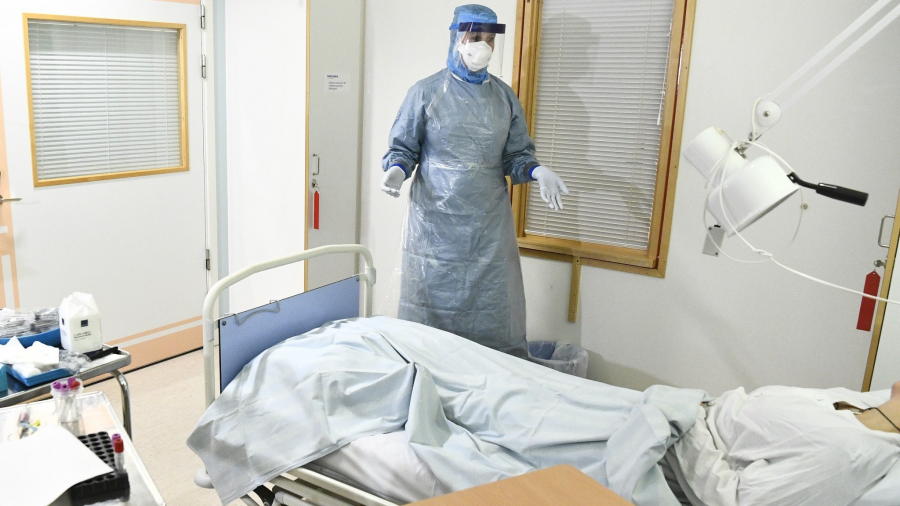
On the same day, Swiss health authorities announced that the number of positive cases of the SARS-CoV-2 virus in the country had exceeded 27,000, specifically reaching 27,078. In the past 24 hours, the number of COVID-19 cases had increased by 1,059.
In the UK, over the past 24 hours, the number of hospital deaths due to COVID-19 has increased by 847 to 14,576, and 108,692 people have tested positive for the SARS-CoV-2 virus out of a total of 341,551 tested.
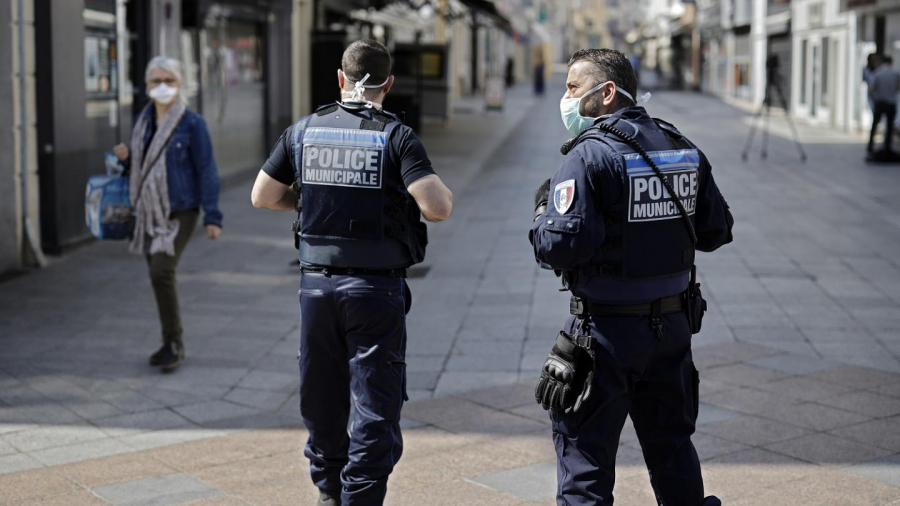
The French Senate also announced that more than 940 sailors on the aircraft carrier Charles De Gaulle have tested positive for SARS-CoV-2 and said that another 500 sailors on the carrier have also shown symptoms of COVID-19.
Belgian authorities have announced that the SARS-CoV-2 virus, which causes the acute respiratory disease COVID-19, has claimed the lives of more than 5,000 people in Belgium, confirming a high mortality rate in the country compared to most other European nations.
Spain, a hotspot, also recorded an increase in SARS-CoV-2 infections to 188,068 cases on April 17, after registering 5,252 new cases, a 2.9% increase compared to the previous day.
The Russian COVID-19 Task Force announced that as of noon on April 17, the country had recorded an additional 4,069 cases of the novel coronavirus (SARS-CoV-2) causing COVID-19 in the past 24 hours, bringing the total number of infections to 32,007.
Bulgaria locks down its capital, and many countries extend their state of emergency.
Starting April 17th, the Bulgarian capital Sofia will be under lockdown to curb the spread of COVID-19, a respiratory disease that has been surging in the city over the past two days.
On the same day, the Romanian Parliament approved an extension of the "state of emergency" for another 30 days, until May 14th. Romania began implementing the "state of emergency" on March 16th after the number of SARS-CoV-2 infections exceeded 100. As of April 16th, the Eastern European country had recorded 7,707 infections and 392 deaths.
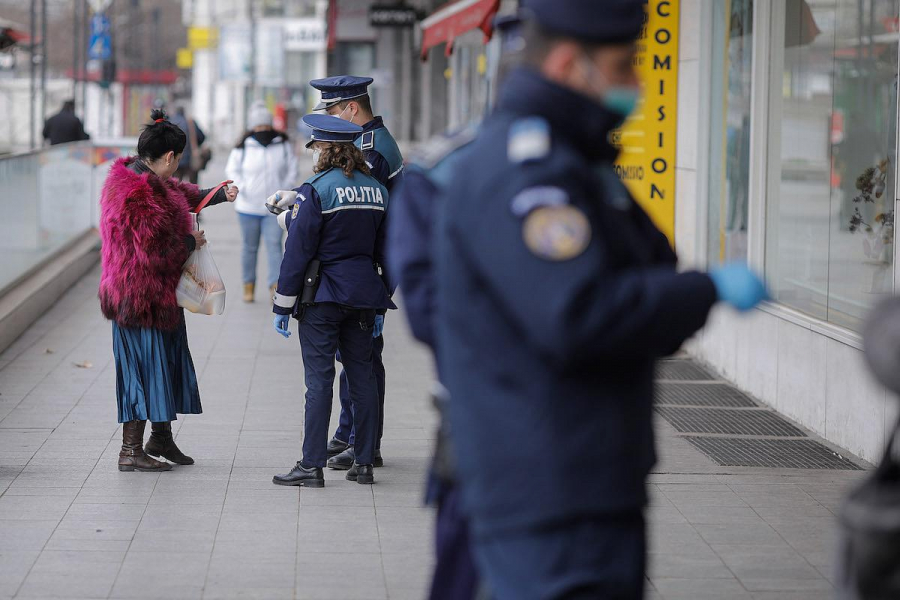
Meanwhile, in Portugal, President Marcelo Rebelo de Sousa announced on April 16th that the "state of emergency" would be extended for another 15 days, until May 2nd, in an effort to control the COVID-19 pandemic.
Germany declares it has successfully controlled the rate of COVID-19 infection.
German Federal Health Minister Jens Spahn said on April 17 that after four weeks of implementing response measures, Germany has so far successfully controlled the spread of COVID-19, the acute respiratory disease caused by the SARS-CoV-2 virus. The German healthcare system is not overwhelmed, and the country will no longer leave approximately 10,000 intensive care beds vacant by resuming surgeries that had been postponed to cope with the pandemic.
To date, Germany has conducted over 1.7 million COVID-19 tests, equivalent to approximately 350,000 per week, and this could increase to 700,000 per week if needed. The successful containment of the SARS-CoV-2 spread is demonstrated by the slowing daily infection rate, which has remained at 0.7%.
Italy is piloting a mobile phone-based contact tracing app.
Italy is planning to roll out a smartphone app developed by the tech startup Bending Spoons to track contacts of users who test positive for the SARS-CoV-2 virus that causes COVID-19. This is one of the measures that could help the country lift its lockdown measures aimed at preventing the spread of the disease.
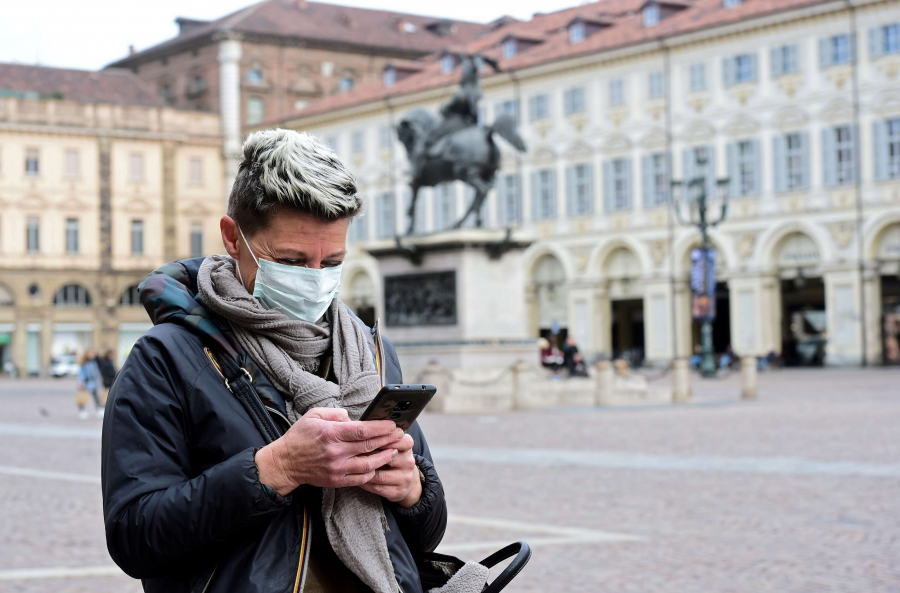
Italy has stated that after piloting the application in several regions, the government hopes to roll it out nationwide, and this is one of the key measures in Italy's strategy to respond to the pandemic in the coming period.
WHO warns about the rapid spread of the SARS-CoV-2 virus in Africa.
WHO Director-General Tedros Adhanom Ghebreyesus said that in the past week, Africa has seen a 51% increase in new infections and a 60% increase in deaths.
According to statistics, the top 5 countries with the highest number of infections in Africa as of the end of April 17th are, in order: Egypt (2,844 cases and 205 deaths), South Africa (2,783 new infections and 50 deaths), Morocco (2,564 new infections and 135 deaths), Algeria (2,418 infections and 364 deaths), and Cameroon (996 infections and 22 deaths).
IMF approves emergency aid package of nearly $1.4 billion for Pakistan.
The International Monetary Fund (IMF) announced on April 16 that its executive board had approved nearly $1.4 billion in emergency aid to Pakistan to help the country cope with the economic difficulties caused by the COVID-19 pandemic.
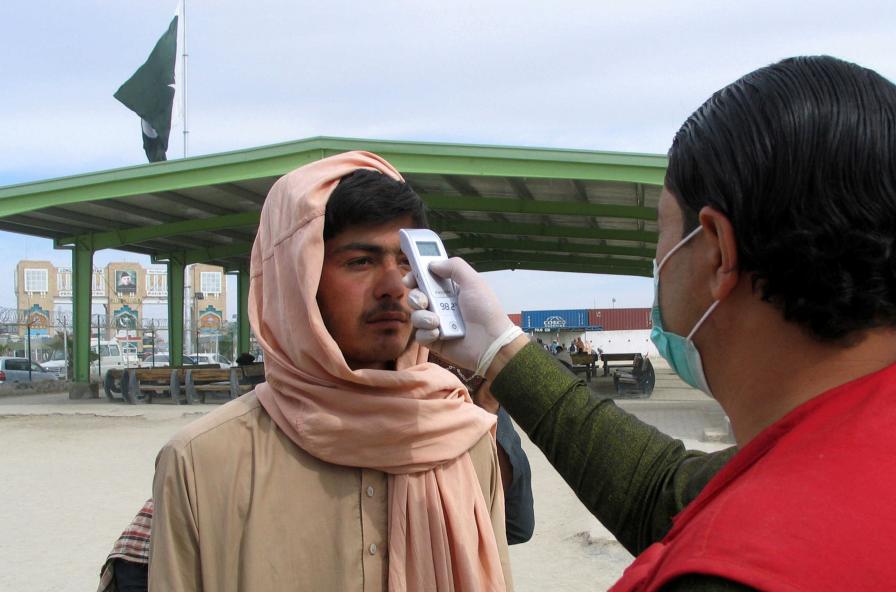
According to the announcement, this aid, under the IMF's Rapid Financing Instrument (RFI), will help Pakistan cope with dwindling foreign exchange reserves and allow Islamabad to cover increased spending aimed at containing COVID-19 and mitigating its economic impact.
The UK is rushing to produce 1 million doses of a COVID-19 vaccine.
In an announcement on April 17, scientists at Oxford University said they are recruiting volunteers for phase 1 – human trials of the ChAdOx1 nCoV-19 vaccine – and are rushing to mass-produce it, although there are concerns that trial results may show the vaccine is ineffective in preventing COVID-19.
The ChAdOx1 nCoV-19 vaccine is the result of research by a team of scientists at the University of Oxford, and is one of at least 70 potential vaccines currently under research and development.