VI
VI


This isn't the first time we've discussed the issue of high rental prices in Hong Kong. The rental market there continues to be ranked among the most expensive in the world, according to surveys.Demographia International Housing Affordability SurveyThe 2019 figures are based on data from the third quarter of 2018. Currently, there are approximately 200,000 people living in coffin-like apartments with an average area of 3.7 square meters in the city.
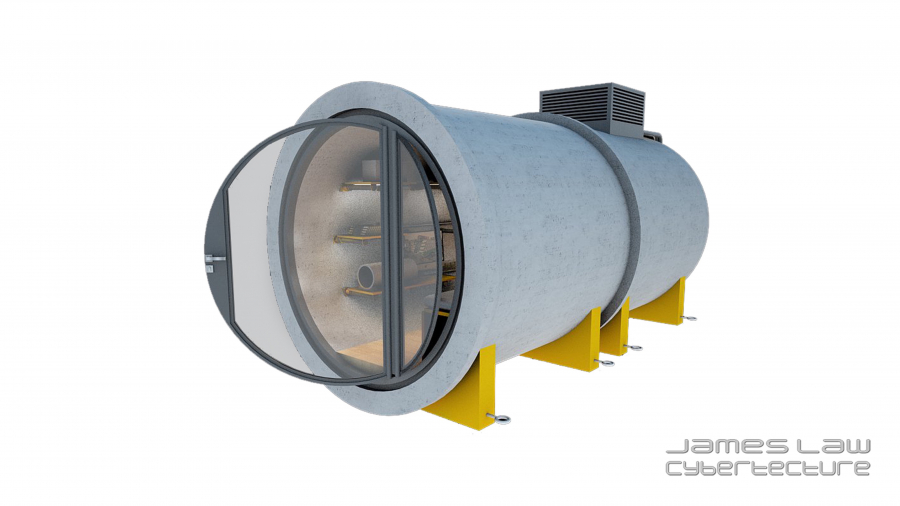
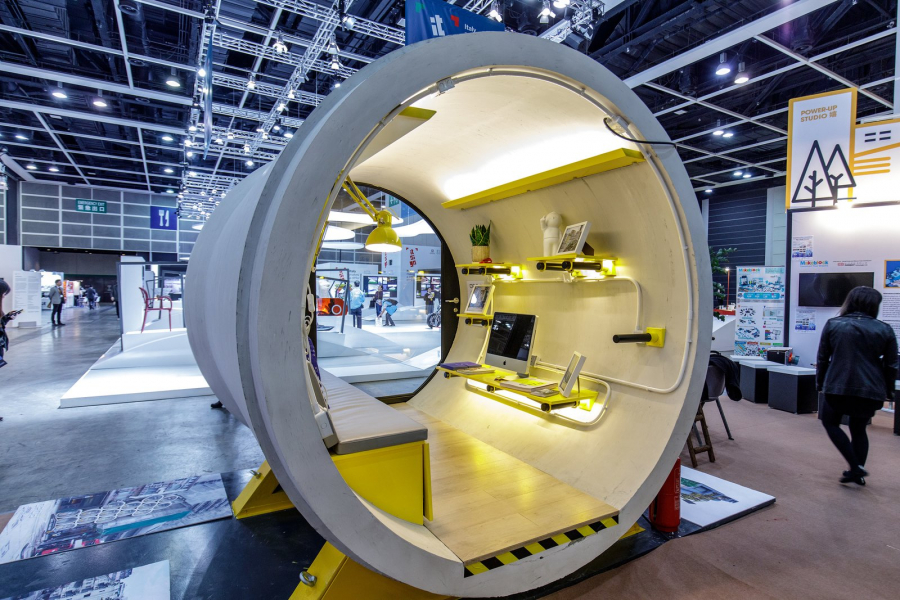
Hong Kong's architectural and design firms are rapidly seeking innovative ways to save future generations from this desperate situation. The latest designs come fromJames Law CybertectureThey have created a prototype for micro-houses housed in stackable concrete pipes.
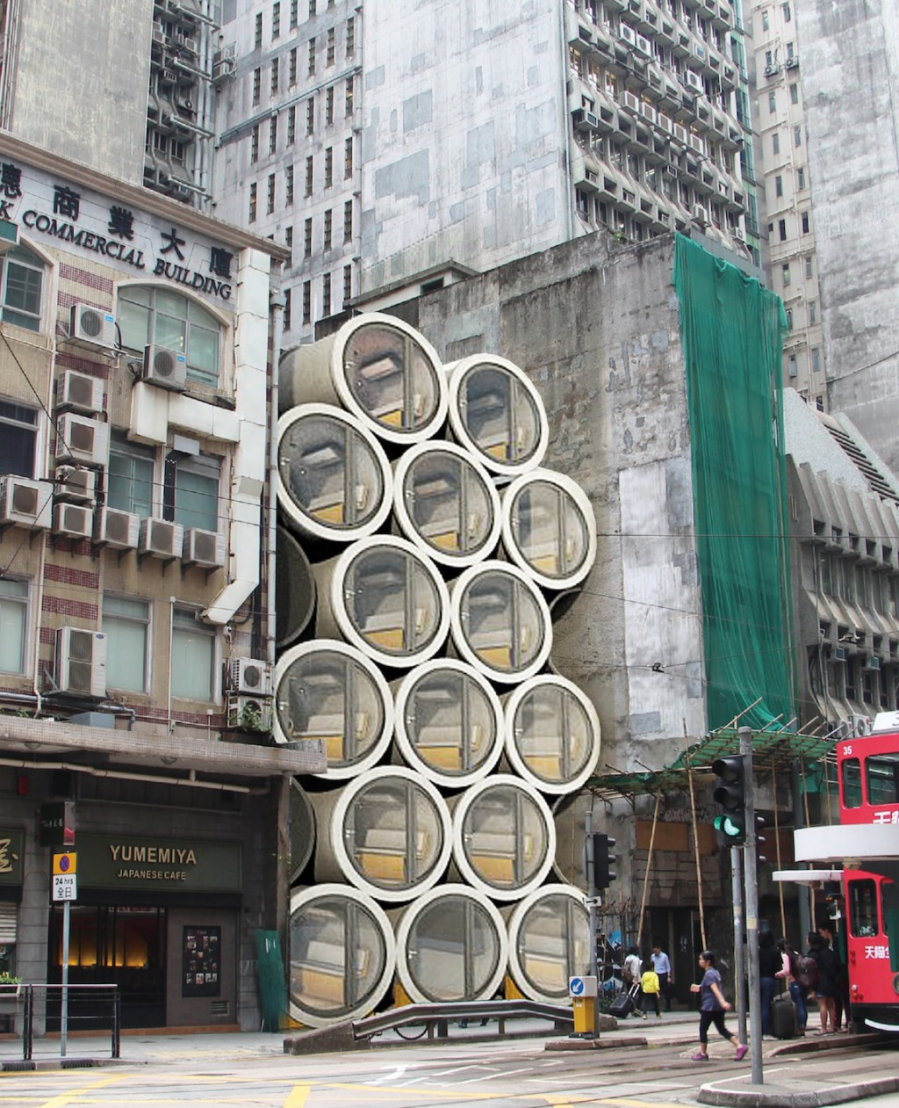
The idea may seem simple, or even crude to the naked eye: sleeping in a tube doesn't look like a dream scenario – but OPod Tube Housing could be a real short-term solution to the housing crisis. The tubes, measuring 9.29 square meters, are more than twice the size of the small, unsafe wooden-roofed rooms many people currently live in.
Furthermore, Law anticipates that the rent for these micro-apartments will be only around $400 per month thanks to low construction costs (approximately $15,000 per unit), significantly cheaper than the current rent of $2,000 per month for the same size.

Law's design not only creates affordable real estate but also solves the problem of space. Land in Hong Kong is very limited, so public housing is extremely scarce despite the Society for Communication Organization's constant advocacy for better living conditions.
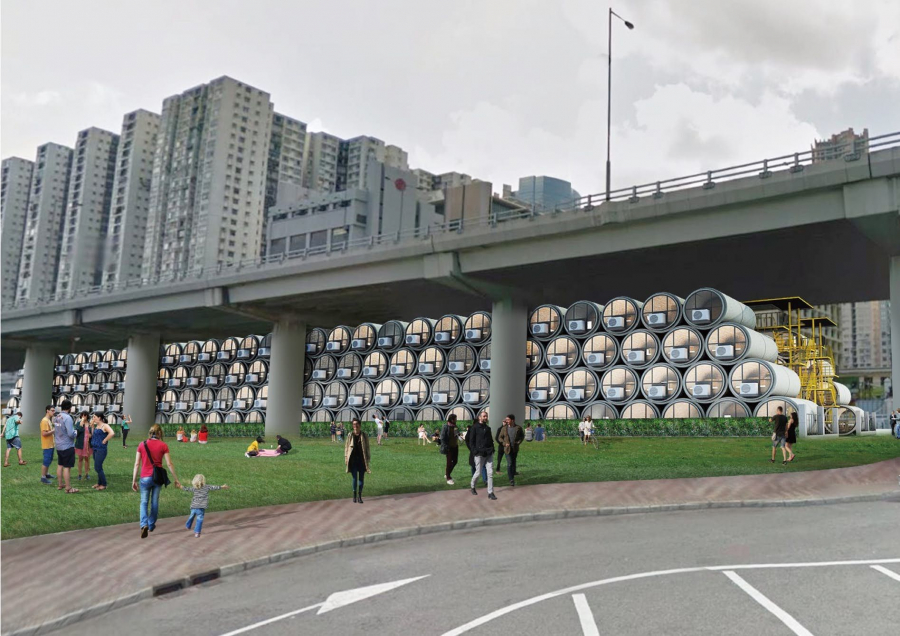
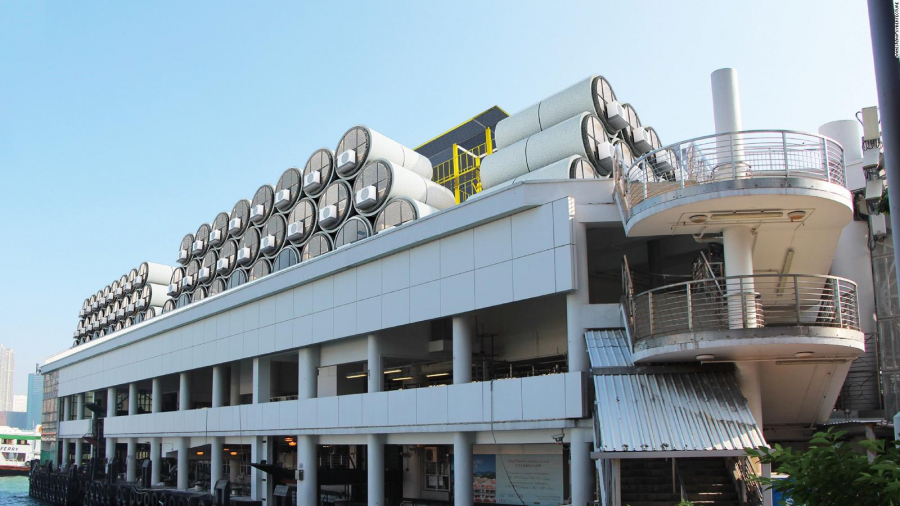
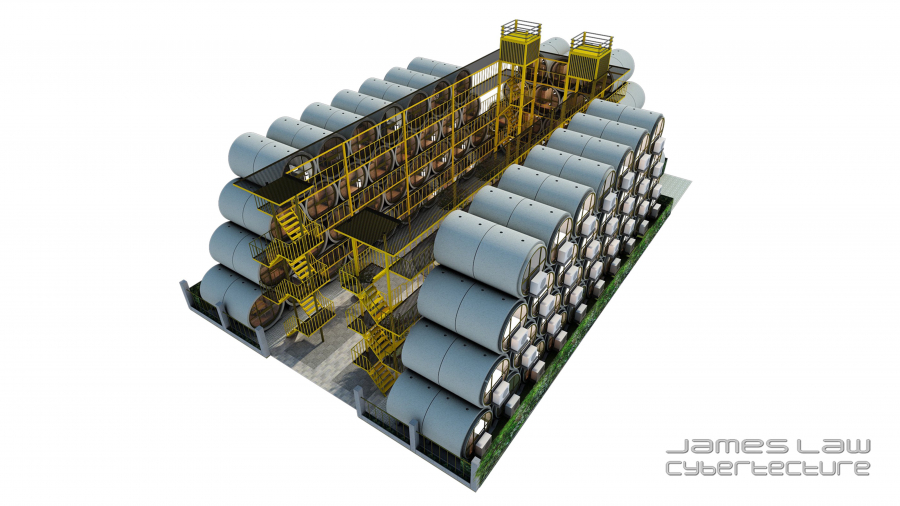
Because each tube is only 2.5m wide, they can be easily placed in tight spaces. Law shows that they can be stacked four rows high without any external support, or even arranged into independent residential blocks with structural support. These tubes can also be transported to different locations using cranes or trailers, as each tube weighs only 20 tons, making them a flexible solution for temporarily relieving pressure on the rental market.
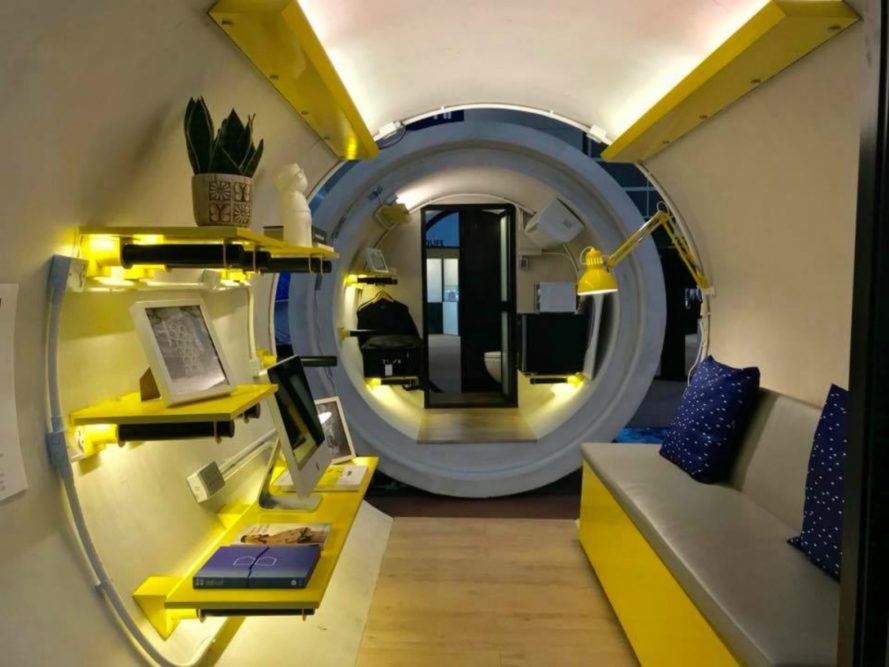
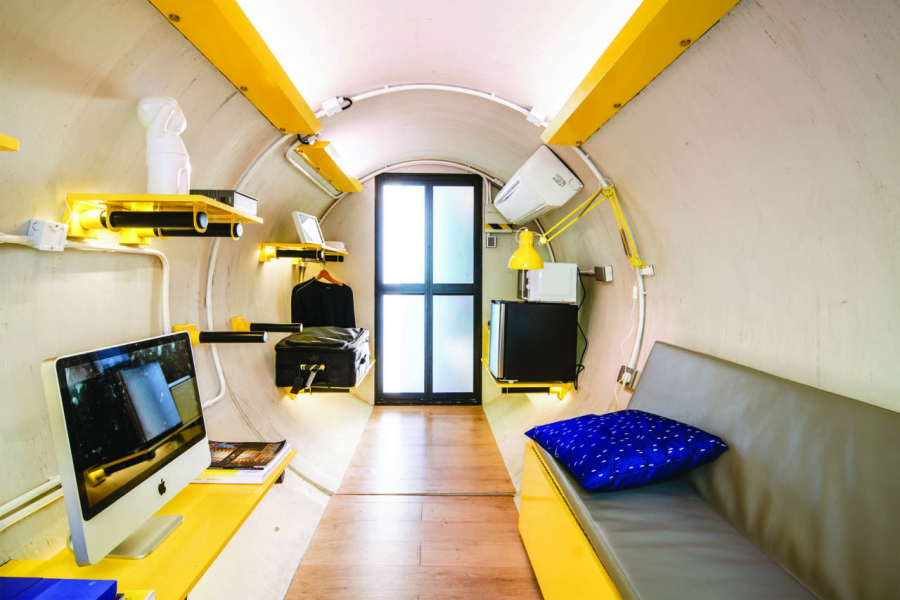
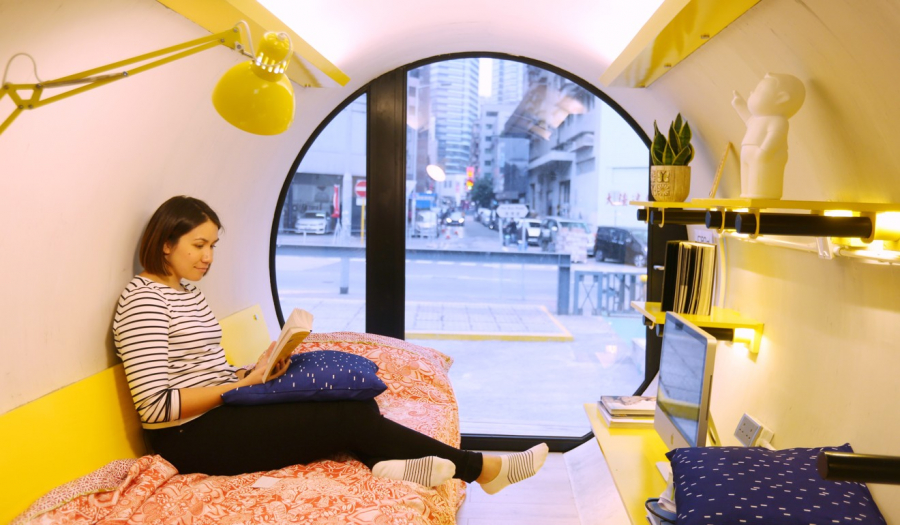
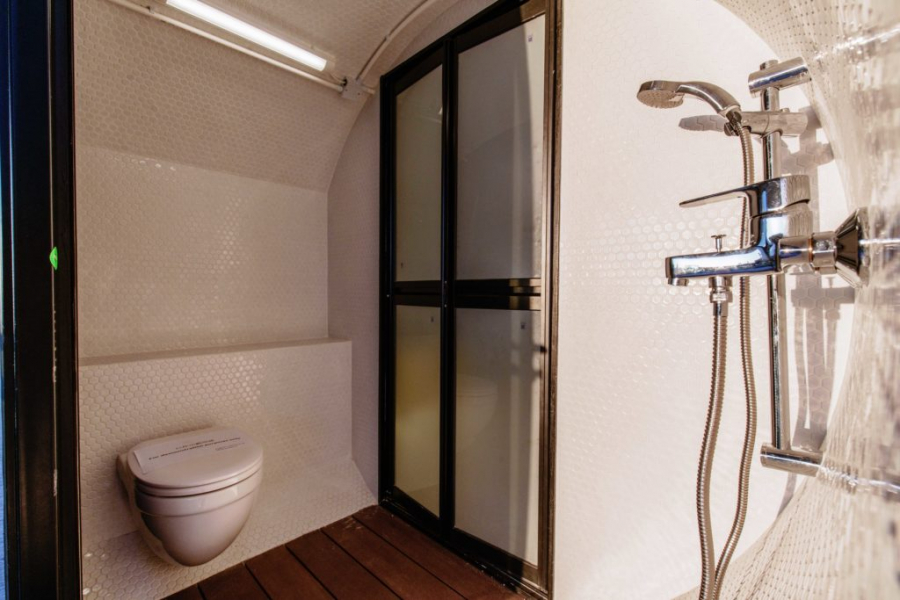
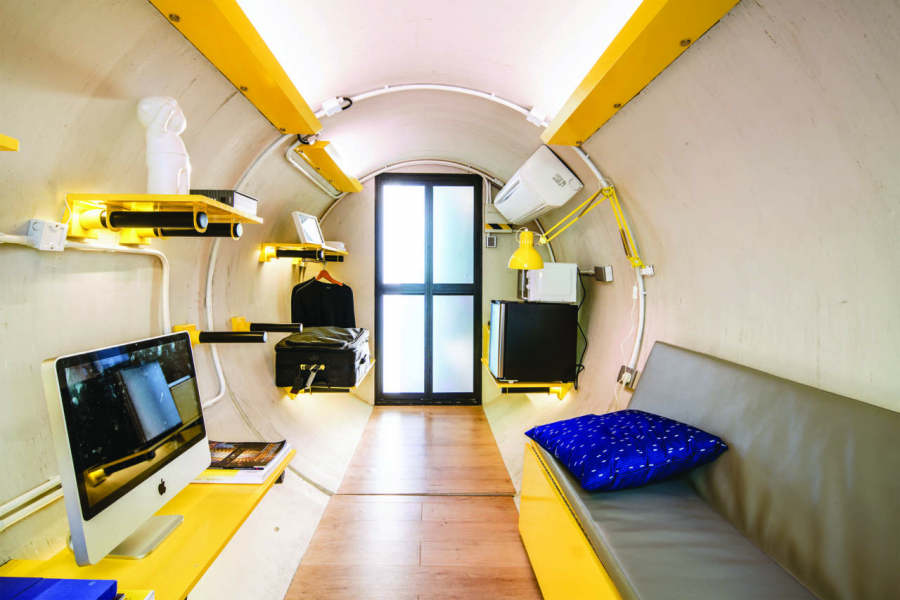
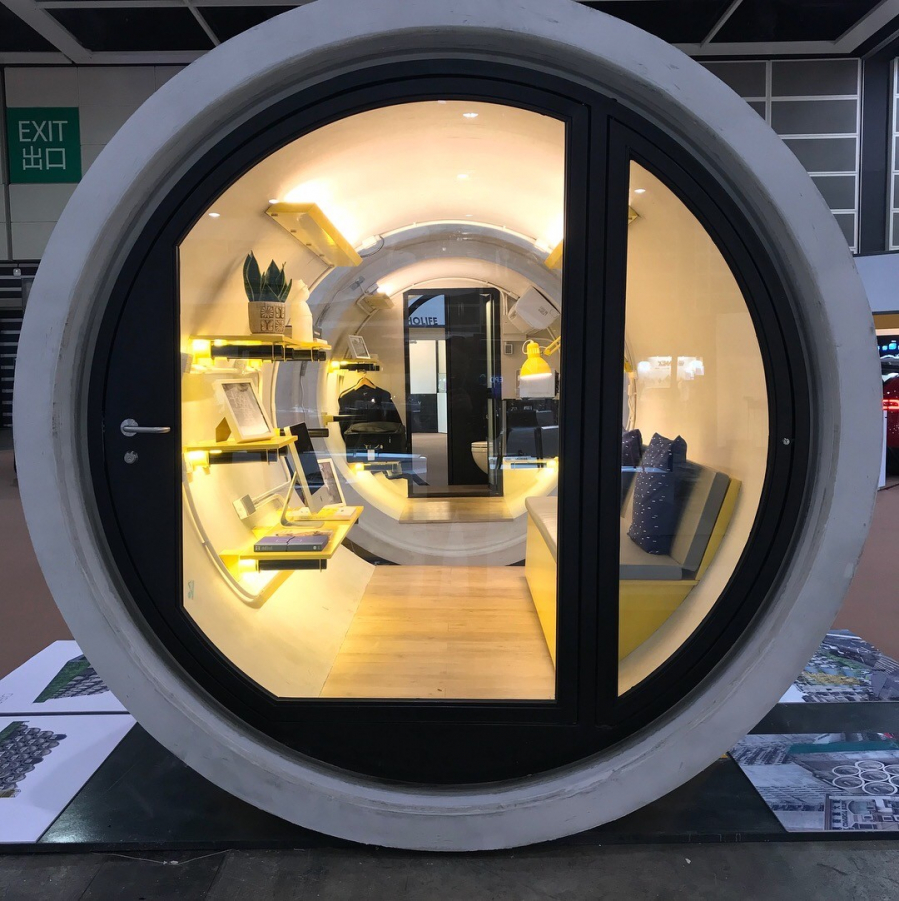
Opod Tube House also boasts a very modern and convenient design with a glass front door that absorbs natural light, a door that can be unlocked with a smartphone, and white wooden floors that make the house look brighter and more spacious. The minimalist interior includes a sofa bed, a mini-refrigerator, a microwave, and a clothes rack. The bathroom is kept as compact as possible, with the entire space confined to the plumbing, but it is tiled entirely with hexagonal textured tiles to facilitate drainage.
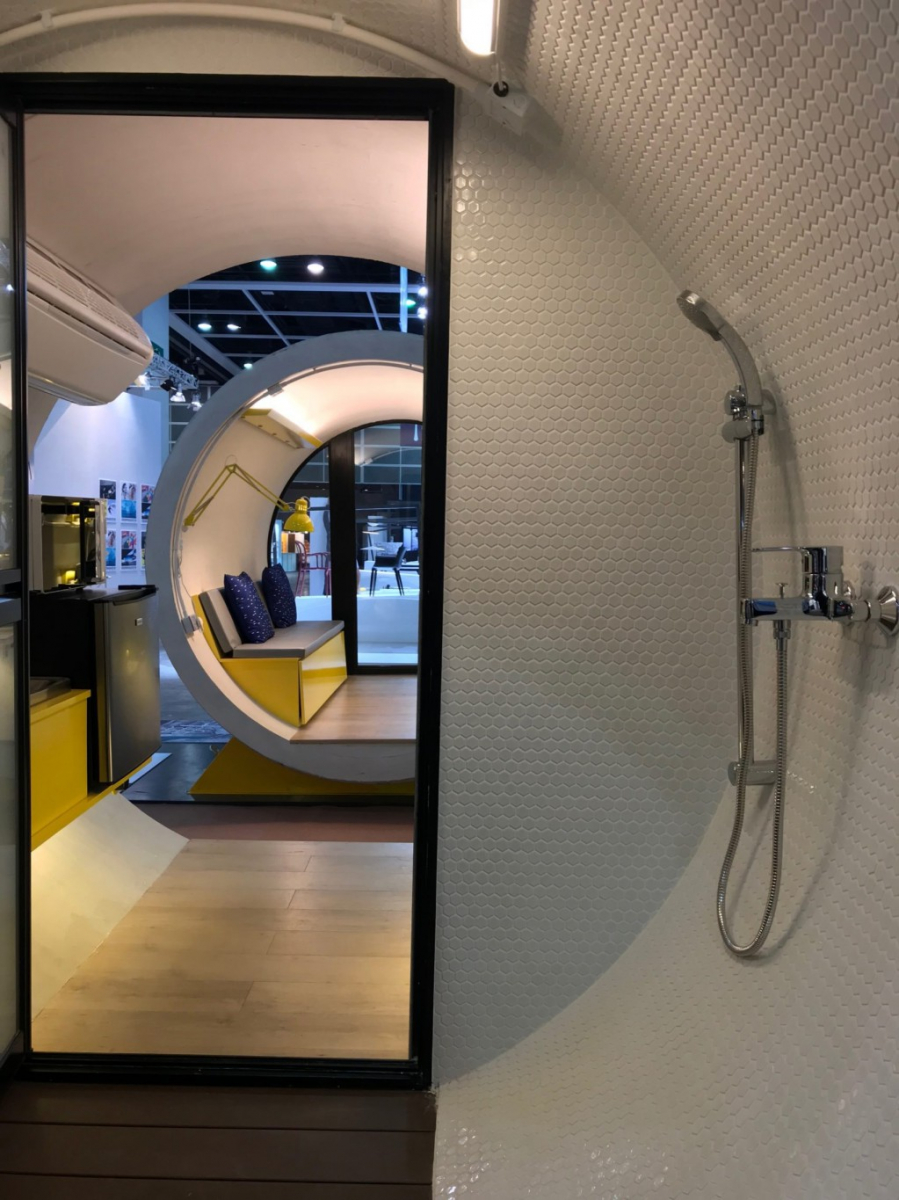
Currently, Opod is only a prototype, but Law is negotiating with local authorities to bring his plan to life and begin installing the tubes in vacant areas of the city. While this is not the first micro-housing model to be tested to address the urban housing crisis, Opod is a reasonable, short-term, flexible solution that the government desperately needs to combat Hong Kong's volatile housing market.
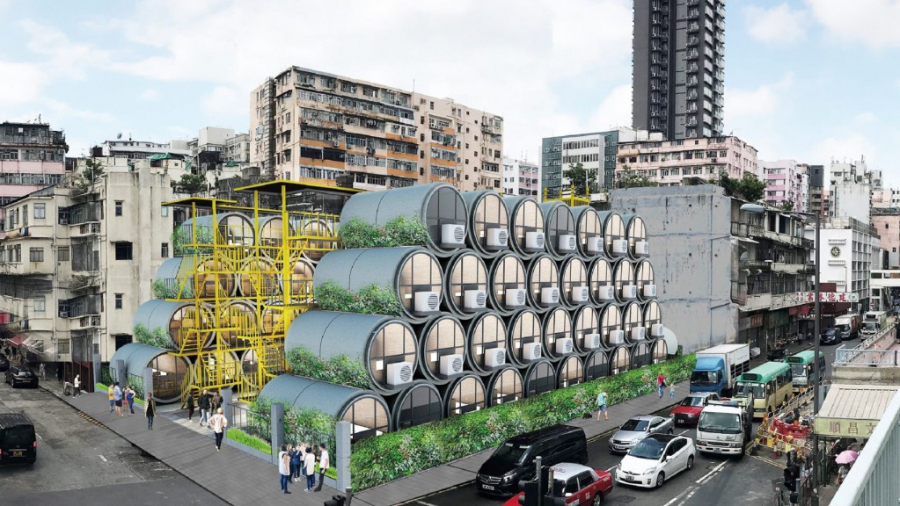
Let's take a look at some more pictures of "tube houses":