VI
VI


When asked, "What kind of music do young people these days like to listen to?", you might immediately think of music by famous singers like Son Tung M-TP, Jack, Erik, Den Vau, etc., or songs with millions of listens on Billboard or K-pop. That's true, but it's not the whole picture.
Besides keeping up with the latest, most vibrant mainstream music, modern youth are increasingly favoring more "hidden," profound, yet equally captivating musical trends. These include Indie, Lofi, remakes of classic songs, and Dream Pop.
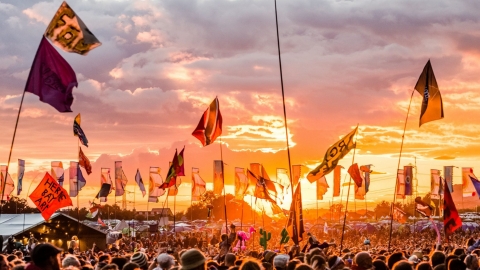
Before venturing into that world of music, try answering this question: does the image below look familiar?
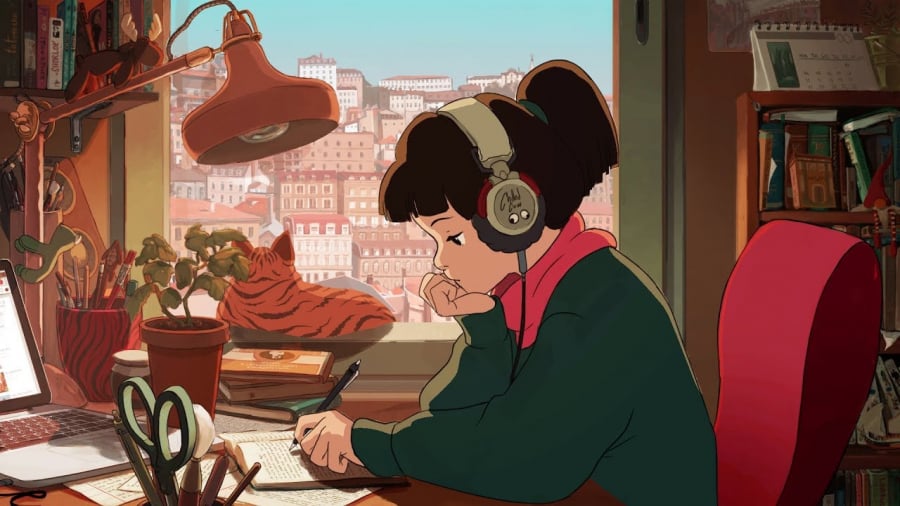
If so, then this article is exactly for you. If not, welcome to a new world of music, where today's young people choose to let their emotions slowly fade away.
Listen to indie music to express your feelings.
Indie music, originating from Europe and America, is not a genre like Pop, Ballad, or EDM. It's a general term for a musical trend created by independent artists, without the support of management companies or media strategies. Indie music simply consists of songs born from the artist's own perspective and material, without any formula for creating a hit.
Indie music is characterized by its "self-expression"—self-composed, self-sung, self-recorded, self-released, and… self-expressive. Indeed, like the way people express themselves in the pages of a diary, the lyrics are like gentle narratives on simple melodies, making listeners feel as if the song "speaks for their own heart."

Previously, indie music was mainly popular on online music streaming sites like Soundcloud and Spotify. Nowadays, thanks to YouTube, indie music has become less "hidden." In recent years, Vietnamese indie artists have increasingly demonstrated the popularity of this free-form music trend among young people, with their follower counts and song views rivaling those of mainstream artists. The most notable examples include "Indie Prince" Vu with his song "La Lung" (over 87 million views), "1 Phut" by Andiez (56 million views), "Mot Dem Say" by Thinh Suy (36 million views), and "Pho Khong Em" by Thai Dinh (17 million views)...
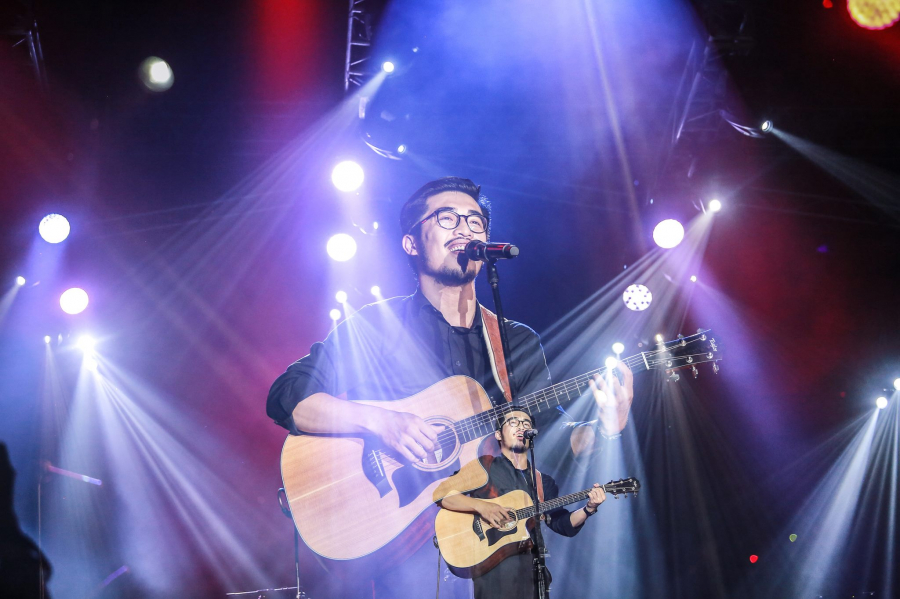
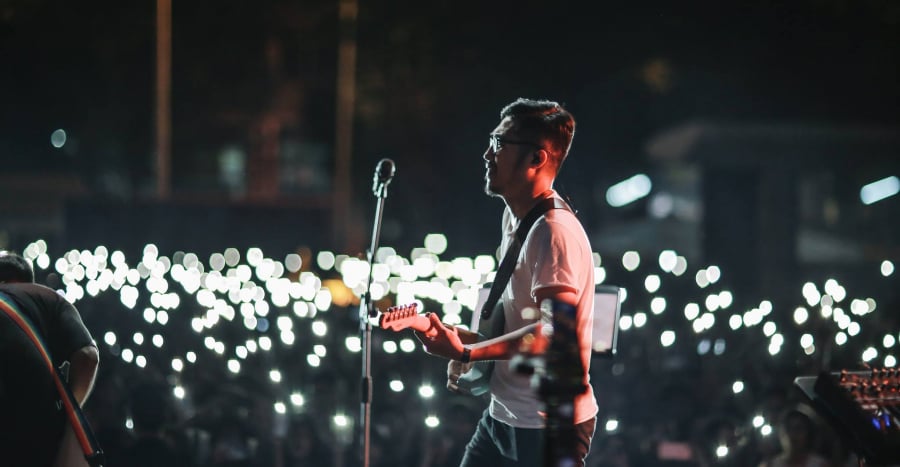
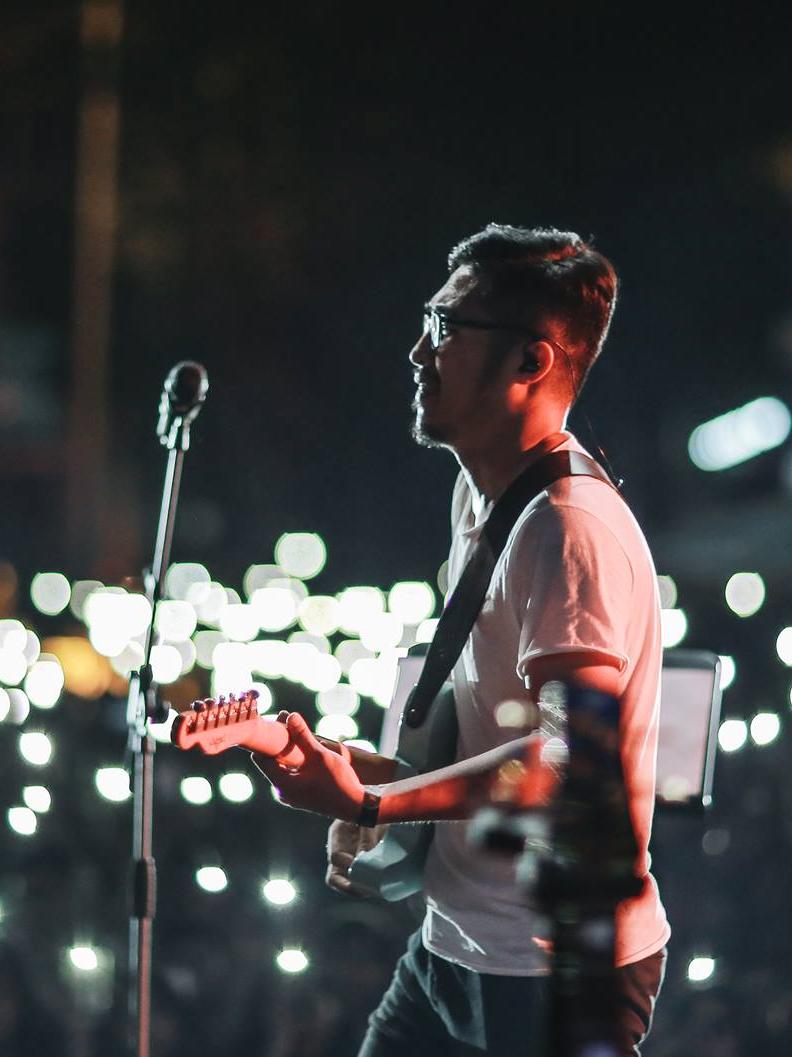
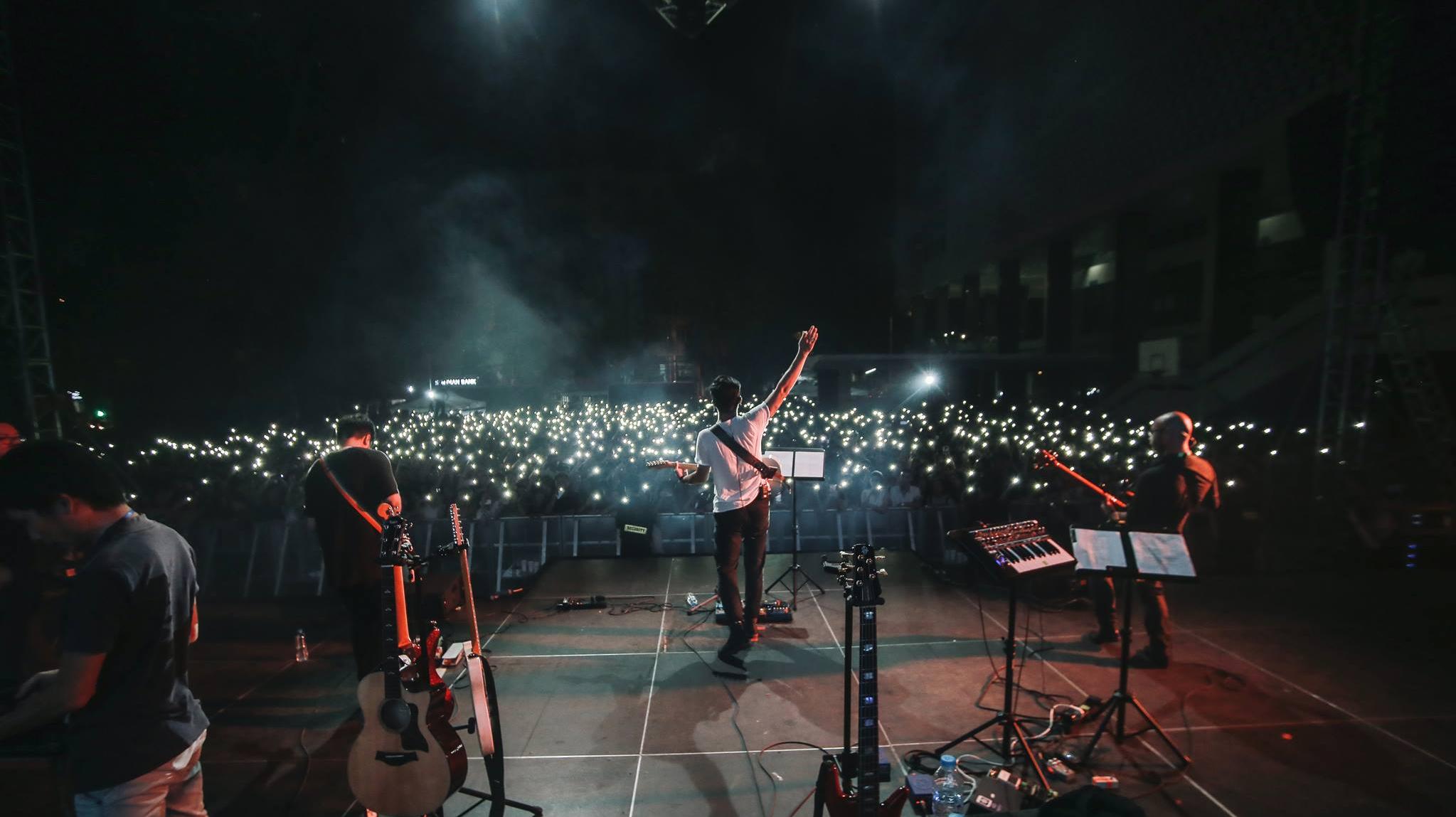
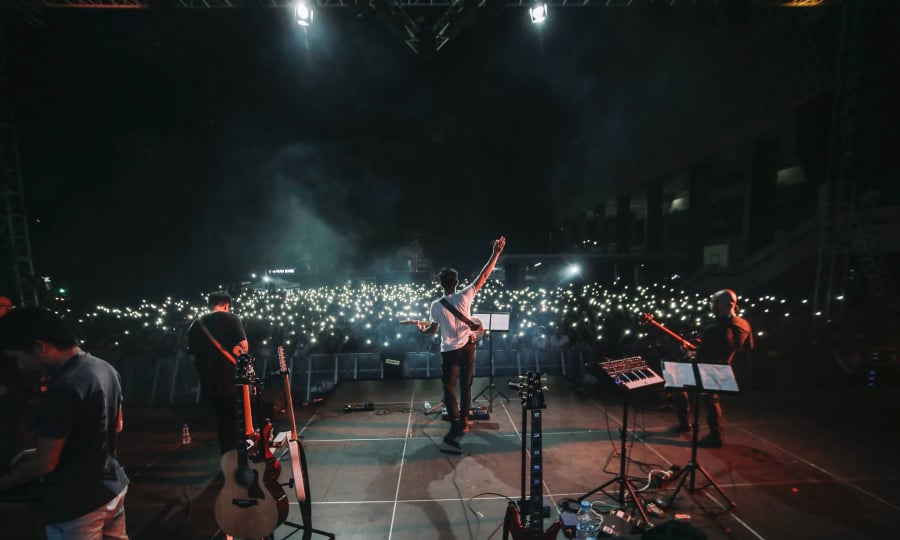
Furthermore, the increasing presence of Indie music in venues such as cafes, tea rooms, or even at major music festivals like Monsoon Music Festival and Thom Music Festival is evidence of the free-form music trend that is gaining popularity among Vietnamese youth.

Slow-burn mood with lofi music
While mainstream music increasingly leans towards high-quality electronic sound, the Lofi music trend seems to be going in the opposite direction. Lofi is an abbreviation of Lofi - Low-fidelity: low-quality music that uses outdated sounds, static, jerky noises, etc., sounds that were previously considered technical flaws when listening on tapes or CDs.
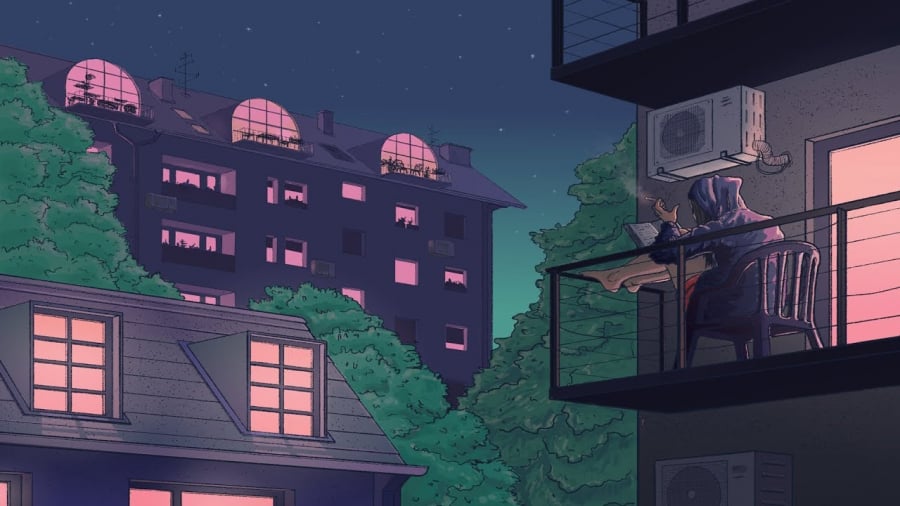
Typically, Lofi music consists mostly of instrumental tracks with airy, melodic rhythms from Seoul, Jazz, and Hip-hop. It's rare to find a track with spoken words, usually just a short dialogue. The charm of Lofi lies in its simplicity, both in the music and the visuals. The tracks are mostly familiar beats from popular songs, but processed in a low-quality format. The visuals are often animations or still film footage; recently, edited anime clips have also appeared.
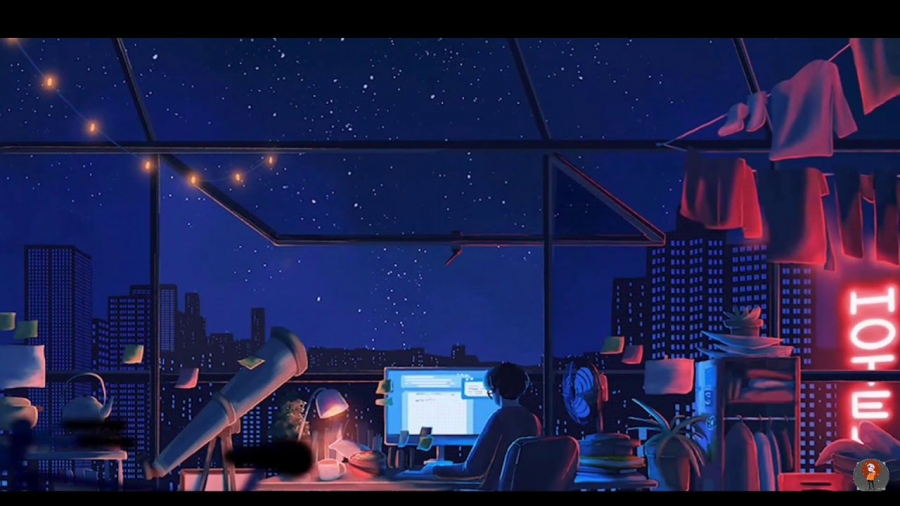
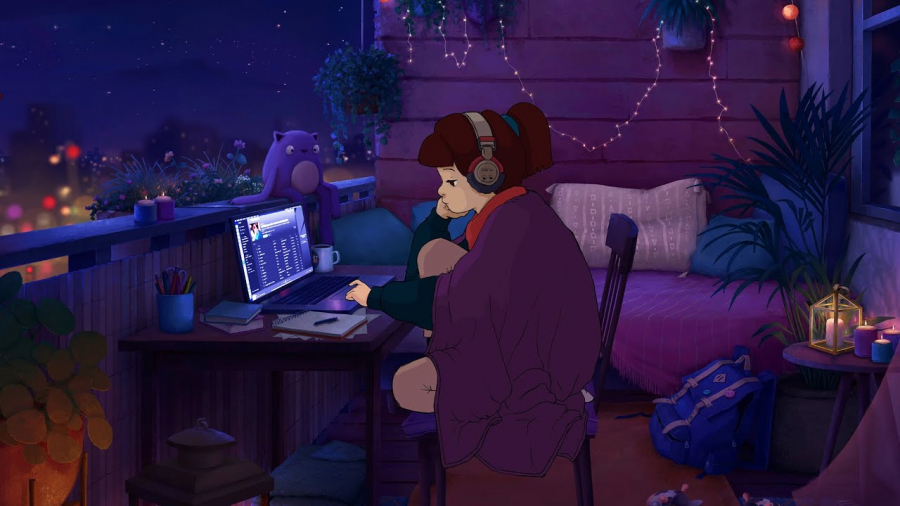
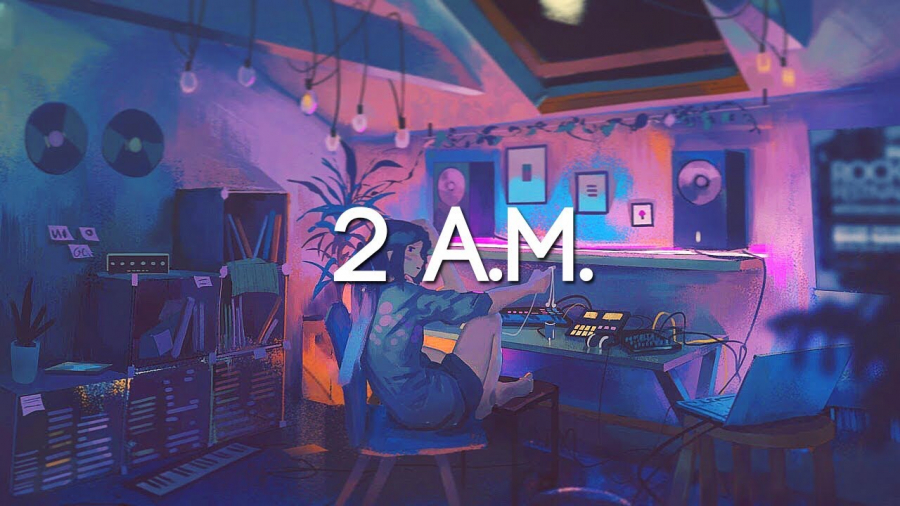
It is precisely the melancholic and dreamy nature of Lofi music that has won the hearts of young people worldwide. Popular Lofi music channels such as Chillhop Music, The Jazz Hop Cafe, and The Bootleg... have millions of followers. On YouTube today, it's not difficult to find Lofi playlists with millions of views, often titled with a deeply personal narrative.Late night vibe, 1 AM study session, it's 2 AM and I still miss you“…
NOSTALGIA FOR THE PAST in remakes of old songs.
The trend of reimagining classic songs has been pursued by foreign indie artists for several years now. The simple melodies of guitar and ukulele, combined with the gentle, sweet vocals of the artist, are enough to create a cover that stirs the heart.
In early 2017, singer Ha Anh Tuan's "See Sing & Share" project opened the first chapters of the trend of remaking classic songs in Vietnam. Following this, a series of hit songs from the early 2000s, such as "Winter Lover," "999 Roses," and "Unrequited Love," were successively remade. These songs, associated with the childhood of those born in the 80s and 90s, came back to life amidst the booming era of electronic music.
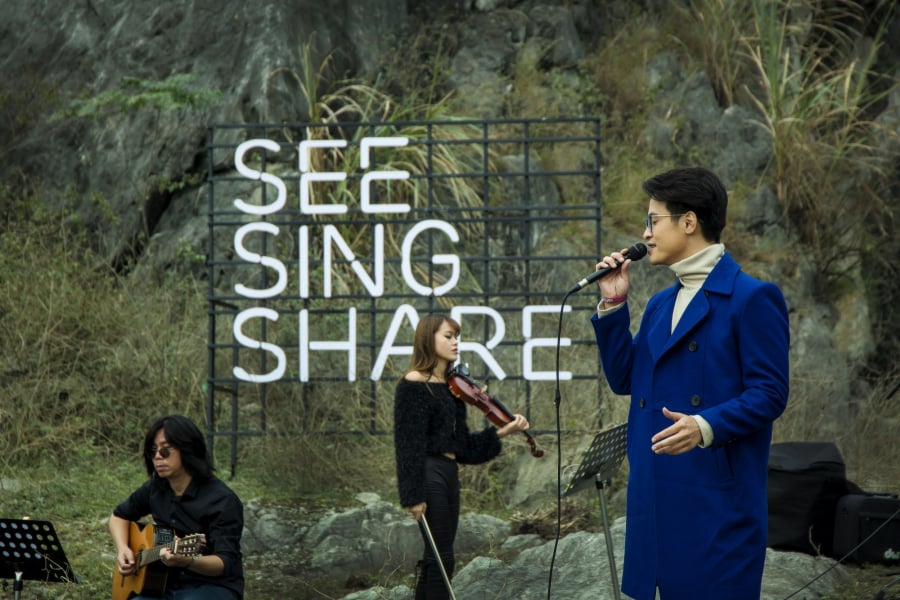
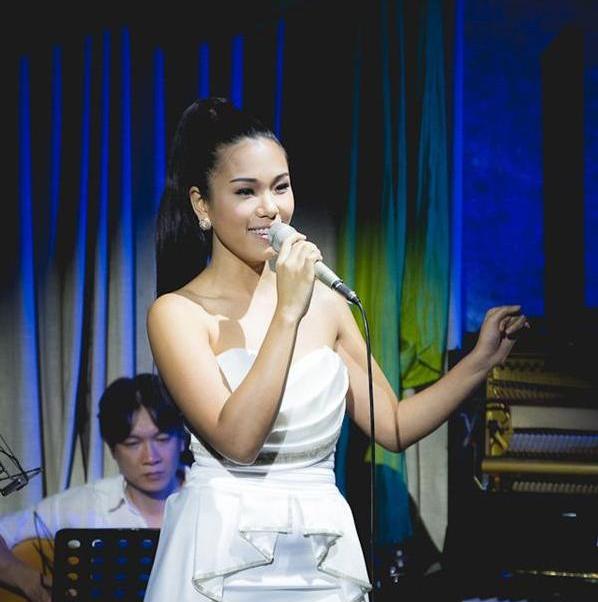
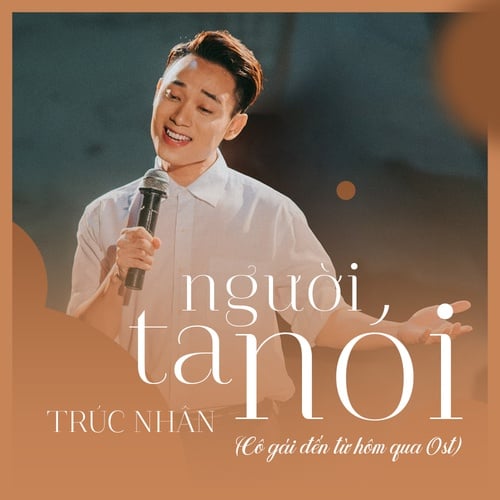
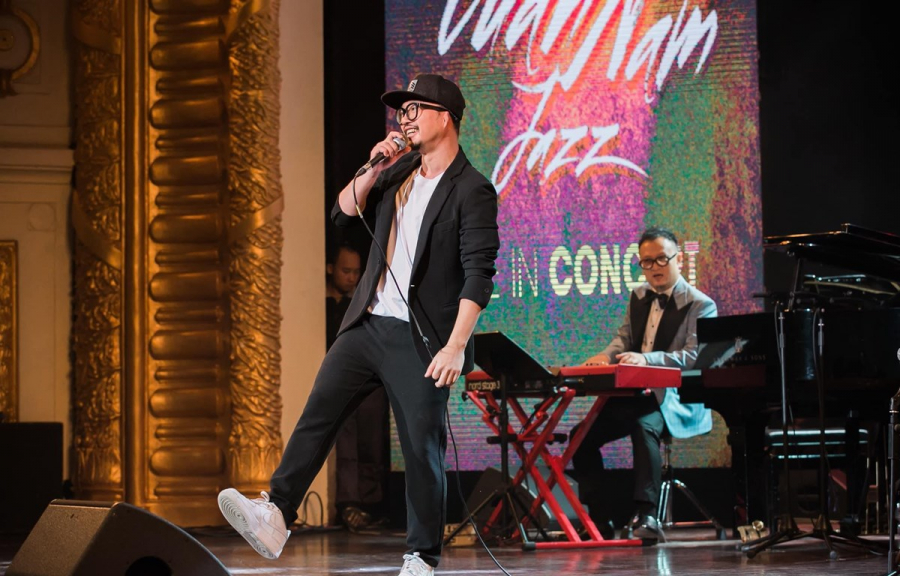
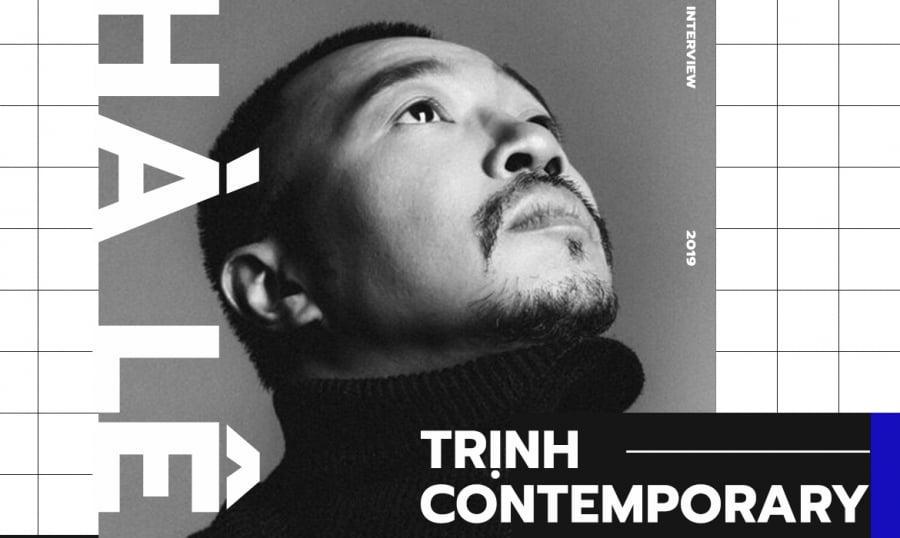
The spread of remakes of classic songs has not only attracted famous names like Truc Nhan, Phuong Vy, etc., but also Indie and Underground singers like Ha Le, who have also had very impressive projects remaking Trinh Cong Son's songs.
Why do young people particularly embrace these remakes? Perhaps it's because, beyond the music, they evoke childhood memories, stirring up a world of nostalgia. These memories aren't just "revived," but are also given a fresh, modern twist, suited to contemporary musical tastes.
Soar and immerse yourself in the "virtual music" of Dream Pop.
Dream Pop is a haunting, ethereal genre that doesn't follow any specific rules. Artists singing Dream Pop seem to be lost in reverie, soaring, and immersed in their innermost thoughts. Therefore, it's said to be music for nostalgic and romantic souls, also known as "illusory music."
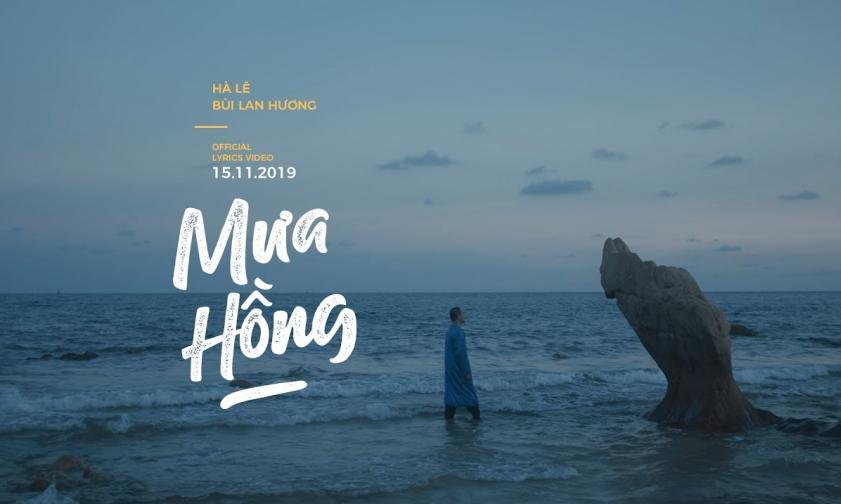
In the distant United States, Lana Del Rey can be said to be the one who brought Dream Pop to light. In Vietnam, Bui Lan Huong is considered the queen of this genre, having left a lasting impression on audiences with her songs "Bua Me" and "Mau Thuan" on the Sing My Song - Best Song program. Following that was another hit song that went viral online: "Ngay Chua Giong Bao" (soundtrack from the movie "Nguoi Bat Tu"), a collaboration with musician Phan Manh Quynh.
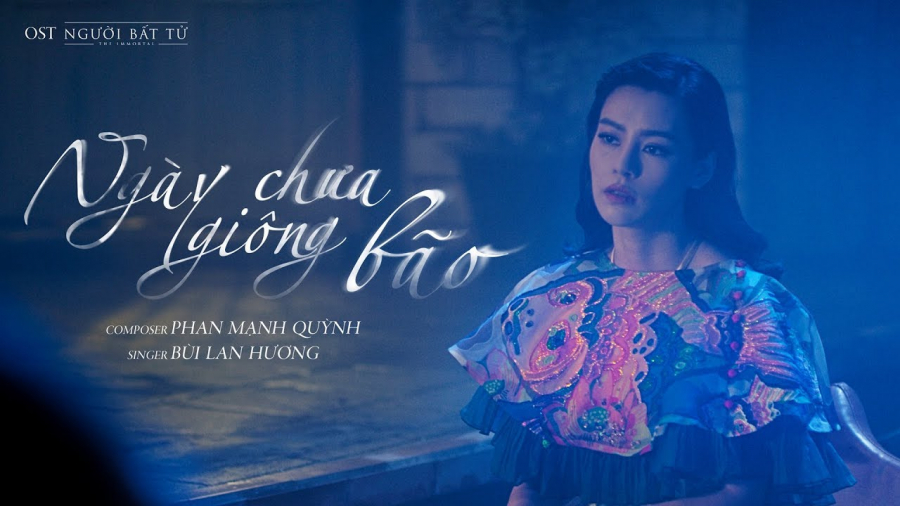
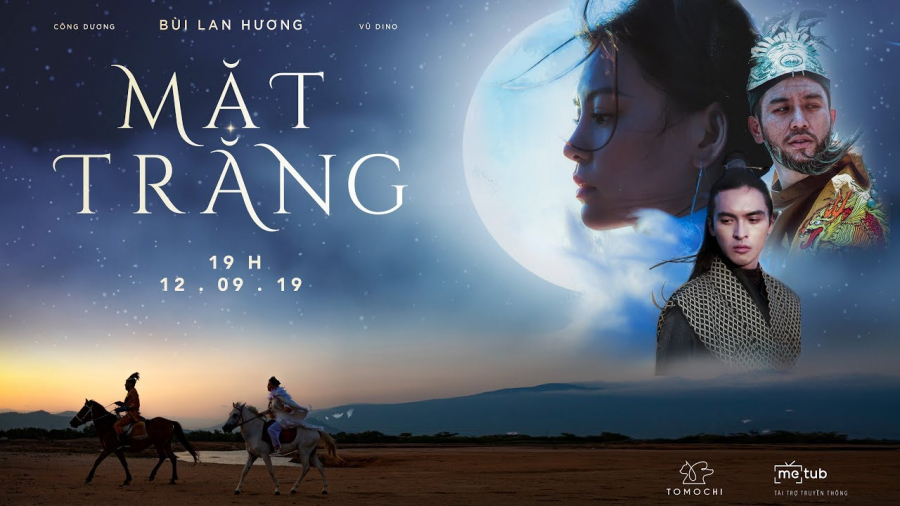
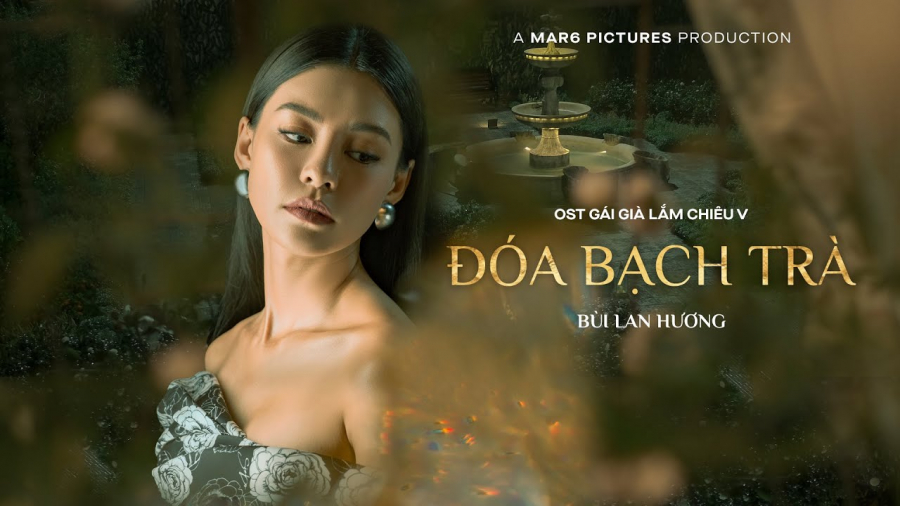
Dream Pop's free-spirited, whimsical yet melancholic and somber nature has captured the hearts of young people. While this genre appeals to a niche audience, it possesses a strangely addictive quality. To enjoy Dream Pop songs, simply go to YouTube and search for the names of the two current "queens" of this genre: Lana Del Rey and Bui Lan Huong.
What led young people to embrace these four music trends?
Without extensive advertising and sometimes even going against market trends, these four music genres are currently receiving a lot of attention from young people. The first commonality among these musical trends is nostalgia and the soul of the artist. All the melodies and lyrics stem from the artist's genuine understanding and empathy for the audience, creating a connection in their hearts.
Indie, Lofi, remakes of old songs, or Dream Pop seem to be places where young people can express their unspoken feelings and find solace amidst pressure and turmoil. From a psychological perspective, the trend of listening to slow music among young people is considered a simple, quick, and effective therapy to relieve the stress they face in the modern world.
At the same time, gentle music that evokes pleasant memories often has a calming effect on the mind. This is perhaps why young people seek out or unconsciously play these slow songs every day.