VI
VI


Despite its icy coldness, Antarctica possesses a breathtaking beauty with its icebergs and gentle penguins waddling peacefully in the pristine environment. Upon setting foot on the Antarctic Peninsula, we were overwhelmed by the magnificent and awe-inspiring natural landscapes that are unlike anything found elsewhere.
Day 1: Punta Arenas, Chile
Antarctica is the wildest, driest, and coldest continent on Earth, with 98% of its surface covered in ice and snow. To explore Antarctica, from Vietnam, we flew to Punta Arenas – a city in southern Chile, located on the Strait of Magellan and also one of the southernmost cities in the world.
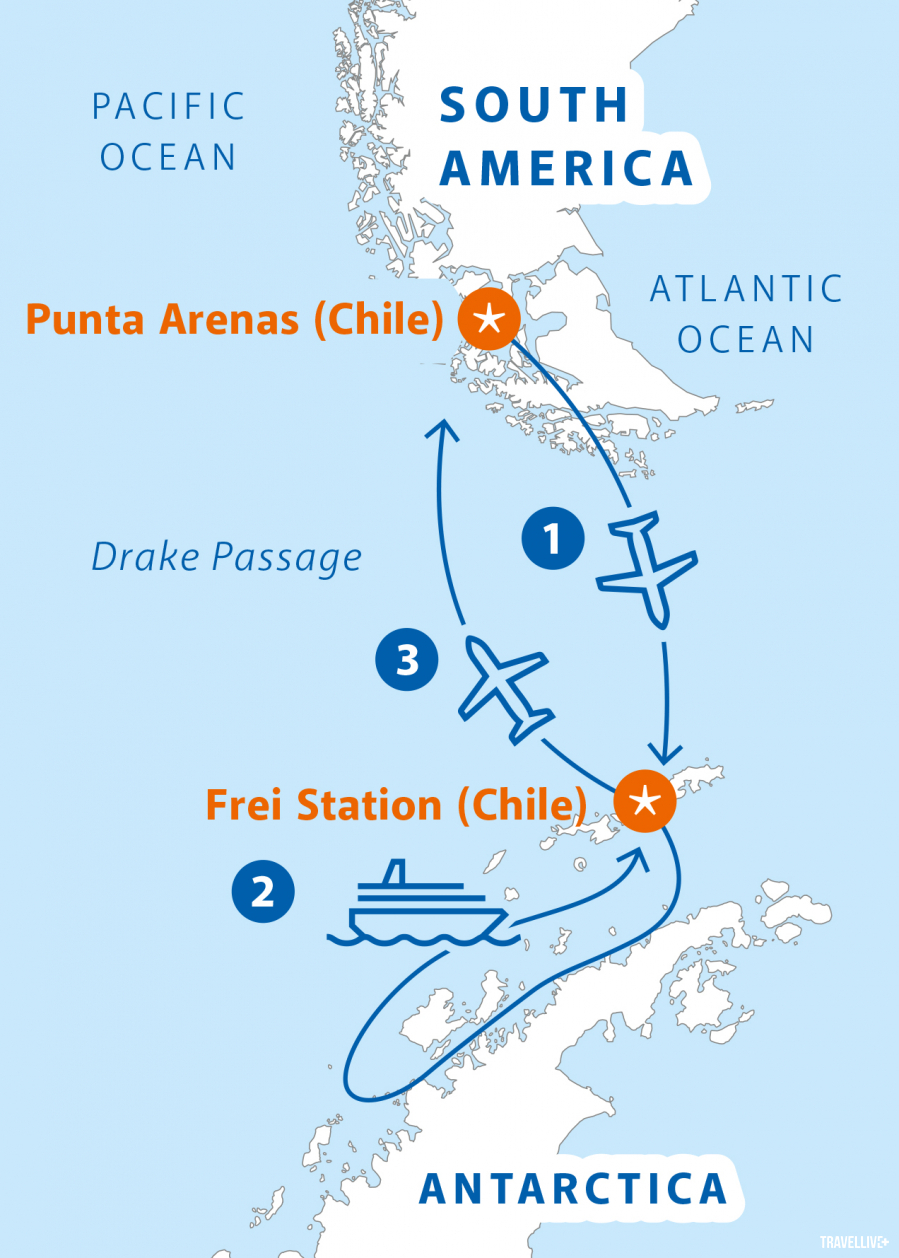
Map of the route for exploring the Antarctic Peninsula.
Arriving at Punta Arenas airport in the morning, we traveled to the hotel, dropped off our luggage, and took a stroll around Punta Arenas city. In the afternoon, we attended a briefing to receive essential instructions for travelers before heading to Antarctica and met our fellow travelers.
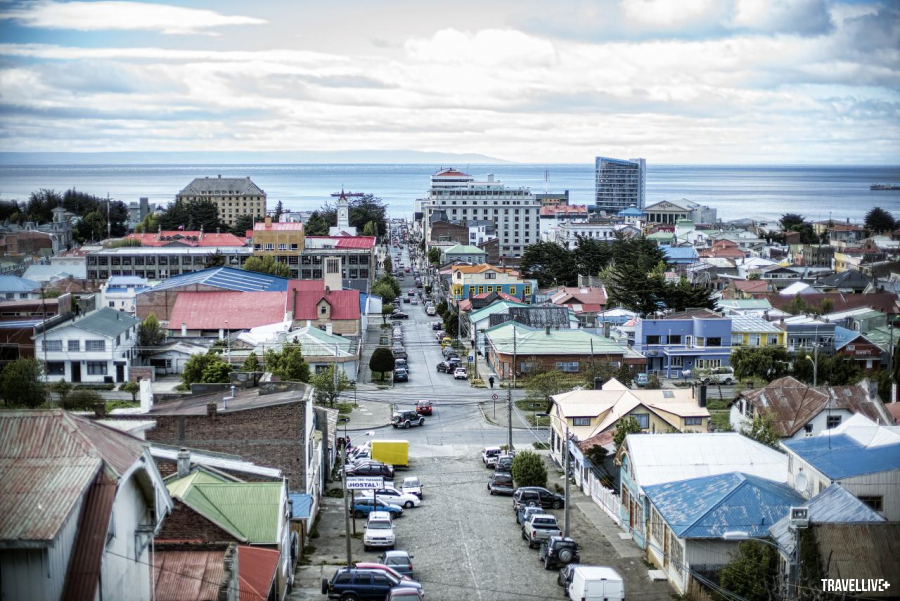
The city of Punta Arenas is in southern Chile.

The Santuario Maria Auxiliadora Church in Punta Arenas, Chile
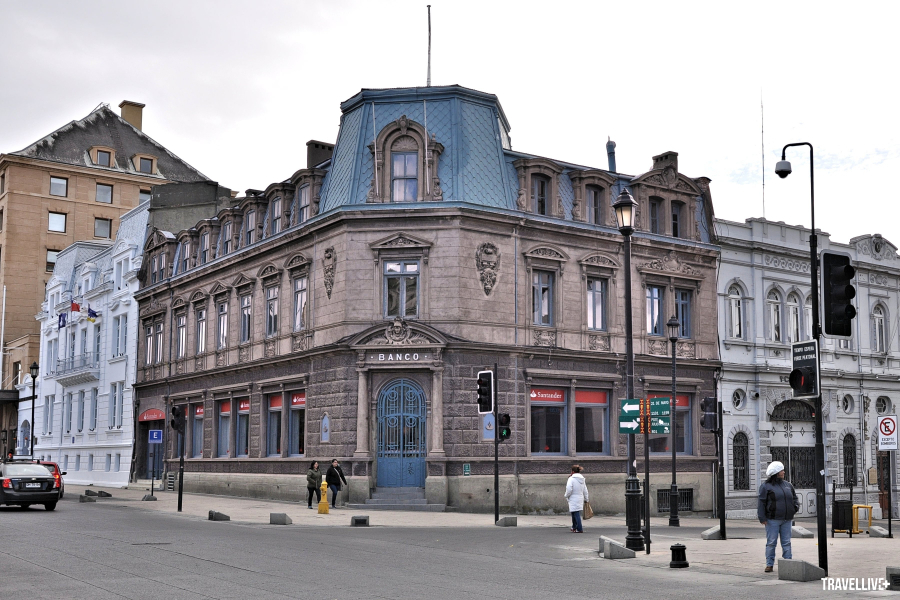
The historic Banco Santander bank building in Punta Arenas, Chile.
Day 2: King George Island and overnight stay on Ocean Nova cruise ship.
We went to the airport and departed for King George Island – an island located north of the Antarctic Peninsula, discovered by William Smith in 1819 – with a flight time of about two hours. The Antarctic Peninsula is the most pristine place on Earth, untouched by human impact; icebergs often jut out over the water, interspersed with massive glaciers.
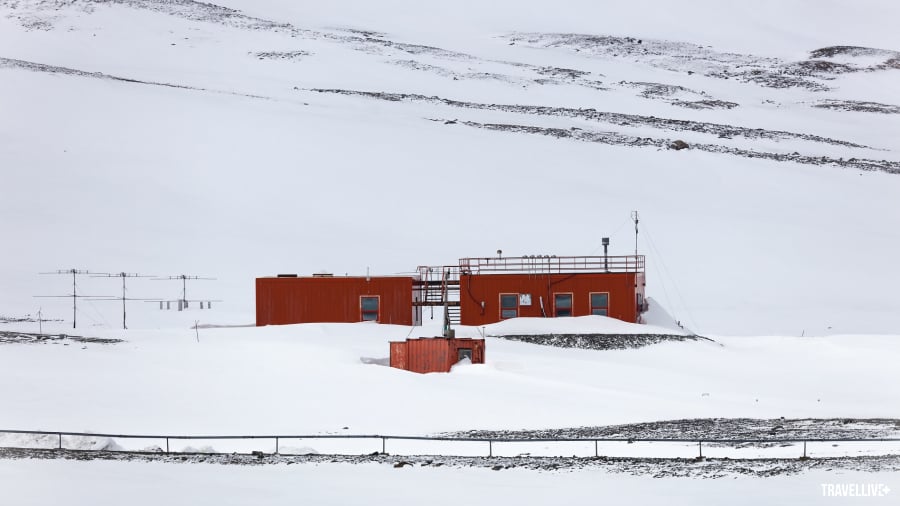
A view of King George Island.
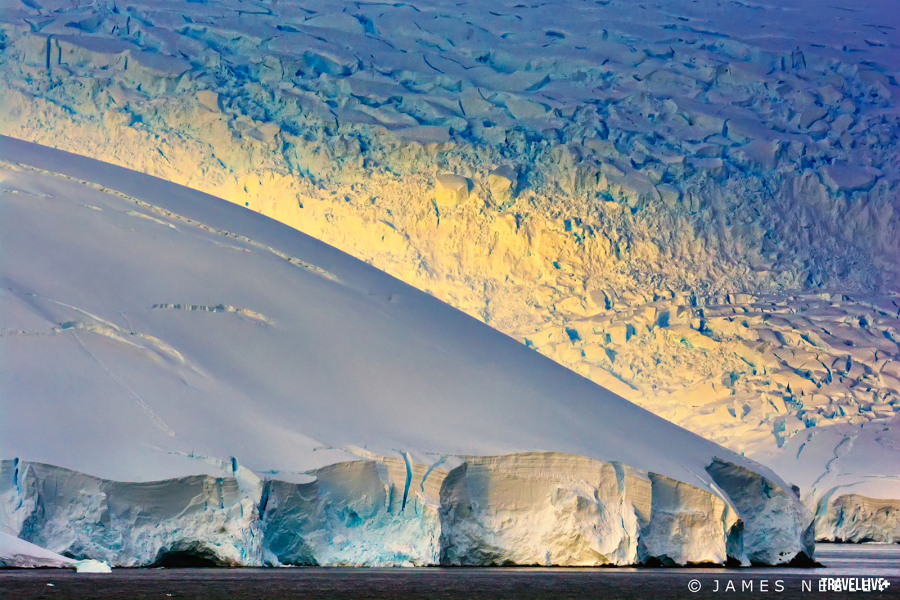
The morning sun shines down on the ice surface of the Antarctic Peninsula.
As soon as we stepped off the plane, the fresh Antarctic breeze rushed into our faces and filled our lungs. Before boarding the Ocean Nova to explore Antarctica, we stopped to admire the scenery around Frei Station, the main link to Antarctica, and Russia Bellingshausen Station, one of the first stations established by the Soviet Antarctic expedition in 1968.
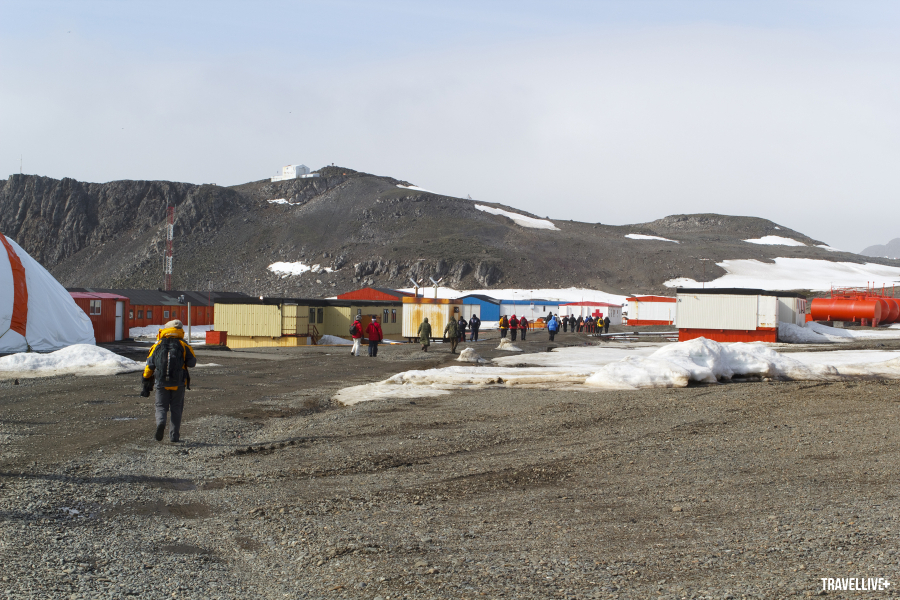
Frei Station on King George Island.
In the afternoon, we officially boarded the Ocean Nova cruise ship, beginning our journey to the coldest place on Earth. The ship is 73 meters long and can accommodate 72 guests. Onboard, guests are served breakfast and lunch with a daily changing menu, while dinner is a three-course meal. Wine, beer, fruit juice, and soft drinks are served with lunch and dinner. Coffee, tea, chocolate, cappuccino, water, and pastries are available throughout the journey.

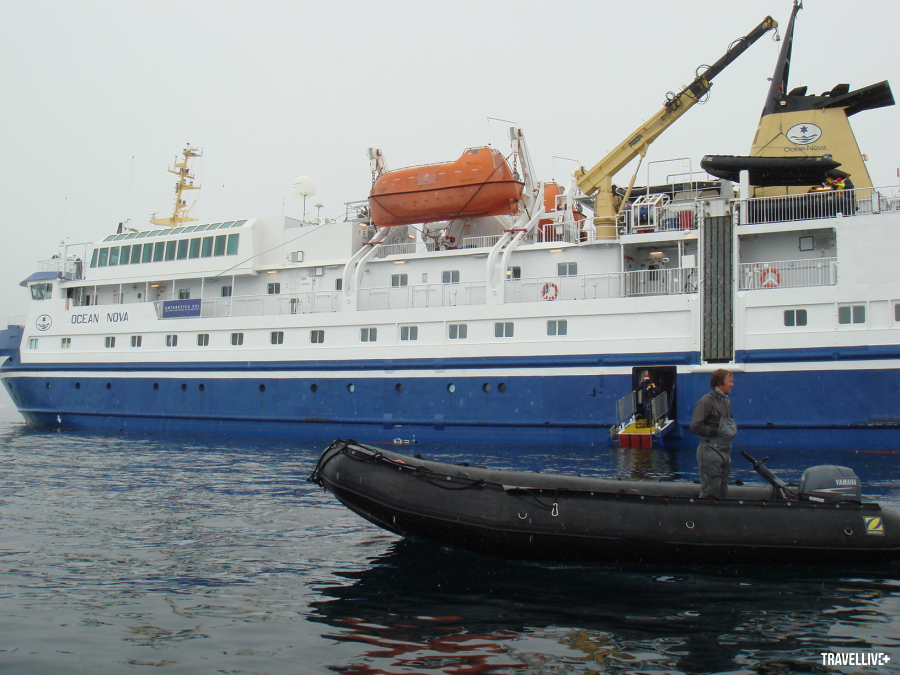
A close-up view of the Ocean Nova yacht.
From day 3 to day 6: Explore the Antarctic Peninsula
The ship glided over the ice, taking us between the South Shetland Islands and the western coast of the Antarctic Peninsula, along icy bays and amidst magnificent icebergs. From the deck, we had the opportunity to observe flocks of seabirds, penguins, seals, and whales up close.

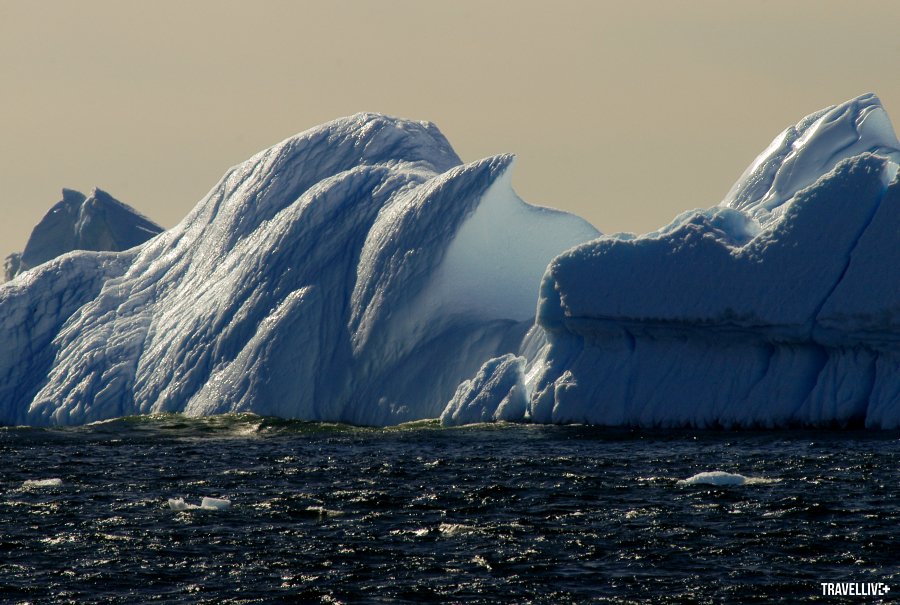
Antarctic Peninsula with its icebergs

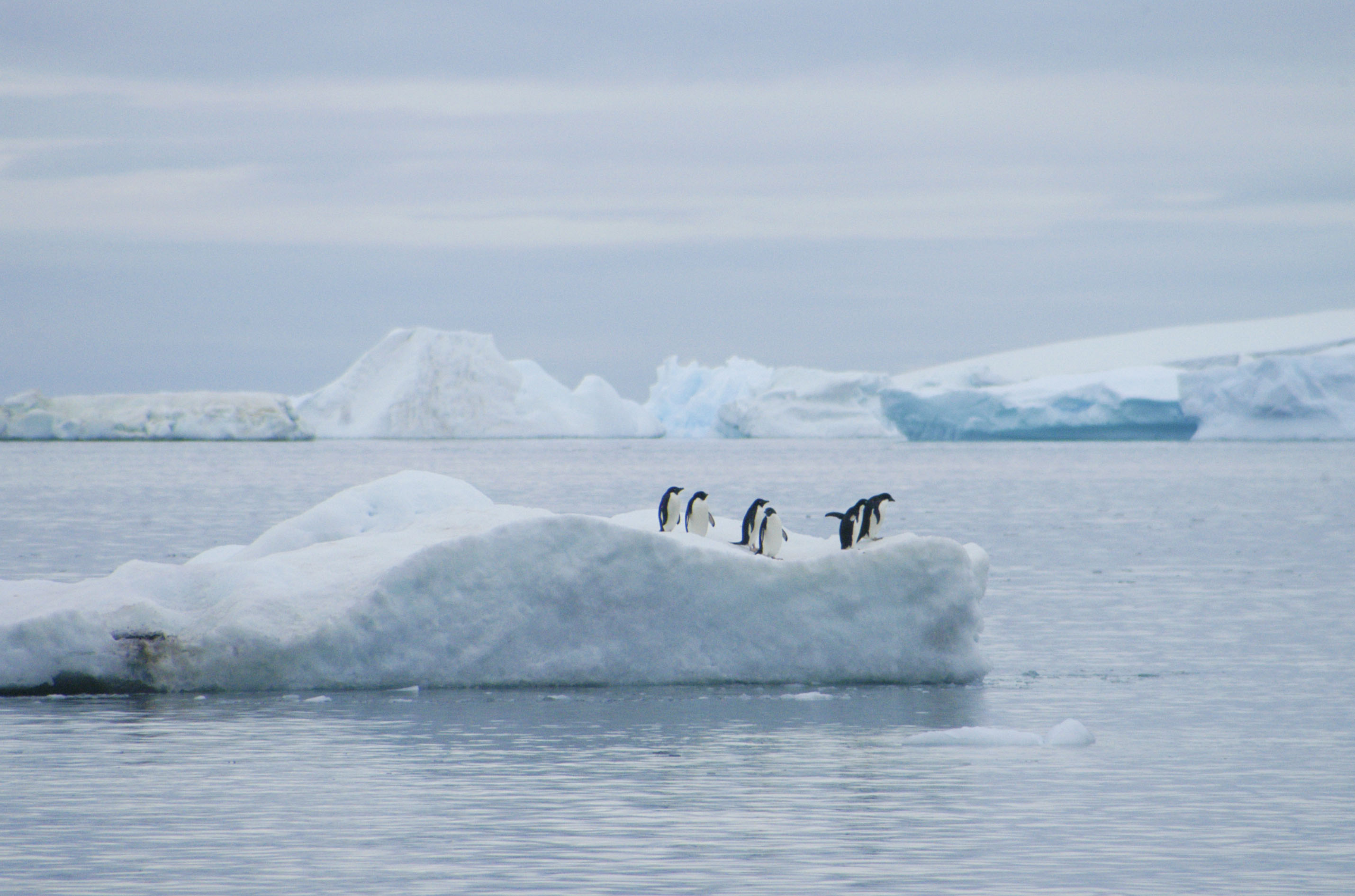
Penguins on the Antarctic Peninsula

The gentle penguins waddle along.
Accompanied by professional Antarctic guides, always dedicated to finding the best viewpoints for tourists, we were able to freely explore the stunning natural scenery every day throughout the journey; at the same time, we participated in introductory programs about Antarctica and shared experiences and interactions with fellow travelers on board. Depending on weather conditions, the itinerary was always arranged flexibly and attractively in this way.
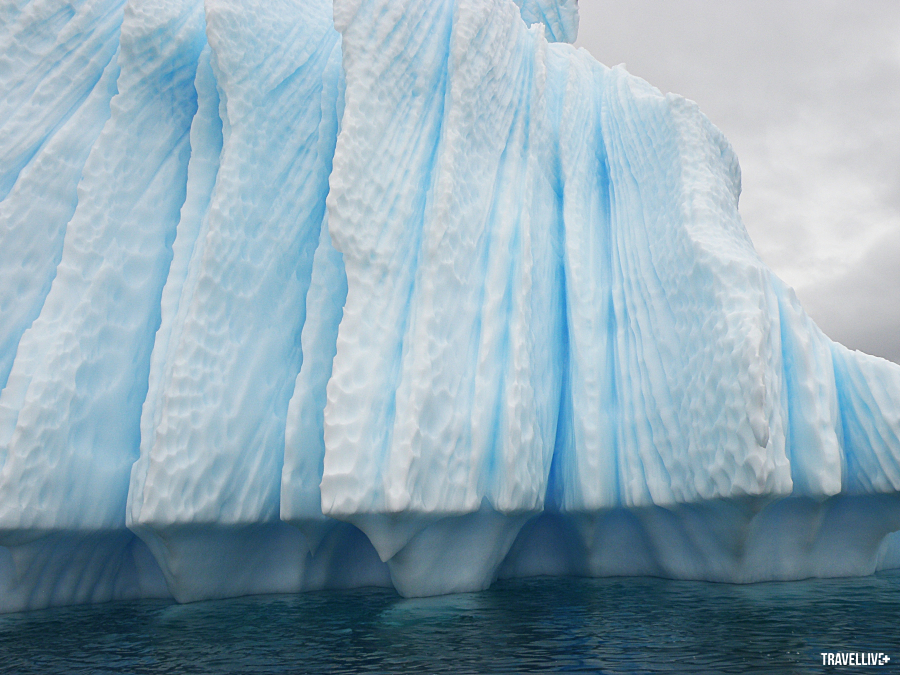
The beautiful shape of an iceberg.
Our journey across the ice sea led us to explore some notable locations. Our first stop was Paulet Island, a round, uninhabited island only 1.5 km in diameter, famous for its large penguin population.
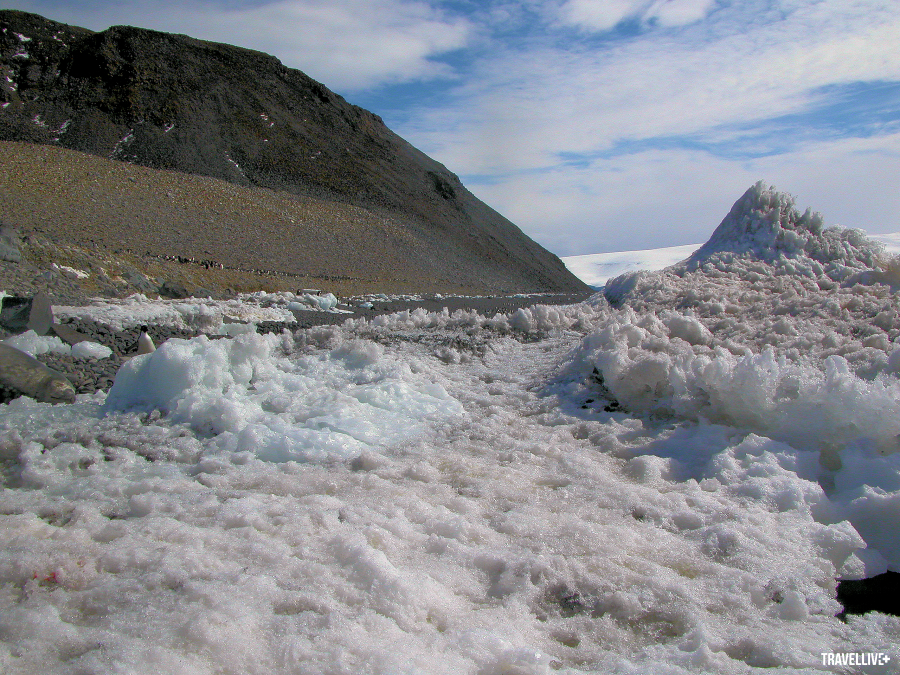
A view of Paulet Island, part of the Antarctic Peninsula.
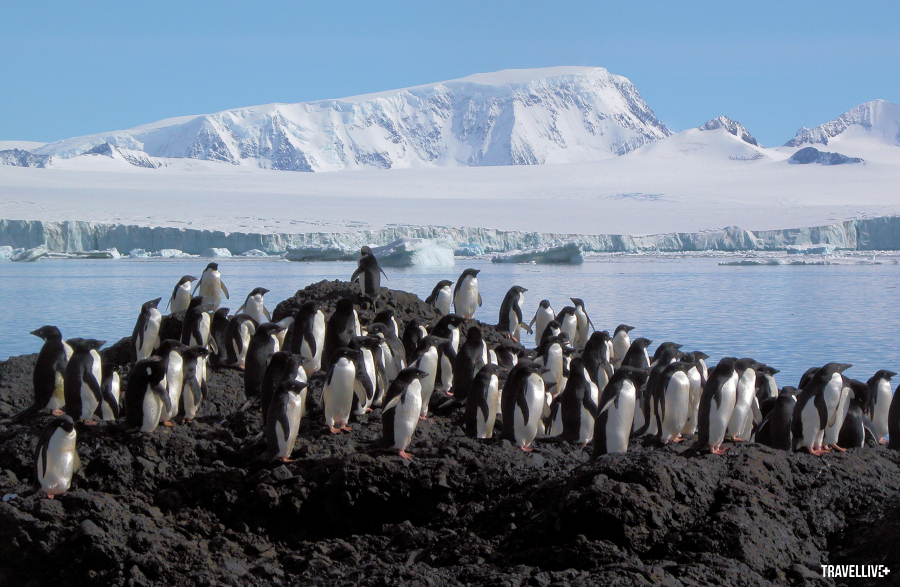
A close-up view of Adelie penguins in Antarctica.
Next is Hope Bay, located in the Antarctic Narrow Sea. It's actually a narrow bay carved into the Antarctic Peninsula, resembling a narrow alleyway, hence its nickname, "Iceberg Alley." The bay is so named because it contains countless magnificent, gigantic icebergs of diverse shapes and sizes.
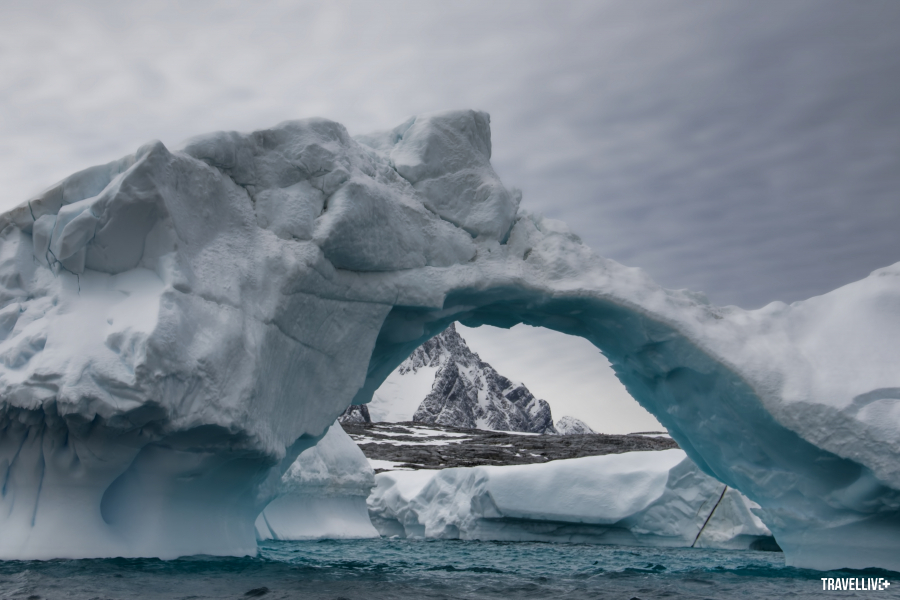
Giant icebergs at Iceberg Alley.
Lockroy Port is a natural harbor, comprising only a memorial, a museum, and a post office. Peterman Island, a small, round island located off the northwest coast of the Kyiv Peninsula, is also a popular tourist destination.

Lockroy Port
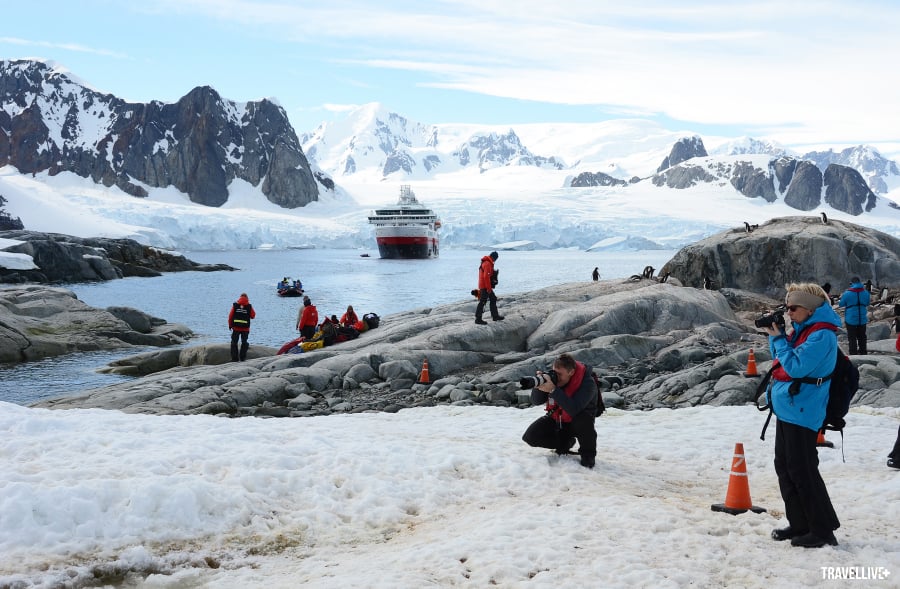
Peterman Island
A must-see attraction for us was Paradise Bay – home to countless whales, penguins, and seals – located just north of the Le Maire Strait, famous for the Mammoth Glacier. This stunning bay is surrounded by icebergs and ice floes of all shapes and sizes floating lazily on the water's surface. Arriving on a sunny day, we were overwhelmed by the scene, feeling like we had stepped into a fairytale land as the sunlight shone on the glittering icebergs.
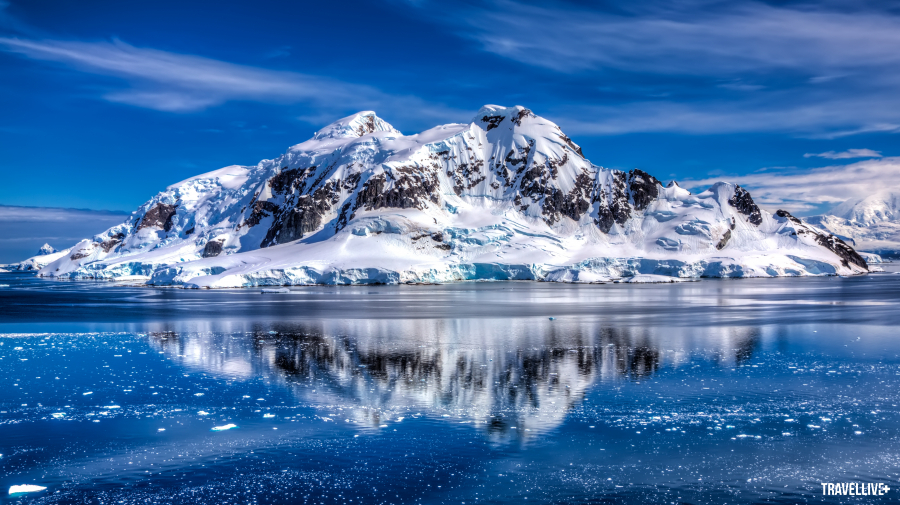
Paradise Bay.
Deception Island is a fascinating landmark when visiting Antarctica. It's so named because, when viewed from the outside by boat, many people wouldn't guess that the center of the island is submerged by seawater, forming one of the safest natural harbors in the world.
The final stop on our Antarctic Peninsula exploration was the Lemaire Channel. Depending on the wind direction, the channel can freeze over and become impassable. But this also gave us an unforgettable experience gliding across the ice, amidst breathtaking scenery with snow-capped peaks covering the calm water and many other majestic landmarks.
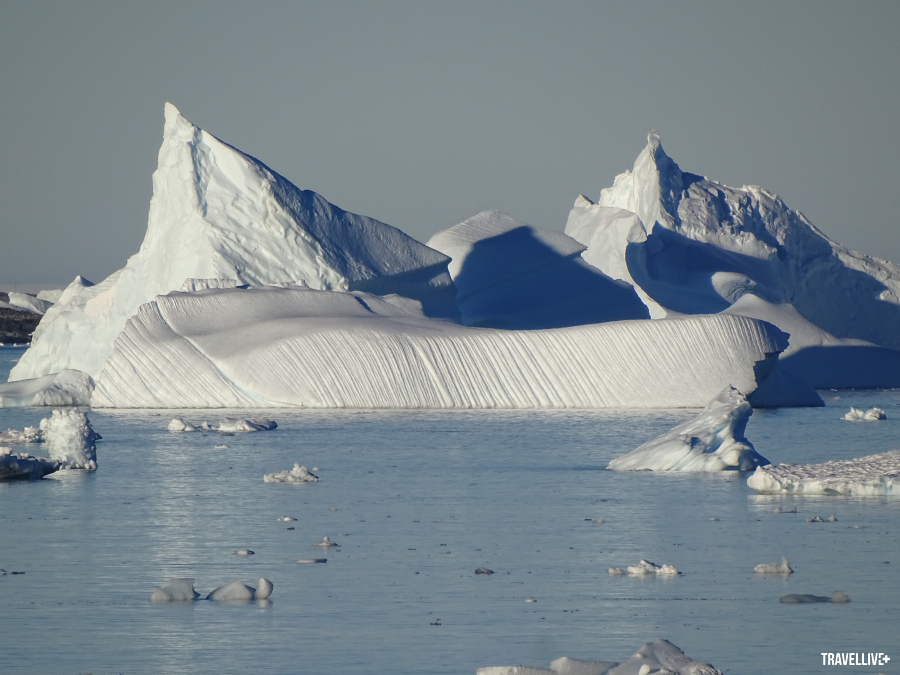
Lemaire Canal.
Day 7: Return to King George Island and Punta Arenas.
After breakfast on the cruise ship, we returned to King George Island. It was a pity to say goodbye to Antarctica and head to the airport to return to Punta Arenas, Chile. The next day, we took our flight back to Vietnam. Our Antarctic journey concluded.
After that 7-day journey, we found ourselves bigger, stronger, and would begin to love this icy continent.