VI
VI


Day 1: Amman, the capital city, and Petra, Jordan.
From Amman Queen Alia International Airport in Jordan, it takes approximately 3-4 hours by car to reach the ancient city of Petra. Depending on your budget, you can choose from several transportation options from the airport to Petra, such as renting a private car, taking a Jett bus, Jordan shuttle, or taxi. If you want to save money, you should choose the Jett bus, with fares starting from $12 per trip.
Day 2: Ancient City of Petra
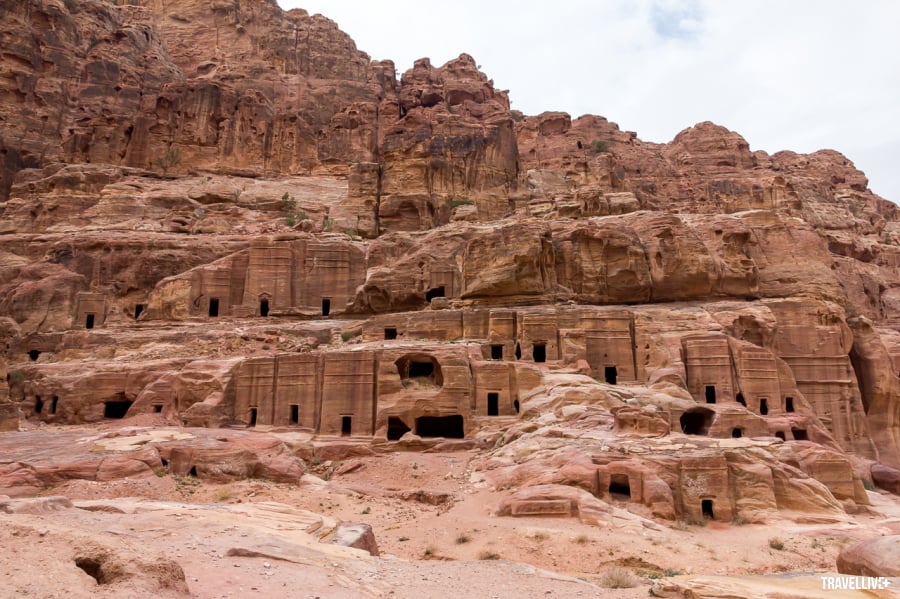
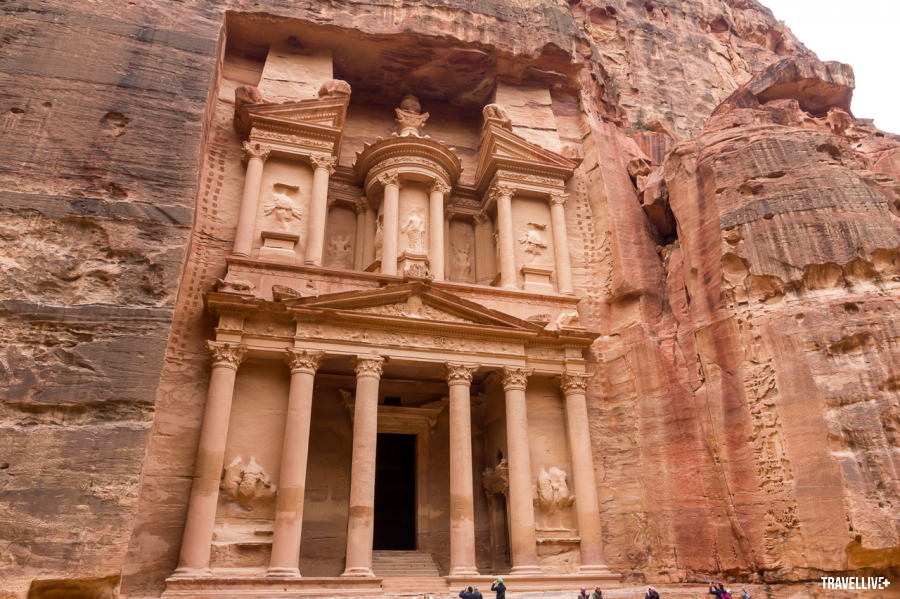
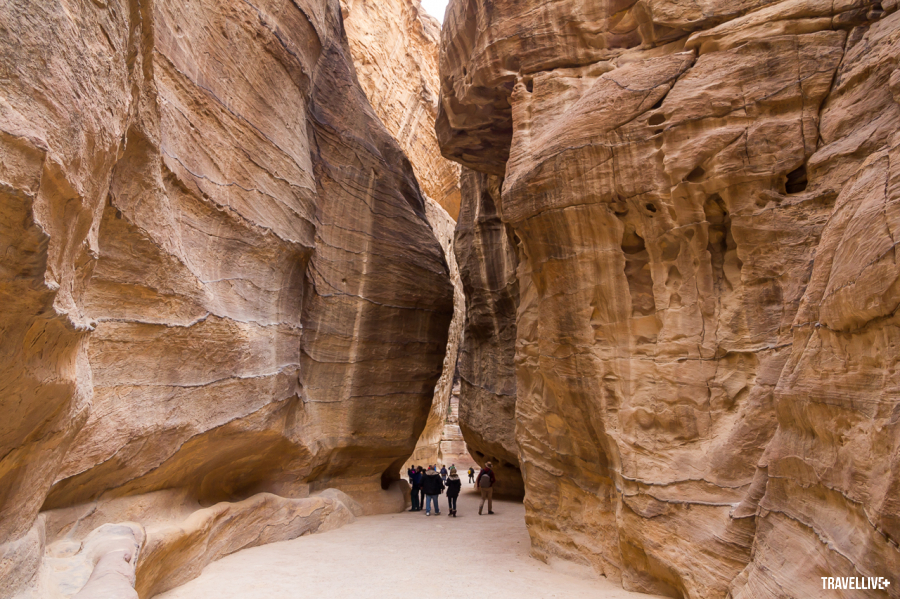
You should dedicate a full day to exploring the ancient city of Petra – a UNESCO World Heritage site since 1985. Located approximately 260 km southwest of Jordan's capital, Amman, Petra is an ancient city carved into the rock; the Greek word petra means rock.
Tracing back to ancient times, the architecture of Petra is a synthesis of Egyptian, Syrian, Greek, and Roman styles. It is famous for its numerous statues and monumental structures carved into the cliffs 2,000 years ago by the Nabataean Arabs.
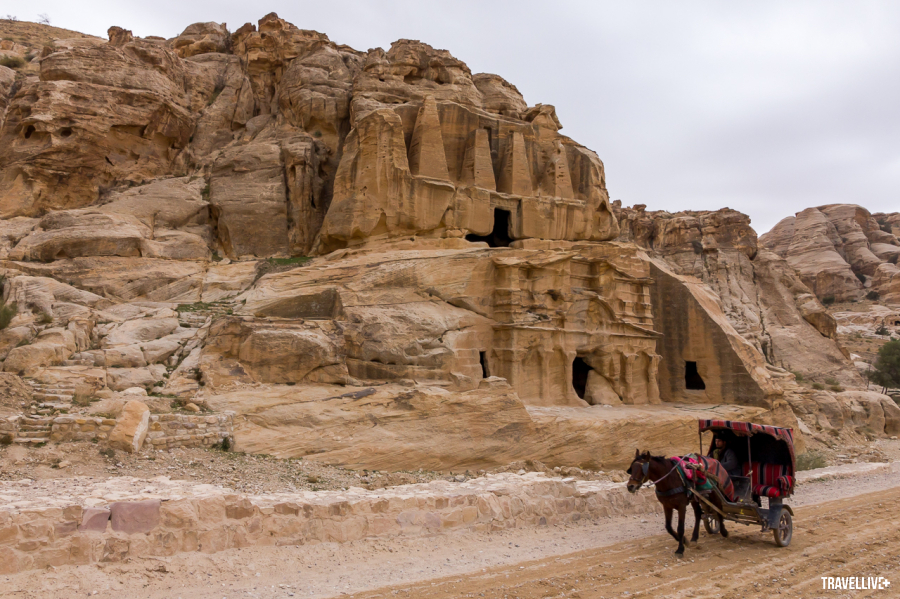
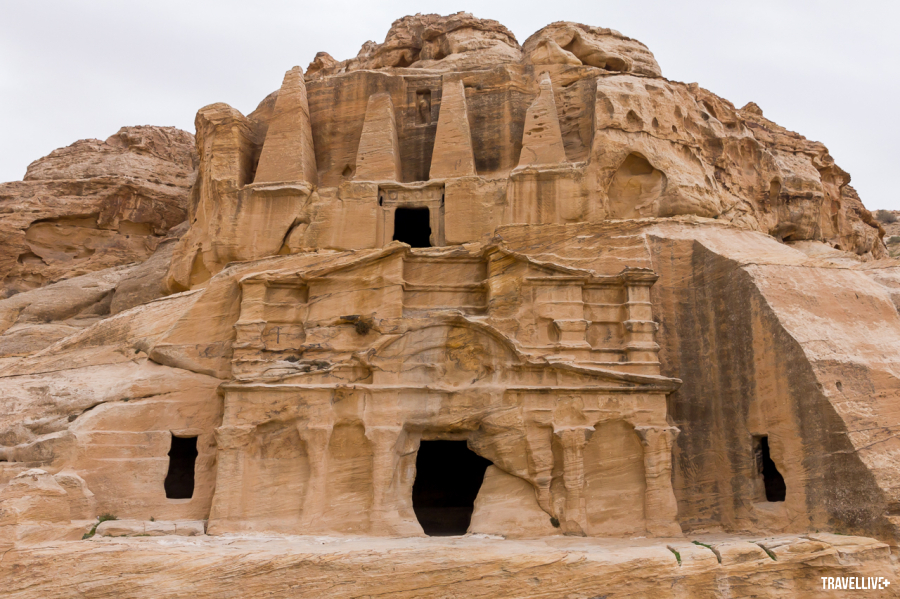
Before being conquered by the Romans in 106 AD, Petra was the capital of the Nabataean people, a tribe first known in 312 BC when they survived the conquest of Antigonus, one of Alexander the Great's successors. During these years, the Nabataeans lived a nomadic lifestyle, and Petra was a city of tents and simple structures.
As trade developed, Petra transformed and became a commercial center between Arabia, Egypt, and the eastern Mediterranean. The city's heyday spanned approximately 2,000 years. Later, the Romans conquered Petra and gained control of the entire trade route. The city was devastated by a series of earthquakes and eventually abandoned. The area remained forgotten for a long time until it was rediscovered by a Swiss explorer in 1812.
In 1989, the ancient city of Petra became famous when it was used as a filming location for Steven Spielberg's film "Indiana Jones and the Last Crusade".
Day 3: Little Petra, Wadi Rum desert, and camping in the desert.
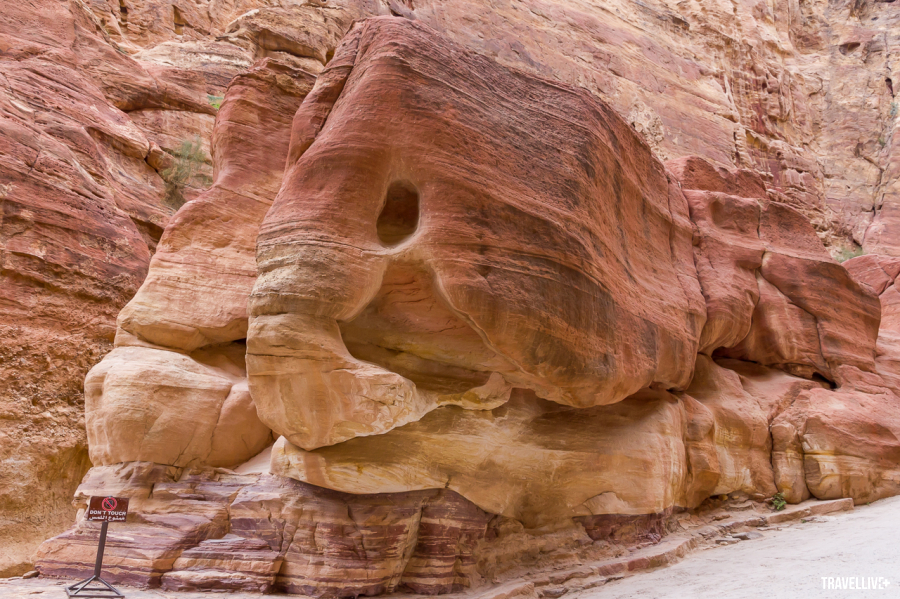
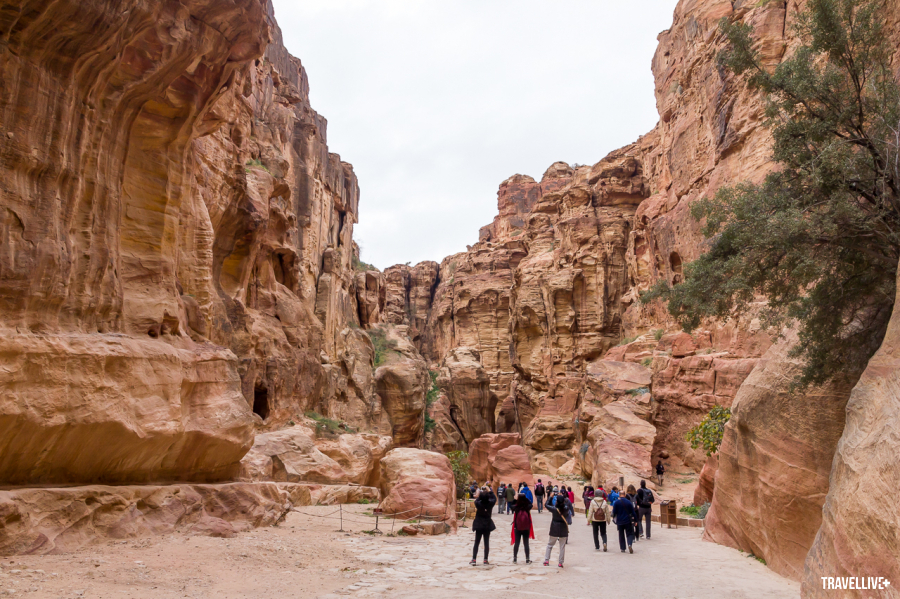
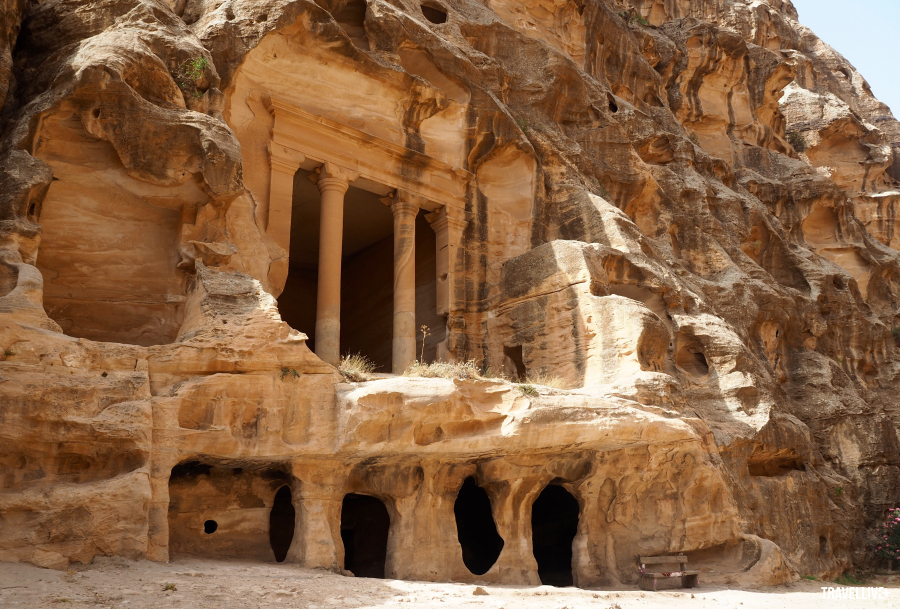
You should spend the morning visiting Little Petra, where ancient trading caravans used to stop to rest. Stone steps lead up to square niches carved into the rock face, some used as kitchens, others as bedrooms, some for water, and some for storing food to feed the camels and horses of the trading caravans.
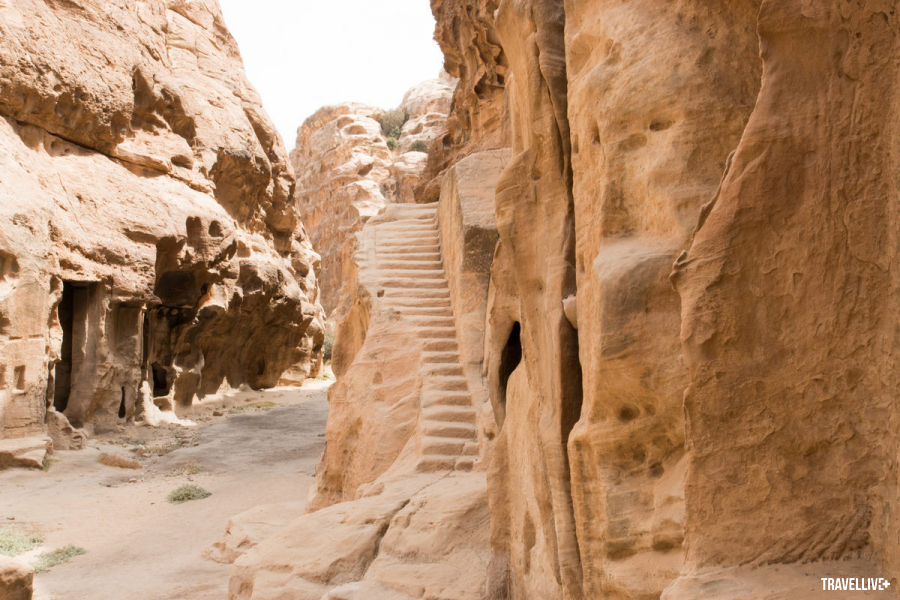
Merchant caravans always needed a skilled guide because they knew the shortest route and where it would be safe to spend the night. Little Petra was a safe and ideal place to stop overnight. Here, merchants were provided with food and drink, their camels were cared for and allowed to regain their strength so they could continue their journey, and of course, they had to pay a corresponding tax.
Next, you travel to the Wadi Rum desert, about 100 km south of Petra, also known as the Valley of the Moon. This is the largest dry stream bed system (wadi in Arabic) in Jordan. Wadi Rum impresses visitors with its towering, vertical rock formations rising above the sand dunes, their colors ranging from black to yellowish-brown with a dominant reddish-pink hue. The reason for the diverse color palette of the Wadi Rum desert is the iron oxide of its geology, making anyone who comes here feel small in the face of nature's grandeur and as if they have wandered onto another planet.
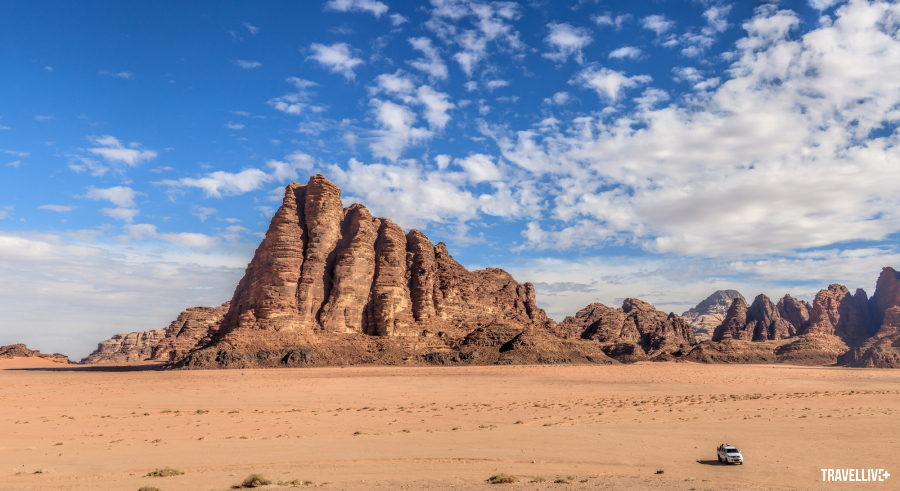
Spending two hours cruising across the desert in a Jeep is an exciting experience that tourists shouldn't miss. During this time, you'll feel the tranquility of the space, the wild yet romantic and captivating beauty of mountain peaks nearly 2,000 meters high, such as Jabal Rum and Jebel Rum Adami... According to travel experts, Wadi Rum is one of the places with the most beautiful sunsets in the world.

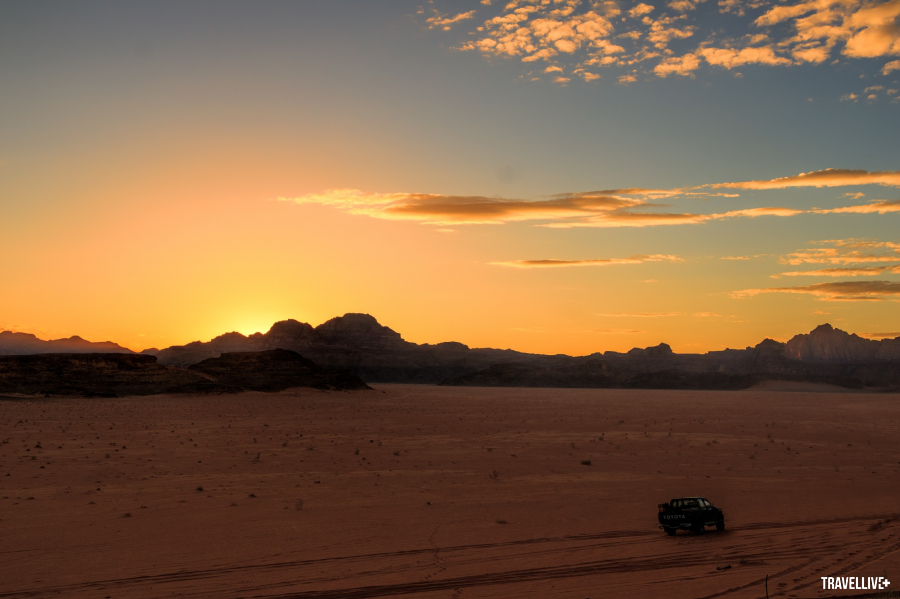
As dusk falls, you'll have dinner and experience a night sleeping in a tent in the middle of the Wadi Rum desert, with all the amenities of a 4-star hotel in a modern city. Even with warm blankets and comfortable beds, don't forget to step outside your tent to enjoy the peaceful atmosphere and gaze at the romantic starry sky.
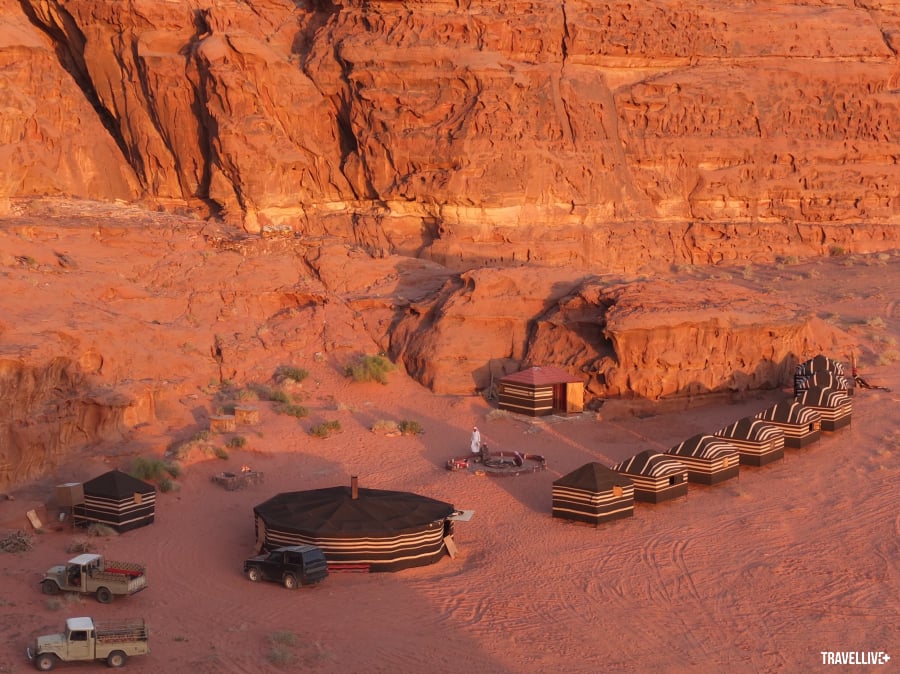
Sleeping in tents in the Wadi Rum desert.
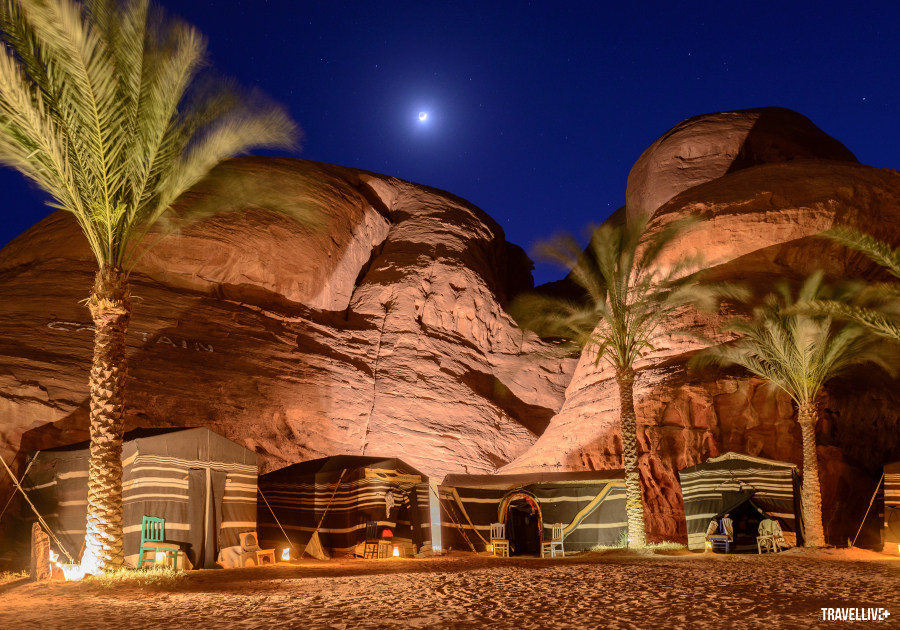
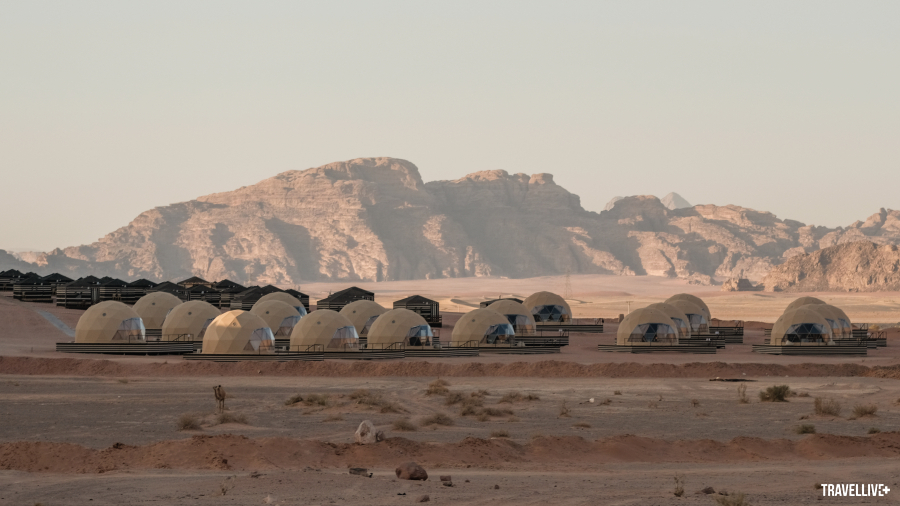
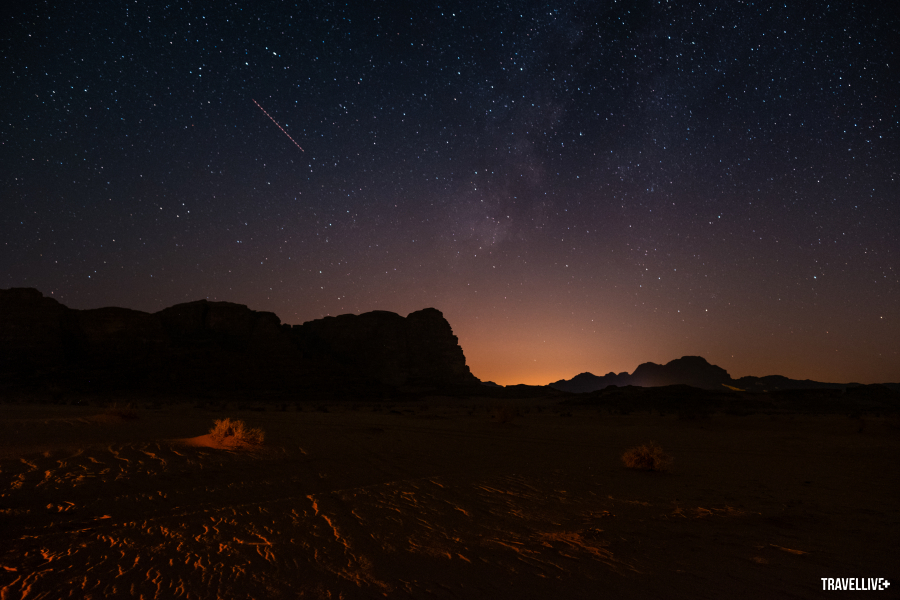
Gaze at the starry sky in the Wadi Rum desert.
Day 4: The Dead Sea – the navel of the Earth
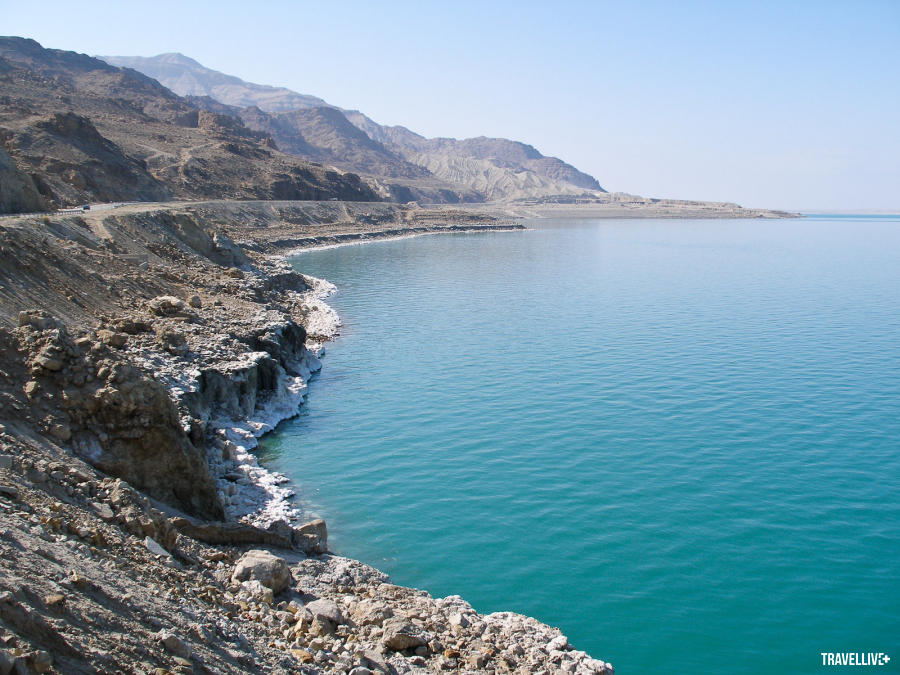
From the Wadi Rum desert, you can travel to the Dead Sea – a wonder located between the borders of Jordan, Israel, and Palestine. The Dead Sea is the lowest point on land, with water flowing in but not out. It is also known as the Salt Sea because its salt content is nine times higher than other seas.
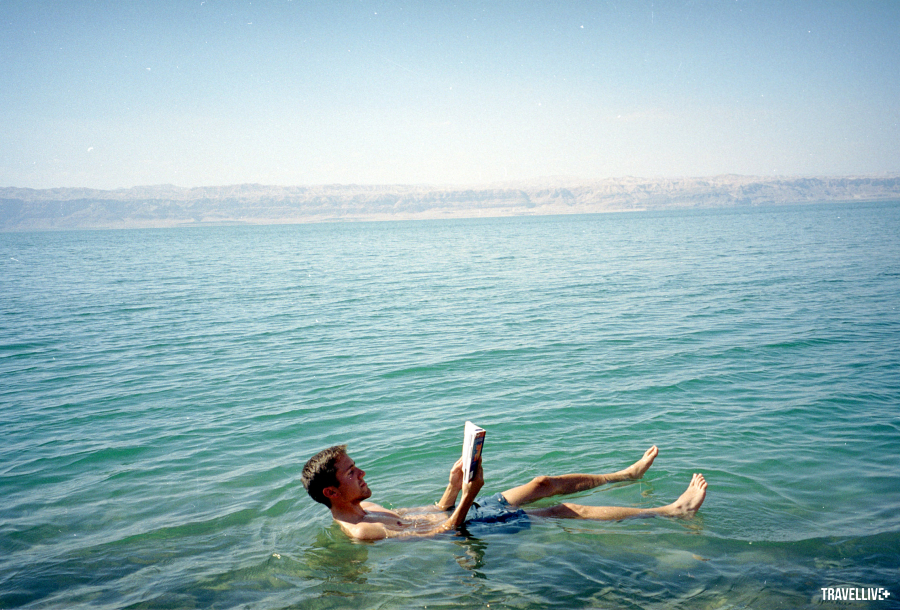
Due to the high salt content and strong buoyancy of the water, even if you don't know how to swim, you will never sink but float effortlessly on the surface. At this time, you can relax by floating, looking up at the sky, and reading a favorite book. If you take some Instagram-worthy photos at the Dead Sea, you can certainly receive admiration from your friends. The Dead Sea water contains many minerals that are beneficial for ailments such as rheumatism, muscle spasms, and skin diseases.
It would be a great oversight to miss the sunset over the Dead Sea. As evening falls, the sun hides behind the clouds, casting streaks of orange and red across the horizon.
Day 5: Allenby Bridge, Mount of Olives, Wailing Wall, and the Church of the Holy Sepulchre in Israel.
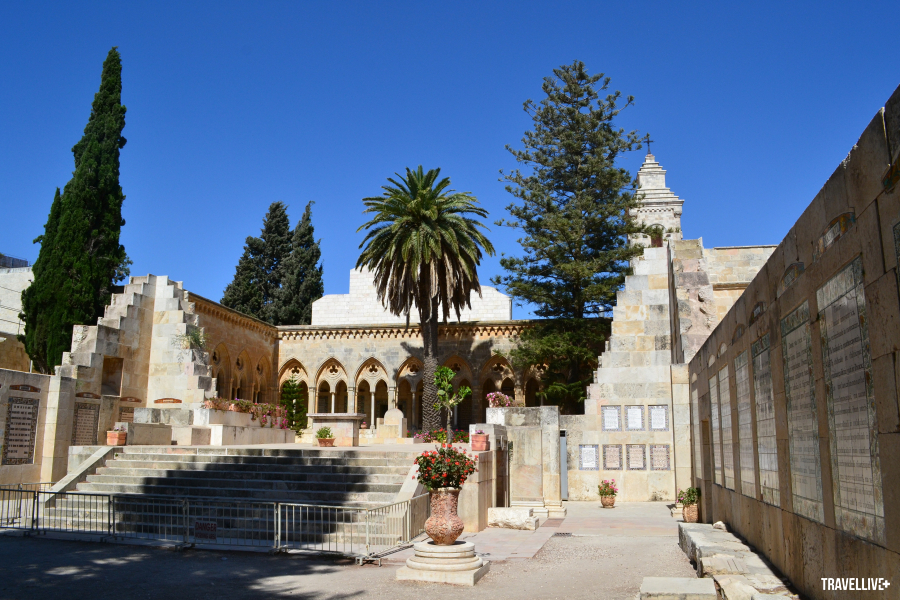
You'll travel by car to the Allenby Bridge (Jordanians call it the King Hussein Bridge), the bridge connecting the west bank of Israel with Jordan, and complete immigration procedures to enter Israel. In Israel, you'll go to the Mount of Olives to enjoy panoramic views of Jerusalem, then visit the Church of the Lord's Prayer (Pater Noster) – a Catholic church on the Mount of Olives, believed to be where Jesus taught the Lord's Prayer. From the Mount of Olives, the group will walk along the Palm Sunday path to the foothills, stopping at the Olive Grove with its ancient olive trees. This place is famous as the place where Jesus and his apostles prayed the night before his arrest and crucifixion.
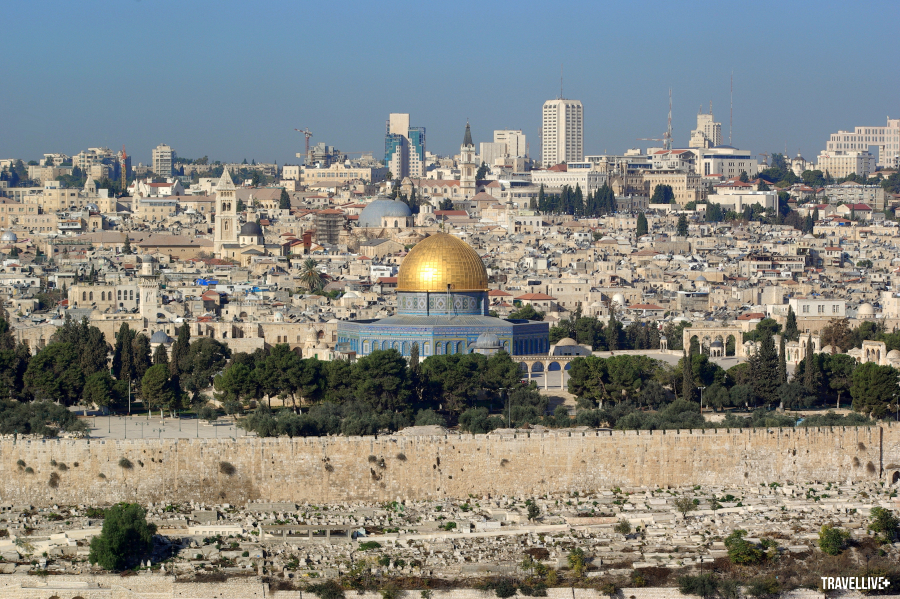
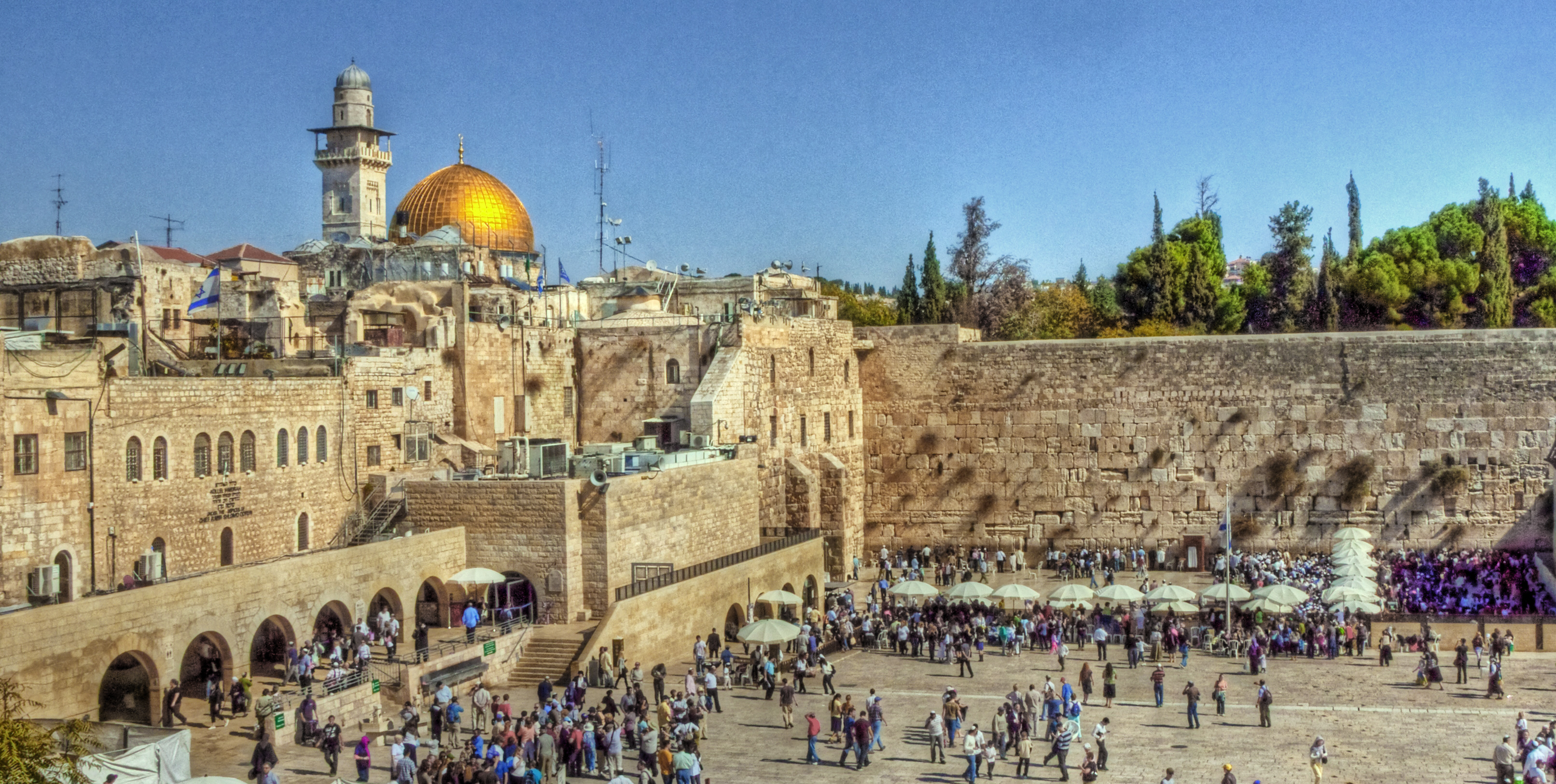
Continuing into the Old City, you will visit the Wailing Wall, also known as the Western Wall, the holiest site for Jews; admire the exterior architecture of the Haram Al Sharif Temple Mount with the Al Aqsa Mosque, the third holiest site for Muslims, and the Dome of the Rock – a temple located on the Temple Mount in the Old City of Jerusalem, with a golden dome, where the rock where the Prophet Muhammad is said to have left his footprints when he was taken to heaven by an angel is located, considered by Muslims to be the third holiest place after Mecca and Medina.
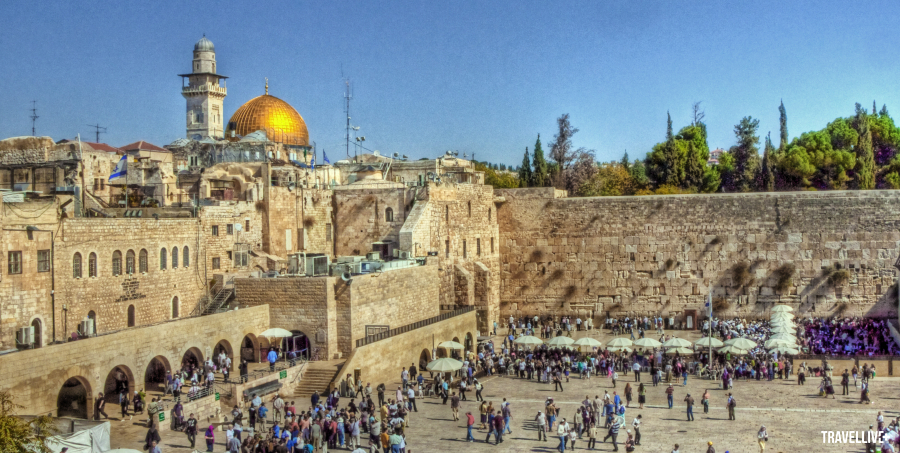
The Wailing Wall, also known as the Western Wall, is the holiest site for Jewish people.
You will feel at peace as you stroll along the Via Dolorosa (in Latin), named after the stages of Jesus' suffering in the ancient city of Jerusalem, depicting the path Jesus took carrying the cross to his crucifixion and ultimately rising again three days later.
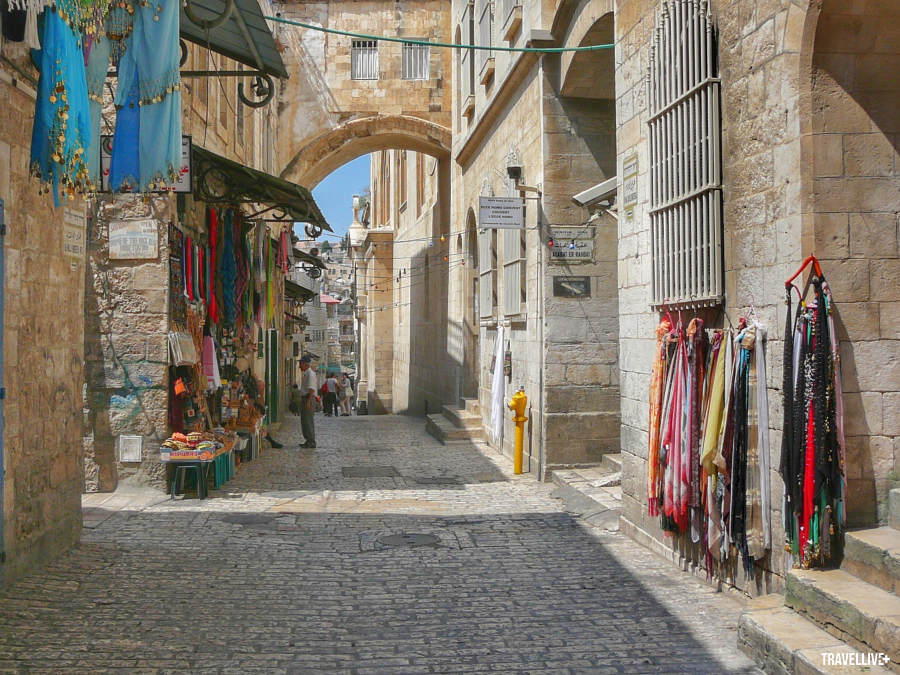
The path of suffering
At the end of the day, visit the Church of the Holy Sepulchre, the holiest site in Jerusalem. This is also where it is believed that Jesus was crucified. Originally built in 335 AD, it was destroyed in 1009, and the large church that visitors see today was rebuilt in the 11th century. Finally, walk through the Jaffa Gate – one of the seven main gates into the Old City of Jerusalem.
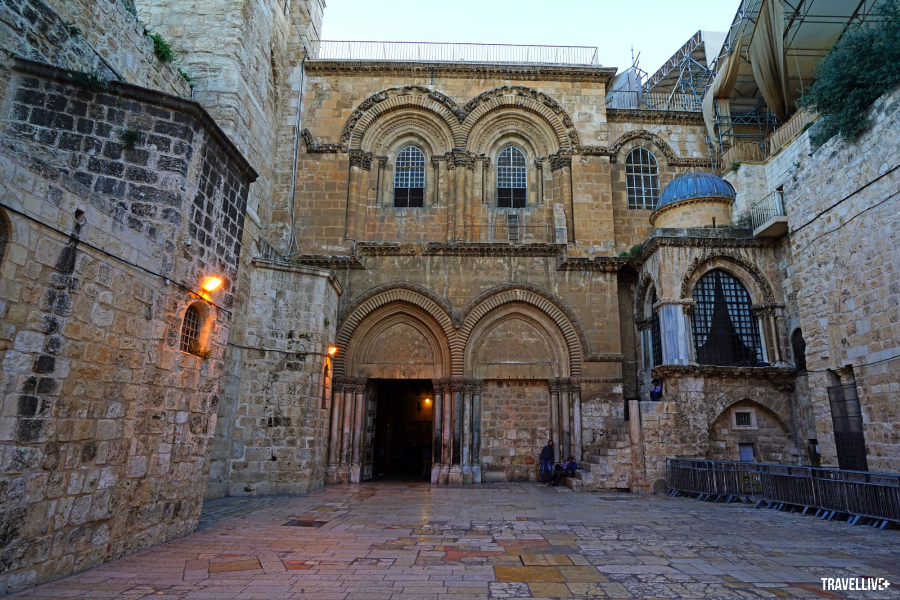
Entrance to the Church of the Holy Sepulchre
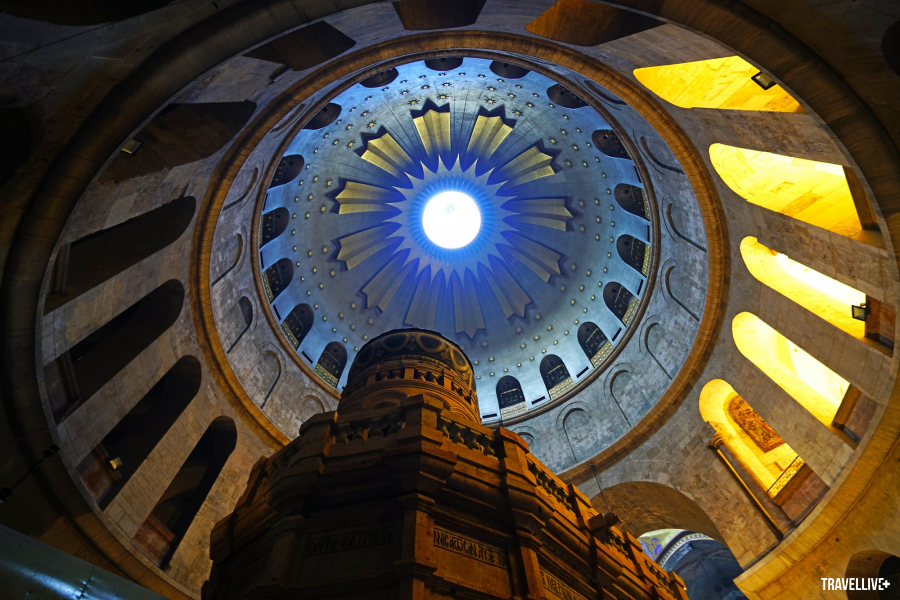
Inside the Church of the Holy Sepulchre
Day 6: The Old City of Bethlehem
During the day, you'll visit the West Bank Wall, which separates the land between Israel and Palestine and is adorned with unique graffiti; then venture into the over 3000-year-old Old Town of Bethlehem to admire the Church of Nativity – a recognized World Heritage site. From afar, the church resembles a fortress built of white stone characteristic of the Middle East in 327 AD. Due to its cultural history, this church holds great religious significance for both Christianity and Islam.
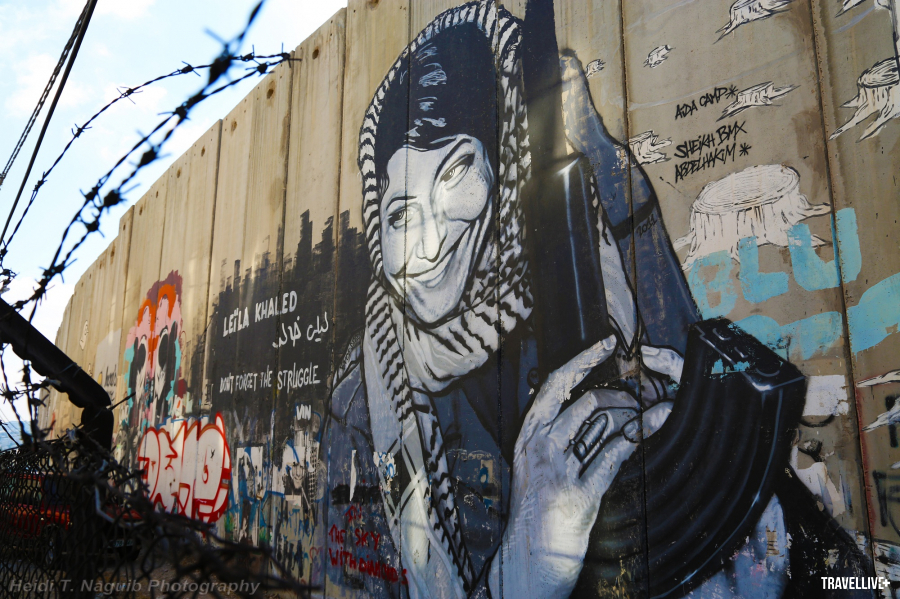
The West Bank wall, which separates the land between Israel and Palestine.
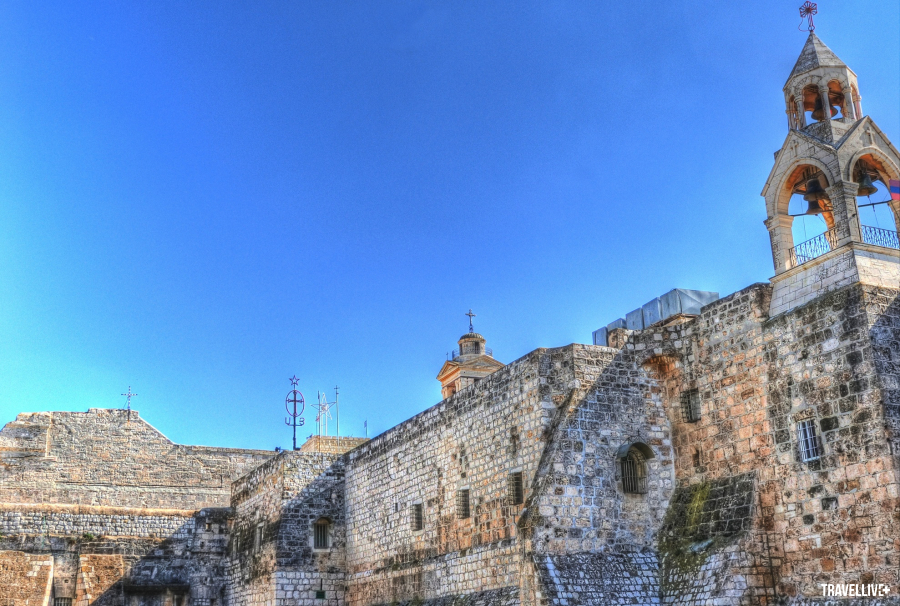
Church of Nativity
A popular attraction in Bethlehem's Old Town is the Shepherd's Fields Church, a Catholic church located in the Beit Sahur area southeast of Bethlehem. Catholics believe this is where the first celebration of the birth of Christ was held.
If you'd like to learn more about the lives of the locals, you can stroll around the Mahane Yehuda Market, which dates back to 1887. If you want to understand Israeli history, visit the Yad Vashem Memorial on the hillside, which houses a memorial hall, a Holocaust history museum, art, sculptures, and more, or explore the Israel Museum.
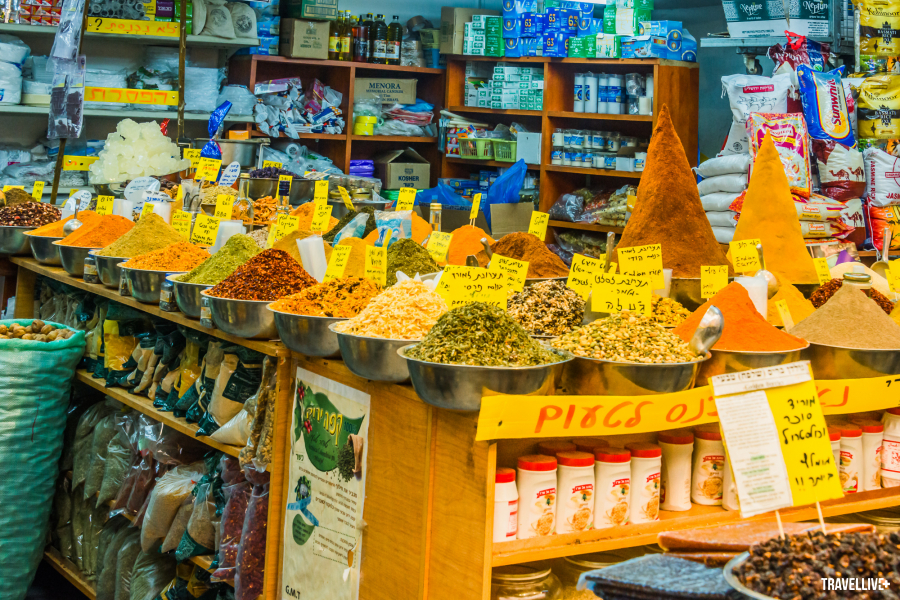
The Mahane Yehuda market in Jerusalem dates back to 1887.
Day 7: Port city of Haifa and Tel Aviv city of Jaffa
Haifa is a major port city located in northern Israel, on the Bay of Haifa, at the eastern end of the Mediterranean Sea. It is famous for its iconic landmarks such as the Bahai Gardens (also known as the Hanging Gardens of Haifa, located on Mount Carmel), a UNESCO World Heritage site; and the Stella Maris Monastery (Latin for "starfish"), dating back to the 19th century.
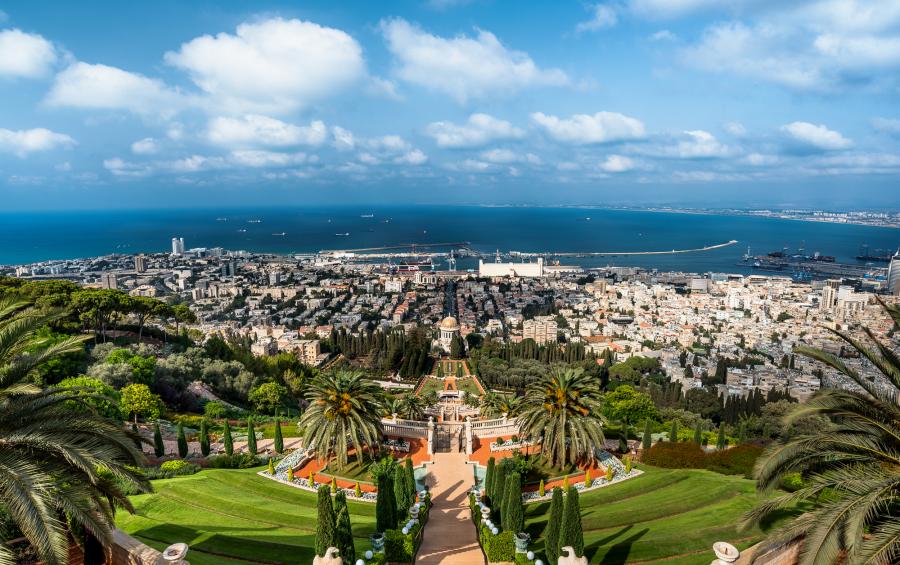
The port city of Haifa in Israel
Continue your tour of Tel Aviv-Jaffa, Israel's second-largest city after Jerusalem, which holds a significant place in Israel's cultural and economic life. Tel Aviv-Jaffa is like Barcelona in Spain or San Francisco in the US, famous as the "city that never sleeps," with its bars, cafes, restaurants, beaches, parks, shopping malls, and more. Admire St. Peter's Basilica, a Franciscan church built in the 19th century, now a dormitory complex.
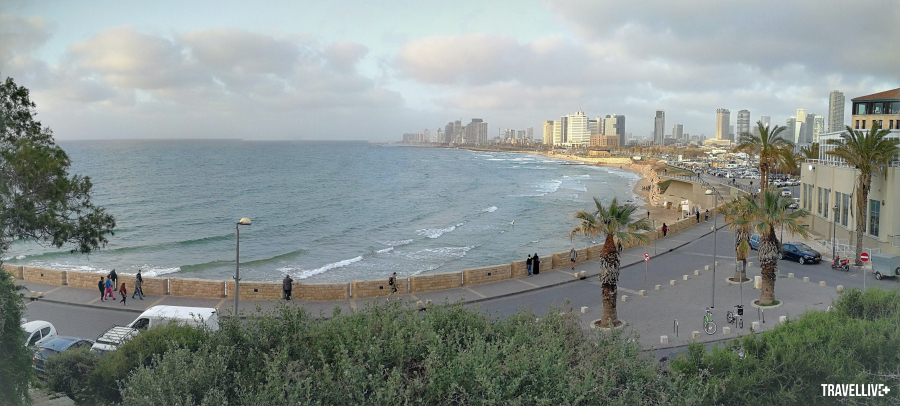
Tel Aviv-Jaffa is the second largest city in Israel after Jerusalem.
If day 7 falls on a Tuesday or Friday, you should visit Nahalat Binyamin shopping street to pick up some handicrafts as souvenirs for yourself and your loved ones, then take a stroll through Tel Aviv's Yarkon Park to breathe in the fresh air.
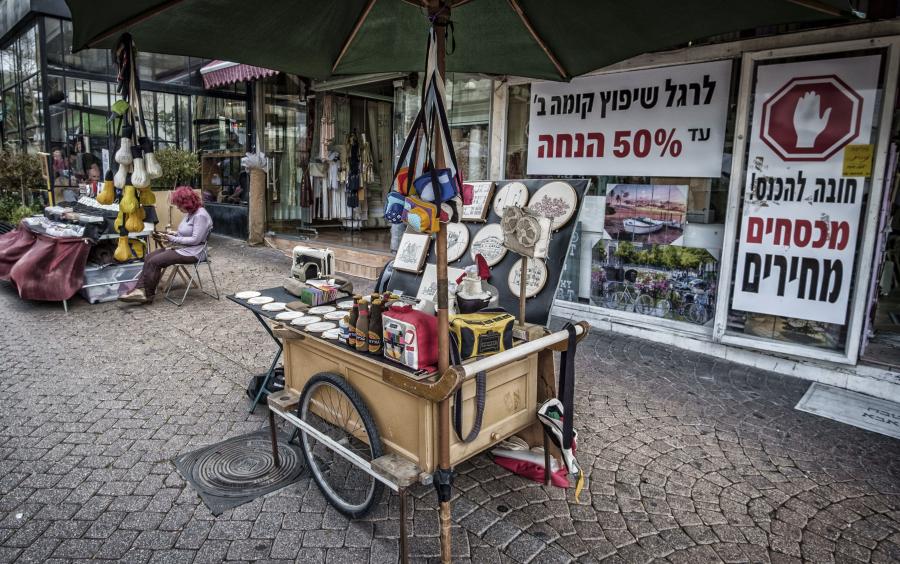
Day 8: Bethlehem Old City, Allenby Bridge, Madaba, Mount Nebo, and Amman Capital.
You return to the Allenby Bridge area, heading back towards Jordan, and continue on to the city of Madaba. There, you'll visit the sacred Mount Nebo, over 800 meters above sea level, an important religious site overlooking the Holy Land and southern Jordan. From here, you can see the Jordan River valley, the Dead Sea, and the undulating rooftops of Jerusalem and Bethlehem in the distance.
After lunch, you'll return to Amman, Jordan's capital, nestled among seven hills, a city steeped in a blend of ancient and modern influences. Explore Amman, visiting notable landmarks such as the Archaeological Museum, located atop the Amman Citadel and built in 1951. Here, you can view an impressive collection of artifacts found at archaeological sites across Jordan, dating from prehistoric times to the 15th century.
It's worth mentioning the impressive Roman theater built during the reign of Antoninus Pius. This theater is approximately 2,000 years old. Its sloping and steep structure provides an incredible acoustics experience for visitors. Another site is the Umayyad palace (now known as Al-Qaser), as well as the massive desert castles built during the Umayyad Caliphate era.
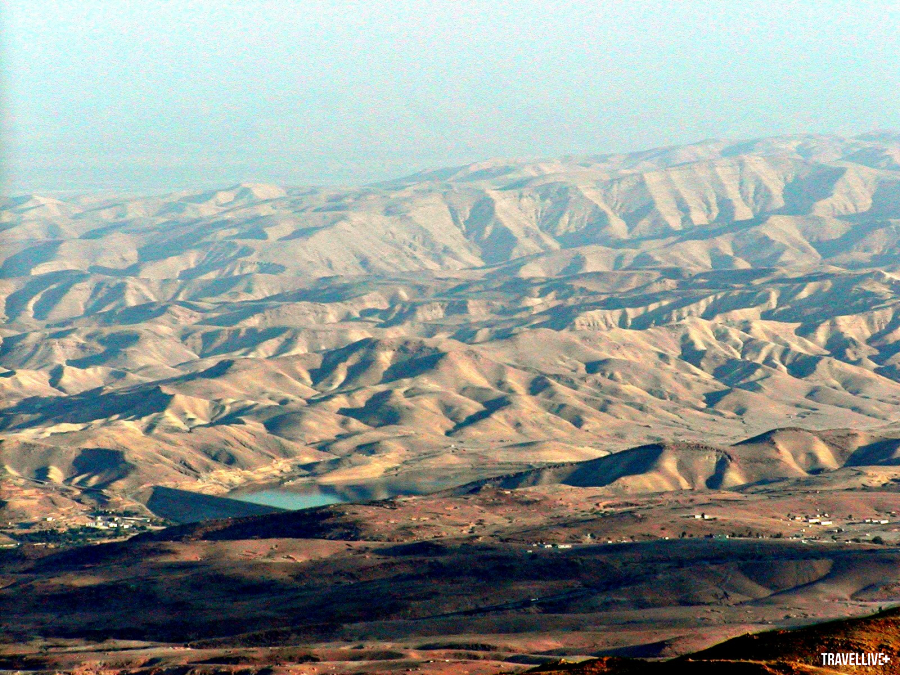
A view of Israel from Mount Nebo.
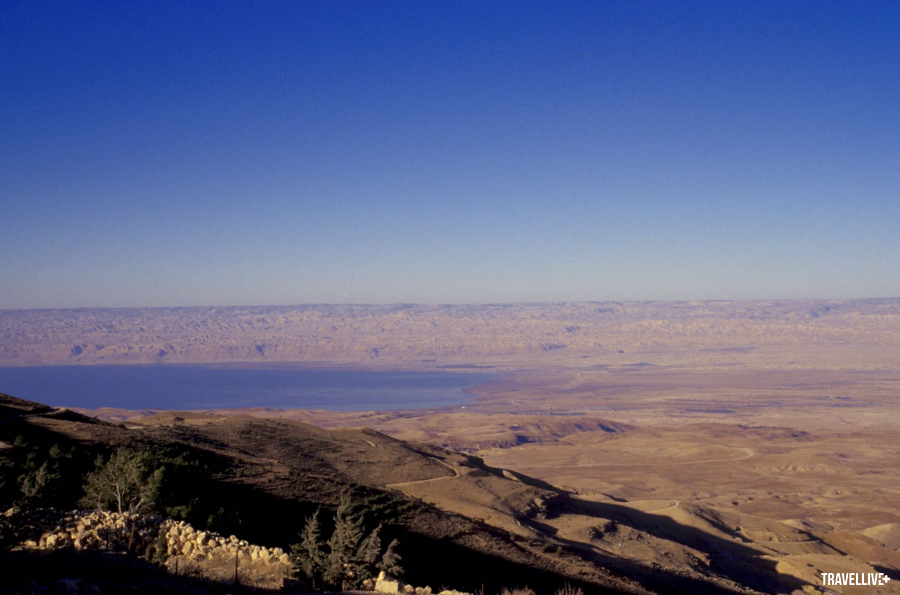
From Mount Nebo, you can see the Dead Sea and Israel.
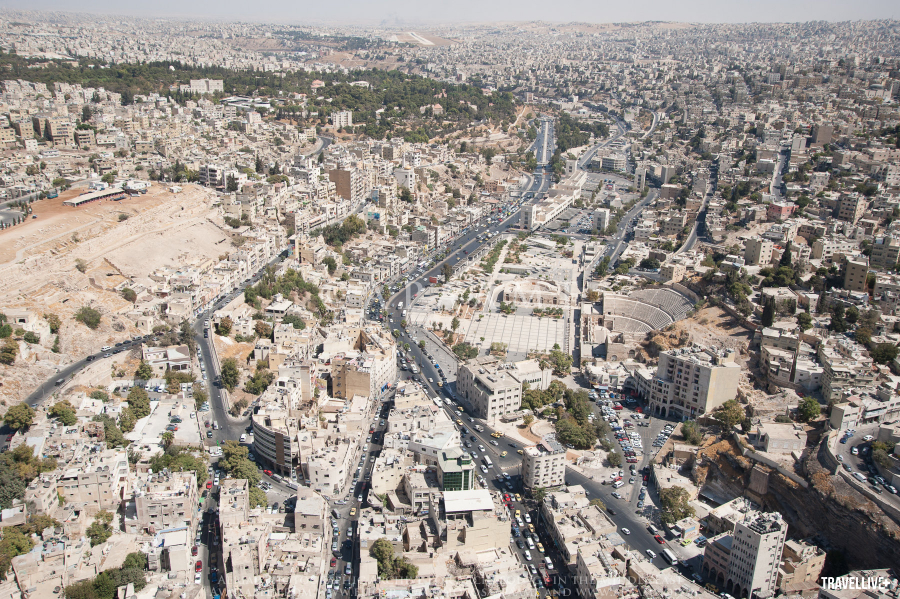
Amman, the capital of Jordan.
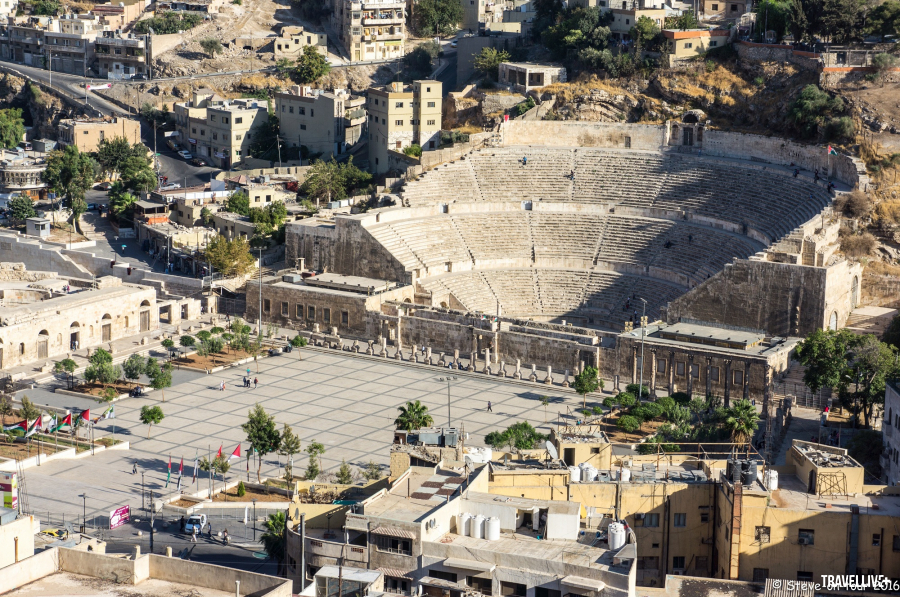
The Roman Theatre in Amman
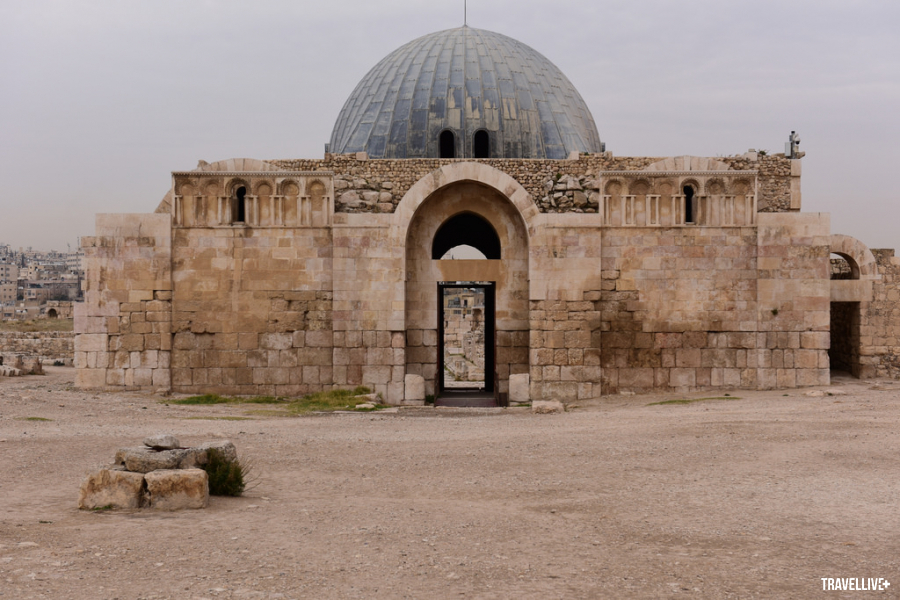
Umayyad Palace
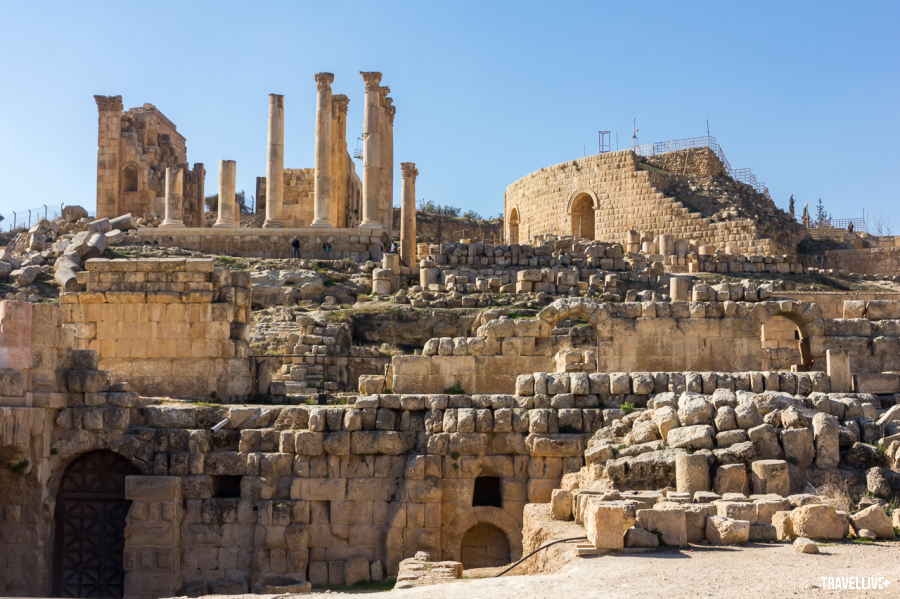
The ancient city of Jerash is located north of the capital Amman.
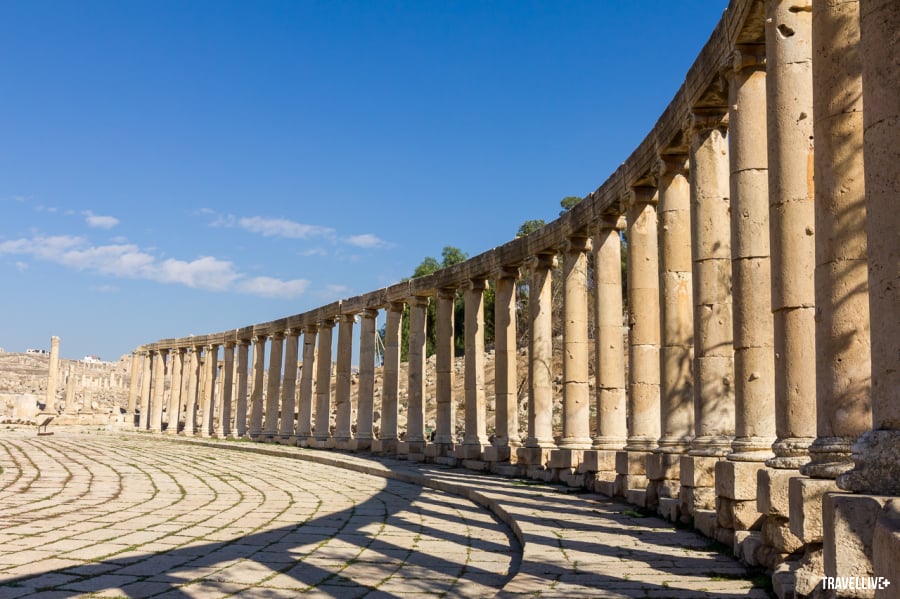
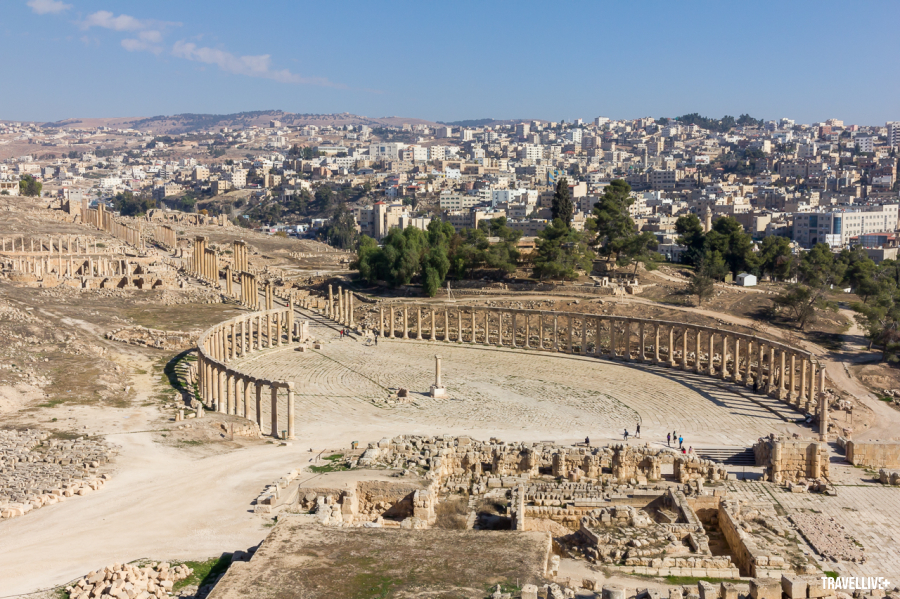
Jerash Old City
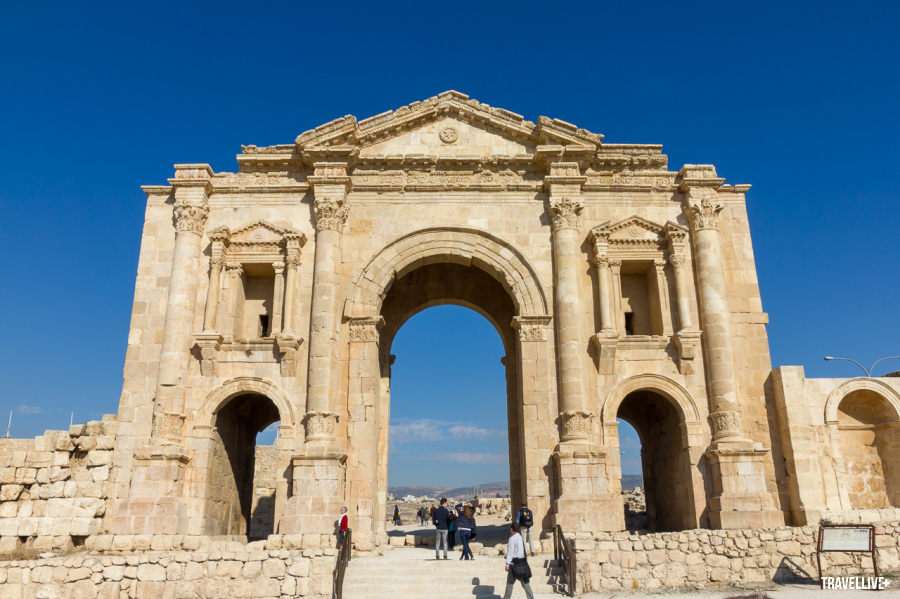
Day 9: Amman (capital city), Jerash (ancient city), Ajoun Castle, Queen Alia Airport.
Drive north to explore Ajloun Castle, built in the 12th century, the best-preserved medieval Islamic military structure in Jordan. Your next stop should be the ancient city of Jerash, located north of the capital Amman, considered a Roman ruin. To this day, it retains some of the Roman architecture outside of Italy, and Jordanians are proud of this ancient land with its 6,500-year-old structures.
At the end of the day, you go to Queen Alia International Airport and catch your flight back to Vietnam.






.jpg.jpg)

.jpg.jpg)


.jpg.jpg)