VI
VI


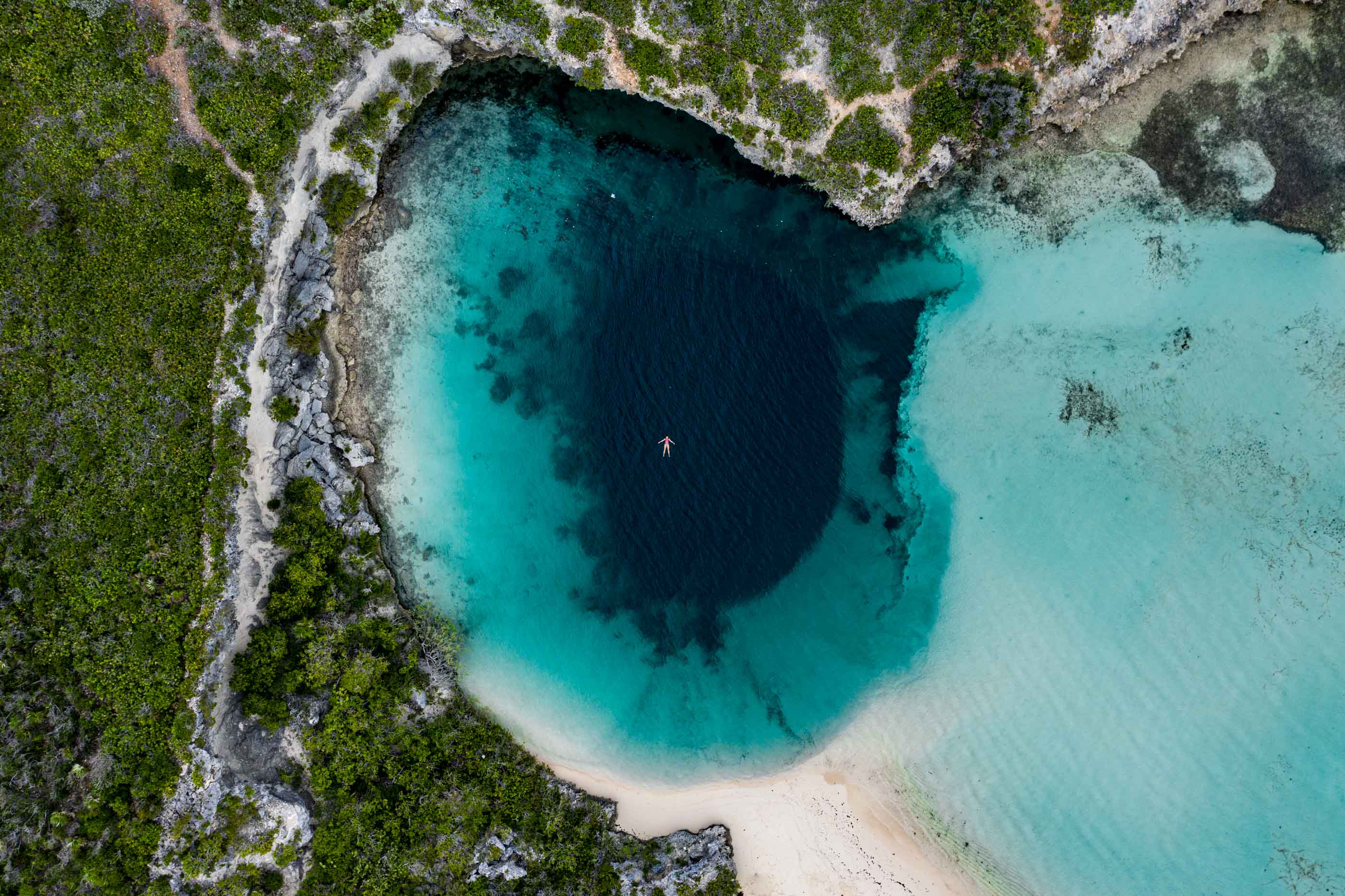
The Bahamas – a tropical island surrounded by white sand, crystal-clear waters, and vibrant coral reefs. But that's not all; it also hides a secret: the "blue holes" at the bottom of the sea, resembling caves with the ocean's signature blue color.
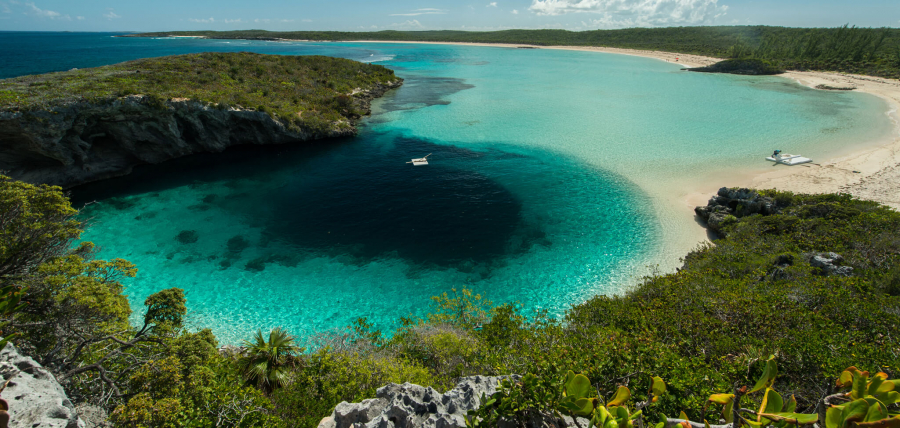
A blue hole is a type of sinkhole located underwater; they are also known as steep indentations. There are many different types of blue holes around the world, from Belize and the Bahamas to the Red Sea.

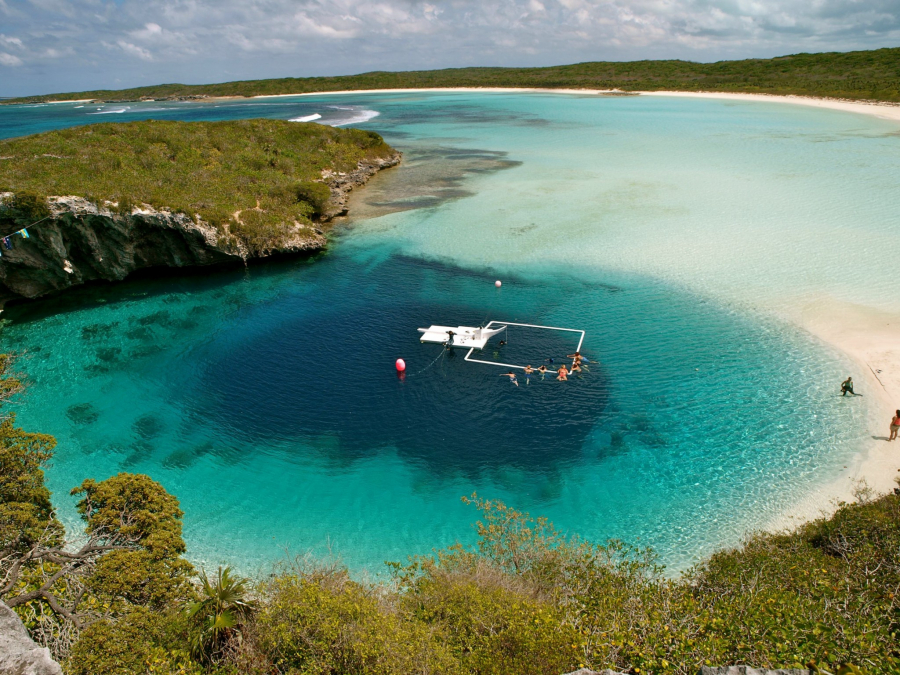
The name "blue hole" comes from the striking contrast between shades of blue, from dark to light, due to variations in sea level depth. Blue holes were formed during the Ice Age, when sea levels were 100–120 meters lower than they are today. The deepest blue hole in the world is Dean, at 220 meters deep, located west of Clarence Town on Long Island, Bahamas. Other blue holes are only about half as deep as Dean, ranging from 100 to 120 meters. Some of these holes have even formed entire underground cave systems.
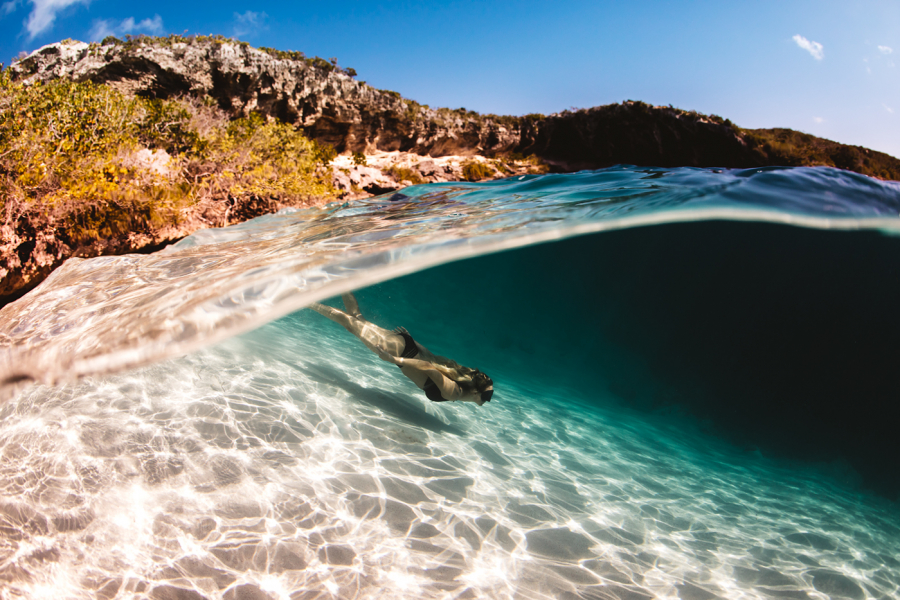
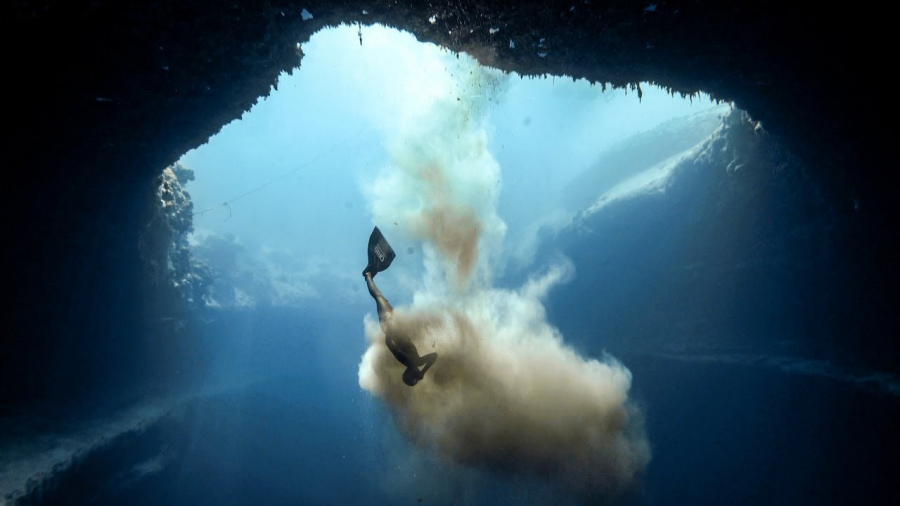
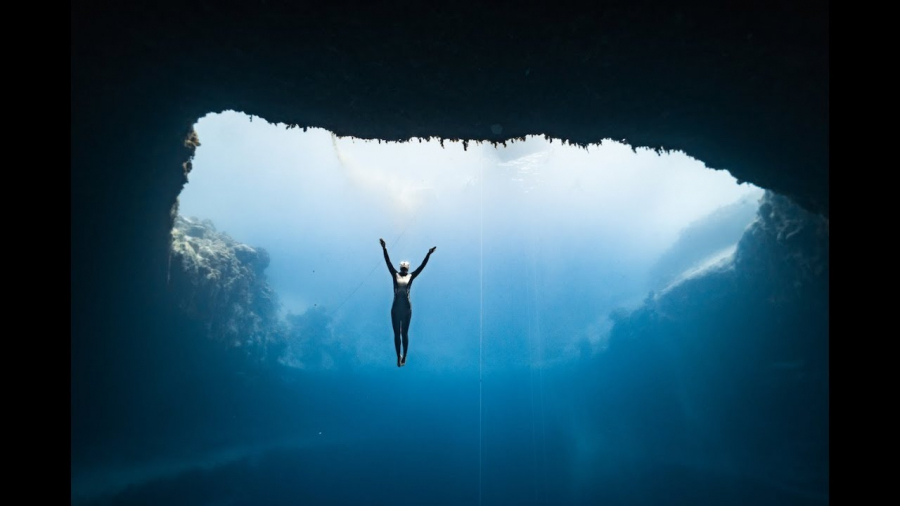
From the surface, they resemble mysterious blue holes, yet they also conceal hidden dangers beneath the sea. For the first 100 meters, the water in the holes is very calm due to the absence of waves, making them ideal for novice divers. However, in the depths, the water circulation is infrequent, resulting in a severe lack of oxygen; at the very bottom, there is almost none, making it extremely dangerous for inexperienced divers. It is precisely because of these low-light and oxygen conditions that a diverse and unique marine ecosystem has formed here.




.jpg.jpg)