VI
VI


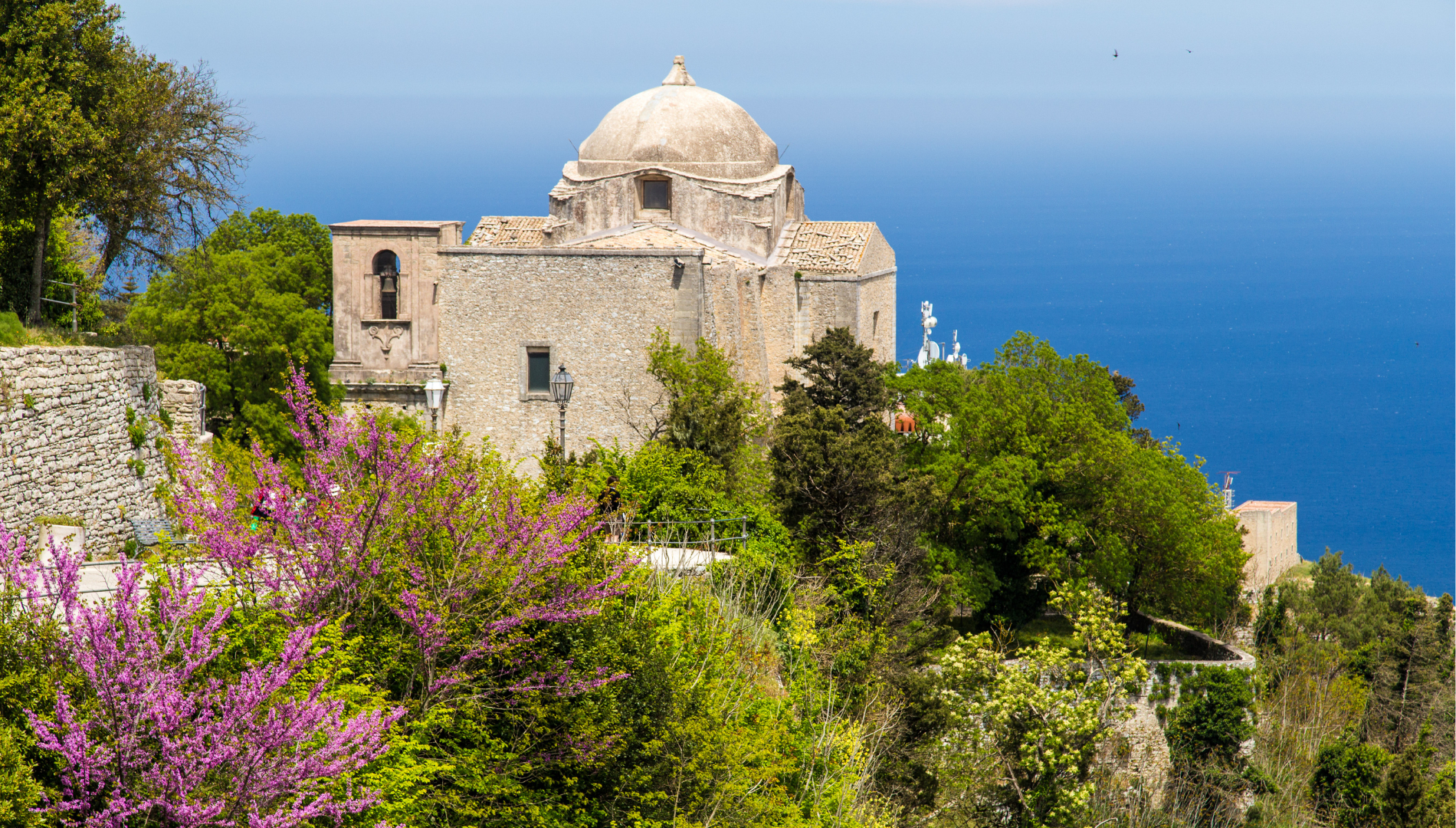
ERICE - THE VILLAGE OF DREAMS
Erice is a medieval town situated atop Mount Erice, 750 meters above sea level, in the province of Trapani, Sicily, Italy. Erice is renowned for its beautiful Norman architecture, cobblestone streets, and stunning views of the surrounding countryside.
.jpg.jpg)
The village of Erice was founded by the Elymians, an ancient people living in Sicily. Later, the village was conquered by the Greeks and Romans. During the Middle Ages, Erice became part of Norman territory. This picturesque village has retained its original medieval beauty to this day.
Its history was further highlighted by the poet Virgil, who quoted Erice in his most famous work, The Aeneid, making it a stop on the journey of the Trojan hero Aeneas; the hero who was also the founder of Rome in mythology.
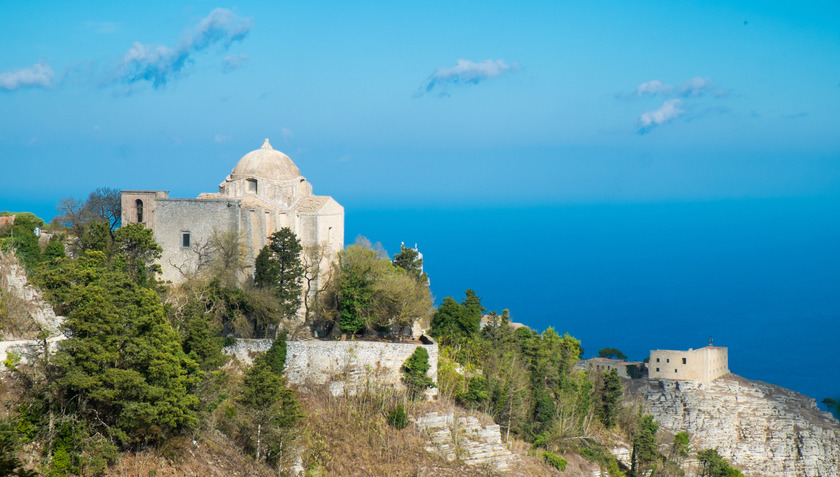
Erice Village is a medieval town situated atop Mount Erice.
After the Normans conquered southern Italy in the late 12th century, they built a fortress on the site of an old temple. The fortress changed hands many times, and each dynasty left its own mark. Many hikers choose Erice Castle as the final destination of their climb to the summit of Erice. An afternoon visit to the castle, followed by watching the sunset over the sea, will wash away any fatigue from the hike.
DISCOVER A HISTORICAL VILLAGE IN ITALY
Although small, the village of Erice is home to many ancient architectural structures. Inviting and charming, traditional and ancient, fresh and impressive – you can feel all of this as you walk through the streets of Erice.
Erice Castle "leans" on the mountaintop.
The Erice Castle, perched precariously on a mountaintop, has long been a popular tourist destination throughout Sicily. In Greek mythology, Mount Erice is considered the "sacred land" of the goddess Aphrodite, and as early as the 10th century BC, there was a temple dedicated to Aphrodite on the mountain's summit. After the Norman conquest of southern Italy in the late 12th century, they built a fortress on the site of the old temple. The fortress changed hands several times, with each dynasty leaving its own mark.

The village of Erice was founded by the Elymians.
Erice Castle, also known as Venere Castle, is a medieval castle situated atop Mount Erice, 750 meters above sea level, in the province of Trapani, Sicily, Italy. Built in the 12th century by the Normans, it served as a military fortress for centuries. The castle is now a popular tourist attraction, offering stunning views of the surrounding countryside.

Erice Castle has a rectangular shape with four towers. The castle walls are built of limestone and are up to 2 meters thick. The castle has a large main gate leading into a courtyard. The courtyard contains several buildings, including a chapel, an armory, and a barracks.
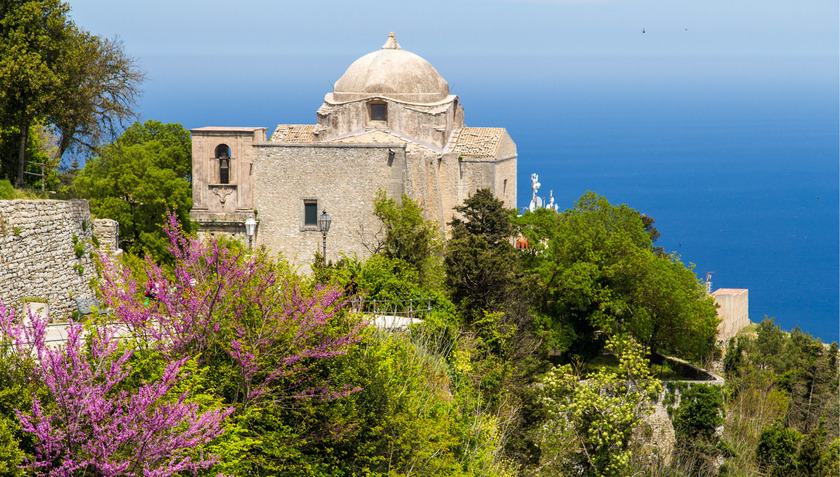
Many hikers choose Erice Castle as the final destination of their climb to the summit of Mount Erice.
Erice Castle has a long and turbulent history. Built by the Normans in the 12th century to protect the city of Erice from enemy attacks, the castle changed hands several times over the centuries, belonging to the Hohenstaufen, Aragonese, and Spanish. It served as a military fortress until the 19th century, when it was abandoned.
Erice Castle was restored in the early 20th century and is now a popular tourist attraction. The castle is open daily from 8 am to 7 pm. Admission is €4 for adults and €2 for children.
The ancient church preserves the history of Erice.
The Church of Erice, also known as the Church of San Giovanni Battista, is not only a religious icon but also a cultural and historical symbol of the town of Erice, Sicily, Italy. Built in the 14th century, this church is an outstanding example of Gothic architecture, with its impressive facade featuring large rose windows and two prominent bell towers, creating a stunning picture against the Erice skyline.

Erice Cathedral is also an ideal destination for those who want to explore the culture and history of Sicily.
Beyond its admirable architecture, the church's interior houses many precious works of art, exquisite expressions of creativity and religious belief. One of the most notable is the painting of "Jesus Crucified on the Cross," crafted from marble, which imbues the church's interior with majesty and solemnity.
Beyond its religious significance, Erice Cathedral is also an ideal destination for those wishing to explore the culture and history of Sicily. With its exquisite blend of architecture, art, and religion, it is an integral part of the region's cultural heritage.
The Antonio Cordici Museum is for art lovers.
The Antonio Cordici Museum, located in the town of Erice, Sicily, Italy, is a must-visit destination for art lovers and those wishing to explore the cultural heritage of the region. The museum is named after Antonio Cordici, a renowned 19th-century Sicilian painter who made significant contributions to the development of local art.
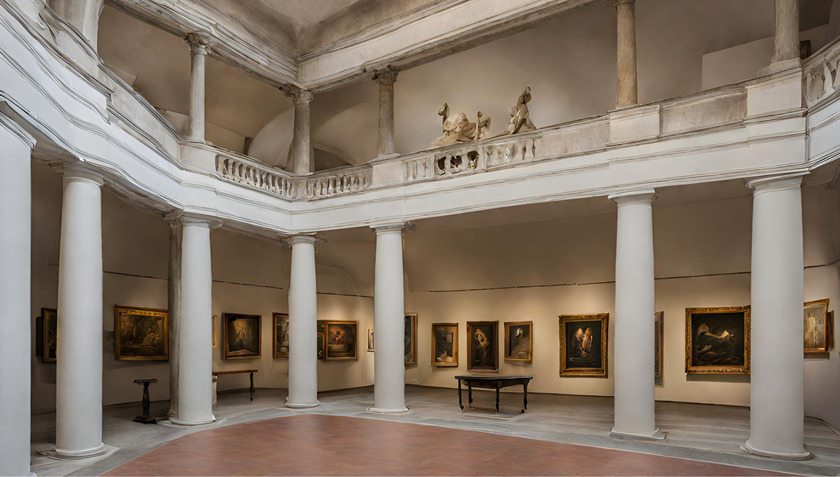
The museum currently displays a diverse collection of Cordici artworks.
The museum currently displays a diverse collection of Cordici artwork, including paintings, drawings, and sculptures. In addition, the museum also showcases artwork by other Sicilian artists, providing a comprehensive view of the richness and diversity of local art.
The museum is open daily from 9 am to 7 pm, making it convenient for visitors to explore. Admission is 4 euros for adults and 2 euros for children, a reasonable price for experiencing the art and culture of Sicily.
With its sophisticated exhibition spaces and diverse collection, the Antonio Cordici Museum is not only an interesting destination but also a cultural window opening for visitors to discover the beauty and vitality of Sicilian art.
Quartieri Spagnoli historic district
The Quartieri Spagnoli district, located in the heart of Naples, Italy, is a rich historical heritage and a captivating destination for visitors seeking to explore the region's culture and history. Built in the 16th century as a barracks for the Spanish army, the district bears the name "Quartieri Spagnoli" (meaning "Spanish Quarter"). This name is not only a symbol of its historical past but also an integral part of Naples' cultural identity.
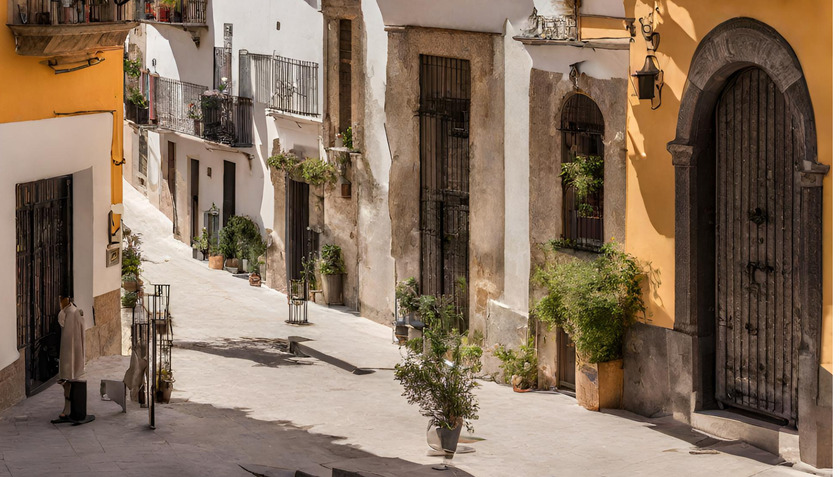
The Quartieri Spagnoli district is famous for its narrow, steep streets.
The Quartieri Spagnoli district is famous for its narrow, steep streets and densely packed high-rise buildings, creating a unique picture of urban life both past and present. This creates a rich space that reflects daily life and the distinctive features of Neapolitan folk culture.
Strolling through the Quartieri Spagnoli district, visitors can feel its vibrancy and mystique, from the aromas of local cafes and restaurants to the music and laughter of the people. It's an experience not to be missed, transporting visitors back in time and allowing them to enjoy the lively atmosphere of Naples city life.