VI
VI


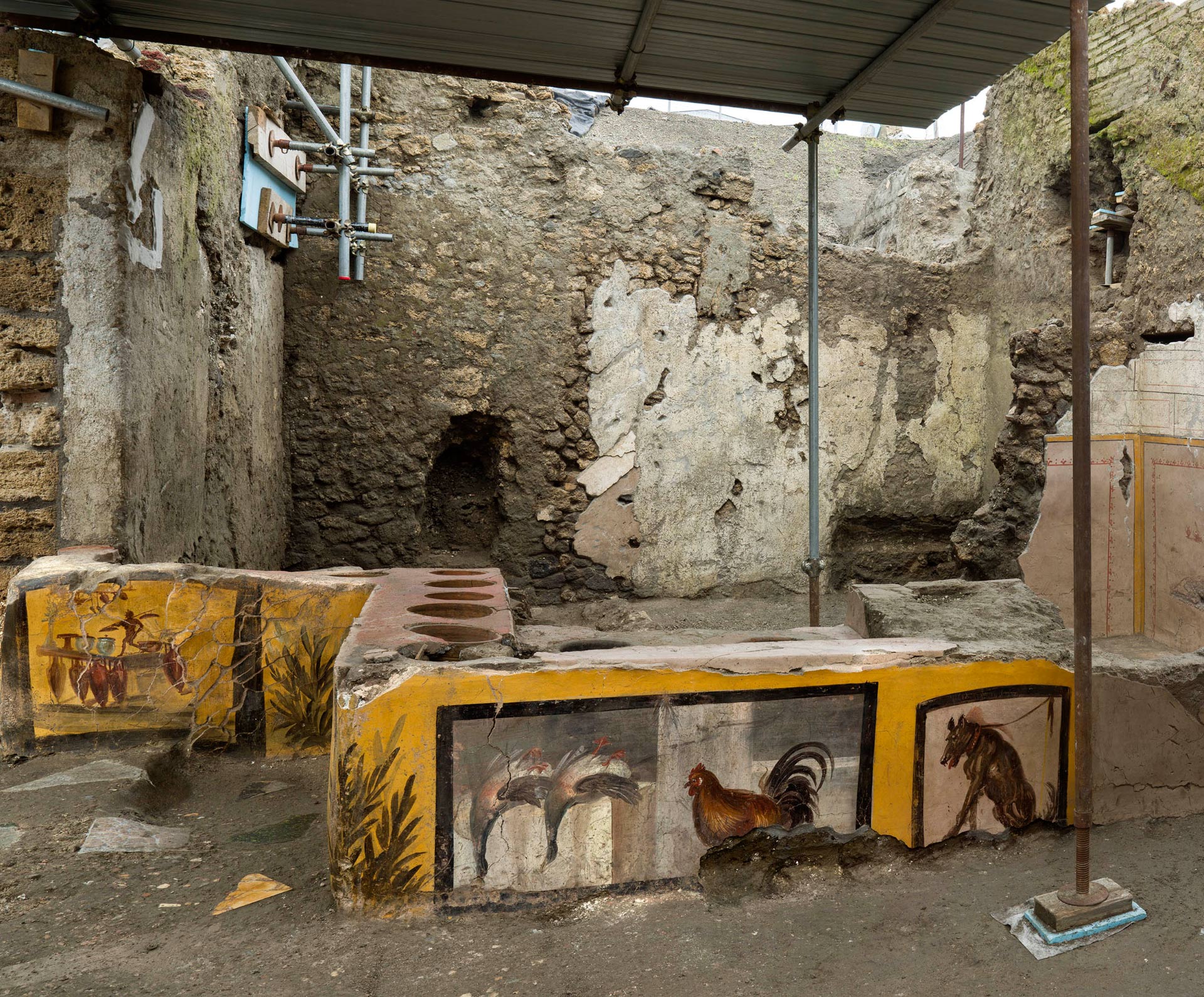
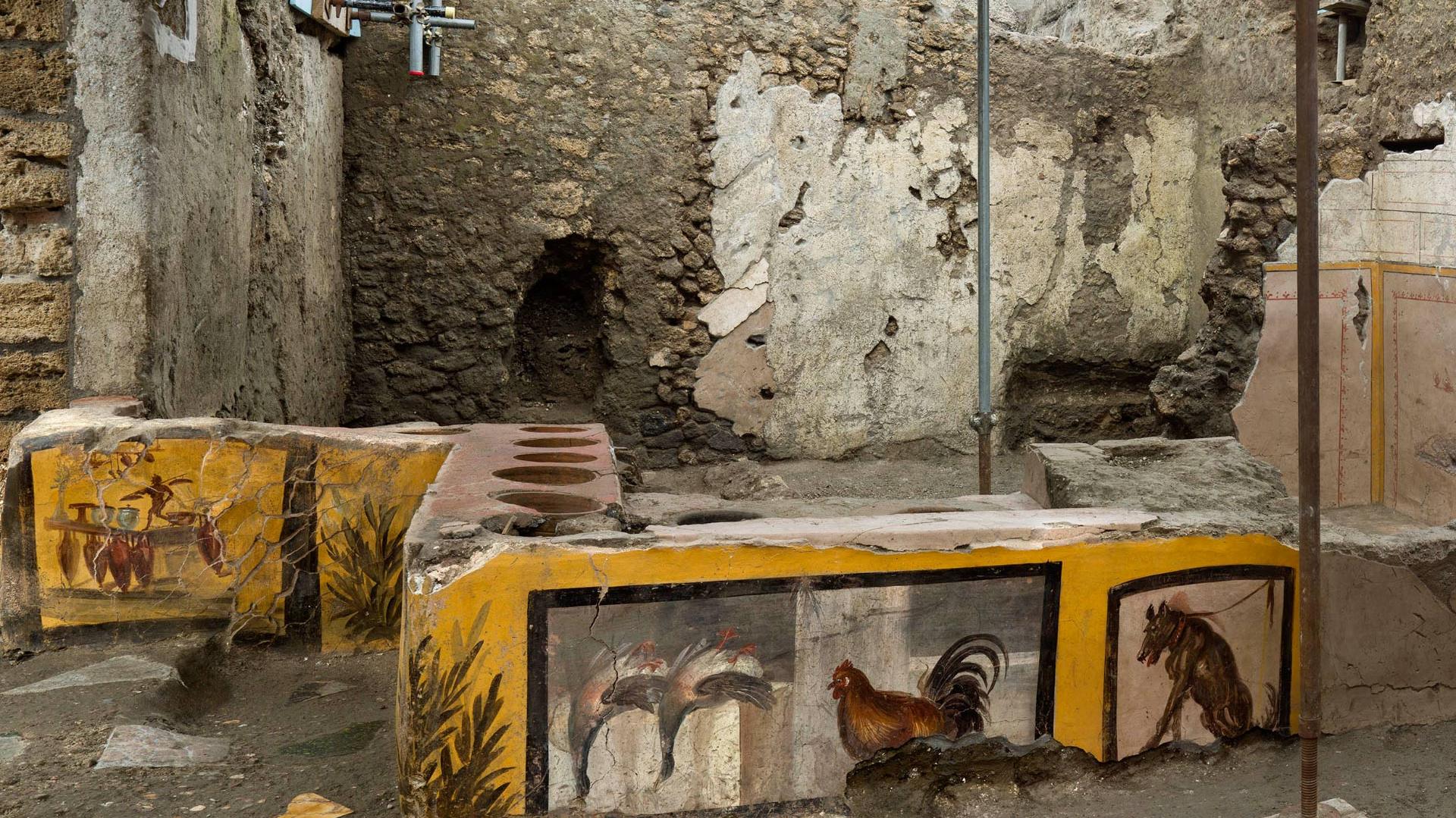
From approximately 753 BC to 476 AD in ancient Rome,The Romans already had the concept of fast food.In those days, in Thermopolium shops, hot food was sold and served in large earthenware pots placed on a food counter.
This ancient site, once a Thermopolium shop, was buried by volcanic ash from Mount Vesuvius in 74 AD. In 2019, archaeologists rediscovered it in Regio V, a 21.8-hectare area north of the Pompeii Archaeological Park near the Bay of Naples, in southern Italy.

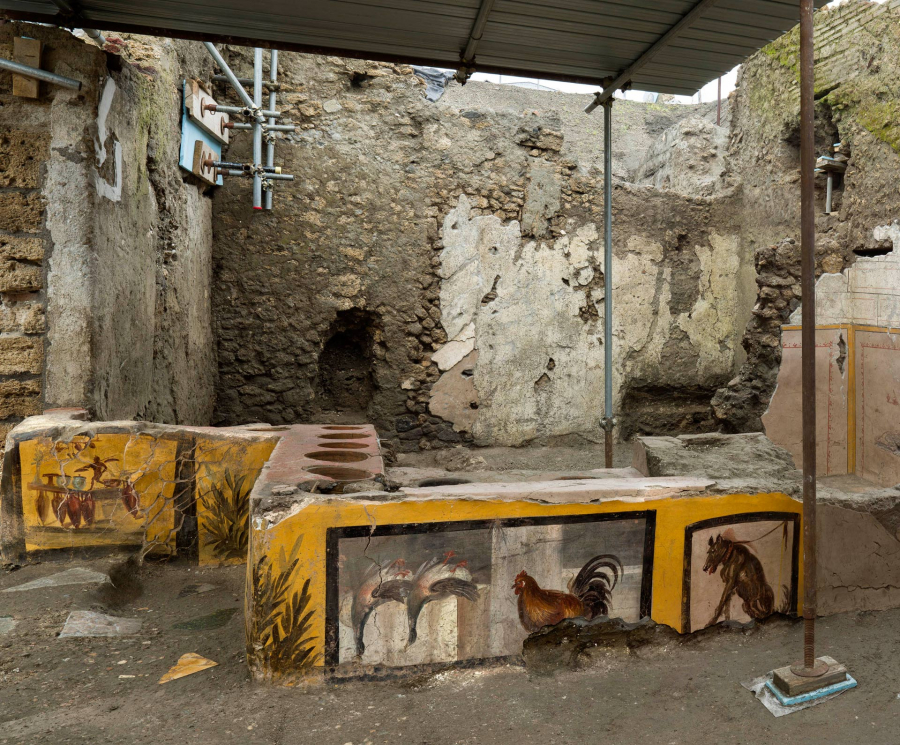
An ancient Thermopolium shop unearthed in Pompeii - Photo: Pompeii Archaeological Park
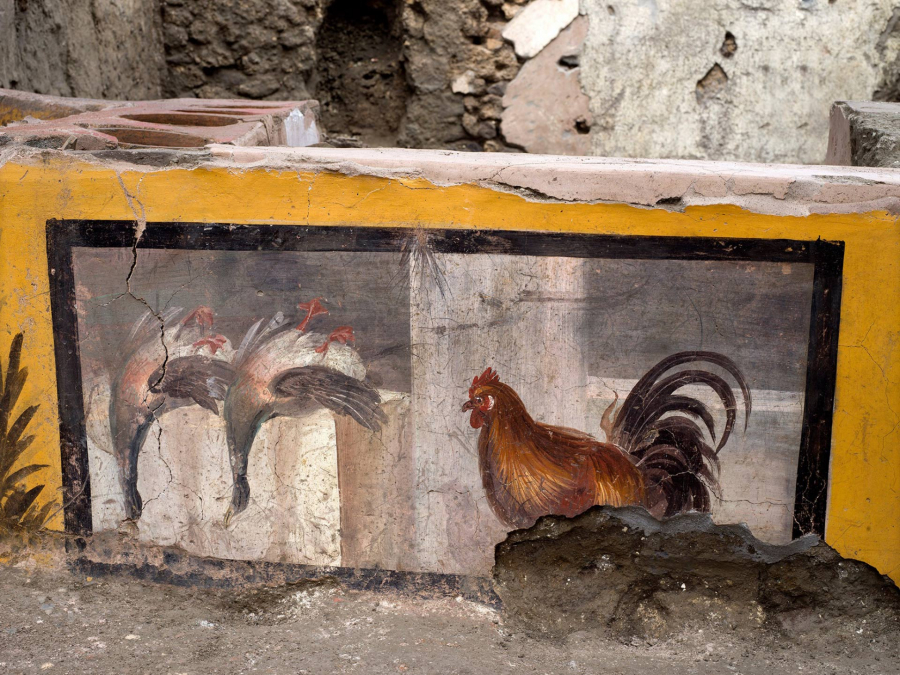
A restored painting at the Thermopolium store - Photo: Luigi Spina/AP
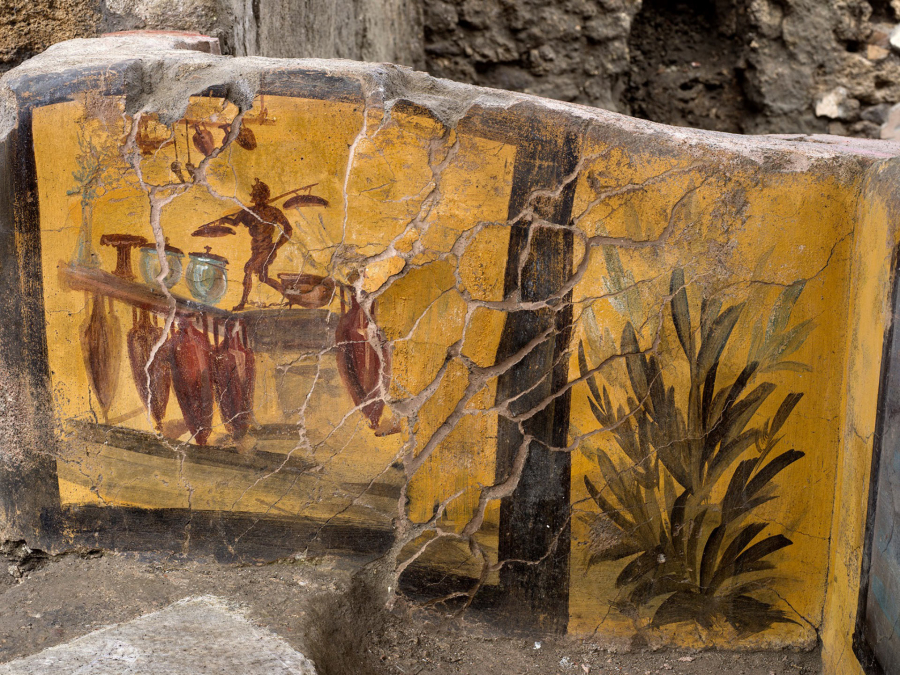
The drawings in front of the food counter - Photo: Pompeii Archaeological Park
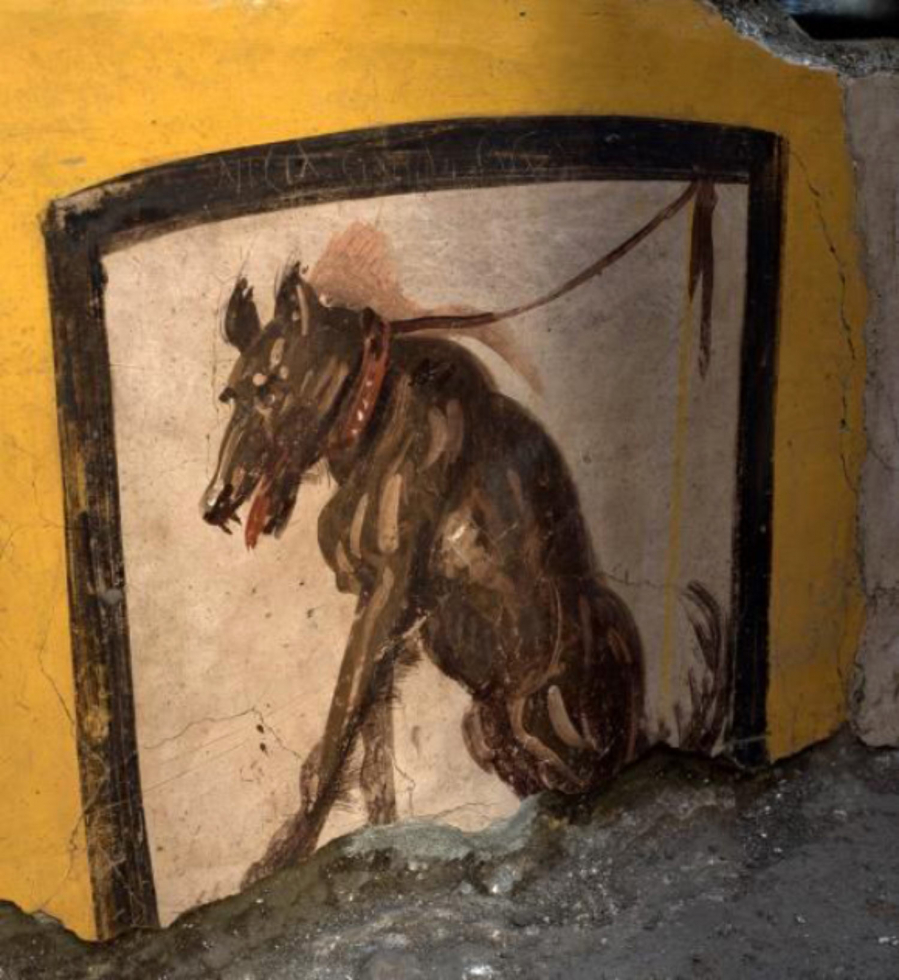
A warning sign in the form of a chained dog - Photo: Pompeii Archaeological Park
Inside the ruins are frescoes painted on the walls that are still visible in color. Archaeologists also discovered floors made of multicolored marble and the remains of duck, pig, goat, fish, and snail bones in earthenware pots. Researchers believe that the menu of this ancient Thermopolium restaurant once included a dish called Paella.
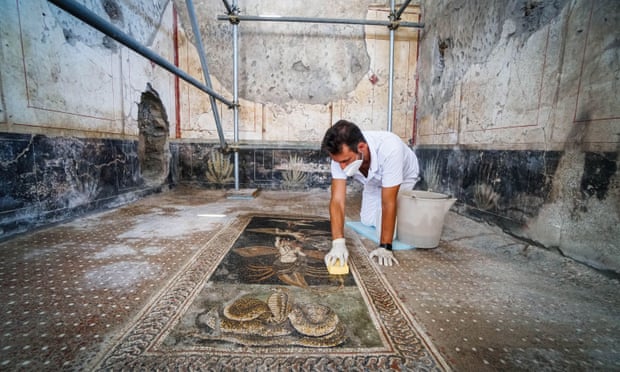
A worker cleans a mosaic on the floor at Casa di Orione, near the newly excavated Thermopolium shop, which will also be open to the public in the future. Photo: Cesare Abbate/EPA
Dozens of other Thermopolium shops have also been found throughout the archaeological park. These eateries primarily served the poor residents of ancient Pompeii, whose cramped living conditions meant they lacked cooking facilities. A typical Thermopolium menu included coarse bread served with salted fish, grilled cheese, lentils, and spicy liqueur.
Along with a visit to Thermopolium, visitors can also catch a glimpse of two ancient mansions, Casa di Orione and Casa del Giardino, which are also found in Regio V and are currently undergoing restoration.