VI
VI


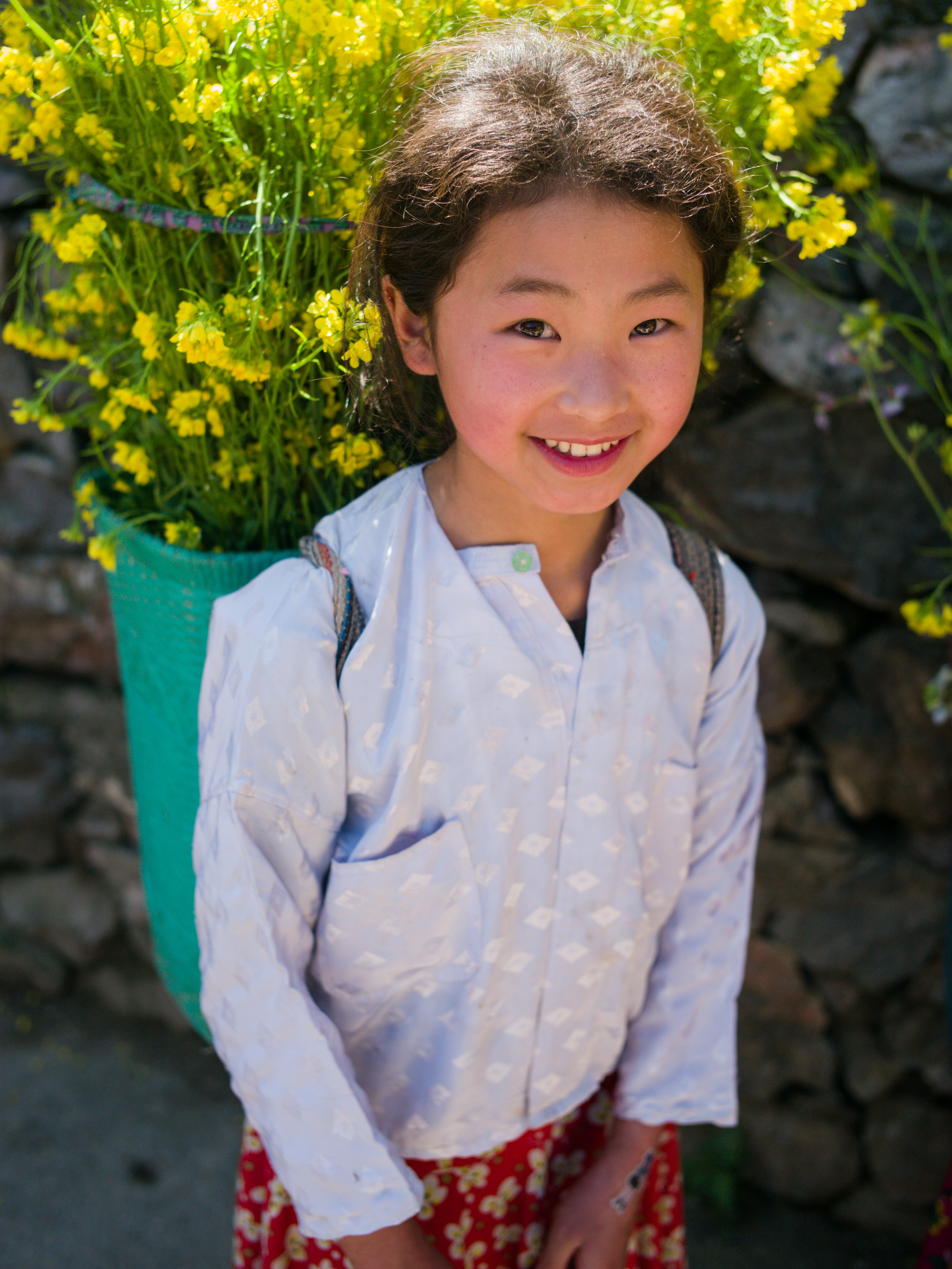
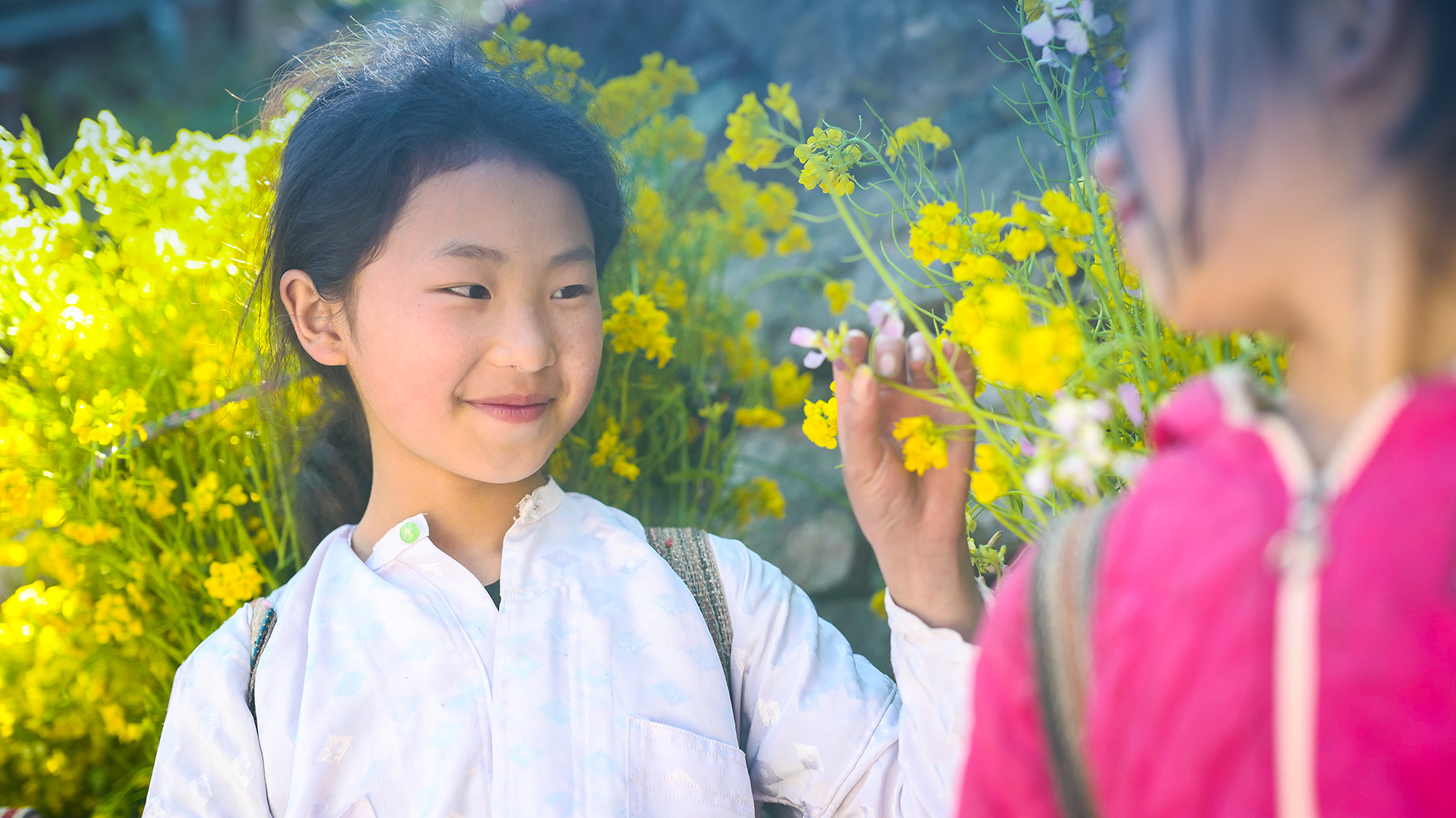
On a 10°C morning in Sung La (Dong Van, Ha Giang), 11-year-old Sung A Ly carries his approximately 8-month-old younger brother on his shoulder. The baby has round eyes and chapped cheeks that are always rosy.
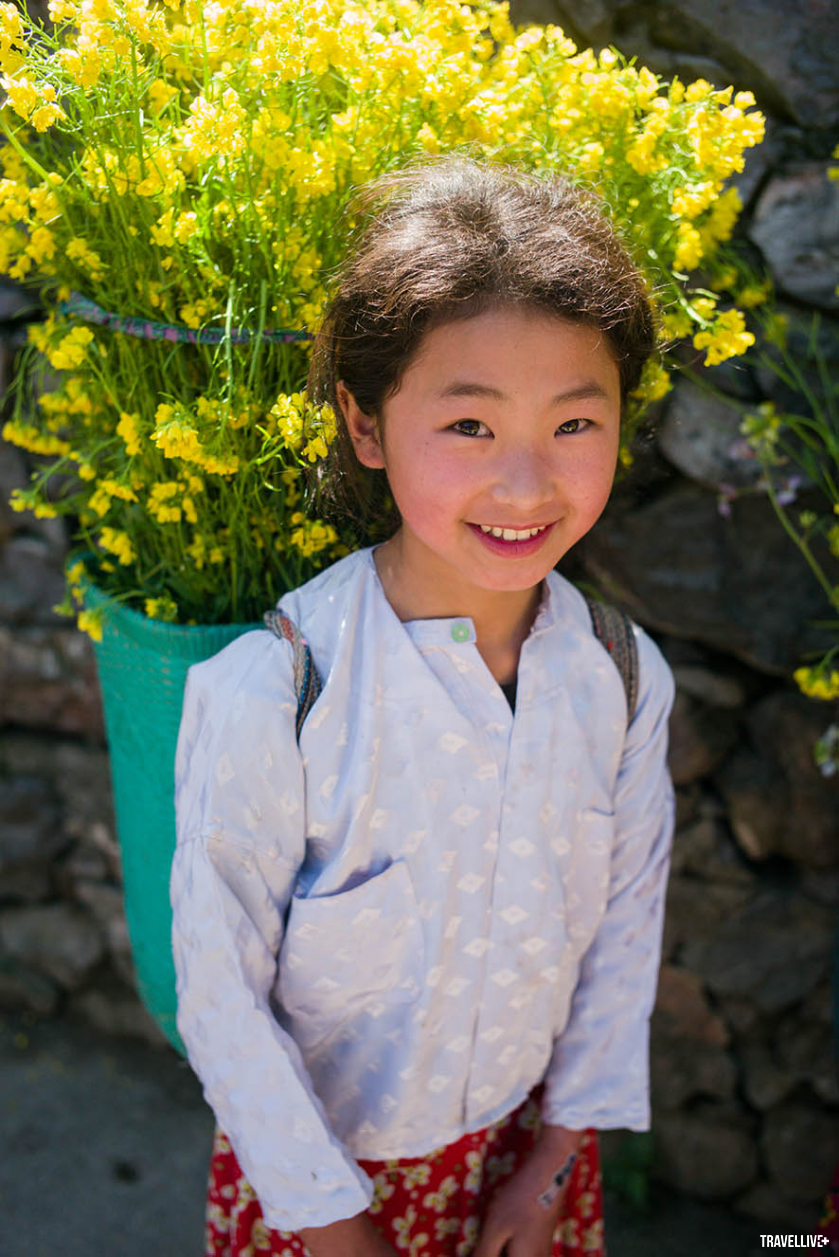
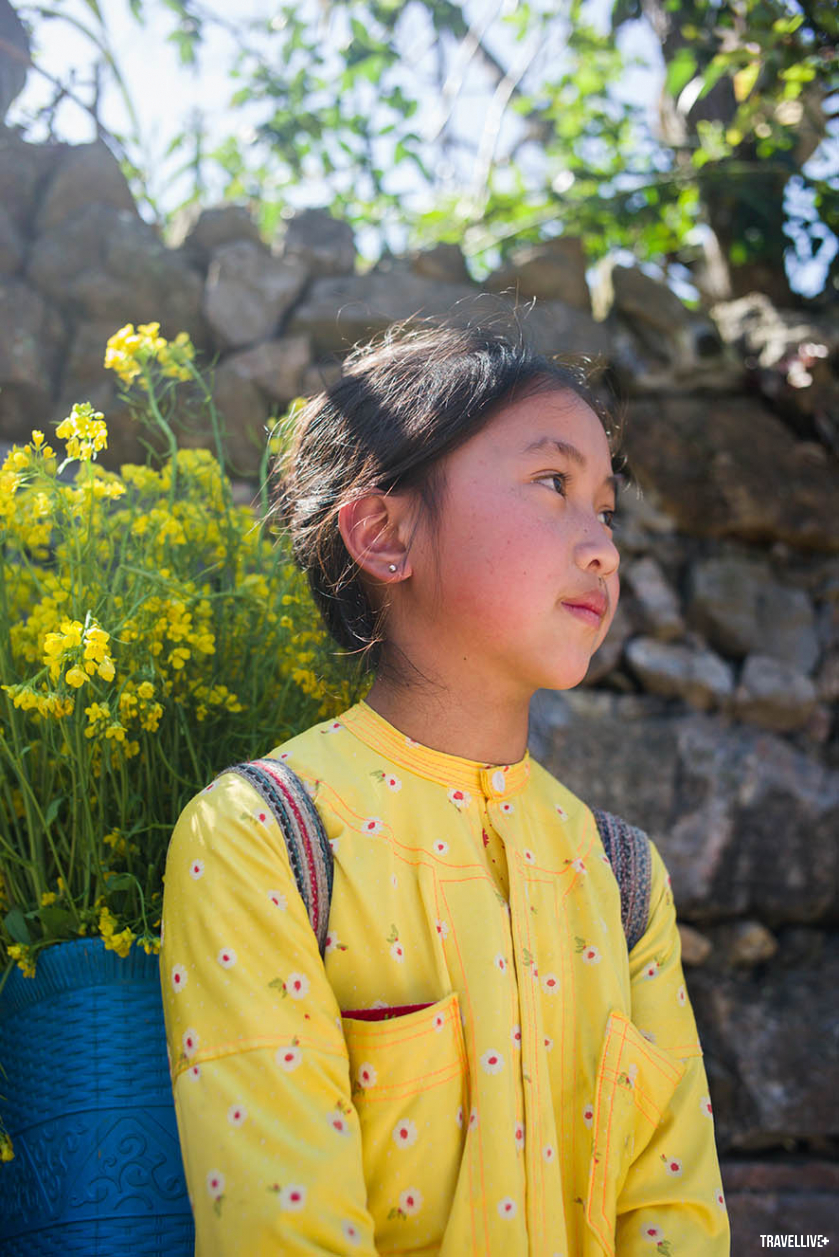
Sung A Ly is in the 5th grade. Outside of school, A Ly carries her younger brother on her back, holding a bunch of wildflowers and several garlands of buckwheat flowers she made herself, wandering around Pao's house gate. Every day, A Ly and her brother stand there from early morning waiting for tourists to come and buy flowers and take pictures.
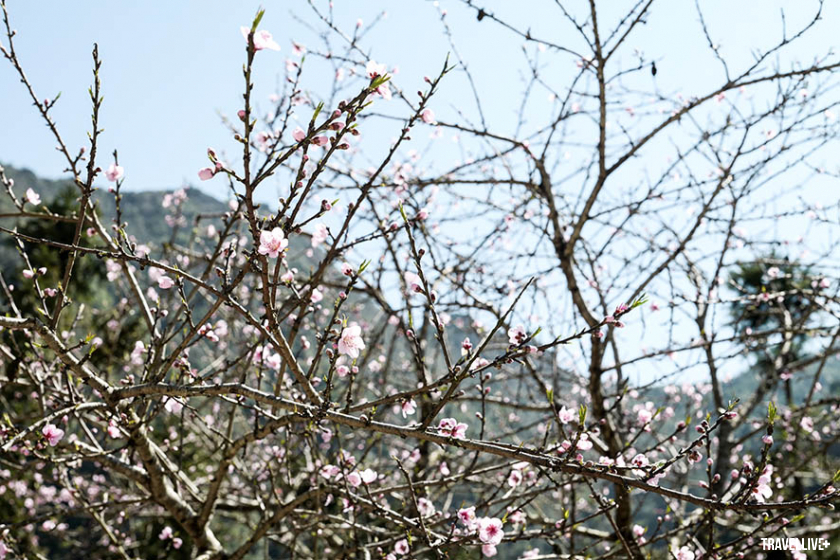
The image of the A Ly sisters is not unfamiliar to tourists visiting Ha Giang, and has even become a "symbol" of this land. When the peach blossoms along the roadside have faded and the rice fields have not yet bloomed, the most beautiful thing about Ha Giang at that time belongs to the eyes and rosy, chapped cheeks of the H'Mong children.

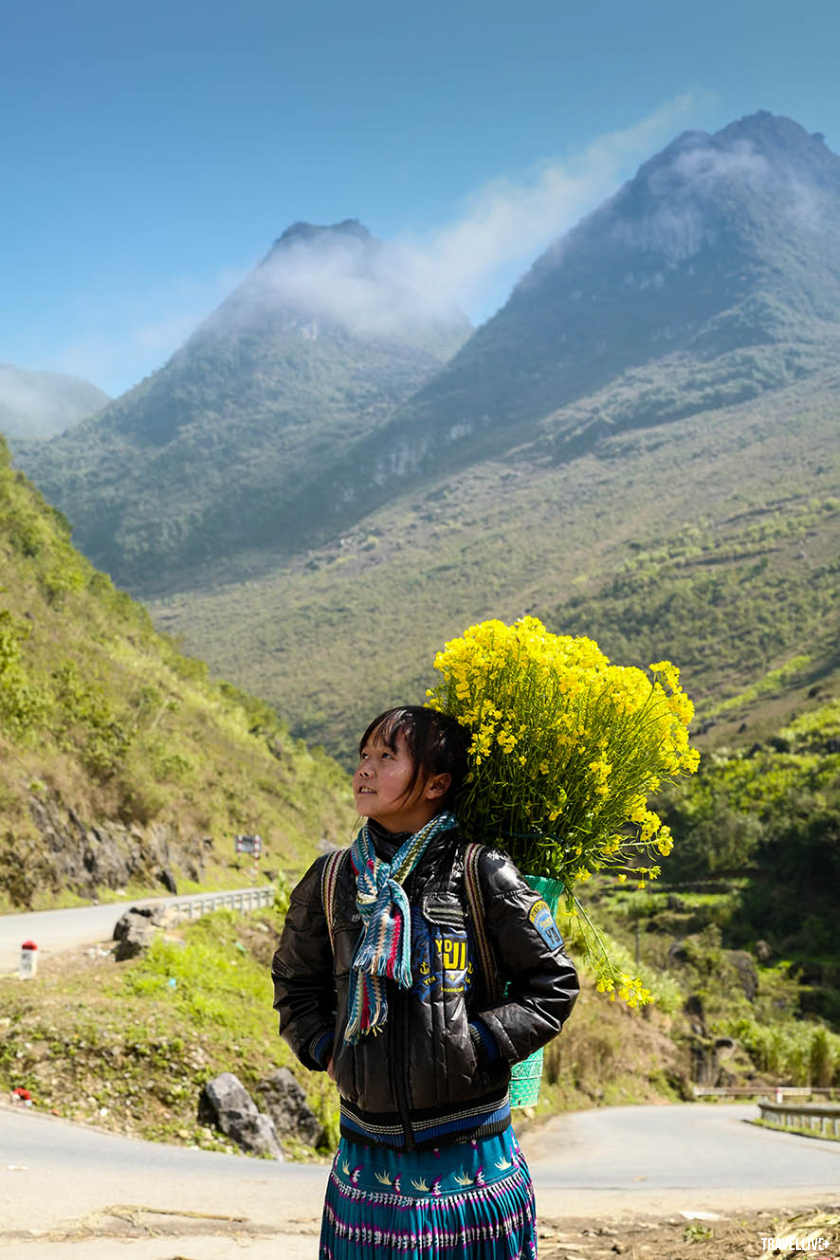
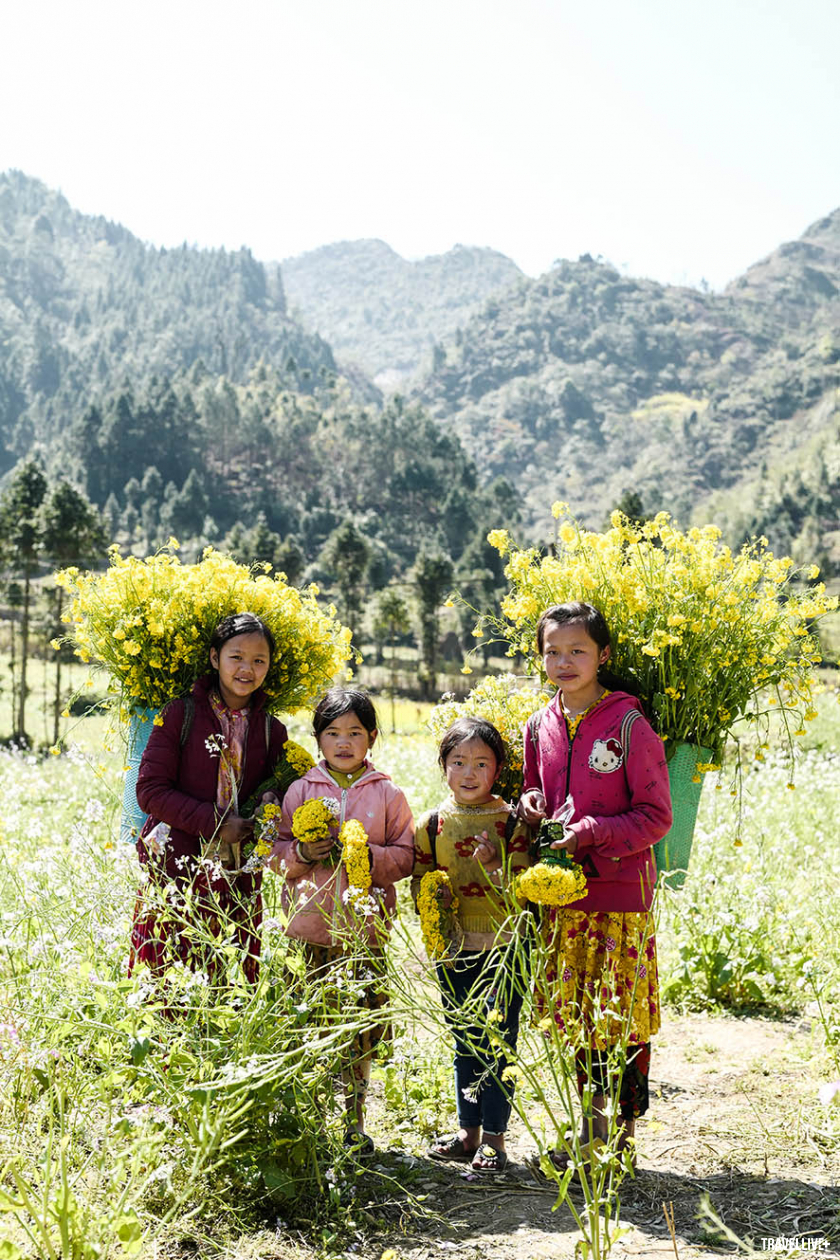
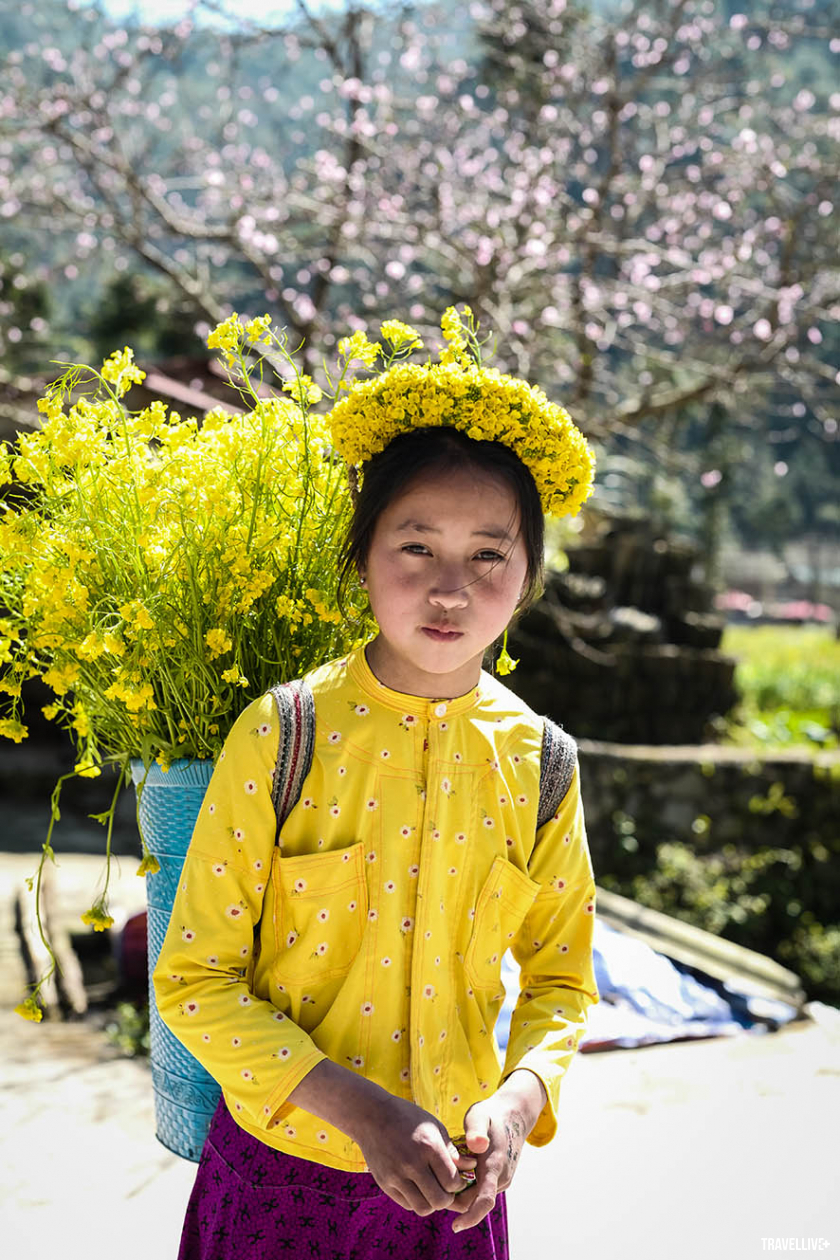
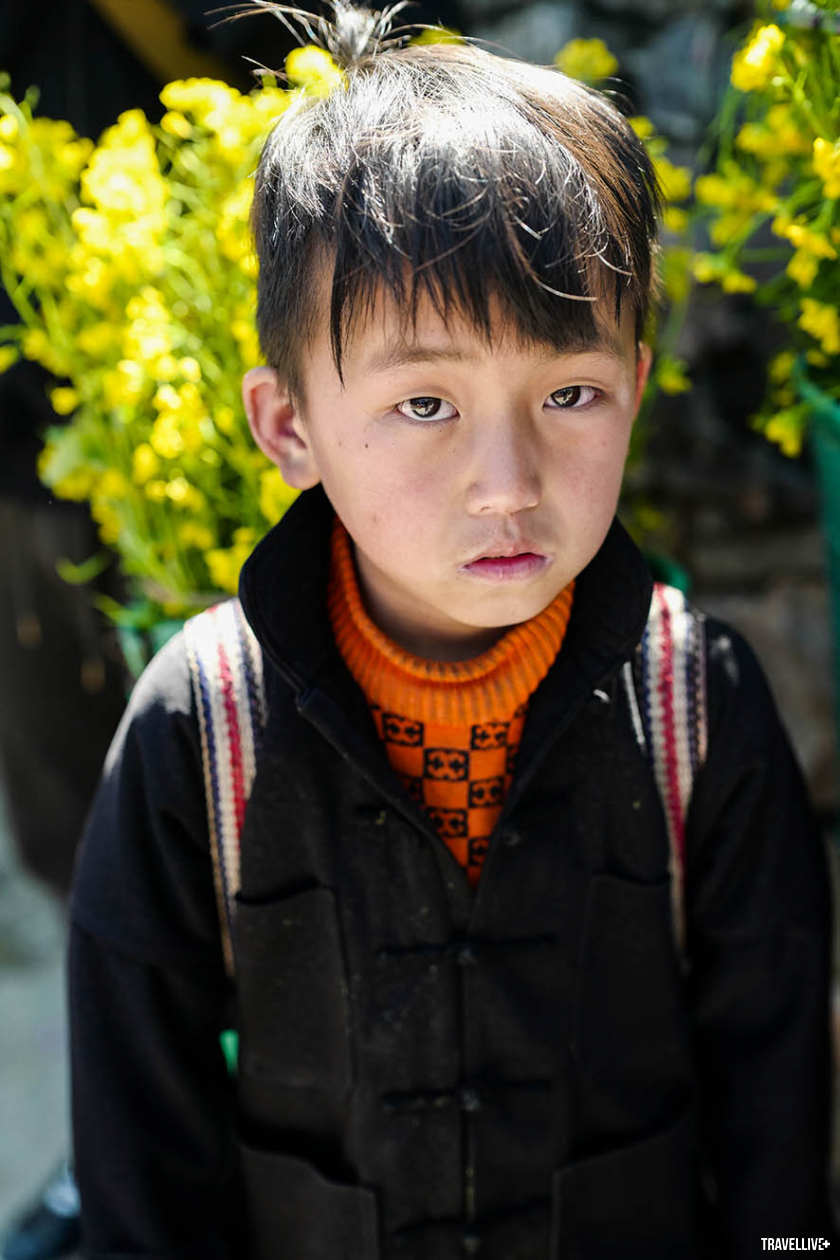
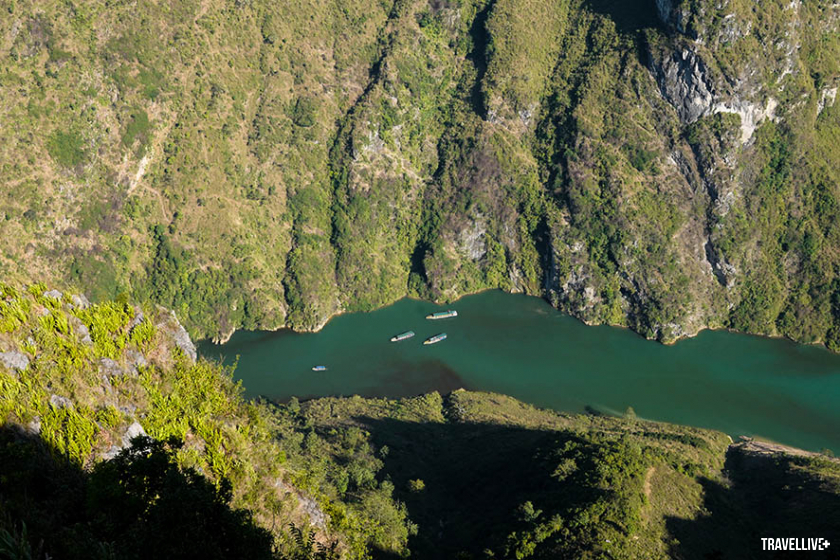
As the weather turns colder, the "stone plateau" enters its peak tourist season. The arrival of cold air brings about impressive and magnificent changes in nature. At this time, Ha Giang welcomes visitors with fields of buckwheat and local dishes that warm the spirit of exploration.
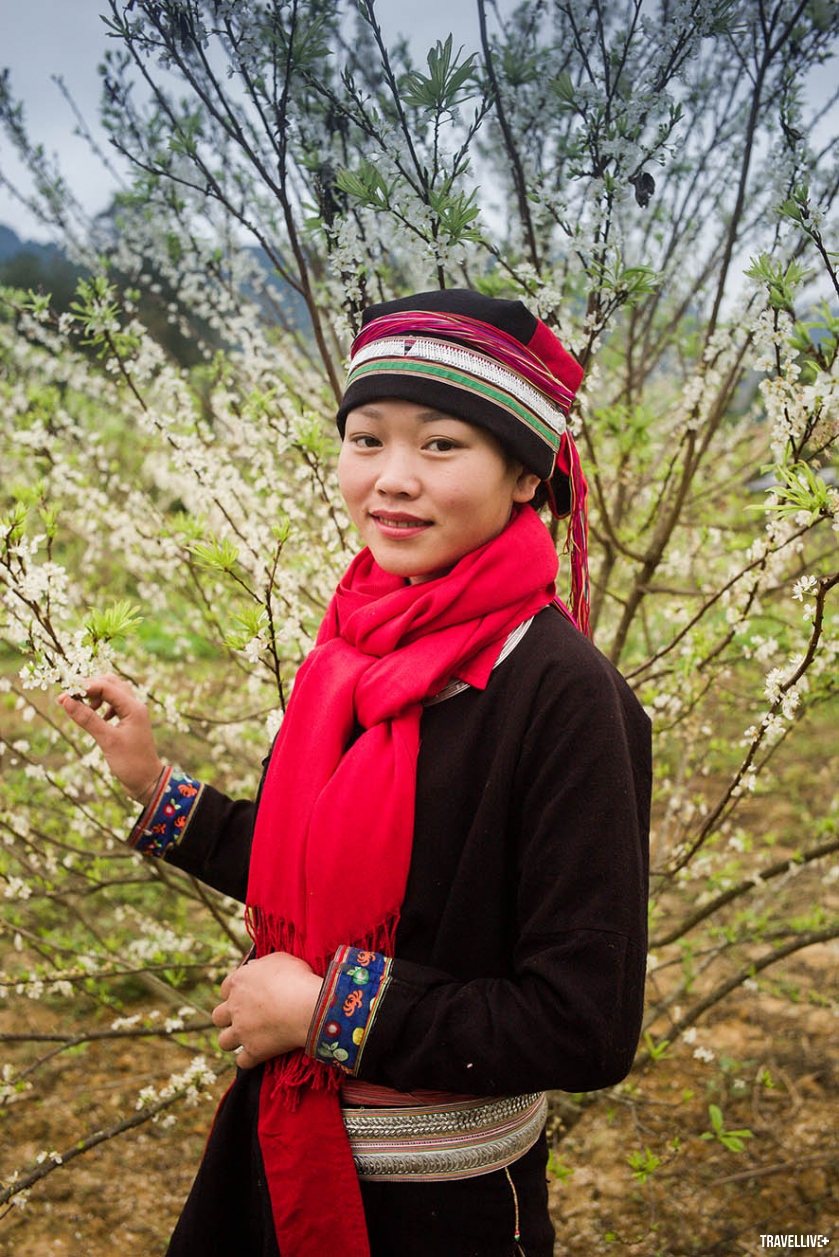
There are many different routes you can take to explore Ha Giang, but no matter which route you choose, what you will encounter most often – and perhaps what you will remember most about Ha Giang – is the image of the ethnic minority people, especially the H'Mong people.
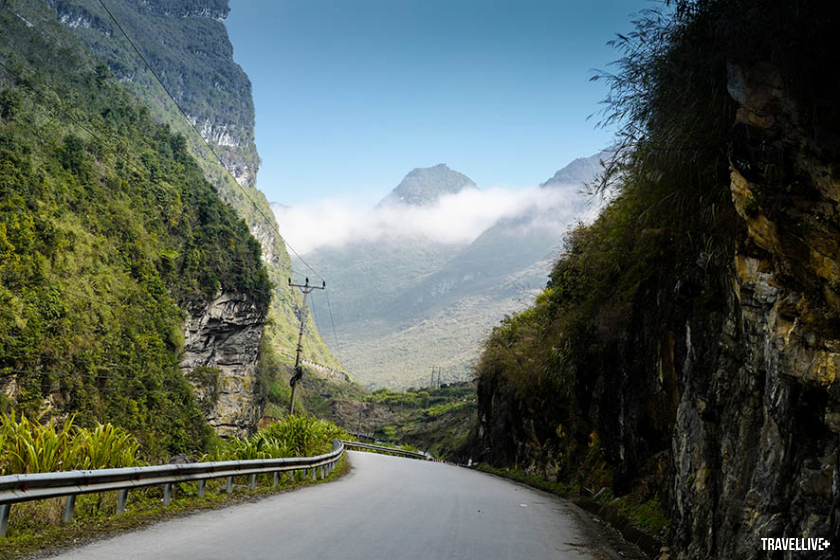
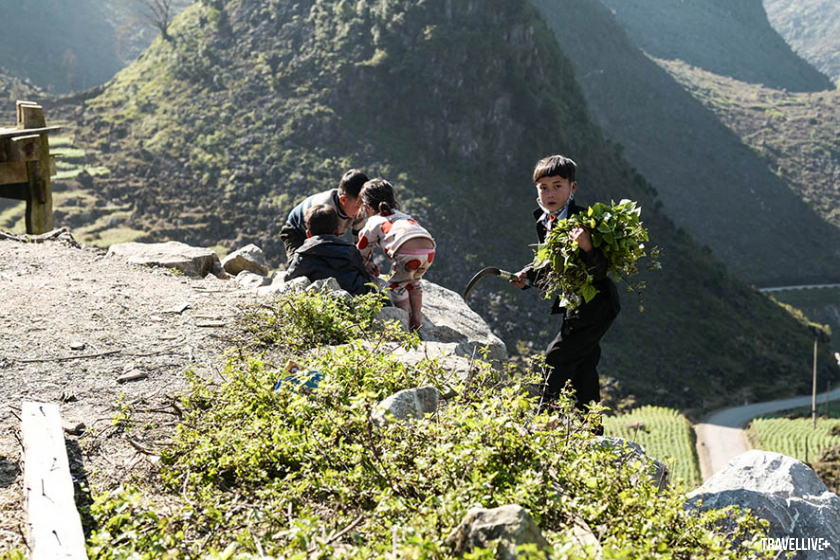
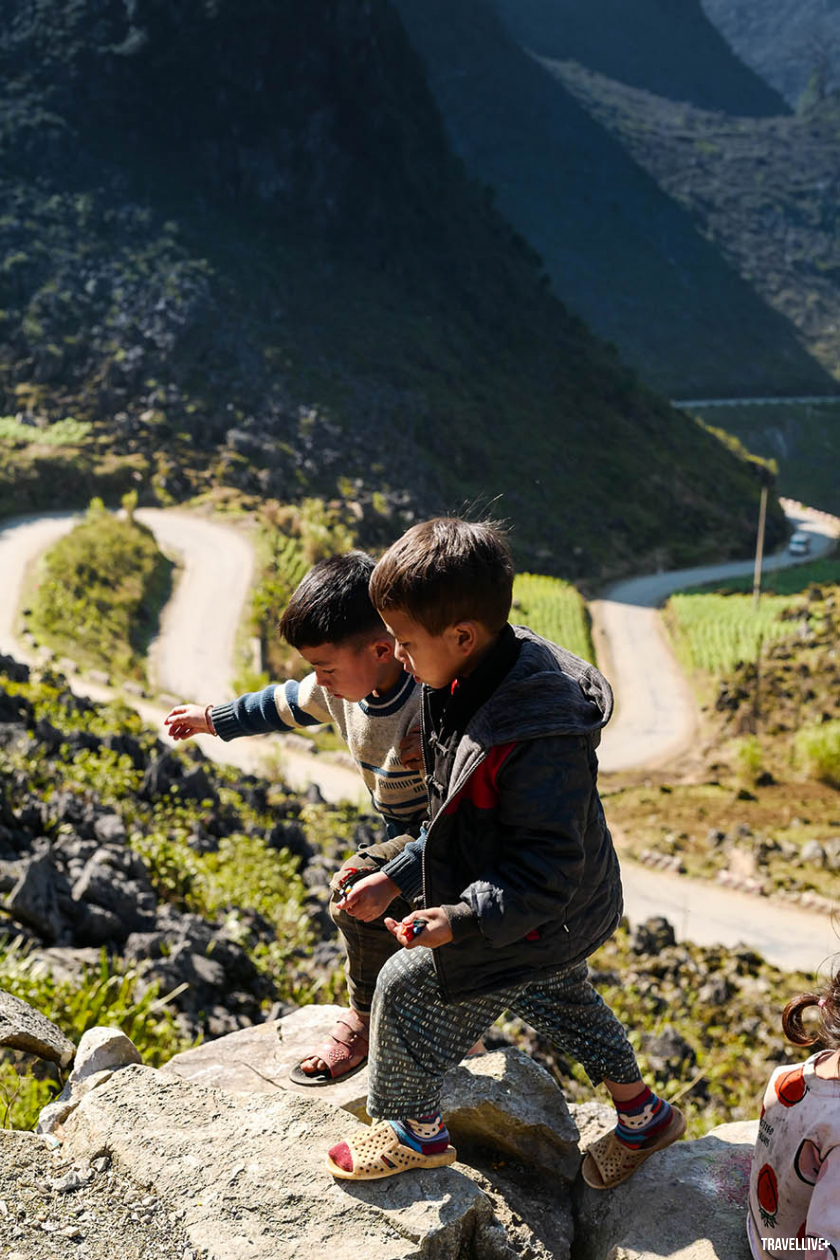
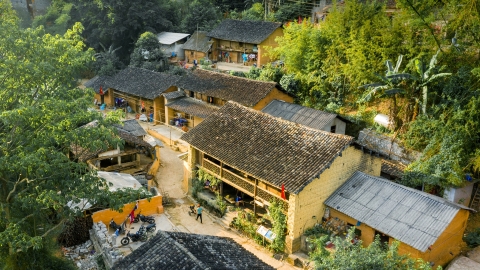
The Hmong people make up 31% of the ethnic population in Ha Giang. They live mainly in the northern districts such as Yen Minh, Quan Ba, Meo Vac, Dong Van, and the western districts of Hoang Su Phi and Xin Man. Visiting and immersing yourself in the life of the Hmong people, you will see their traditional farming methods, cultivating rice, corn, and other crops; and witness their resilience, enthusiasm, and optimism.
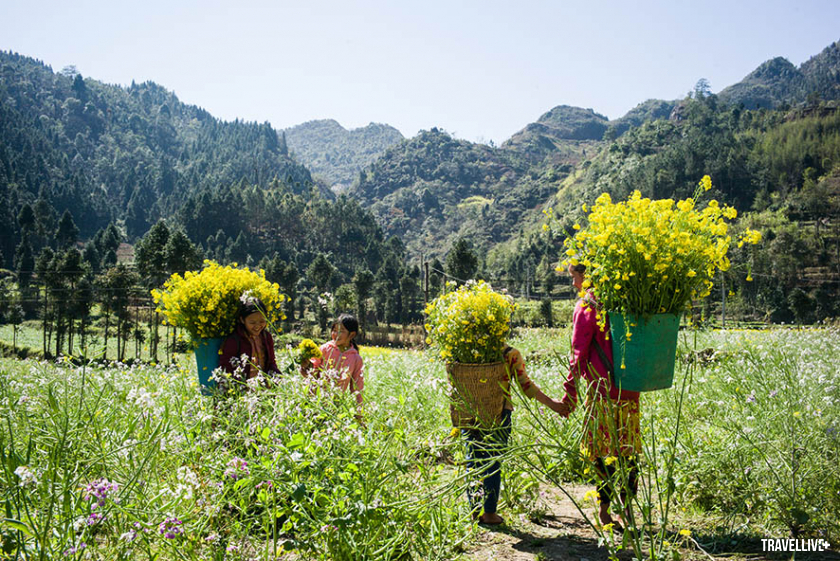
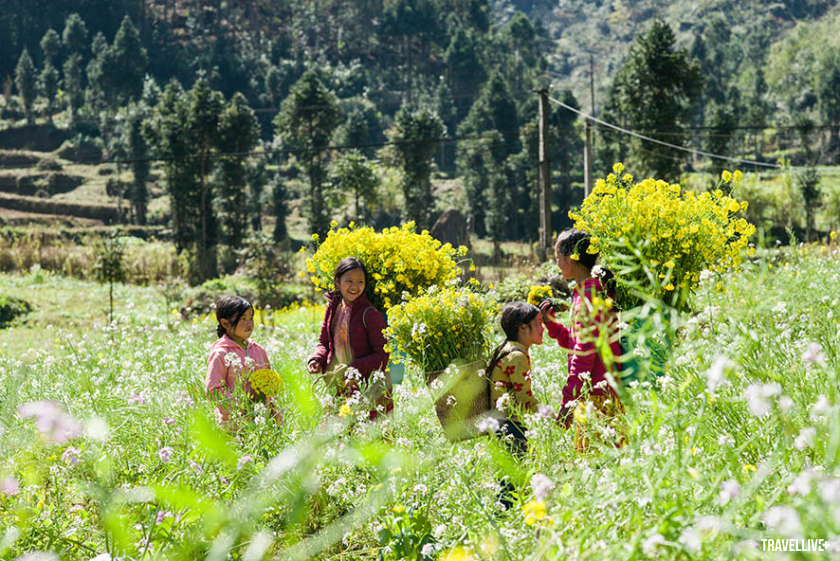
Ha Giang evokes longing and nostalgia, partly for its beautiful scenery and partly for its peaceful, unspoiled way of life. Free from hustle and bustle, this "stone plateau" transports visitors to a completely different atmosphere. That's why, whenever the biting cold wind blows, many people rush to this remote highland region, simply to immerse themselves in the ethereal mist and seek out the magical colors that are silently transforming.