VI
VI


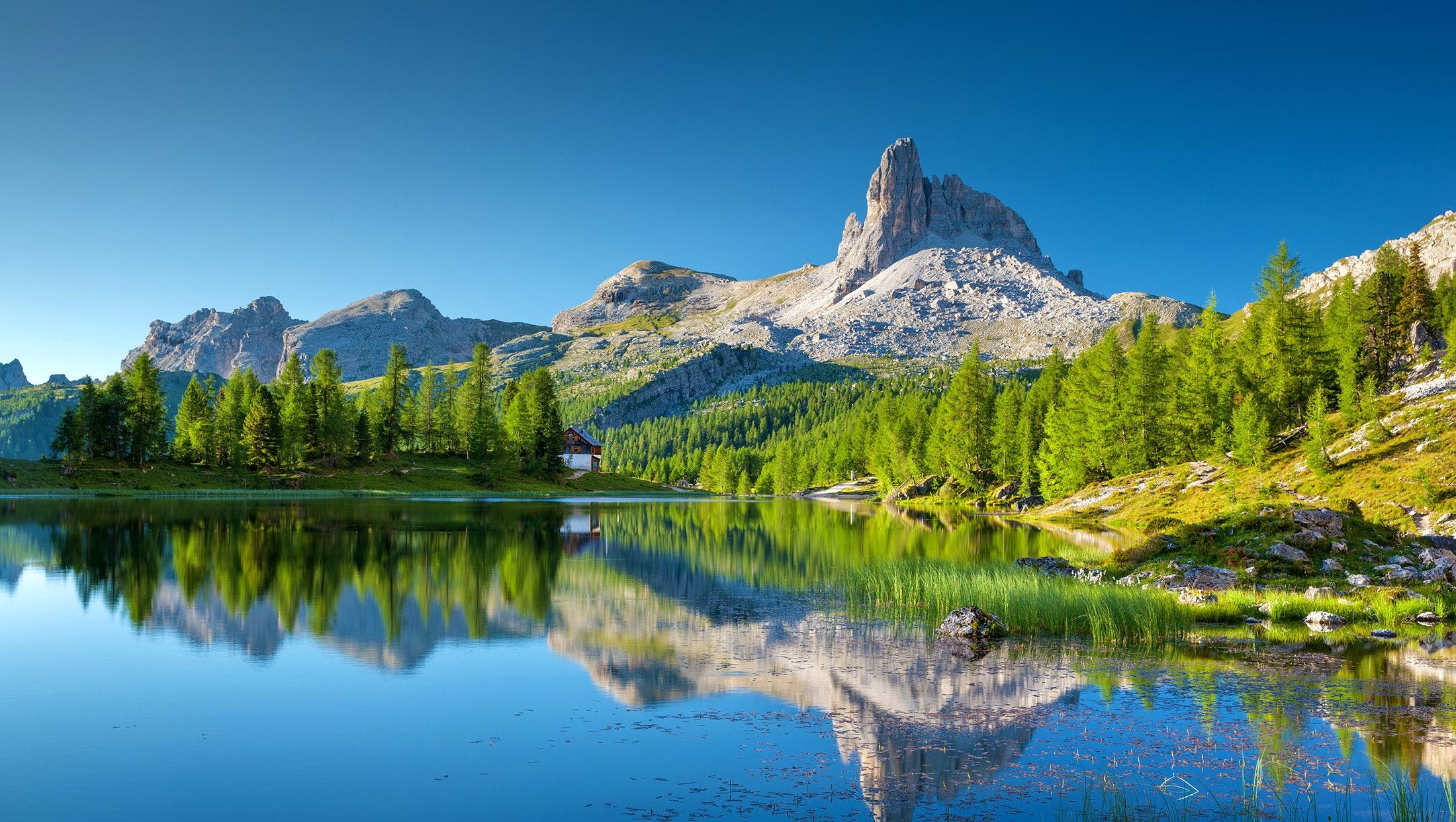
The Alps are the highest mountain range in Europe. The western Alps begin in Nice, cross the North Sea in Italy, run through southern Switzerland, Liechtenstein, southern Germany, and end in the Vienna Valley in Austria. The total length of the range is 1,200 km. The mountains are incredibly majestic, with a width of 120-200 km, and in some places up to 300 km. The highest point above sea level is approximately 3,000 m.
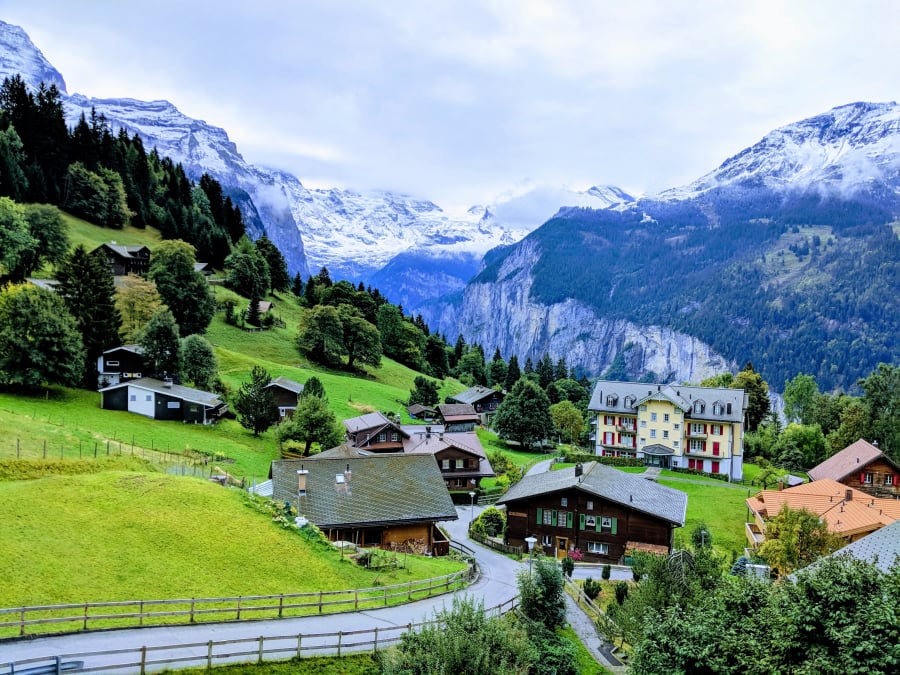
The mountain range bordering Switzerland and Austria contains some of the highest peaks in the Alps, comprising approximately 10 mountains reaching heights of around 4,000 meters above sea level, with the Matterhorn being the highest.
The Matterhorn stands majestically among other peaks, surrounded on all sides by sheer cliffs, its summit soaring high into the blue sky; it is known as the Lord of the Alps.

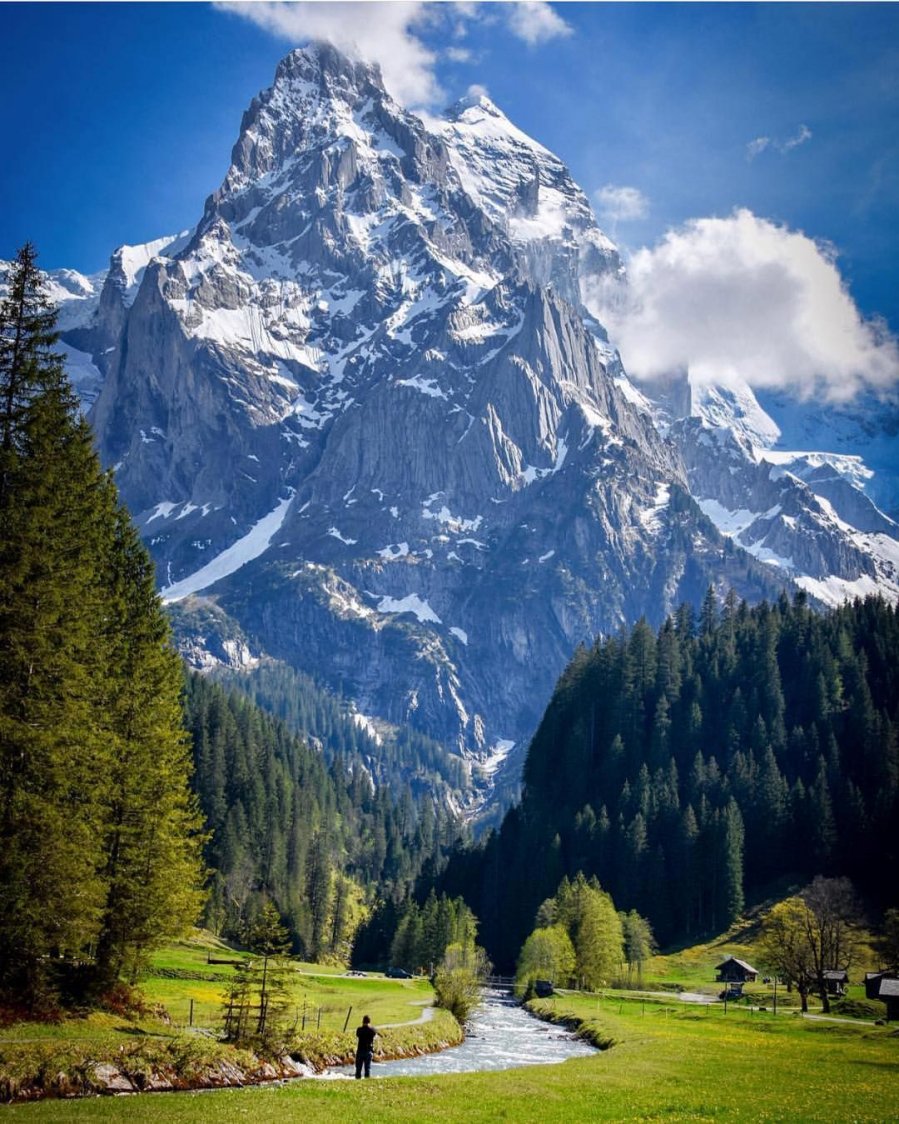
Besides its main west-east branch, the Alps have four secondary branches running across south-central Europe. One branch extends into the Iberian Peninsula, known as the Pyrenees; another, also important, forms the Italian peninsula, known as the Appalachian Mountains. The southeastern branch, crossing the western face of the Bagan Peninsula and entering the Mediterranean Sea, passing through Crimea and Cyprus, and reaching the Asia Minor Peninsula, is called the Dinalic Alps. The western branch, forming an arc, is called the Carpathian Alps.
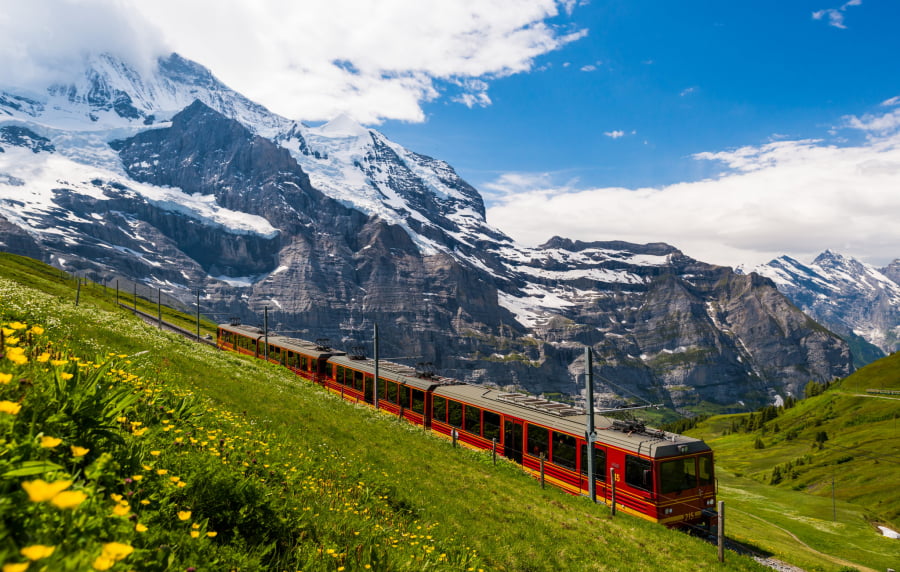
The Alps boast stunning lakes. Due to the numerous ice ages that Europe has experienced over the past few tens of thousands of years, the Alps have been covered in thick layers of ice. This has created beautiful glacial lakes. The entire Alps region has over 1,200 glaciers with a total area of 3,600 km². Large glaciers, as they move downstream, carry massive chunks of ice. The melting ice causes these frozen objects to sink, obstructing the flow and creating beautiful natural lakes such as Lake Lemam and Lake Sulisi.
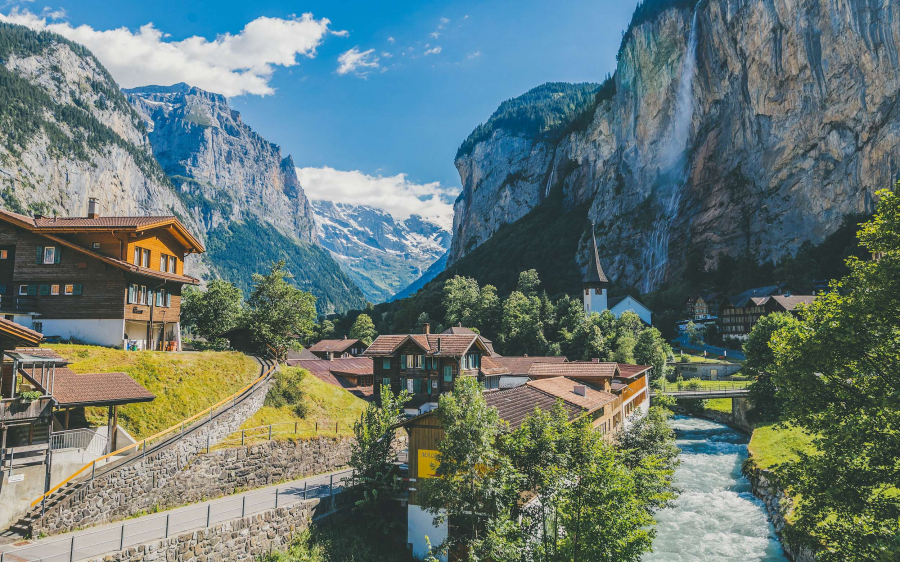
Take a look at the majestic Alps from above through this short film and enjoy the tranquility of Europe's oldest mountain range.





.jpg.jpg)