VI
VI


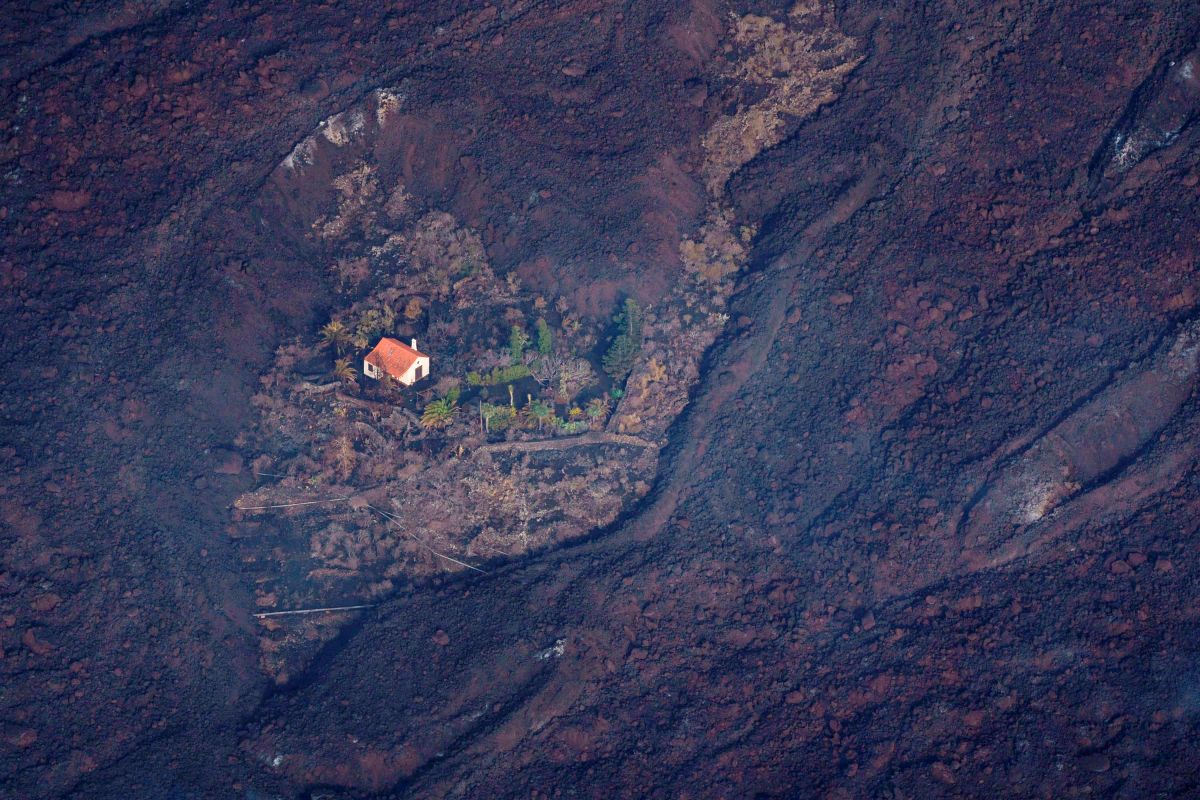
On a desolate landscape, surrounded by scorched earth, a small house survives and remains safe, despite the constant lava flows erupting from the summit of a volcano on the island of La Palma.
Ada Monnikendam, who built the house, said that its owners – a retired Danish couple – felt immense relief that the house remained standing after the eruption, even though they hadn't been to the island since the pandemic began. The Danish couple chose La Palma as their family vacation spot because they wanted to enjoy the volcanic landscape.
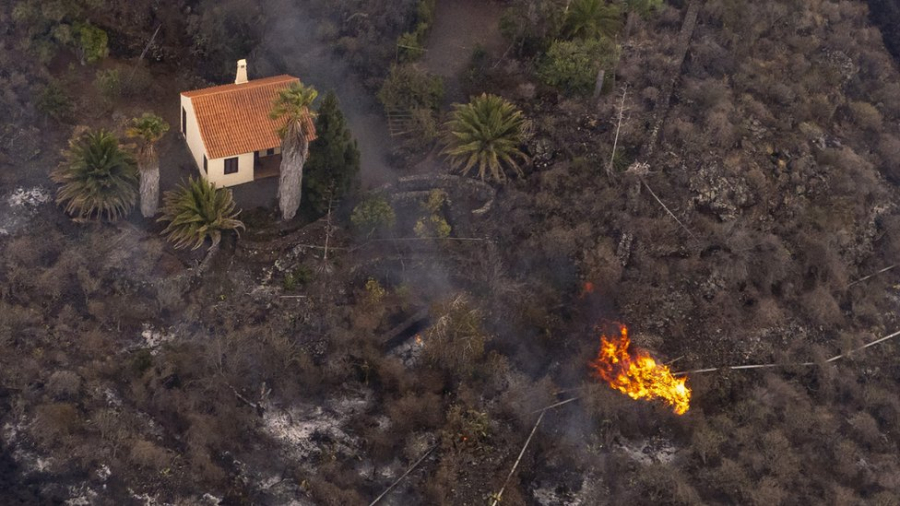
This house looks like a cartoon character, completely unaffected by the eruption of the Cumbre Vieja volcano.
According to Ms. Monnikendam, the lava flow submerged more than half of the homes, schools, and banana plantations in the area. The Canary Islands government has announced plans to purchase two housing complexes for homeless people following the disaster.

Experts reported that the massive 600-meter-wide lava flow had slowed to a speed of 4 meters per hour after reaching the delta on September 22nd; however, they remain concerned that it will continue to be active in the coming days and could potentially trigger chemical reactions causing explosions, as well as release toxic gases if it spills into the sea.
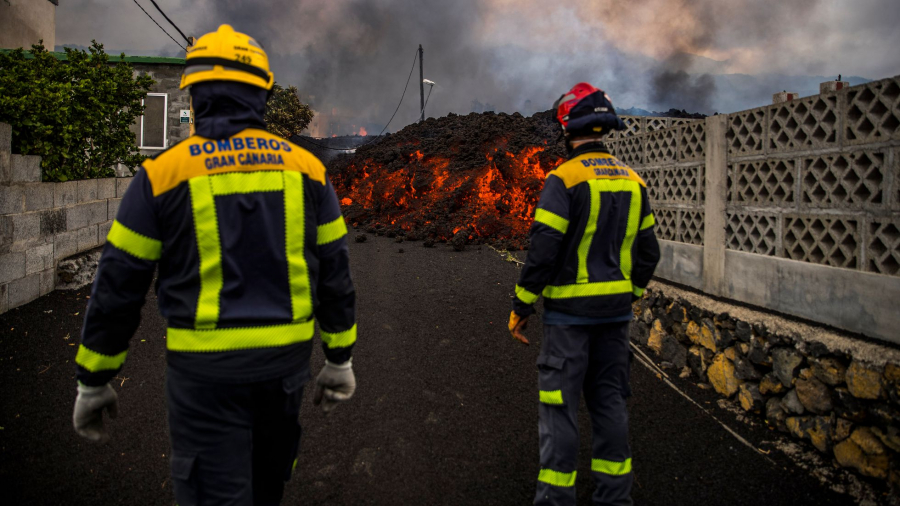
Previously, when the new eruption began, lava was flowing at a speed of 700 meters per hour.
Maria Jose Blanco, head of the National Geographic Institute in the Canary Islands, said seismic activity on La Palma is currently "low," but molten rock is still frequently ejected from the volcano's crater. La Palma last experienced a volcanic eruption in 1971.
Many residents on the western side of the island are living in anxiety. However, on a large island like La Palma, life for the rest of the population remains largely unaffected; they continue their daily routines and retain tourists who have booked their trips in advance.