VI
VI


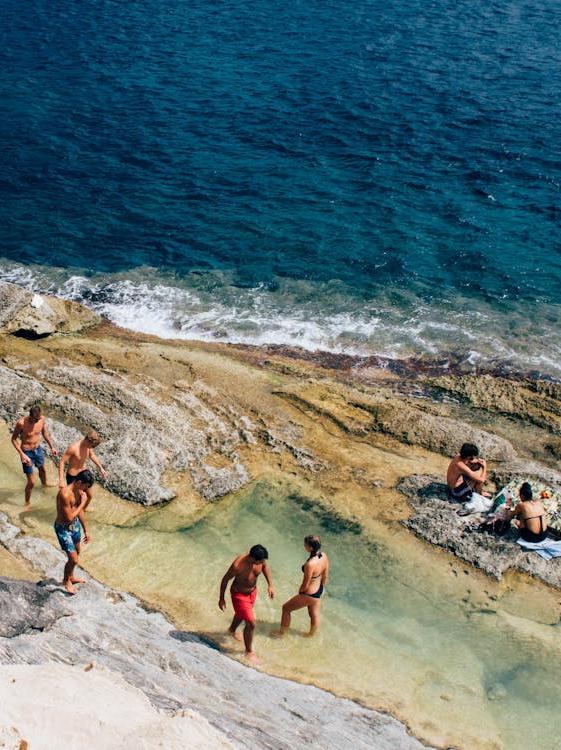
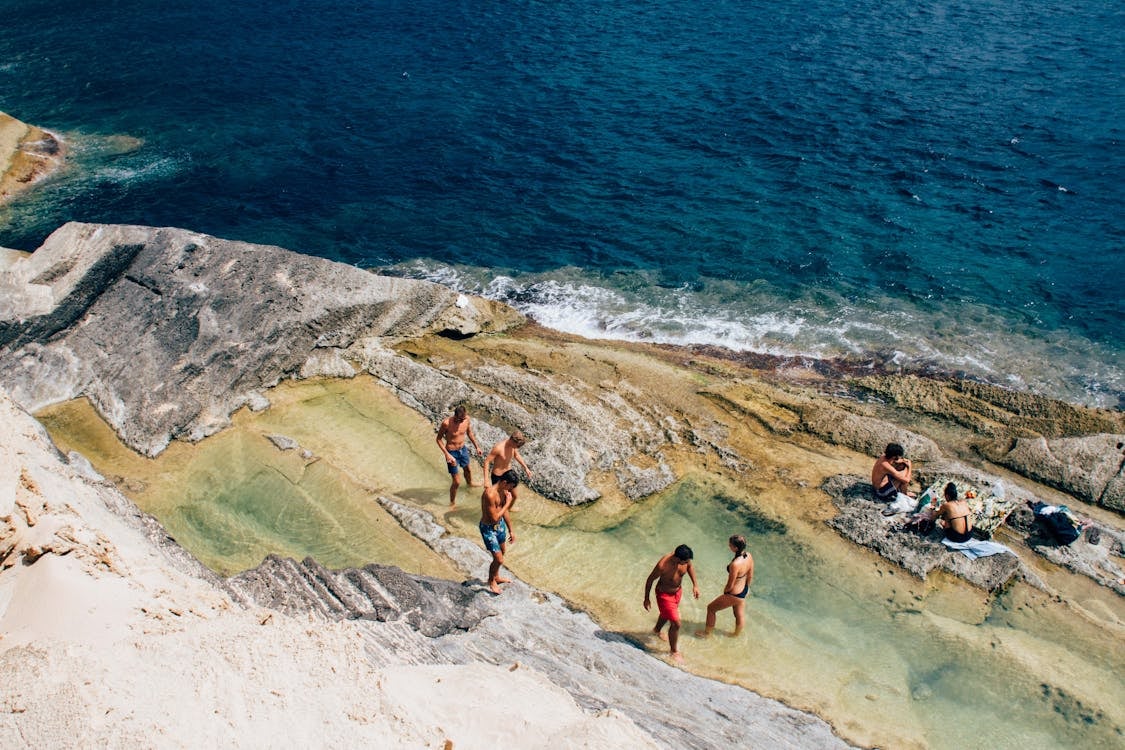
According to Euronews, the number of tourists expected to flock to Spain this summer has increased significantly. To prevent environmental damage, authorities in several localities across the country have taken substantial steps to prevent pollution of the ecosystem. One of these is a regulation strictly prohibiting tourists from urinating in the sea.
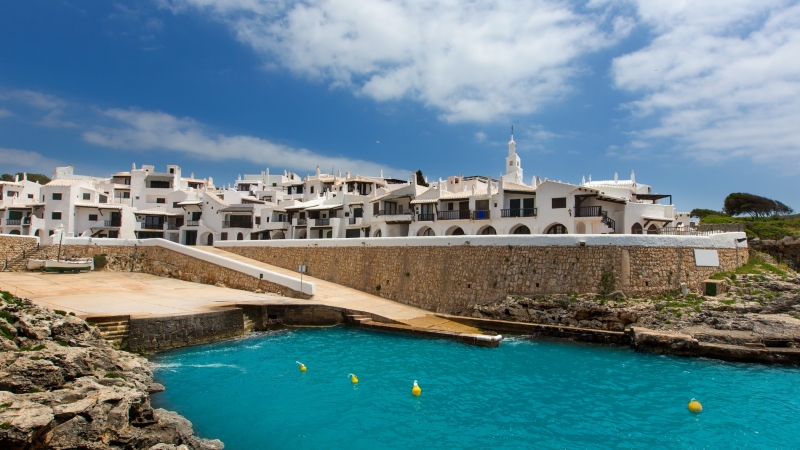

Previously, the town of Vigo in northern Spain imposed fines of up to 750 Euros (approximately 20.5 million VND) for "urinating or defecating in public on the beach or in the sea." The Marbella city authorities also increased the fine for the same offense to enhance deterrence and passed a decree banning urinating in the water at 25 beaches within the city.

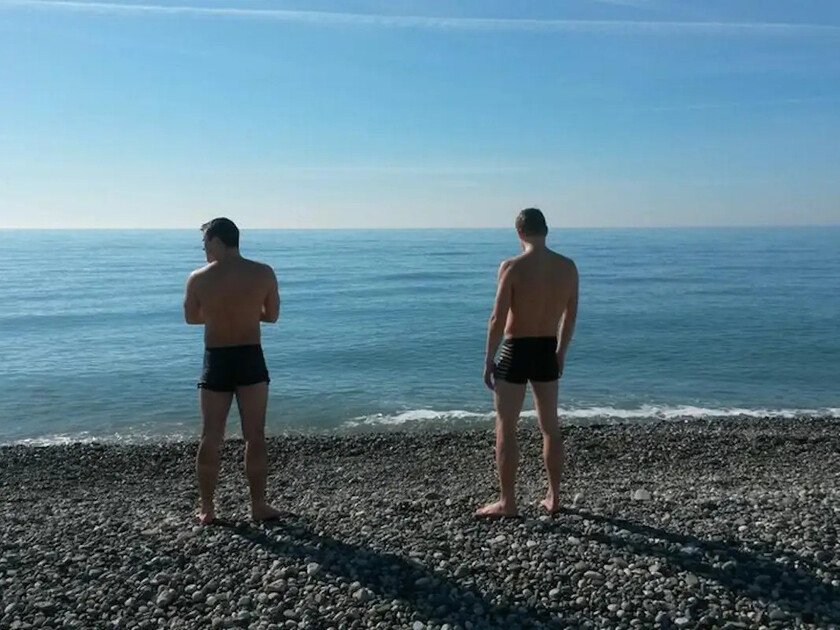
Illustrative image - Some tourists exhibit inconsiderate behavior while traveling at sea.
However, enforcing this ban still faces some difficulties, for example, in identifying the behavior of tourists. Some tourists are still not fully aware of the harm caused by this behavior. In addition, difficulties also arise from the lack of infrastructure, as some beaches in cities lack public restrooms, leaving tourists with no other options.
Public urination on land is also prohibited in Spain. However, it is considered easier to control than at sea. It is currently unclear how lifeguards determine whether tourists are urinating in the sea.
The purpose of this regulation is to deter and encourage tourists to be more conscious of protecting the environment and complying with general regulations. Local authorities in Spain have also affirmed and committed to strictly enforcing the regulations and penalties to protect the ecological environment from pollution.
Tourists should also be aware of some other regulations to avoid fines in Spain, such as:
- Do not litter, do not be naked in public, and avoid making excessive noise.
- Drink alcohol in moderation.
- Respect local culture and customs.