VI
VI


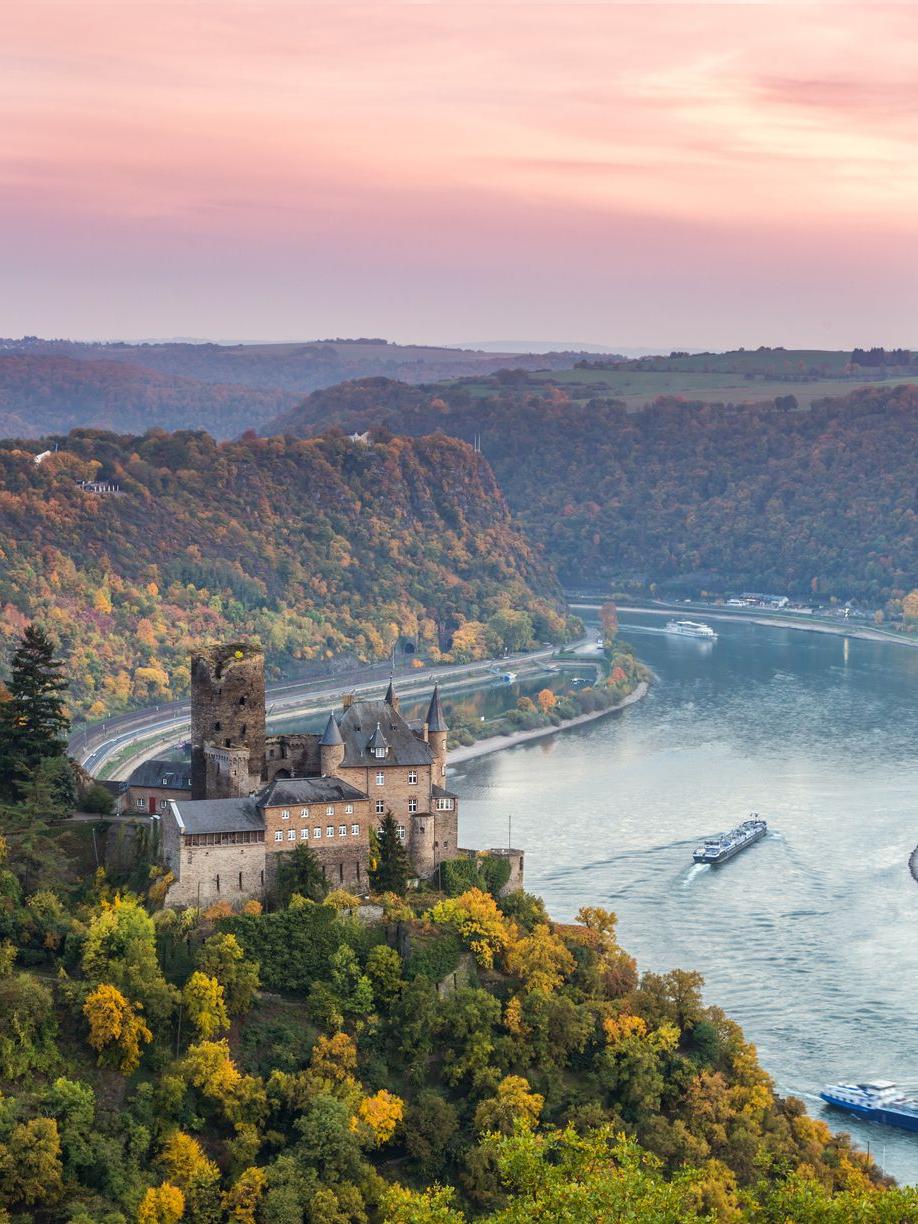
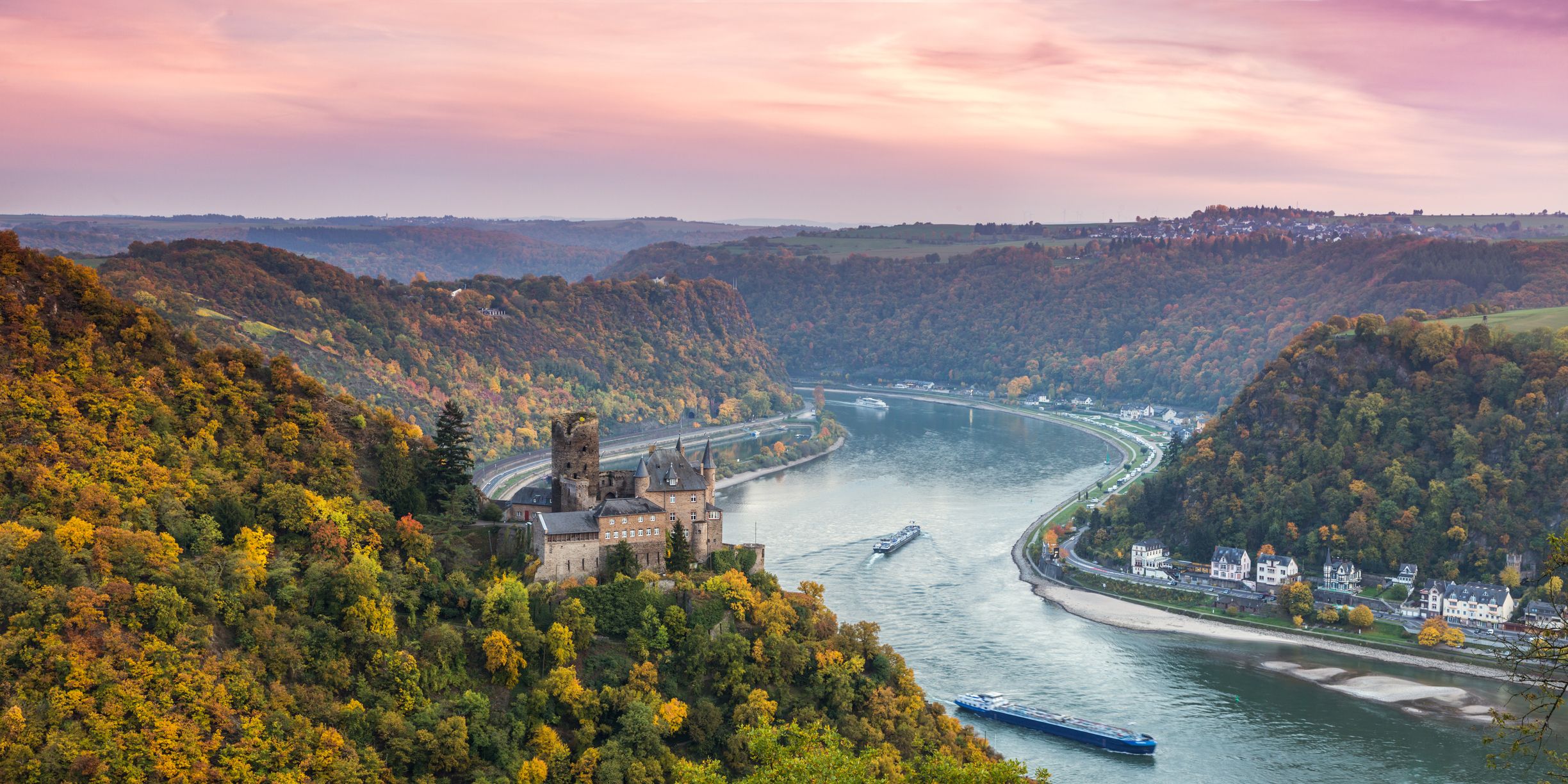
The Rhine River - the golden river of Europe
The Rhine River is one of the major rivers in Europe. In fact, the Rhine boasts an impressive length of 1,320 km. It flows through six different countries: Switzerland, the Netherlands, Germany, France, Austria, and Liechtenstein. Therefore, a simple tour along its banks allows visitors to admire the unique cultures and architectural landmarks of six different nations. The northern part of the river, flowing from the Alps, passes through several cities in Germany.
The Rhine River is considered a national symbol of Germany. The river and its basin have a rich history, a vibrant wine culture, and dozens of castles steeped in legends and fairy tales. Furthermore, while traveling south of the Rhine, visitors can admire Germany's famous Black Forest and the Swiss city of Basel.
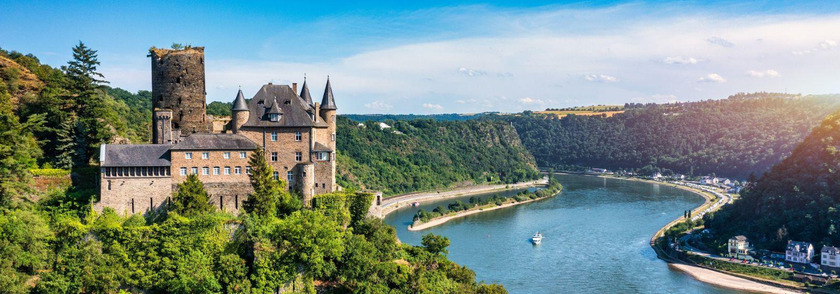
The picturesque Rhine River flows through six European countries.
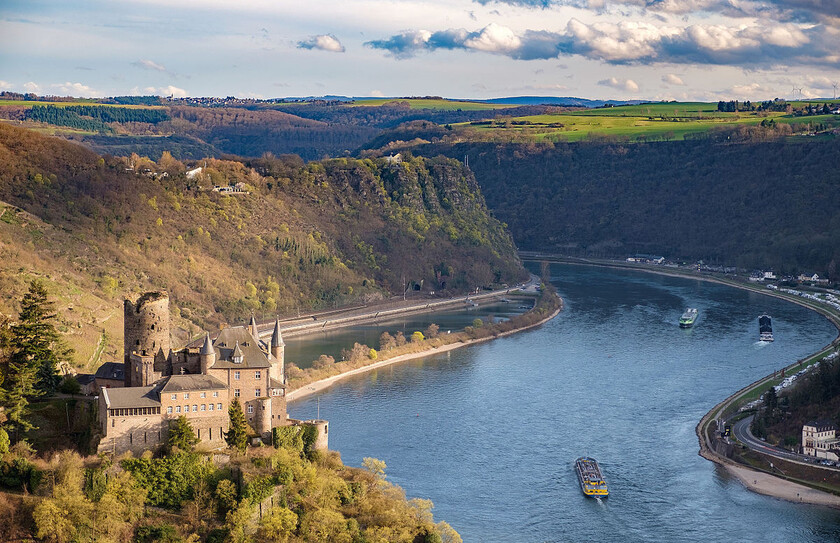
The Rhine River flows past magnificent castles.
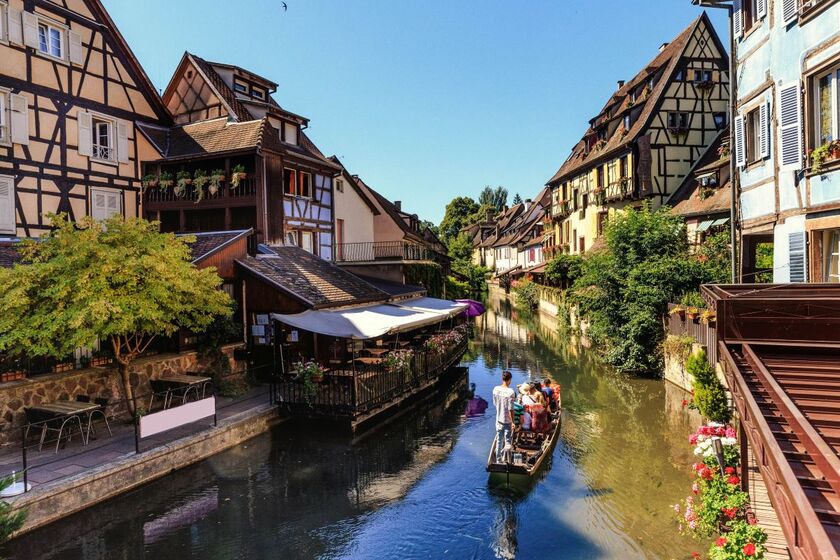
The river has been a source of romantic inspiration for many artists.
The Rhine River was once a great source of inspiration for the Romantic movement of the past. Even today, it remains a captivating destination for those who enjoy exploring medieval German history and culture, as well as appreciating the unique scenery along its banks.
This river also flows through numerous artificial canals and connects with other important rivers such as the Weser, Seine, and Yser. These rivers flow north, connecting to the North Sea and the Baltic Sea, creating an interconnected waterway network that promotes economic development for the entire European river basin region. Bustling seaports with busy shipping routes reflect the prosperity of the economy and the rapidly developing modernization trend.
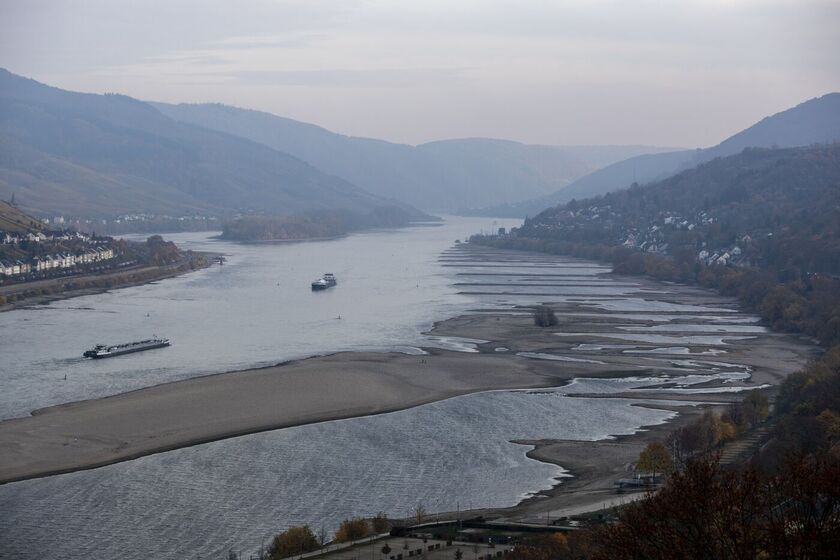
Rivers also play a vital role for the countries they flow through.
The Danube River - a green ribbon connecting East and West Europe.
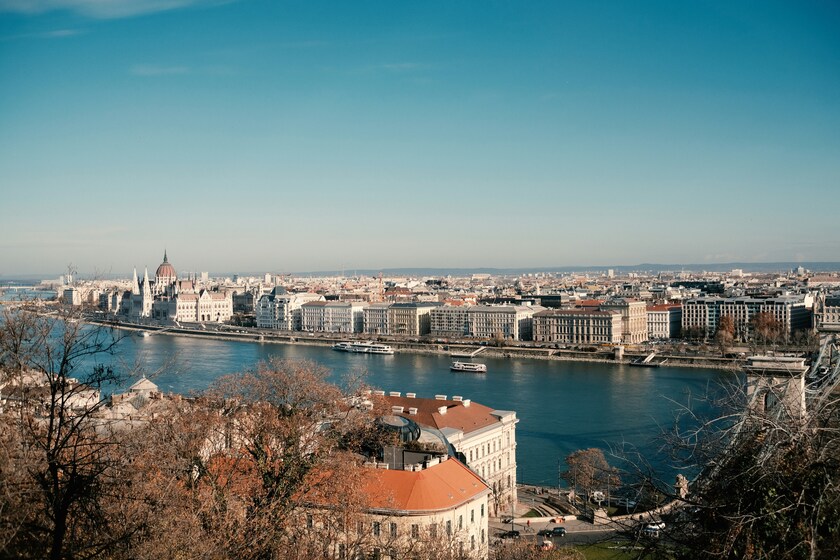
The Danube River flows peacefully through the eastern and western halves of Europe.
The Danube River, the second longest in Europe at 2,850 km, originates in the Black Forest and flows through Central and Southeastern Europe before emptying into the Black Sea. The river passes through Germany, Austria, Slovakia, Hungary, Croatia, Serbia, Bulgaria, Romania, Moldova, and Ukraine, with four capitals: Vienna, Belgrade, Bratislava, and Budapest.

As you travel along the Danube River, you'll be able to admire the Baroque landscape and royal palaces in Vienna, Austria. Upon entering Germany, the river meanders through Bavaria.
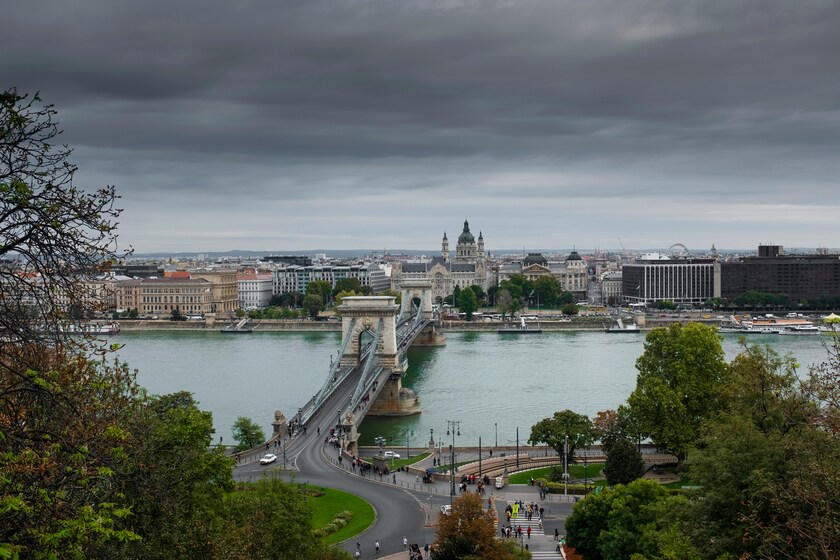
The magnificent scenery along both banks of the Danube River.
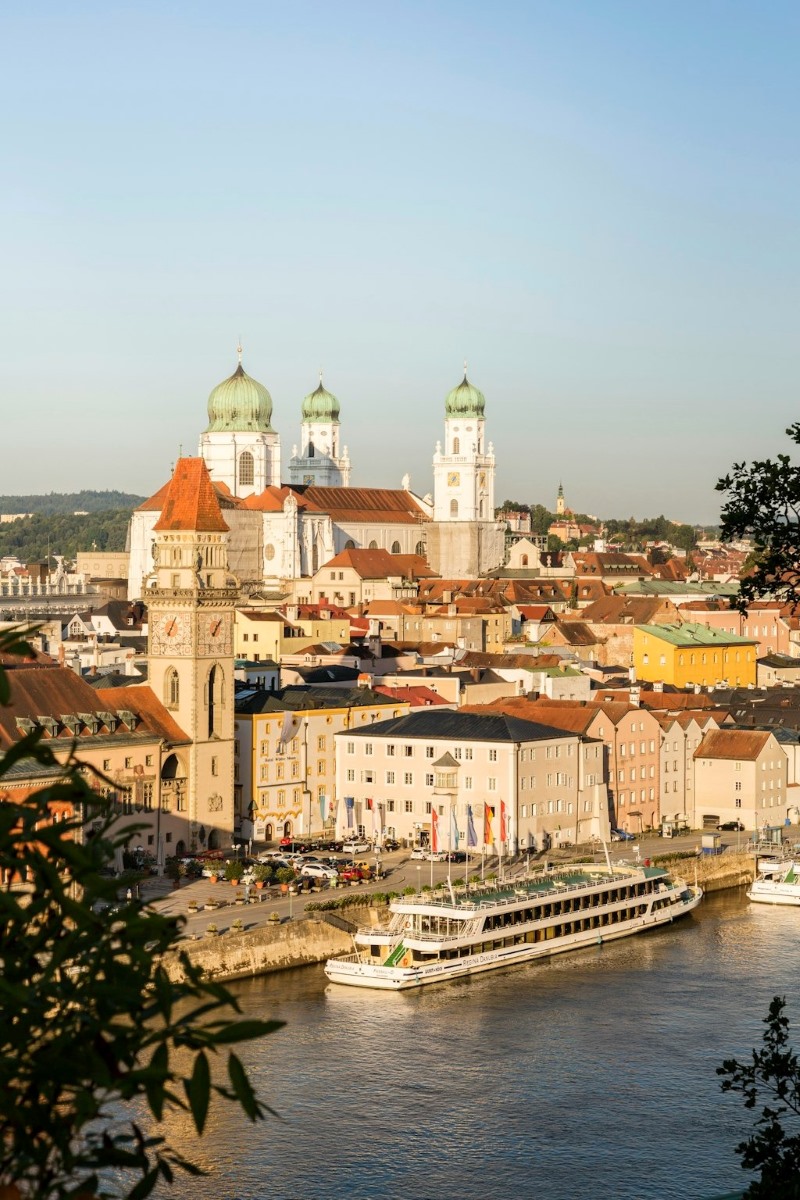
Unique architectural structures surround the Danube River.
To the east, the Danube River leads visitors to Budapest (Hungary) and Belgrade (Serbia). Budapest is famous for its ancient architecture and the Danube riverfront, contributing to making it one of the most beautiful cities in Europe. Meanwhile, downstream to Belgrade, Serbia's largest city, visitors can admire unique eclectic architecture and relics from the Habsburg and Ottoman eras.
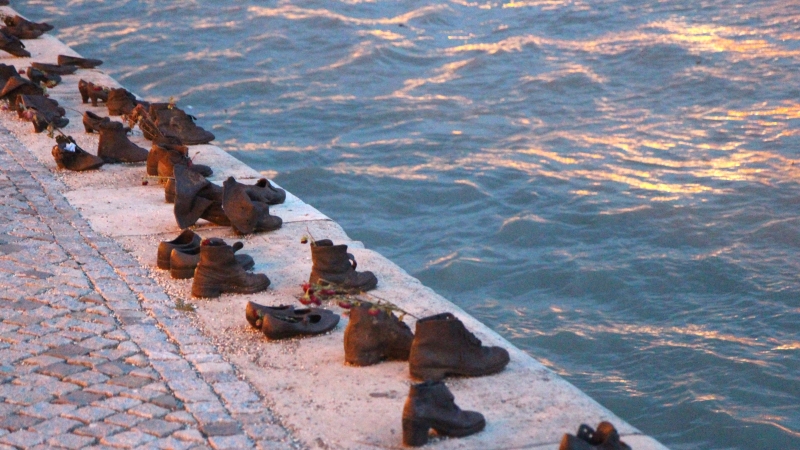
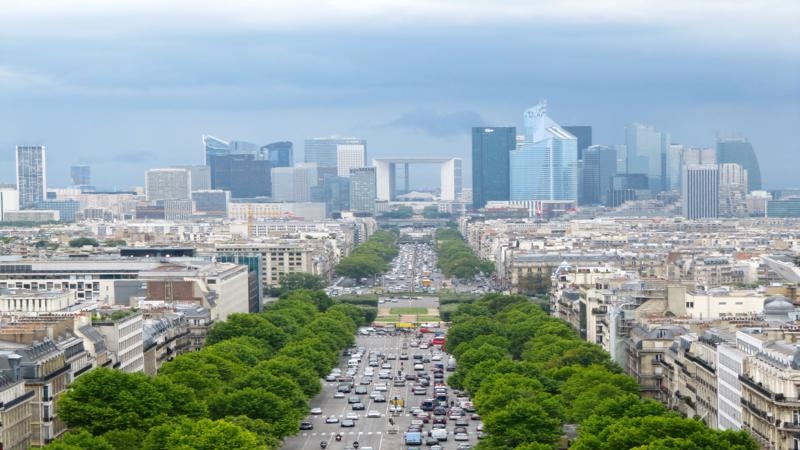
The Douro River - the river that flows through the wine region of Port.
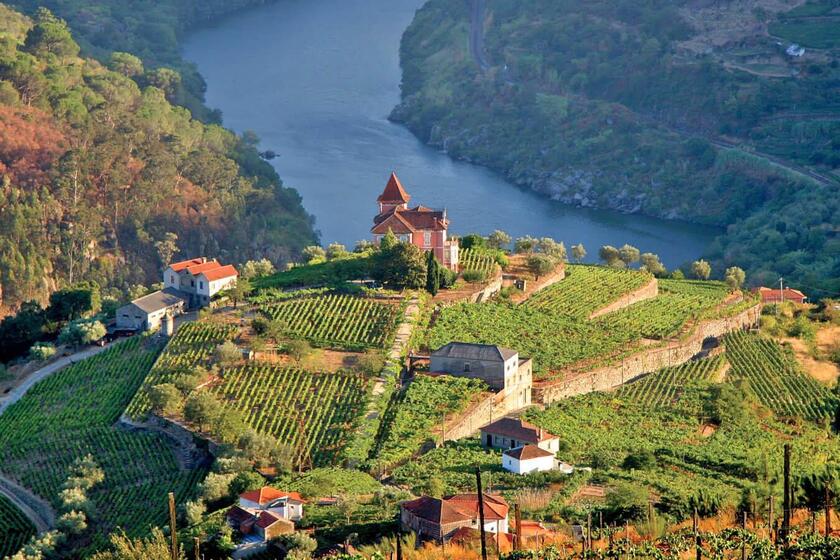
Terraced vineyards alongside the Douro River.
The Douro River, also known as the Duero, originates in the province of Soria in Spain and flows through the city of Porto in Portugal. In Portuguese, the Douro means "golden river." This name comes from the sunset scene, when the setting sun reflects on the water, making the river sparkle like a precious treasure.
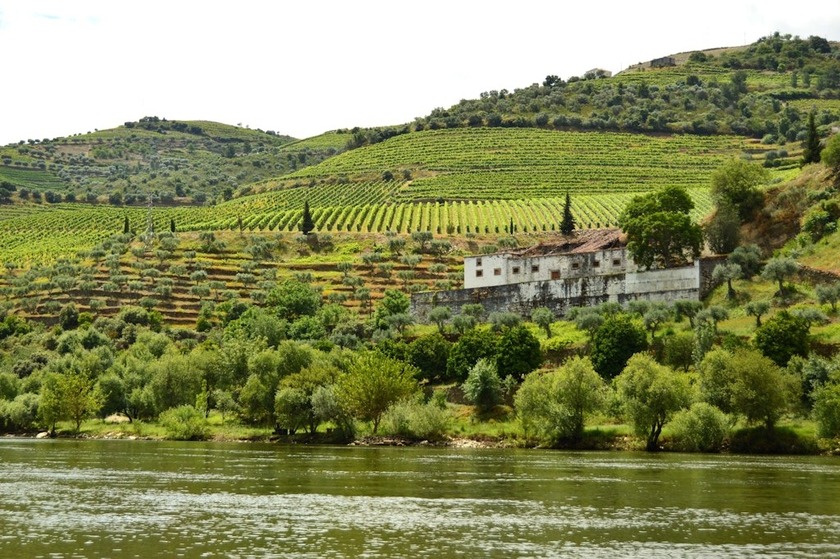
A breathtakingly green landscape alongside the tranquil Douro River.
The Douro River flows through northern Portugal, stretching over 200 kilometers from the Spanish border to the city of Porto before emptying into the Atlantic Ocean. The section of the river that flows through Portugal includes the Douro Valley, home to Port wine.
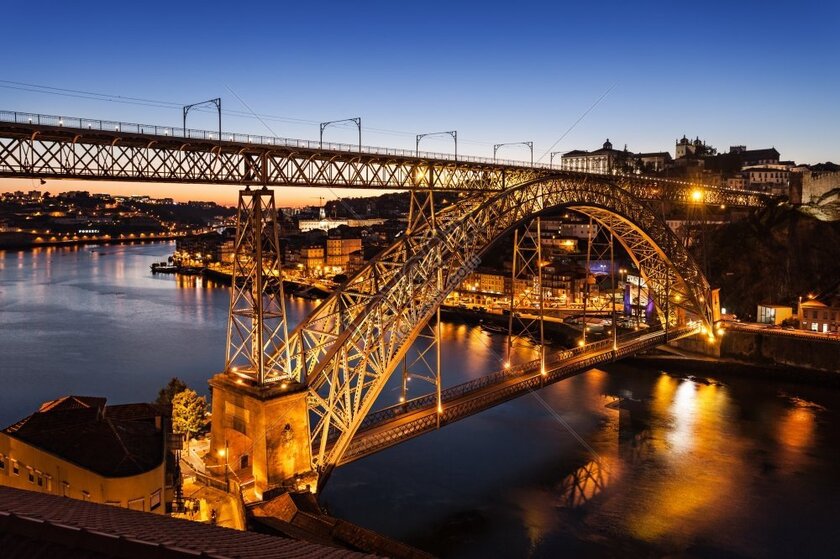
The famous Dom Luis I arched bridge spans the Douro River.
On both sides of the river are vast vineyards, producing Portugal's famous wines, with a history of producing excellent wine for centuries. Visitors can explore the terraced vineyards, whitewashed houses, and 18th-century wine cellars.
The Seine River - the "muse" of the dazzling Parisian capital.
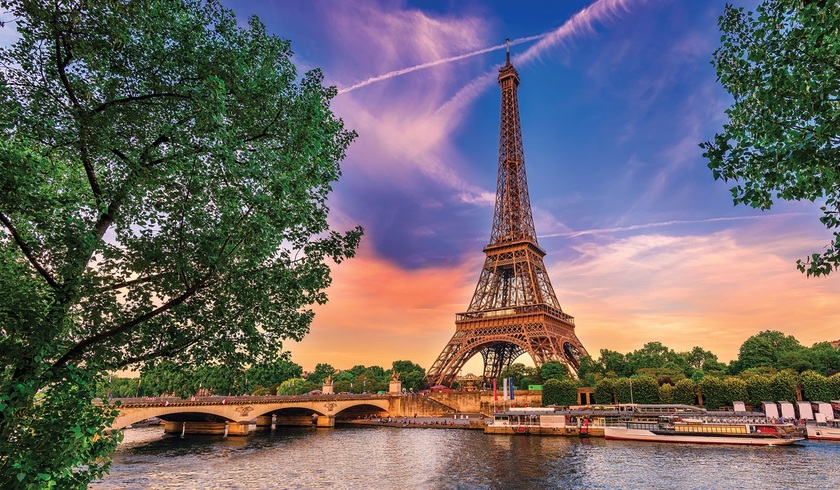
The Eiffel Tower and the Seine River are symbols of France.
Paris, France, is renowned for its romantic charm, and the Seine River plays a significant role in that appeal. Tourists can participate in afternoon parties on boats cruising along the Seine, enjoying meals while admiring iconic landmarks such as Notre Dame Cathedral and the Louvre Museum.
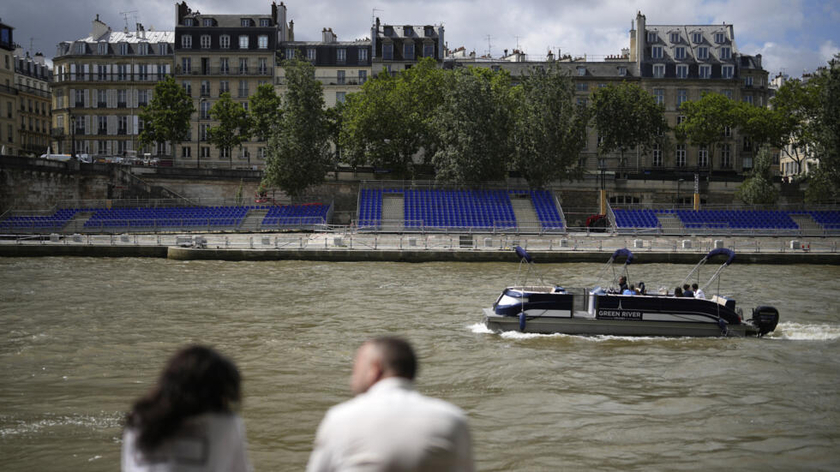
Tourists enjoy the scenery and chat along the Seine River.
The Seine River, over 770 km long, flows through many administrative regions of France, the most famous of which is the section that flows through the city of Paris. Here, dozens of bridges span the river, each with its own unique architectural beauty and history.
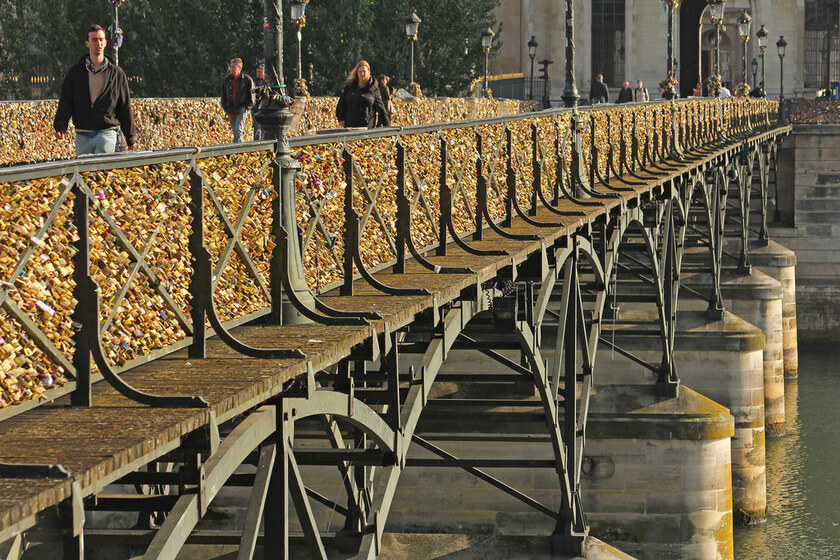
The Pont des Arts, the "love lock" bridge in Paris.
An estimated 37 bridges span the stretch of river that flows through Paris, each with its own design and historical story. Among them, the Alexandre III Bridge, built in 1896, is perhaps the most beautiful. Besides that, we cannot forget the Pont des Arts pedestrian bridge, famous as the "love lock bridge," and the Pont Neuf, with its modern architecture, uniquely situated connecting the two main and smaller branches of the Seine River.
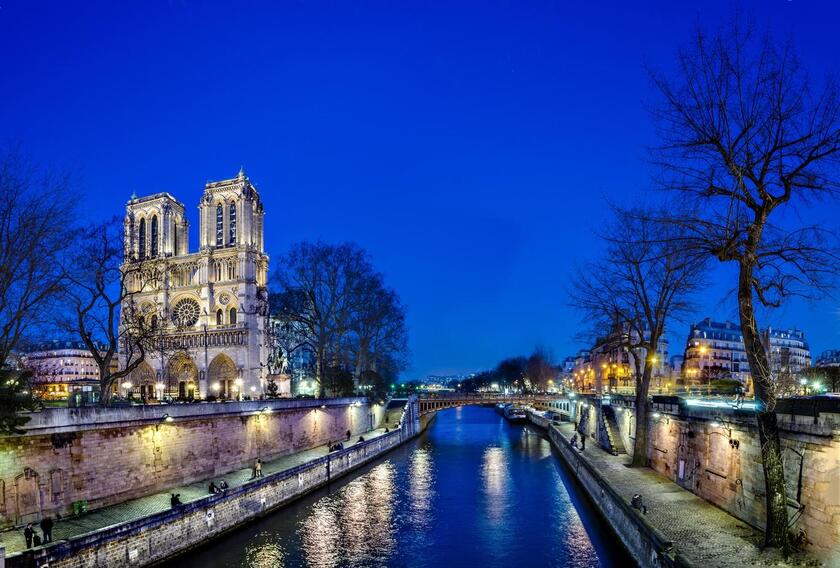
Notre Dame Cathedral stands majestically beside the tranquil Seine River.
Along both banks of the Seine River lies a complex of architectural structures that were recognized as a UNESCO World Heritage site in 1991. From the middle of the river, visitors can admire most of Paris's prominent landmarks. The Seine River is considered the jewel of France, attracting up to 30 million tourists every year. In addition, there are many other outstanding architectural works such as the Louvre Museum, the Eiffel Tower, Place de la Concorde, Notre Dame Cathedral, the Arc de Triomphe, and the Champs-Elysees Avenue...