VI
VI


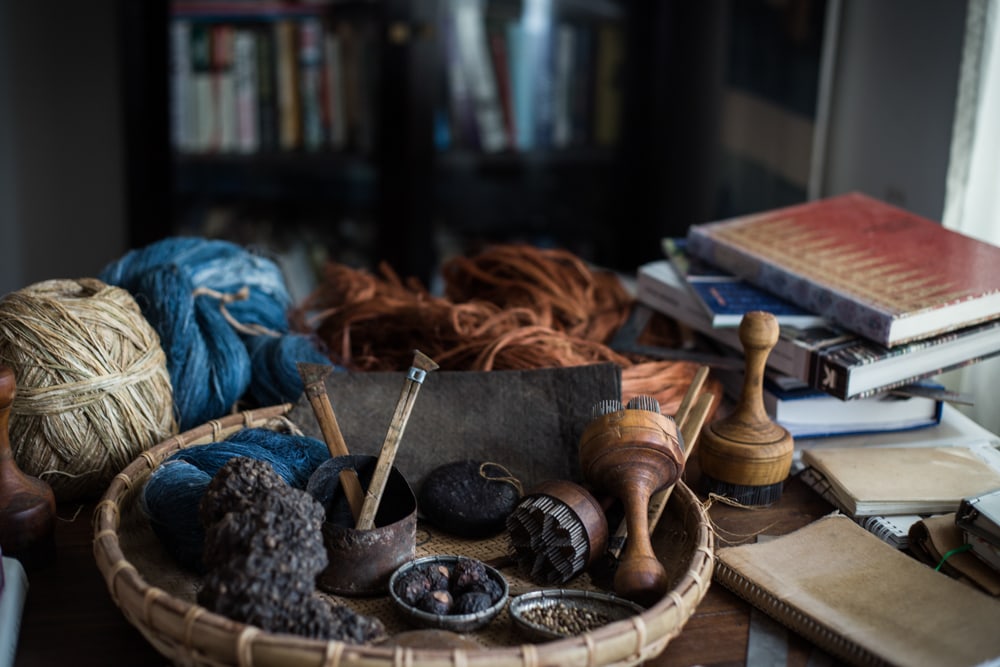
As one of the pioneers following the "slow" fashion trend, Thao Vu - fashion designer and founder of Kilomet109 - has created works that apply many traditional Vietnamese sewing techniques with centuries of history, but which are currently on the verge of disappearing.
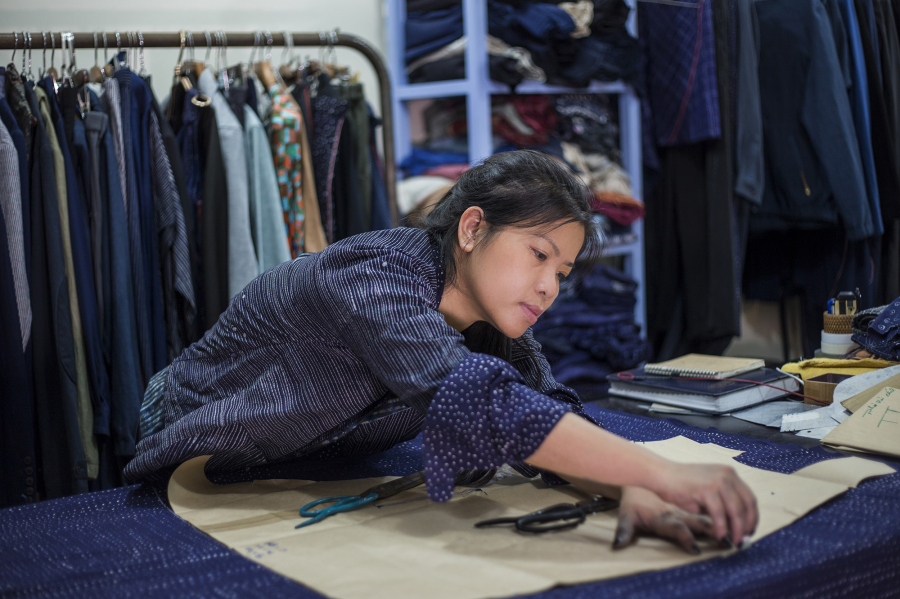
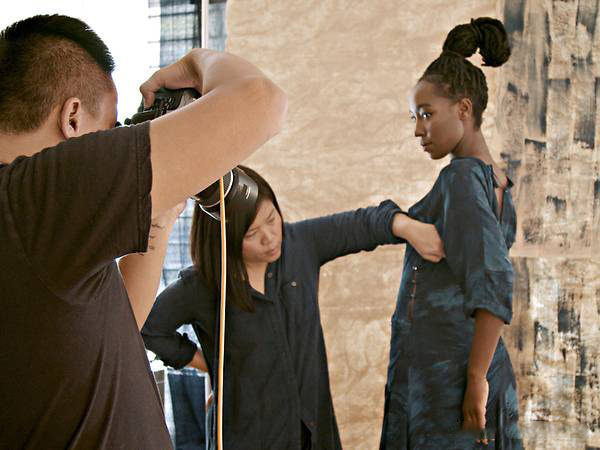
Portrait of Thao Vu - founder of the eco-friendly fashion brand Kilomet109
Thao Vu's fashion collections embody strong ethical values and ecological awareness, being made entirely from natural materials such as seeds, wood, cotton, hemp, and fruits. For her, luxury always goes hand in hand with environmental friendliness. "We grow most of our raw materials ourselves, then proceed with weaving, dyeing, and designing. It's a complete process," she explains.
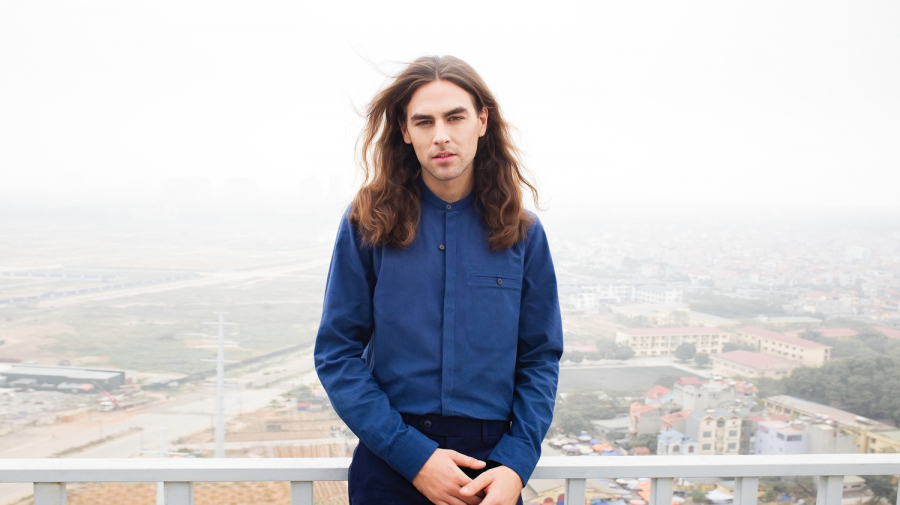
The garments are made entirely from natural materials (photo: Nic Shonfeld)
After graduating from design school, Thao Vu embarked on a journey to explore her homeland and meet local people in Vietnamese villages. There, she discovered the technique of using indigo plants to create a vibrant red dye for fabrics.
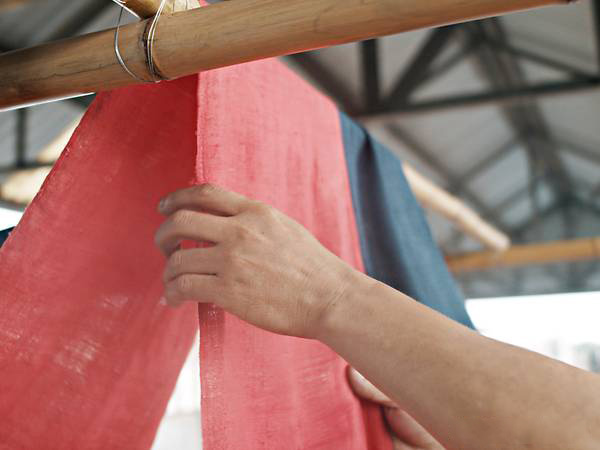
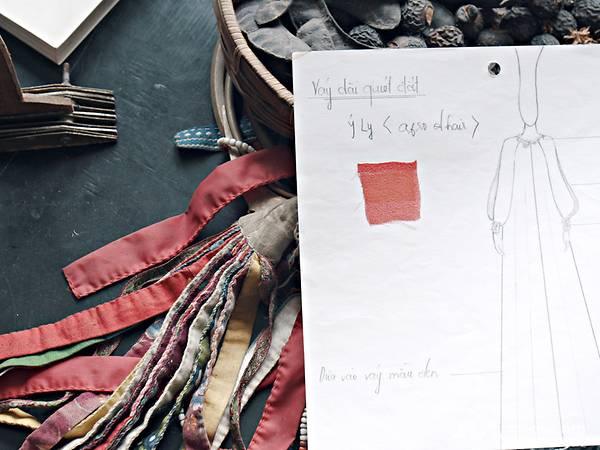
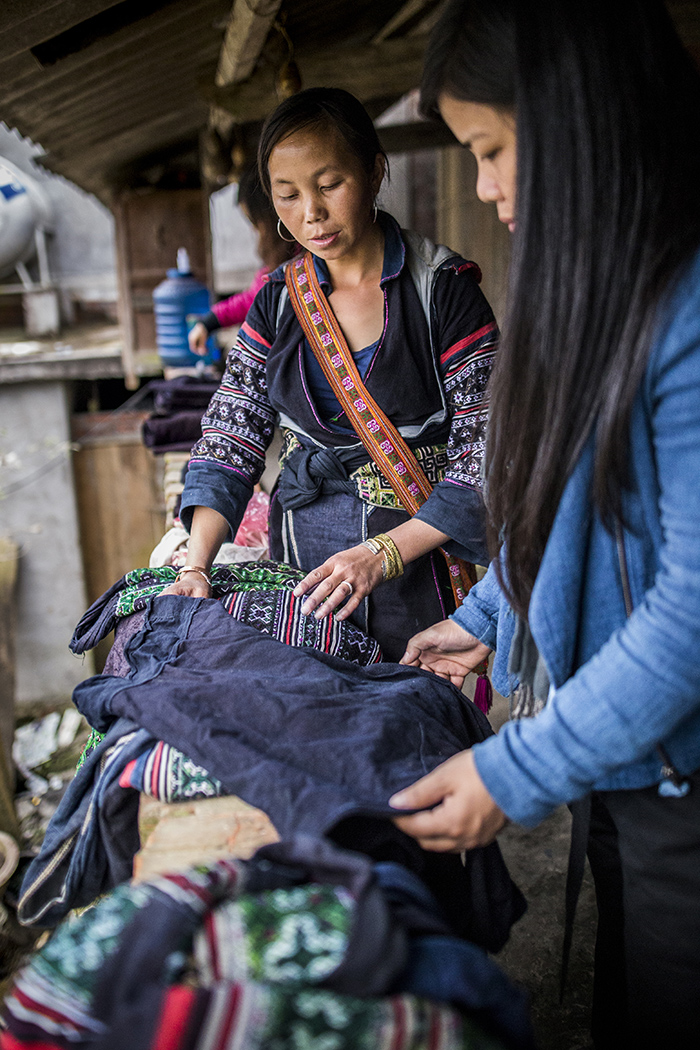
Photo: Kilomet109
Over seven years ago, she began working with women in Cao Bang, in a remote village in the northern mountains. This village became her creative hub, where she developed and produced natural dyes and fabrics for Kilomet109, ultimately creating the eco-conscious clothing line she creates today.
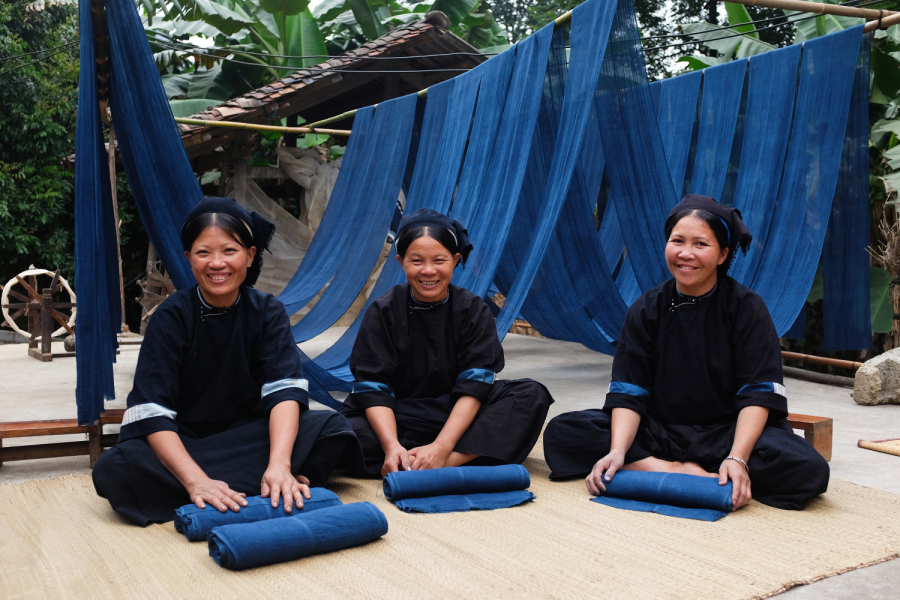
Photo: Nic Shonfeld
For Thao Vu, her father, who worked in diplomacy, had a significant impact on her passion for art and travel. “Listening to my father’s travel stories sparked my passion for learning more about other cultures. My father loved the craftsmanship of artisans and encouraged me to explore new aspects of fashion to appreciate beauty,” she said.

Since founding Kilomet109, Thao Vu has collaborated with 45 artisans from five ethnic minority groups in Northern Vietnam, learning not only indigo and ebony dyeing, but also printing and batik. She is now working with silk-making families in Central and Southern Vietnam.
“Besides weaving, I learned so many other interesting things. I got to learn more about the place, the people, and the local culture. Each community doesn't just have one technique or one type of weaving; they have many different techniques. Learning from those people is truly a gift for someone who appreciates textile culture like me,” she said.
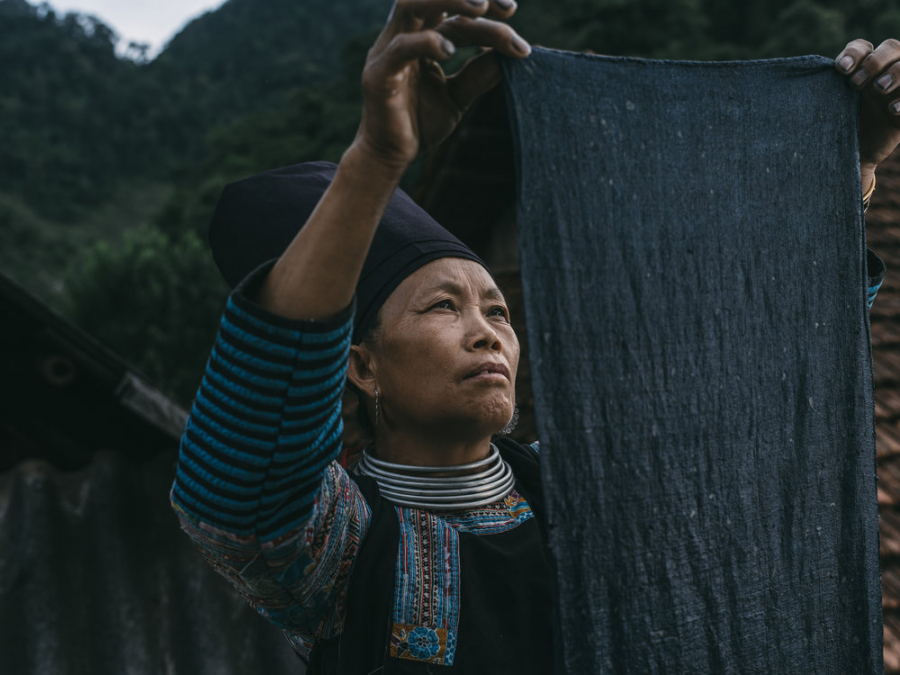
Photo: Vu Bao Khanh
Interestingly, during her long journeys of hundreds of kilometers to visit remote villages, Thao Vu came up with the name Kilomet109, which is also the distance between her hometown and Hanoi - where she opened her first store.

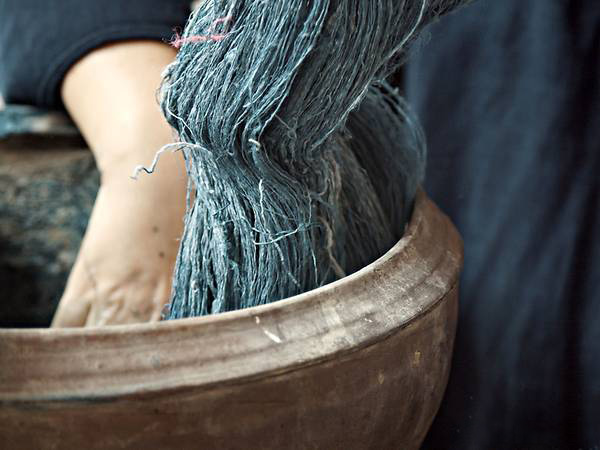
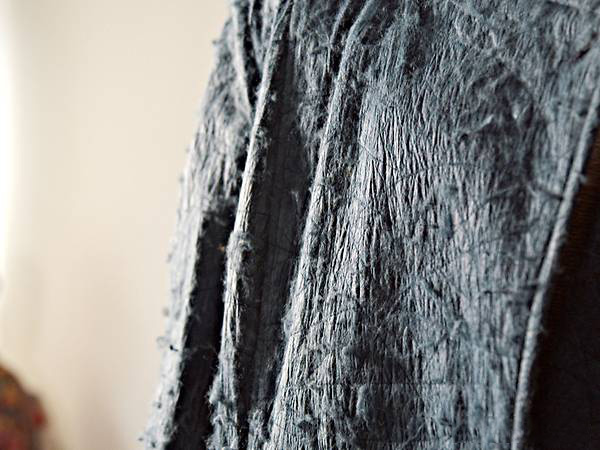
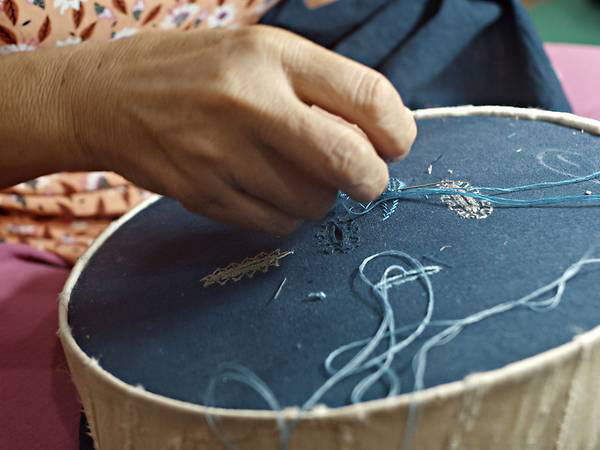
While acknowledging that producing eco-friendly clothing using natural materials or working with traditional weavers isn't a unique endeavor, Thao Vu asserts: "I'm not the first person in Vietnam or the world to try working with communities or using old methods to create something new. But I am the first to change what already exists in Vietnam."
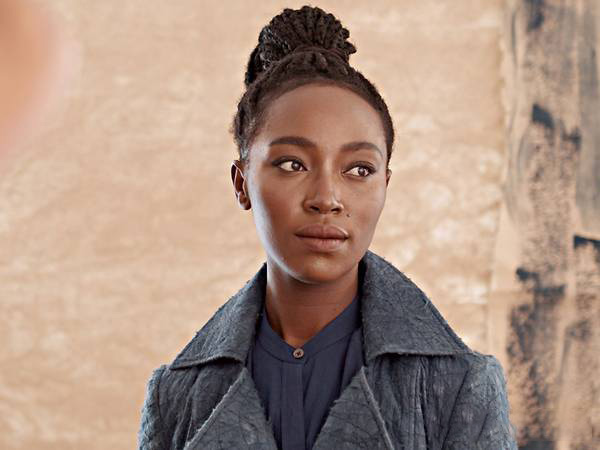
It took her years to build relationships and trust with artisan communities. Convincing local artisans to move away from traditional black and indigo colors alone took her several years. "Trust here isn't about money. It's about sharing my vision of using textiles for real products."
Ultimately, the effort paid off. Thao Vu succeeded in using ancient weaving techniques and applying them to contemporary fashion, ensuring both quality and trendiness. "With each new collection, I try to apply one or two new techniques and introduce one or two new communities to the public," she shared. "I want those who wear my clothes to not only know about the product but also understand the story behind how it was created."
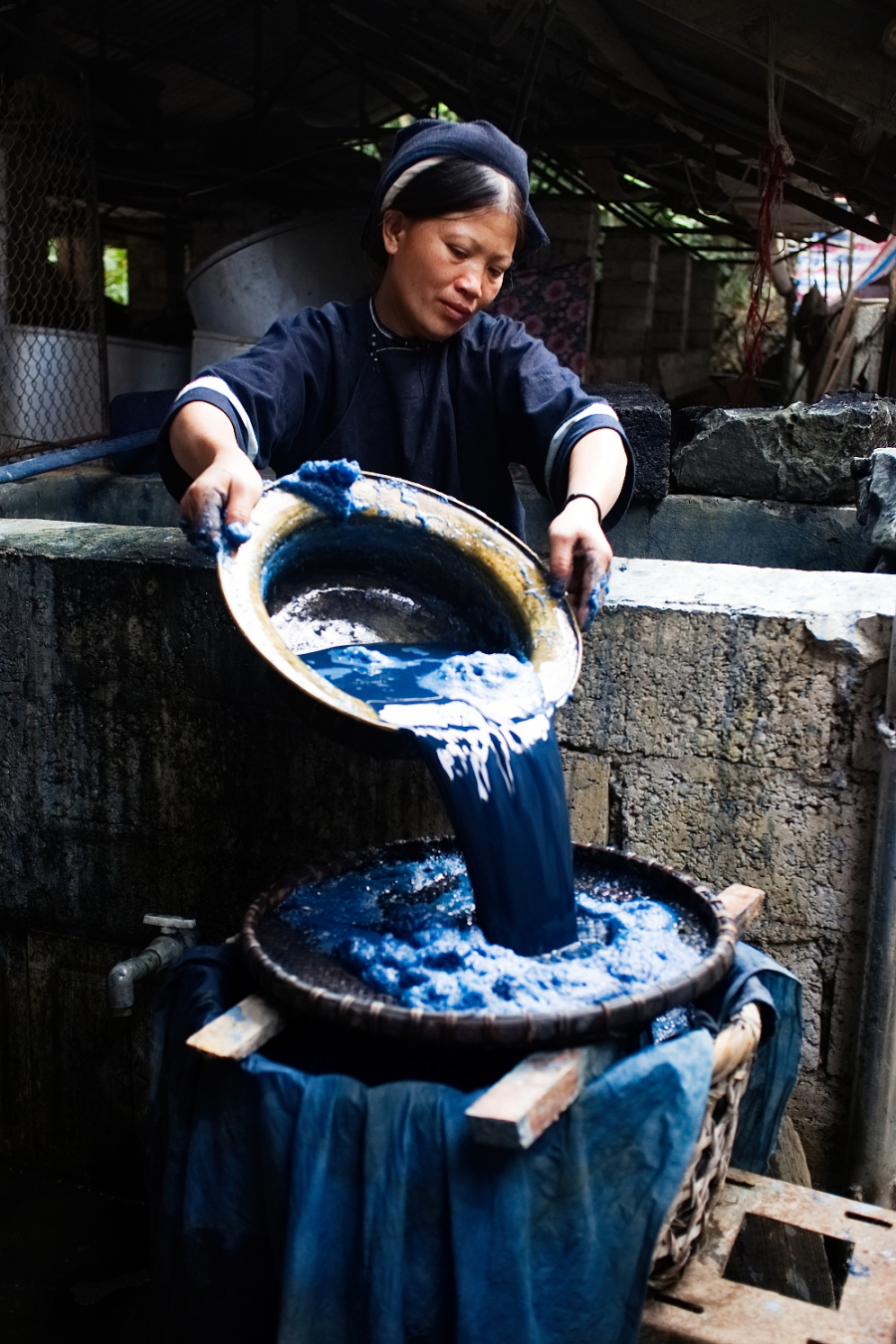
Photo: Nic Shonfeld
To introduce Vietnam's traditional weaving craft to the world, Thao Vu launched her Kilomet109 collection at the Elle Fashion Journey in 2017, followed by an exhibition at the London Design Biennale 2018. She was also awarded the Young Entrepreneur in Fashion & Design award by the British Council. “I’ve always enjoyed presenting my work in exhibitions so I can tell the interesting story behind the creative process, so that people outside of Vietnam can get a broader perspective on the country through my work. And this is truly a privilege for me,” she said.
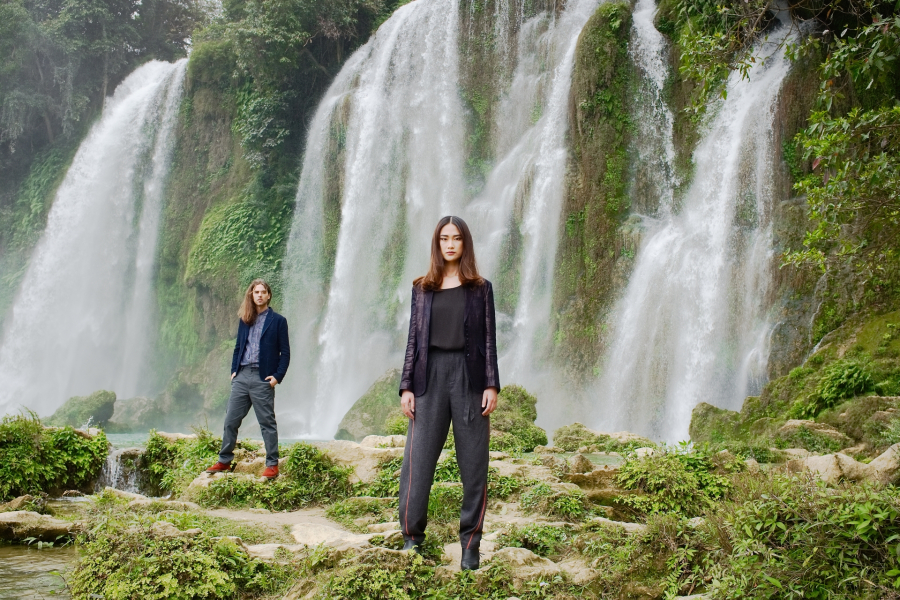

Photo: Nic Shonfeld
Her product line is currently available in stores in Germany and Portugal, and is sold online by "slow fashion" stores in Bangkok and Los Angeles. "What I enjoy about my work is the collaboration, not only with the community and artisans, but also with other artists and creative communities outside of Vietnam. I like to tell people about my culture in a modern context."