VI
VI


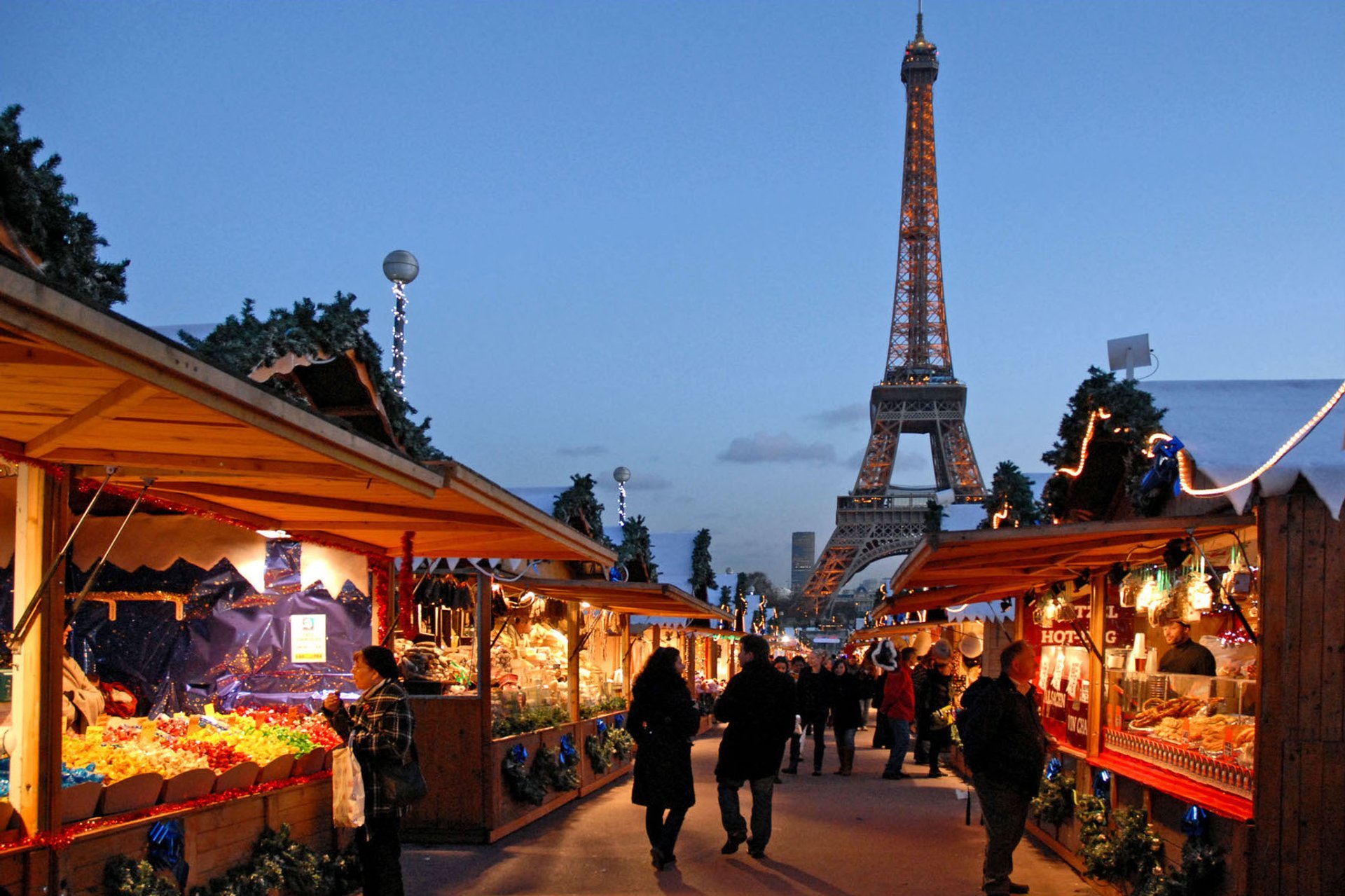
In most European countries, Christmas (December 25-26) is considered a national holiday. For Europeans, Christmas is traditionally a time for family reunions, a time to express love and care for family members, relatives, friends, and neighbors, especially when working away from home returns. Following the evening Mass on December 24, there is usually a family dinner and the exchange of gifts at midnight. On the morning of December 25, the whole family typically attends church for Mass.
During Christmas, many cities are adorned with thousands of lights, beautifully decorated Christmas trees, and Santa Claus delivering gifts to children. Every year, ancient cities like Nuremberg and Prague host magnificent Christmas markets, attracting tourists from all over the world.
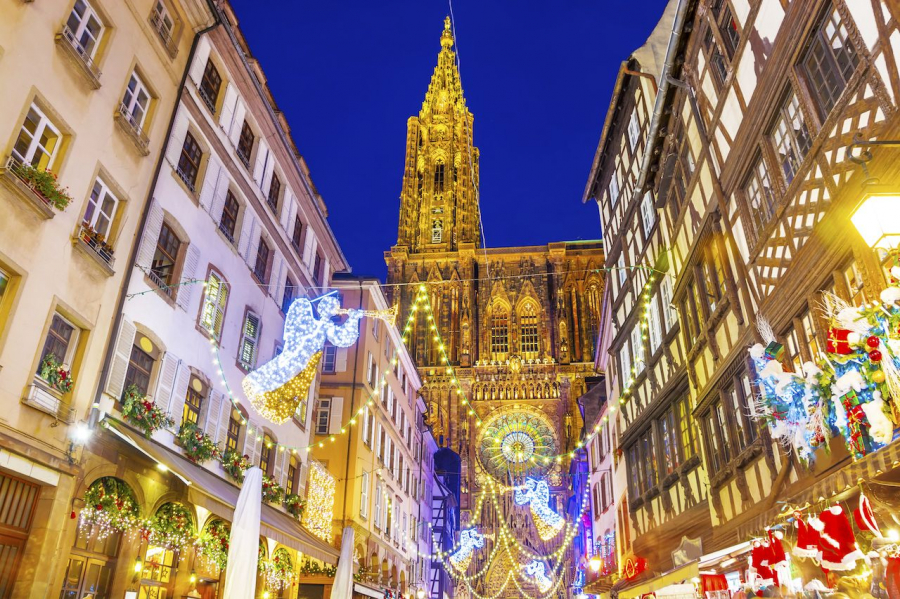
Strasbourg Christmas Market
However, due to the current Covid-19 situation, many European countries will not be holding Christmas celebrations and fairs as usual this year. Cities such as Lyon, Bordeaux, Lille, Arras, Clermont-Ferrand, and Strasbourg in France have all announced that they will not be holding Christmas markets this year. The two major cities of Colmar and Metz in the Alsace-Lorraine region (now known as the Grand Est region) are considering alternatives, but organizers say that due to social distancing regulations and restrictions on the number of participants to avoid crowds, some traditional Christmas markets, even if they are maintained, will not be as lively and grand as in previous years.

The Le Monde Festif association has also announced the cancellation of the Christmas market in the Tuileries Park (Paris), which was supposed to run from mid-November 2020 to early January 2021. This large market, called “La Magie de Noel” (The Magical Christmas), included stalls and many games for children. Visitors to the Tuileries Park Christmas market shopped at over 100 stalls, while children watched performances, tried on ice skates, or played on the Ferris wheel.
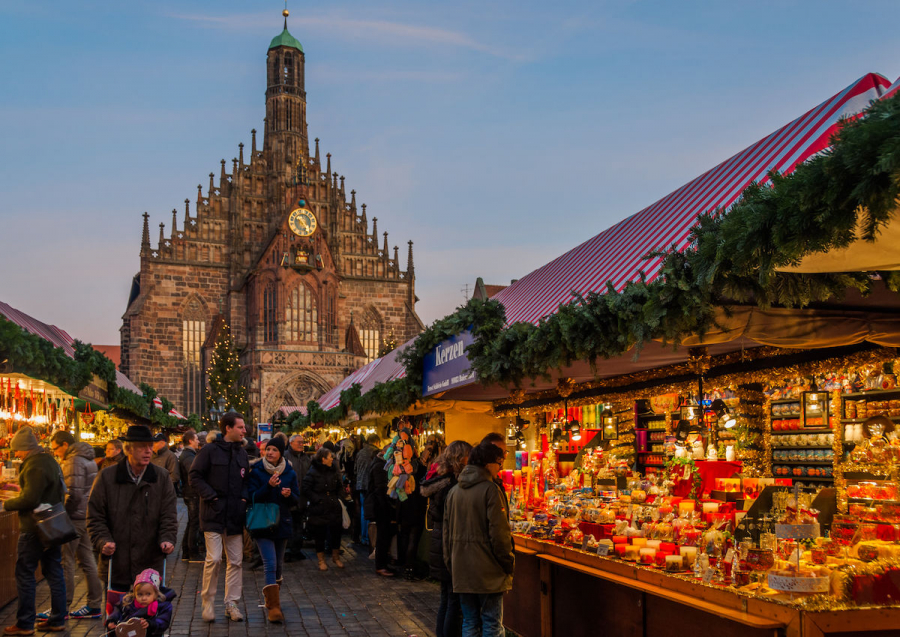
Nuremberg Christmas Market
One of Germany's oldest and most famous Christmas markets, the nearly 400-year-old traditional Nuremberg Christmas market, will also not be held as planned in November. Previously, Nuremberg had hoped to hold the festivities but would implement health and safety regulations and social distancing measures. This marks the first time in 73 years that the Nuremberg Christmas market will be unable to bring the warm joy to locals and tourists during the cold final months of the year.
During World War II, the Christmas market was temporarily closed until 1948. Since then, this traditional Christmas market has attracted two million visitors to Nuremberg each year. For locals, the wooden stalls decorated with vibrant red and white striped fabrics, the aroma of grilled sausages, sweet almonds, and fragrant wine wafting through the city are a defining characteristic of the Christmas season.
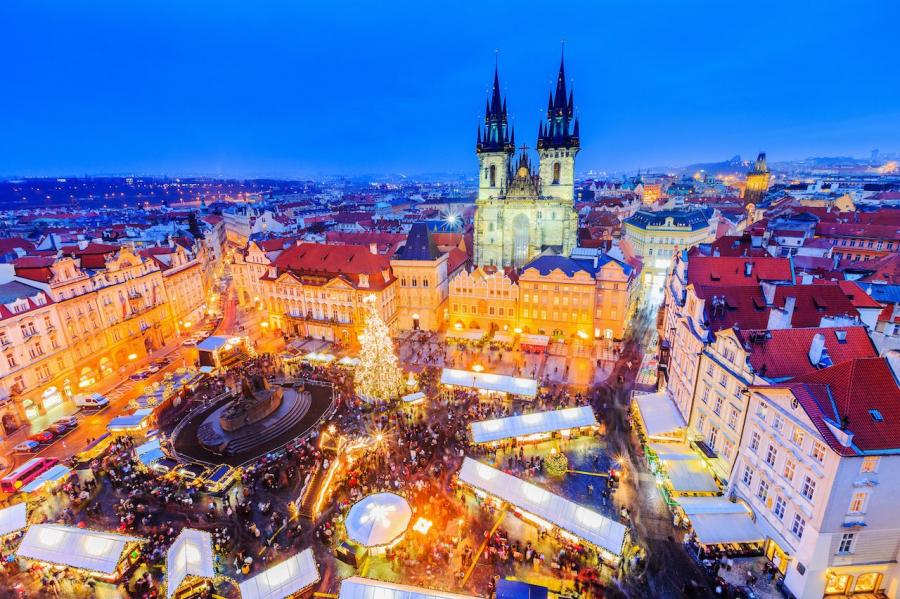
Prague Christmas Market
Prague's Old Town typically attracts tens of thousands of tourists each year who come to admire the beauty of Christmas in the Czech Republic. However, this year, with the pandemic situation becoming increasingly complex, the government has decided to cancel plans for the annual celebrations. A representative from the city council stated that, given the current pandemic situation, it is not appropriate to hold large-scale events and fairs like in previous years. However, if the pandemic situation improves, the city will set up some smaller areas to create a familiar Christmas atmosphere for residents.
Prague City Council is trying to salvage a Christmas season during this year's Covid-19 pandemic. It is expected that a few Christmas trees will be placed in the Old Town Square as usual, along with some decorations to boost people's spirits during this time of ongoing Covid-19. Even food and mulled wine stalls may be available. The Czech government believes that, in addition to boosting public morale, activities should be simple, economical, and ensure they do not become a source of disease transmission. Several other Czech cities, such as Zlín and Pardubice, are studying and will decide on final options, but these will likely be limited in scope.