VI
VI


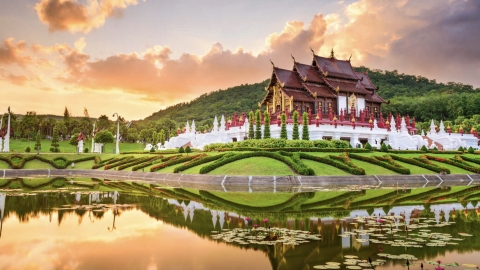
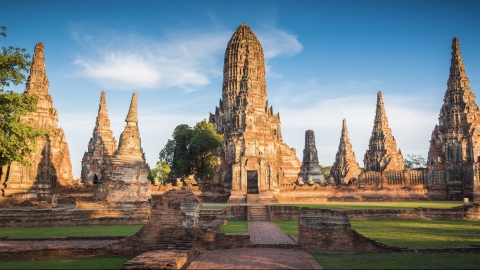
Before my trip to the Thai capital, many people told me that Bangkok was just a city with bustling and ostentatious shopping malls, eight-lane roads packed with cars, smog-filled during rush hour, and a few famous temples. But I didn't believe what they said. So I went!
Bangkok as seen from the canal.
By chance, on my way back to my hotel in Thong Lor from one of Bangkok's most famous Pad Thai restaurants, Google Maps suggested the fastest route with two boat trips on the Khlong Saen Saeb canal. I exclaimed to my travel companion in surprise, "Let's go, quick! The boat leaves in 15 minutes!" I was thrilled, as if I'd struck gold, because after days of traveling by taxi and BTS (subway), I was getting quite bored. Everything seemed so simple, so comfortable, that my adventurous spirit had cooled down since arriving in Bangkok. Only when I heard about the possibility of traveling by boat did my passion suddenly reignite.
The intricate network of canals means that boat travel is not a new concept, having been the primary form of transportation in the area since the 19th century. Some canal systems are still actively used, but most have been filled in to make way for Bangkok's ever-expanding urban landscape. Two major and historically significant canals still found in the city today are Khlong Saen Saeb and Khlong Phadung Krung Kasem. Today, boat trips on the canals are an essential mode of transport for students, workers, and even expats working in the city. But for many visitors, cruising the canals is the most unique and exciting experience of their time in Bangkok.
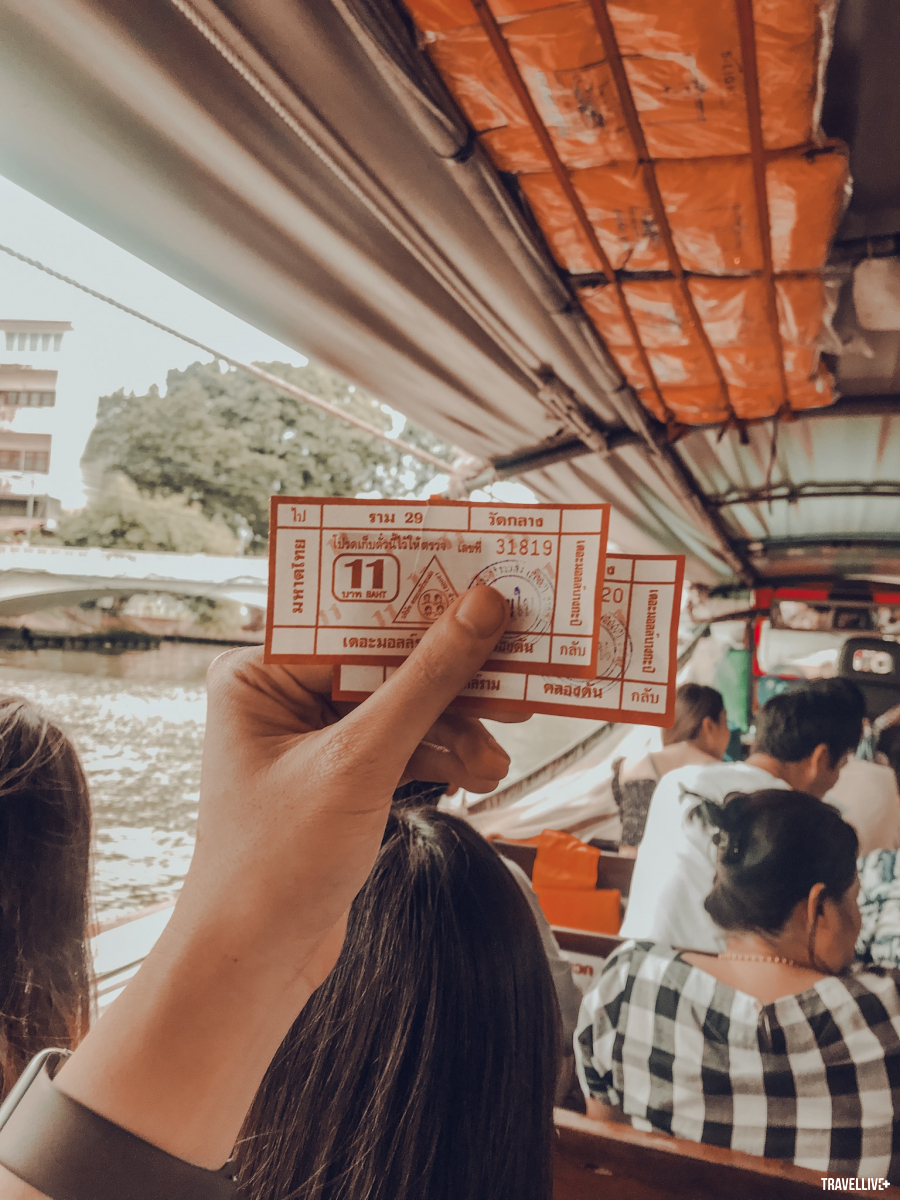
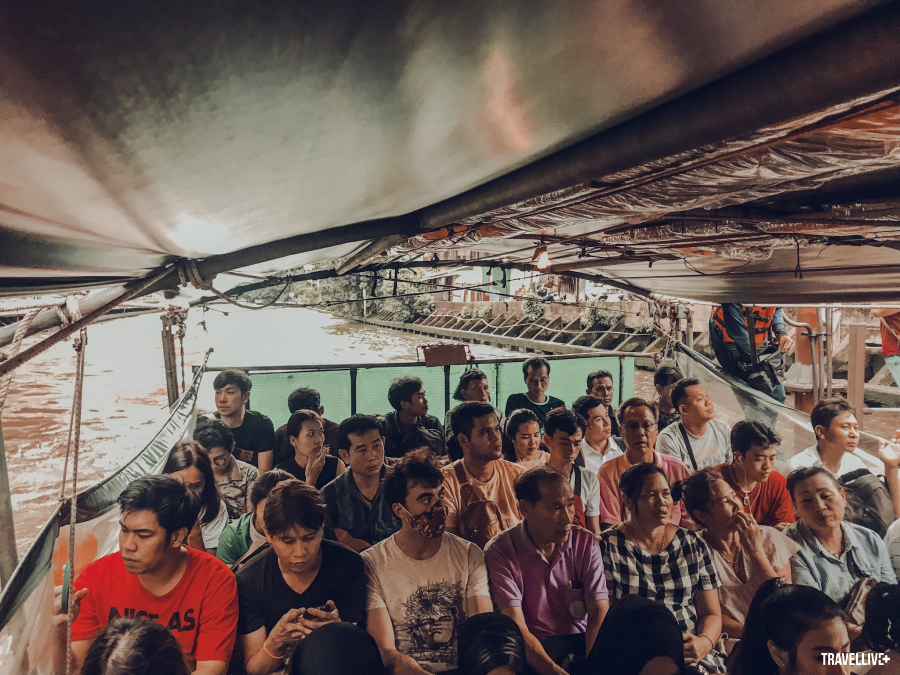
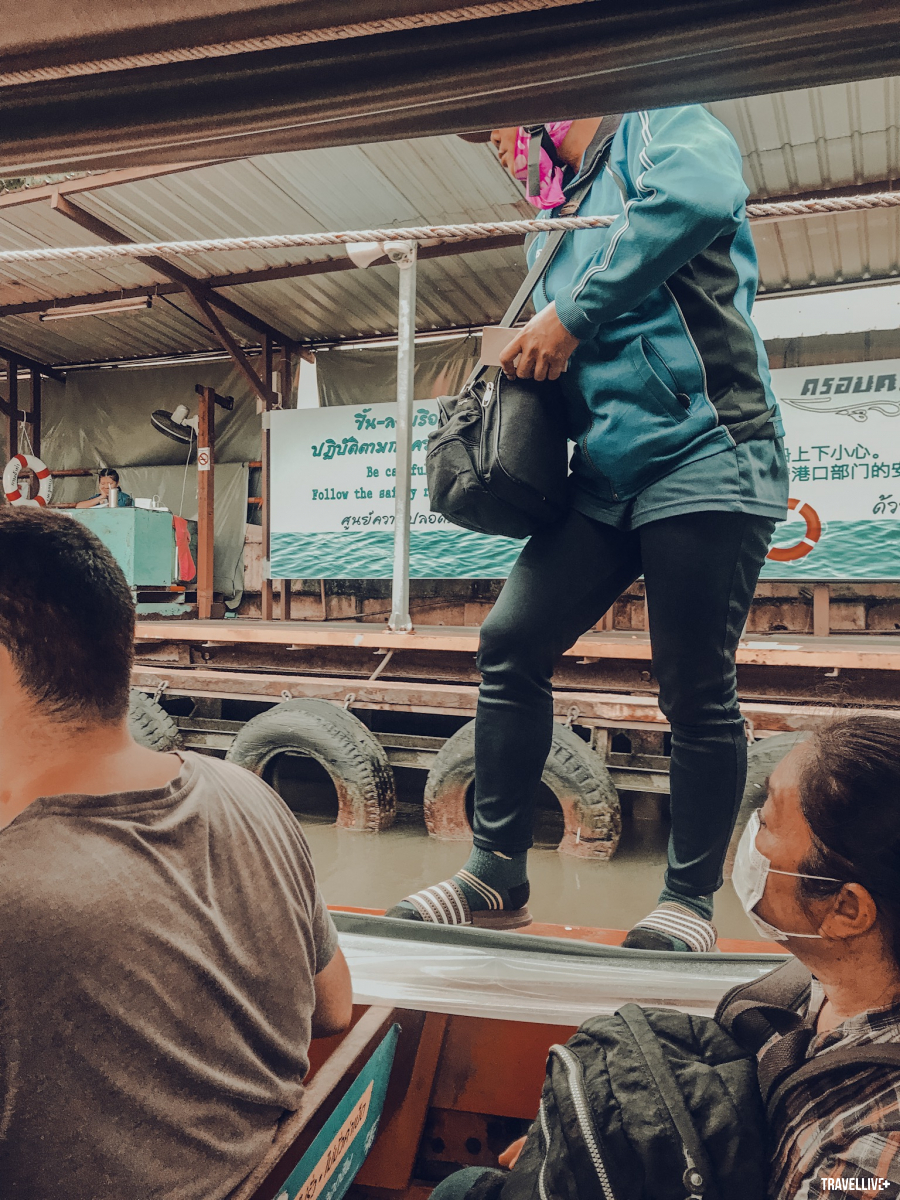
Navigating the canals is no easy experience. The boats seem to go in every direction, and the drivers aren't following any particular course. On the stretch of canal I had to cross to get back to the hotel, sometimes they docked at the left pier, sometimes at the right. Ticket vendors nimbly walked along the sides of the boats collecting fares with a nonchalant air, oblivious to the splashing water and rocking of the boats. They looked like professional circus performers dancing in the dirty water.
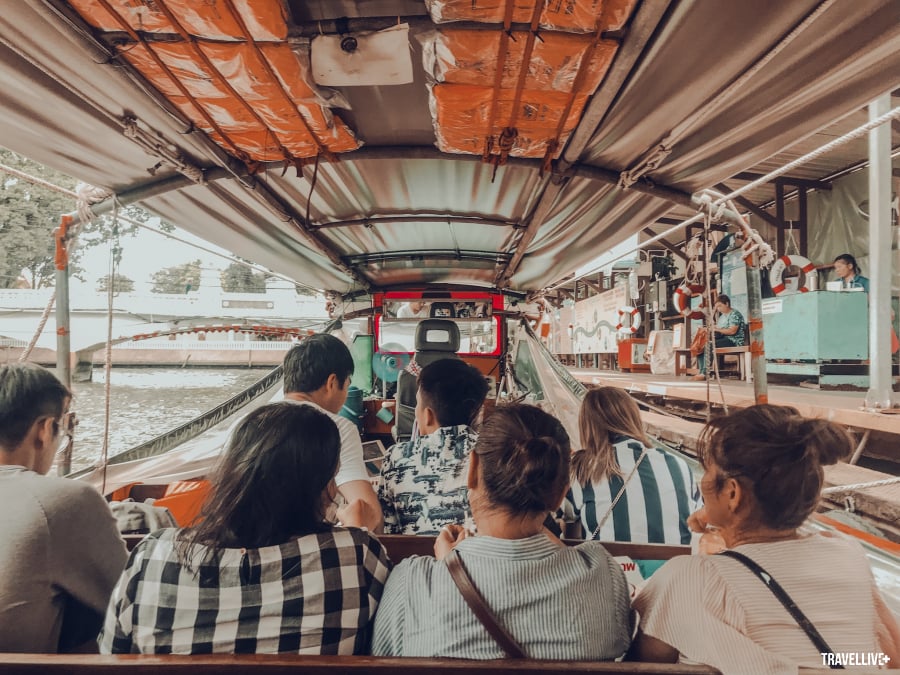
The boat sped along the canal, splashing dirty water everywhere, as if the driver were racing against an invisible boat beside them. Be prepared and pull up your nylon cover to avoid getting splashed. The safest place is in the middle of the boat, where there are many people shielding you. That experience was truly heart-stopping, but I was also incredibly happy because traveling isn't just about experiencing the luxurious beauty of foreign lands, but also about appreciating the most ordinary aspects of life.
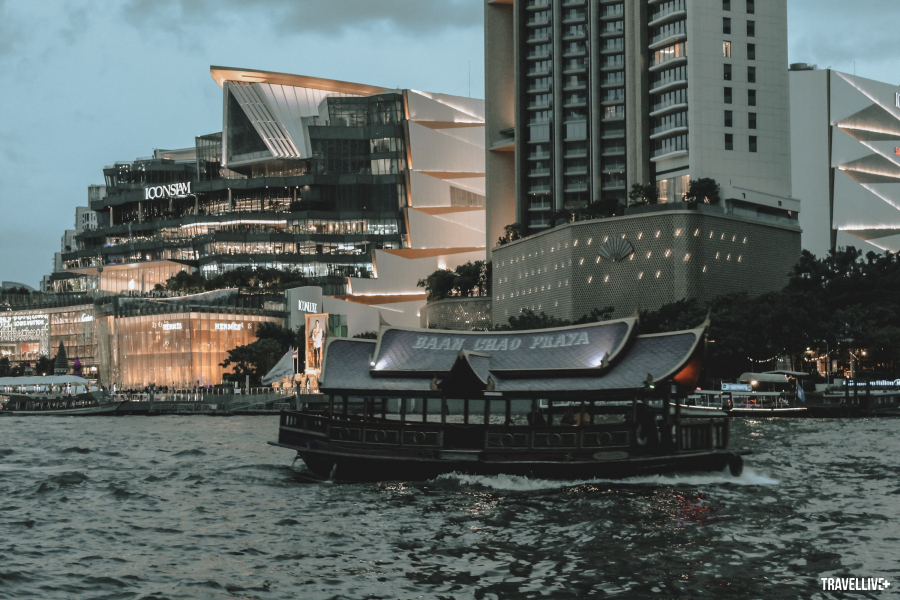
Along the canal, you'll see dilapidated slums, wealthy neighborhoods, and famous landmarks like the Jim Thompson House and renowned temples. If you don't have a specific place to go, I suggest getting off at a random stop and walking to explore this unique residential area.

A very important note is that the boat wait time is quite short, so keep an eye on the GPS map to see whether the next stop is on the right or left pier so you can weave through the crowds on the boat and wait at the side where you need to disembark.
Bangkok of Contemporary Art
If you only visit Bangkok to enjoy the food and explore temples, you'll miss another side of Bangkok, because the city is a leading hub for contemporary art, comparable to Taipei or Singapore.
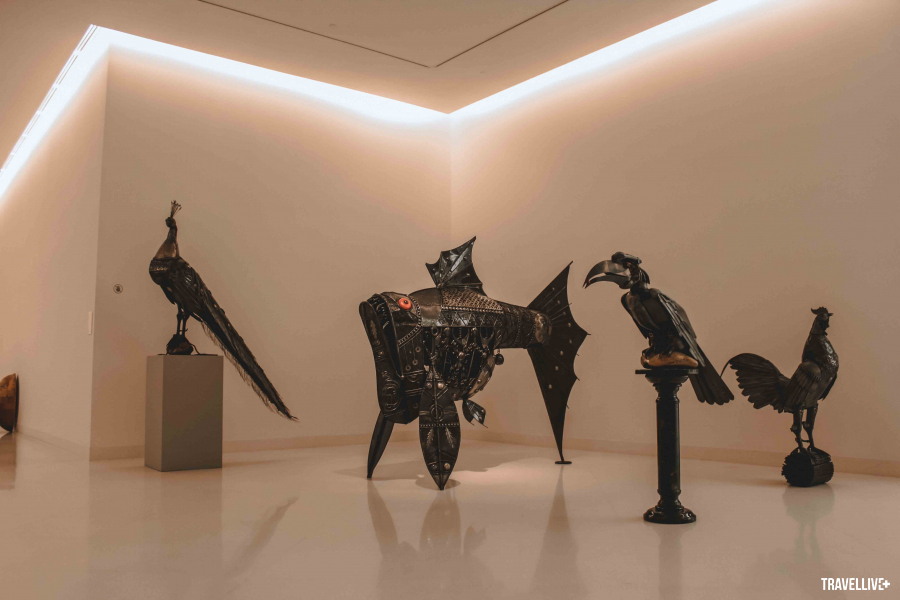
Although not new, MOCA Bangkok, with its enormous space, has always been on my bucket list before visiting Thailand. With six floors and five levels filled with experimental sculptures and paintings that express strong viewpoints, I was truly captivated by the Thai religious artworks, which used modern color techniques to create a completely different perspective on the subject. The scenes highlighting the philosophy of cause and effect are also a highlight that will leave any viewer mesmerized. It takes about three or four hours to explore MOCA completely.
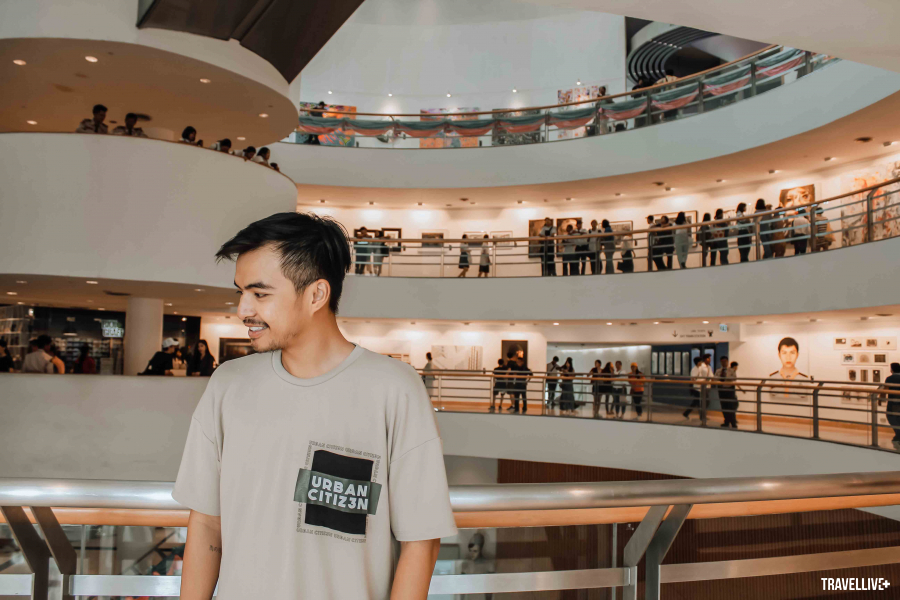
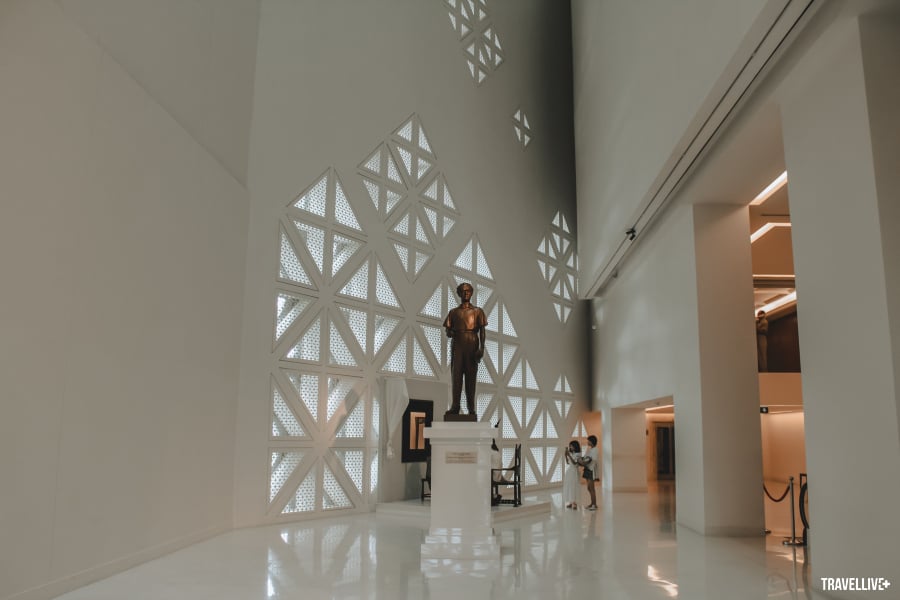
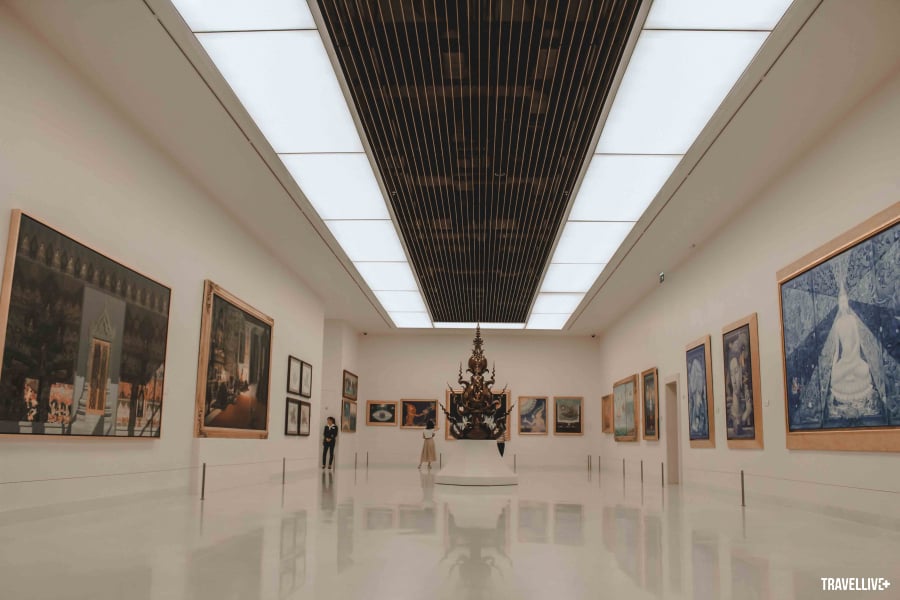
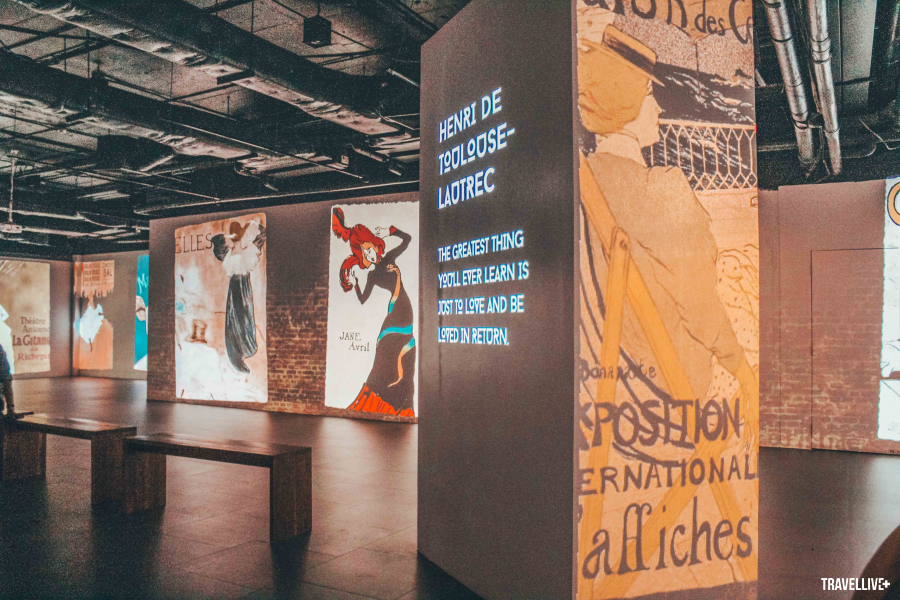
The River City area, popular with tourists on guided tours, features a boat dock for trips to ICON SIAM and is also a space dedicated to impressive art. You'll find two main exhibition areas: one showcasing paintings, sculptures, and photographs by independent artists primarily for commercial purposes; the other a digital art exhibition using sound and images projected from projectors to present works by numerous world-renowned artists. Notably, this is an "on rotation" exhibition, meaning the content changes constantly.
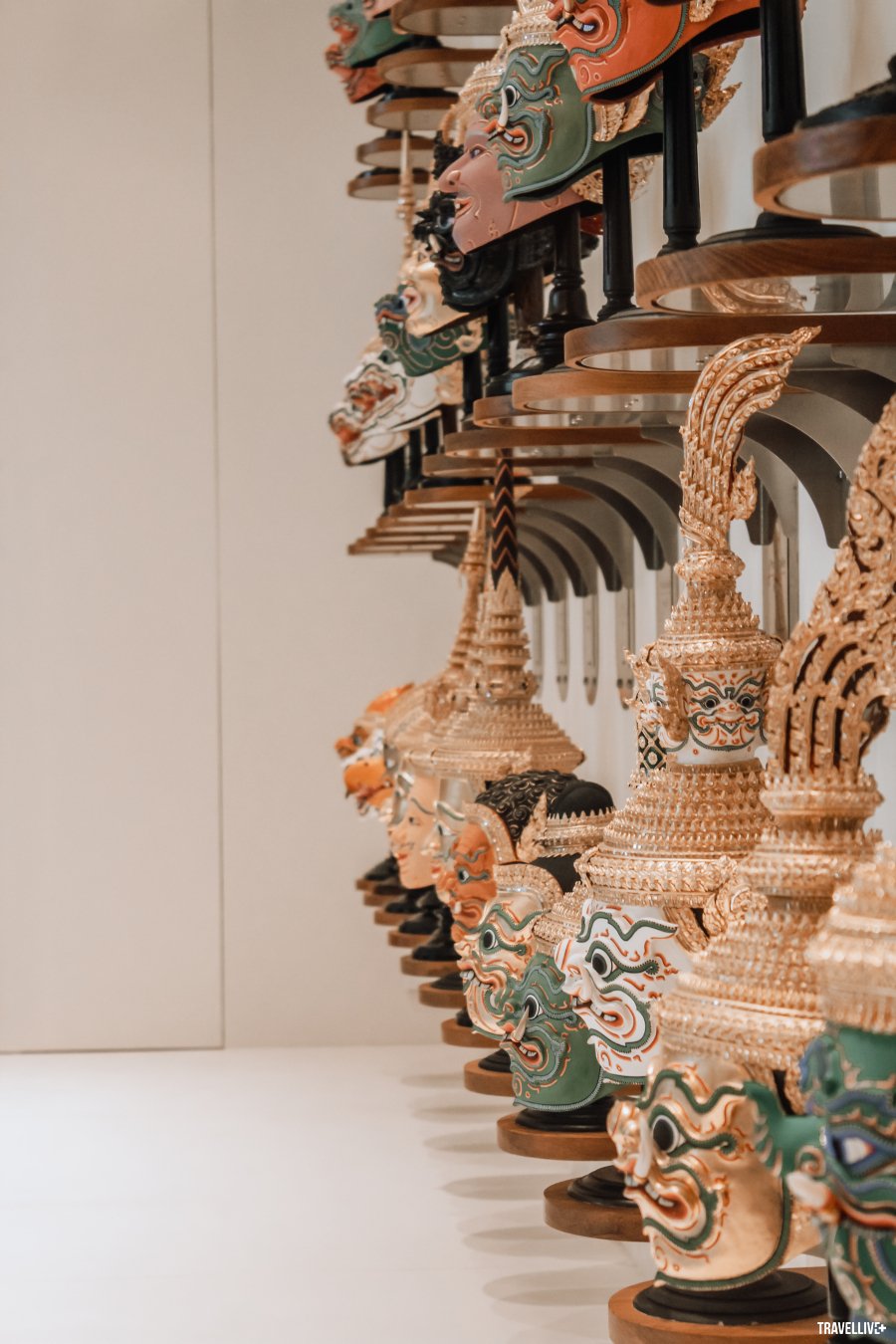
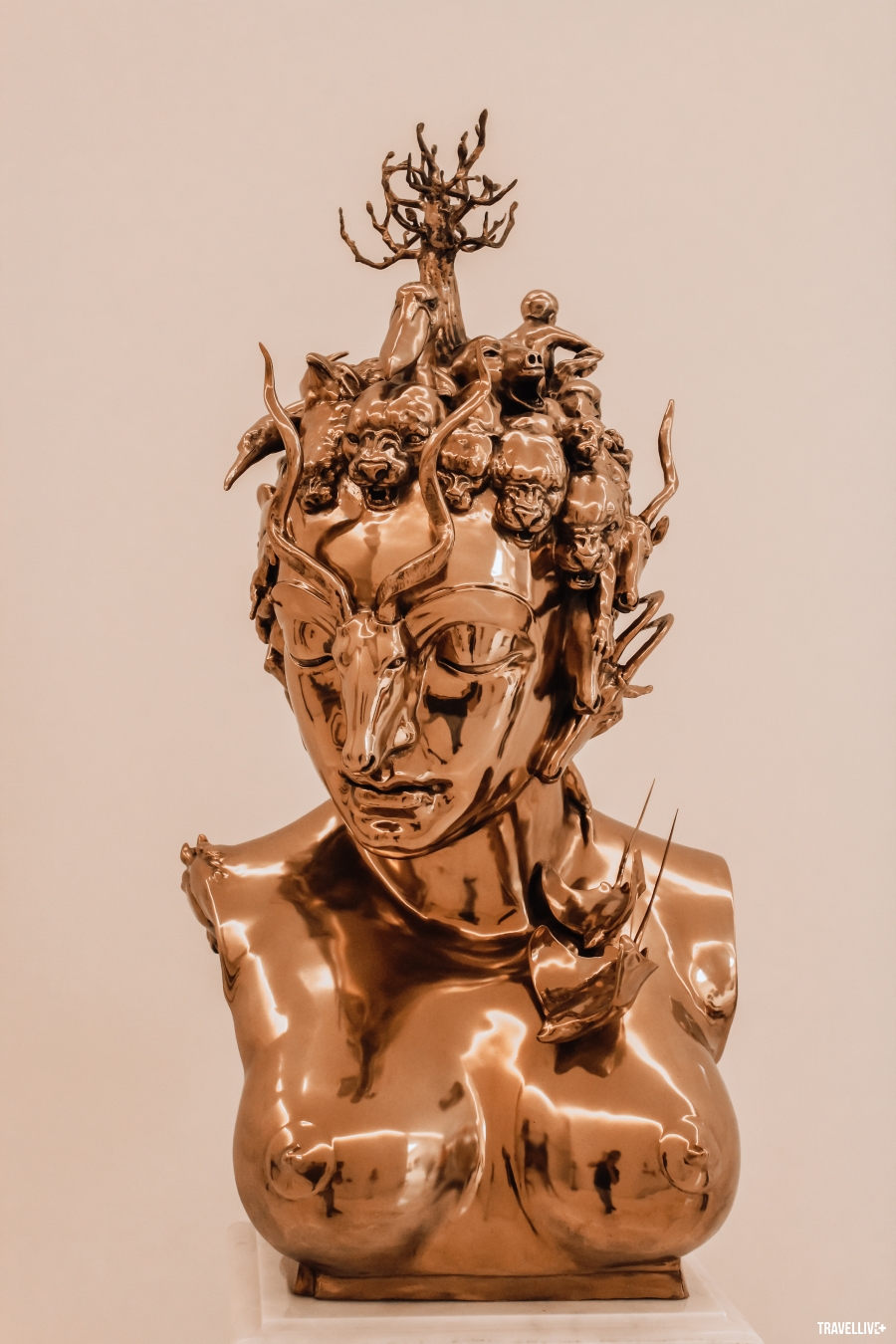
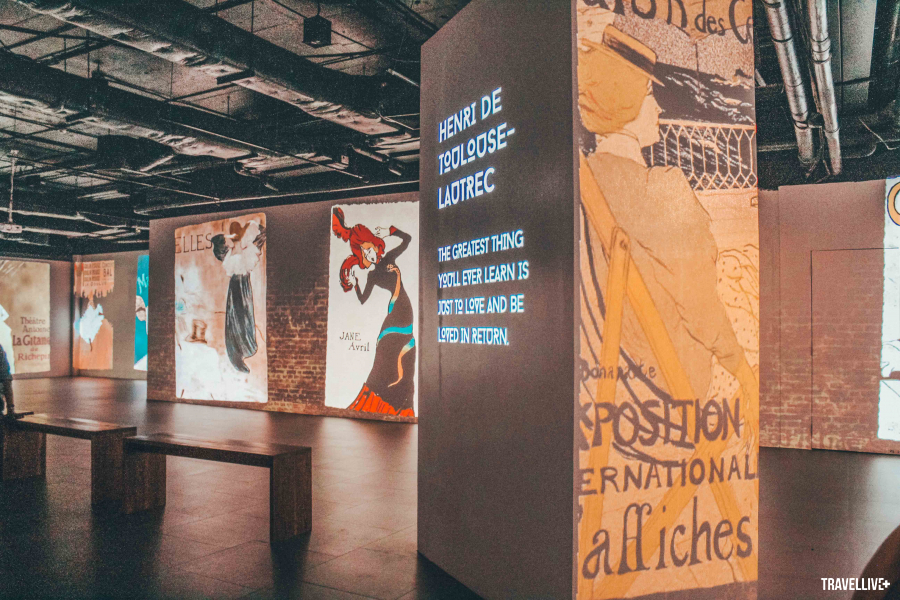
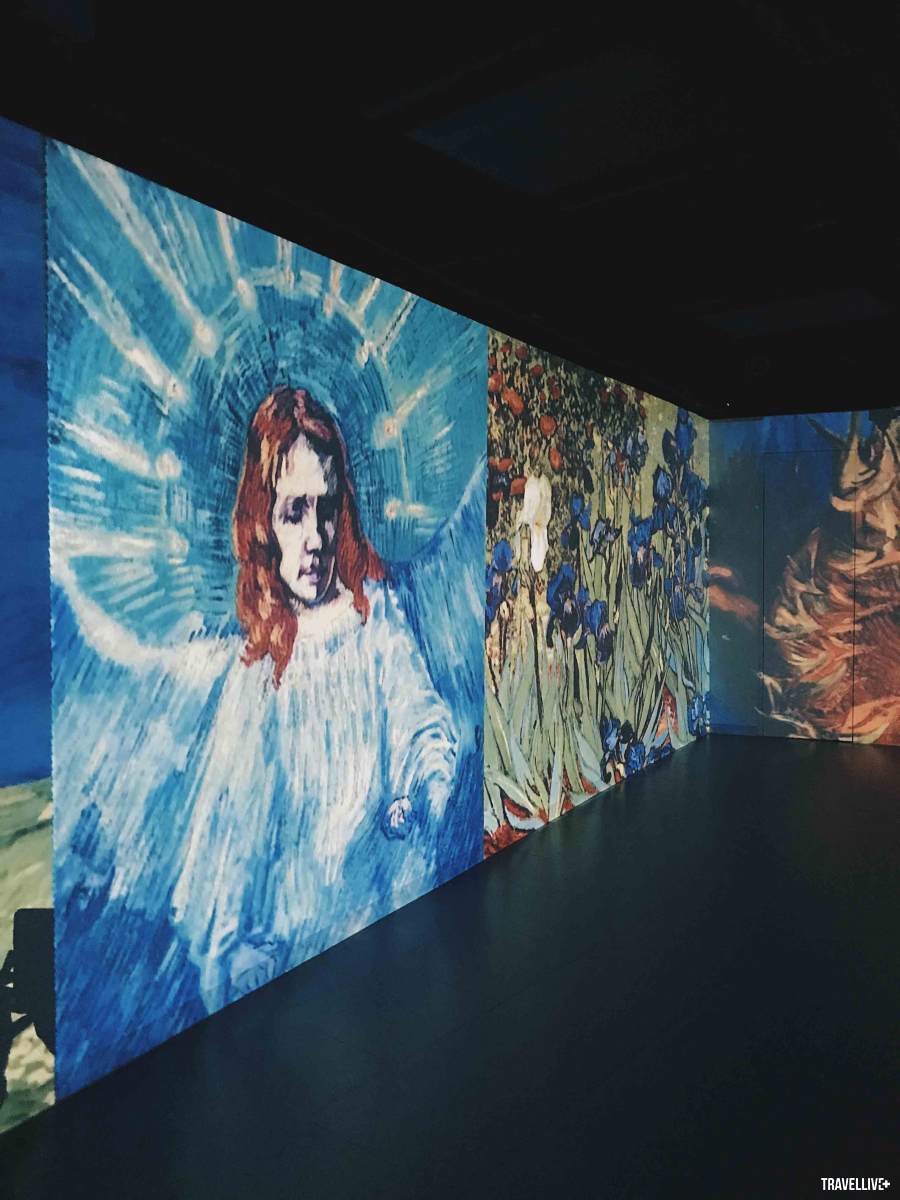
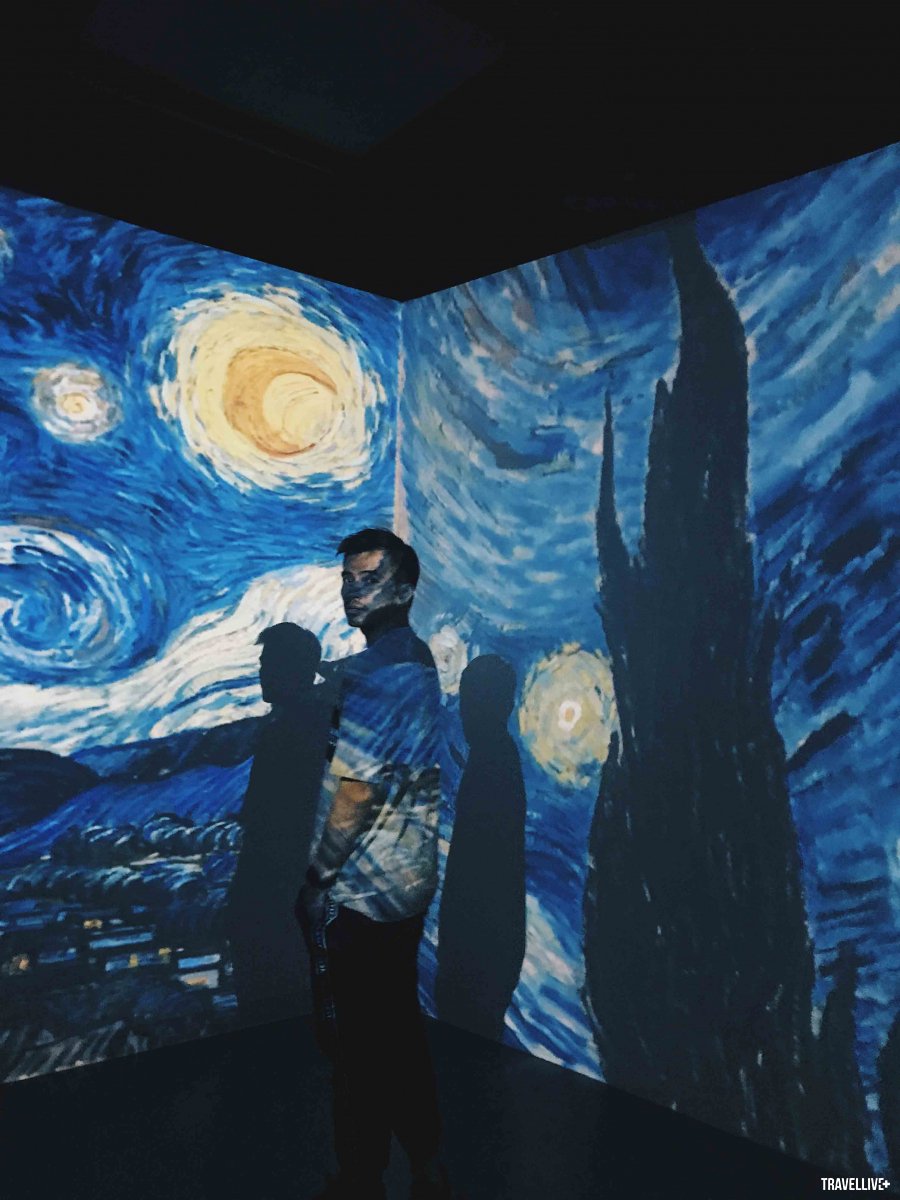
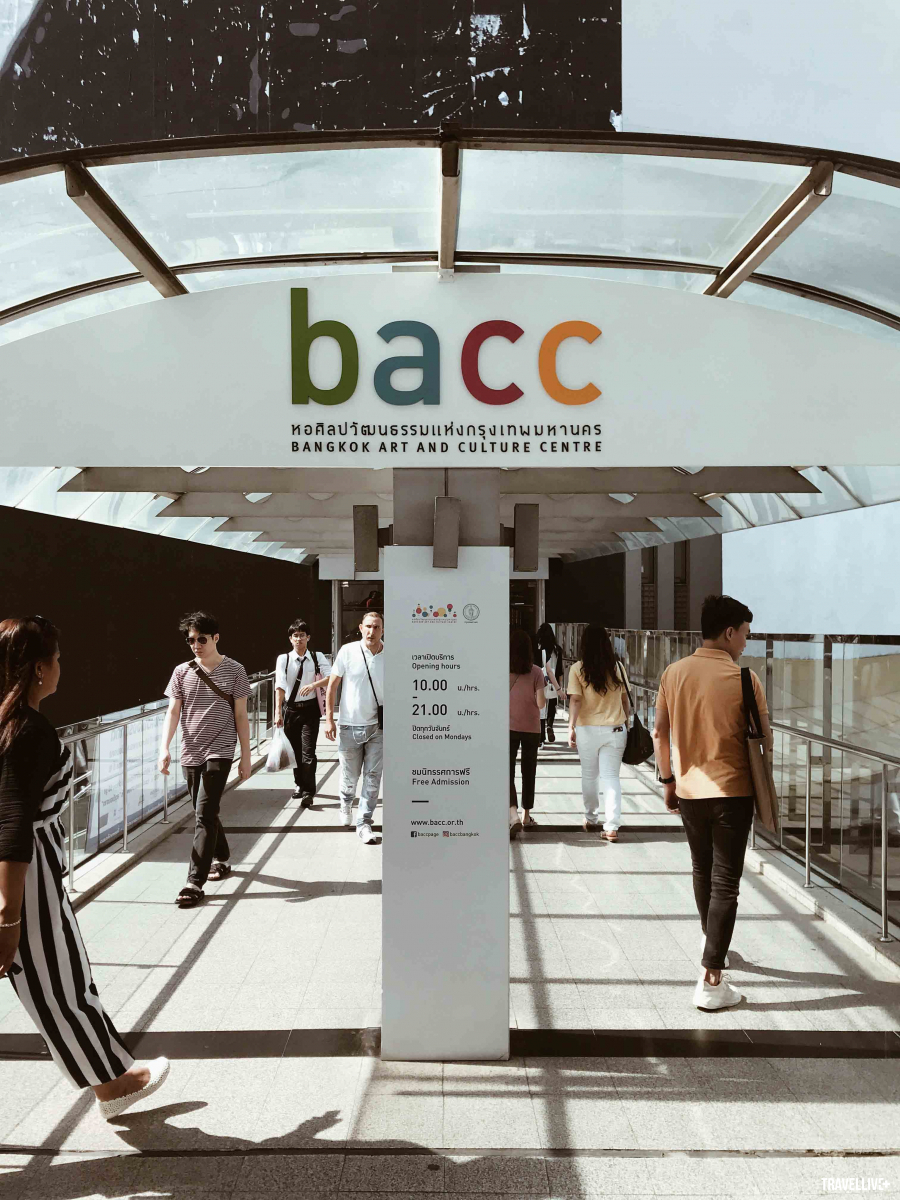
In addition, the Bangkok Art & Culture Center (BACC) is a space nurturing Bangkok's burgeoning contemporary art scene, featuring works ranging from painting and design to music, theater, and film. Located just a few minutes' walk from the BTS National Stadium station, it hosts several seasonal exhibitions by Thai and international artists. BACC is free to enter from 10 am to 9 pm daily, except Mondays. While I feel it doesn't quite reach the level of MOCA or River City, since it's free, why not visit to learn more about Bangkok? There are also many craft shops and art shops selling unique items, and weekend art performances.
Bangkok as seen through street food.
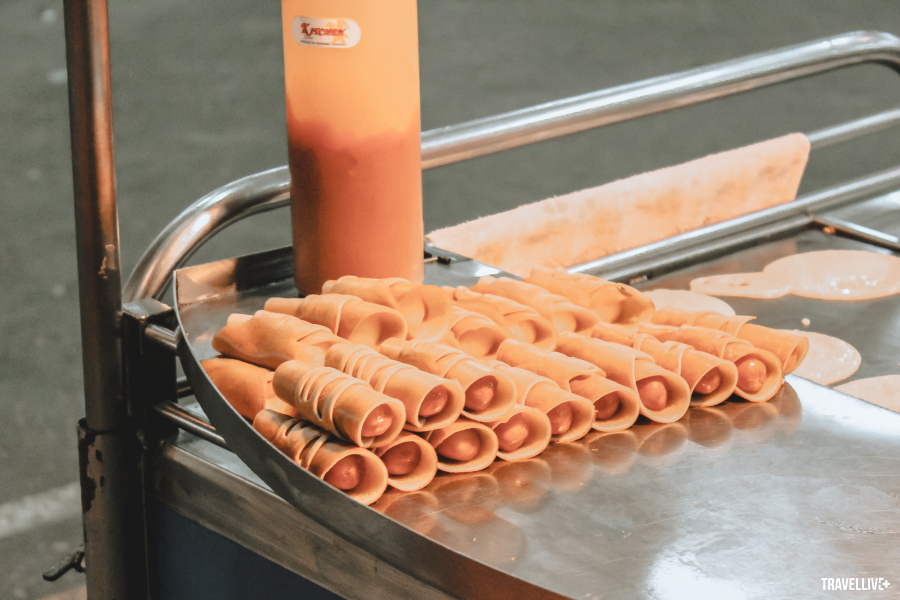
I'm not saying the food in shopping malls is bad; sometimes it's delicious and incredibly unique because of the fusion of traditional and contemporary flavors. But I'm a nostalgic person, I love the old things and the stories that have stood the test of time in small roadside eateries and independent cafes far from the city center. Such places give me the feeling that I'm experiencing things that many hurried travelers often miss.
My companion took me to Saew – a small, old, and run-down restaurant on Klang Alley – with a simple invitation: “My friend who lived in Bangkok for 5 years recommended this place to me. And every time I come to Bangkok, I eat at Saew a few times.” Klang Alley had more shops than I imagined, mostly modern, fusion-style establishments, but Saew noodle shop stood out with its rustic appearance.
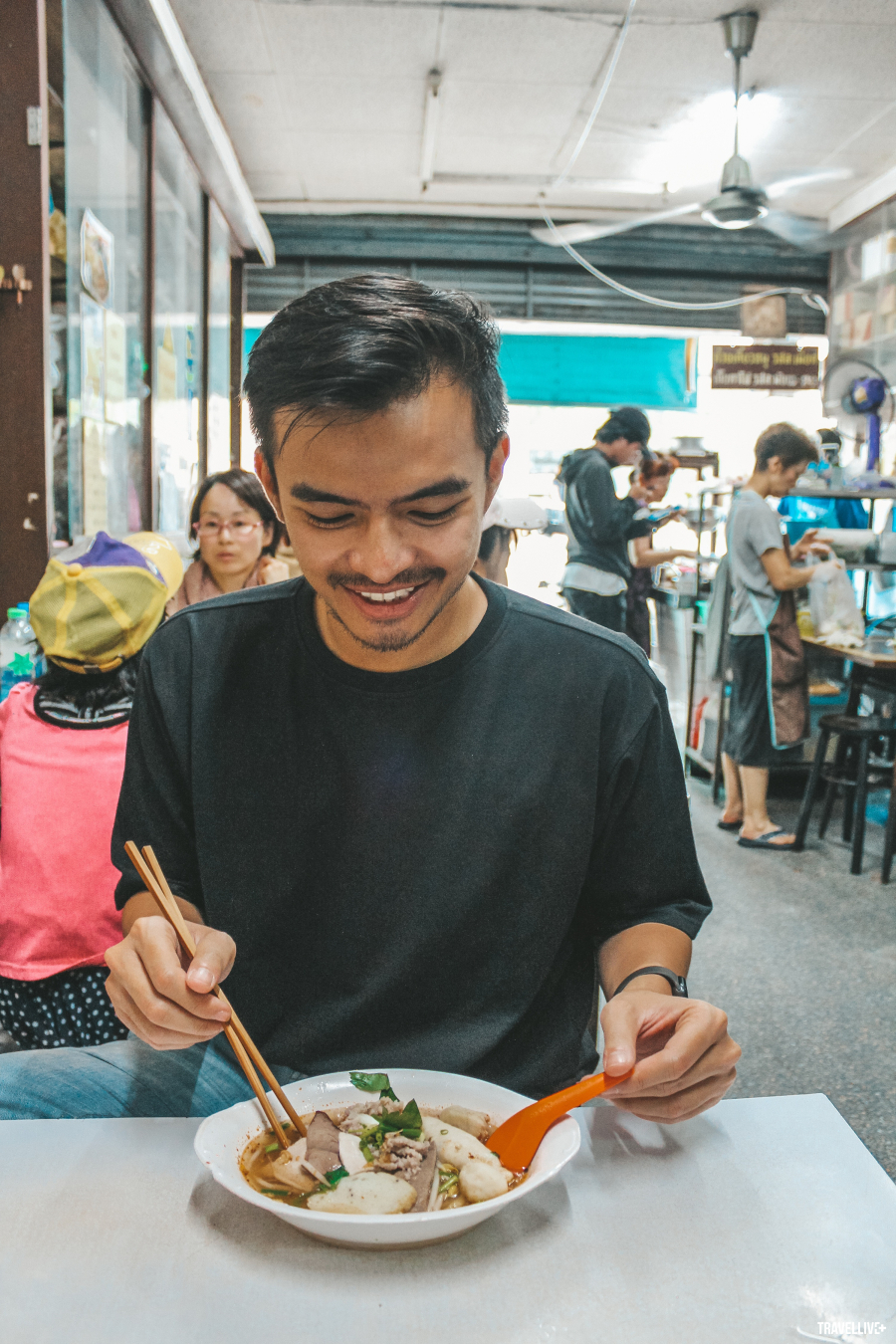
I ordered Thai-style fish ball noodles, while my friend ordered rice noodles. My first impression was the perfect level of spiciness, the fresh flavor of the ingredients, and the richness of the broth, making each spoonful a tantalizing experience. I also ordered a chrysanthemum tea, and it was even better than expected, so I ended up ordering two to satisfy my craving. Amazingly, Saew's prices are very reasonable, ranging from 50 to 70 THB, the same price as typical budget noodle dishes, but the taste was far better than anticipated.
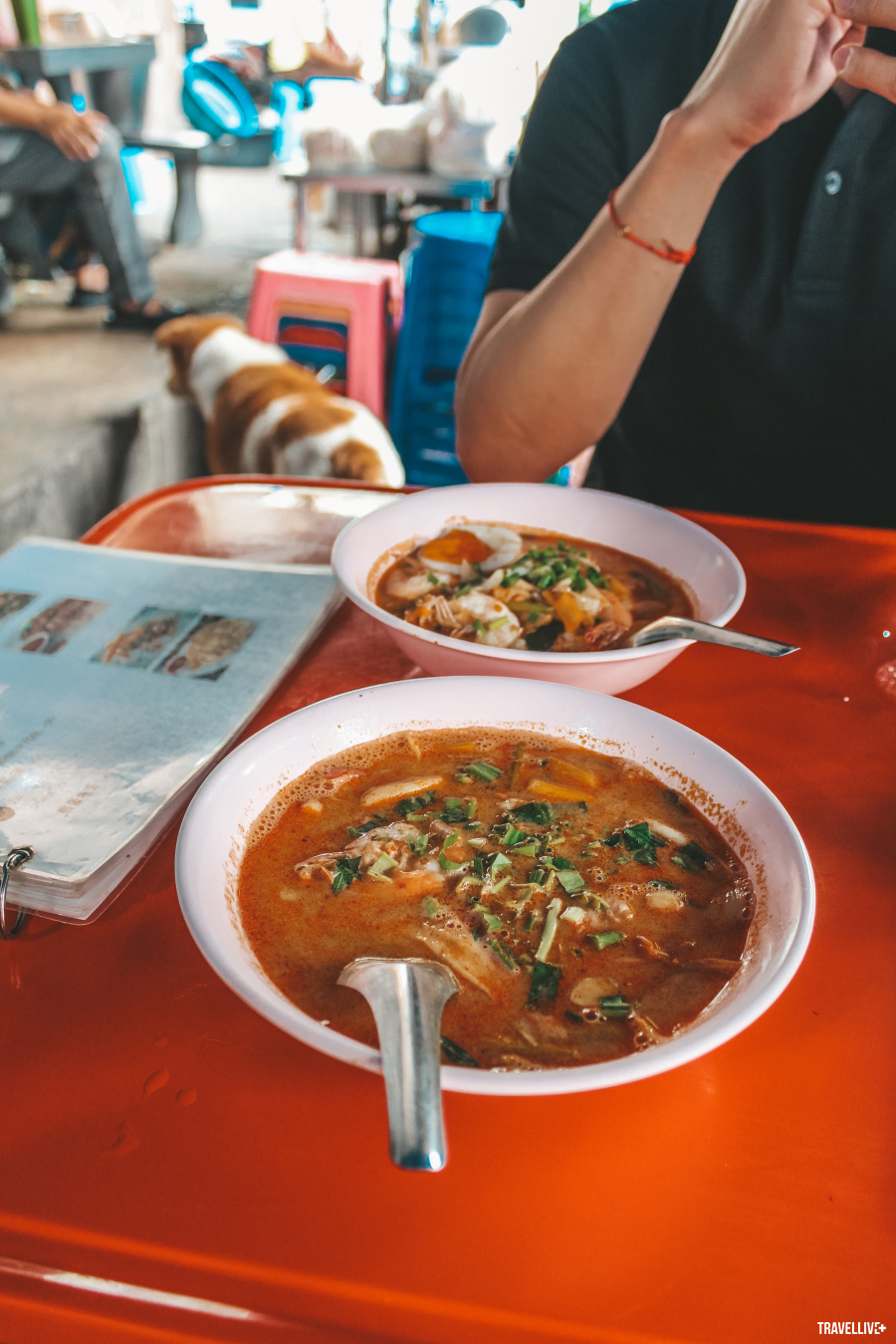
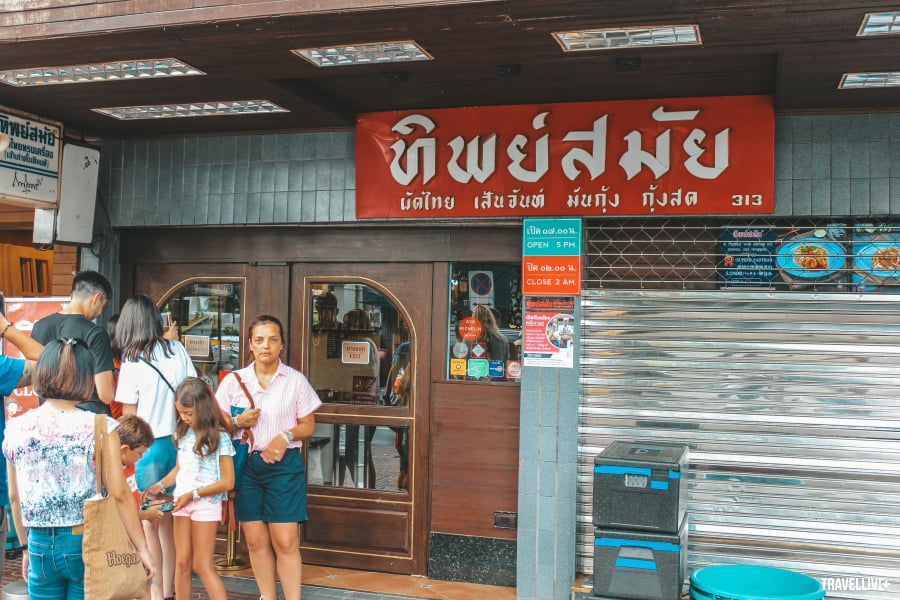
After Saew noodles, I sought out Pad Thai – the quintessential Thai dish that has helped introduce Thai cuisine to international diners. Perhaps it's because of the easy-to-pronounce and easy-to-remember name, but the important thing is the impressive blend of ingredients in each plate of Pad Thai. A standard plate of Pad Thai includes rice noodles (similar to vermicelli), bean sprouts, chives, roasted peanuts, meat or seafood, chili powder, and lime to create a harmonious and intensely stimulating flavor. However, to eat the authentic Pad Thai, you'll have to wait a long time, especially the Pad Thai from the legendary Thipsamai restaurant. Mentioned in every food magazine and newspaper in the world, from CNN to the New York Times, Thipsamai always prides itself on offering diners the most unforgettable Pad Thai dishes.
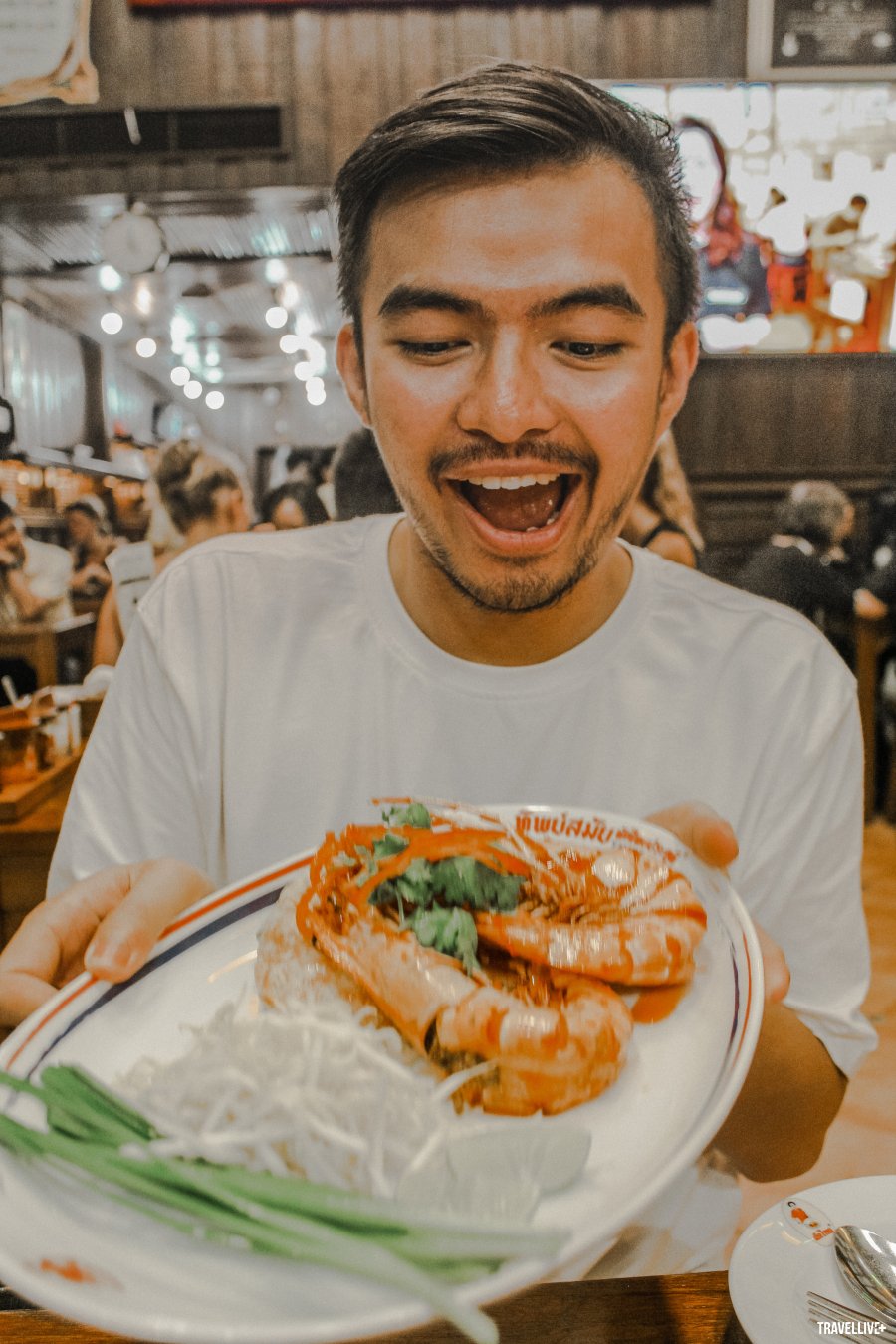
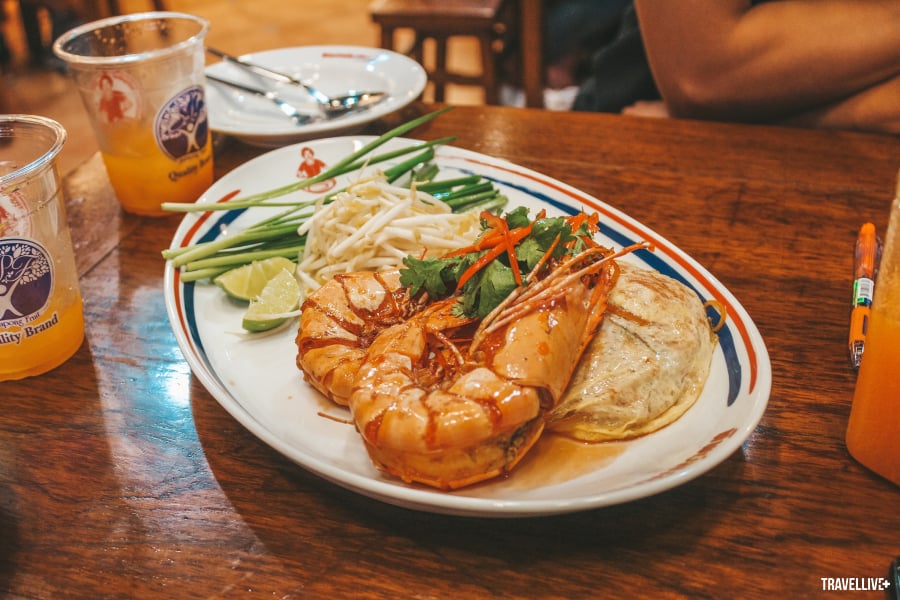
Located on Maha Chai Road, Thipsamai opens at 5 PM, but long lines of diners start as early as 4:30 PM. Arriving early, I was lucky enough to be one of the first to enter, receiving a supplemental menu featuring their special Tiger Prawn Pad Thai, as the prawns are limited in quantity and Thipsamai doesn't make too many each day. It's quite expensive at 500 THB, but you won't regret the two heart-shaped prawns on top of the restaurant's signature orange Pad Thai. And after just a few bites, I was completely satisfied with this superb dish from Thipsamai.
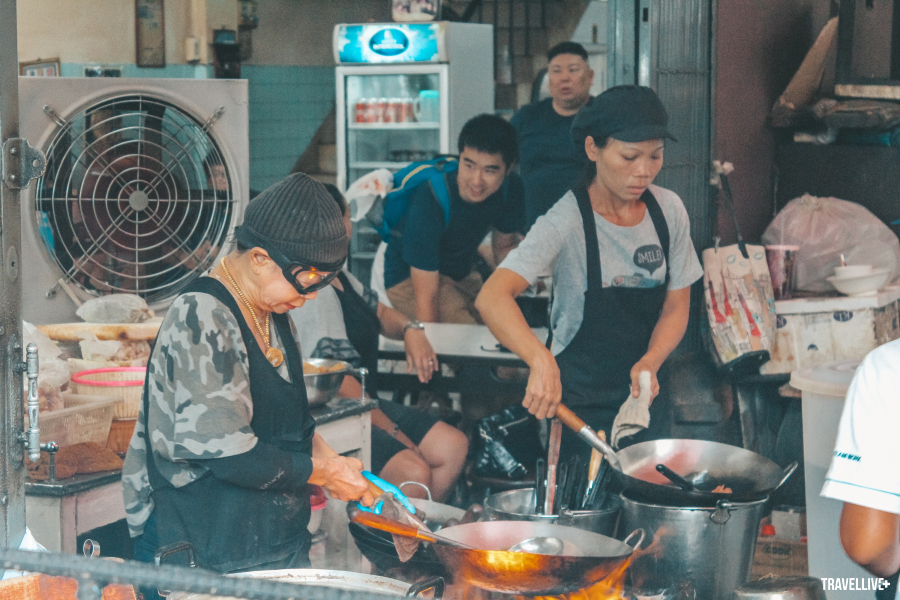
I first learned about Jay Fai while watching Netflix; a new show called Street Food: Asia was advertised on their homepage. The owner, Mrs. Jay Fai, looks rather austere, but she finds joy in cooking. All the dishes at the restaurant have been made by her own hands for several decades. At Jay Fai, the most famous dish is probably the crab omelet, priced at 700 THB, but you won't regret trying it once. You can also order the Tom Yum soup, as while they do have Pad Thai, it's not as highly rated as Thipsamai's. Importantly, you need to make a reservation in advance via email or arrive before opening time (2 PM) to queue for a table.
Additional information
- Boat system on the canal
Opening hours: 5:30 AM - 10:00 PM daily
Ticket price: from 15 - 30 THB/trip, depending on your destination.
- MOCA Museum of Contemporary Art
499 Kamphaengphet 6 Road, Ladyao, Chatuchak, Bangkok
Opening hours: 10:00 AM - 6:00 PM (closed on Mondays)
Entrance fee: 250 THB/adult, student ID card is recommended for a discount.
- Art Exhibition at River City
Address: 23 Soi Charoen Krung 24, Khwaeng Talat Noi, Khet Samphanthawong, Krung Thep Maha Nakhon
Opening hours: 10:00 AM - 10:00 PM
Admission fee: free for the private area; 350 THB/person for the digital art exhibition area.
- Bangkok Arts & Culture Centre
Address: 939 Rama I Rd, Khwaeng Wang Mai, Khet Pathum Wan, Krung Thep Maha Nakhon
Opening hours: 10:00 AM - 9:00 PM (except Mondays)
Entrance fee: free
- Thipsamai Restaurant
Address: 313 315 Maha Chai Rd, Khwaeng Samran Rat, Khet Phra Nakhon, Krung Thep Maha Nakhon
- Jay Fai Restaurant
Address: 327 Maha Chai Rd, Khwaeng Samran Rat, Khet Phra Nakhon, Krung Thep Maha Nakhon