VI
VI



The best time to visit Chiang Mai
Chiang Mai also has peak and off-peak tourist seasons. The peak season runs from November to April, during which time the famous Loy Krathong festival takes place, and the weather is cool, even chilly in January and February, attracting many visitors. The off-peak season is usually from May to October due to the rainy season.
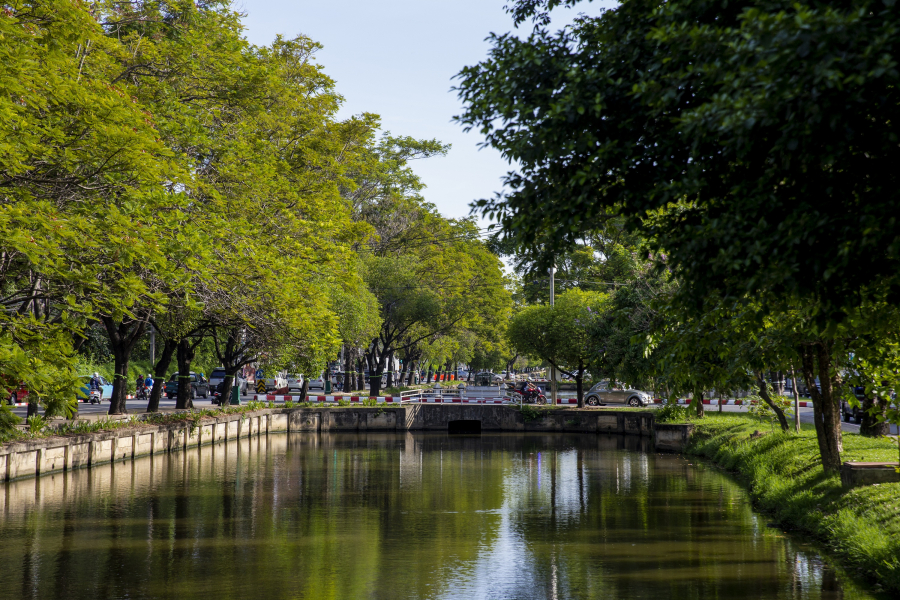
The moat surrounding the Old City in Chiang Mai.
Vinh visited in June – the beginning of the rainy season, when Chiang Mai also experienced two days of rain. The daytime weather was very sunny and hot, with temperatures around 34-35 degrees Celsius from 7 am to 5 pm, making the air stifling. However, Chiang Mai has many green trees, and the Old City area is surrounded by a moat, which somewhat mitigated the oppressive heat.
Move
From Saigon, you can fly directly to Chiang Mai in about 2-3 hours with Vietjet Air; however, flights are not available every day. The flight time is also very convenient for tourists. Ticket prices vary depending on the time of year; when Vinh booked, it was around 3.4 million VND for a round-trip ticket.
On the plane, the flight attendants will hand out forms for everyone to fill out regarding immigration and customs procedures in Thailand. If you don't understand anything, just ask the flight attendants and they will provide detailed instructions.
After landing, I followed the airport signs to the immigration area, lining up one by one, each person holding their passport and the information form they had filled out on the plane. Anyone who hadn't filled it out on the plane could do so here. A Thai staff member would check the information beforehand and assist the travelers.
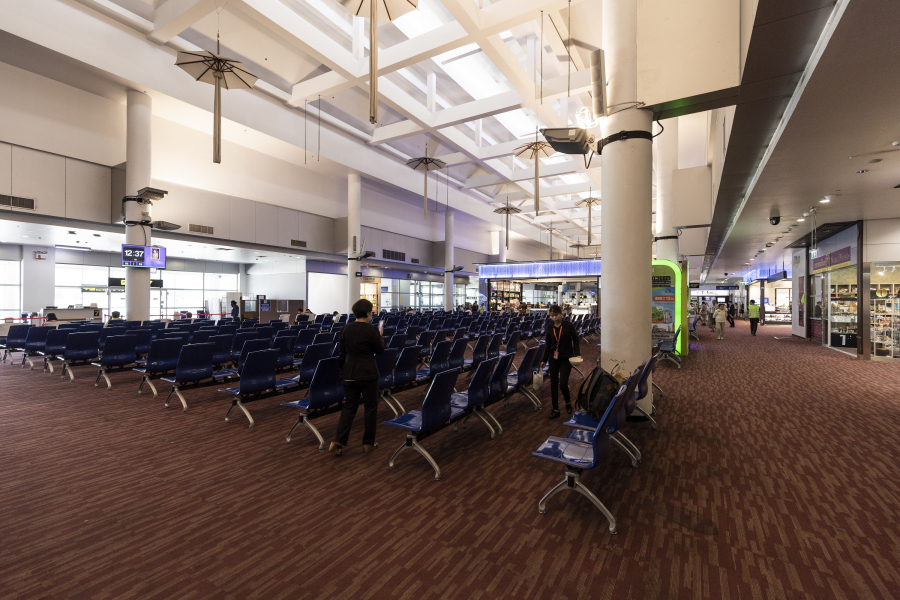
A view of Chiang Mai airport.
The immigration procedure is very simple; you will have your fingerprints scanned – four fingers of your left hand, four fingers of your right hand, and finally your two index fingers – which takes about 1-3 minutes. Once that's done, take your passport to the baggage claim area – before reaching the gate, you will have to put your luggage through the security scanner once more.
How to use a Thai tourist SIM card?
A 4G SIM card is very convenient for searching information, using Google Maps (a lot), staying in touch with family and friends, and even booking Grab. Many Thai mobile carriers offer this service, but Vinh had already bought a True Move 4G SIM card in Vietnam beforehand, valid for 7 days from activation, with 3GB of high-speed 4G data and 100 baht for calls within Thailand.
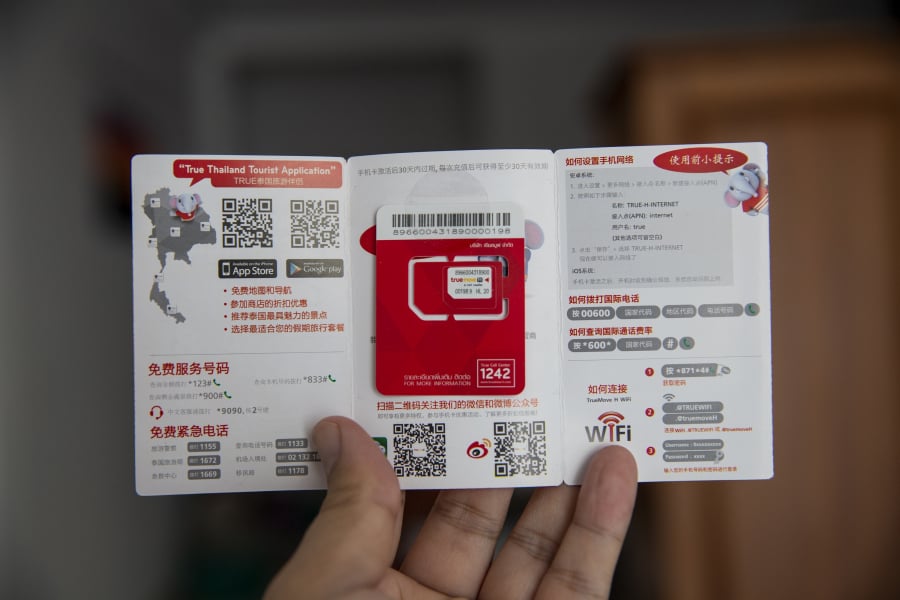
True Move Thailand travel SIM card
The SIM card used in Vinh was pre-activated, so upon arriving in Chiang Mai, all you need to do is insert it into your phone and turn on mobile data to start using it.
Additionally, there's a True Move SIM card sales counter right in the baggage claim area of the airport. You can buy a SIM card there, and the staff will activate it for you. You can also ask them for assistance; the staff there are all very friendly.

Airport taxi to the city center
The center of Chiang Mai is understood to be the area entirely within the Old City, where you'll find many people holding taxi signs trying to get you a ride. Vinh skipped this area and went straight to the gate. Luckily, a taxi driver had just dropped off a passenger, so our group got in and agreed on a price of 150 baht from the airport to the hotel, a distance of only about 4-5 km. This seemed to be the standard price, so I didn't haggle. On the way back, Vinh took a taxi for the same price on the return trip to the airport.
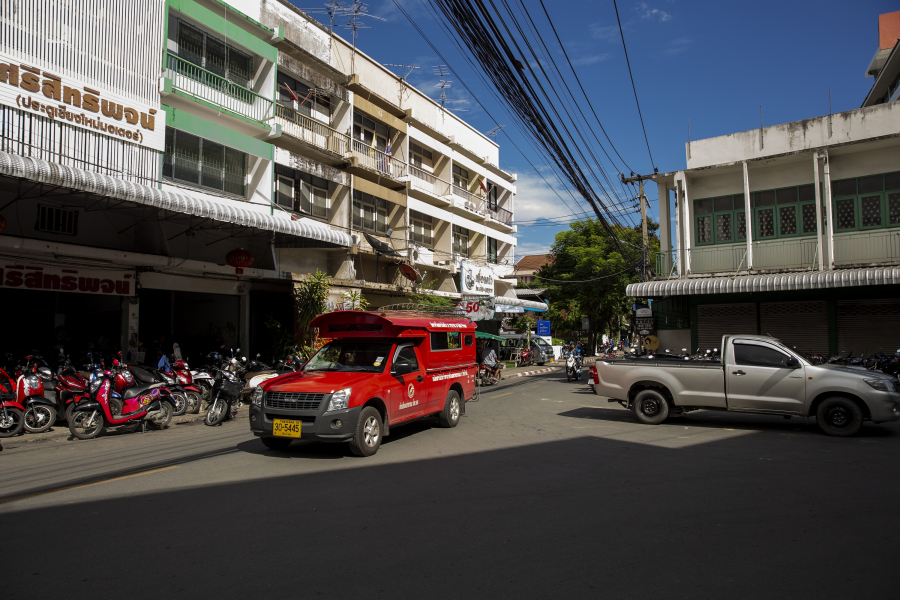
Song Thaew, a very popular mode of transportation in Chiang Mai.
Besides taxis, there are Song Thaew (pronounced Song Thẻo in Vinh's pronunciation), tuk-tuks, and buses from the airport to the city center, but Vinh hasn't tried them yet, so he's not sure about the cost.
Book a hotel in Chiang Mai
Chiang Mai has countless charming hotels, hostels, resorts, and homestays to choose from. The busiest area is around the Old City, which is convenient for exploring, eating, and enjoying the nightlife, but it's also more crowded and noisy. Vinh chose a different place to stay, about a 10-minute walk from the Old City – the beautiful and peaceful Boutiuqe Hotel on Wualai Road, a much quieter and less crowded area.
The hotel is called Wualai Sabaidee, I booked it on Booking.com. It's rated around 3 stars, but it will definitely surprise you because it's so beautiful and clean, with old-fashioned rooms. The two owners and the staff are incredibly professional.
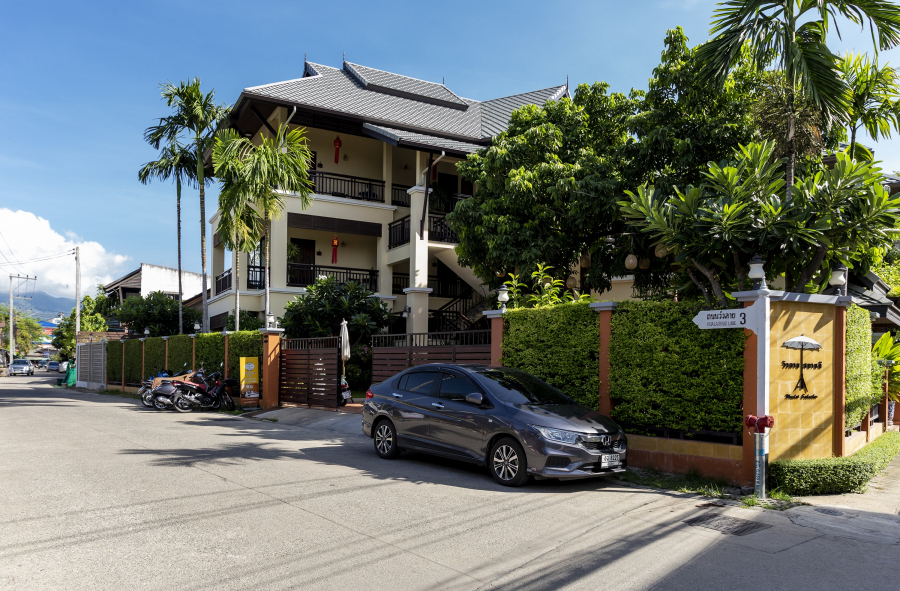
Wualai Sabaidee Hotel
Don't hesitate to ask the hosts for more information; they'll have many surprises you won't find even if you search all over Google. Here, the room rate doesn't include breakfast, only a few pastries for a light snack and coffee or orange juice in the morning.
Is it a good idea to rent a motorbike and drive it yourself?
As Vinh mentioned above, public transportation in Chiang Mai is sufficient to take you anywhere in and outside the city, including taxis, Song Thaew, tuk-tuks, and tour company vehicles. However, with his adventurous nature and love for new experiences, Vinh chose a motorbike as his main mode of transport during his stay.
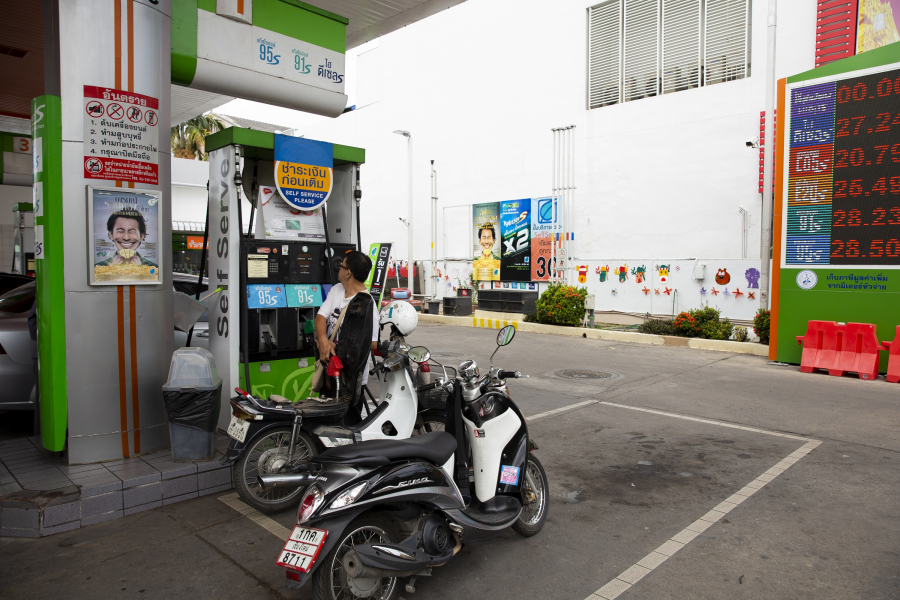
Self-fueling experience in Chiang Mai
Luckily, there's a motorbike rental place right next to the hotel, 200 baht/day for small bikes (usually scooters), and 250 baht/day for larger ones. Vinh rented a small bike for two days for 400 baht. The procedure was very simple; you just need to fill in your personal information and passport details on the rental contract. The rental company will keep your passport and return it when you return the bike. The fuel level you pay when you pick up the bike is the same as when you return it. The staff will fill up with enough gas to get you to the nearest gas station. Don't worry, there are many gas stations around the Old City area, and the prices are comparable to Vietnam. Vinh only needed to fill up once, costing 80 baht, which was more than enough for two days.
It's important to note that road traffic in Chiang Mai, and Thailand in general, is the opposite of Vietnam; vehicles drive on the left side of the road. You should also wear a helmet; besides ensuring your own safety, a helmet will help you avoid attracting the attention of traffic police.
Sightseeing in Chiang Mai
If you search on Google, you'll find a ton of information to choose from; Vinh is only sharing the places he's visited.
First, there are the ancient temples; there are so many temples in Chiang Mai, both in the city center and the suburbs. The temples I visited included Wat Chendi Luang, Wat Umong, Wat Chiang Man, and several others whose names I can't remember. This trip was lucky because it coincided with a rather large festival held at Wat Chendi Luang called the Inthakin City Pillar.
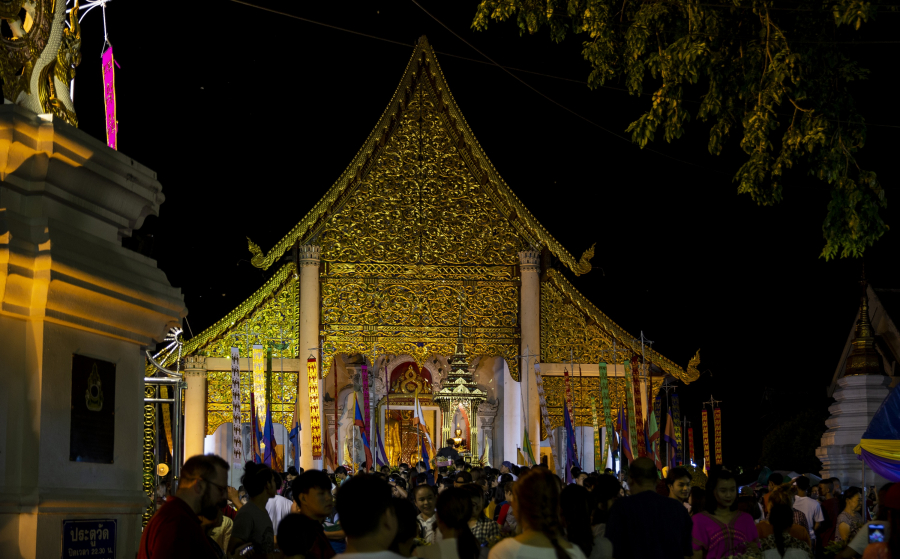
Wat Chendi Luang
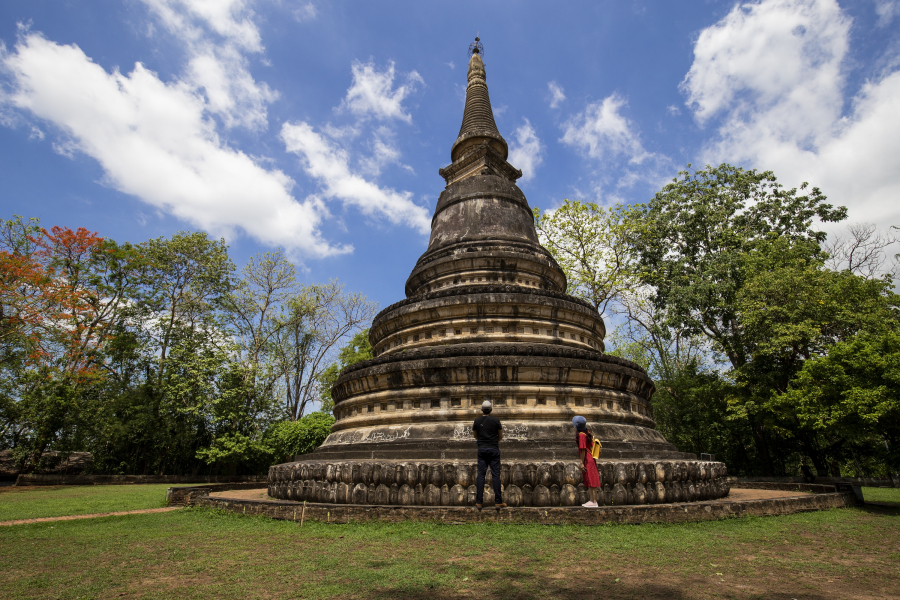
Wat Umong
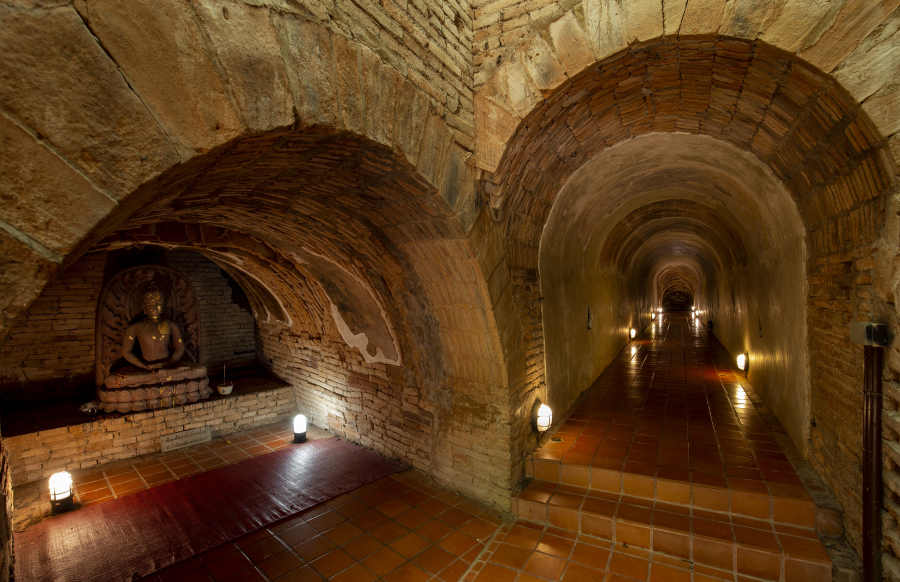
The tunnel inside Wat Umong
Next is Baan Kang Wat village, a very beautiful place with many shops showcasing and teaching how to make Thai handicrafts. It's about 10 km from the city center and easy to get to. Nearby is Cafe No39 with its beautiful stilt house and pond, a popular spot for tourists to take photos. On the way to Baan Kang Wat, there are many cafes with different styles to choose from, usually opening around 10-11 am.
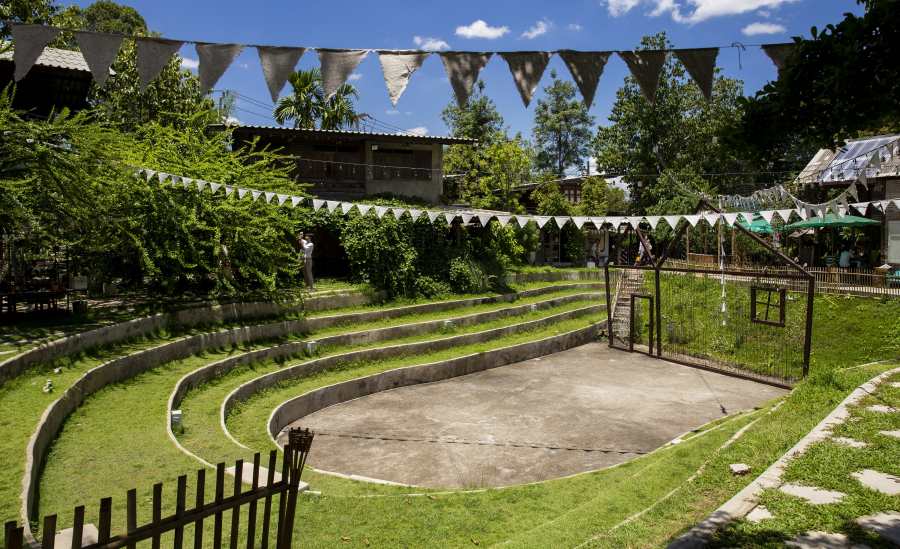
A corner of Baan Kang Wat village
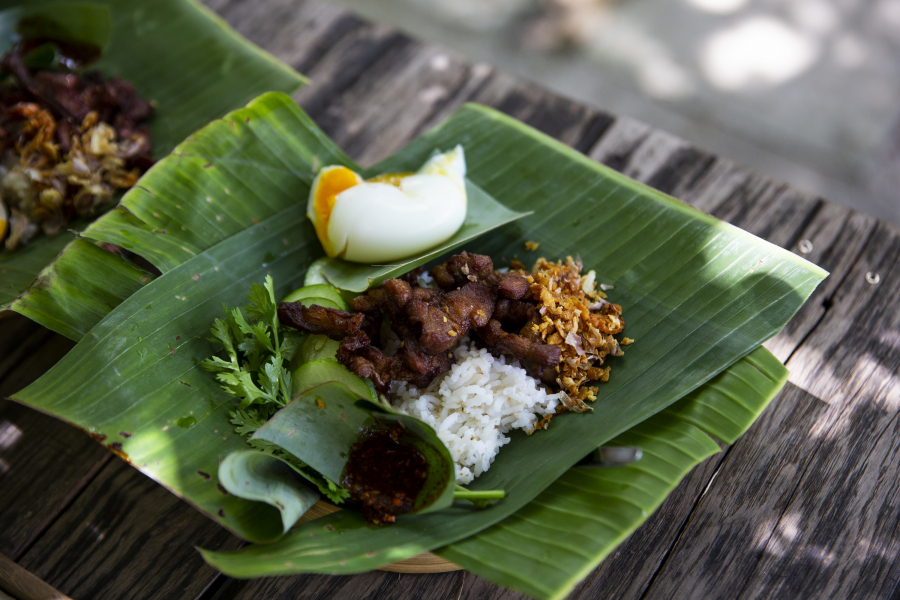
Yook samai at Baan Kang Wat
For shopping, there's Maya Shopping Centre, next to the bustling One Nimam area which attracts many tourists, especially young people, as it sells all kinds of goods, food, entertainment, and has many Instagrammable spots. In the evening, you should visit the Night Bazaar, a maze-like place with hundreds of stalls of all kinds. If you want to visit a local market, Warorot Market is a top choice, also close to the Night Bazaar.
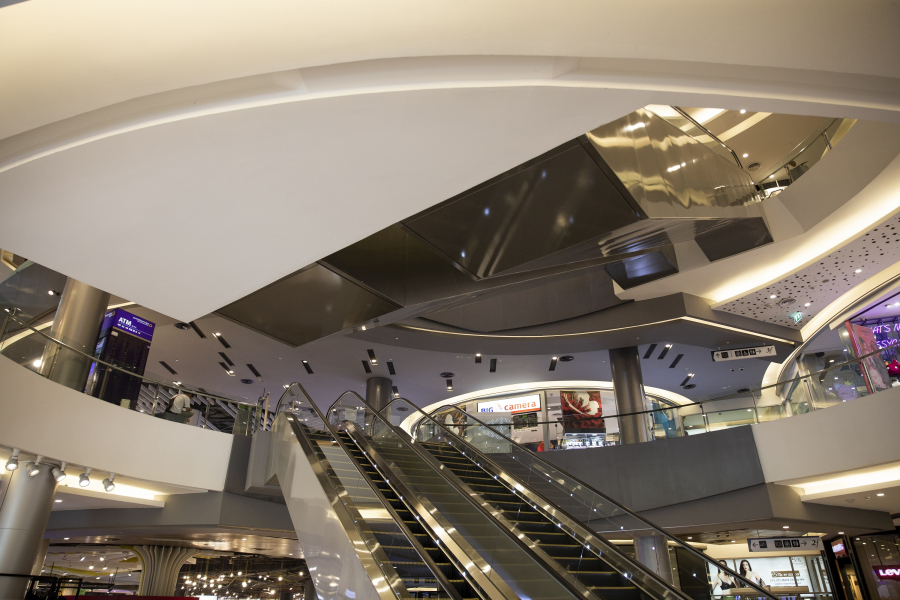
Inside Maya Shopping Mall
My favorite part was strolling through the Old City; there were cafes and restaurants every few meters, so you could choose whichever you liked. The centerpiece was Tha Pae Gate, the ancient city gate that attracted crowds of tourists from morning until midnight. Walking along the canals surrounding the old city was also incredibly enjoyable.
Street food in Chiang Mai
The Thais seem to favor fried and stir-fried dishes with few green vegetables; that was Vinh's first impression when he began his journey exploring Thai street food. He particularly liked the Pad Thai he ate at a roadside stall, which was quite delicious and unique. On his first night, Vinh wandered into the night market near Wat Chendi Luang, where there was an abundance of food: grilled sausages, steamed octopus with green chili salt, crispy fried octopus, famous Thai milk tea, spicy Tom Yum with seafood, cinnamon rolls with creamy filling, gourd-shaped pastries with meat filling, battered and fried fish with lime leaves, crispy fried insects (which looked a bit… disgusting but were savory and fatty), and khao soi…
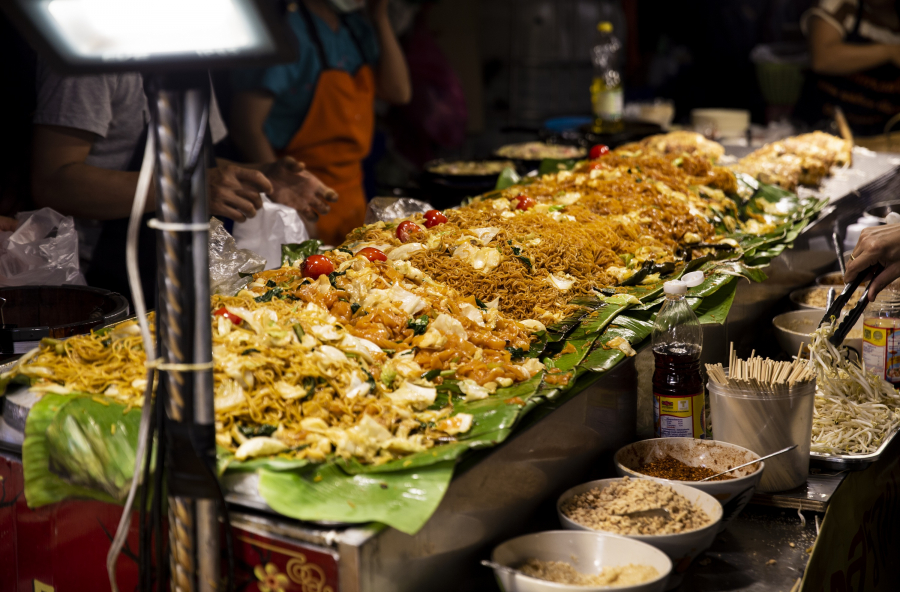
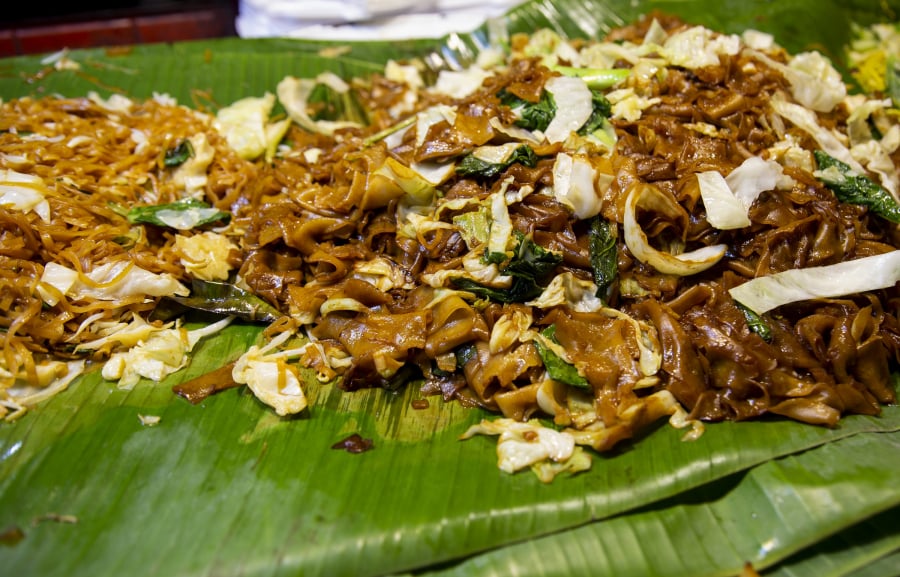
Famous Pad Thai
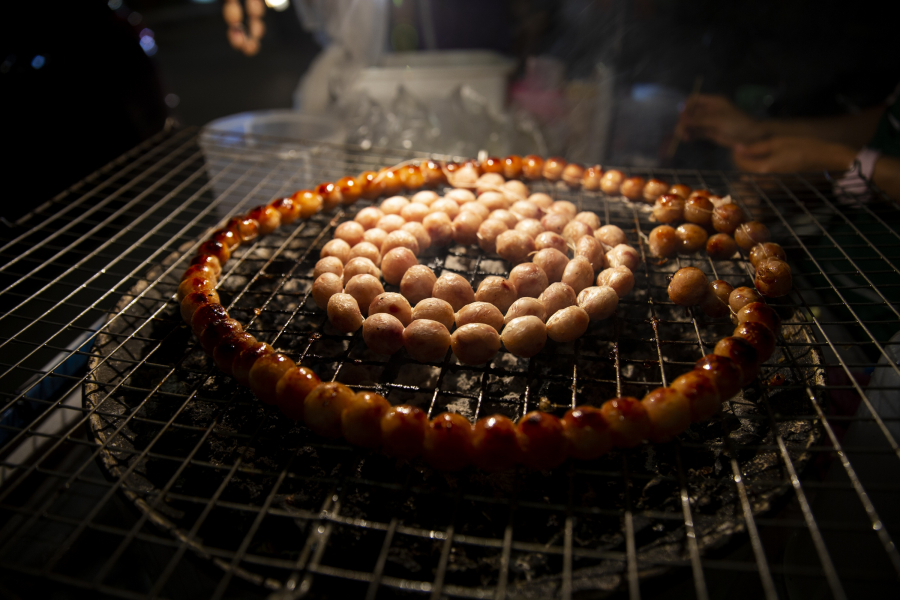
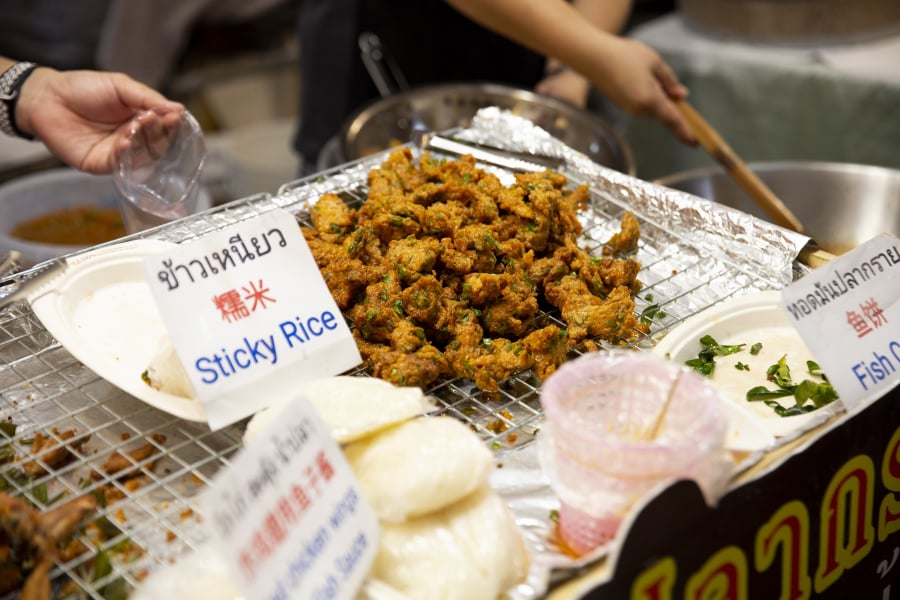
Fried fish with lime leaves
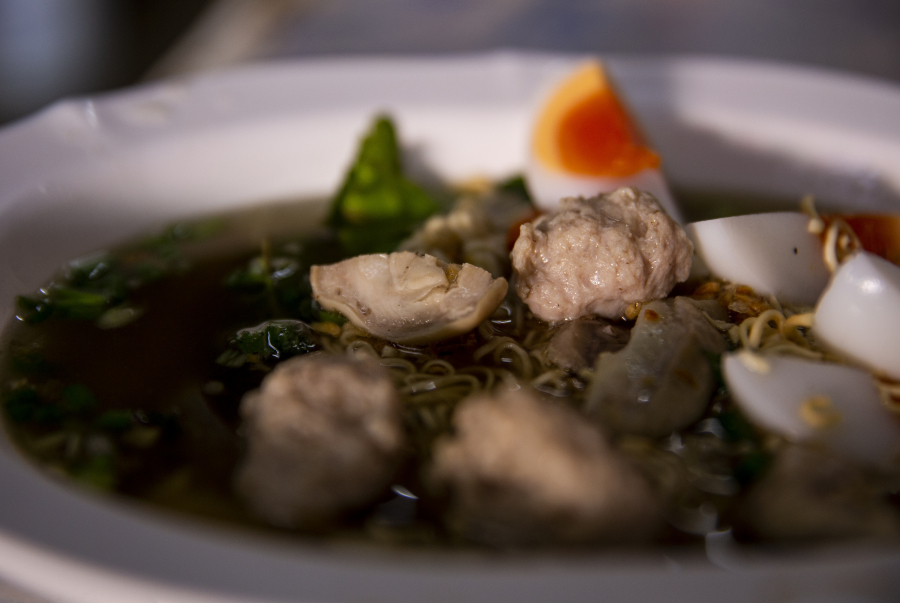
Ignore the fancy restaurants with their eye-catching signs; Vinh tried a few and found them generally unappetizing and expensive. However, try the less visually appealing but bustling eateries (especially those frequented by locals). The essence of street food lies in these places and on the food carts. On his last morning, Vinh ate a bowl of noodles with a fantastic broth, generously topped with a soft-boiled egg, beef meatballs, liver, and other meats. After finishing it, he felt completely content.
Hopefully, some information about Vinh's personal experience in Chiang Mai will give you a more comprehensive perspective when choosing Chiang Mai as your next travel destination. As for Vinh, he will definitely return to this place in the near future. The combination of Hoi An and Da Lat is simply irresistible.