VI
VI



Following my trips to Myanmar, Cambodia, and central and southern Thailand last year, this journey allowed me to fully experience Thailand. It also completed my exploration of the lower Mekong River before continuing my journey to discover the upper Mekong, including Qinghai, Tibet, and Yunnan…
Peaceful cities
My first stop was Chiang Khong, a small, quiet town on the border with Laos. Chiang Khong serves as a transit point for tourists traveling from Laos to northern Thailand. Its peaceful and tranquil atmosphere made me feel that the constant influx of international tourists couldn't disrupt the daily lives of the locals. Leaving Chiang Khong for Chiang Rai on a local bus further reinforced this feeling. They welcomed me and treated me like family, just like any other Thai person.
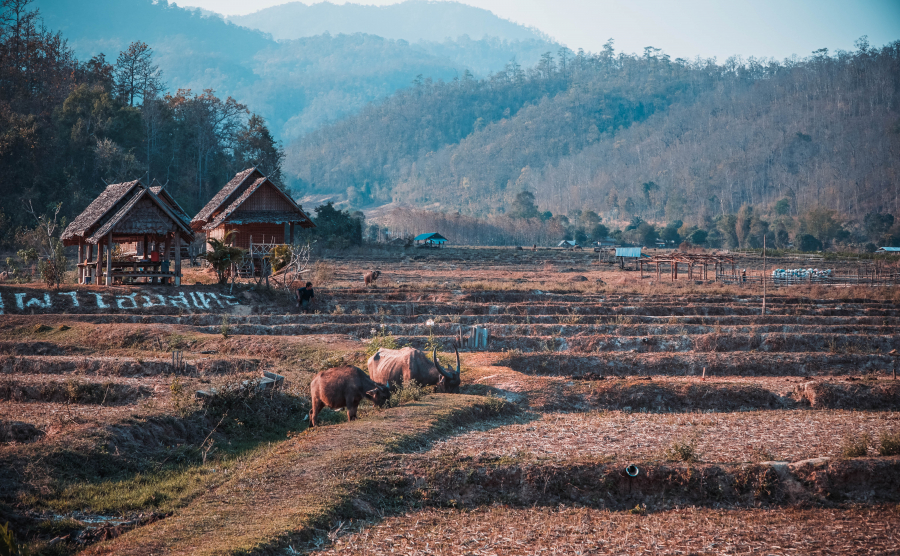
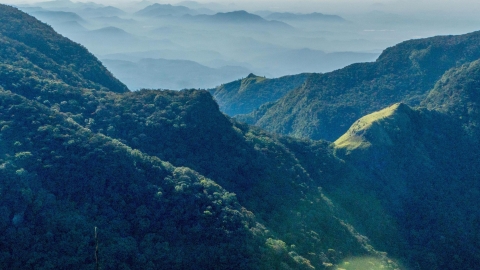
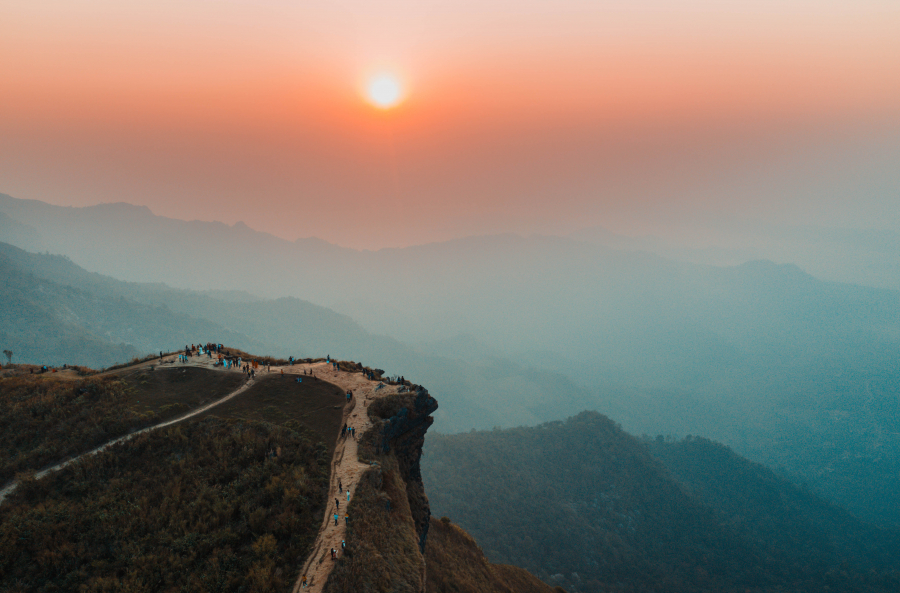
Chiang Rai is larger and more bustling, the second largest city in Northern Thailand – after Chiang Mai. Everything in Chiang Rai is harmonious and just right. For me, Chiang Rai is like a delicious and satisfying meal. It's just enough, leaving you wanting more without getting tired of it. If you're someone who enjoys exploring nature and loves road trips, you'll definitely love Chiang Rai. From here, there are many route options to the majestic, cloud-shrouded peaks of Northern Thailand. I chose the route to the summit of Phu Chi Fa, a mountain marking the border between Thailand and Laos. Interestingly, the natural formation makes Phu Chi Fa look like a ship's bow floating amidst a sea of clouds. Every day, hundreds of tourists brave the night, the howling winds, and the early morning mist to come here to witness the first rays of sunrise, a truly spectacular sight.
When mentioning Northern Thailand, Chiang Mai, the second largest city and the heart of the region, is undoubtedly a must-mention. Chiang Mai has long been renowned among tourists worldwide. For me, Chiang Mai is like a lavish meal that can satisfy a diverse range of tastes. From tourists interested in exploring culture and history, to those who love shopping and collecting handicrafts, to those who want to leisurely stroll through the streets, admire the charming alleyways and cafes, and even those who simply want a quiet moment to themselves during sunrise and sunset, Chiang Mai offers a complete experience.
There is a Pai for dreamers.
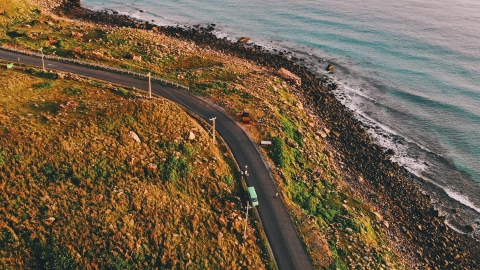
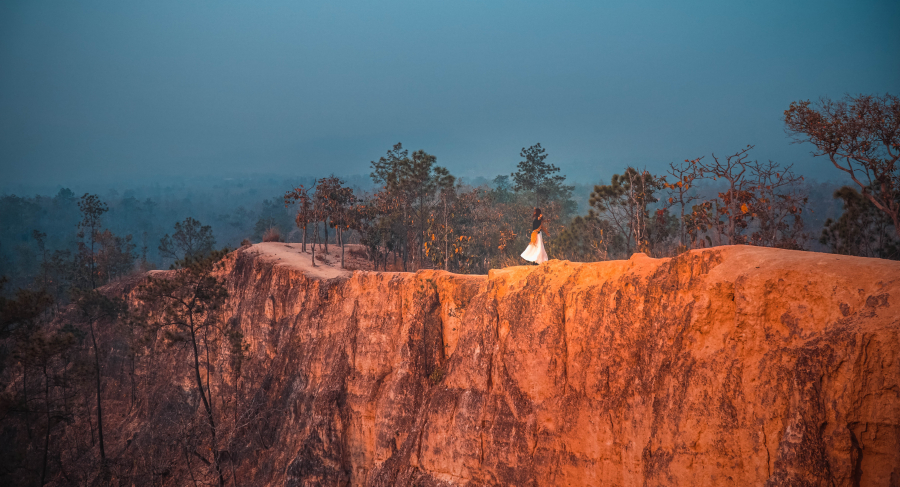
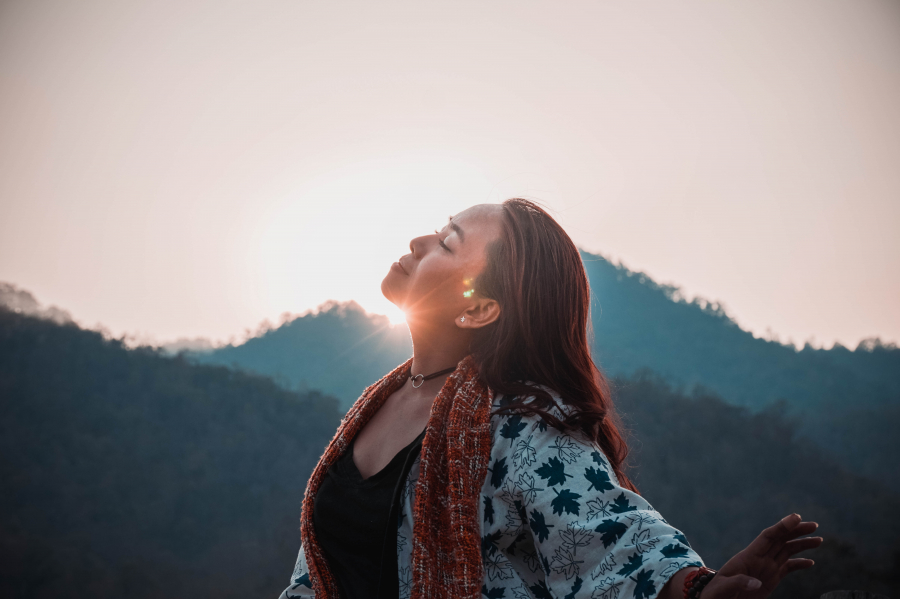
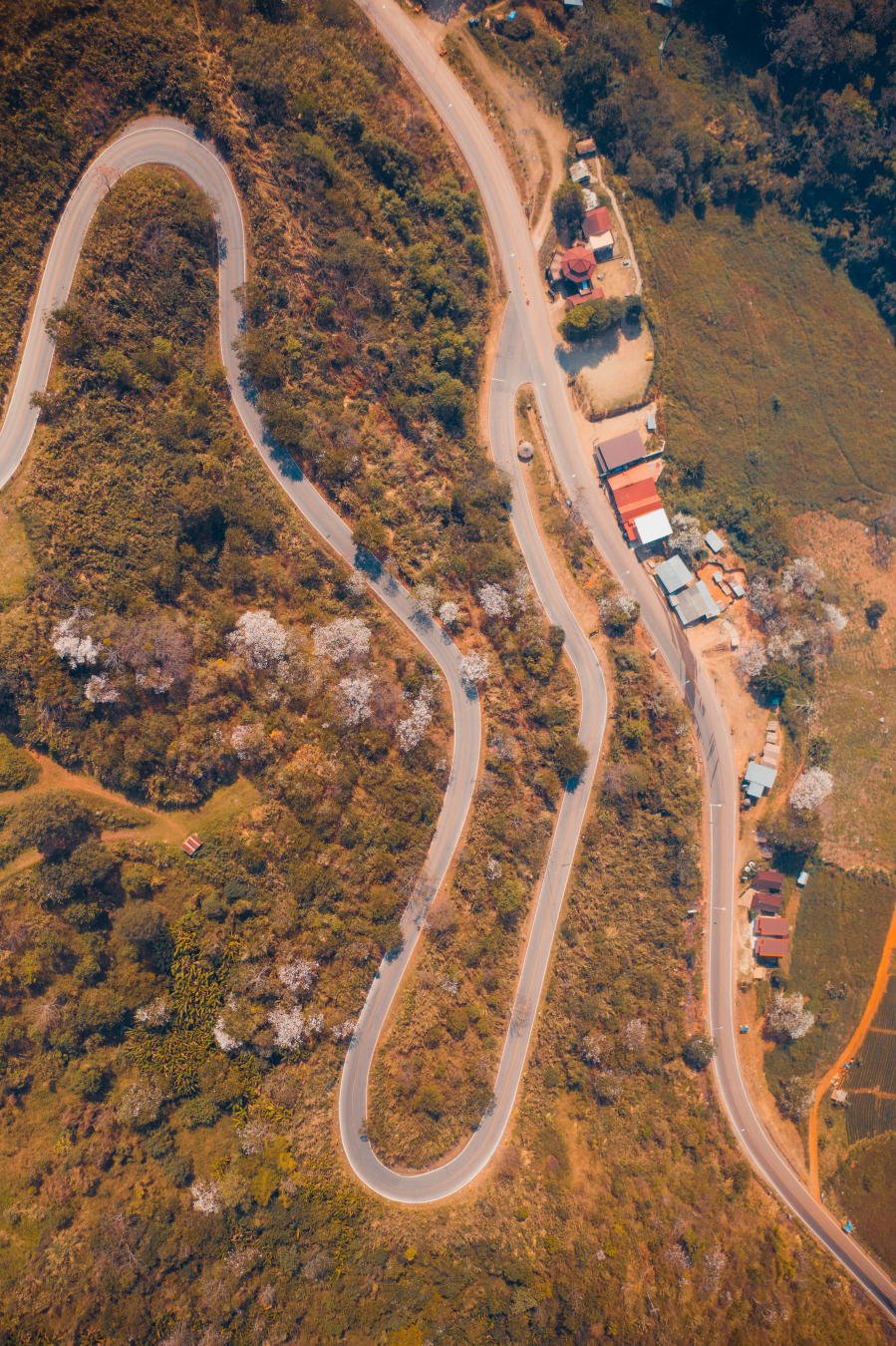
But for someone with my personality, this whole journey through Northern Thailand was most suited to Pai, a town in Mae Hong Son province, the westernmost part of Thailand, and indeed, Pai left me with overwhelming emotions. Pai is about 136 km from Chiang Mai, not too far, but to get there you have to navigate 762 hairpin bends. For those who get motion sickness and choose to travel by minibus, this journey can be like "coming back to life." However, after being "brought back to life," you'll find yourself in a place like paradise. And for those who enjoy motorbike touring, this route will probably be among your most beautiful. In Pai, you'll experience all four seasons in a single day. Early in the morning, Pai is terribly cold, so cold that you just want to snuggle under a 37-degree Celsius pillow. Then, when the first rays of sunlight appear, Pai becomes vibrant and full of life for all the day's activities. Pai offers a complete emotional experience for a dreamer gazing at the beauty of Mother Nature, yet it also gently draws the dreamer back to the peaceful and tranquil life of the mountain town's inhabitants. While Chiang Mai is already famous as a place of residence and work for the Nomadism community, Pai is perhaps more suitable for writers, poets, and artists seeking a private space for creative expression.

If you come to Northern Thailand in search of majestic natural landscapes, scenery so beautiful you'll exclaim "wow," you probably won't be satisfied. The entire Northern region of Thailand, with its rolling hills, sharp bends, and winding mountain passes, lacks any place that could be called a "natural masterpiece." So what is it about Northern Thailand that makes its tourism industry so thriving? What is it about this landscape that makes most visitors exclaim, "I will return!"? I asked myself this question and then sought my own explanation.
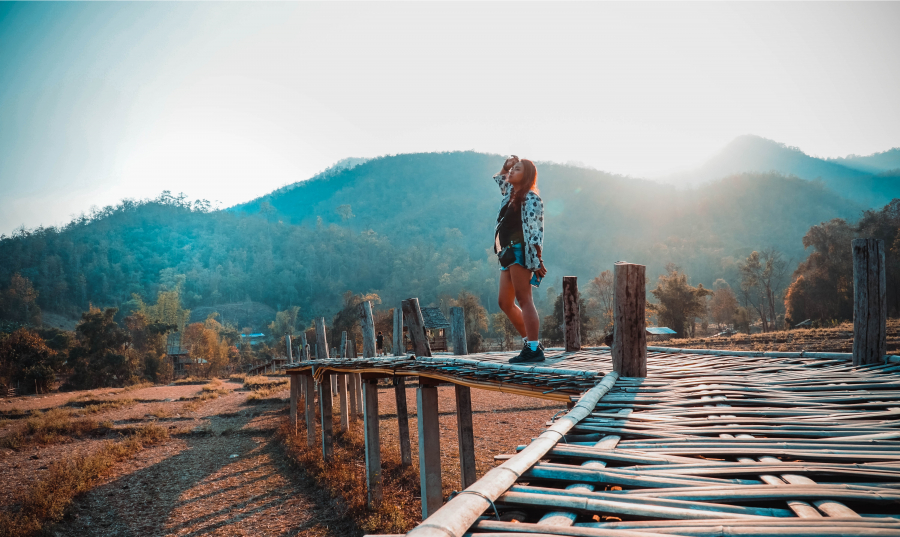
Geographically, Northern Thailand lies within the Golden Triangle, bordering Myanmar and Laos. It's a crossroads of culture, history, and people from all three countries, and lies on a route frequently chosen by backpackers and adventure travelers exploring Southeast Asia or learning about the Mekong River. Northern Thailand boasts a clean, cool climate typical of the highlands, a stark contrast to the hot, humid tropical climate of Central and Southern Thailand. This pleasant climate is a huge advantage, allowing visitors to fully experience a new land. I still remember how I lost my enthusiasm in Vang Vieng, Laos, due to the terrible smog from the buggies. I also can't forget my two days in Mandalay, Myanmar, where I could barely eat because of the extreme heat. That's how temperature, climate, and environment directly affect a person's emotions!
I call Northern Thailand "home"!
While Northern Thailand may not possess the breathtaking beauty of Northwest Vietnam, it offers visitors a sense of peace and tranquility. The Thai government has invested heavily in infrastructure and transportation development throughout the region. Unlike Bangkok or Phuket, which are often polluted and congested, Northern Thailand boasts vast, winding mountain passes that have been meticulously developed. I remember many times during our exploration of Northern Thailand, we were the only ones traveling along long stretches of road. It felt like the entire landscape, this natural wonder, belonged solely to us. Even a nighttime motorbike trip to the summit of Phuket was incredibly exhilarating. Completely free from any fear of the challenging terrain, it allowed us to fully immerse ourselves in nature without being distracted by anything else.
Culturally and historically, Chiang Mai, and Northern Thailand in general, is a region of cultural intersection and shares similarities with Laos and Myanmar due to historical upheavals from centuries past. While it doesn't possess the grand historical architecture or religious structures of neighboring Myanmar—in fact, most of the remaining sections of the city walls in Chiang Mai are ruins—the temples and other architectural structures here offer a welcoming and friendly atmosphere to visitors, without creating any sense of oppression.
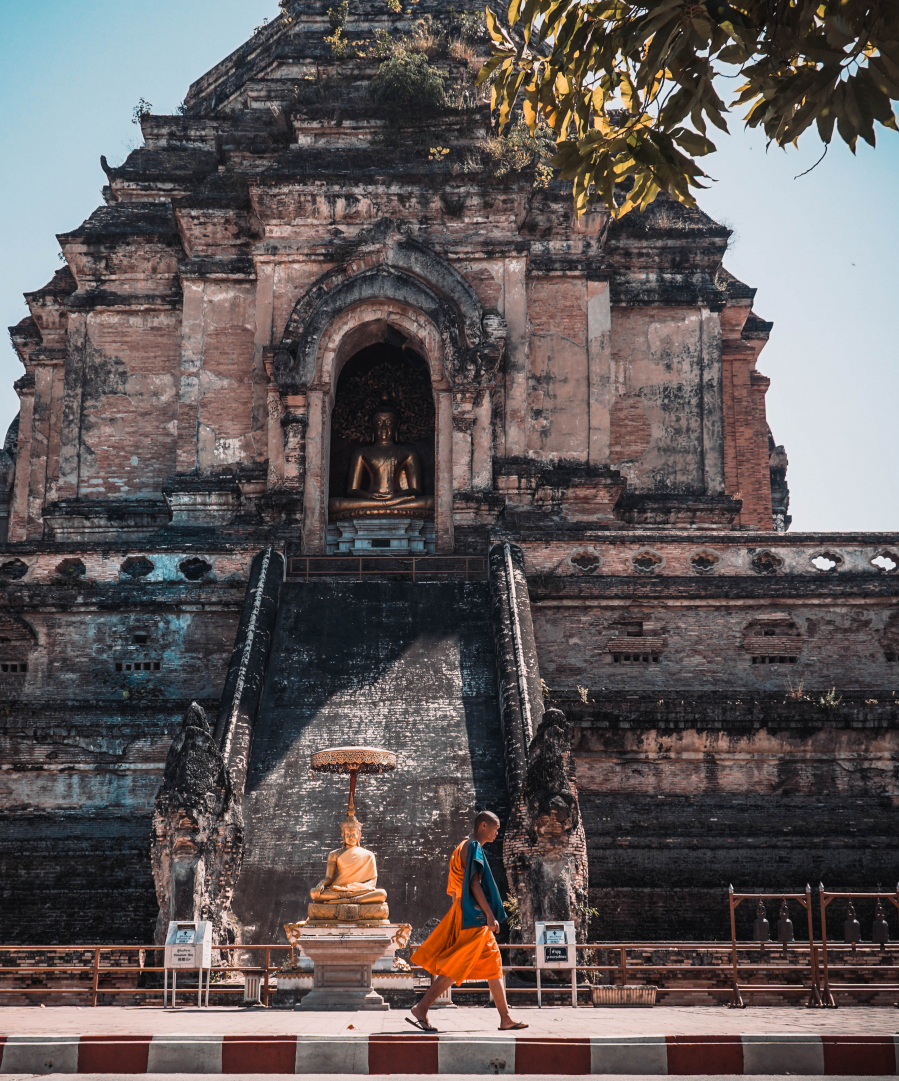
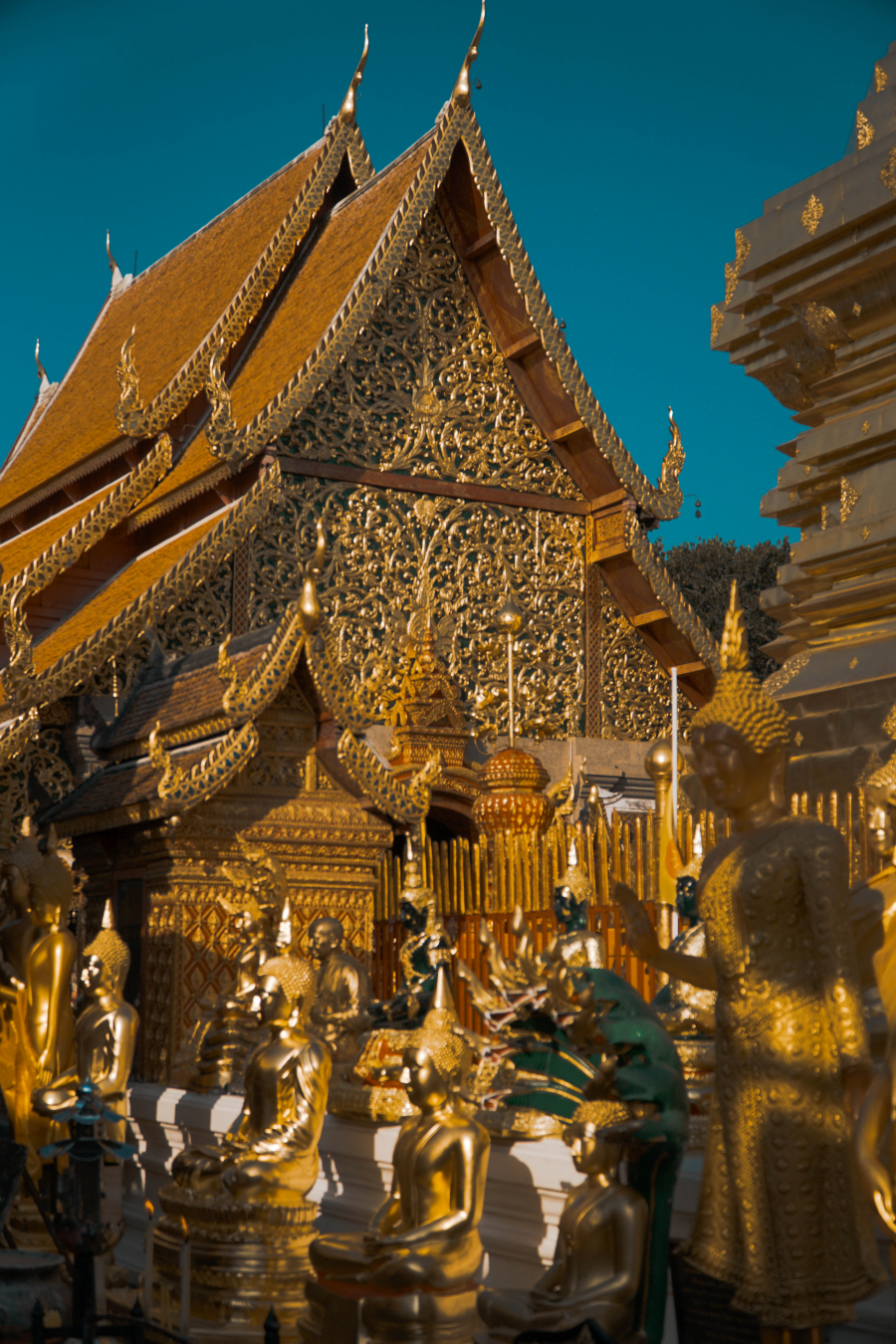
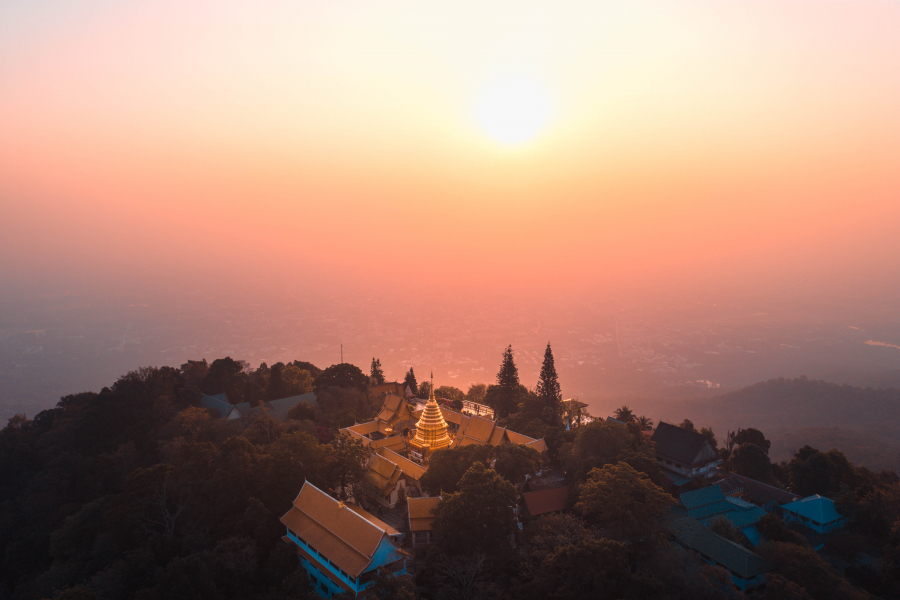
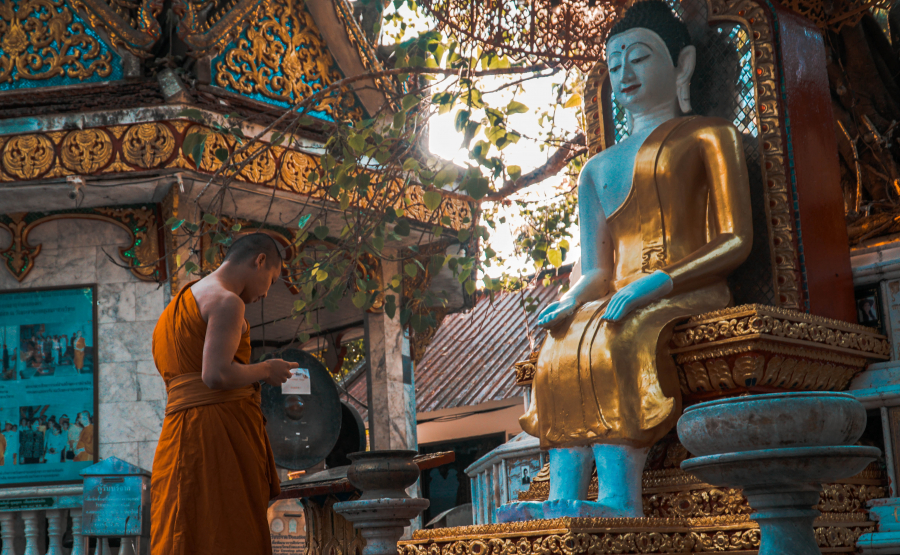
For example, Doi Suthep, one of Thailand's most sacred and famous temples, shares a rich history and architectural style with most temples in Myanmar. However, Doi Suthep is situated on a hill, blending seamlessly into nature, making it welcoming to pilgrims. Visiting Doi Suthep gives pilgrims a feeling of coming "home." On the day I visited, a group of Korean Buddhists were on pilgrimage. They lined up and walked around the temple, reciting prayers, creating a sense of peace and tranquility for all the visitors and pilgrims. Language barriers or religious differences did not disrupt this peaceful atmosphere.
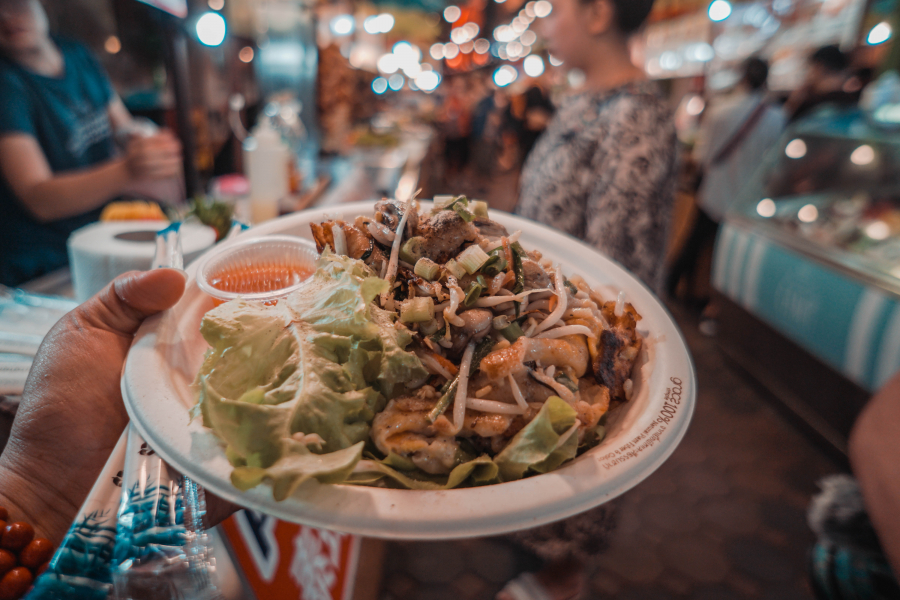
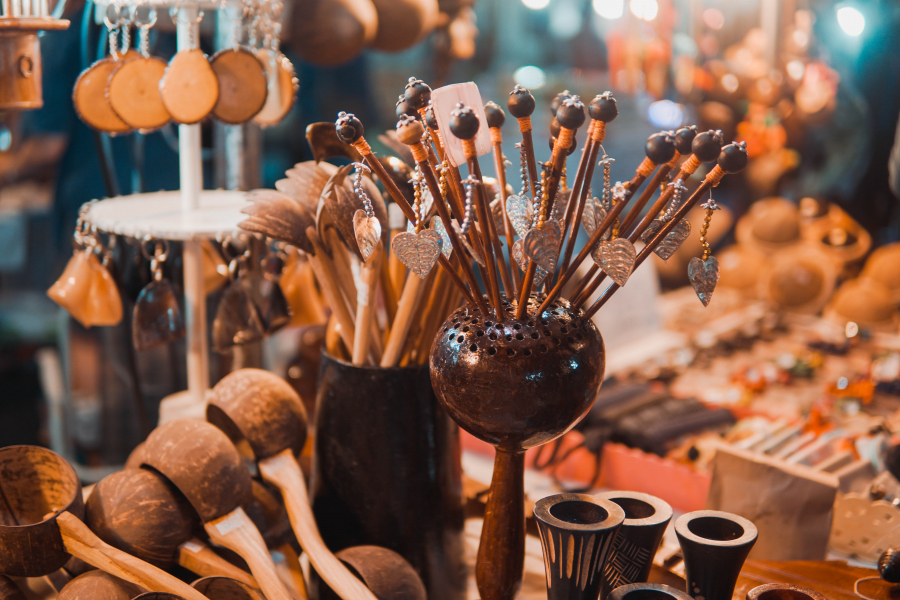
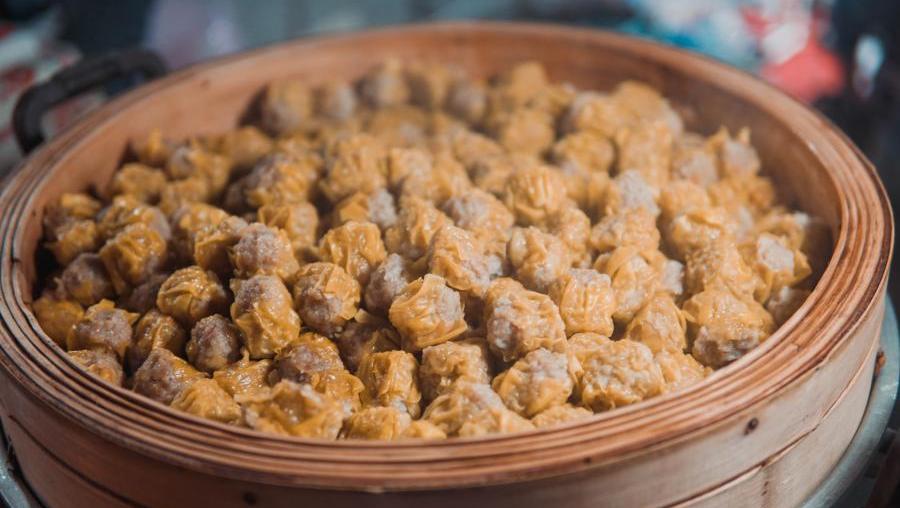
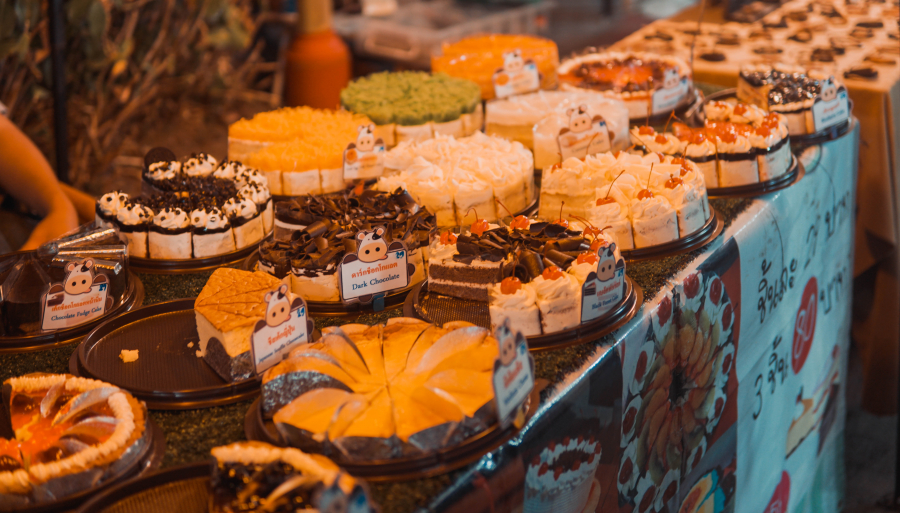
Northern Thai cuisine shares many similarities with that of Myanmar and Laos. For example, Khao Soi – a famous noodle dish that consistently tops lists of recommended local cuisine – can also be easily found in Laos and Myanmar. However, perhaps the reason Khao Soi is most famous in Thailand is because the Thais have skillfully adapted and improved it to a higher level, easily pleasing international diners. And the cuisine of this region isn't just Khao Soi; it also includes Khanum Chin Naam Ngiaw, Khao Soi Naam Naa, Laap Muu Khua… and other renowned Thai dishes like Pad Thai, coconut ice cream, mango sticky rice, durian sticky rice… All of these can entice tourists to stay longer without feeling homesick.
But perhaps the most compelling reason for my affection for this land is its people. Their friendliness, hospitality, and manners made me feel like I was at home. I didn't find any hustle and bustle, nor any stressed or anxious faces; only smiles, cuteness, and warmth. Their positive, peaceful energy—the people of Northern Thailand I met on this journey—helped me integrate into this land naturally and enjoy their tranquility. Moreover, they helped me gain a more objective, complete, and fulfilling perspective on Thailand.
Could the gentle and friendly nature of the people here be due to cultural similarities and influences from Laos and Myanmar? Buddhist countries are renowned for their peaceful and kind hearts. I don't know, and I don't think I need to clarify this question. I only need to know that my feelings are genuine, my affection for this land of Northern Thailand is real. I miss it dearly, and I will certainly return to visit "home."
ADDITIONAL INFORMATION
- Visa: Vietnamese tourists traveling to Thailand are exempt from visa requirements, as long as their passport is valid for more than 6 months.
- Itinerary: Travel by road from Laos to Northern Thailand, move between cities by green bus, and return to Ho Chi Minh City by air from Chiang Mai International Airport.
- Accommodation: There are a wide range of options for travelers, from budget guesthouses to luxurious hotels.
- Cuisine: You should visit Chiang Rai night market on weekends to enjoy a variety of local dishes. When in Chiang Mai, you absolutely must try the famous Khao Soi. And Khao Soi Maesai is a restaurant that many food connoisseurs seek out to enjoy Northern Thai cuisine whenever they visit Chiang Mai.
- Transportation: Green buses and local buses are popular ways to travel between cities. To explore landmarks within cities and towns, you can use a motorbike.
- Currency: Thailand uses the baht, 1 baht is approximately equal to 730 Vietnamese dong.
- Clothing: Chiang Mai and Chiang Rai have cool, pleasant weather, allowing for comfortable outfit choices. However, the mountainous Pai region is quite cold in the early mornings and evenings. You need to prepare appropriate warm clothing. When visiting temples, dress respectfully and modestly, wearing shirts with sleeves and trousers or skirts that cover your knees.
- Trip cost: The total cost for the 7-day trip is 7 million VND, including airfare but excluding souvenirs and shopping.
- Best time to visit: You should visit Northern Thailand in the spring to enjoy the pleasant and fresh air. Additionally, the Songkran Water Festival and the Loy Krathong Lantern Festival are also well worth visiting.
- Other notes:
You should try the local bus because it's very cheap and makes it easy to integrate into the daily life of the locals.
The roads in Northern Thailand are excellent. If you are in good health and have an international driving license, consider renting a motorbike to explore some of the hilly and mountainous routes.
The journey from Chiang Mai to Pai involves many winding roads. It's advisable to prepare motion sickness medication beforehand and avoid eating or drinking during the trip.