VI
VI


With the third largest land area in the world, the United States stretches for 1,500 miles and boasts a diverse range of cultural and geographical features. However, this vastness often makes it difficult for visitors to find a city with the most outstanding and distinctive architectural landmarks. With the suggestions below, visitors can save time searching while still fully experiencing the unique architectural features of this magnificent country.
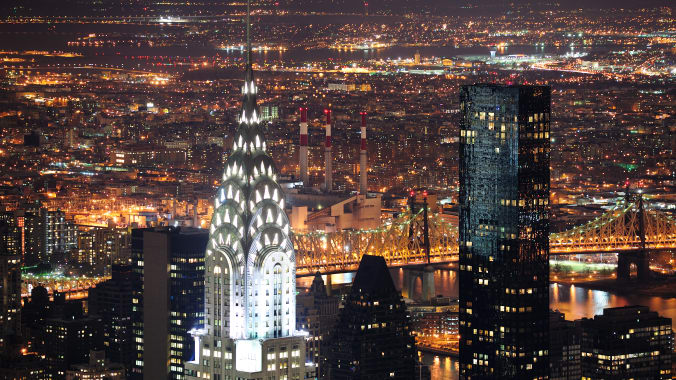
The Chrysler Building in New York, with its Art Deco style.
Admire the skyscrapers of Manhattan.
If you want to admire the world's most "extraordinary" buildings, New York is the destination you're looking for. In Midtown alone, you'll find some of the most outstanding architectural landmarks, including the Empire State Building, the Chrysler Building, the New York Public Library, St. Patrick's Cathedral, Grand Centre Station, the Waldorf Astoria Hotel, and Carnegie Hall.
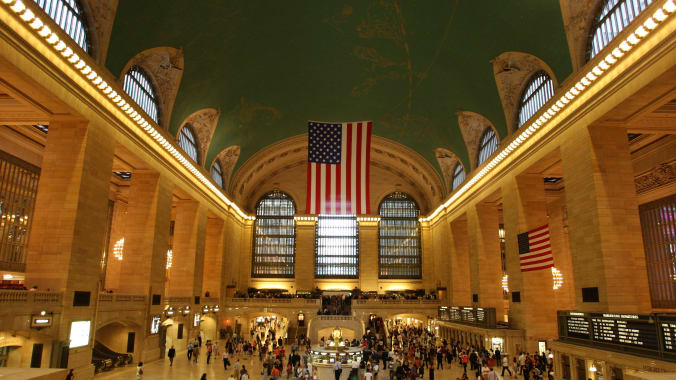
Grand Central Station in New York City
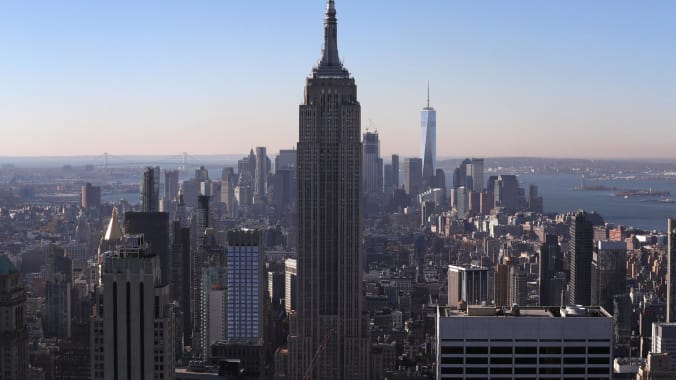
The Empire State Building, a skyscraper, was completed in 1931.
The Empire State Building was completed in 1931. It is a masterpiece in the Art Deco style designed by Shreve, Lamb, and Harmon.
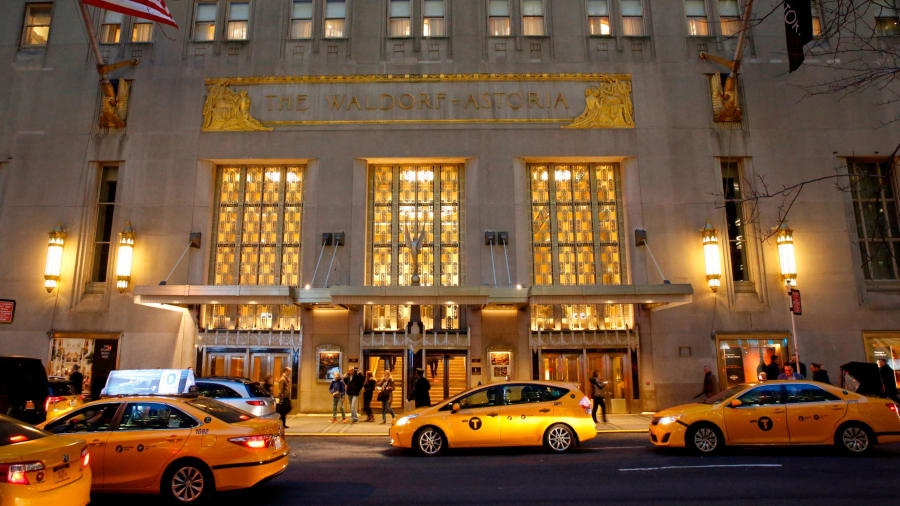
The Waldorf Astoria hotel is currently closed for renovations and restoration.
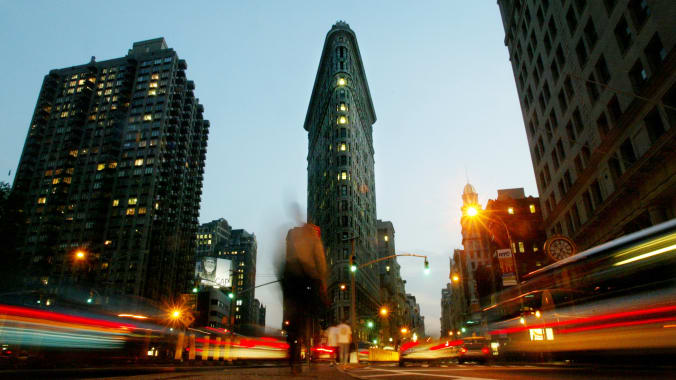
On the eastern slope of New York, you can explore the Metropolitan Museum of Art, while the western slope leads to the Rose Center for Earth and Space – part of the American Museum of Natural History. Turning south, you'll find the famous Flatiron Building and the historic Brooklyn Bridge.
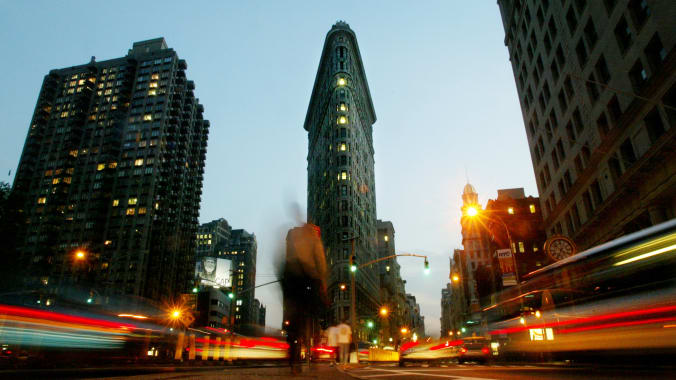
The Flatiron Building, with its three facades, is one of the oldest surviving skyscrapers.
Amazed by the architectural diversity in Washington
Although bustling New York City boasts more architectural achievements, Washington D.C. is home to a greater number of iconic and famous buildings and monuments.
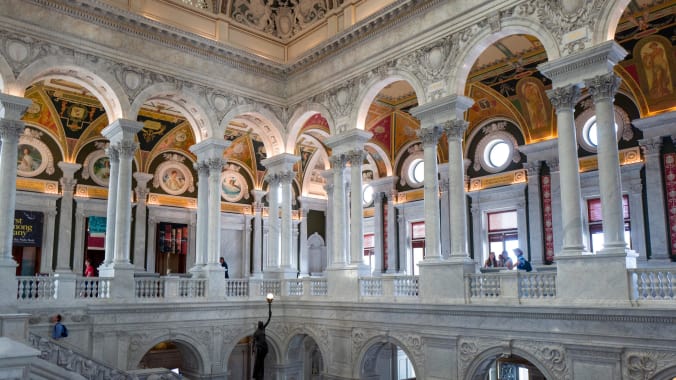
With 167 million different items, the Library of Congress is currently the world's largest library.
For example, four monuments, including the Lincoln Memorial, the Vietnam War Memorial, the Jefferson Memorial, and the Washington Monument, are all located west of the National Mall and can be reached on foot.


The Vietnam War Memorial (also known as The Wall) was designed by American architect Maya Lin.
From the Washington Monument, visitors can admire the White House. The building spans an area of over 5,100 square meters.2and is a design by the renowned Irish architect, James Hoban.
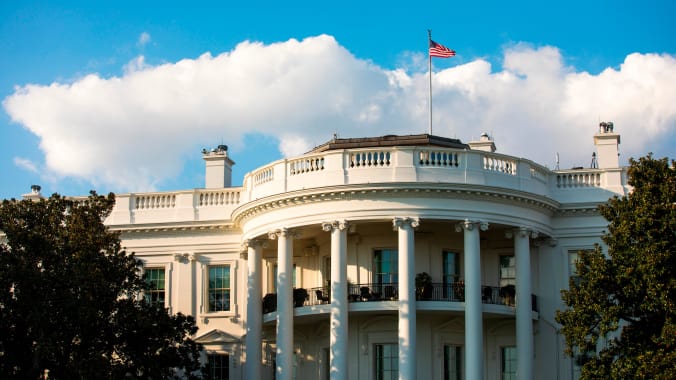
The White House was first put into use in 1800.
To the east of the Mall are the Capitol building, the Supreme Court, and the Library of Congress.
Like the White House, the neoclassical Capitol building was first used in 1800. The building spans over 16,000 square meters.2It is open to visitors free of charge, but you need to request a guide in advance.
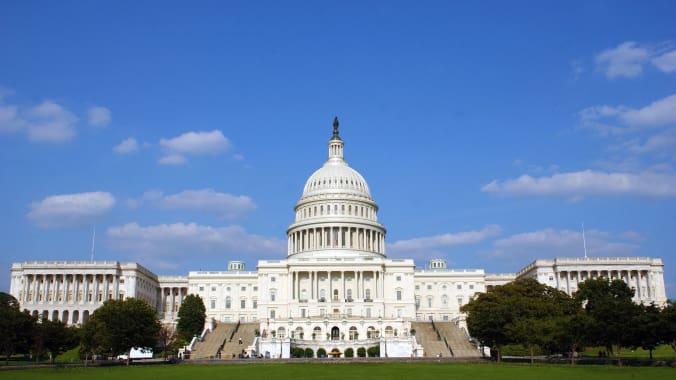
US Capitol, Washington
While in this town, if possible, don't forget to drive 20 minutes north to see the Washington National Cathedral – the second largest cathedral in the country.
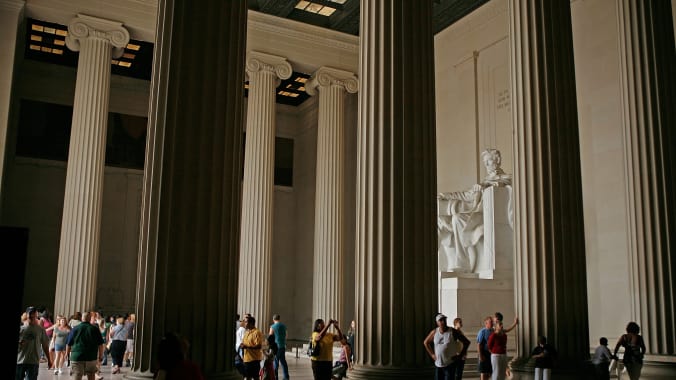
The Lincoln Memorial was designed in the style of the Parthenon temple in Greece.
Enjoying the view of Chicago from a cruise ship.
The best way to fully enjoy this city famous for its stunning architecture is to "float" down the Chicago River on a 90-minute boat tour offered by the Chicago Architecture Foundation.
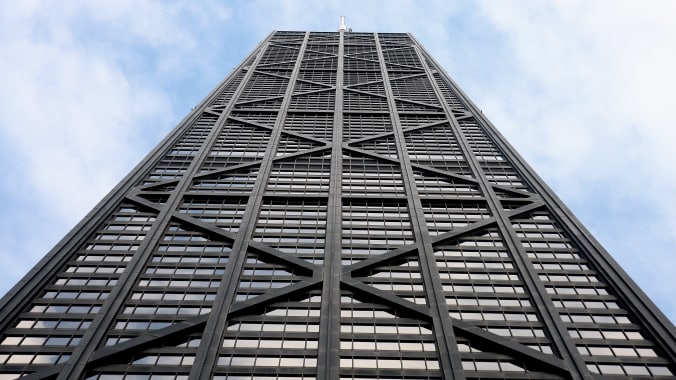
John Hancock Center, Chicago: The observation deck atop this iconic skyscraper is one of Chicago's most popular attractions.
On this tour, in addition to admiring the city's scenery, visitors will also receive comprehensive information about more than 50 buildings in the area. The ticket price for each trip is 50 USD.
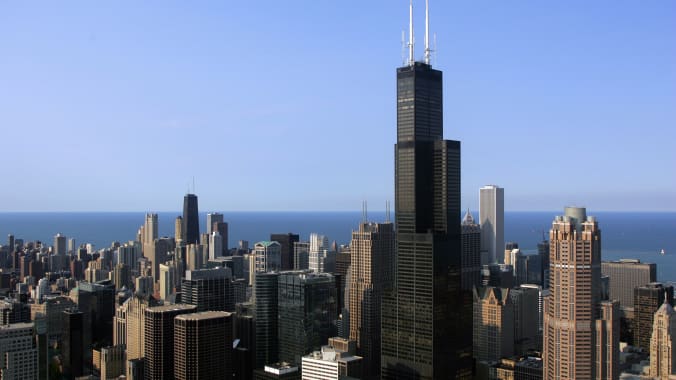
The Willis Tower was completed in 1974 and designed by Skidmore, Owings & Merrill.
Chicago boasts many iconic buildings, including the Willis Tower (also known as the Sears Tower), the Tribune Tower, the Montgomery Ward complex, the Old Post Office, the Lake Point Tower, the Sofitel Water Tower, and the John Hancock Center.
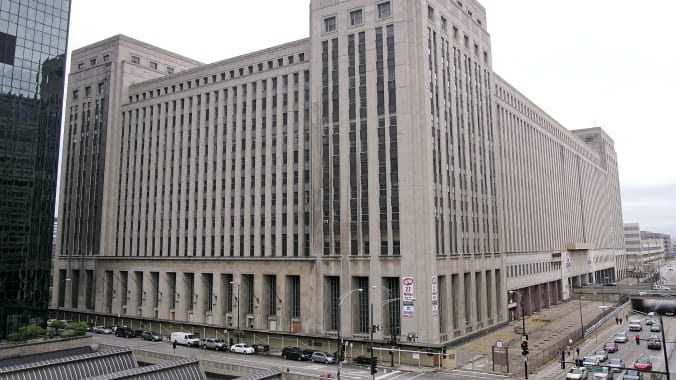
The old post office is located along the Chicago River.
After your boat tour, don't forget to visit the Art Institute of Chicago to admire one of the largest art exhibitions in the United States, as well as the famous sculpture "Cloud Gate" (also known as "The Bean") near Millennium Park.
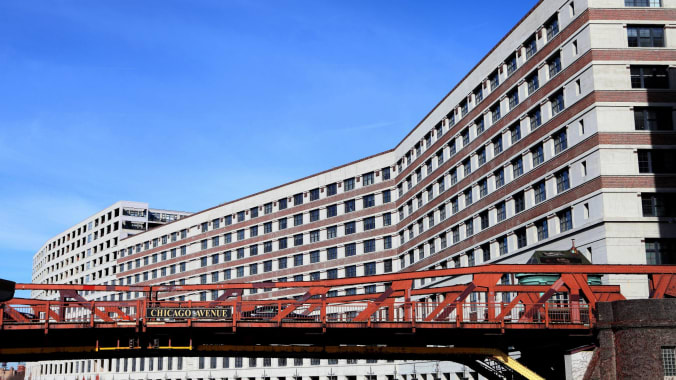
The Montgomery complex used to be the headquarters of the Montgomery Ward mail company.
Leaving my heart behind in San Francisco.
Partly thanks to the Gold Rush, which has fueled the spirit to this day, San Francisco has become home to some of the greatest architectural achievements in America.
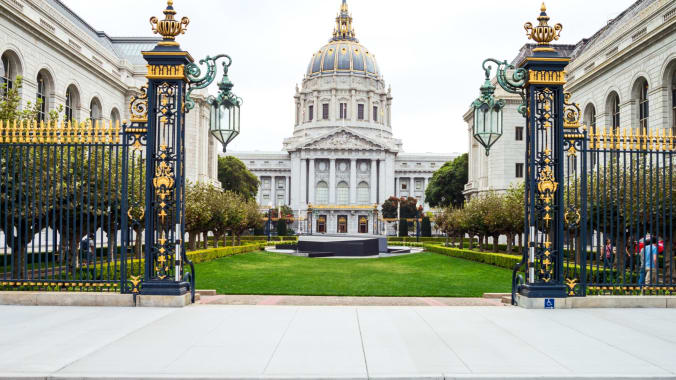
San Francisco City Hall
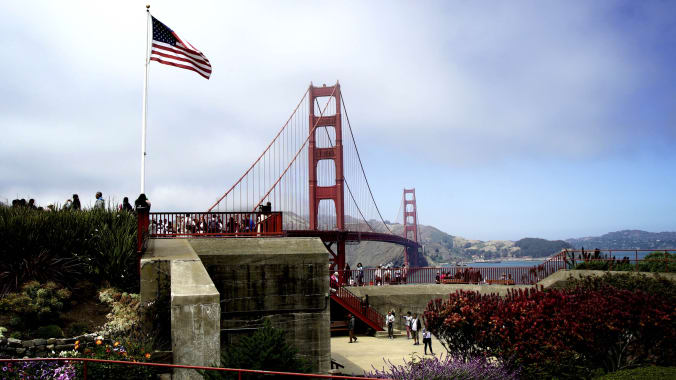
The Golden Gate Bridge in San Francisco, completed in 1937, is one of the most famous bridges in the world.
Perhaps no arms are wider than those of the Golden Gate Bridge – the magnificent suspension bridge that has been an American symbol from 1937 to the present day. For the best views of the bridge, visitors should visit Baker Beach or Crissy Field to the south.
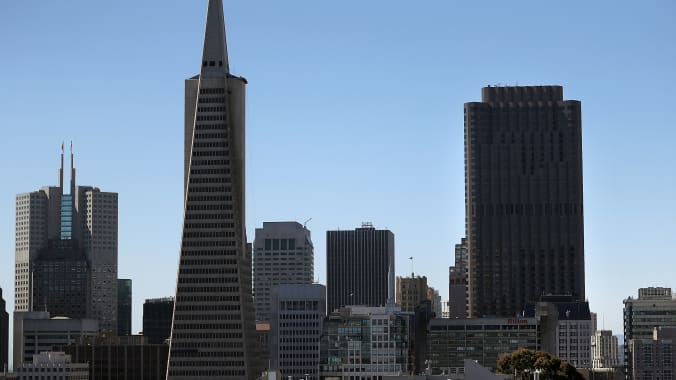
The Transamerica Pyramid was designed by William Pereira & Associates and first opened in 1972.
The most convenient way to get to the city center is by cable car. The historic Fairmont Hotel (1907), the glorious City Hall (1915), and the Transamerica Pyramid (1972) are definitely must-see destinations in this beautiful city of San Francisco.
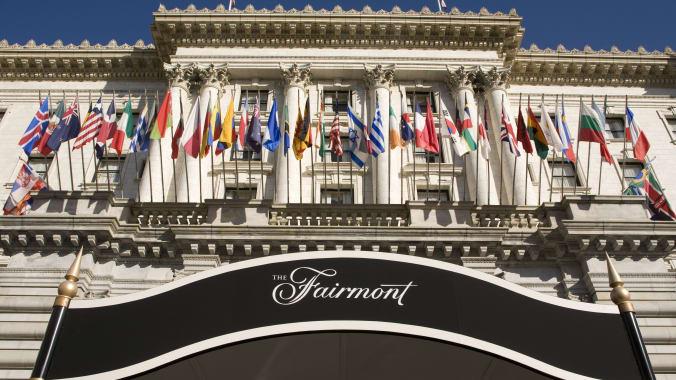
San Francisco's famous Fairmont Hotel