As the world's largest country by land area, spanning 11 time zones from East to West, Russia is renowned as one of the most impressive autumn destinations. Russia also has a strong historical connection with Vietnam, so most Vietnamese people prefer to visit Russia because of the unique emotional ties it evokes in their memories...
Moscow, from the heart of Russia
We started from Red Square, the center and heart of great Russia, a place I had seen countless times since childhood, either on old postcards or on the covers of Soviet magazines sold at newsstands in the local market near my home. Childhood memories are hard to fade. And when I finally set foot on the cobblestones of Red Square, my heart was stirred by emotions that are difficult to put into words.
Red Square - the center and heart of great Russia
But why is Moscow's central square called Red Square? It's not just because the buildings surrounding the square are painted red, but because historically, the square's name in Russian is "krasnaya," meaning "red." This word originates from Old Slavic and also means "beautiful."
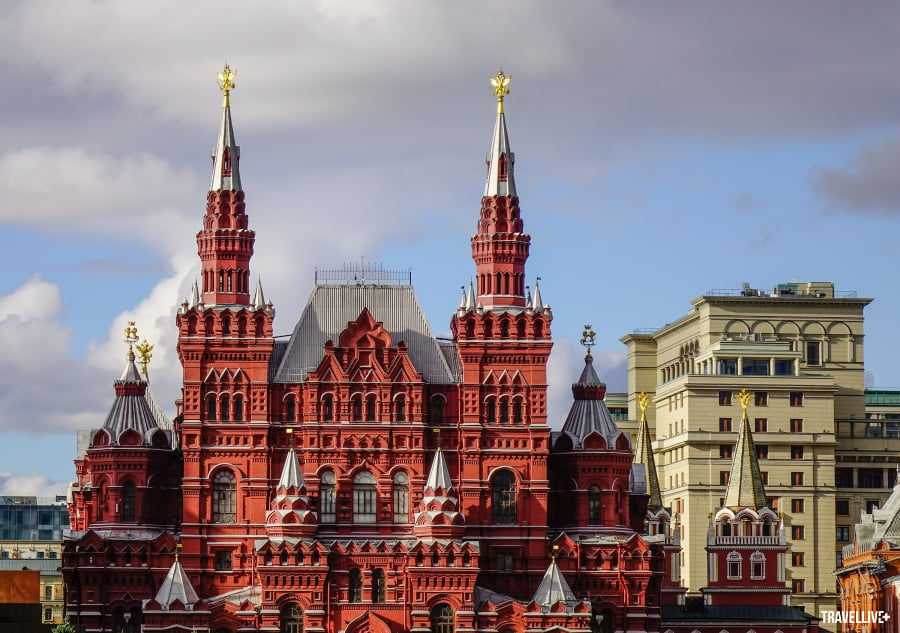
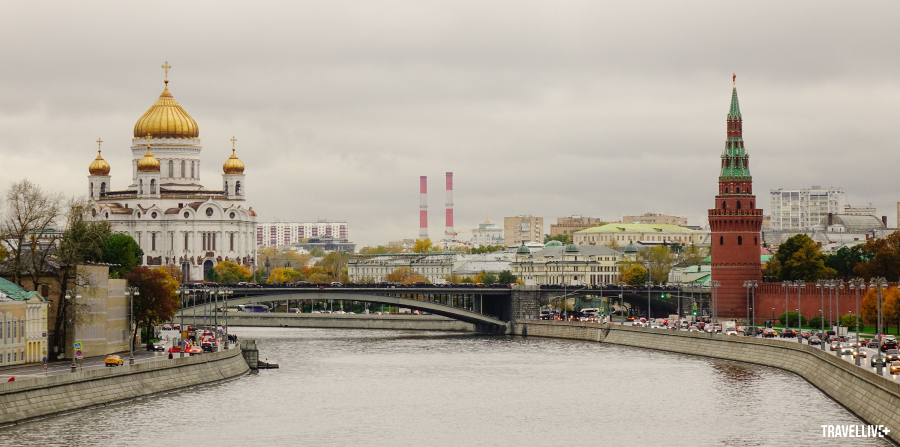
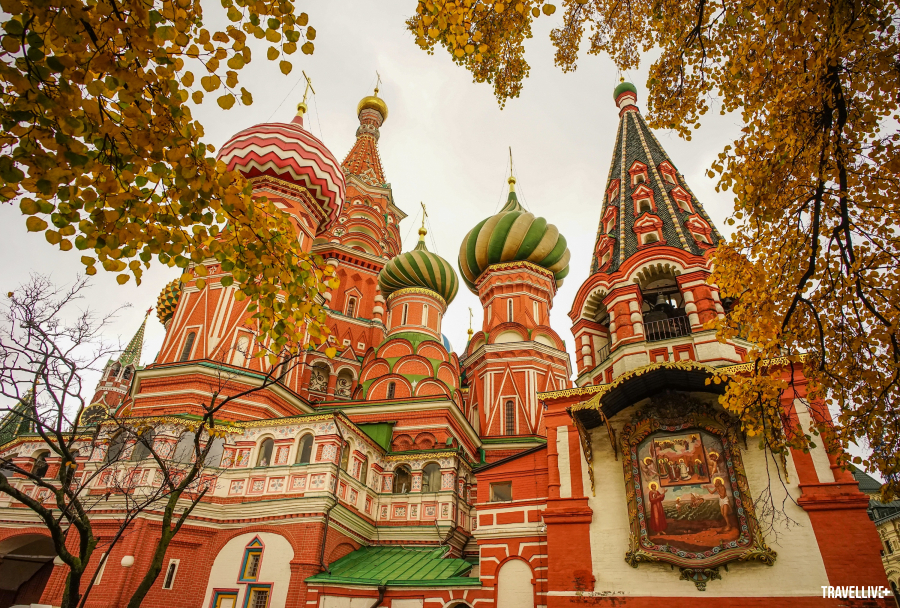
Indeed, Red Square is the heart of Moscow, a complex of magnificent architecture befitting the rich history of the city and Russia as a whole. The most splendid is the Kremlin, home to the Russian President and the center of national power. Built starting in the 14th century, the Kremlin is a complex of fortresses, palaces, towers of varying sizes, and Orthodox churches from different periods, the most notable being St. Basil's Cathedral, a fairytale-like structure.
The Kremlin and the Moskva River
The day we visited Red Square was a beautiful sunny day, with a gentle autumn breeze blowing. The leaves of the trees surrounding this fairytale cathedral had turned a brilliant golden color and were beginning to fall sporadically onto the smooth, brown stones beneath the feet of pedestrians. Autumn, around the beginning of October, when the heavy rains have finally stopped, the weather turns cold, and the trees seem to be shedding their old leaves, as if casting off all worries to begin a new cycle of time. Russia is famous for its romantic and heroic love songs, for its breathtakingly beautiful depictions of the golden autumn. Against the backdrop of the magnificent fortifications, the music of nature rises and blends into the space, as if gilded by the afternoon sun slanting through the leaves, casting shimmering specks of light on the reddish-brown brick walls—the color of wine, the color of time, and a beautiful, unforgettable color of memory...
Saint Petersburg, a metropolis of heritage
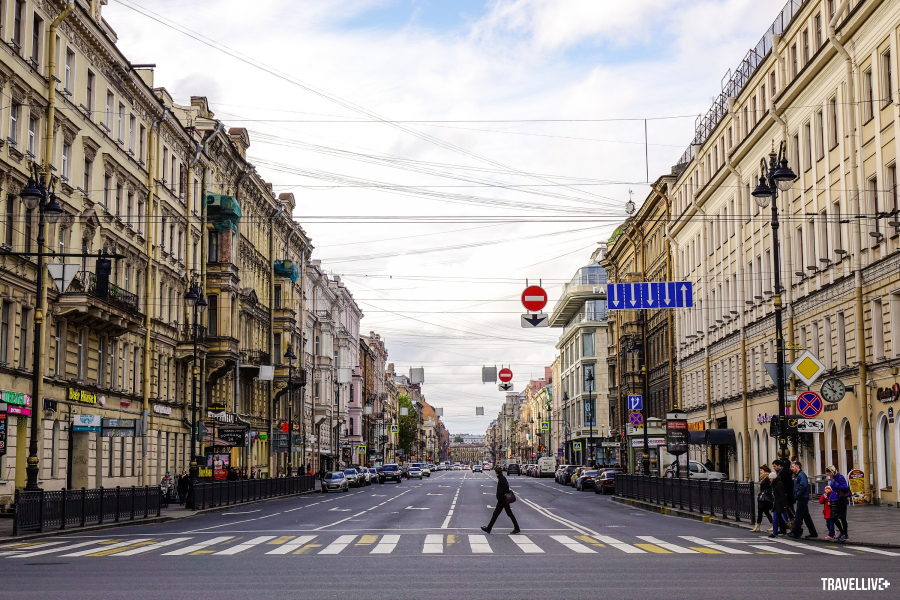
In terms of size, Saint Petersburg ranks second, both in administrative position and economic development, always behind the capital Moscow. However, Saint Petersburg is a metropolis containing an incredibly large number of architectural works listed as heritage sites. In every ranking of tourist cities I've read, Saint Petersburg consistently ranks in the top 10, regardless of the criteria; it's an attractive city for tourists, even more so than Moscow.
Saint Petersburg, a city that for over half a century was known as Leningrad (from 1924 to 1991), is a prime example and testament to a great, proud, and tragic Russia throughout most of its history. Located on the banks of the Neva River, which flows into the Gulf of Finland, the metropolis began its formal planning and construction in the early 18th century during the reign of Peter the Great – one of the most prosperous periods of the Tsarist and Romanov dynasties. Through its ups and downs, Saint Petersburg witnessed several extremely violent turning points in Russian history, such as the revolution that overthrew the last Tsar in 1917 or the historic siege by Nazi Germany during World War II in 1941.
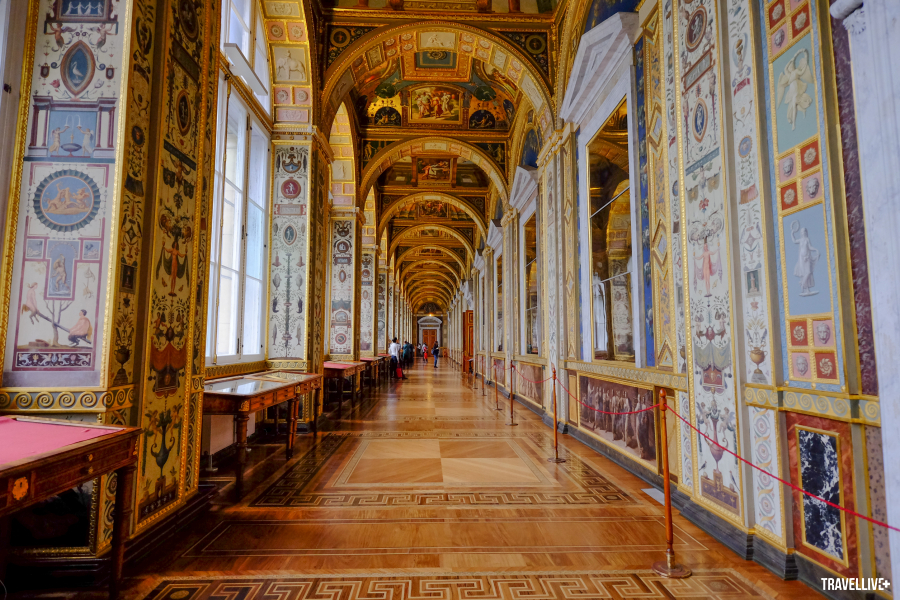
Now, like every other city in Europe, Saint Petersburg has left behind the upheavals of the times; chaos has given way to a reigning peace. What remains are countless historical buildings, tangible heritage sites, magnificent architecture, and Orthodox churches with their distinctive onion-shaped architecture, like something out of a fairy tale. We stood in the city's central square, Palace Square, home to the Winter Palace and the Hermitage National Museum – a jewel in the city known as the "Northern Capital." The Hermitage is one of the world's largest museums, housing up to 3 million artifacts, of which about 60,000 are on permanent display in approximately 1,000 rooms.
The Hermitage National Museum - a jewel in the heart of the city.
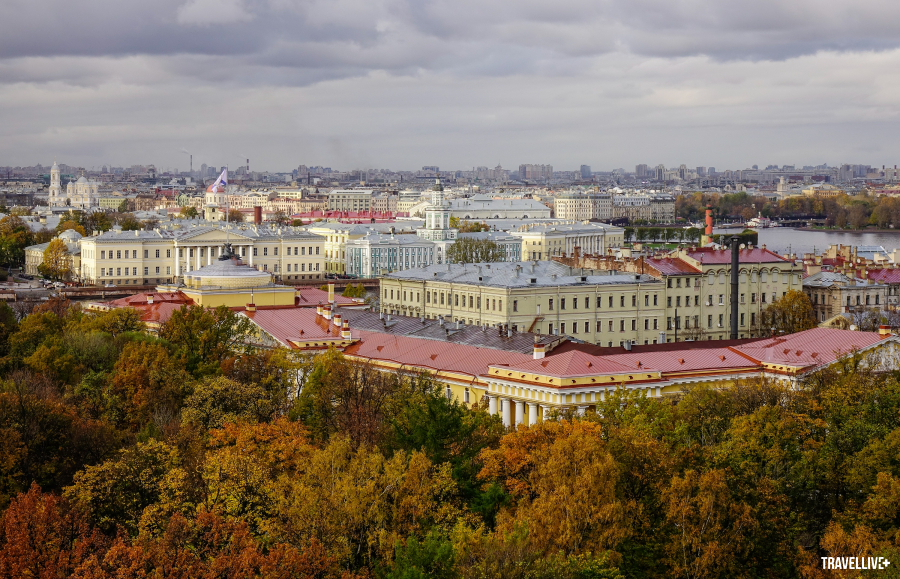
From Palace Square, looking beyond the Hermitage Museum, lies the famous Neva River, its banks lined with countless beautiful buildings. In the center of the square, a short walk southwest will lead you to the headquarters of the Russian Navy, a massive, ancient building with a distinctive spire. Beside it stands the famous bronze statue of the Horseman. Further along, slightly higher, you'll find St. Isaac's Cathedral, the patron saint of Peter the Great, the founder of the great metropolis of Saint Petersburg. St. Isaac's Cathedral is one of the most magnificent religious architectural works not only in Russia but also in the world, built over 40 years and reaching a height of 101 meters at the top of its dome. On sunny days, visitors can climb the observation deck at the top of the dome and admire the entire ancient and beautiful city of Saint Petersburg on the banks of the Neva River.
The city of Saint Petersburg as seen from the roof of St. Isaac's Cathedral.
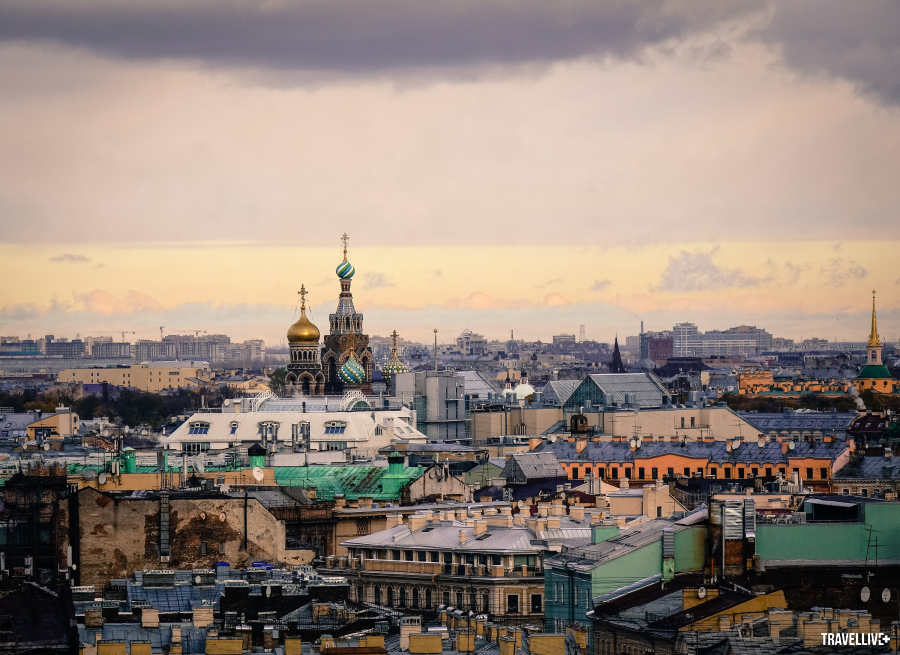
Saint Petersburg is a massive city, meticulously planned from the moment the Russians began its construction. To this day, it remains one of the best-preserved architectural heritage cities in Europe. The grandeur of Saint Petersburg is easily seen from a high vantage point. All the old buildings within a 10-kilometer radius of the city center have been preserved intact; no structure has been built taller than the dome of St. Isaac's Cathedral. It truly is a meticulously preserved metropolis...
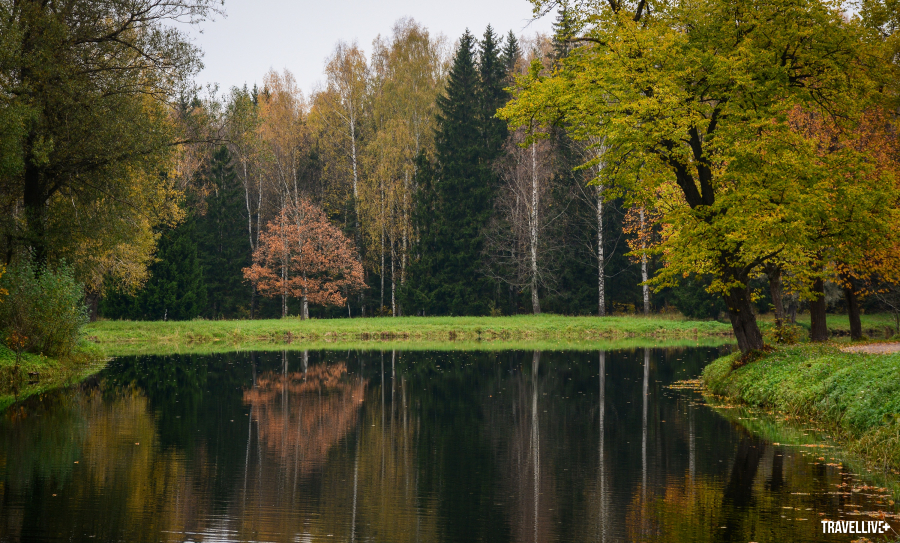
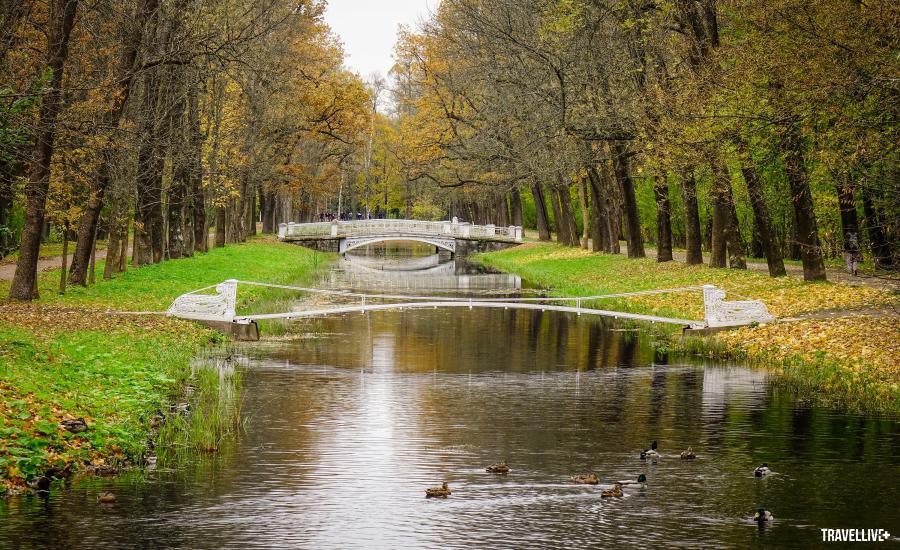
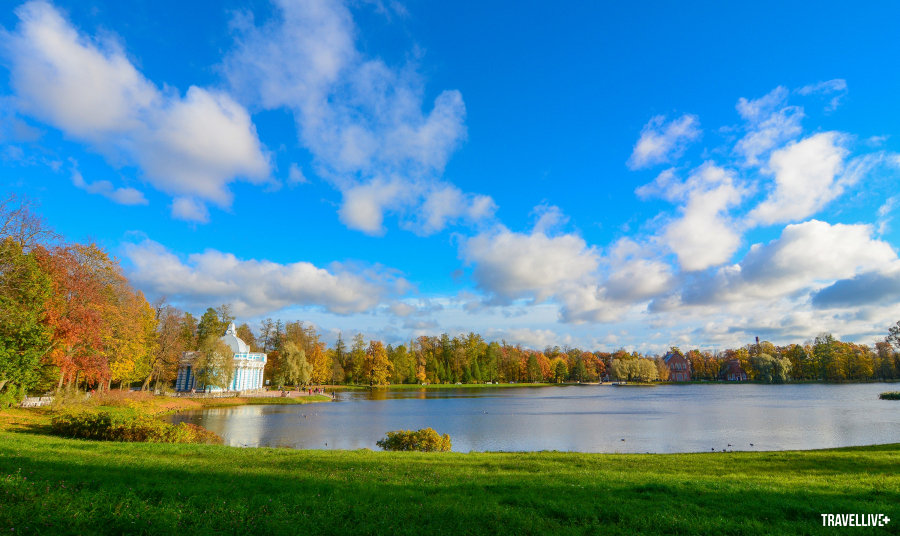
Saint Petersburg and Moscow are also famous for their "forests" right in the middle of the city. These are the numerous parks and gardens scattered throughout, giving this bustling European metropolis an incredibly fresh and poetic atmosphere, like something out of a movie, a song, or the exquisite autumn paintings of the renowned artist Levitan.
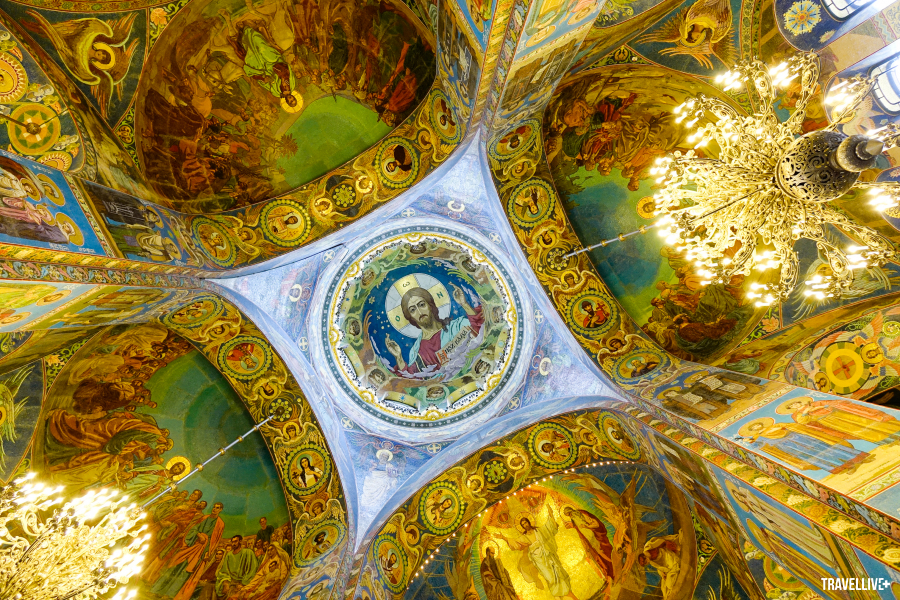
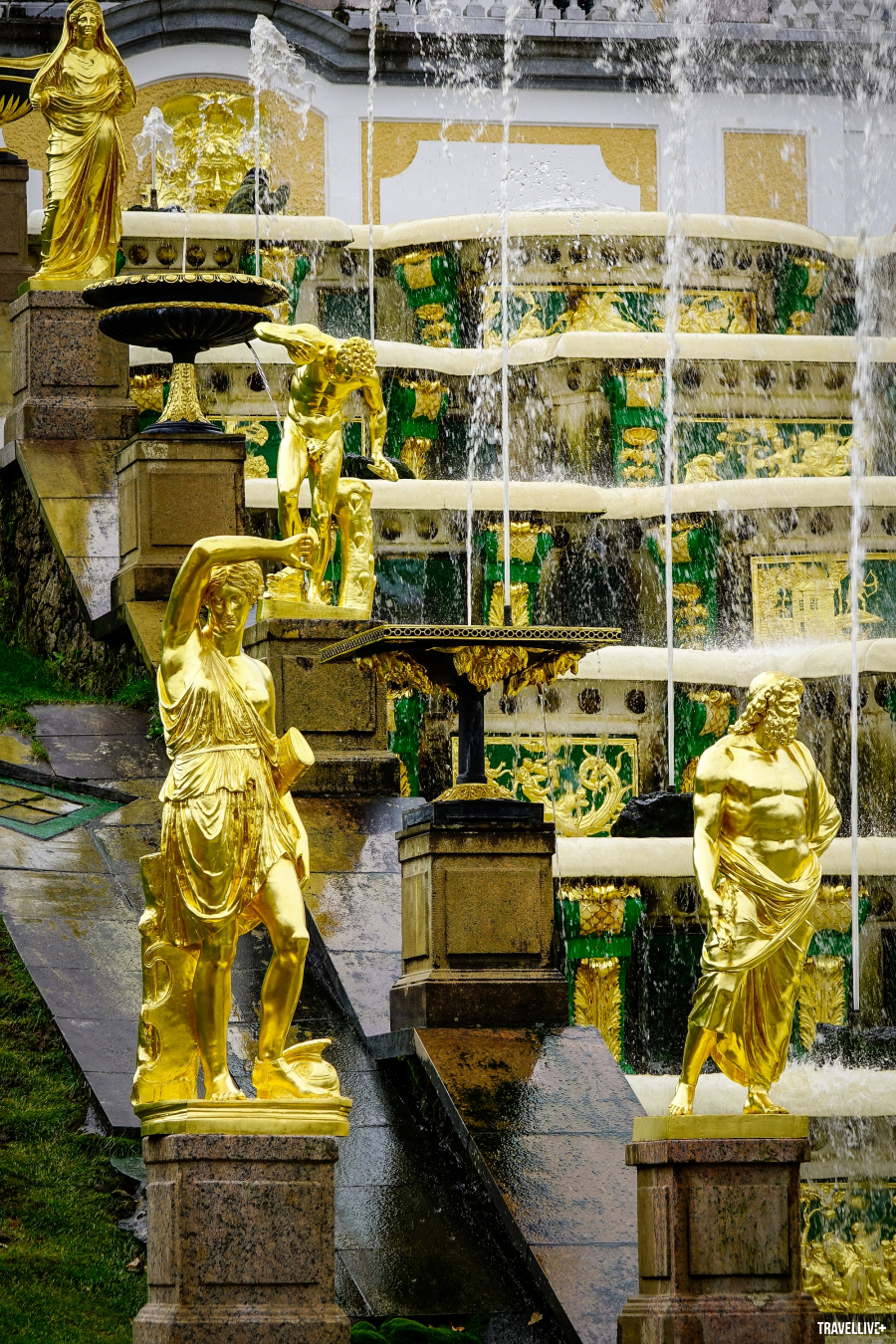
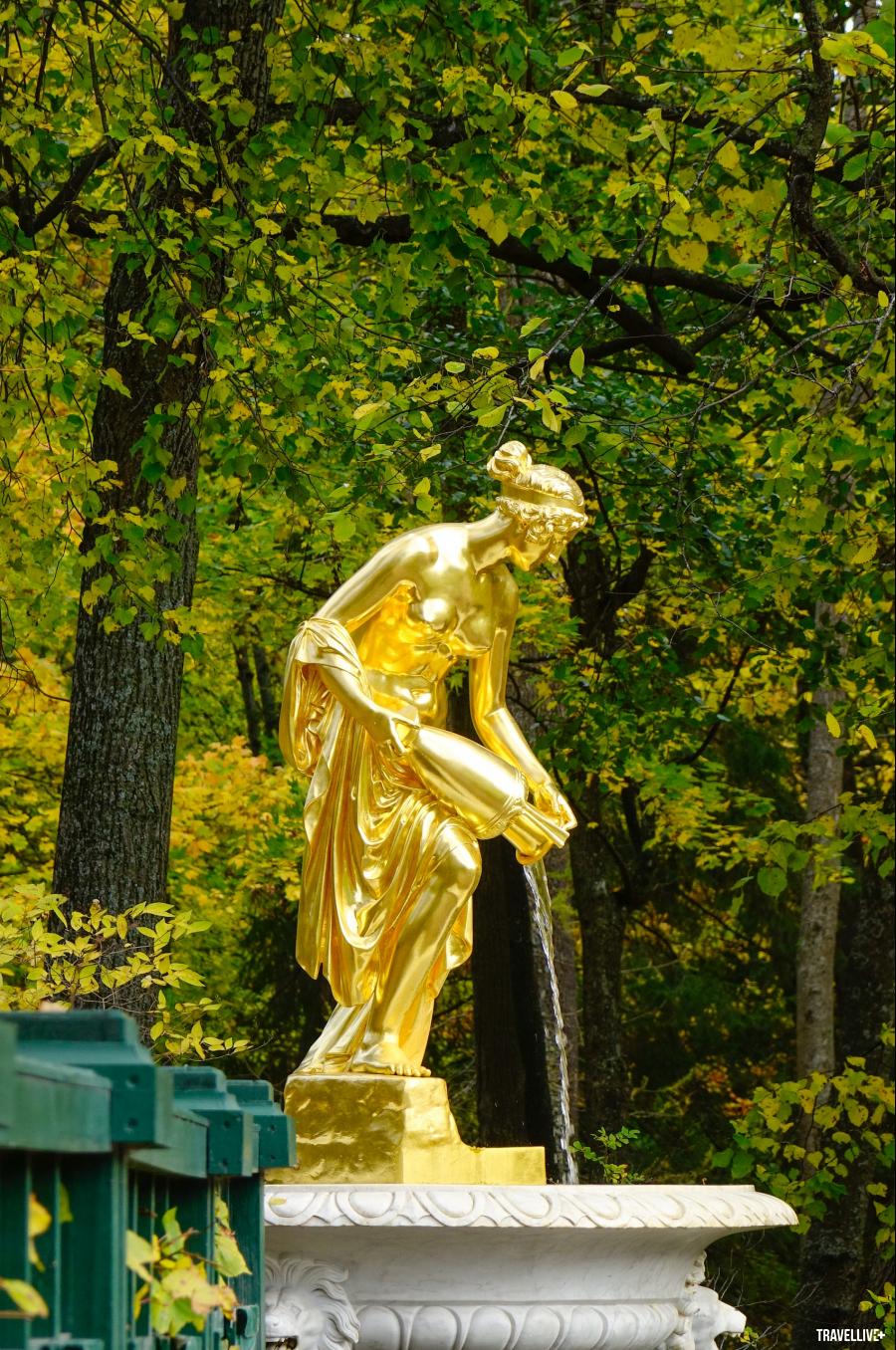
During our stay in Saint Petersburg, we also had the opportunity to go to the outskirts of the city, to Pushkin Village (formerly known as the Tsars' Village) to visit the Catherine Palace complex and its fairytale-like autumn gardens. Visitors have many choices because Saint Petersburg is surrounded by countless rare palaces, such as the Peterhof Summer Palace, world-famous for its vast gilded fountains and stunning autumn gardens. From the Peterhof fountains, visitors can enjoy panoramic views of the Gulf of Finland on clear days, or stroll along the tree-lined canals lined with incredibly lifelike sculptures...
The Russian Federation, its land and people
During our stay in Russia, we had the opportunity to experience most basic services and interact with a wide range of people. Above all, Russians still hold a very positive attitude towards Vietnamese people. Although history has brought its ups and downs, setbacks, and turning points, Russians have retained their genuine, warm, generous, and enthusiastic nature. At times during our journey, we encountered language barriers, but we also received sincere support from strangers.
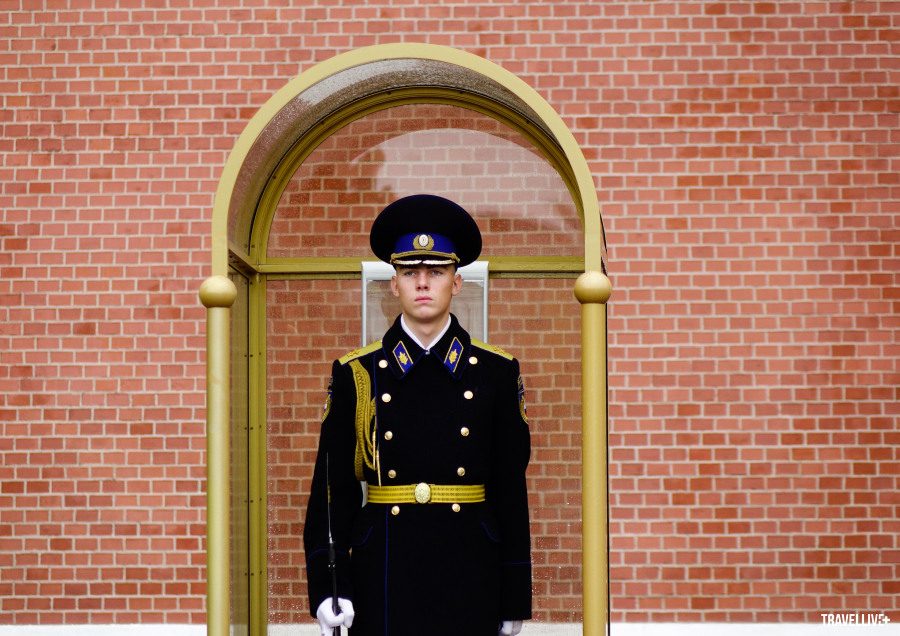
Kremlin guard
Modern Russia is like a symphony with many notes, both highs and lows. Tourists might encounter some difficulties in everyday communication, and tourism services in Russia can't be called perfect; they still retain a bit of the characteristics of the subsidy era in Vietnam. If you've experienced it before, you might find a certain charm or familiarity. Travel patiently and slowly, and you'll discover many beautiful, simple things.
Overall, Russian society seems to be at a crossroads. There's a segment of Russians who still hold a sense of pride in their glorious past, the era when the Soviet Union was a global superpower, experiencing the tragic stages of the Great Patriotic War. Alongside them is a younger generation with aspirations and faith in the future. Russia is perhaps still in a transitional phase, like trains running on tracks of the same size. The Sapsan high-speed train represents the youth, hurtling from city to city; and there are also trains, slow and deliberate, heading towards the suburban forests, where the sunset bathes the dense woodlands...
Additional information
Visa:You must pay the visa application fee (20 USD) in advance at the Vietnam-Russia Bank (1 Yet Kieu Street, Hanoi), then bring the receipt to the Russian Embassy to complete the visa application process.
Trip:From Vietnam, there are two airlines operating flights between Hanoi and Moscow: Vietnam Airlines and Aeroflot. Vietnam Airlines flies to Domodedovo Airport (approximately 50 km south of Moscow), while Aeroflot flies to Sheremetyevo Airport (approximately 30 km north of Moscow). Round-trip airfare from Vietnam to Moscow ranges from approximately 17 to 20 million VND.
Means of transportation:You can take an express train from the airport to the metro station (Pvavelevskaya station) or take a taxi to the center of Moscow (approximately over 1 million VND per trip). Public transport in Russia is excellent, especially the metro in major cities. Almost all train stations in Moscow have nearby metro connections.
In Moscow, buying multiple-use tickets is more economical than buying single-use tickets.
Accommodation:Hotels in Russia aren't as cheap as in many European countries. To save money, you should consider staying in dorms or apartments. In Moscow, it's best to book accommodation around the Arbat area for reasonable prices and convenient transportation.
Cuisine:Borscht (beetroot soup), Russian bread, Russian salad, salmon roe, Shashlik (grilled lamb), Okroshka (cold soup)... are just a few dishes you should try when visiting Russia.
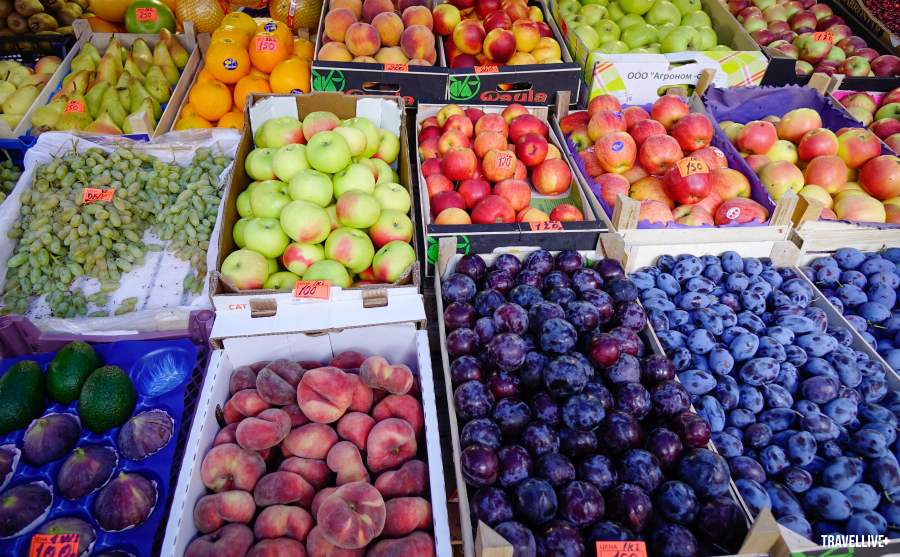
Russia has many kinds of delicious fresh fruits.
Weather:Autumn in Russia has temperatures ranging from 15 to 25°C, which is very pleasant for Vietnamese tourists.
Money:Russia uses the Russian ruble (RUB), with 1 ruble equivalent to 352 Vietnamese dong.
Other notes:
- The most convenient way to use the internet in Russia is to buy a 4G SIM card. Tele2 SIM cards are super cheap, costing 200 rubles for 2GB of internet access (quite good for a 7-10 day trip) and 120 minutes of free calls to all networks. You can buy them at the airport or at metro stations and large shopping malls.
- Most attractions offer free luggage storage services for visitors.

 VI
VI