VI
VI


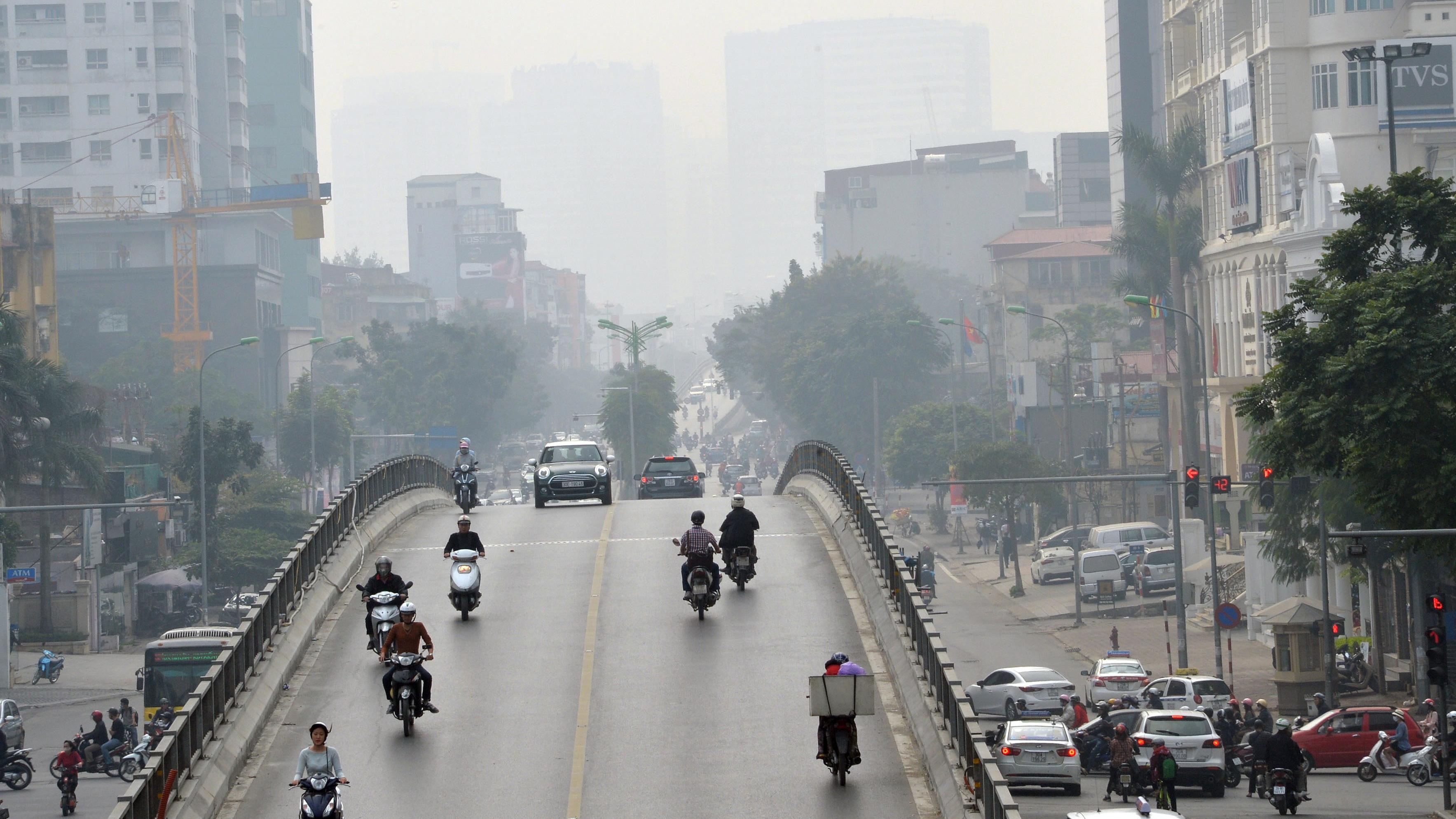
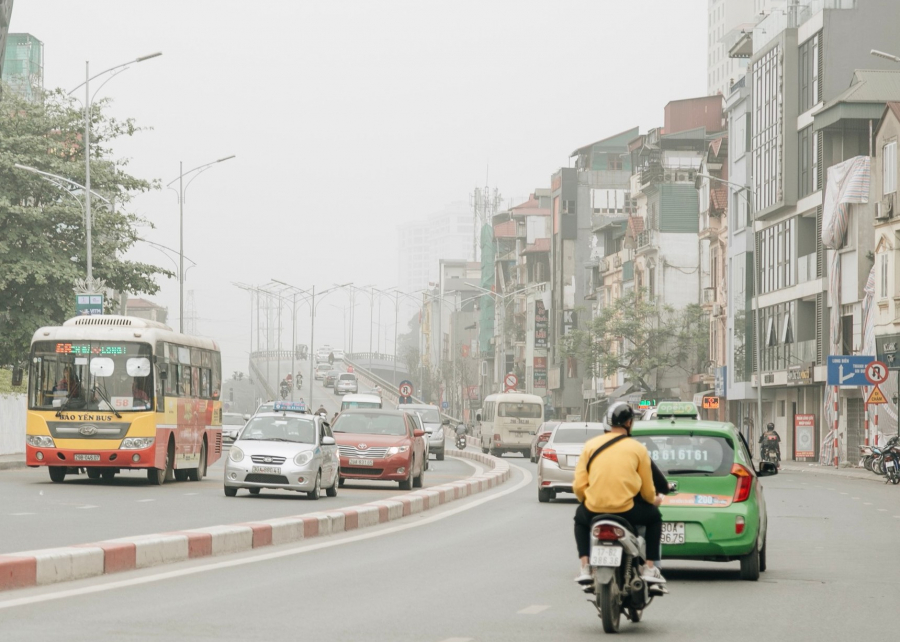
On September 15th and 16th, air pollution levels in Hanoi were high. Dust pollution was present in many areas.
Specifically, the location with the lowest air quality was the Academy of Finance with an AQI of 179. Monitoring points in central Hanoi such as Hang Trong (Hoan Kiem) recorded 170, Tran Quang Khai recorded 160. Other monitoring points such as the O Cho Dua intersection recorded 164, Thai Ha (Dong Da) recorded 155, and Nga Tu So recorded 156.
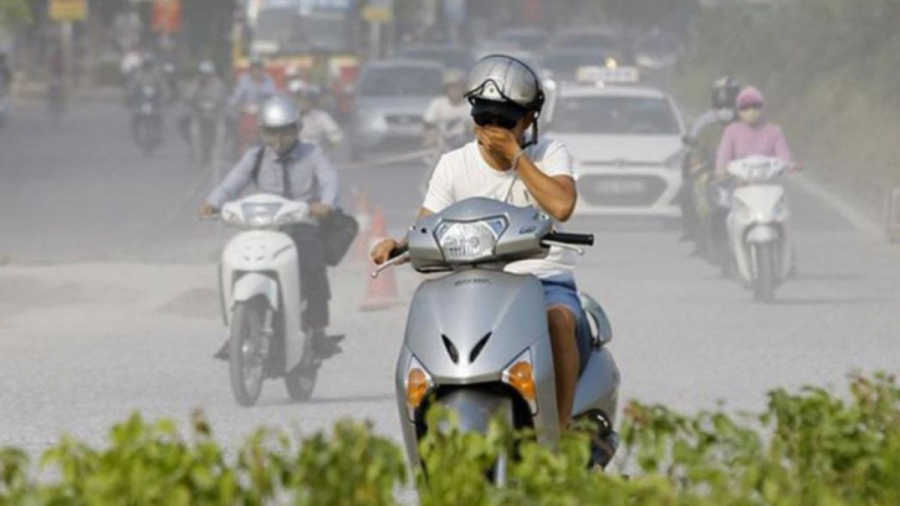
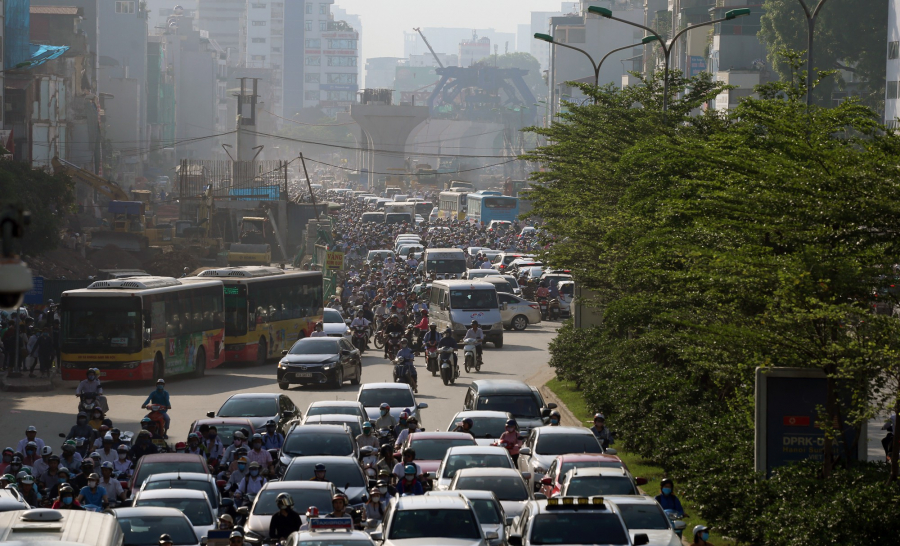
Traffic and construction are also reasons why Hanoi's streets are often shrouded in smog.
According to Vietnam's AQI classification, an AQI of 100-200 is considered unhealthy, and people with sensitive conditions such as respiratory or cardiovascular diseases should limit their time outdoors. An AQI exceeding 300 is extremely hazardous, indicating an emergency health warning; people should stay indoors and avoid going outside.

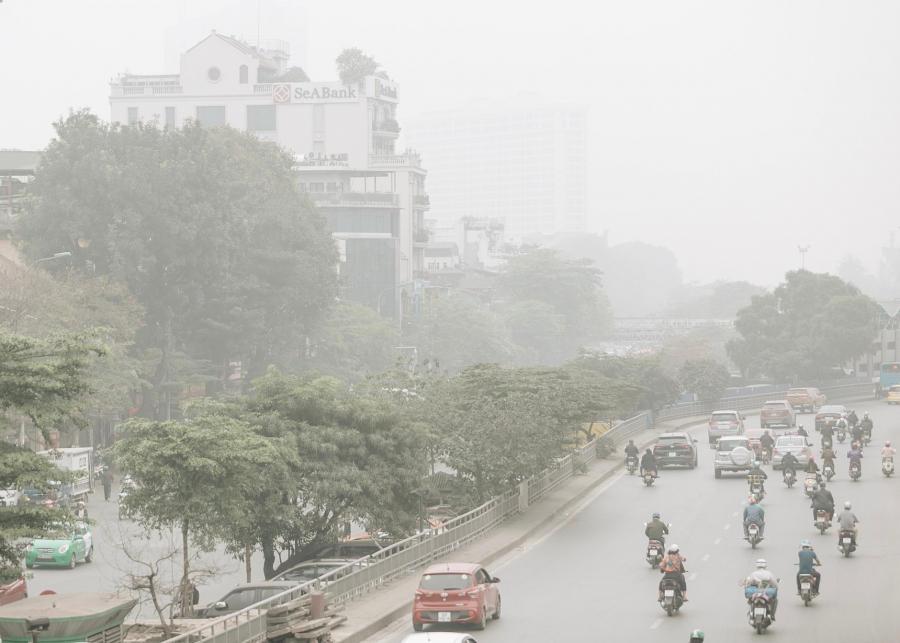
Numerous studies in Hanoi have indicated that temperature inversion is one of the main causes of the sudden increase in the concentration of pollutants (especially PM 2.5 dust – which contains many metal particles that can cause cancer and gene mutations, and which ordinary masks cannot block). According to experts, if the streets are heavily polluted with dust combined with temperature inversion, all of this dust will be trapped in the lower atmosphere.
There are many main causes of air pollution in the capital, including: traffic, construction, industrial production activities, etc.
Previously, at the 2018 Year-End Review Conference of the Ministry of Natural Resources and Environment, Mr. Nguyen Duc Chung, Chairman of the Hanoi People's Committee, affirmed that air pollution is a serious environmental problem in the capital city.