VI
VI


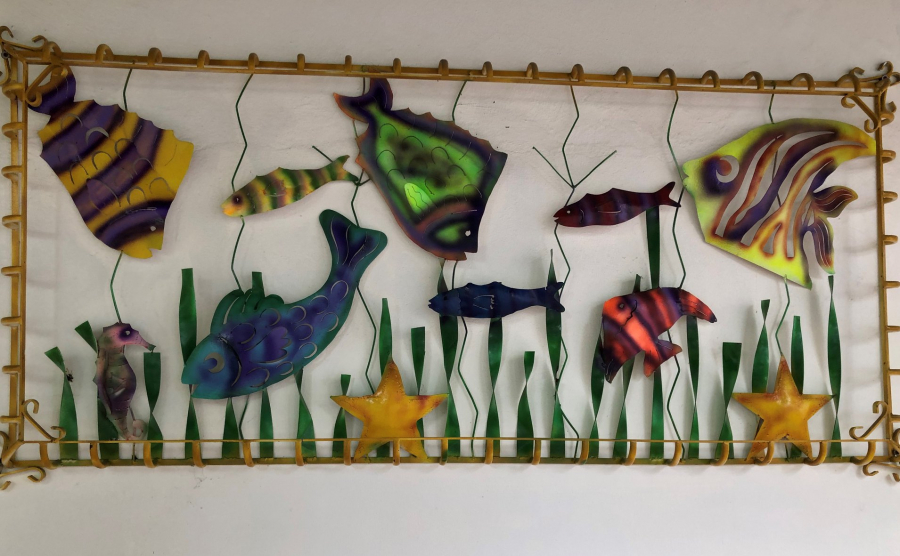
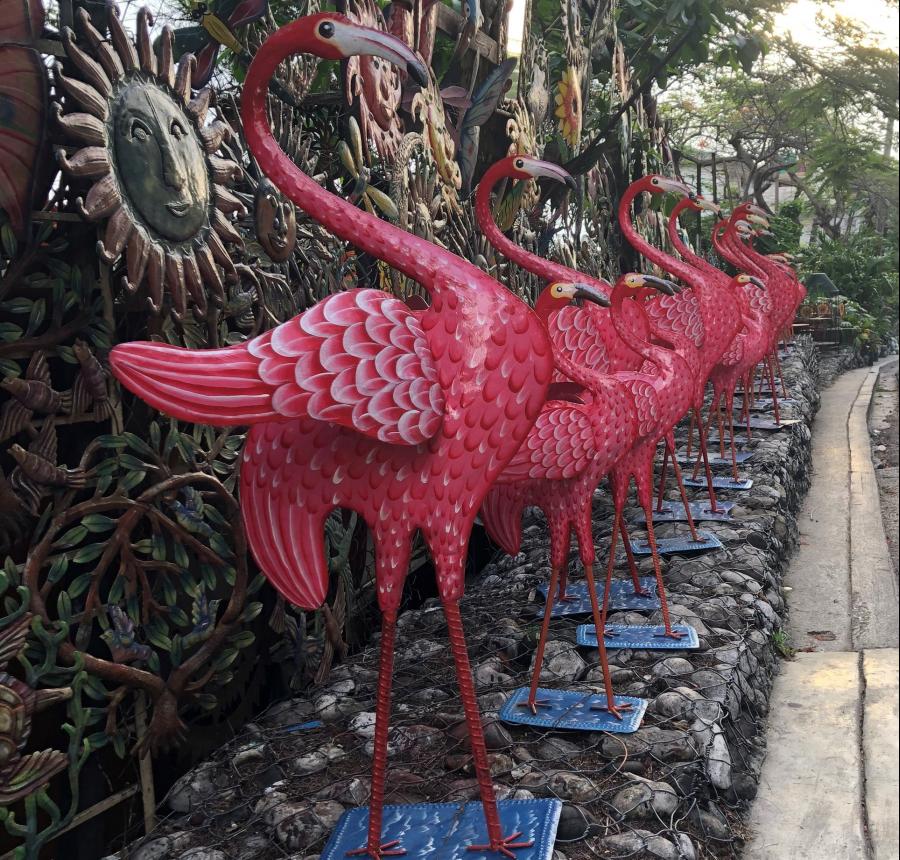
Much like the Haitian spirit, their most distinctive art forms originate from a seemingly rough and unrefined material: ironwork. The Haitian people skillfully combine the strength and robustness of iron with graceful artistic creativity to produce truly impressive works.
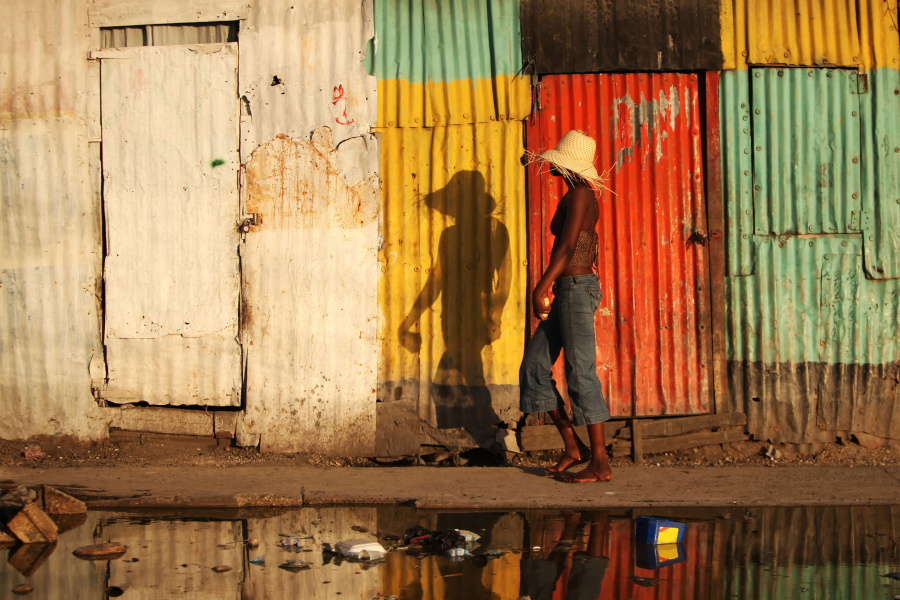
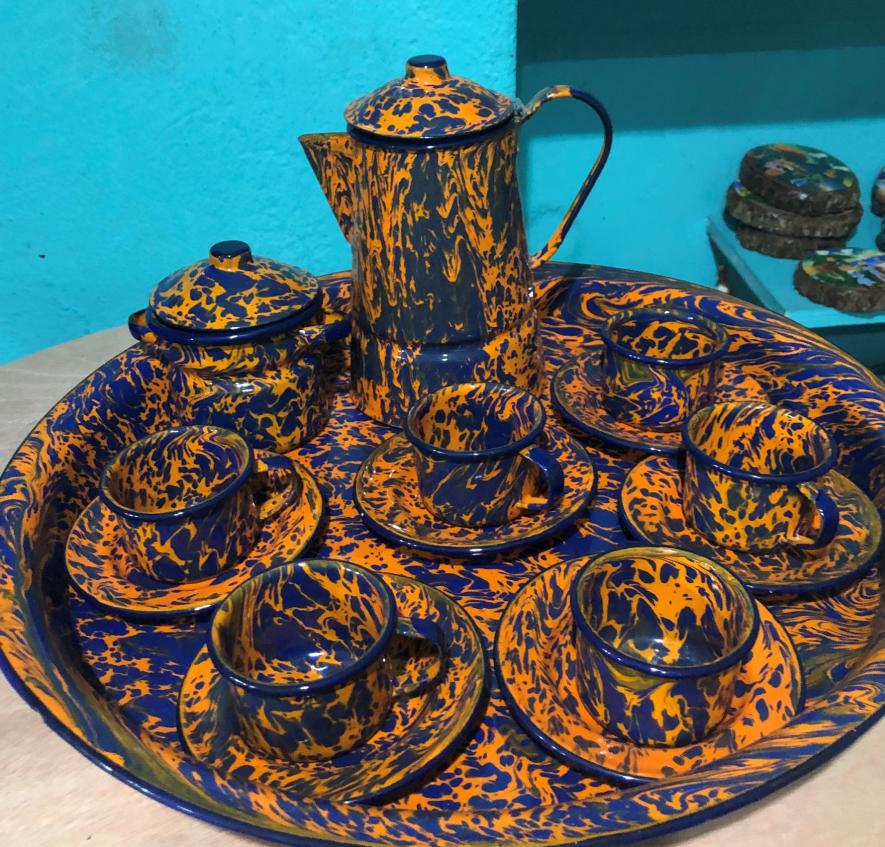
Haitian iron products achieve a level of sophistication and durability suitable for outdoor decoration. Haitian ironwork harmonizes well with interior and garden decor, and is highly favored by upscale restaurants and hotels. Furthermore, from children's toys to everyday items, Haitian iron products come in a wide variety of colors and styles.
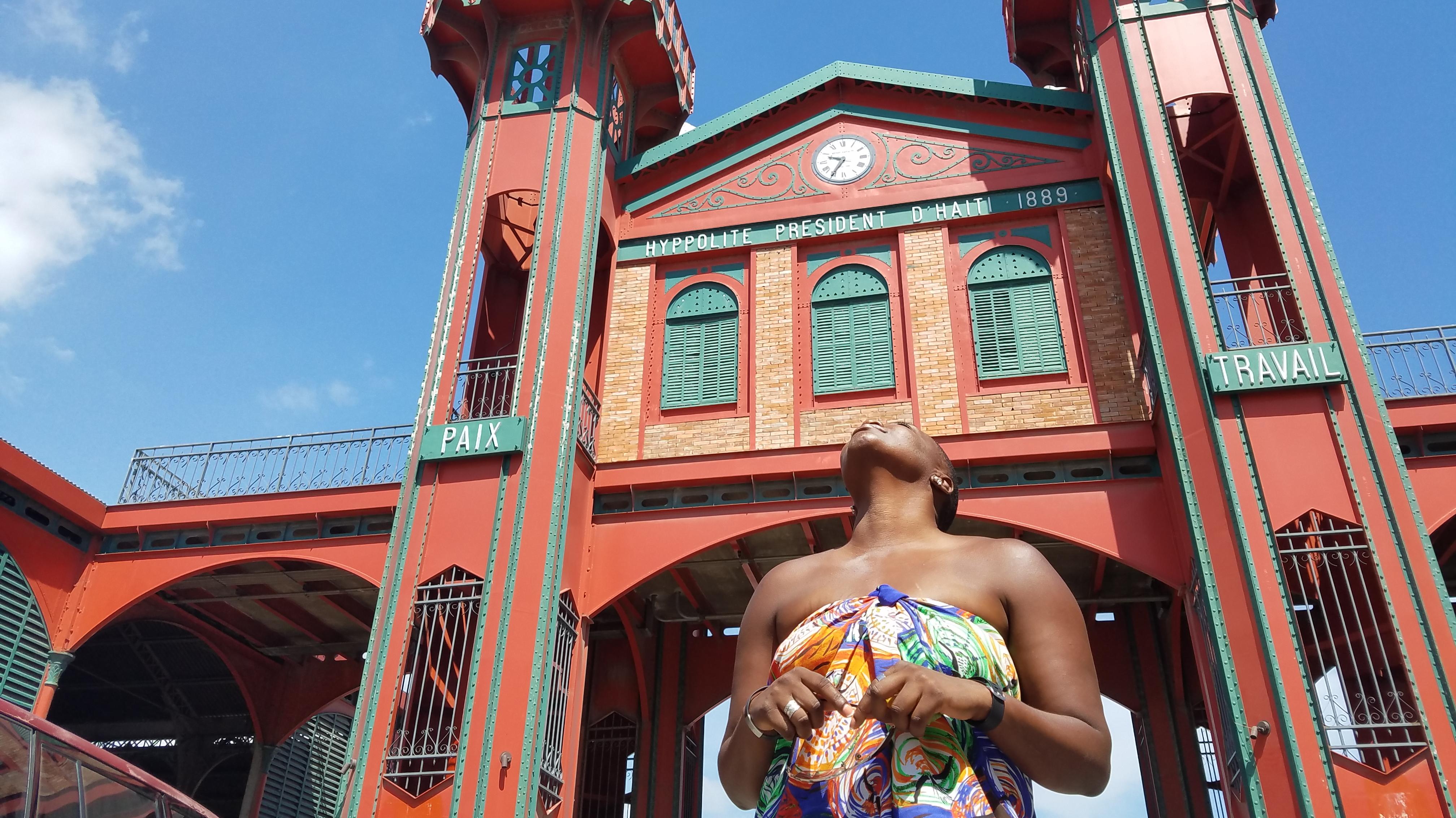
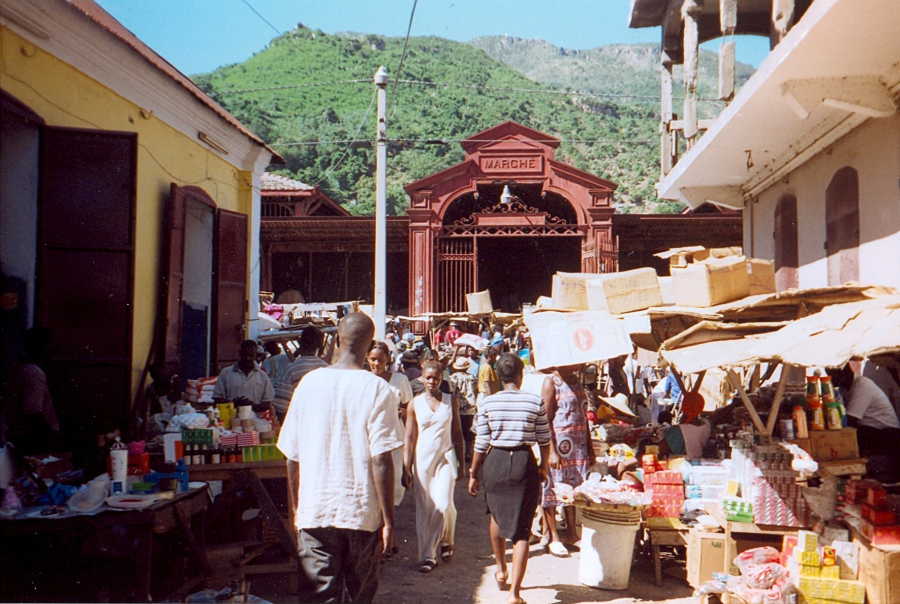
The perfect place to admire Haiti's metal architecture and ironwork is the Iron Market, sometimes called the Hyppolite Market by locals because former President Florvil Hypolite bought the metal structure from France. Built in the 1890s, the Iron Market was completely destroyed by Haiti's largest earthquake in history in 2010. However, it was rebuilt in 2011 at a cost of $18 million. Today, the Iron Market is considered a national heritage site of Haiti.

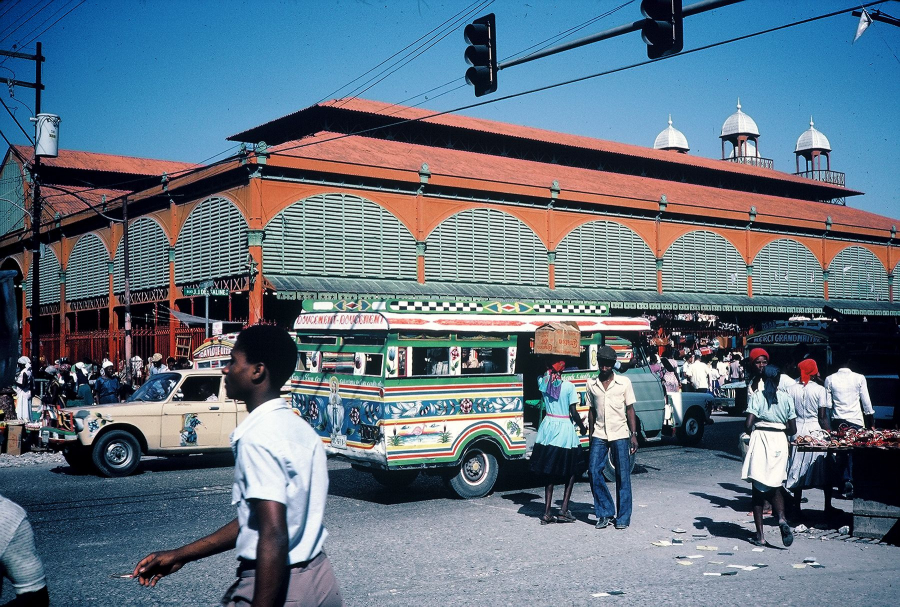
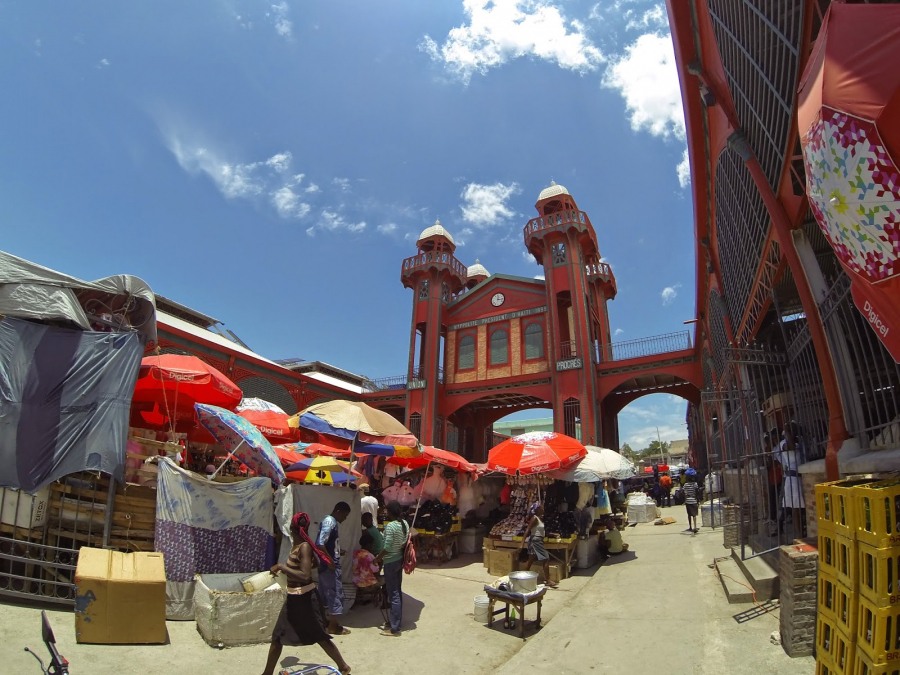
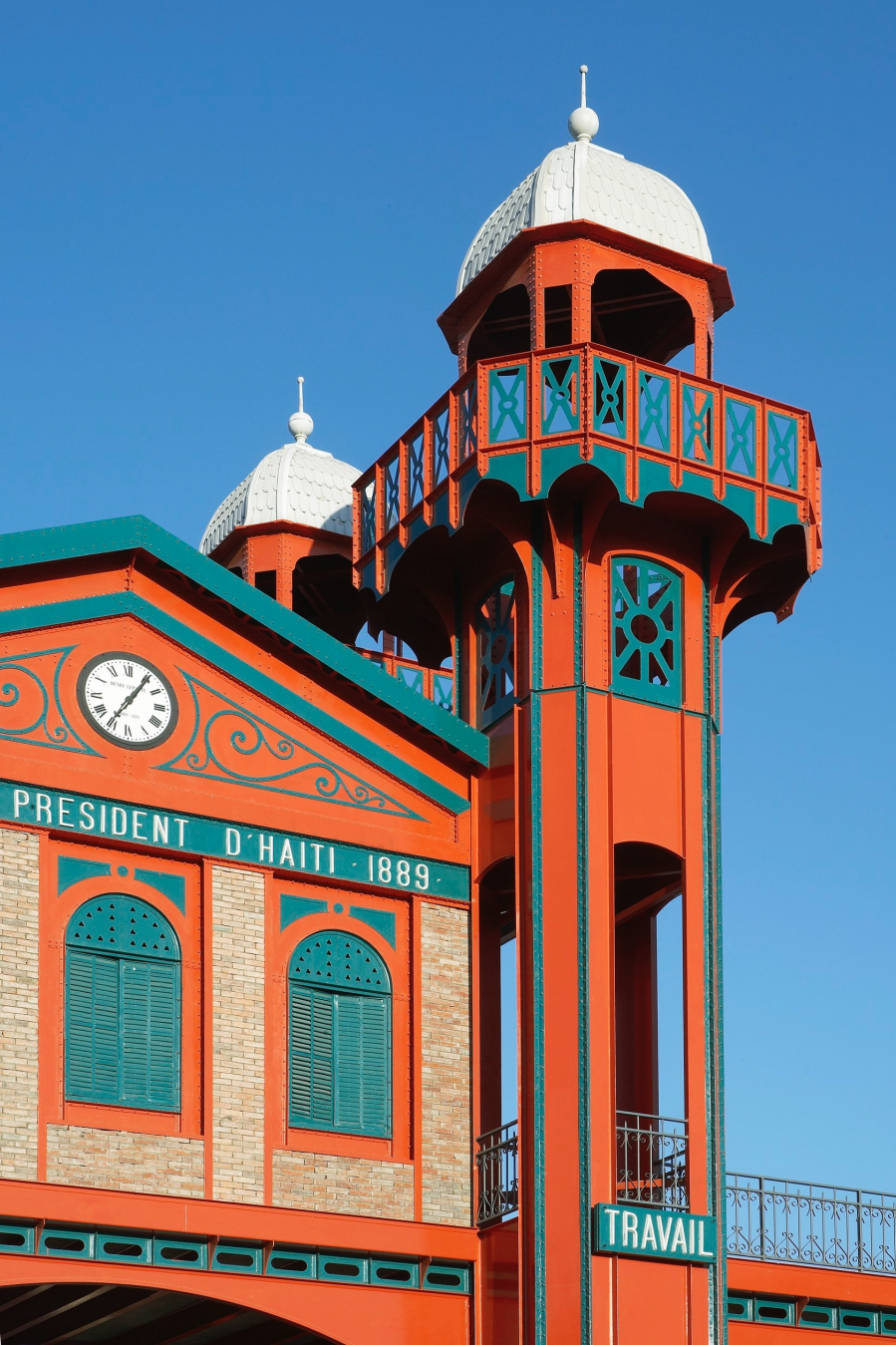
The market comprises two large halls with vaulted ceilings and iron frames, each vaulted and spanning 2,000 m². It is connected by an iron gate with four arched towers and a clock mounted on the gate's facade. The entire structure is painted red with striking green accents.
This is perhaps the busiest place in Haiti. When visiting the Iron Market, be prepared to be uninhibited and not overly polite, otherwise you'll be overwhelmed by the crowds, the goods, and the aggressive sales tactics. At the Iron Market, you'll find everything you could want to see in Haiti, from handicrafts to spices and food.
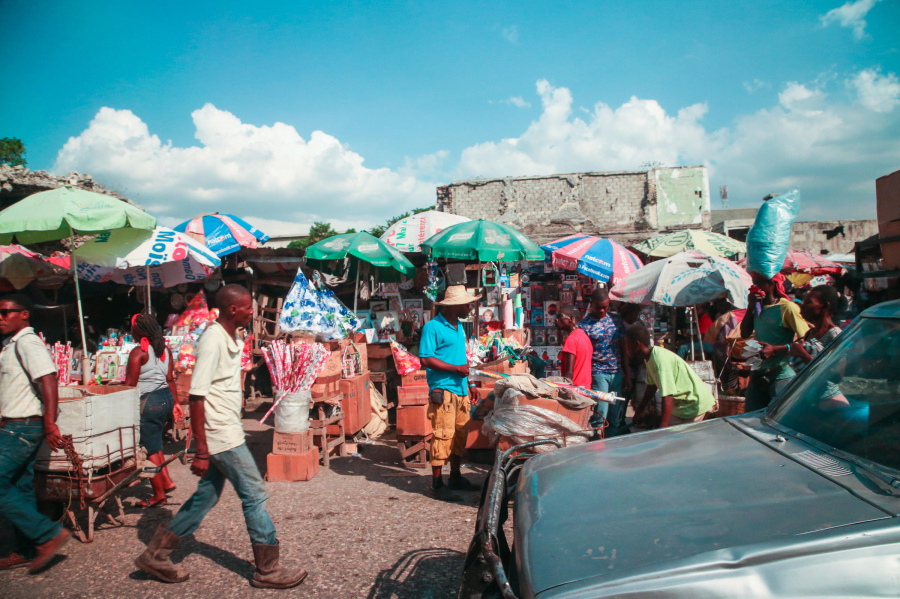
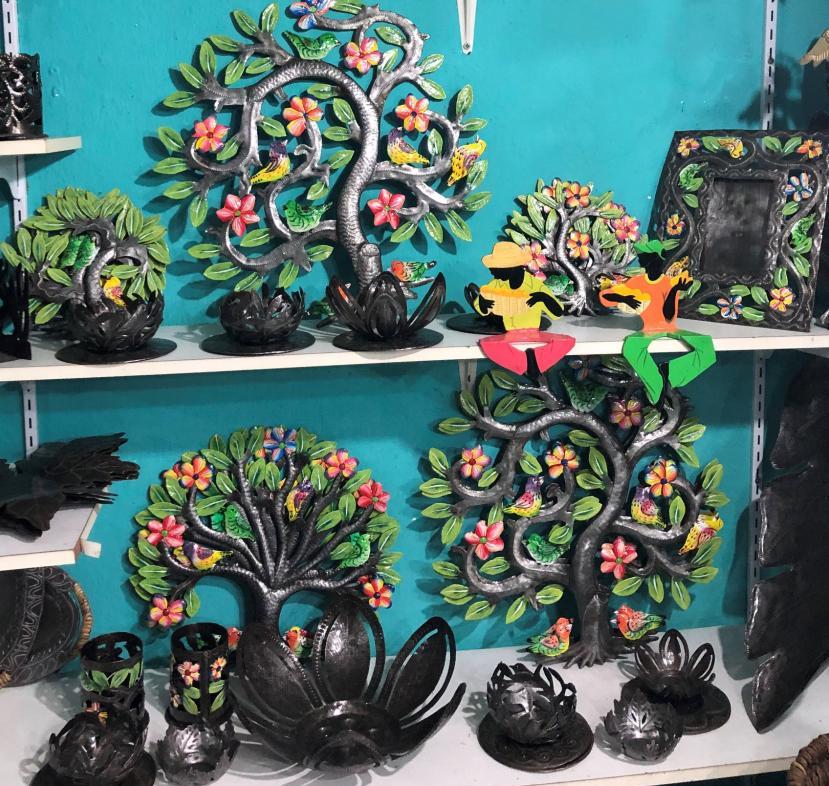
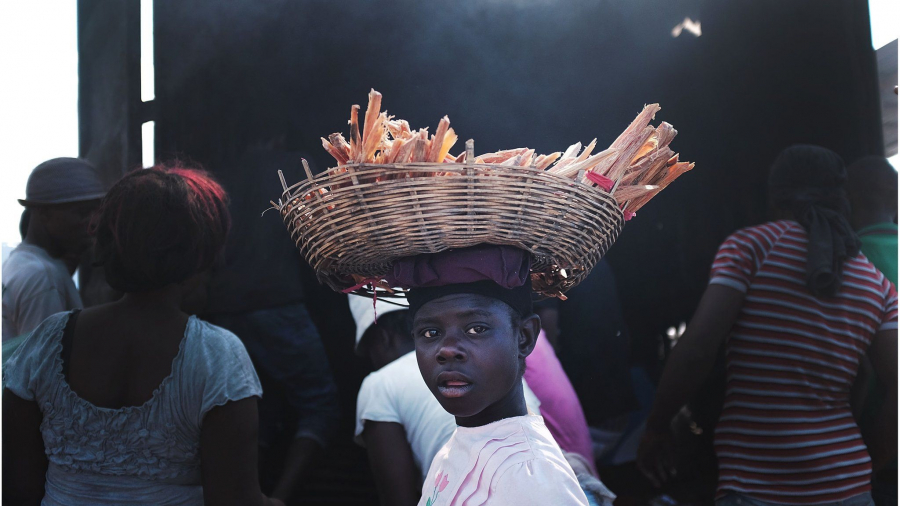
Don't rush, take your time to browse and comfortably haggle with the vendors, and you'll embark on a shopping spree in the most frenetic and joyful atmosphere. Of course, the Iron Market isn't entirely suitable for those who dislike hustle and bustle and crowds.