VI
VI


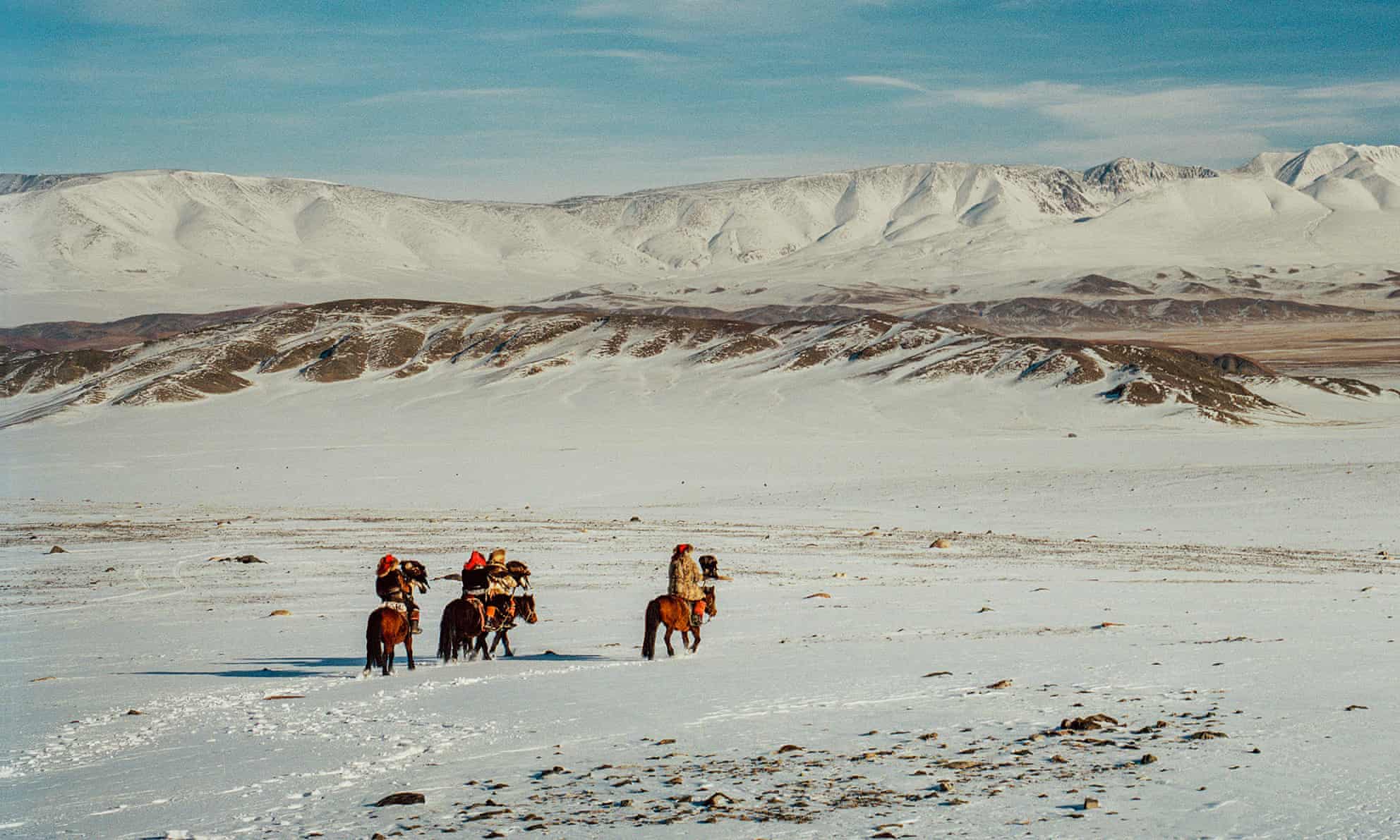
Photographer Frédéric Lagrange originally worked in New York. From a young age, he heard his first stories about Mongolia from his French grandfather, who had been freed from a German prisoner-of-war camp by Mongolian soldiers in 1945. Since then, Lagrange has been fascinated by the land.
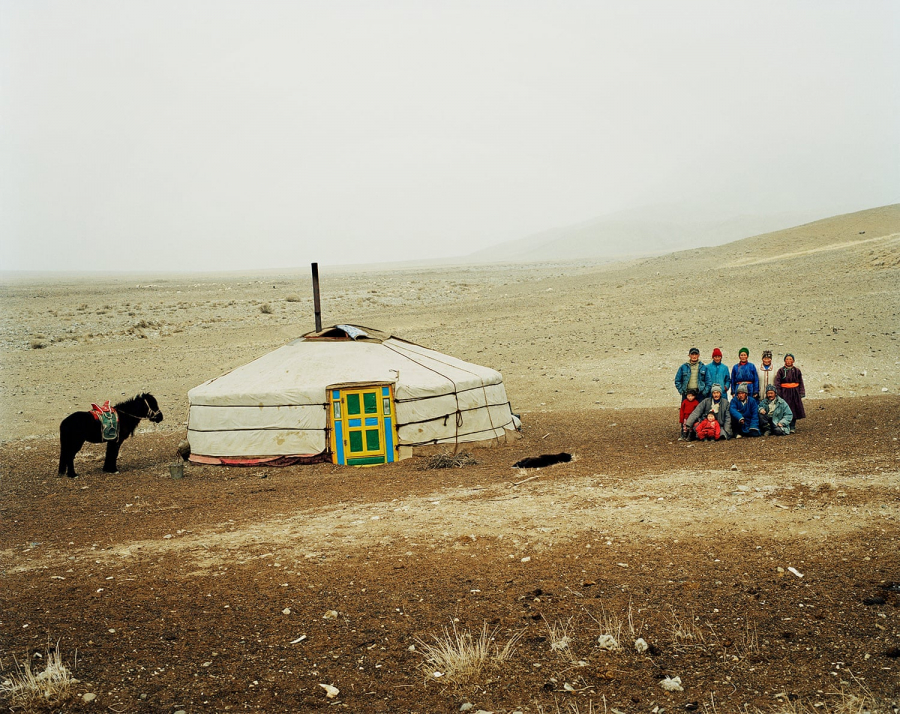
A Mongolian family stands outside their yurt (tent) near Lake Üüreg, in western Mongolia.
Lagrange first visited the "steppe land" in 2001: "The country was exactly as I imagined: pristine, with magnificent landscapes including vast deserts, majestic mountain ranges and seemingly endless green plains."
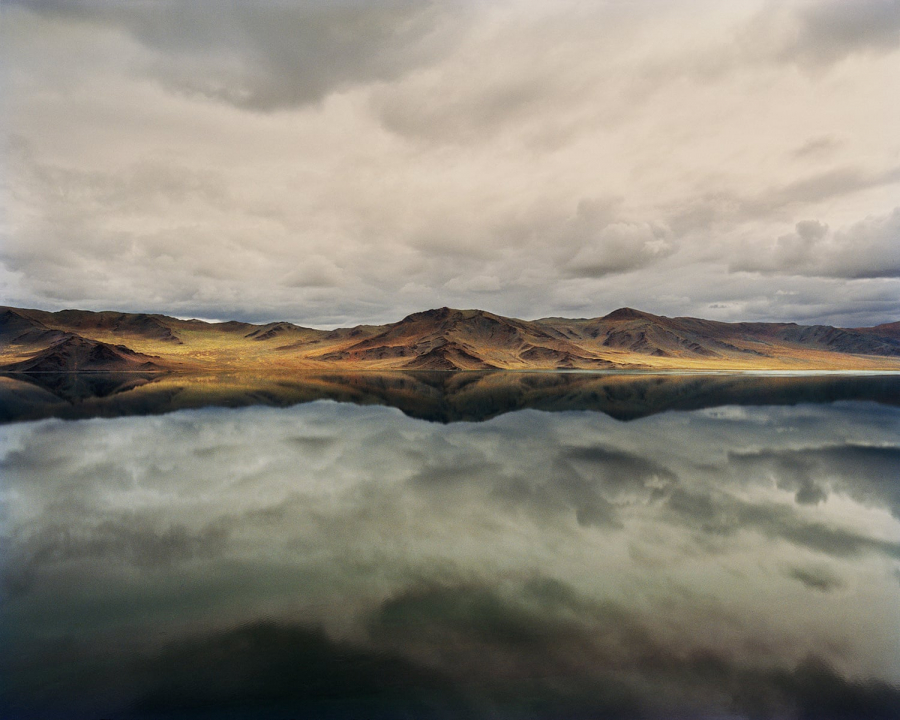
Lake Tolbo is located in Bayan-Ulgii, also in western Mongolia.
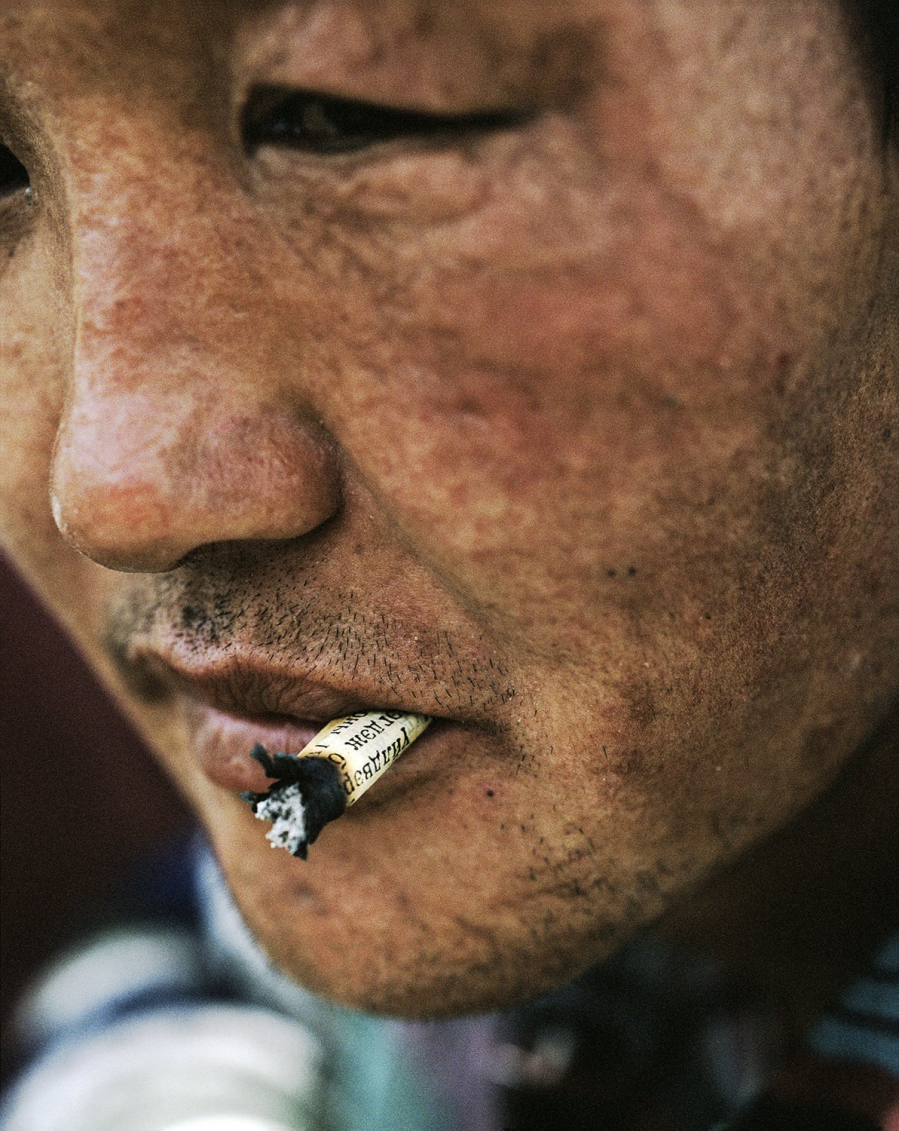
Altai, one of Lagrange's first Mongolian friends, personally rolled his cigarettes in newspaper.
Over the past 17 years, Lagrange has made 13 month-long trips to Mongolia to document rural life, experiencing the harsh and diverse seasons of the land.
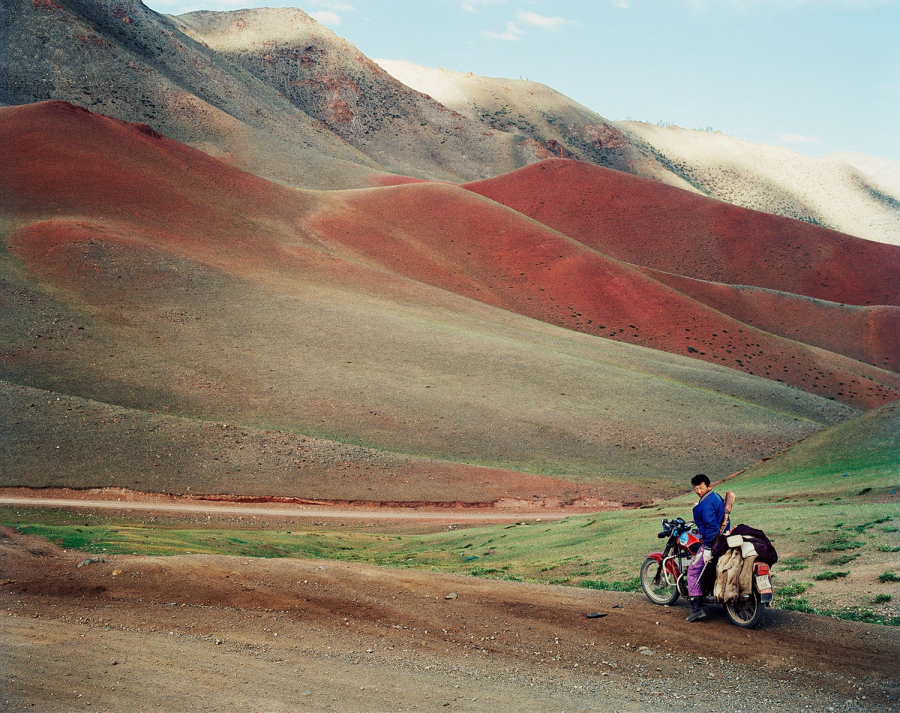
A marmot hunter on a motorbike, near Lake Üüreg.
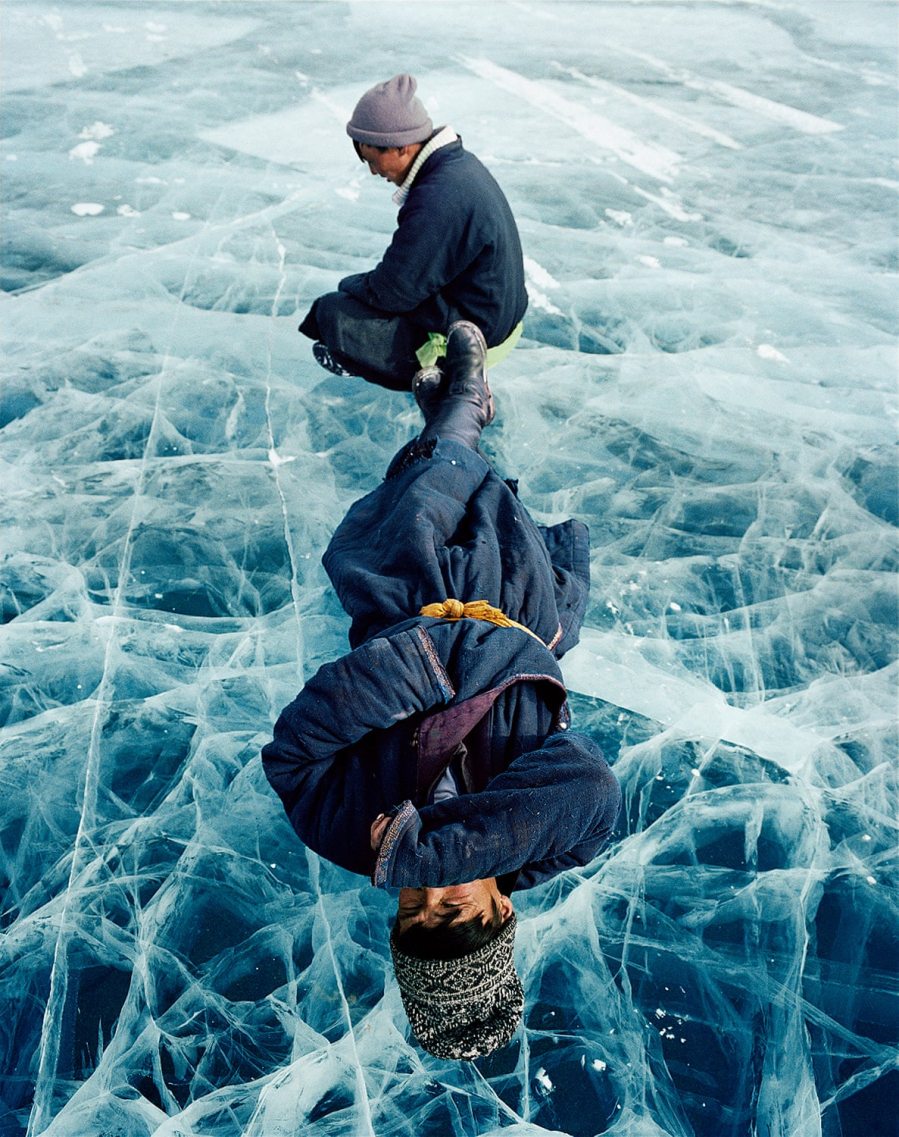
While driving across the frozen Lake Khövsgöl in the north of the country, Lagrange spotted two men lying on the ice, about 20km from the shore. "It was early one morning, and both men were completely drunk on cheap vodka. They didn't say a word to us. We didn't know what they were waiting for."

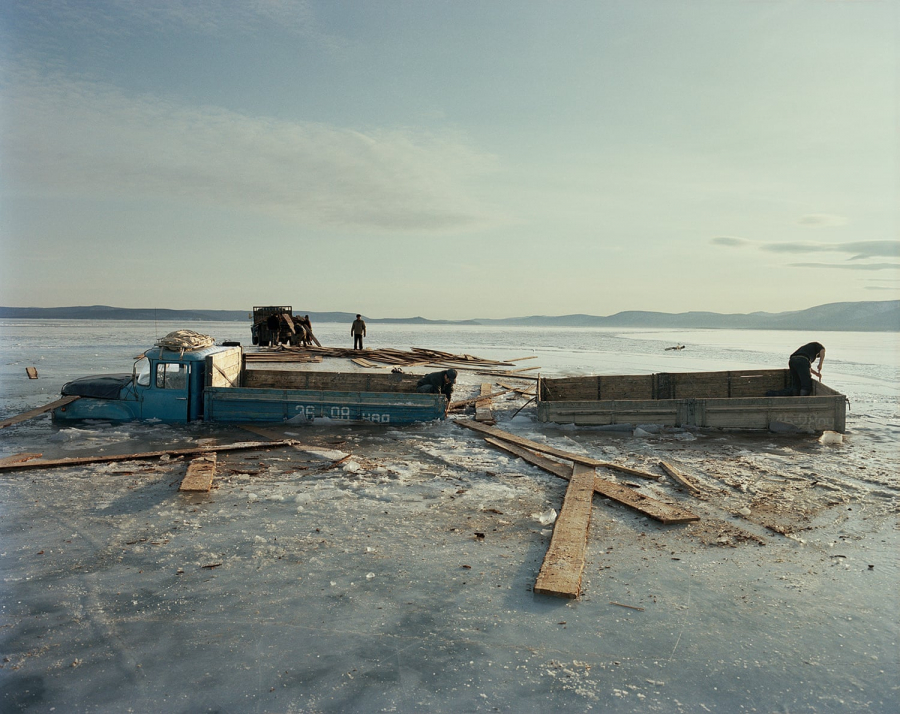
The ice is usually firm enough to drive across Lake Khövsgöl in late February, but unexpected warmer winds caused the surface of the lake to collapse, submerging this truck.
The hospitable nomadic families Lagrange met allowed him to join them on horseback hunting trips.
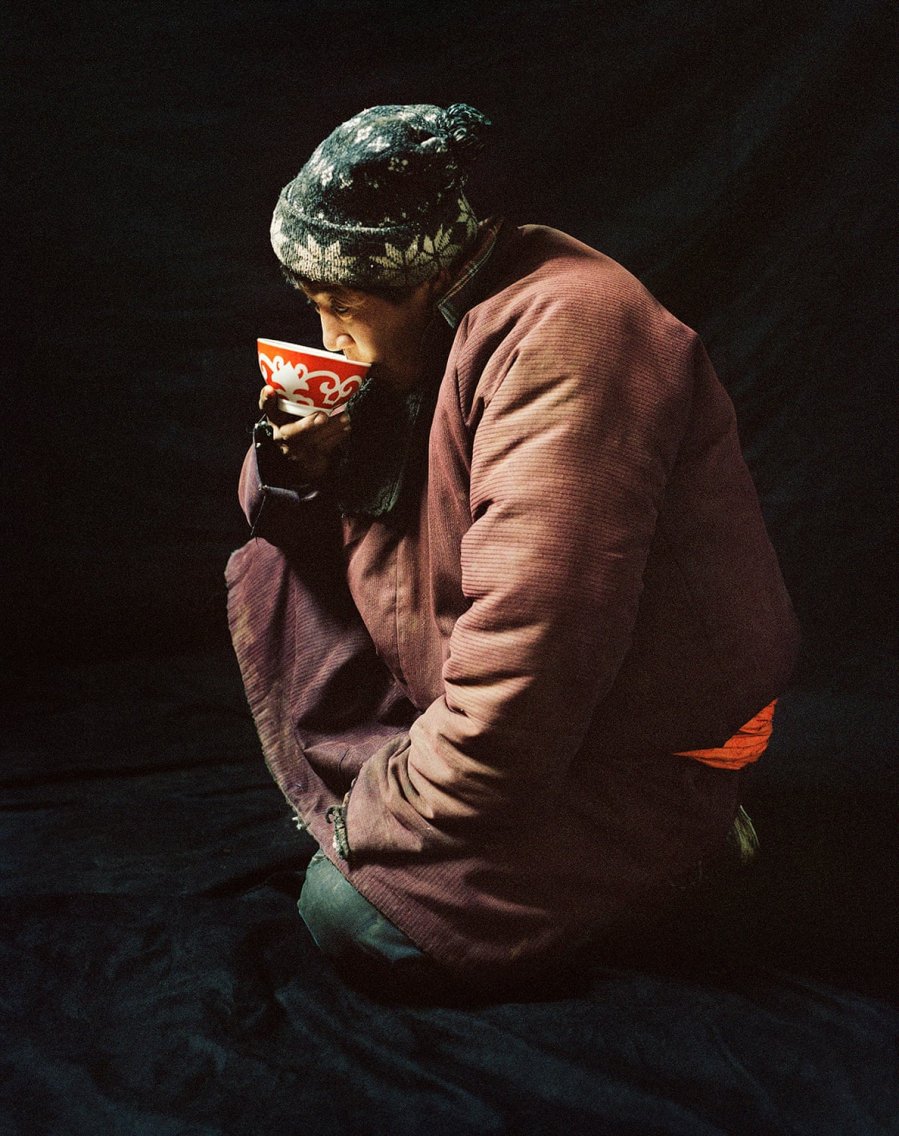
The photo shows a shepherd drinking tsai, a traditional tea made from milk, sugar, water, black tea leaves, and salt.
"Wherever we stopped, we were welcomed into people's homes. Often, the presence of guests was the only way for the locals to receive news from other parts of the country."
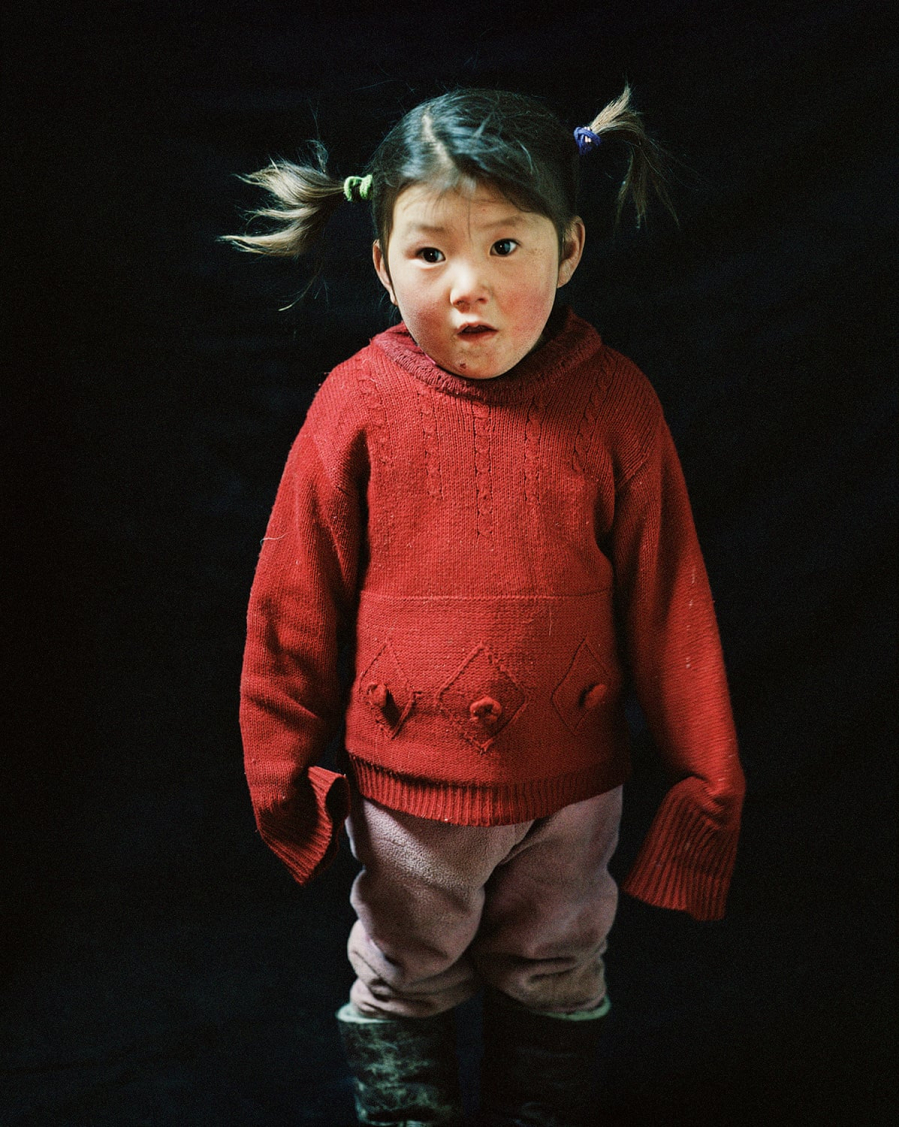
The photo shows the shepherd's daughter.
During an early morning outing, a local friend told Lagrange, "When the Mongols begin their nomadic journey, they know exactly when they will leave; but they never know when they will arrive," emphasizing the unpredictability of nomadic voyages.
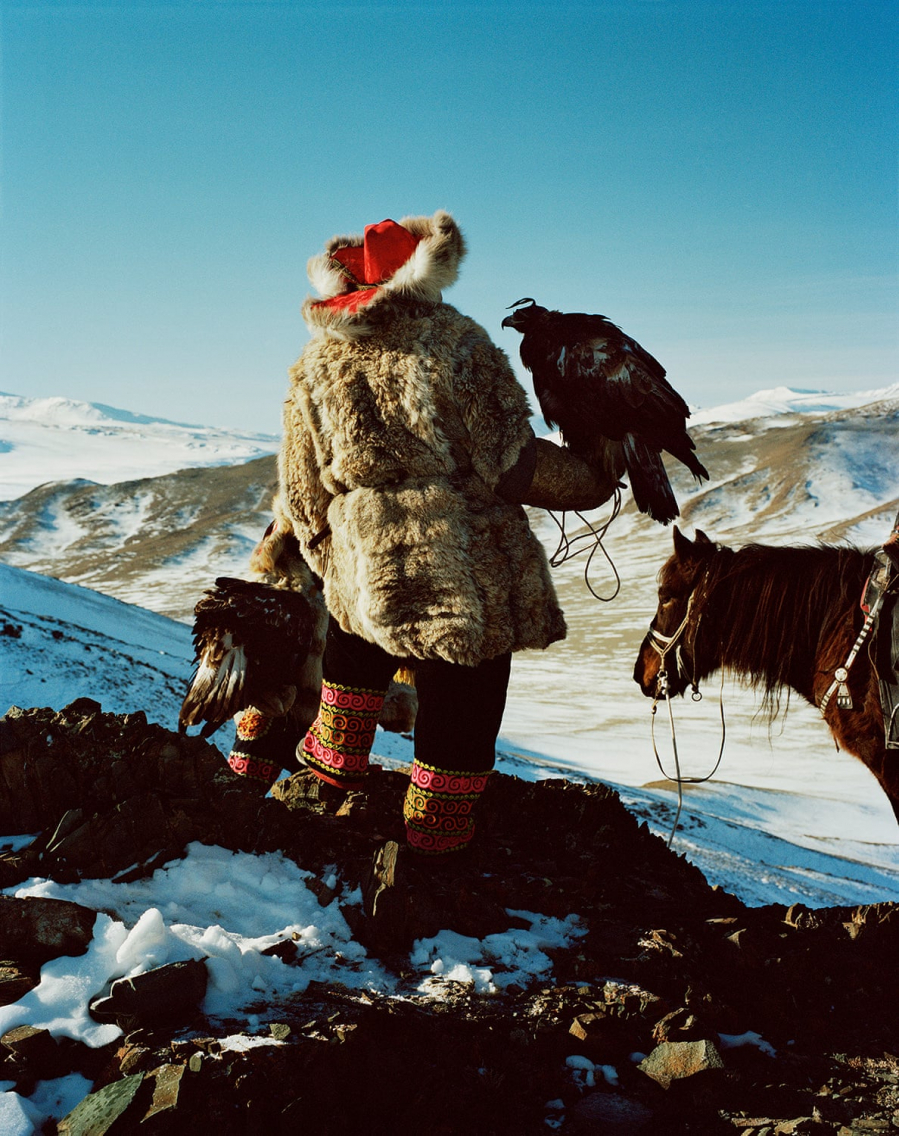
The photo shows an eagle hunter near the Altai village of Bayan-Ulgii.
"Taking pictures with a film camera and using negative film in the extremely cold winter weather is really difficult. My camera often jams or stops working after just a few minutes of exposure to the frigid air."
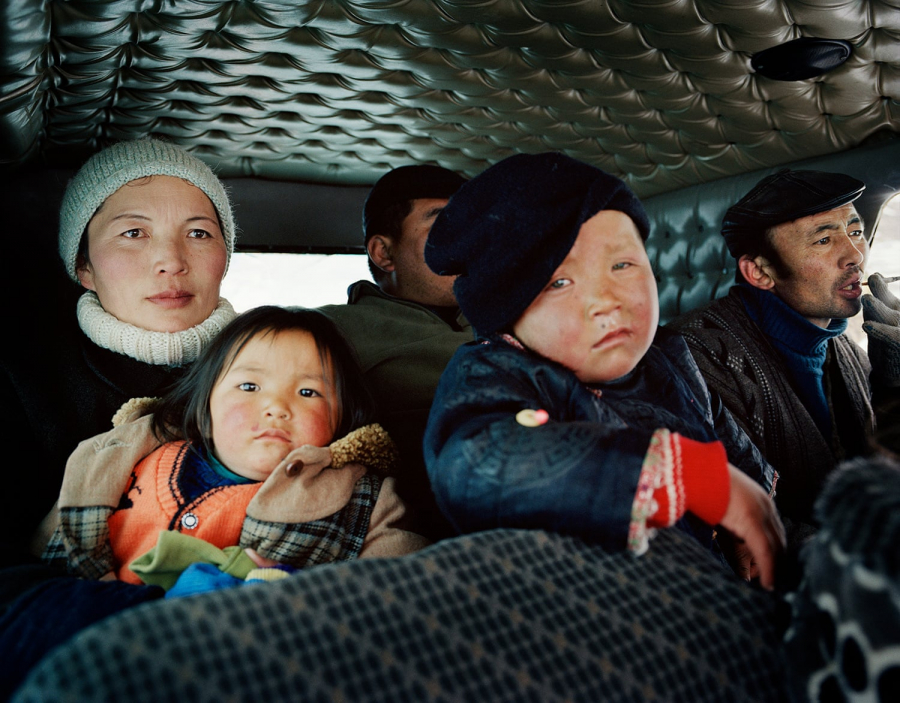
The image shows a family being evacuated during a snowstorm, near the village of Tsengel, Bayan-Ulgii.
"Once I let go of my rigid expectations, things flowed more smoothly. I went to places that weren't on the plan, and those unexpected moments gave me the opportunity to capture some truly stunning images."
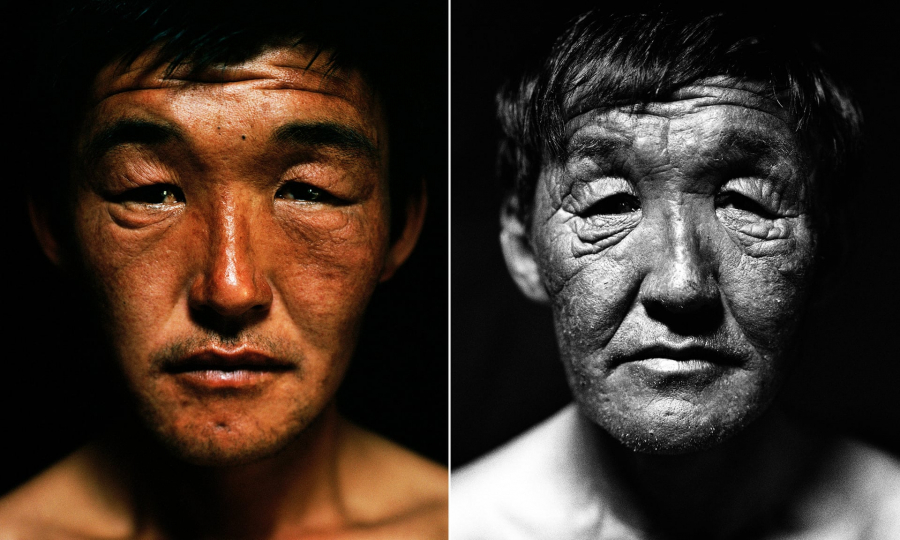
These two photographs of Altai are evidence of the impact of time on people in Mongolia over the past 17 years.
Altai worked as a forest ranger his entire life, responsible for protecting the Lake Üüreg area from Russian smugglers and spending much of his time riding horses outdoors throughout the year. His vigorous aging is a result of his exposure to the harsh weather and his love of Mongol vodka.